
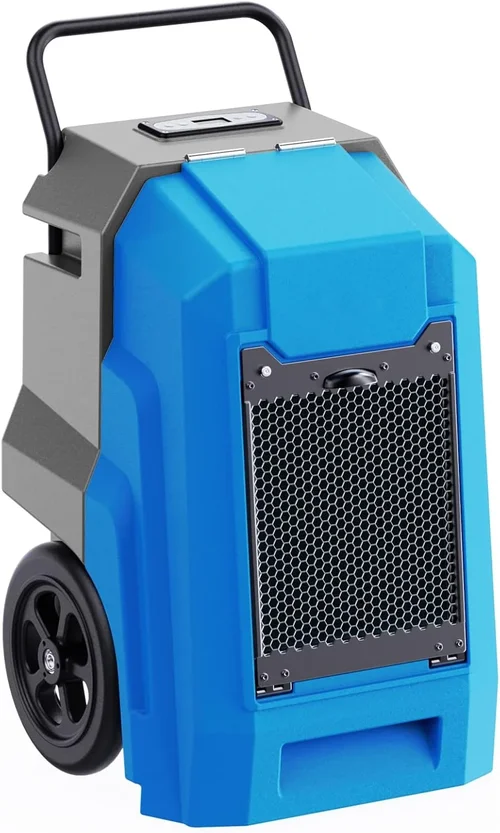
When it comes to managing indoor humidity without relying on electricity, non electric dehumidifiers offer a surprisingly effective and eco-friendly solution. Whether you’re dealing with damp basements, musty closets, or seasonal moisture in RVs and cabins, these devices can make a real difference in air quality, comfort, and even the longevity of your belongings. Unlike their electric counterparts, non electric models operate silently, consume zero energy, and require minimal maintenance—making them ideal for off-grid living, emergency preparedness, or simply reducing your carbon footprint. In today’s world, where energy costs are rising and sustainability is more important than ever, understanding how to choose the right non electric dehu midifier is a smart move.
This comprehensive buying guide is designed to equip you with everything you need to make an informed decision. Whether you’re a first-time buyer or looking to upgrade your current moisture control system, we’ll walk you through the key factors that matter most—from performance and build quality to budget and brand reliability. You’ll learn how different types of non electric dehumidifiers work, what features to prioritize based on your specific needs, and how to avoid common pitfalls that could lead to disappointment. By the end of this guide, you’ll not only know what to look for but also how to get the best value for your money, ensuring long-term satisfaction and peace of mind.
The market for non electric dehumidifiers has evolved significantly in recent years. What once consisted mainly of basic desiccant-filled containers has now expanded to include innovative gel-based systems, reusable silica gel units, and even plant-based moisture absorbers. Brands like Eva-Dry, DampRid, and Dry-Packs have refined their formulas and designs to deliver better performance, longer lifespans, and improved usability. With options ranging from under $10 to over $100, there’s something for every budget and application. Whether you need a small unit for a closet or a larger system for a basement, this guide will help you navigate the options and find the perfect fit.

What to Look for When Buying Buying Guide
1. Moisture Absorption Capacity
One of the most critical factors when choosing a non electric dehumidifier is its moisture absorption capacity—essentially, how much water it can pull from the air before needing replacement or recharging. This is typically measured in ounces or milliliters and varies widely depending on the product. For example, a small closet dehumidifier might absorb 8–12 ounces over several weeks, while a larger room unit could handle 30–50 ounces. Always match the capacity to the size of the space and the level of humidity you’re dealing with. A unit too small for the area will quickly become saturated and ineffective, while an oversized one may be unnecessarily expensive.
Look for products that clearly state their absorption capacity under standard conditions (usually 70°F and 60% relative humidity). Some brands also provide real-world usage estimates, such as “lasts up to 60 days in a 50 sq ft closet.” These practical metrics are far more useful than vague claims like “high absorption.” Additionally, consider whether the product uses calcium chloride, silica gel, or another desiccant, as each material has different absorption rates and lifespans.
2. Reusability & Maintenance Requirements
Not all non electric dehumidifiers are created equal when it comes to reusability. Some models are single-use and must be thrown away once saturated, while others can be “recharged” by drying them out in sunlight or an oven. Reusable units, especially those with silica gel or advanced polymer desiccants, offer significant long-term savings and are more environmentally friendly. For instance, silica gel beads can often be dried and reused hundreds of times, making them ideal for ongoing moisture control in garages, safes, or seasonal cabins.
Maintenance also plays a role. Calcium chloride-based units typically dissolve into a liquid solution that needs to be emptied periodically—some models include built-in reservoirs, while others require manual disposal. If you’re looking for low-maintenance convenience, opt for a unit with a spill-proof design and easy-to-empty collection chamber. Always check the manufacturer’s instructions for recharging methods and frequency to ensure you can keep the unit functioning efficiently over time.
3. Coverage Area & Room Size Suitability
Just like electric dehumidifiers, non electric models are rated for specific coverage areas. However, because they don’t circulate air actively, their effective range is often smaller than advertised. A unit labeled for “up to 1,000 cubic feet” may only perform well in a tightly enclosed space like a wardrobe or small bathroom. For larger areas such as basements or living rooms, you’ll likely need multiple units placed strategically throughout the space.
To determine the right size, calculate the volume of the area (length × width × height) and compare it to the product’s specifications. As a rule of thumb, aim for at least one unit per 200–300 cubic feet in moderately humid environments. In high-moisture zones like crawl spaces or laundry rooms, consider doubling up. Some premium models come with multiple refill packs or modular designs that allow you to scale up coverage as needed.
4. Build Quality & Durability
Since non electric dehumidifiers often sit in damp, unattended areas for weeks or months, durability is essential. Look for units made from sturdy, corrosion-resistant materials like BPA-free plastic or powder-coated metal. Avoid flimsy containers that could crack or leak, especially if they use liquid-absorbing desiccants. The lid or sealing mechanism should be tight enough to prevent spills but easy to open when it’s time to empty or recharge.
Pay attention to design details such as reinforced seams, non-slip bases, and UV-resistant casings—especially if the unit will be placed in direct sunlight during recharging. High-quality brands often include protective covers or hanging hooks for versatile placement. A well-built dehumidifier should last for years with proper care, making it a worthwhile investment even at a higher upfront cost.
5. Safety Features & Child/Pet Friendliness
Safety should never be overlooked, particularly in homes with children or pets. Many non electric dehumidifiers use chemical desiccants that can be harmful if ingested. Calcium chloride, for example, is highly caustic and can cause burns or respiratory irritation. Silica gel is generally non-toxic but may still pose a choking hazard in bead form. Always choose products with secure, tamper-resistant lids and clearly labeled warnings.
Some manufacturers now offer pet- and child-safe formulations, such as encapsulated gels or enclosed cartridges that prevent direct contact with the desiccant. Look for certifications like CPSIA compliance (Consumer Product Safety Improvement Act) or third-party safety testing. If you’re using the unit in a nursery, pet area, or high-traffic zone, prioritize models with extra safety features like locking caps or wall-mounting options.
6. Odor Control & Air Freshening
While the primary function of a dehumidifier is moisture removal, many non electric models also include odor-fighting additives. This is especially valuable in spaces prone to mildew, mold, or stale air—such as basements, gym bags, or stored clothing. Some units incorporate activated charcoal, baking soda, or essential oils to neutralize smells without masking them with artificial fragrances.
Be cautious with scented versions, however. Strong perfumes can trigger allergies or irritate sensitive individuals. If odor control is a priority, opt for unscented or naturally scented options with transparent ingredient lists. Activated carbon filters are particularly effective at trapping volatile organic compounds (VOCs) and musty odors, making them a smart addition to any moisture-control system.
7. Portability & Placement Flexibility
Even though non electric dehumidifiers don’t require power outlets, their placement still matters. Consider how easy it is to move, hang, or position the unit where it’s needed most. Lightweight designs with built-in handles, adhesive strips, or magnetic backs offer greater flexibility. Some models are specifically shaped to fit under sinks, inside cabinets, or behind furniture—ideal for discreet moisture control.
For travelers or RV owners, compact, travel-friendly versions are available that fit in suitcases or glove compartments. These often use silica gel packets or mini containers that can be refreshed in a microwave or oven. If you plan to use the dehumidifier in multiple locations, choose a model that’s easy to transport and doesn’t require permanent installation.
8. Brand Reputation & Customer Support
With so many generic and off-brand options flooding online marketplaces, choosing a reputable manufacturer can save you from poor performance or safety issues. Established brands like Eva-Dry, DampRid, and Dry-Packs have years of experience refining their formulas and customer service. They typically offer better warranties, clearer instructions, and responsive support teams.
Check for verified customer reviews on trusted platforms like Amazon, Home Depot, or specialty retailers. Look for patterns in feedback—consistent complaints about leaks, short lifespans, or misleading claims are red flags. A good brand will also provide detailed FAQs, usage videos, and troubleshooting guides to help you get the most out of your purchase.
Different Types of Buying Guide
Common Buying Mistakes to Avoid
❌ Mistake: Ignoring the Actual Room Size
Why it’s bad: Buying a dehumidifier based solely on price or brand without considering the volume of the space leads to underperformance. A unit designed for a 100 sq ft closet will do little in a 500 sq ft basement, resulting in persistent dampness and wasted money.
What to do instead: Measure your space accurately and calculate cubic footage. Use manufacturer guidelines to select a model with adequate capacity, and consider using multiple units if necessary.
❌ Mistake: Overlooking Reusability
Why it’s bad: Single-use calcium chloride units may seem cheap upfront, but replacing them every few weeks adds up quickly. Over a year, you could spend more than double what a reusable silica gel system would cost.
What to do instead: Invest in a rechargeable model if you need ongoing moisture control. Look for products with clear recharging instructions and durable construction.
❌ Mistake: Assuming All Desiccants Are Equal
Why it’s bad: Different desiccants have vastly different properties. Calcium chloride absorbs quickly but turns to liquid, while silica gel is slower but safer and reusable. Using the wrong type for your needs can lead to messes or inefficiency.
What to do instead: Match the desiccant type to your environment—use calcium chloride for rapid drying in small spaces, and silica gel for long-term, low-maintenance use.
❌ Mistake: Neglecting Safety in Homes with Kids or Pets
Why it’s bad: Many desiccants are hazardous if ingested or mishandled. A curious child or pet could suffer burns or poisoning from leaking calcium chloride or loose silica beads.
What to do instead: Choose tamper-proof, enclosed designs and store units out of reach. Opt for child-safe formulations when available.
❌ Mistake: Falling for “Set It and Forget It” Claims
Why it’s bad: No non electric dehumidifier works indefinitely without maintenance. Ignoring emptying or recharging schedules renders the unit useless and may damage surrounding items.
What to do instead: Set calendar reminders to check and maintain your units monthly. Choose models with indicator windows or moisture-level signals.
❌ Mistake: Buying Based Solely on Price
Why it’s bad: The cheapest option often sacrifices quality, safety, and longevity. A $5 packet may last only a week, while a $30 reusable unit could serve you for years.
What to do instead: Calculate cost per use over time. Prioritize value over initial price—especially for long-term applications.
Budget Guidelines: How Much Should You Spend?
Entry-Level ($5 – $15): This tier includes basic silica gel packets, small calcium chloride containers, and single-use absorbers. Ideal for drawers, toolboxes, or seasonal storage. Expect limited capacity and short lifespans—great for occasional use but not reliable for continuous moisture control.
Mid-Range ($15 – $40): The sweet spot for most homeowners. These units offer better build quality, higher absorption capacity, and often include reusability features. Brands like Eva-Dry and DampRid dominate this range with reliable, spill-proof designs suitable for closets, bathrooms, and small rooms.
Premium ($40 – $75): Designed for serious moisture problems or frequent use. These models often feature modular systems, multiple refill packs, advanced gel formulas, and enhanced safety features. Perfect for basements, RVs, or off-grid cabins where consistent performance is critical.
Luxury ($75+): Top-tier systems with professional-grade materials, large reservoirs, and extended warranties. Some include digital moisture indicators, wall-mount kits, or custom sizing. Best for enthusiasts, preppers, or those managing large-scale humidity issues.
Expert Tips for Getting the Best Deal
- Buy in Bulk During Off-Seasons: Humidity control products often go on sale in winter or early spring—before the humid summer months hit. Stock up on refills or multi-packs when prices dip.
- Check Retailer Return Policies: Some stores allow returns even after use if the product doesn’t perform as expected. This gives you a risk-free trial period.
- Look for Bundle Deals: Many brands offer starter kits with multiple units or refill packs at a discounted rate. These are especially valuable for larger homes.
- Use Cashback and Coupon Sites: Platforms like Rakuten, Honey, or RetailMeNot often have exclusive discounts on home improvement items, including dehumidifiers.
- Consider Refurbished or Open-Box Items: Reputable sellers sometimes offer certified refurbished units at 20–30% off with full warranties.
- Read the Fine Print on Warranties: Some brands offer 1–2 year guarantees against defects. Ensure the warranty covers both the unit and the desiccant performance.
- Test Before Committing to Large Purchases: Buy one unit first to evaluate performance in your specific environment before investing in a full system.
- Join Brand Newsletters: Companies like Eva-Dry frequently send promo codes to subscribers for first-time buyers or seasonal sales.

Frequently Asked Questions
Q: Do non electric dehumidifiers really work?
A: Yes—when used correctly. They won’t match the speed or capacity of electric models, but they are highly effective in enclosed or moderately humid spaces. Their passive nature makes them perfect for targeted moisture control.
Q: How often do I need to recharge or replace them?
A: It depends on humidity levels and unit size. Silica gel units may last 4–8 weeks before needing sunlight recharging, while calcium chloride models might need emptying every 2–4 weeks. Check the indicator (if available) or weigh the unit—saturated ones feel significantly heavier.
Q: Can I use them in my car?
A: Absolutely. Compact silica gel packets or mini containers work great for preventing foggy windows and musty odors in vehicles, especially during rainy seasons.
Q: Are they safe for electronics?
A: Yes, especially silica gel types. Many are used inside camera bags, server racks, and firearm safes to protect sensitive equipment from corrosion.
Q: Will they prevent mold growth?
A: They can significantly reduce the risk by lowering ambient humidity below 60%—the threshold where mold thrives. However, they won’t eliminate existing mold; clean affected areas first.
Q: Can I make my own non electric dehumidifier?
A: Yes! DIY versions using rock salt, charcoal, or uncooked rice can work in a pinch, but they’re less efficient and not reusable. Commercial units offer better performance and safety.
Q: Do they work in cold temperatures?
A: Most desiccants lose effectiveness below 40°F. Silica gel performs better in cooler temps than calcium chloride, which can freeze. For winter use, consider insulated containers or indoor placement.
Q: How do I know when it’s time to recharge?
A: Many reusable units change color (e.g., blue to pink) when saturated. Others come with moisture indicators or weight-based cues. Always follow the manufacturer’s guidelines.
Q: Can I use them in a safe or gun cabinet?
A: Definitely. Reusable silica gel canisters are the gold standard for protecting firearms, documents, and valuables from rust and deterioration.
Q: Are there eco-friendly options?
A: Yes! Look for plant-based absorbers (like bamboo charcoal) or brands that use recyclable packaging and non-toxic desiccants. Some even compostable after use.
Our Final Recommendations
Best for Budget-Conscious Buyers: DampRid FG50T Moisture Absorber – At under $10, this calcium chloride unit offers excellent short-term value for closets and small spaces. Just remember to budget for regular replacements.
Best Overall Value: Eva-Dry E-333 Renewable Mini Dehumidifier – Priced around $25, this reusable silica gel unit is spill-proof, silent, and lasts for years with simple sun recharging. Perfect for drawers, bathrooms, and RVs.
Best Premium Option: Eva-Dry EDV-1200 Wireless Dehumidifier – With a 1200ml capacity and modular design, this system handles larger areas like basements or cabins. Includes multiple refill packs and a 5-year warranty.
Best for Beginners: DampRid Small Space Dehumidifier (Twin Pack) – Easy to use right out of the box, with clear instructions and no recharging needed. Great for first-timers testing the waters.
Best for Advanced Users: Dry-Packs Reusable Silica Gel Canisters (4-Pack) – Industrial-grade performance with color-changing indicators and oven-rechargeable beads. Ideal for preppers, collectors, and off-grid living.
Conclusion: Making the Right Choice
Choosing the best non electric dehumidifier isn’t just about picking the cheapest or most popular option—it’s about aligning the product’s capabilities with your specific needs, environment, and lifestyle. From understanding moisture absorption rates to evaluating reusability and safety, every factor plays a role in long-term satisfaction. Whether you’re protecting heirloom photos in a basement, keeping your RV fresh during storage, or simply improving air quality in a damp bathroom, the right non electric dehumidifier can deliver quiet, reliable, and energy-free results.
As you weigh your options, remember to prioritize transparency, durability, and real-world performance over flashy marketing claims. Read reviews, compare specs, and don’t hesitate to start small before scaling up. And if you’re unsure, lean toward reusable, rechargeable models—they offer the best balance of cost, convenience, and sustainability. With the insights from this guide, you’re now equipped to make a confident, informed decision that will keep your spaces dry, healthy, and comfortable for years to come. Take the next step: assess your humidity challenges, select a trusted product, and enjoy the peace of mind that comes from smart, sustainable moisture control.