
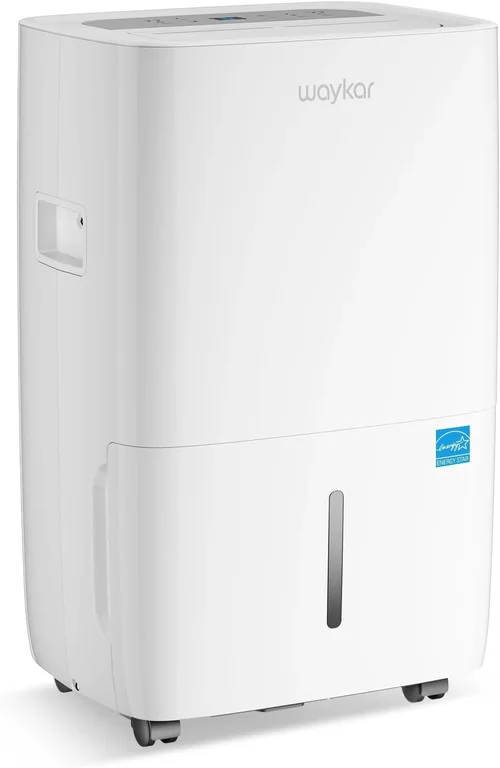
Dealing with a damp, musty basement is one of the most frustrating home maintenance challenges many homeowners face. Whether it’s the faint smell of mildew, visible water stains on concrete walls, or the constant worry about mold growth damaging your belongings, excess moisture in below-grade spaces can quickly escalate from a nuisance to a serious health and structural concern. In fact, according to the Environmental Protection Agency (EPA), indoor humidity levels above 60% create ideal conditions for mold, dust mites, and bacteria—all of which can trigger allergies, asthma, and other respiratory issues. That’s where a high-quality dehumidifier comes in.
But not all dehumidifiers are created equal—especially when it comes to basements. Unlike living rooms or bedrooms, basements often have poor ventilation, fluctuating temperatures, and persistent sources of moisture like foundation seepage or groundwater wicking through concrete. Choosing the wrong unit can lead to wasted money, inefficient performance, or even damage to your home. This comprehensive buying guide is designed to cut through the noise and help you make an informed decision. Whether you’re battling seasonal dampness or chronic flooding concerns, we’ll walk you through everything you need to know—from performance specs and energy efficiency to smart features and long-term durability.
Over the past decade, the dehumidifier market has evolved significantly. Manufacturers now offer units with advanced humidity sensors, Wi-Fi connectivity, auto-defrost capabilities, and even integration with smart home systems. However, with so many options—ranging from compact $100 models to industrial-grade machines exceeding $1,000—it’s easy to feel overwhelmed. Our goal is to simplify your search by focusing on real-world performance, reliability, and value. By the end of this guide, you’ll understand exactly what to look for, which features matter most for basement use, and how to avoid common pitfalls that trip up even seasoned DIYers.

What to Look for When Buying Buying Guide
1. Capacity (Pints per Day)
The single most important specification when choosing a dehumidifier for your basement is its capacity—measured in pints of moisture removed per day (PPD). This number tells you how much water the unit can extract from the air in a 24-hour period under standard testing conditions (80°F and 60% relative humidity). For basements, which are typically cooler and more humid than above-ground rooms, you’ll want a unit rated for at least 50–70 PPD, depending on square footage and moisture severity.
To estimate your needs, consider both the size of your basement and the level of dampness. A small, moderately damp basement (under 1,000 sq ft) may get by with a 50-pint model, while larger spaces (1,500+ sq ft) or those with standing water or frequent leaks often require 70-pint or higher-capacity units. Some manufacturers also offer “basement-specific” ratings, which account for lower ambient temperatures—always check these if your basement stays below 65°F in winter. Oversizing slightly is better than undersizing; a unit that runs continuously but can’t keep up will wear out faster and cost more in electricity.
2. Energy Efficiency & Operating Costs
Dehumidifiers are notorious energy hogs, especially if they run 8–12 hours daily. Look for models with the ENERGY STAR® certification, which ensures they meet strict efficiency guidelines set by the U.S. Department of Energy. ENERGY STAR units use up to 15% less energy than standard models, translating to significant savings over time—especially important if you’re running the unit year-round.
Check the unit’s Energy Factor (EF), measured in liters of water removed per kilowatt-hour (L/kWh). Higher EF values mean better efficiency. For example, a model with an EF of 1.8 is more efficient than one with 1.5. Also, consider the wattage: a typical 70-pint dehumidifier draws between 500–800 watts. Multiply this by your local electricity rate and estimated runtime to calculate monthly costs. In colder basements, units with auto-defrost technology prevent ice buildup on coils, maintaining efficiency even at 40–50°F—a critical feature many buyers overlook.
3. Humidity Control & Sensors
Precise humidity control is essential for preventing both over-drying and under-dehumidification. Top-tier models include built-in hygrometers (humidity sensors) and digital humidistats that let you set your desired relative humidity level (ideally between 30–50% for basements). Once the target is reached, the unit automatically shuts off or switches to a low-power mode, saving energy and reducing wear.
Avoid units with only manual timers or basic on/off switches—these offer little control and often result in either excessive dryness (which can crack wood or dry out concrete) or persistent dampness. Advanced models may include programmable schedules, remote sensors, or even smartphone apps that monitor humidity levels in real time. Some even alert you when the water tank is full or if airflow is blocked—features that add convenience and prevent overflows.
4. Drainage Options & Tank Size
Basements rarely have convenient sinks or drains nearby, so continuous drainage is often a necessity. Most dehumidifiers come with a built-in water collection tank (typically 1–2 gallons), but these require frequent emptying—every few hours in high-humidity conditions. For hassle-free operation, look for models with a built-in pump or gravity drain hose connection.
A gravity drain hose (usually ⅝” or ¾” diameter) allows you to route water directly to a floor drain, sump pit, or utility sink. Units with internal condensate pumps can push water vertically (up to 15 feet) and horizontally (up to 100 feet), giving you flexibility in placement. If your basement lacks a drain, consider a model with a pump—even if it costs $50–$100 more, it eliminates the chore of daily tank emptying. Tank size matters too: larger tanks (1.5+ gallons) reduce refill frequency, but ensure the unit still has auto-shutoff when full to prevent spills.
5. Build Quality & Durability
Basements are harsh environments—dusty, damp, and sometimes poorly ventilated. A flimsy plastic housing or thin-gauge metal won’t last long. Look for units with robust construction: reinforced ABS or polypropylene casings, corrosion-resistant coils (often coated with epoxy or hydrophilic film), and sealed electrical components. Internal components should be designed for continuous operation, with heavy-duty compressors and sealed bearings.
Pay attention to the warranty: reputable brands typically offer 2–5 years of coverage, with some extending to 10 years on compressors. Avoid ultra-cheap models with 90-day warranties—they’re often disposable. Also, check for certifications like UL (Underwriters Laboratories) or ETL, which indicate compliance with safety standards. Units designed specifically for basements often include features like washable air filters, rust-proof drip trays, and reinforced casters for easy mobility.
6. Noise Level & Placement Flexibility
While basements are usually far from living areas, excessive noise can still be disruptive—especially if the unit is near bedrooms or home offices. Noise is measured in decibels (dB); most residential dehumidifiers range from 45–60 dB. For context, 45 dB is comparable to a quiet library, while 60 dB resembles normal conversation. If noise is a concern, look for models with “quiet mode” or variable-speed fans.
Placement matters too. Ensure the unit has adequate clearance (at least 6–12 inches) from walls and furniture for proper airflow. Rear or top exhaust designs allow for tighter placement against walls. Some models include built-in handles or recessed wheels for easy relocation—useful if you need to move the unit between seasons or rooms. Avoid placing dehumidifiers directly on carpet or uneven surfaces, as vibration can increase noise and reduce efficiency.
7. Smart Features & Connectivity
Modern dehumidifiers increasingly include smart capabilities that enhance convenience and control. Wi-Fi-enabled models let you monitor and adjust settings via smartphone apps (e.g., Frigidaire Smart, GE SmartHQ, or Midea U). Features may include remote start/stop, humidity alerts, energy usage tracking, and integration with voice assistants like Alexa or Google Assistant.
While not essential, smart features are valuable for vacation homes, rental properties, or households with fluctuating schedules. They also help diagnose issues early—like a clogged filter or full tank—before they cause problems. However, ensure the app is reliable and doesn’t require constant internet connectivity. Some units offer Bluetooth-only control as a simpler alternative. Remember: smart features often come at a premium, so weigh the added cost against your actual needs.
8. Brand Reputation & Customer Support
Not all brands are equal when it comes to reliability and after-sales service. Stick with established manufacturers known for quality HVAC products: Frigidaire, GE Appliances, Honeywell, Midea, Danby, and AprilAire are consistently top-rated for basement dehumidifiers. Read customer reviews on trusted platforms like Consumer Reports, Wirecutter, or Amazon (filtering for verified purchases) to gauge real-world performance.
Customer support is equally important. Check if the brand offers responsive phone/email support, readily available replacement parts, and service centers in your area. Brands with strong U.S.-based support networks (like Frigidaire or GE) tend to resolve issues faster than overseas manufacturers. Also, verify that user manuals, troubleshooting guides, and video tutorials are easily accessible online—this can save hours of frustration during setup or maintenance.
Different Types of Buying Guide
Common Buying Mistakes to Avoid
❌ Mistake: Buying Based Solely on Price
Why it’s bad: The cheapest dehumidifier often lacks essential features like auto-humidistat, continuous drainage, or cold-weather operation. It may also use inferior components that fail within a year, costing more in replacements than a mid-range model would have.
What to do instead: Focus on total cost of ownership—including energy use, maintenance, and lifespan. A $350 unit that lasts 8 years and uses 20% less energy is a better deal than a $150 model that dies after 2.
❌ Mistake: Ignoring Basement Temperature
Why it’s bad: Standard refrigerant dehumidifiers lose efficiency below 65°F and may ice up entirely below 50°F. Using the wrong type in a cold basement leads to poor performance and potential compressor damage.
What to do instead: Choose a desiccant model or a refrigerant unit with auto-defrost if your basement stays cool year-round. Check the manufacturer’s operating temperature range before buying.
❌ Mistake: Overlooking Drainage Needs
Why it’s bad: Relying on a small tank in a high-moisture basement means emptying it multiple times a day—a tedious and often forgotten task that leads to overflows and water damage.
What to do instead: Invest in a model with a built-in pump or gravity drain hose. Even if you don’t have a drain now, installing one is cheaper than replacing ruined belongings.
❌ Mistake: Skipping the Warranty Check
Why it’s bad: Dehumidifiers contain complex mechanical parts. Without a solid warranty, a single compressor failure could cost $200+ to repair—often more than the unit’s value.
What to do instead: Prioritize brands offering at least a 2-year comprehensive warranty, with 5+ years on the compressor. Register your product immediately after purchase.
❌ Mistake: Assuming All “Basement” Models Are Equal
Why it’s bad: Some manufacturers label units as “for basements” but don’t specify cold-weather performance or drainage options. This marketing tactic can mislead buyers.
What to do instead: Read the fine print. Look for phrases like “auto-defrost,” “low-temp operation,” or “continuous drain compatible.” Cross-reference with independent reviews.
❌ Mistake: Neglecting Airflow and Placement
Why it’s bad: Blocking intake or exhaust vents reduces efficiency by up to 30% and can cause the unit to overheat or shut down prematurely.
What to do instead: Place the dehumidifier in an open area, away from walls and furniture. Use a fan to circulate air if the basement is large or has dead zones.
Budget Guidelines: How Much Should You Spend?
- Entry-Level ($150–$250): These are basic 30–50 pint units ideal for small, mildly damp basements. Expect manual controls, small tanks, and limited features. Brands like hOmeLabs or Tosot offer decent value here, but avoid no-name brands.
- Mid-Range ($250–$450): The sweet spot for most homeowners. Units in this range typically offer 50–70 pint capacity, digital humidistats, auto-restart after power outages, and optional drain hoses. Frigidaire FFAD7033R1 and GE APER70LW are standout models.
- Premium ($450–$700): Designed for serious moisture problems or large basements. Look for ENERGY STAR certification, built-in pumps, Wi-Fi connectivity, and robust build quality. Midea MAD70C1YWS and Honeywell TP70WKN excel here.
- Luxury ($700+): Whole-house systems or commercial-grade units with advanced filtration, multi-stage humidity control, and integration with smart home ecosystems. AprilAire E070 and Santa Fe Compact are top choices for finished basements or whole-home coverage.
Expert Tips for Getting the Best Deal
- Buy in Spring: Retailers often discount dehumidifiers in March–May as demand shifts to air conditioners. You’ll find the best selection and prices before summer humidity peaks.
- Shop Refurbished: Certified refurbished units from manufacturers like Frigidaire or GE come with full warranties and cost 20–30% less. Just ensure they’re sold directly by the brand or authorized dealers.
- Check Utility Rebates: Some energy companies offer rebates for ENERGY STAR dehumidifiers—especially in humid regions like the Southeast. Search your utility provider’s website for current programs.
- Compare Total Cost: Include shipping, taxes, and potential installation. Amazon and Home Depot often offer free shipping, while local stores may provide free in-home setup.
- Test Before Committing: If possible, run the unit for a week. Monitor humidity levels with a standalone hygrometer (like the ThermoPro TP50) to verify performance matches claims.
- Read Return Policies: Ensure the retailer allows returns if the unit doesn’t meet your needs. Some exclude “used” appliances, so clarify before buying.
- Bundle with Other Purchases: Buying during a home appliance sale (e.g., Black Friday or Memorial Day) may unlock bundle discounts on dehumidifiers when purchased with washers, dryers, or HVAC systems.
Frequently Asked Questions
Q: How do I know if my basement needs a dehumidifier?
A: Signs include musty odors, condensation on walls or windows, peeling paint, rust on metal fixtures, or visible mold. Use a hygrometer to measure humidity—if it’s consistently above 60%, a dehumidifier is recommended.
Q: Can I use a regular room dehumidifier in my basement?
A: Only if it’s rated for basement use and operates efficiently at lower temperatures. Most room units aren’t designed for continuous, high-moisture environments and may fail prematurely.
Q: Should I run my dehumidifier year-round?
A: In humid climates or homes with chronic moisture issues, yes. In drier regions, you may only need it during spring and summer. Set it to maintain 45–50% humidity for optimal comfort and mold prevention.
Q: How often should I clean my dehumidifier?
A: Clean the air filter monthly and wash the water tank every 2–4 weeks to prevent mold and bacteria buildup. Wipe coils with a soft brush if dust accumulates.
Q: Will a dehumidifier lower my heating bills?
A: Indirectly, yes. Dry air feels warmer, so you may be able to lower your thermostat slightly in winter. However, the dehumidifier itself consumes electricity, so net savings depend on usage patterns.
Q: Can I install a dehumidifier myself?
A: Absolutely. Most units are plug-and-play. For drain hoses or pumps, basic DIY skills are sufficient. Always follow the manufacturer’s instructions and local electrical codes.
Q: What’s the difference between a dehumidifier and an air purifier?
A: A dehumidifier removes moisture; an air purifier removes particles like dust, pollen, and smoke. Some models combine both functions, but they address different problems.
Q: How long do dehumidifiers typically last?
A: With proper maintenance, a quality unit should last 7–10 years. Cheaper models may fail in 2–3 years due to compressor or coil issues.
Our Final Recommendations
- Best for Budget-Conscious Buyers: hOmeLabs 50 Pint Dehumidifier – Reliable performance, simple controls, and a generous tank for under $250. Great for small to mid-sized basements.
- Best Overall Value: Frigidaire FFAD7033R1 (70 Pint) – ENERGY STAR certified, auto-humidistat, continuous drain option, and excellent cold-weather performance. Consistently top-rated by experts.
- Best Premium Option: Midea MAD70C1YWS (70 Pint with Pump) – Built-in condensate pump, Wi-Fi connectivity, and whisper-quiet operation. Ideal for basements without drains.
- Best for Beginners: GE APER50LZ (50 Pint) – User-friendly interface, clear tank window, and reliable performance. Easy to set up and maintain.
- Best for Advanced Users: AprilAire E070 Whole-House Dehumidifier – Professional-grade, ducted installation, and precise humidity control for large or finished basements.
Conclusion: Making the Right Choice
Choosing the best dehumidifier for your basement isn’t just about picking the biggest or most expensive model—it’s about matching the right tool to your specific environment, needs, and budget. By prioritizing capacity, energy efficiency, drainage options, and build quality, you’ll invest in a solution that protects your home, improves indoor air quality, and saves money over time. Remember, a dehumidifier is a long-term investment in your property’s health and your family’s well-being.
Don’t rush the decision. Take time to measure your space, assess moisture levels, and compare features across trusted brands. Use the tips and recommendations in this guide to narrow your options and avoid costly mistakes. And once you’ve made your purchase, maintain it regularly to ensure peak performance for years to come.
Your basement doesn’t have to be a damp, dark cave. With the right dehumidifier, you can transform it into a dry, usable space—whether for storage, a home gym, or even extra living area. Start today, breathe easier tomorrow.