
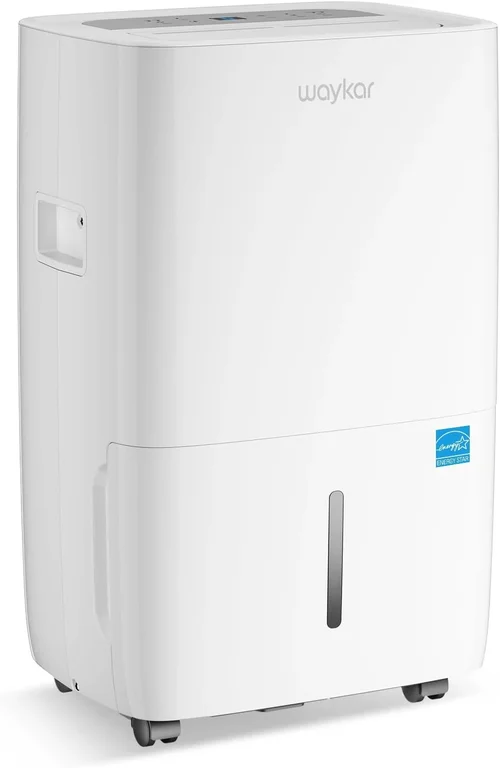
If you’ve ever walked into a room that feels sticky, smelled that unmistakable musty odor of dampness, or noticed condensation fogging up your windows, you’ve experienced the effects of excess humidity. High indoor moisture doesn’t just feel uncomfortable—it can lead to mold growth, dust mite infestations, warped wood, damaged electronics, and even respiratory issues. A dehumidifier isn’t just a luxury; for many homes, it’s a necessity. Whether you live in a humid climate, have a basement prone to dampness, or simply want to improve your indoor air quality, choosing the right dehumidifier can make a world of difference.
This comprehensive buying guide is designed to cut through the noise and help you make an informed decision. With dozens of models on the market—ranging from compact units under $100 to industrial-grade systems costing over $1,000—it’s easy to feel overwhelmed. Our goal is to equip you with the knowledge to evaluate your specific needs, understand key performance metrics, avoid common pitfalls, and ultimately select a dehumidifier that delivers reliable, long-term results. We’ll cover everything from technical specifications and build quality to real-world usability, budget considerations, and expert tips for getting the best value.
The dehumidifier market has evolved significantly in recent years. Advances in compressor technology, smart connectivity, energy efficiency, and noise reduction have made today’s units more effective and user-friendly than ever before. However, not all dehumidifiers are created equal. Some excel in large spaces, while others are ideal for small bathrooms or closets. Some prioritize quiet operation, while others focus on maximum moisture removal. By the end of this guide, you’ll know exactly what to look for based on your home, lifestyle, and priorities—so you can breathe easier and live more comfortably.

What to Look for When Buying a Dehumidifier
1. Moisture Removal Capacity (Pints per Day)
The most critical specification when choosing a dehumidifier is its moisture removal capacity, measured in pints per day (PPD). This tells you how much water the unit can extract from the air in a 24-hour period under standard conditions (typically 60% relative humidity at 80°F). For example, a 30-pint dehumidifier removes up to 30 pints of moisture daily, while a 70-pint model handles nearly double that.
Why does this matter? If your space is too large or too damp for the unit’s capacity, it will run constantly without achieving the desired humidity level—leading to higher energy bills and premature wear. Conversely, an oversized unit may cycle on and off too frequently, reducing efficiency and potentially causing temperature fluctuations.
To choose the right capacity, consider both the square footage of the area and the severity of moisture. The Association of Home Appliance Manufacturers (AHAM) provides general guidelines: a 20-pint unit suits spaces up to 500 sq. ft. with moderate dampness; a 30-pint model works for up to 1,000 sq. ft.; a 50-pint unit covers up to 1,500 sq. ft.; and a 70-pint dehumidifier is best for large basements or extremely wet areas (1,500+ sq. ft.). Always err on the side of slightly higher capacity if your space has poor ventilation, frequent water intrusion, or high ambient humidity.
2. Energy Efficiency & Operating Costs
Dehumidifiers can be energy hogs, especially if they run for hours each day. Look for models with the ENERGY STAR® certification, which indicates they meet strict efficiency guidelines set by the U.S. Environmental Protection Agency. ENERGY STAR dehumidifiers use 15–30% less energy than standard models, translating to significant savings over time.
Check the unit’s energy factor (liters of water removed per kilowatt-hour of electricity used). Higher numbers mean better efficiency. For instance, a model with an energy factor of 1.8 L/kWh is more efficient than one rated at 1.2 L/kWh. Also, consider the annual operating cost—many manufacturers provide estimates based on average usage. A mid-sized 50-pint ENERGY STAR model might cost $50–$70 per year to run, while a non-certified equivalent could exceed $100.
Additional efficiency features include auto-defrost (prevents ice buildup in cold environments), adjustable humidistats, and timer functions that let you run the unit only when needed. These small details add up to meaningful savings and reduced environmental impact.
3. Tank Size & Drainage Options
All dehumidifiers collect water in an internal tank, but the size varies widely—from as little as 1.5 gallons to over 5 gallons. A larger tank means less frequent emptying, which is crucial if you don’t want to babysit the unit daily. For a basement or unattended space, aim for at least a 3-gallon tank.
However, constant tank emptying is inconvenient and can lead to overflow if forgotten. That’s why continuous drainage is a game-changer. Most dehumidifiers include a built-in hose connection (usually 3/8″ or 1/2″ threaded) that allows you to attach a standard garden hose and drain water directly into a floor drain, utility sink, or sump pump. This eliminates the need to empty the tank altogether—ideal for 24/7 operation.
Some premium models even feature automatic pump systems that can lift water vertically (e.g., from a basement to a upstairs sink), offering even greater flexibility. If you plan to use continuous drainage, ensure your installation location has access to a suitable drain point or consider a model with a built-in condensate pump.
4. Noise Level (Decibel Rating)
Dehumidifiers use fans and compressors, which generate noise—typically ranging from 45 to 65 decibels (dB). For context, 45 dB is similar to a quiet library, while 65 dB resembles normal conversation. If you’re placing the unit in a bedroom, living room, or home office, noise becomes a major factor.
Look for models advertised as “quiet” or “low-noise,” often featuring insulated compressor compartments, variable-speed fans, or eco modes that reduce fan speed during lighter loads. Many manufacturers list decibel ratings in product specs—prioritize units under 55 dB for living spaces. Keep in mind that noise can increase as the unit works harder in high-humidity conditions, so real-world performance may differ slightly from lab tests.
Placement also affects perceived noise. Avoid enclosing the dehumidifier in tight spaces or placing it on hard surfaces that amplify vibration. Rubber feet or anti-vibration pads can help dampen sound transmission.
5. Smart Features & Controls
Modern dehumidifiers increasingly offer smart capabilities that enhance convenience and precision. Key features include digital humidistats (allowing you to set exact humidity levels, e.g., 45% or 50%), programmable timers, auto-restart after power outages, and filter change indicators.
Wi-Fi-enabled models take this further by letting you monitor and control the unit via smartphone apps. You can check current humidity levels, adjust settings remotely, receive alerts when the tank is full, or integrate with smart home systems like Amazon Alexa or Google Assistant. While not essential, these features are invaluable for busy households or vacation homes where you want peace of mind without constant checking.
Even non-smart models often include useful controls like multiple fan speeds, defrost modes for cold environments (below 65°F), and “continuous” operation for unattended use. A clear, backlit display and intuitive buttons make daily adjustments easier, especially in dimly lit basements.
6. Build Quality & Durability
A dehumidifier is a long-term investment, so durability matters. Look for sturdy construction with thick plastic housings, reinforced handles, and corrosion-resistant coils (especially important in damp environments). Metal components, such as compressor mounts or internal frames, often indicate higher build quality than all-plastic designs.
Check user reviews for reports of leaks, compressor failures, or fan issues within the first 1–2 years. Reliable brands like Frigidaire, hOmeLabs, GE, and AprilAire consistently receive praise for longevity. Avoid ultra-cheap models from unknown brands—they may save you money upfront but often fail prematurely, costing more in replacements and hassle.
Also consider portability features: swivel casters, recessed handles, and compact footprints make it easier to move the unit between rooms or store it when not in use. A well-designed dehumidifier should feel solid, not flimsy.
7. Warranty & Customer Support
A strong warranty is a hallmark of manufacturer confidence. Most reputable brands offer at least a 1-year limited warranty, but many extend coverage to 2–5 years, especially on compressors—the most critical and expensive component. Some premium models even include lifetime technical support or in-home service.
Before buying, research the brand’s customer service reputation. Are replacement parts readily available? Is there a U.S.-based support team? Do they respond promptly to inquiries? Brands like AprilAire and Santa Fe are known for excellent post-purchase support, while lesser-known brands may leave you stranded if something goes wrong.
Always register your product after purchase to activate the full warranty. Keep your receipt and documentation in a safe place—you’ll need it if you ever file a claim.
8. Room Size & Placement Flexibility
Dehumidifiers aren’t one-size-fits-all. A unit that works perfectly in a 500 sq. ft. basement may struggle in a 1,200 sq. ft. crawlspace. Always match the model’s recommended coverage area to your actual space. Oversized units waste energy; undersized ones can’t keep up.
Consider airflow and placement. Dehumidifiers need adequate ventilation—leave at least 6–12 inches of clearance around all sides. Avoid placing them near walls, furniture, or curtains that block intake or exhaust vents. For open floor plans or multi-room use, look for models with 360-degree air intake or directional vents.
If you need to dehumidify multiple areas (e.g., basement and garage), consider a portable unit with robust wheels and a long power cord. Alternatively, whole-house dehumidifiers (see Types section below) integrate with your HVAC system for whole-home coverage.
Different Types of Dehumidifiers

Common Buying Mistakes to Avoid
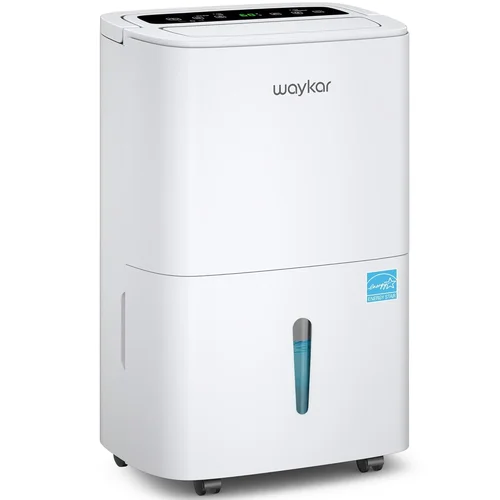
❌ Mistake: Choosing Based Solely on Price
Why it’s bad: The cheapest dehumidifier often lacks essential features like a humidistat, continuous drainage, or durable components. It may also be inefficient, noisy, or fail within a year—costing you more in the long run.
What to do instead: Focus on total cost of ownership, not just upfront price. Invest in a mid-range ENERGY STAR model with good reviews and a solid warranty. You’ll save on energy bills and avoid frequent replacements.
❌ Mistake: Ignoring Room Size and Humidity Level
Why it’s bad: A 20-pint unit in a flooded basement will run nonstop and never reach target humidity. Conversely, a 70-pint unit in a small closet wastes energy and money.
What to do instead: Measure your space and assess moisture severity (light, moderate, heavy). Use AHAM guidelines or consult a sizing chart. When in doubt, go one size up—but don’t oversize drastically.
❌ Mistake: Overlooking Drainage Needs
Why it’s bad: If you forget to empty a full tank, the unit shuts off and humidity rises again. In unattended spaces like basements, this can lead to mold growth.
What to do instead: Opt for continuous drainage whenever possible. Even if you don’t use it immediately, having the option future-proofs your purchase. Ensure your location has a nearby drain or sump pit.
❌ Mistake: Neglecting Noise in Living Spaces
Why it’s bad: A loud dehumidifier can disrupt sleep, work, or relaxation—especially if placed in or near bedrooms.
What to do instead: Check decibel ratings and read user reviews about noise. Choose models under 55 dB for quiet zones. Consider placement away from sleeping areas or use during daytime only.
❌ Mistake: Buying Without Checking Warranty
Why it’s bad: Dehumidifiers contain complex mechanical parts. Without warranty coverage, a compressor failure could cost $200+ to repair—often more than the unit’s value.
What to do instead: Prioritize brands with at least a 2-year warranty, especially on the compressor. Register your product immediately after purchase.
❌ Mistake: Assuming All “Energy Efficient” Models Are Equal
Why it’s bad: Some manufacturers exaggerate efficiency claims. Non-ENERGY STAR models may appear efficient but lack third-party verification.
What to do instead: Look for the official ENERGY STAR label and check the energy factor (L/kWh). Compare annual operating costs listed in product descriptions.
❌ Mistake: Not Considering Cold Climate Performance
Why it’s bad: Standard compressor dehumidifiers lose efficiency below 65°F and may ice up in unheated garages or winter basements.
What to do instead: For temperatures under 65°F, choose a desiccant or low-temperature compressor model with auto-defrost. These maintain performance in colder environments.
Budget Guidelines: How Much Should You Spend?
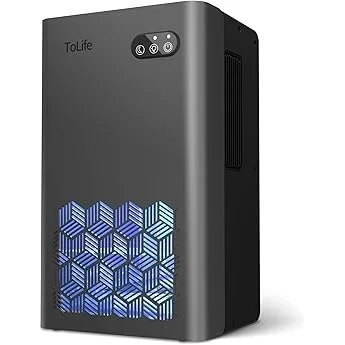
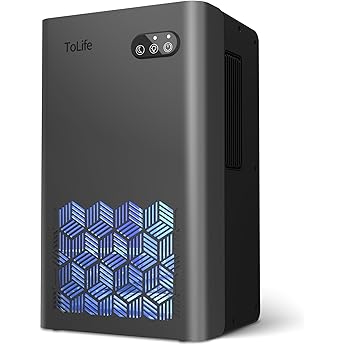
Entry-Level ($50–$150): These are typically mini or thermo-electric units ideal for small spaces like closets, RVs, or bathrooms under 200 sq. ft. They remove 5–15 pints per day and often lack humidistats or drainage hoses. Best for occasional use or mild dampness. Expect shorter lifespans and higher per-pint operating costs.
Mid-Range ($150–$400): This is the sweet spot for most homeowners. These compressor-based dehumidifiers (30–50 pints) offer ENERGY STAR efficiency, digital controls, large tanks (3+ gallons), and continuous drainage. Perfect for basements, laundry rooms, or medium-sized living areas. Brands like hOmeLabs, Frigidaire, and GE dominate this category with reliable performance and strong warranties.
Premium ($400–$800): Designed for large or extremely damp spaces, these 50–70 pint units feature advanced controls, Wi-Fi connectivity, built-in pumps, and superior build quality. Ideal for finished basements, whole-house use (with ducting), or high-humidity climates. Models from AprilAire, Santa Fe, and AlorAir excel here, offering professional-grade durability and smart features.
Luxury ($800+): Whole-house dehumidifiers and industrial systems fall into this tier. They integrate with HVAC systems, provide zoned humidity control, and often include air filtration. Best for large homes, historic properties, or allergy sufferers needing precise indoor air management. Installation may require a professional, adding to the total cost.
Expert Tips for Getting the Best Deal
- Buy Off-Season: Dehumidifiers are in highest demand during summer. Shop in late fall or winter (October–February) for discounts of 20–40%. Retailers clear inventory to make room for air conditioners.
- Check Retailer Return Policies: Look for stores with generous return windows (30–90 days) and free return shipping. This lets you test the unit in your home and return it if it doesn’t perform as expected.
- Compare Total Cost of Ownership: Factor in energy use, filter replacements, and potential repairs. A $300 ENERGY STAR model may cost less over 5 years than a $200 non-certified unit.
- Read Verified User Reviews: Focus on reviews from buyers who’ve used the unit for 6+ months. Look for patterns—repeated complaints about noise, leaks, or compressor failure are red flags.
- Look for Bundled Deals: Some retailers offer free hoses, extension cords, or air filters with purchase. These add-ons can save $20–$50.
- Consider Refurbished or Open-Box: Certified refurbished models from reputable sellers (e.g., manufacturer outlets) often come with full warranties at 20–30% off retail.
- Test Before Committing: If buying in-store, ask to see a demo unit. Listen for noise, check the display clarity, and inspect build quality. Online? Watch unboxing and review videos.
- Register for Alerts: Sign up for price-drop notifications on sites like CamelCamelCamel (Amazon) or Honey. You’ll be notified when your desired model goes on sale.
Frequently Asked Questions
Q: How do I know if I need a dehumidifier?
A: Signs include persistent musty odors, condensation on windows or walls, peeling paint, warped wood, visible mold, or a general feeling of stickiness. Use a hygrometer to measure indoor humidity—ideal levels are between 30% and 50%. If it consistently exceeds 60%, a dehumidifier is recommended.
Q: Can a dehumidifier help with allergies?
A: Yes. By reducing humidity below 50%, dehumidifiers inhibit the growth of dust mites and mold—two major allergens. Pair it with an air purifier for maximum relief.
Q: Should I run my dehumidifier continuously?
A: Not necessarily. Most models have humidistats that turn the unit on/off to maintain your set humidity level. Use “continuous” mode only if draining via hose or during extreme dampness.
Q: Do dehumidifiers cool the room?
A: No—they remove moisture, not heat. However, drier air feels cooler and more comfortable, which may reduce the need for air conditioning.
Q: How often should I clean the filter?
A: Every 2–4 weeks during heavy use. A clogged filter restricts airflow, reducing efficiency. Most models have washable filters—rinse with water and let dry completely.
Q: Can I use a dehumidifier in winter?
A: Only if the space stays above 65°F. Below that, compressor units may ice up. Use a desiccant dehumidifier or one with auto-defrost for cold environments.
Q: Is it safe to leave a dehumidifier on overnight?
A: Yes, as long as it has safety features like auto-shutoff when the tank is full, tip-over protection, and overheat sensors. Always use continuous drainage if possible.
Q: How long do dehumidifiers last?
A: Quality units last 5–10 years with proper maintenance. Replace filters regularly, clean coils annually, and avoid blocking vents.
Q: Do I need a dehumidifier if I have central air?
A: Central AC removes some moisture, but often not enough in humid climates or poorly insulated homes. A supplemental dehumidifier ensures consistent comfort.
Q: Can I duct a portable dehumidifier?
A: Some premium models support ducting kits for whole-house or targeted use. Check manufacturer specs—most portable units are designed for single-room operation.
Our Final Recommendations
Best for Budget-Conscious Buyers: hOmeLabs 30 Pint Dehumidifier – At around $200, it offers excellent value with ENERGY STAR efficiency, a 3.8-gallon tank, continuous drainage, and quiet operation (under 55 dB). Ideal for small to mid-sized basements.
Best Overall Value: Frigidaire FFAD5033W1 50 Pint – A top performer in its class, this model removes 50 pints daily, includes a built-in pump for vertical drainage, and features a washable filter. Priced under $350, it’s reliable, efficient, and backed by a 1-year warranty.
Best Premium Option: AprilAire E080 Pro 80 Pint Whole-House Dehumidifier – For serious moisture control, this ducted system integrates with your HVAC to dehumidify your entire home. It’s ENERGY STAR certified, ultra-quiet, and includes a 5-year warranty. Best for large homes in humid regions.
Best for Beginners: GE APER50LZ 50 Pint – User-friendly controls, clear display, and reliable performance make this a great first dehumidifier. It includes a hose connector, auto-defrost, and a 1-year warranty—all under $300.
Best for Advanced Users: Santa Fe Ultra-Aire UA65X – A high-capacity, ductable dehumidifier with smart controls, remote monitoring, and exceptional build quality. Perfect for tech-savvy homeowners or those with complex moisture issues. Priced around $700.
Conclusion: Making the Right Choice
Choosing the best dehumidifier isn’t about finding the most expensive or feature-packed model—it’s about matching the right tool to your specific needs. Start by assessing your space size, humidity level, and usage patterns. Prioritize capacity, efficiency, and drainage options, then consider noise, smart features, and warranty coverage. Avoid common pitfalls like undersizing or ignoring cold-climate performance, and always factor in long-term operating costs.
Remember, a dehumidifier is more than an appliance—it’s an investment in your home’s health and your family’s comfort. The right unit will prevent mold, protect your belongings, improve air quality, and create a more pleasant living environment. Use this guide as your roadmap, compare your top contenders carefully, and don’t rush the decision. With the knowledge you’ve gained here, you’re well-equipped to make a confident, informed choice that will serve you well for years to come.
Take action today: measure your space, check your humidity levels, and start shopping with purpose. Your healthier, drier home is just one purchase away.