
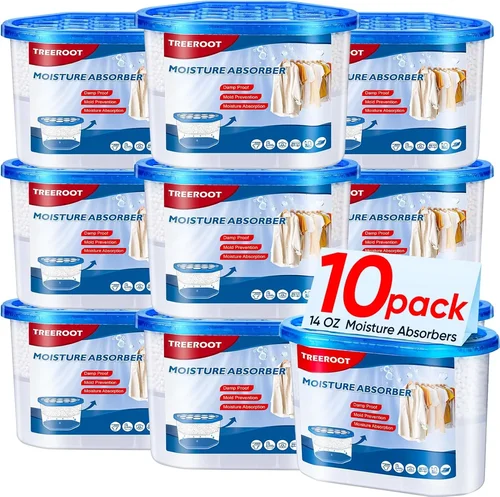
If you’ve ever walked into a basement that smells like a forgotten gym bag or noticed condensation fogging up your windows every morning, you already know how disruptive excess humidity can be. High moisture levels don’t just make your home feel clammy—they can trigger mold growth, damage furniture, worsen allergies, and even compromise your home’s structural integrity over time. That’s where a dehumidifier comes in: a quiet but powerful appliance designed to pull excess moisture from the air, restoring comfort and protecting your indoor environment.
But here’s the catch—buying a dehumidifier is only half the battle. Where you place it can make or break its effectiveness. Put it in the wrong spot, and you might as well be running a fan in a sauna. The truth is, dehumidifier placement is often overlooked, yet it’s one of the most critical factors in achieving optimal performance. Whether you’re dealing with a damp crawl space, a musty laundry room, or a humid living area, understanding the science and strategy behind proper positioning can save you money, energy, and frustration down the line.
This comprehensive guide is designed to cut through the confusion and give you expert-level insights into dehumidifier placement in 2026. You’ll learn not just where to put your unit, but why it matters—and how to tailor your setup to your specific home layout, climate, and humidity challenges. We’ll cover everything from key performance factors and common placement mistakes to budget considerations and real-world scenarios. By the end, you’ll have a clear, actionable plan to maximize your dehumidifier’s efficiency and keep your home dry, healthy, and comfortable year-round.
The dehumidifier market has evolved significantly in recent years. With advancements in smart technology, energy efficiency, and compact designs, today’s models are more versatile and user-friendly than ever. From compact 30-pint units ideal for small bathrooms to industrial-grade 70-pint behemoths built for large basements, there’s a solution for nearly every need. However, with so many options—and so much conflicting advice online—it’s easy to make a costly mistake. This guide cuts through the noise, offering evidence-based recommendations and practical tips from HVAC professionals, home inspectors, and long-term dehumidifier users. Whether you’re a first-time buyer or upgrading an older unit, you’ll walk away with the knowledge to make a smart, informed decision.

What to Look for When Buying Buying Guide
1. Budget & Price Range
Your budget will naturally influence your options, but it’s important to view a dehumidifier as a long-term investment in your home’s health and comfort. Prices can range from under $100 for basic models to over $500 for high-capacity, feature-rich units. While it’s tempting to go for the cheapest option, low-cost dehumidifiers often lack durability, efficiency, and essential features like auto-humidistats or drainage options. A mid-range model ($150–$300) typically offers the best balance of performance, reliability, and value for most homeowners. Consider not just the upfront cost, but also long-term expenses like energy consumption and maintenance. A slightly more expensive unit with an ENERGY STAR rating, for example, could save you $50–$100 per year in electricity, paying for itself over time.
2. Performance Specifications
The core performance metric for dehumidifiers is pint capacity—the amount of moisture the unit can remove in 24 hours under standard conditions (typically 60% relative humidity at 80°F). For small spaces like bathrooms or closets, a 20–30 pint model may suffice. Medium-sized areas such as bedrooms or living rooms often require 30–50 pints, while large basements or whole-house applications may need 50–70+ pints. However, don’t rely solely on pint ratings—look at the unit’s actual performance in your specific environment. Humidity levels, temperature, and air circulation all affect efficiency. Also, check the unit’s coverage area (in square feet) and ensure it matches your space. A 50-pint dehumidifier might claim to cover 1,500 sq ft, but if your basement is poorly insulated or has high moisture infiltration, it may struggle to keep up.
3. Build Quality & Durability
A dehumidifier is a mechanical device with moving parts—compressor, fan, coils, and pump—so build quality directly impacts longevity and reliability. Look for models with sturdy casings (preferably metal or high-grade plastic), sealed components to prevent refrigerant leaks, and corrosion-resistant coils, especially if you’re placing the unit in a damp basement or crawl space. Units with washable or reusable air filters are easier to maintain and more cost-effective over time. Pay attention to user reviews mentioning long-term performance; a dehumidifier that works well for the first six months but fails after a year is a poor investment. Brands like Frigidaire, GE, and hOmeLabs are known for consistent build quality, while cheaper off-brands may cut corners on materials and engineering.
4. Features & Functionality
Modern dehumidifiers come with a range of features that enhance convenience and efficiency. A built-in humidistat allows the unit to monitor and maintain your desired humidity level automatically, turning on and off as needed. This prevents over-drying and saves energy. Continuous drainage is another critical feature—instead of manually emptying a water bucket every few hours, you can connect a hose to drain water directly into a floor drain or sump pump. This is especially useful in basements or unattended areas. Other valuable features include auto-defrost (prevents ice buildup in cold environments), programmable timers, remote controls, and smart connectivity (Wi-Fi-enabled models that work with apps like Google Home or Alexa). While these extras add cost, they significantly improve usability and long-term performance.
5. Brand Reputation
Not all dehumidifier brands are created equal. Established manufacturers with a history in HVAC or home appliances tend to offer better engineering, customer support, and warranty coverage. Brands like Frigidaire, GE, LG, and AprilAire have decades of experience and are trusted by professionals. Lesser-known brands may offer attractive prices, but they often lack reliable customer service or spare parts availability. Research brand reputation by reading verified customer reviews on platforms like Amazon, Home Depot, or Consumer Reports. Look for patterns in feedback—consistent praise for durability or complaints about frequent breakdowns can be telling. A reputable brand may cost more upfront, but it reduces the risk of premature failure and ensures you can get help if something goes wrong.
6. Warranty & Support
A solid warranty is a strong indicator of a manufacturer’s confidence in their product. Most dehumidifiers come with a 1-year limited warranty, but premium models often include 2–5 years of coverage, sometimes with extended protection on key components like the compressor. Pay attention to what’s covered—some warranties exclude labor costs or damage from improper use. Also, check the availability of customer support: can you easily reach a technician? Are replacement parts readily available? Brands with strong U.S.-based support networks (like GE or Frigidaire) tend to offer faster service and clearer communication. Avoid brands with vague warranty terms or no accessible support channels. A good warranty not only protects your investment but also gives you peace of mind.
7. Size & Portability
Dehumidifiers vary widely in size and weight, which affects where and how you can use them. Smaller units (under 30 lbs) are ideal for tight spaces like closets or RVs and are easy to move from room to room. Larger models (50+ lbs) are better suited for stationary use in basements or utility rooms but may require wheels or handles for mobility. Consider the unit’s footprint—will it fit comfortably in your intended location without blocking walkways or vents? Also, check noise levels (measured in decibels); a loud dehumidifier can be disruptive in living areas or bedrooms. Most units range from 45–60 dB, with quieter models ideal for occupied spaces. If you plan to move the unit frequently, look for built-in handles, casters, and lightweight designs.
8. User Reviews & Ratings
While specifications and brand names provide a foundation, real-world user feedback offers invaluable insights into how a dehumidifier performs in actual homes. Look for reviews that mention specific use cases—such as “used in a 1,200 sq ft basement with a sump pump” or “placed near a laundry area with high humidity.” Pay attention to comments about reliability, noise, ease of maintenance, and customer service experiences. Be wary of overly positive or generic reviews that lack detail—they may be fake. Instead, focus on balanced reviews that highlight both pros and cons. Platforms like Amazon, Best Buy, and Reddit’s r/HomeImprovement community are excellent sources of honest, detailed feedback. A product with hundreds of 4.5-star reviews and thoughtful comments is likely a safer bet than one with only a handful of glowing testimonials.
Different Types of Buying Guide

Common Buying Mistakes to Avoid
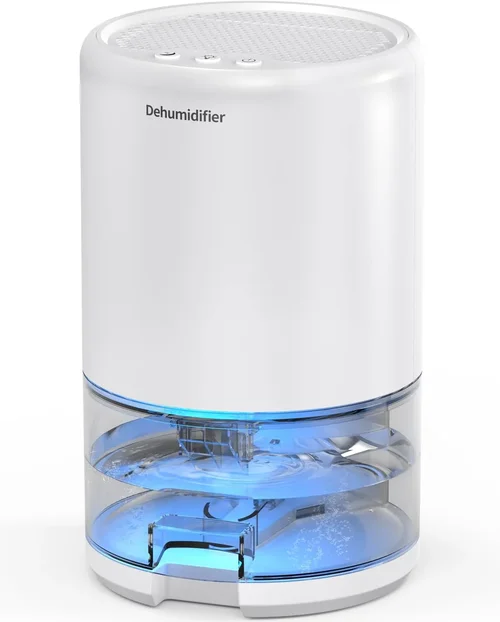
❌ Mistake: Placing the Dehumidifier in a Corner or Against a Wall
Why it’s bad: Dehumidifiers rely on airflow to draw in moist air, cool it over the evaporator coils, and expel dry air. When placed too close to walls or furniture, airflow is restricted, reducing efficiency by up to 30%. The unit may overheat, cycle on and off frequently, or fail to reach target humidity levels.
What to do instead: Always leave at least 6–12 inches of clearance around all sides of the dehumidifier, especially the intake and exhaust vents. Position it in an open area where air can circulate freely. If space is limited, consider a wall-mounted or elevated placement using a stand or shelf.
❌ Mistake: Ignoring the Source of Moisture
Why it’s bad: A dehumidifier treats symptoms, not causes. If you place it in a damp basement without addressing leaks, poor drainage, or inadequate ventilation, the unit will work overtime and still struggle to keep up. This leads to higher energy bills and premature wear.
What to do instead: Identify and fix the root cause of moisture first—seal cracks, install gutters, improve grading, or add ventilation. Use the dehumidifier as a supplement, not a replacement, for proper moisture management.
❌ Mistake: Choosing the Wrong Size for the Space
Why it’s bad: An undersized unit will run constantly, fail to reduce humidity, and wear out quickly. An oversized unit may cycle too frequently, leading to short-cycling, reduced efficiency, and poor humidity control.
What to do instead: Match the dehumidifier’s pint capacity and coverage area to your space. Use a humidity meter to measure current levels and consult manufacturer guidelines. For large or high-moisture areas, opt for a higher-capacity model with continuous drainage.
❌ Mistake: Not Using Continuous Drainage
Why it’s bad: Relying on the built-in water tank means you must empty it every 6–12 hours, which is inconvenient and can lead to overflow if forgotten. In high-humidity environments, this can render the unit ineffective.
What to do instead: Whenever possible, connect a hose to the drain port and route it to a floor drain, sump pump, or outside. This allows 24/7 operation without manual intervention and is essential for basements, crawl spaces, or unattended areas.
❌ Mistake: Placing It in a Cold or Unheated Space Without Auto-Defrost
Why it’s bad: Most compressor-based dehumidifiers struggle in temperatures below 65°F. In cold basements or garages, ice can form on the coils, causing the unit to shut down or sustain damage.
What to do instead: Choose a model with auto-defrost functionality if placing it in a cold area. Alternatively, consider a desiccant dehumidifier, which operates efficiently in low temperatures and is ideal for unheated spaces.
❌ Mistake: Overlooking Noise Levels in Living Areas
Why it’s bad: A loud dehumidifier can disrupt sleep, conversations, or relaxation, especially if placed in a bedroom or living room. Units with noisy compressors or fans can exceed 60 dB, equivalent to a loud conversation.
What to do instead: Check the decibel rating before buying. Opt for models under 50 dB for quiet operation. Place the unit in a utility room, basement, or closet with a vent to the target area if noise is a concern.
❌ Mistake: Failing to Maintain the Unit Regularly
Why it’s bad: Dust, mold, and mineral buildup on filters and coils reduce efficiency, increase energy use, and can lead to mechanical failure. A neglected dehumidifier may also blow contaminated air back into your home.
What to do instead: Clean the air filter monthly, inspect coils for frost or dirt, and wipe down the water tank to prevent mold. Follow the manufacturer’s maintenance schedule and replace filters as recommended.
Budget Guidelines: How Much Should You Spend?
– Entry-Level ($80 – $150): What to expect… These compact models are ideal for small spaces like bathrooms, closets, or RVs. They typically remove 20–30 pints per day and may lack advanced features like humidistats or continuous drainage. While affordable, they’re best for mild humidity issues and short-term use. Look for basic safety features and ENERGY STAR certification to ensure efficiency.
– Mid-Range ($150 – $350): Sweet spot for most buyers… This tier offers the best balance of performance, durability, and features. You’ll find 30–50 pint models with built-in humidistats, auto-defrost, continuous drainage, and quiet operation. These units are suitable for bedrooms, living rooms, and medium basements. Brands like hOmeLabs, Tosot, and Frigidaire dominate this range with reliable, user-friendly designs.
– Premium ($350 – $600): For enthusiasts and professionals… High-capacity models (50–70+ pints) with smart controls, Wi-Fi connectivity, and robust build quality. These are ideal for large basements, crawl spaces, or homes in humid climates. Features like remote monitoring, programmable schedules, and corrosion-resistant coils make them a long-term investment. Expect top-tier energy efficiency and extended warranties.
– Luxury ($600+): Top-tier features… Whole-house dehumidifiers and industrial-grade units designed for whole-home integration or commercial use. These systems connect to your HVAC ductwork, providing consistent humidity control throughout the house. They often include advanced sensors, zoning capabilities, and professional installation. While expensive, they offer unmatched convenience and performance for large homes or extreme humidity conditions.

Expert Tips for Getting the Best Deal
– Buy During Off-Peak Seasons: Dehumidifiers are in highest demand during humid summer months. For the best prices, shop in late fall or winter when retailers offer discounts to clear inventory. You can often save 20–30% on last year’s models.
– Compare Online and In-Store Prices: Check major retailers like Amazon, Home Depot, Lowe’s, and Best Buy. Online stores frequently offer exclusive deals, free shipping, and easy returns. In-store shopping allows you to inspect build quality and ask questions, but prices may be higher.
– Look for Bundle Deals: Some retailers offer discounts when you buy a dehumidifier with other home appliances or accessories like hoses, filters, or humidity meters. These bundles can add value and save you money on essentials.
– Check for Rebates and Incentives: Many utility companies offer rebates for ENERGY STAR-certified dehumidifiers, especially in humid regions. Visit your local utility’s website or the ENERGY STAR rebate finder to see if you qualify for savings.
– Read the Fine Print on Warranties: A longer warranty is great, but only if it’s honored. Verify what’s covered, how to file a claim, and whether labor is included. Avoid brands with vague terms or no U.S. support.
– Test Before Committing: If possible, run the dehumidifier for a few days in your intended location. Monitor humidity levels, noise, and ease of use. Most retailers offer 30-day return windows—use them to ensure the unit meets your needs.
– Consider Refurbished or Open-Box Models: Certified refurbished units from reputable sellers often come with warranties and significant discounts. They’re a smart way to get premium features at a lower price.
– Don’t Forget Installation Costs: For whole-house systems, factor in professional installation, which can add $300–$800. Get multiple quotes and ensure the installer is licensed and experienced with dehumidification systems.

Frequently Asked Questions
Q: Can I run a dehumidifier 24/7?
A: Yes, most modern dehumidifiers are designed for continuous operation, especially models with auto-humidistats and continuous drainage. Running it constantly ensures consistent humidity control, but monitor energy use and adjust settings based on seasonal needs.
Q: Should I close doors and windows when using a dehumidifier?
A: Yes, for maximum efficiency, close doors and windows in the area where the dehumidifier is running. This prevents humid outdoor air from entering and allows the unit to focus on the existing moisture. However, ensure there’s some airflow for the unit to function properly.
Q: How often should I clean my dehumidifier?
A: Clean the air filter every 2–4 weeks, depending on usage and dust levels. Wipe down the water tank weekly to prevent mold, and inspect coils monthly for frost or debris. Regular maintenance extends the unit’s lifespan and improves performance.
Q: Can a dehumidifier help with allergies?
A: Absolutely. By reducing humidity below 50%, dehumidifiers inhibit the growth of mold, dust mites, and mildew—common allergens. This can significantly improve indoor air quality and reduce allergy symptoms.
Q: Is it safe to leave a dehumidifier on when I’m not home?
A: Yes, as long as the unit has safety features like auto-shutoff, tip-over protection, and continuous drainage. Avoid leaving it unattended if the water tank is full and not drained.
Q: Can I use a dehumidifier in winter?
A: Yes, but only if the room temperature stays above 65°F. In colder spaces, choose a model with auto-defrost or a desiccant dehumidifier, which works efficiently in low temperatures.
Q: How do I know if my dehumidifier is working properly?
A: Use a hygrometer to measure humidity levels. If the unit is running but humidity remains above your target (ideally 30–50%), check for airflow blockages, dirty filters, or refrigerant issues. Listen for unusual noises or frequent cycling.
Q: Can I place a dehumidifier on carpet?
A: Yes, but ensure the unit has stable footing and isn’t blocking vents. Use a stand or mat if needed to prevent moisture from seeping underneath. Avoid placing it directly on wet or damp carpet.
Q: Do dehumidifiers use a lot of electricity?
A: It depends on the model and usage. ENERGY STAR-certified units use about 15–20% less energy than standard models. A 50-pint unit may cost $10–$20 per month to run continuously, depending on local electricity rates.
Q: Can I use one dehumidifier for my whole house?
A: A single portable unit can help in open-concept homes, but for consistent control, a whole-house dehumidifier integrated with your HVAC system is more effective. Portable units are best for targeted areas.
Our Final Recommendations
– Best for Budget-Conscious Buyers: hOmeLabs 30 Pint Dehumidifier – Affordable, reliable, and perfect for small to medium rooms. Includes a humidistat, washable filter, and quiet operation under 50 dB.
– Best Overall Value: Frigidaire FFAD7033R1 70 Pint Dehumidifier – High capacity, ENERGY STAR certified, with continuous drainage and auto-defrost. Ideal for large basements and high-humidity areas.
– Best Premium Option: AprilAire E130 Whole-House Dehumidifier – Professional-grade, ducted system that integrates with HVAC for whole-home control. Durable, efficient, and backed by a 5-year warranty.
– Best for Beginners: Tosot 50 Pint Dehumidifier – User-friendly interface, compact design, and excellent performance for the price. Great for first-time buyers with moderate humidity issues.
– Best for Advanced Users: Ivation 70 Pint Energy Star Dehumidifier with Pump – Features a built-in condensate pump for vertical drainage, Wi-Fi connectivity, and smart app control. Perfect for tech-savvy homeowners who want precision and convenience.
Conclusion: Making the Right Choice
Choosing the right dehumidifier is about more than just picking a model off the shelf—it’s about understanding your home’s unique humidity challenges and matching them with the right unit, features, and placement strategy. From budget considerations and performance specs to avoiding common mistakes and leveraging expert tips, every decision you make contributes to a healthier, more comfortable living environment.
Remember, the best dehumidifier in the world won’t perform well if it’s placed in the wrong spot. Prioritize airflow, address moisture sources, and use continuous drainage whenever possible. Invest in a unit that fits your space and lifestyle, and don’t overlook maintenance—it’s the key to long-term efficiency.
Ultimately, the goal is to create a balanced indoor climate where you can breathe easy, protect your belongings, and enjoy your home without the constant battle against dampness. With the insights from this guide, you’re equipped to make a smart, confident choice. Take the time to assess your needs, compare options, and place your dehumidifier where it can do the most good. Your home—and your peace of mind—will thank you.