
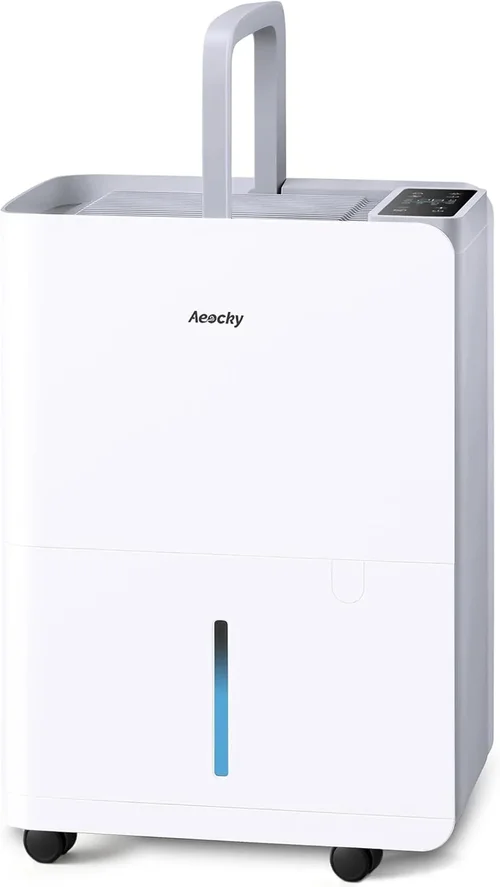
Dealing with a damp, musty basement isn’t just unpleasant—it can seriously impact your home’s structural integrity, indoor air quality, and even your family’s health. Whether you’re battling persistent condensation on concrete walls, noticing that telltale mildew smell after heavy rains, or simply trying to create a more usable space for storage or recreation, a reliable basement dehumidifier is often the first line of defense. But with dozens of models flooding the market—each boasting different capacities, features, and price points—choosing the right one can feel overwhelming. That’s where this guide comes in.
In this comprehensive buying guide, we’ll walk you through everything you need to know to select the best basement dehumidifier for your specific needs. Drawing from expert testing methodologies, real-world user feedback, and performance benchmarks used by top reviewers like Wirecutter, we’ll break down the critical factors you should consider before making a purchase. You’ll learn how to interpret technical specs, avoid common pitfalls, understand different types of dehumidifiers, and determine how much you should realistically spend. By the end, you’ll have the confidence to choose a unit that not only fits your budget but also delivers consistent, long-term performance in one of the most challenging environments in your home.
The basement dehumidifier market has evolved significantly over the past few years. Gone are the days when a basic compressor-based unit was your only option. Today, you’ll find energy-efficient ENERGY STAR-certified models, smart-enabled units that integrate with home automation systems, and even desiccant-based machines designed for cold basements. Brands like Frigidaire, hOmeLabs, GE, Midea, and AprilAire dominate the space, each offering unique advantages depending on your climate, basement size, and usage goals. With so many variables at play, it’s essential to approach your purchase strategically—not emotionally. This guide will equip you with the knowledge to do just that.

What to Look for When Buying Buying Guide
1. Capacity (Pints per Day)
Capacity is arguably the most important specification when selecting a basement dehumidifier. It’s measured in pints per day (PPD)—the amount of moisture the unit can remove from the air in a 24-hour period under standard test conditions (80°F and 60% relative humidity). For basements, which are typically cooler and damper than living spaces, you’ll want a unit rated for your square footage and moisture level.
Generally, a 30-pint dehumidifier is suitable for small basements (up to 500 sq. ft.) with moderate dampness, while a 50-pint model handles larger areas (up to 1,500 sq. ft.) or spaces with high humidity. If your basement suffers from standing water, frequent flooding, or severe mold issues, consider a 70-pint or higher capacity unit. However, don’t automatically go for the highest number—oversized units may short-cycle (turn on and off frequently), reducing efficiency and lifespan. Always cross-reference the manufacturer’s coverage chart with your basement’s actual conditions.
2. Energy Efficiency & Operating Costs
Basement dehumidifiers often run continuously, especially during humid seasons, so energy consumption directly impacts your utility bill. Look for units with the ENERGY STAR label, which indicates they meet strict efficiency guidelines set by the U.S. Environmental Protection Agency. ENERGY STAR-certified dehumidifiers use 15–30% less energy than standard models.
Pay attention to the “Energy Factor” (liters of water removed per kilowatt-hour of electricity used). A higher number means better efficiency. For example, a unit with an Energy Factor of 2.0 removes 2 liters of moisture per kWh, while one with 1.5 removes only 1.5 liters. Over a summer, this difference can translate to $20–$50 in savings. Also consider units with auto-restart after power outages and programmable timers—these features help avoid unnecessary runtime.
3. Drainage Options
Manual emptying of a water bucket is tedious and impractical for continuous operation. Most modern basement dehumidifiers offer continuous drainage via a built-in pump or gravity hose connection. Gravity drainage requires placing the unit higher than the drain point (e.g., near a floor drain or sump pit), while internal condensate pumps allow you to send water upward—ideal for windowless basements or units placed in low areas.
Ensure the model you choose includes a hose connection (usually ⅝” or ¾” threaded) and, if needed, confirm whether a pump is included or sold separately. Some premium models even feature dual drainage: both gravity and pump options for maximum flexibility.
4. Humidity Control & Sensors
Precise humidity control prevents over-drying (which wastes energy) or under-drying (which allows mold growth). Look for units with digital hygrometers and adjustable humidity settings (typically ranging from 30% to 80% RH). The best models maintain your set point within ±3% accuracy.
Advanced units include auto-defrost (for cold basements below 65°F), auto-restart, and full-tank alerts. Smart dehumidifiers take this further with Wi-Fi connectivity, allowing you to monitor and adjust settings via smartphone apps, receive maintenance alerts, and integrate with smart home ecosystems like Alexa or Google Home.
5. Noise Level
Basements are often used as home gyms, workshops, or playrooms—so noise matters. Dehumidifier noise is measured in decibels (dB); most residential units range from 45 dB (quiet library) to 60 dB (normal conversation). Compressor-based models tend to be louder than desiccant types, especially during startup.
If quiet operation is a priority, look for units labeled “whisper-quiet” or with noise ratings below 50 dB. Keep in mind that actual noise can vary based on placement, floor type, and runtime cycles. Reading user reviews about real-world sound levels is often more informative than manufacturer specs.
6. Build Quality & Durability
Basements are harsh environments—cold, damp, and sometimes dusty. A flimsy plastic casing or thin internal components won’t last. Opt for units with sturdy, rust-resistant housings (powder-coated metal or high-grade ABS plastic), sealed electronics, and robust fan motors.
Check the warranty length: reputable brands typically offer 1–2 years of coverage, with some premium models providing up to 5 years. Longer warranties often correlate with better build quality. Also, inspect customer reviews for mentions of leaks, compressor failures, or fan issues after 6–12 months of use.
7. Portability & Design
Even in a basement, you may need to move the dehumidifier for cleaning, maintenance, or seasonal storage. Look for models with recessed handles, smooth-rolling casters, and a compact footprint. Weight matters too—most 50-pint units weigh 35–50 lbs, so ensure it’s manageable for you.
Design features like cord storage, filter access doors, and front-facing control panels improve usability. Avoid units with top-mounted controls if you plan to place them on the floor—they’re harder to reach and more prone to dust accumulation.
8. Filter Maintenance & Air Quality Features
A clean filter ensures optimal airflow and efficiency. Most dehumidifiers include washable mesh or HEPA-style filters. Check how easy it is to remove and clean the filter—some require tools, while others have tool-free access.
Higher-end models may include additional air-purifying features like UV-C lights (to kill mold spores), ionizers, or activated carbon filters (to reduce odors). While these don’t replace a dedicated air purifier, they can enhance overall air quality in a basement.
Different Types of Buying Guide

Common Buying Mistakes to Avoid
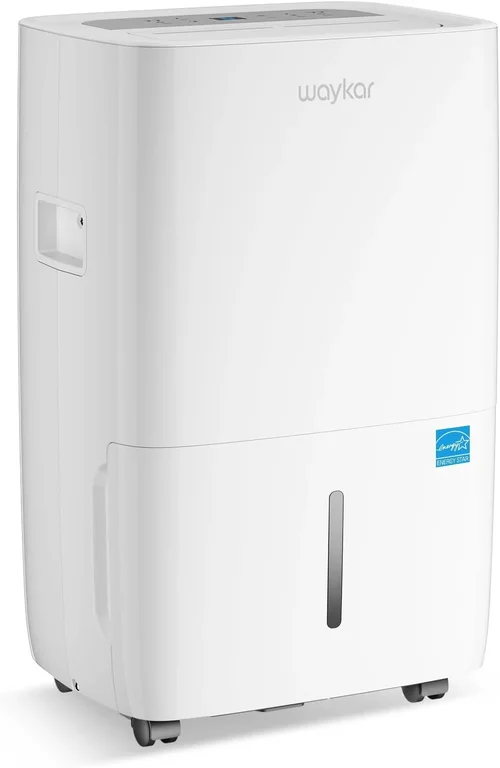
❌ Mistake: Buying Based Solely on Price
Why it’s bad: The cheapest dehumidifier often lacks durability, efficiency, and essential features like continuous drainage or accurate humidity control. You may end up replacing it within a year—costing more in the long run.
What to do instead: Focus on total cost of ownership, including energy use, maintenance, and expected lifespan. A mid-range $250 model that lasts 5+ years is better value than a $120 unit that fails in 18 months.
❌ Mistake: Ignoring Basement Temperature
Why it’s bad: Compressor dehumidifiers lose efficiency below 65°F and may ice up, shutting down completely. Using one in a cold basement leads to poor performance and potential damage.
What to do instead: If your basement averages below 65°F, choose a desiccant dehumidifier or a compressor model with auto-defrost functionality.
❌ Mistake: Overlooking Drainage Needs
Why it’s bad: Without continuous drainage, you’ll need to empty the bucket every 8–12 hours—a major hassle, especially if you’re away from home.
What to do instead: Always opt for a unit with a hose drain option. If your basement has a floor drain or sump pump, ensure the dehumidifier can connect directly.
❌ Mistake: Misjudging Room Size
Why it’s bad: An undersized unit won’t keep up with moisture levels, while an oversized one wastes energy and short-cycles.
What to do instead: Measure your basement’s square footage and assess moisture severity (light, moderate, or heavy). Use manufacturer sizing charts—and when in doubt, round up slightly.
❌ Mistake: Skipping the Filter Maintenance
Why it’s bad: A clogged filter restricts airflow, reducing efficiency by up to 30% and straining the compressor.
What to do instead: Clean the filter monthly during peak season. Choose models with easy-access, washable filters.
❌ Mistake: Not Checking Warranty Terms
Why it’s bad: Some warranties exclude compressor failure—the most common and expensive repair.
What to do instead: Read the fine print. Look for comprehensive coverage that includes parts and labor for at least one year, with compressor coverage extending longer if possible.
❌ Mistake: Assuming All “50-Pint” Units Are Equal
Why it’s bad: Manufacturers often inflate capacity numbers under non-standard conditions. Two “50-pint” units may perform very differently in your basement.
What to do instead: Prioritize AHAM-certified ratings and third-party reviews over marketing claims.
Budget Guidelines: How Much Should You Spend?
Entry-Level ($100–$200): These are basic compressor models ideal for small, mildly damp basements (under 500 sq. ft.). Expect limited features—manual drainage, analog controls, and shorter warranties. Brands like Eva-Dry and Ivation offer budget options, but durability and efficiency may be compromised. Best for seasonal use or supplemental drying.
Mid-Range ($200–$350): This is the sweet spot for most homeowners. Units in this range (e.g., Frigidaire FFAD5033W1, hOmeLabs 50-Pint) offer 50-pint AHAM-rated capacity, continuous drainage, digital controls, auto-defrost, and ENERGY STAR certification. They balance performance, reliability, and value—perfect for year-round use in average-sized basements.
Premium ($350–$600): Designed for demanding environments, these models include advanced features like internal pumps, smart connectivity, superior build quality, and extended warranties. Examples include the GE APER50LZ and Midea MAD50C1ZWS. Ideal for large basements, high-humidity climates, or users who want hands-off operation.
Luxury ($600+): Top-tier whole-house or commercial-grade dehumidifiers (e.g., AprilAire E080) integrate with HVAC systems and provide whole-home humidity control. These are overkill for most basements unless you’re building a new home or have severe moisture issues requiring professional-grade solutions.
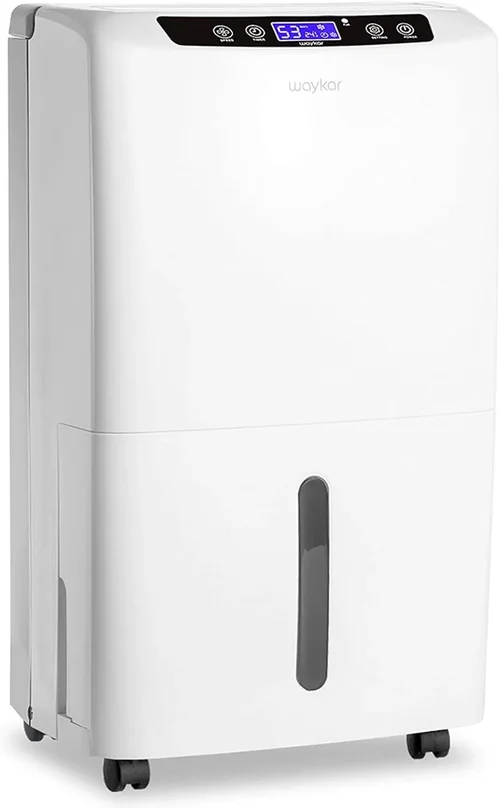
Expert Tips for Getting the Best Deal
1. Buy During Off-Peak Seasons: Prices drop significantly in late fall and winter (November–February) when demand is lowest. Retailers often clear inventory before new models arrive in spring.
2. Shop Major Sales Events: Look for discounts during Black Friday, Cyber Monday, Amazon Prime Day, and Memorial Day. Many brands offer $50–$100 off popular models.
3. Compare Retailers: Check prices across Home Depot, Lowe’s, Amazon, Walmart, and specialty HVAC stores. Online retailers sometimes offer exclusive bundles (e.g., free hose or extended warranty).
4. Consider Refurbished or Open-Box: Certified refurbished units from reputable sellers (like Amazon Renewed or manufacturer outlets) can save 20–30% and often include full warranties.
5. Read Return Policies: Ensure the retailer allows returns within 30 days—especially important if the unit doesn’t perform as expected in your specific basement conditions.
6. Test Before Committing: Run the dehumidifier for a week. If humidity levels don’t stabilize or noise is excessive, return it. Many issues only become apparent after real-world use.
7. Bundle with Other Purchases: Some HVAC contractors offer discounts if you purchase a dehumidifier alongside sump pump installation or waterproofing services.
8. Check for Utility Rebates: Certain states and municipalities offer rebates for ENERGY STAR appliances. Visit the ENERGY STAR rebate finder to see if you qualify.
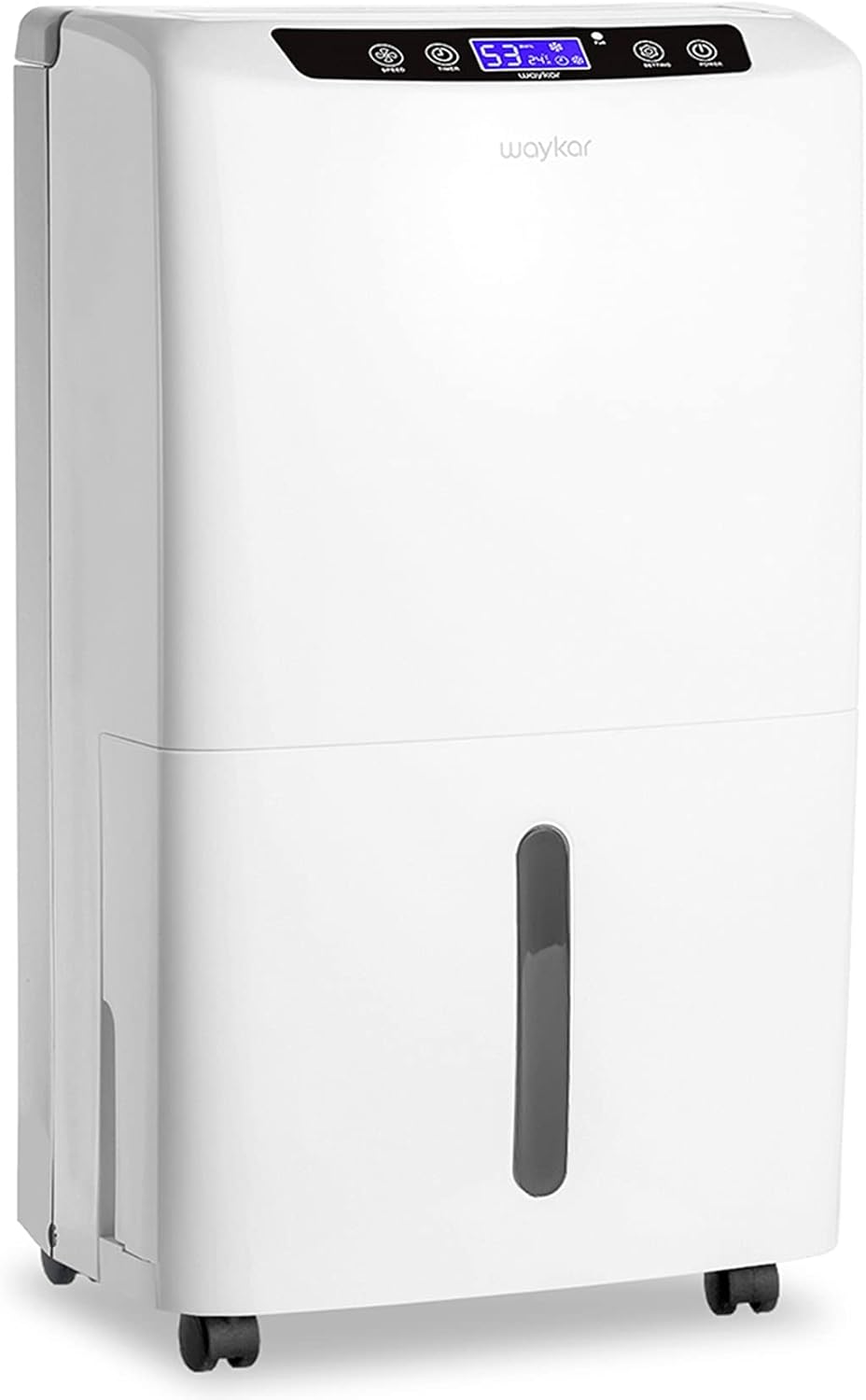
Frequently Asked Questions
Q: How do I know if my basement needs a dehumidifier?
A: Signs include persistent musty odors, visible mold or mildew, condensation on walls or windows, warped wood, or a sticky feeling in the air. You can also use a hygrometer to measure humidity—if it consistently reads above 60%, a dehumidifier is recommended.
Q: Can I use a regular room dehumidifier in my basement?
A: Yes, but only if it’s rated for basement use (i.e., has auto-defrost and handles cooler temperatures). Standard room units may freeze up in unheated basements.
Q: How often should I clean the filter?
A: Every 4–6 weeks during active use. In dusty basements or high-humidity seasons, check monthly. A clean filter ensures optimal airflow and efficiency.
Q: Will a dehumidifier lower my heating bills?
A: Indirectly, yes. Dry air feels warmer, so you may be able to set your thermostat slightly lower in winter. However, dehumidifiers consume electricity, so the net savings are usually minimal.
Q: Can I run a dehumidifier all the time?
A: Yes—most are designed for continuous operation. Just ensure proper drainage and regular maintenance. Use a humidistat to avoid over-drying (ideal range: 40–50% RH).
Q: What’s the difference between a 50-pint and 70-pint dehumidifier?
A: The 70-pint model removes more moisture per day, making it better for larger spaces or severe dampness. However, it’s also larger, heavier, and more expensive. Match capacity to your needs.
Q: Do I need a permit to install a whole-house dehumidifier?
A: Typically no, but check local building codes—especially if modifying ductwork or electrical systems. Professional installation is strongly recommended.
Q: How long do basement dehumidifiers last?
A: With proper maintenance, most last 5–7 years. High-end models with metal coils and robust compressors may exceed 10 years.
Q: Can a dehumidifier prevent foundation cracks?
A: Not directly, but by controlling moisture, it reduces hydrostatic pressure and soil expansion/contraction around your foundation—factors that contribute to cracking over time.
Q: Is it safe to leave a dehumidifier running unattended?
A: Yes, as long as it has safety features like auto-shutoff, tip-over protection, and a reliable drainage system. Never block vents or place near flammable materials.
Our Final Recommendations
Best for Budget-Conscious Buyers: hOmeLabs 50-Pint Dehumidifier
At around $220, this ENERGY STAR-certified model offers excellent value with continuous drainage, digital controls, and a washable filter. It’s quiet, efficient, and consistently praised in user reviews for reliability.
Best Overall Value: Frigidaire FFAD5033W1
Wirecutter’s long-standing favorite, this 50-pint unit combines robust performance, auto-defrost, and a sleek design. It’s slightly more expensive (~$280) but delivers superior build quality and consistent humidity control.
Best Premium Option: GE APER50LZ
With Wi-Fi connectivity, an internal pump, and precise humidity sensing, this smart dehumidifier ($450) is ideal for tech-savvy users who want remote monitoring and automation. It’s also exceptionally quiet.
Best for Beginners: Midea MAD50C1ZWS
Simple to set up and operate, this model includes clear instructions, intuitive controls, and reliable performance. At $250, it’s a great entry point for first-time buyers.
Best for Advanced Users: AprilAire E080 Whole-House Dehumidifier
For those with serious moisture challenges or new construction, this professionally installed system ($1,200+) integrates seamlessly with HVAC and provides whole-home humidity control with minimal maintenance.
Conclusion: Making the Right Choice
Choosing the right basement dehumidifier isn’t just about picking the biggest or most expensive model—it’s about matching the unit’s capabilities to your home’s unique environment and your personal priorities. Whether you’re fighting mold, protecting stored belongings, or simply making your basement more comfortable, the right dehumidifier can make a dramatic difference.
Remember to prioritize capacity based on square footage and moisture level, invest in continuous drainage, and don’t overlook energy efficiency and build quality. Avoid common pitfalls like ignoring temperature requirements or skipping maintenance, and take advantage of seasonal sales to get the best deal.
Ultimately, the best dehumidifier is the one that runs reliably, keeps your basement dry, and fits your budget—without requiring constant attention. Use this guide as your roadmap, and you’ll be well on your way to a healthier, more usable basement space. Don’t wait until the next rainy season—take control of your indoor air quality today.