
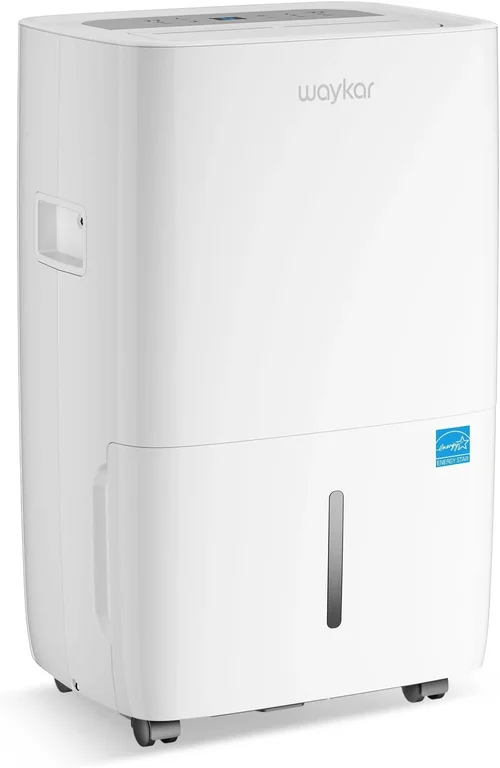
If you’ve ever woken up to a musty smell in your basement, noticed condensation fogging your windows, or spotted mold creeping along the corners of your bathroom walls, you already know how disruptive excess humidity can be. High indoor moisture doesn’t just make your home feel clammy and uncomfortable—it can trigger allergies, damage furniture and electronics, and even compromise your home’s structural integrity over time. That’s where a dehumidifier comes in: a quiet, efficient appliance designed to pull excess moisture from the air, restoring balance and protecting your living space.
But with dozens of models flooding the market in 2026—from compact units for small bedrooms to industrial-grade systems for large basements—choosing the right one can feel overwhelming. Are you better off with a refrigerant or desiccant model? Should you prioritize energy efficiency, smart controls, or sheer extraction power? And how do you avoid overpaying for features you’ll never use? This comprehensive buying guide cuts through the noise. We’ll walk you through every critical factor to consider, compare the top types available today, highlight common pitfalls, and deliver expert-backed recommendations tailored to real-world needs. Whether you’re dealing with seasonal dampness or year-round humidity, this guide will help you find the best dehumidifier for your home, budget, and lifestyle.
The dehumidifier market has evolved significantly in recent years. No longer just bulky, noisy appliances relegated to basements, modern units boast sleek designs, Wi-Fi connectivity, auto-defrost functions, and Energy Star certifications that slash electricity bills. Brands like Frigidaire, Honeywell, GE, Midea, and AprilAire now offer a wide spectrum of options—from under-$100 portable models to $500+ whole-house systems. Meanwhile, innovations in compressor technology and moisture-sensing algorithms mean today’s dehumidifiers are smarter, quieter, and more efficient than ever. With climate change increasing humidity levels in many regions, and more people working from home (where indoor air quality matters more than ever), demand for reliable dehumidification has never been higher. This guide equips you with the knowledge to navigate this dynamic landscape confidently.

What to Look for When Buying Buying Guide
1. Budget & Price Range
Your budget is often the first filter when shopping for a dehumidifier, but it shouldn’t be the only one. Prices range widely—from as low as $60 for basic 20-pint units to over $800 for whole-house systems. However, cheaper isn’t always better. A $70 model might seem like a steal, but if it lacks durability, uses outdated compressors, or fails to meet your space’s needs, you’ll end up replacing it within a year—costing you more in the long run. Conversely, splurging on a premium unit with features you don’t need (like built-in humidistats for a tiny closet) is equally wasteful.
Instead, align your budget with your actual requirements. For a 500-square-foot basement with moderate dampness, a $150–$250 mid-range model usually suffices. If you’re tackling a 1,500-square-foot crawl space or a chronically humid coastal home, investing $300–$500 in a high-capacity, energy-efficient unit makes sense. Always factor in operating costs too: a slightly pricier Energy Star-certified model can save you $20–$40 annually on electricity.
2. Performance Specifications
The core job of a dehumidifier is to remove moisture—so performance specs are non-negotiable. The most important metric is pint capacity, which indicates how many pints of water the unit can extract in 24 hours under standard conditions (80°F and 60% relative humidity). For reference: a 20–30 pint unit suits small spaces (under 500 sq ft), 50-pint models handle medium areas (500–1,500 sq ft), and 70+ pint units are ideal for large basements or whole-house use.
But don’t stop there. Check the coverage area listed by the manufacturer—it should match your room size. Also look at the minimum operating temperature; most refrigerant dehumidifiers struggle below 65°F, so if you’re using it in an unheated garage or crawl space, consider a cold-climate model with auto-defrost. Finally, pay attention to the water tank size (typically 1–2 gallons). Larger tanks mean less frequent emptying, though many modern units include continuous drainage options via hose hookup.
3. Build Quality & Durability
A dehumidifier is a long-term investment, so build quality matters. Look for sturdy casings made from high-grade plastic or metal—not flimsy materials that crack under minor impacts. Internal components are equally important: sealed compressors, corrosion-resistant coils, and robust fan motors indicate a unit built to last 5–10 years. Check user reviews for mentions of leaks, compressor failures, or rattling noises after a few months—these are red flags.
Also consider where you’ll place the unit. If it’s going in a dusty basement or garage, opt for models with washable air filters and sealed electronics. For coastal homes with salty air, corrosion-resistant coatings on coils and vents are essential. Premium brands often use military-grade testing standards, so while they cost more upfront, they’re less likely to fail when you need them most.
4. Features & Functionality
Modern dehumidifiers come packed with features that enhance convenience and efficiency. The most useful include:
- Built-in humidistat: Automatically maintains your desired humidity level (ideal range: 30–50%) without constant manual adjustment.
- Auto-restart: Resumes operation after a power outage—critical if you rely on continuous dehumidification.
- Continuous drainage: Lets you connect a garden hose so the unit never needs emptying (perfect for basements).
- Smart controls: Wi-Fi connectivity (via apps like Frigidaire SmartHQ or Honeywell Home) allows remote monitoring and scheduling.
- Quiet operation: Look for decibel ratings under 50 dB—especially important for bedrooms or living areas.
- Energy-saving modes: “Eco” or “Laundry” modes optimize performance for specific tasks.
Avoid getting seduced by gimmicks like ionizers or UV lights unless you have specific air purification needs—they add cost without significantly improving dehumidification.
5. Brand Reputation
Not all dehumidifier brands are created equal. Established names like Frigidaire, Honeywell, GE Appliances, and Midea have decades of experience and robust customer support networks. They also tend to offer better warranties and more reliable replacement parts. Lesser-known brands may offer tempting prices, but they often cut corners on components or lack service centers—leaving you stranded if something breaks.
Research brand reliability through third-party sources like Consumer Reports, Wirecutter, or HVAC forums. Pay attention to how quickly companies respond to complaints and whether they honor warranties without hassle. A reputable brand won’t just sell you a product—they’ll stand behind it.
6. Warranty & Support
A good warranty is a strong indicator of a manufacturer’s confidence in their product. Most reputable dehumidifiers come with a 1–2 year limited warranty, but some premium models (like those from AprilAire) offer 5-year compressor coverage. Read the fine print: does the warranty cover labor, parts, and shipping? Is it voided if you use third-party filters or install it yourself?
Customer support matters too. Can you easily reach a human via phone or chat? Are troubleshooting guides available online? Brands with dedicated HVAC support teams (rather than generic appliance reps) typically provide faster, more knowledgeable assistance. If you’re buying a whole-house system, ensure the installer is certified by the manufacturer—otherwise, the warranty may be invalidated.
7. Size & Portality
Dehumidifiers vary greatly in physical dimensions and weight. A compact 30-pint unit might weigh 30 lbs and fit under a sink, while a 70-pint basement model can exceed 50 lbs and require two people to move. Consider where you’ll place it and how often you’ll need to relocate it. Units with integrated handles and caster wheels are far easier to maneuver.
Also think about clearance space. Most models need 6–12 inches of airflow around vents to operate efficiently. Don’t tuck it into a tight corner unless the manual explicitly allows it. For RVs, tiny homes, or apartments, ultra-compact desiccant dehumidifiers (like those from Eva-Dry) offer portability but lower capacity—ideal for spot treatment rather than whole-room control.
8. User Reviews & Ratings
Never rely solely on manufacturer specs. Real-world user reviews reveal quirks, failures, and hidden strengths that specs sheets omit. Look for patterns: if multiple reviewers mention the same issue (e.g., “leaks after 3 months” or “loud on high setting”), take note. Sites like Amazon, Home Depot, and Reddit’s r/HomeImprovement offer unfiltered feedback.
Focus on verified purchases and detailed reviews that describe usage context (“used in a 1,200 sq ft Florida basement”). Be wary of overly glowing or vague reviews—they may be incentivized. Aim for units with 4+ star averages and at least 100 reviews for statistical reliability.
Different Types of Buying Guide

Common Buying Mistakes to Avoid
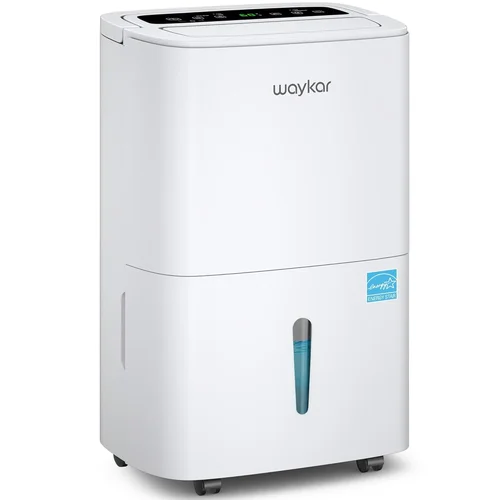
❌ Mistake: Buying Based Solely on Pint Capacity
Why it’s bad: Pint ratings are measured under ideal lab conditions (80°F/60% RH). In real-world scenarios—especially in cooler basements—actual performance can drop by 30–50%. A 50-pint unit might only act like a 30-pint model in a 55°F crawl space.
What to do instead: Match capacity to your room size and ambient temperature. Use manufacturer coverage charts, and when in doubt, size up slightly. For cold spaces, choose a desiccant or cold-climate refrigerant model.
❌ Mistake: Ignoring Energy Efficiency
Why it’s bad: Dehumidifiers run for hours daily. A non-Energy Star model could cost $50–$100 more per year in electricity—adding up over its lifespan.
What to do instead: Look for the ENERGY STAR label and check the energy factor (liters of water removed per kWh). Higher is better. Many utility companies offer rebates for efficient models.
❌ Mistake: Overlooking Drainage Options
Why it’s bad: Emptying a full tank every 8–12 hours is tedious and easy to forget. If the unit shuts off due to a full tank, your space stays humid.
What to do instead: Choose a model with a built-in pump or continuous drainage hose outlet—even if you don’t use it immediately. It’s a lifesaver during vacations or heavy rain seasons.
❌ Mistake: Choosing the Wrong Type for Your Climate
Why it’s bad: Refrigerant dehumidifiers lose efficiency below 65°F. Using one in an unheated garage in winter wastes energy and may ice up.
What to do instead: In cold climates, opt for a desiccant dehumidifier or a refrigerant model with auto-defrost. Desiccants work down to 35°F and are quieter.
❌ Mistake: Skipping the Humidistat
Why it’s bad: Without automatic humidity control, you risk over-drying (causing static, dry skin, or warped wood) or under-drying (leaving mold risks).
What to do instead: Always choose a unit with a built-in humidistat. Set it to 45% for optimal comfort and protection.
❌ Mistake: Neglecting Maintenance Requirements
Why it’s bad: Clogged filters reduce airflow and efficiency. Neglected coils can foster mold growth inside the unit itself.
What to do instead: Buy a model with a washable, reusable filter. Clean it monthly. Check coil accessibility—some units require disassembly for cleaning.
❌ Mistake: Buying Without Measuring Your Space
Why it’s bad: Guessing room size leads to undersized (ineffective) or oversized (wasteful) units.
What to do instead: Measure length × width × height. Note ceiling height—high ceilings increase air volume. Use a laser measurer for accuracy.
Budget Guidelines: How Much Should You Spend?
- Entry-Level ($60–$120): Basic 20–30 pint refrigerant or desiccant units. Ideal for small bathrooms, closets, or seasonal use. Expect minimal features, smaller tanks, and higher noise levels. Best for occasional dampness, not chronic issues.
- Mid-Range ($150–$300): The sweet spot for most homeowners. 50-pint refrigerant models with humidistats, auto-restart, and decent build quality. Energy Star certified options abound. Perfect for 500–1,500 sq ft basements or living areas.
- Premium ($350–$600): High-capacity (70+ pint) units with advanced features: Wi-Fi, built-in pumps, ultra-quiet operation, and robust warranties. Ideal for large homes, flood recovery, or humid climates. Brands like AprilAire and Santa Fe dominate here.
- Luxury ($700+): Whole-house integrated systems that connect to your HVAC. Professionally installed, they maintain consistent humidity throughout your home. Best for new builds, severe humidity problems, or allergy sufferers needing medical-grade air control.
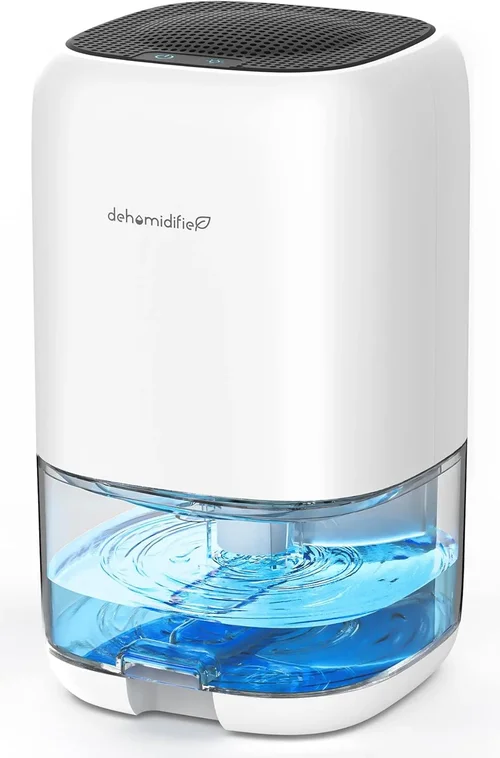
Expert Tips for Getting the Best Deal
- Buy off-season: Prices drop significantly in late fall and winter (October–February) when demand is lowest. Retailers clear inventory before spring humidity spikes.
- Check utility rebates: Many states and municipalities offer $25–$100 rebates for Energy Star dehumidifiers. Visit ENERGY STAR’s rebate finder to search by ZIP code.
- Compare total cost of ownership: A $200 unit that uses 300W will cost less over 5 years than a $150 unit using 500W. Use the formula: (Watts ÷ 1000) × hours used per day × local kWh rate × 365.
- Read return policies carefully: Some retailers charge restocking fees (15–20%) for opened appliances. Buy from stores with generous return windows (30–90 days).
- Test before committing: If possible, run the unit for 24–48 hours in your space. Check noise levels, tank full alerts, and humidity stability.
- Bundle with other purchases: Buying during HVAC system upgrades or home renovations? Ask contractors if they offer package discounts on whole-house dehumidifiers.
- Watch for open-box deals: Retailers like Home Depot and Best Buy often sell returned units at 20–40% off. These are typically inspected and come with full warranties.
- Consider refurbished models: Certified refurbished units from manufacturer websites (e.g., Frigidaire Factory Certified) offer significant savings with full warranty coverage.

Frequently Asked Questions
Q: How do I know what size dehumidifier I need?
A: Calculate your room’s square footage (length × width). Then consider the humidity level:
- Mild dampness (musty odor): 20–30 pints
- Moderate (wet spots, condensation): 50 pints
- Severe (standing water, mold): 70+ pints
Always check the manufacturer’s coverage chart—it accounts for both size and humidity severity.
Q: Can I run a dehumidifier all the time?
A: Yes, especially if you have a built-in humidistat. Modern units are designed for continuous operation. Just ensure proper ventilation and empty or drain the tank regularly.
Q: Will a dehumidifier lower my energy bills?
A: Indirectly, yes. By reducing humidity, your air conditioner doesn’t have to work as hard to cool your home (since humid air feels hotter). Savings vary but can be 5–10% on cooling costs in summer.
Q: Do dehumidifiers use a lot of electricity?
A: It depends. A typical 50-pint Energy Star model uses about 500–700 watts. Running 10 hours/day at $0.13/kWh costs roughly $20–$28/month. Non-certified models can double that.
Q: Can I use a dehumidifier in winter?
A: Only if it’s a cold-climate or desiccant model. Standard refrigerant units may ice up below 65°F. Desiccants work down to 35°F and are safe for unheated spaces.
Q: How often should I clean my dehumidifier?
A: Clean the air filter monthly with mild soap and water. Wipe the water tank weekly to prevent mold. Deep-clean coils annually if accessible.
Q: Is a bigger tank always better?
A: Not necessarily. A 2-gallon tank is fine if you’re home to empty it. For unattended operation (e.g., vacation), continuous drainage is more reliable than even the largest tank.
Q: Can a dehumidifier help with allergies?
A: Absolutely. By keeping humidity below 50%, it inhibits dust mites, mold, and mildew—common allergens. Pair it with an air purifier for best results.
Q: Should I buy a dehumidifier with a built-in pump?
A: If you plan to use continuous drainage in a basement without a floor drain, yes. A pump lets you push water uphill to a sink or window—no gravity required.
Q: Are smart dehumidifiers worth the extra cost?
A: If you travel often or want remote monitoring, yes. Features like leak alerts, usage reports, and voice control (via Alexa/Google) add convenience. For basic use, skip the smart features.
Our Final Recommendations
- Best for Budget-Conscious Buyers: Midea 30 Pint Cube ($129) – Compact, Energy Star certified, with auto-defrost and quiet operation. Perfect for small spaces under 500 sq ft.
- Best Overall Value: Frigidaire FFAD7033R1 70 Pint ($279) – Excellent extraction power, built-in humidistat, continuous drainage, and reliable performance in large basements.
- Best Premium Option: AprilAire E130 Pro ($649) – Whole-house capability, 130-pint capacity, integrates with HVAC, and backed by a 5-year warranty. Ideal for humid climates.
- Best for Beginners: Honeywell TP70WKN ($249) – User-friendly interface, clear tank window, auto-restart, and strong brand support. Great first dehumidifier.
- Best for Advanced Users: Santa Fe Compact 70 ($599) – High-efficiency desiccant technology, works in cold temps, and offers precise humidity control. Favored by restoration professionals.
Conclusion: Making the Right Choice
Choosing the best dehumidifier isn’t about finding the most powerful or most expensive model—it’s about matching the right tool to your specific environment, needs, and budget. Start by honestly assessing your space: How big is it? How humid is it? Where will the unit live? Then prioritize features that matter most—whether that’s quiet operation for a bedroom, continuous drainage for a basement, or smart controls for peace of mind while traveling.
Remember, a dehumidifier is more than just an appliance; it’s an investment in your home’s health and your family’s comfort. The right one will prevent mold, protect your belongings, improve indoor air quality, and even reduce energy costs. Avoid the common pitfalls we’ve outlined, leverage seasonal deals, and don’t hesitate to spend a little more for durability and efficiency—you’ll thank yourself in the long run.
Now that you’re armed with expert knowledge, take action. Measure your space, compare top models within your price range, and read real user reviews. Whether you’re battling basement dampness or coastal humidity, the perfect dehumidifier is out there—and with this guide, you’re ready to find it. Breathe easier, live healthier, and reclaim your home from excess moisture today.