
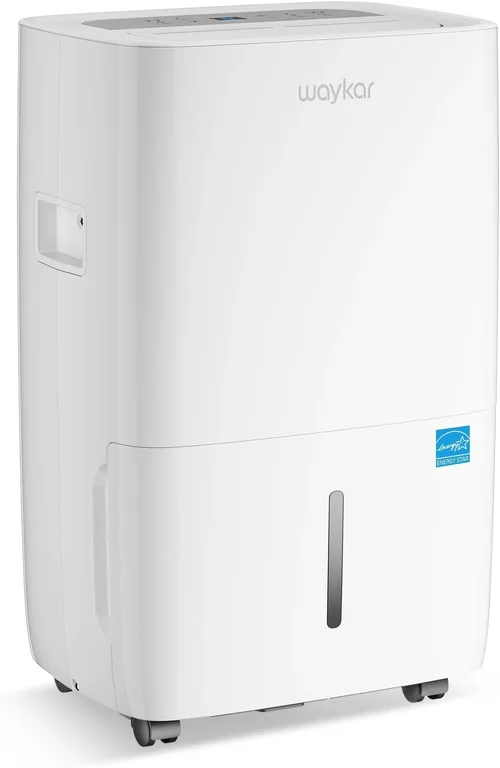
When it comes to maintaining a healthy, comfortable home environment, few appliances are as quietly essential as a dehumidifier. Whether you’re battling persistent dampness in your basement, trying to prevent mold growth in a humid climate, or simply want to improve indoor air quality for allergy relief, the right dehumidifier can make a world of difference. Yet, with dozens of models flooding the market—each boasting different capacities, features, and price points—it’s easy to feel overwhelmed. That’s why this comprehensive buying guide exists: to cut through the noise and help you make an informed, confident decision.
In this guide, we’ll walk you through every critical factor you need to consider before purchasing a dehumidifier in 2026. From understanding performance specs like pint capacity and energy efficiency to evaluating build quality, smart features, and long-term reliability, we’ve done the research so you don’t have to. You’ll learn how to match the right type of dehumidifier to your specific needs—whether that’s a compact unit for a small bathroom or a heavy-duty machine for a sprawling crawl space. We’ll also highlight common pitfalls to avoid, share expert shopping tips, and provide clear budget guidelines so you get maximum value without overspending.
The dehumidifier market has evolved significantly over the past few years. Traditional compressor-based units now compete with newer desiccant models, while smart connectivity, auto-humidistats, and eco-friendly refrigerants have become standard in many mid-to-high-tier models. Brands like Frigidaire, hOmeLabs, GE, Midea, and AprilAire continue to dominate, but newer entrants are pushing innovation with quieter operation, sleeker designs, and improved energy ratings. With rising humidity levels due to climate change and increased awareness of indoor air quality, choosing the right dehumidifier isn’t just about comfort—it’s about health, home preservation, and long-term savings on energy and repair costs.

What to Look for When Buying Buying Guide
1. Budget & Price Range
Your budget is often the first filter when shopping for a dehumidifier, but it shouldn’t be the only one. Prices can range from under $100 for basic compact units to over $800 for whole-house systems. While it’s tempting to go for the cheapest option, remember that dehumidifiers are long-term investments. A low-cost model may lack durability, consume more energy, or fail to perform adequately in high-humidity environments.
Set a realistic budget based on your needs. If you’re dealing with a small closet or bathroom, a $100–$150 unit might suffice. For basements or large living areas, expect to spend $200–$400 for a reliable mid-range model. Whole-home dehumidifiers, which integrate with your HVAC system, typically start around $500 and can go much higher. Always factor in long-term operating costs—cheaper units often have lower Energy Star ratings, meaning higher electricity bills over time.
2. Performance Specifications
Performance specs are the backbone of any dehumidifier evaluation. The most important metric is pint capacity, which indicates how much moisture the unit can remove in 24 hours under standard conditions (typically 60% relative humidity at 80°F). However, don’t take this number at face value—manufacturers often test under ideal lab conditions that don’t reflect real-world use.
For accurate sizing, match the pint rating to your space:
– Small spaces (up to 500 sq ft): 20–30 pints/day
– Medium spaces (500–1,500 sq ft): 30–50 pints/day
– Large spaces (1,500–2,500 sq ft): 50–70 pints/day
– Severely damp areas or whole homes: 70+ pints/day or consider a whole-house system
Also check the Energy Factor (EF), measured in liters per kilowatt-hour (L/kWh). Higher EF means greater efficiency. Look for units with an EF of 1.5 or higher—these typically carry the Energy Star label and can save you up to 30% on energy costs compared to non-certified models.
Another key spec is operating temperature range. Most compressor-based dehumidifiers work best between 65°F and 80°F. If you’re using it in an unheated basement or garage where temperatures drop below 60°F, consider a cold-climate model or a desiccant dehumidifier, which performs better in cooler environments.
3. Build Quality & Durability
A dehumidifier is not a disposable appliance. It should last 5–10 years with proper maintenance. Build quality directly impacts longevity. Look for sturdy materials—metal housings and reinforced plastic components resist warping and cracking better than flimsy alternatives. Check the quality of the compressor (if applicable), fan motor, and internal wiring.
Pay attention to the condensate tank. A well-designed tank should be easy to remove, clean, and reinsert. Some models feature splash guards, handles, and even built-in spouts to prevent spills. Larger tanks (2+ gallons) reduce how often you need to empty them, which is especially helpful in high-humidity areas.
Also consider the filter system. A washable, reusable filter is ideal—it saves money and reduces waste. Some premium models include antimicrobial filters that inhibit mold and bacteria growth, which is a big plus for allergy sufferers.
4. Features & Functionality
Modern dehumidifiers come packed with features that enhance convenience, efficiency, and control. Here are the most valuable ones to look for:
– Auto-Humidistat: Allows you to set your desired humidity level (usually between 30% and 80%). The unit automatically turns on/off to maintain that level, preventing over-drying and saving energy.
– Continuous Drain Option: Instead of manually emptying the tank, you can attach a hose for continuous drainage—ideal for basements or unattended areas.
– Defrost Function: Prevents ice buildup on coils in cold environments, ensuring consistent performance.
– Timer & Sleep Mode: Lets you schedule operation (e.g., run only at night) or reduce noise during bedtime.
– Smart Connectivity: Wi-Fi-enabled models let you monitor and control humidity via smartphone apps. Some integrate with Alexa or Google Assistant for voice control.
– Portability Features: Casters, handles, and cord storage make moving the unit easier.
– Air Filtration: Advanced models include HEPA or activated carbon filters to remove allergens, odors, and pollutants.
While these features add convenience, they also increase cost. Prioritize based on your lifestyle. For example, if you travel frequently, a smart dehumidifier with remote monitoring might be worth the extra investment.
5. Brand Reputation
Not all dehumidifier brands are created equal. Established brands like Frigidaire, GE, hOmeLabs, Midea, and AprilAire have proven track records for reliability, customer service, and parts availability. These companies often invest more in R&D, resulting in better performance and longer lifespans.
Newer or lesser-known brands may offer tempting prices, but they often cut corners on components or support. Check if the brand has a U.S.-based customer service team and whether replacement parts (like filters or tanks) are readily available. A strong brand reputation also correlates with better warranty terms and faster response times for repairs.
6. Warranty & Support
A dehumidifier is a mechanical device with moving parts—things can and will go wrong. That’s why warranty coverage is crucial. Most reputable brands offer at least a 1-year limited warranty, but many now provide 2–5 years, especially on compressors.
Look for:
– Compressor warranty: Should be at least 2 years; some premium models offer 5 years.
– Parts and labor coverage: Ensure both are included.
– Extended warranty options: Some retailers offer additional coverage for a fee.
– Easy claim process: Check if the brand requires you to mail the unit or if they offer in-home service.
Avoid brands with vague warranty terms or those that require you to pay shipping for repairs. Also, register your product immediately after purchase—some warranties are void if not registered within 30–90 days.
7. Size & Portability
Even if a dehumidifier is powerful, it’s useless if you can’t move it where it’s needed. Consider the physical dimensions and weight. A 50-pint unit can weigh 40–60 pounds—too heavy to carry upstairs without help.
Look for:
– Integrated casters: Smooth-rolling wheels make relocation effortless.
– Top handle: Ergonomic grip for lifting.
– Cord length and storage: A 6-foot cord with a wrap-around design keeps things tidy.
– Compact footprint: Especially important for apartments or small basements.
If you plan to use the dehumidifier in multiple rooms (e.g., basement in winter, bedroom in summer), portability becomes a top priority. Some models are designed with modular components or foldable handles to save space when not in use.
8. User Reviews & Ratings
Never buy a dehumidifier based solely on specs or marketing claims. Real-world performance matters. Check verified purchase reviews on Amazon, Home Depot, Lowe’s, and Best Buy. Look for patterns—do multiple users mention the same issue (e.g., “tank leaks,” “loud at night”)? Are there consistent praises for quiet operation or ease of use?
Pay attention to:
– Long-term reviews: Some users update their reviews after 6–12 months, revealing durability issues.
– Photos and videosResponse from customer service: Brands that actively respond to complaints show accountability.
A product with 1,000+ reviews and a 4.5+ star rating is generally a safe bet—but always read the 1- and 2-star reviews to understand potential flaws.
Different Types of Buying Guide

Common Buying Mistakes to Avoid
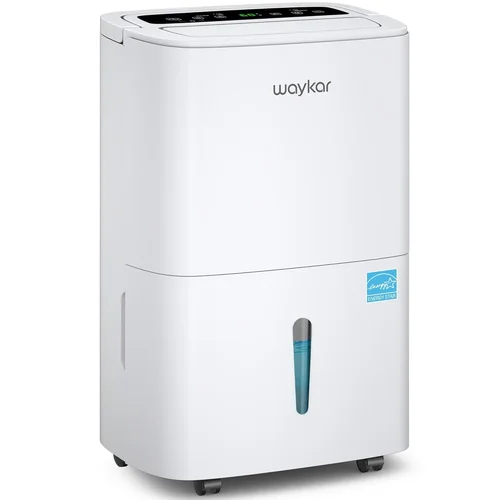
❌ Mistake: Buying Based Solely on Pint Capacity
Why it’s bad: Pint ratings are often exaggerated or tested under unrealistic conditions. A 70-pint unit may only remove 40 pints in a cool, damp basement.
What to do instead: Use pint capacity as a starting point, but also consider room size, humidity level, and temperature. When in doubt, size up slightly or consult a sizing chart from the manufacturer.
❌ Mistake: Ignoring Energy Efficiency
Why it’s bad: A cheap dehumidifier with low EF can cost you $50–$100 more per year in electricity—adding up over time.
What to do instead: Always check the Energy Guide label and look for the Energy Star certification. Use the DOE’s calculator to estimate annual operating costs.
❌ Mistake: Overlooking Drainage Options
Why it’s bad: If you forget to empty the tank daily, the unit shuts off and humidity builds up again.
What to do instead: Choose a model with a continuous drain hose option, especially for basements or unattended areas. A hose can direct water to a floor drain or sump pump.
❌ Mistake: Choosing the Wrong Type for Your Climate
Why it’s bad: Compressor dehumidifiers lose efficiency below 60°F. Using one in a cold garage can lead to ice buildup and failure.
What to do instead: In cold environments, opt for a desiccant dehumidifier or a cold-climate compressor model with auto-defrost.
❌ Mistake: Skipping the Warranty Check
Why it’s bad: A failed compressor after 13 months leaves you with a costly repair or replacement.
What to do instead: Always verify warranty length and coverage. Register your product immediately and keep receipts.
❌ Mistake: Not Considering Noise Levels
Why it’s bad: A loud dehumidifier can disrupt sleep or work, especially in open-plan homes.
What to do instead: Look for models rated under 50 dB. Read reviews for mentions of “quiet,” “whisper mode,” or “night operation.”
❌ Mistake: Buying Without Reading Reviews
Why it’s bad: Marketing claims don’t always reflect real performance. A unit may look great on paper but fail in practice.
What to do instead: Spend 15 minutes reading verified reviews. Focus on long-term users and look for consistent feedback.
Budget Guidelines: How Much Should You Spend?
– Entry-Level ($50–$150): Best for small spaces like closets, RVs, or bathrooms. Expect basic functionality, smaller tanks, and limited features. Models in this range are often mini desiccant units or low-capacity compressors. Ideal for occasional use or mild humidity issues.
– Mid-Range ($150–$350): The sweet spot for most homeowners. These units offer 30–50 pint capacity, Energy Star ratings, auto-humidistats, and continuous drain options. Brands like hOmeLabs and Frigidaire dominate this category with reliable performance and solid warranties. Perfect for basements, laundry rooms, and medium-sized living areas.
– Premium ($350–$600): For those who want advanced features and superior build quality. Expect smart connectivity, HEPA filtration, quiet operation (under 45 dB), and extended warranties. These models are ideal for allergy sufferers, tech enthusiasts, or anyone dealing with persistent moisture problems.
– Luxury ($600+): Whole-house systems and high-end portable units with industrial-grade components. These integrate with HVAC, offer zone control, and provide hospital-level air purification. Best for large homes, humid climates, or commercial use.
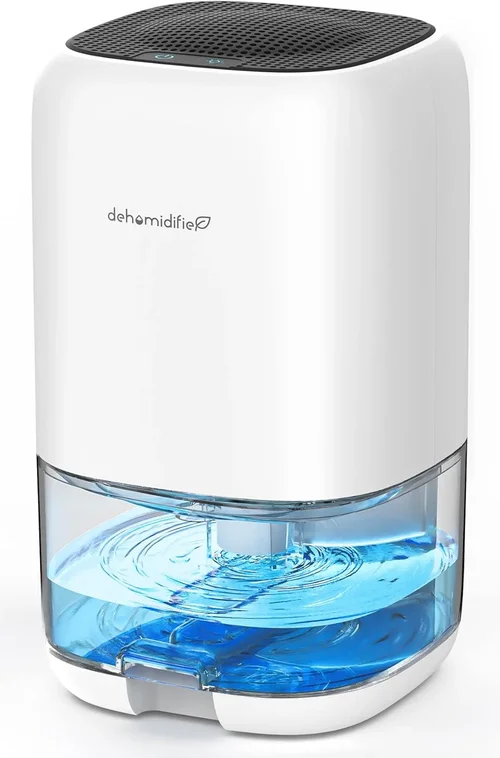
Expert Tips for Getting the Best Deal
– Buy in Spring: Retailers often discount dehumidifiers in March–May as humidity rises. You’ll find the best selection and prices before peak summer demand.
– Shop Online for Reviews: Websites like Amazon, Home Depot, and Lowe’s offer detailed filters, video reviews, and Q&A sections that in-store shopping can’t match.
– Check for Rebates: Some utility companies offer rebates for Energy Star dehumidifiers—especially in humid states like Florida or Louisiana. Visit dsireusa.org to search for local incentives.
– Compare Total Cost of Ownership: Factor in energy use, filter replacements, and warranty. A $300 unit that saves $40/year in electricity pays for itself in 7–8 years.
– Test Before Committing: If possible, buy from a retailer with a generous return policy (30+ days). Run the unit for a week to test noise, performance, and ease of use.
– Bundle with Other Purchases: Some stores offer discounts when you buy a dehumidifier with an air purifier or HVAC service.
– Watch for Refurbished Models: Certified refurbished units from reputable brands often come with full warranties and can save you 20–40%.
– Negotiate Extended Warranties: At big-box stores, ask if they’ll waive the fee on an extended warranty if you buy today.

Frequently Asked Questions
Q: How do I know what size dehumidifier I need?
A: Start by measuring your space in square feet. Then assess the humidity level: mild (damp smell), moderate (visible moisture), or severe (standing water, mold). Use a sizing chart—most manufacturers provide one—or consult an online calculator. When in doubt, choose a unit rated for a slightly larger area.
Q: Can I run a dehumidifier 24/7?
A: Yes, but it’s not always necessary. Most modern units have auto-humidistats that cycle on/off to maintain your set level. Running continuously increases energy use and wear. Use a timer or smart features to optimize operation.
Q: Do dehumidifiers use a lot of electricity?
A: It depends. A 50-pint Energy Star model uses about 500–700 watts. At $0.13/kWh, that’s roughly $1.50–$2.00 per day if running 12 hours. Look for high EF ratings to minimize costs.
Q: Should I get a dehumidifier or an air purifier?
A: They serve different purposes. A dehumidifier reduces moisture; an air purifier removes particles. For best results, use both—especially if you have allergies or asthma.
Q: Can a dehumidifier help with mold?
A: Yes, by reducing humidity below 50%, you create an environment where mold can’t thrive. However, existing mold should be cleaned professionally before using a dehumidifier.
Q: How often should I clean my dehumidifier?
A: Clean the filter monthly and the water tank every 1–2 weeks. Wipe coils and vents quarterly to maintain efficiency.
Q: Are desiccant dehumidifiers better than compressor ones?
A: It depends on your climate. Desiccants work better in cold, dry conditions and are quieter. Compressors are more efficient in warm, humid environments. Choose based on your typical operating temperature.
Q: Can I use a dehumidifier in winter?
A: Only if the space stays above 60°F. Below that, compressor units may ice up. Use a desiccant model or a cold-climate dehumidifier with defrost.
Q: Do I need a whole-house dehumidifier?
A: Only if you have consistent humidity issues throughout your home and want seamless integration with your HVAC. For most, a high-capacity portable unit is sufficient.
Q: What’s the ideal indoor humidity level?
A: Between 30% and 50%. Below 30% can cause dry skin and static; above 50% promotes mold and dust mites. Use a hygrometer to monitor.
Our Final Recommendations
– Best for Budget-Conscious Buyers: hOmeLabs 30 Pint Dehumidifier – Reliable performance, Energy Star certified, and under $200. Great for small to medium spaces with solid build quality and easy maintenance.
– Best Overall Value: Frigidaire FFAD7033R1 70 Pint – High capacity, excellent efficiency, and durable construction. Ideal for large basements. Includes continuous drain and auto-humidistat.
– Best Premium Option: AprilAire E130 Pro – Whole-house capability, whisper-quiet operation, and smart controls. Perfect for humid climates and large homes.
– Best for Beginners: GE APER50LZ 50 Pint – Simple controls, clear display, and reliable performance. Great first dehumidifier with strong customer support.
– Best for Advanced Users: Midea Cube Smart Dehumidifier – Wi-Fi enabled, app-controlled, and stackable design. Offers detailed humidity tracking and voice control integration.
Conclusion: Making the Right Choice
Choosing the best dehumidifier isn’t about finding the most powerful or expensive model—it’s about matching the right tool to your specific needs, environment, and budget. By understanding key factors like pint capacity, energy efficiency, build quality, and smart features, you can avoid common pitfalls and invest in a unit that delivers lasting comfort and protection for your home.
Remember, a dehumidifier is more than just an appliance—it’s a guardian of your indoor air quality, a defender against mold and mildew, and a contributor to long-term energy savings. Take the time to assess your space, read real user reviews, and prioritize features that matter most to you. Whether you’re battling basement dampness or simply aiming for a healthier living environment, the right dehumidifier will work quietly in the background, giving you peace of mind season after season.
Now that you’re equipped with expert knowledge, it’s time to make your move. Use this guide as your checklist, compare your top contenders, and choose with confidence. Your home—and your health—will thank you.