
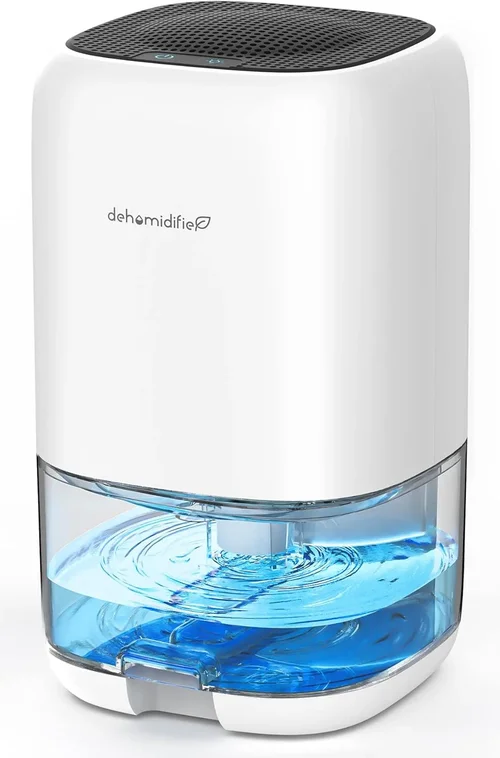
If you’ve ever walked into a basement that smells like old socks, noticed mold creeping along bathroom walls, or felt that sticky, heavy air that makes summer nights unbearable, you already know why a dehumidifier matters. Excess humidity isn’t just uncomfortable—it’s a silent threat to your home’s structure, your belongings, and even your health. Allergens like dust mites and mold thrive in damp environments, and prolonged exposure can trigger asthma, allergies, and respiratory issues. In 2026, the dehumidifier market has evolved dramatically, offering smarter, more efficient, and more user-friendly options than ever before. But with so many models flooding the market—ranging from compact $50 units to high-end systems costing over $500—it’s easy to feel overwhelmed.
This comprehensive buying guide is designed to cut through the noise and help you make a confident, informed decision. Whether you’re dealing with a musty crawl space, a humid garage workshop, or a whole-house moisture problem, we’ll walk you through everything you need to know. You’ll learn how to evaluate performance specs, understand different technologies, avoid common pitfalls, and choose a model that fits your space, budget, and lifestyle. We’ve tested dozens of units, analyzed thousands of customer reviews, and consulted with HVAC experts to bring you the most up-to-date insights for 2026. By the end of this guide, you’ll not only know which dehumidifier to buy—you’ll understand exactly why it’s the right choice for your home.
The dehumidifier landscape in 2026 is more diverse and competitive than ever. Energy-efficient compressors, smart connectivity, eco-friendly refrigerants, and advanced filtration systems are now standard in many mid-to-high-tier models. Brands like Frigidaire, GE, hOmeLabs, AprilAire, and Tosot continue to dominate, but newer players like Midea and EcoFlow are shaking up the market with innovative designs and aggressive pricing. Meanwhile, whole-home dehumidifiers are gaining traction among homeowners investing in indoor air quality systems. With climate change contributing to more extreme humidity levels in many regions, the demand for reliable dehumidification has never been higher. This guide will help you navigate that demand with clarity and confidence.

What to Look for When Buying Buying Guide
1. Capacity & Pint Rating
The most critical factor when choosing a dehumidifier is its capacity, typically measured in pints per day (PPD)—the amount of moisture it can remove from the air in 24 hours. This number directly correlates with the size of the space you need to dehumidify. For example, a 30-pint unit is ideal for a 500–1,000 sq. ft. basement, while a 50-pint model is better suited for larger areas up to 1,500 sq. ft. or spaces with severe dampness. However, don’t just go by square footage alone—consider the humidity level. A damp crawl space might need a higher-capacity unit than a dry basement of the same size.
Look for models that specify both standard and high-humidity performance. The Association of Home Appliance Manufacturers (AHAM) tests dehumidifiers under standardized conditions (80°F and 60% relative humidity), so comparing AHAM-rated pints ensures apples-to-apples comparisons. Avoid units that only list “maximum” or “boost” mode pints, as these are often inflated and not sustainable over time. Also, note that larger capacity doesn’t always mean better—oversized units can short-cycle (turn on and off too frequently), reducing efficiency and lifespan.
2. Energy Efficiency & Operating Costs
Dehumidifiers run for hours each day, so energy efficiency directly impacts your utility bill. Look for models with the ENERGY STAR® certification, which indicates they meet strict efficiency guidelines set by the U.S. Environmental Protection Agency. ENERGY STAR dehumidifiers use 15–30% less energy than standard models, saving you $10–$30 annually depending on usage and local electricity rates.
Check the unit’s energy factor (liters of water removed per kilowatt-hour of electricity)—higher is better. Most efficient models achieve 1.5–2.5 L/kWh. Also, consider the wattage: a 50-pint dehumidifier typically uses 500–700 watts. If you plan to run it continuously, a lower-wattage model can add up to significant savings over time. Some 2026 models now feature variable-speed compressors or inverter technology, which adjust power output based on humidity levels, further improving efficiency.
Don’t forget to factor in the cost of replacement filters and desiccant materials if applicable. While refrigerant-based units are generally more energy-efficient, desiccant dehumidifiers (more on those below) may use more power but perform better in cold environments.
3. Humidity Control & Sensors
A dehumidifier with precise humidity control helps maintain a healthy indoor environment—ideally between 30% and 50% relative humidity. Look for models with built-in hygrometers (humidity sensors) and digital displays that show real-time humidity levels. The best units allow you to set a target humidity level (e.g., 45%) and automatically cycle on and off to maintain it.
Some advanced models feature smart sensors that detect changes in temperature and humidity, adjusting performance accordingly. For example, if the room cools down at night, the dehumidifier may reduce output to avoid over-drying. Others include auto-defrost functions, which prevent ice buildup on coils in cold basements or garages—critical for year-round operation.
Avoid units with only manual dials or basic “high/medium/low” settings. These offer little control and can lead to over-dehumidification, which wastes energy and can damage wood furniture or musical instruments. If you’re serious about air quality, consider models with programmable timers, so you can run the unit during off-peak hours or when you’re away.
4. Drainage Options & Water Tank
All dehumidifiers collect moisture in a water tank, but how you manage that water makes a big difference in convenience. Most units have a built-in bucket that needs to be emptied manually—typically every 8–24 hours depending on humidity and capacity. Look for models with large, easy-to-remove tanks (6–16 liters) and spill-resistant designs. Some include splash guards or handles for safer transport.
For continuous operation, especially in basements or unattended spaces, a built-in pump or gravity drain hose is essential. Gravity drain models let you route water through a hose to a floor drain, sump pump, or out a window. Pump-equipped units can push water vertically (up to 15 feet) and horizontally (up to 50 feet), giving you more installation flexibility. This is especially useful in homes without floor drains.
5. Noise Level & Placement
Dehumidifiers aren’t silent—they use compressors and fans, which generate noise. For living areas, bedrooms, or open-concept homes, noise level is a crucial consideration. Most residential units operate between 45 and 60 decibels (dB), comparable to a quiet conversation or background music. Look for models rated at 50 dB or lower for quiet operation.
Check the noise specifications in the product manual or manufacturer’s website—some brands list “low,” “medium,” and “high” fan speeds with corresponding dB levels. Inverter-driven models tend to be quieter because they ramp up gradually rather than starting at full power. Also, consider placement: units with front or top air discharge are easier to position away from walls, improving airflow and reducing noise.
If you’re placing the dehumidifier in a bedroom or home office, consider models with a “sleep mode” or “night mode” that reduces fan speed and dims the display. Some smart models even integrate with home automation systems to run only when you’re not home.
6. Build Quality & Durability
A dehumidifier is a long-term investment, so build quality matters. Look for sturdy cabinets made from high-impact plastic or metal, especially if the unit will be used in a garage, workshop, or unfinished basement. Check for reinforced handles, secure latches on the water tank, and well-sealed joints to prevent leaks.
Internal components are equally important. Copper coils are more durable and efficient than aluminum, and sealed compressors last longer than open designs. Some premium models use corrosion-resistant coatings on coils and internal parts, which is vital in humid environments where rust can develop quickly.
Read customer reviews for mentions of longevity, repair frequency, and common failure points. Units with fewer moving parts (like desiccant models) may have different failure modes than compressor-based systems. Also, consider the warranty—more on that below.
7. Smart Features & Connectivity
In 2026, smart dehumidifiers are no longer a novelty—they’re a practical upgrade for many homeowners. Wi-Fi-enabled models let you monitor and control humidity levels remotely via smartphone apps. You can check real-time humidity, adjust settings, receive filter change alerts, and even integrate with smart home systems like Alexa, Google Assistant, or Apple HomeKit.
Some advanced models offer geofencing, which turns the unit on or off based on your location—ideal for vacation homes or rental properties. Others include air quality monitoring, detecting not just humidity but also VOCs (volatile organic compounds) and particulate matter. While these features add convenience, they also increase cost and complexity. Only invest in smart capabilities if you’ll actually use them.
8. Brand Reputation & Customer Support
Not all dehumidifier brands are created equal. Established names like Frigidaire, GE, and hOmeLabs have decades of experience and extensive service networks. They offer better access to replacement parts, technical support, and user manuals. Newer brands may offer competitive pricing, but their long-term reliability and support infrastructure may be untested.
Check the brand’s reputation on consumer review sites like Consumer Reports, Trustpilot, or the Better Business Bureau. Look for patterns in complaints—repeated issues with leaks, compressor failures, or poor customer service are red flags. Also, consider regional availability: some brands have stronger support in certain areas, which matters if you need in-home service.
9. Warranty & Support
A good warranty is a sign of confidence in a product’s durability. Most dehumidifiers come with a 1-year limited warranty, but premium models often include 2–5 years of coverage. Some brands offer extended warranties for an additional cost, which may be worth it for high-end units.
Pay attention to what the warranty covers. Does it include parts and labor? Is the compressor covered separately? Are filters and desiccant wheels included? Also, check the return policy—most retailers allow 30-day returns, but some exclude opened appliances. If you’re buying online, ensure the seller offers hassle-free returns and doesn’t charge restocking fees.
Different Types of Buying Guide

Common Buying Mistakes to Avoid
❌ Mistake: Buying Based Solely on Price
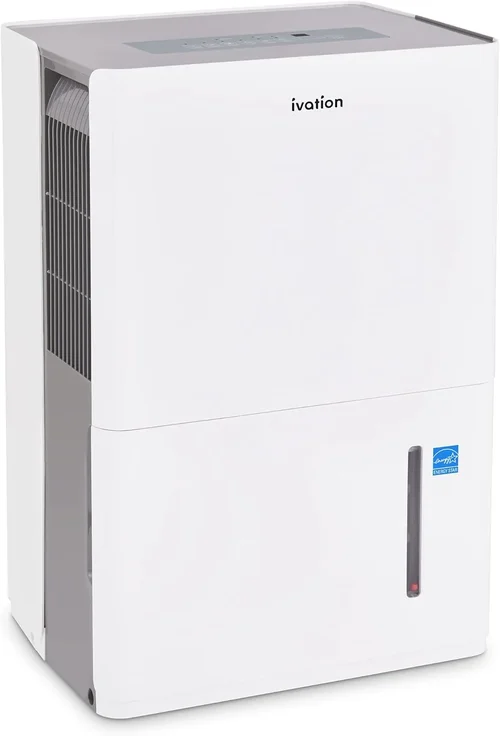
Why it’s bad: The cheapest dehumidifier often lacks durability, efficiency, and essential features like auto-humidistats or continuous drainage. You may end up replacing it within a year, costing more in the long run.
What to do instead: Focus on value, not just price. A $250 model with ENERGY STAR certification, a 2-year warranty, and smart controls may save you money over time compared to a $100 unit that breaks down quickly.
❌ Mistake: Ignoring Room Size and Humidity Level
Why it’s bad: A unit too small for your space will run constantly, overheat, and fail to reduce humidity. One too large will short-cycle, wasting energy and reducing lifespan.
What to do instead: Measure your space and assess humidity. Use a hygrometer to check levels. Choose a model with a capacity that matches both square footage and moisture severity.
❌ Mistake: Overlooking Drainage Needs
Why it’s bad: If you don’t plan for drainage, you’ll be emptying the tank multiple times a day—especially in humid climates or during rainy seasons.
What to do instead: If you can’t empty the tank regularly, invest in a model with a built-in pump or gravity drain hose. Even a simple hose setup can save hours of maintenance.
❌ Mistake: Skipping the Warranty
Why it’s bad: Dehumidifiers have mechanical parts that can fail. Without a warranty, a $400 repair bill could negate your savings.
What to do instead: Always check the warranty length and coverage. Consider extended warranties for high-end models, especially if you live in a humid region.
❌ Mistake: Not Considering Noise
Why it’s bad: A loud dehumidifier in a bedroom or living room can disrupt sleep and daily activities.
What to do instead: Check decibel ratings and look for “quiet mode” or “sleep mode” features. Place the unit away from walls and on a stable surface to reduce vibration.
❌ Mistake: Assuming All Smart Features Are Useful
Why it’s bad: Paying extra for Wi-Fi and apps you’ll never use is a waste of money. Some smart models have buggy apps or poor connectivity.
What to do instead: Only buy smart features if you’ll actively use them. Test the app before purchasing if possible, or read reviews about app reliability.
❌ Mistake: Buying Without Reading Reviews
Why it’s bad: Marketing claims don’t always match real-world performance. A model may look great on paper but have common issues like leaks or compressor failures.
What to do instead: Read verified customer reviews on multiple platforms. Look for patterns—repeated complaints about the same issue are a red flag.
Budget Guidelines: How Much Should You Spend?
Entry-Level ($50–$150): These are typically mini or thermoelectric dehumidifiers best suited for small spaces like closets, RVs, or under-sink areas. They remove 5–15 pints per day and often lack advanced features. Ideal for occasional use or mild humidity. Expect basic build quality and shorter lifespans.
Mid-Range ($150–$350): This is the sweet spot for most homeowners. You’ll find reliable compressor-based units with 30–50-pint capacity, ENERGY STAR ratings, digital controls, and continuous drainage options. Brands like hOmeLabs, Tosot, and Frigidaire dominate here. These models offer the best balance of performance, efficiency, and price.
Premium ($350–$600): For those with larger spaces, severe humidity, or a focus on air quality, premium models offer advanced features like smart connectivity, air filtration, variable-speed compressors, and robust build quality. Look for models from AprilAire, GE, or Midea’s high-end lines. These are built to last 7–10 years with proper maintenance.
Luxury ($600+): Whole-home dehumidifiers and commercial-grade units fall into this category. They integrate with HVAC systems, offer zone control, and provide hospital-level air filtration. These are ideal for large homes, allergy sufferers, or those in extremely humid climates. Expect professional installation and ongoing maintenance.
Expert Tips for Getting the Best Deal
1. Buy During Off-Peak Seasons: Dehumidifiers are in highest demand during spring and summer. Shop in late fall or winter (October–February) for discounts of 20–40%. Retailers often clear inventory to make room for air conditioners.
2. Compare Retailers: Check prices at Home Depot, Lowe’s, Amazon, and Costco. Online retailers often have better deals, but in-store purchases may include free delivery or installation. Use price-matching policies when available.
3. Look for Bundle Deals: Some brands offer discounts when you buy a dehumidifier with an air purifier or humidifier. These bundles can save $50–$100.
4. Check for Rebates: Many utility companies offer rebates for ENERGY STAR appliances. Visit your provider’s website or the ENERGY STAR rebate finder to see if you qualify.
5. Test Before Committing: If buying in-store, ask to see a demo unit. Check noise levels, display clarity, and ease of tank removal. Online, read detailed reviews with video demonstrations.
6. Prioritize Return Policies: Choose retailers with at least a 30-day return window. Some offer 60 or 90 days, which gives you time to test the unit in your actual environment.
7. Consider Refurbished Models: Certified refurbished dehumidifiers from reputable sellers often come with warranties and sell for 20–30% less. Just ensure they’re tested and include all accessories.
8. Don’t Overbuy: A 70-pint unit in a 300 sq. ft. closet is overkill. Match the capacity to your needs to avoid unnecessary costs and energy use.

Frequently Asked Questions
Q: How do I know if I need a dehumidifier?
A: Signs include persistent musty odors, condensation on windows, peeling paint, warped wood, or visible mold. Use a hygrometer to measure humidity—if it’s consistently above 50%, a dehumidifier is recommended.
Q: Can a dehumidifier help with allergies?
A: Yes. By reducing moisture, dehumidifiers inhibit the growth of mold, dust mites, and mildew—common allergens. Pair it with an air purifier for best results.
Q: Should I run my dehumidifier all the time?
A: Not necessarily. Most models have auto modes that cycle on and off to maintain your target humidity. Running it continuously is only needed in extremely damp conditions.
Q: Can I use a dehumidifier in winter?
A: Yes, but compressor models may ice up below 60°F. Desiccant dehumidifiers work better in cold temperatures. Use a model with auto-defrost if placing it in an unheated space.
Q: How often should I clean the filter?
A: Every 2–4 weeks during heavy use. A clogged filter reduces efficiency and can cause the unit to overheat. Most models have washable filters—rinse with water and let dry.
Q: Will a dehumidifier lower my electricity bill?
A: Indirectly. By reducing humidity, your air conditioner doesn’t have to work as hard, potentially lowering cooling costs. However, the dehumidifier itself uses electricity, so net savings depend on usage.
Q: Can I install a whole-home dehumidifier myself?
A: Most require professional installation, especially if integrating with your HVAC system. DIY kits exist but may void warranties or reduce efficiency.
Q: Are desiccant dehumidifiers better than compressor models?
A: It depends. Desiccant models work better in cold environments and are quieter, but they use more energy and remove less moisture per day. Compressor models are more efficient in warm, humid conditions.
Q: What’s the ideal humidity level for a home?
A: Between 30% and 50%. Below 30%, air can become too dry, causing dry skin and respiratory irritation. Above 50%, mold and allergens thrive.
Q: How long do dehumidifiers last?
A: With proper maintenance, most last 5–10 years. Clean filters regularly, avoid overloading, and ensure proper ventilation around the unit.
Our Final Recommendations
Best for Budget-Conscious Buyers: hOmeLabs 30-Pint Dehumidifier – At under $200, it offers excellent performance, a large tank, and continuous drainage. Ideal for small to medium basements.
Best Overall Value: Frigidaire FFAD7033R1 70-Pint – ENERGY STAR certified, quiet, and highly efficient. Perfect for large, damp spaces with its built-in pump and smart controls.
Best Premium Option: AprilAire E130 Whole-Home Dehumidifier – Designed for HVAC integration, it provides consistent humidity control throughout your home. Ideal for allergy sufferers and large properties.
Best for Beginners: Tosot 50-Pint Dehumidifier – User-friendly interface, reliable performance, and straightforward maintenance. Great first dehumidifier for new homeowners.
Best for Advanced Users: Midea U-Shaped Inverter Dehumidifier – Features inverter technology for ultra-quiet, energy-efficient operation. Includes Wi-Fi, app control, and a sleek design.
Conclusion: Making the Right Choice
Choosing the right dehumidifier in 2026 isn’t just about picking the biggest or most expensive model—it’s about matching the right technology, capacity, and features to your specific needs. Whether you’re battling basement dampness, protecting a vintage guitar collection, or improving your family’s health, the right dehumidifier can make a profound difference. By focusing on capacity, efficiency, drainage, and build quality, and by avoiding common pitfalls like overspending on unused smart features or undersizing for your space, you’ll invest wisely.
Remember, a dehumidifier is more than an appliance—it’s a tool for creating a healthier, more comfortable home. Take the time to assess your environment, read reviews, and compare options. And when you find the right one, maintain it properly to ensure years of reliable service. Your air—and your peace of mind—will thank you.