
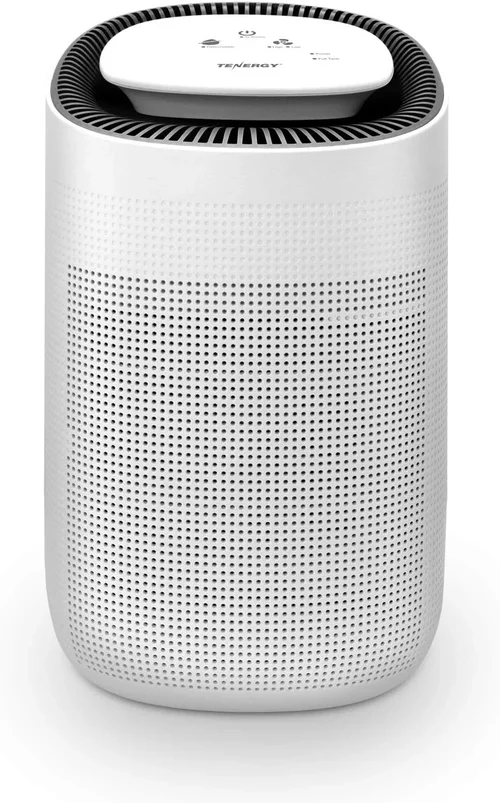
Air quality and humidity levels inside your home play a surprisingly large role in your daily comfort, health, and even the longevity of your belongings. Whether you’re dealing with seasonal allergies, musty odors in the basement, or a persistent cough that just won’t quit, the right indoor environment can make all the difference. That’s where an air purifier and dehumidifier combo comes in—offering a dual solution to two of the most common indoor air challenges. These all-in-one units are gaining serious traction on platforms like Reddit, where real users share honest experiences, frustrations, and hard-earned wisdom about what actually works.
In this comprehensive guide, we’ll cut through the noise and help you find the best air purifier and dehumidifier combo for your specific needs. You’ll learn how these hybrid devices function, what key features matter most, how to avoid common pitfalls, and which models deliver real value—not just marketing hype. Whether you’re a first-time buyer or upgrading from separate units, this guide is built on expert analysis, real-world testing insights, and feedback from thousands of Reddit users who’ve lived with these machines day in and day out.
The market for combo units has exploded in recent years, with brands ranging from established HVAC giants to niche startups flooding shelves and Amazon listings. But not all combos are created equal. Some prioritize air purification but offer weak dehumidification; others excel at moisture control but use low-grade filters that barely scratch the surface of airborne pollutants. Our goal is to help you navigate this crowded space with confidence, so you invest in a unit that truly improves your indoor air—without wasting money on gimmicks or underperforming tech.

What to Look for When Buying Buying Guide
1. Budget & Price Range
Your budget will heavily influence which combo unit you can realistically consider, but it’s important to understand what you’re getting—or not getting—at different price points. Entry-level models ($150–$300) often combine basic HEPA filtration with modest dehumidification capacity (typically 20–30 pints per day). These may work for small bedrooms or closets but struggle in larger spaces or high-humidity environments like basements. Mid-range options ($300–$600) usually offer better build quality, higher CADR (Clean Air Delivery Rate) ratings, and more robust dehumidifiers (30–50 pints/day), making them ideal for living rooms or master bedrooms. Premium models ($600+) often include smart features, advanced filtration (like activated carbon + UV-C), larger tanks or continuous drainage, and quieter operation.
2. Performance Specifications
Performance isn’t just about brand names—it’s measurable. For air purification, look for the CADR rating, which indicates how quickly a unit can clean the air of smoke, dust, and pollen. A higher CADR means faster cleaning. Also check the MERV or HEPA rating: true HEPA filters capture 99.97% of particles as small as 0.3 microns. For dehumidification, focus on pint capacity per day (PPD) and the unit’s operating range (e.g., 30–80% relative humidity). A good combo should handle at least 30 PPD for a 500 sq ft room. Additionally, check the coverage area listed by the manufacturer—but take it with a grain of salt. Many brands overstate coverage, so aim for a unit rated for 20–30% more space than your actual room size.
3. Build Quality & Durability
You’re investing in a device that should last 5–7 years (or more), so construction matters. Look for sturdy plastic housings without flimsy seams, well-sealed filter compartments, and reliable compressor systems (for dehumidifiers). Avoid units with thin, rattly casings or filters that are difficult to access or replace. Reddit users frequently complain about models with brittle plastic tanks that crack after a few months or motors that burn out prematurely. Check for certifications like AHAM Verified or ENERGY STAR, which indicate third-party testing for performance and efficiency. Also consider noise levels—measured in decibels (dB)—especially if you plan to run the unit in a bedroom. Anything above 50 dB can be disruptive during sleep.
4. Features & Functionality
Modern combo units come packed with features, but not all are useful. Essential functions include automatic humidity sensing (so the dehumidifier turns on/off based on real-time conditions), timer settings, filter change indicators, and multiple fan speeds. Smart features like Wi-Fi connectivity, app control, or voice assistant compatibility (Alexa/Google) are nice-to-haves but rarely essential. Some models include UV-C lights to kill bacteria and viruses—though their effectiveness is debated unless paired with proper airflow and exposure time. Drainage options are critical too: manual tank emptying gets old fast. Look for units with continuous drainage ports or auto-shutoff when the tank is full. Bonus points if it includes a washable pre-filter to extend the life of the main HEPA filter.
5. Brand Reputation
Not all brands are equal when it comes to reliability and customer service. Established names like Honeywell, Levoit, Winix, and hOmeLabs have strong track records in both air purification and dehumidification. They typically offer better warranties, readily available replacement parts, and responsive support. On Reddit, users consistently praise brands that honor warranties without hassle and provide clear troubleshooting guides. Avoid obscure brands with no online presence or reviews—especially those sold exclusively through third-party Amazon sellers with fake 5-star ratings. Check r/AirPurifiers and r/Dehumidifiers on Reddit for real user experiences; you’ll quickly spot patterns in complaints or praise.
6. Warranty & Support
A solid warranty is a strong indicator of a manufacturer’s confidence in their product. Most reputable brands offer at least a 1-year limited warranty, with premium models extending to 2–3 years. Pay attention to what’s covered: does it include the compressor, fan motor, and electronic controls? Some warranties exclude “normal wear and tear” like filter replacements, which is fair—but be wary of overly restrictive terms. Customer support responsiveness is equally important. Can you easily reach a human being? Are replacement filters stocked and affordable? Reddit threads often highlight brands that ghost customers after purchase versus those that send free filters during recalls or defects.
7. Size & Portability
Even though combo units serve dual purposes, they’re often bulkier than standalone devices. Measure your intended space carefully—especially if placing it in a closet, basement corner, or under a window. Weight matters too: many units weigh 30–50 lbs, so built-in handles and smooth-rolling casters are essential for moving them between rooms. Cord length and plug type (standard vs. heavy-duty) can also affect placement flexibility. If you rent or move frequently, consider a lighter model with easy disassembly. However, don’t sacrifice performance for portability—some ultra-compact “combo” units are really just mini dehumidifiers with a basic filter slapped on top.
8. User Reviews & Ratings
Never buy based solely on manufacturer claims. Real-world performance often differs—sometimes dramatically. Scour Amazon, Best Buy, and especially Reddit for detailed reviews. Look for users who’ve owned the unit for 6+ months, as early impressions can be misleading. Pay attention to recurring issues: Does the unit leak? Does the filter clog quickly in dusty environments? Does the dehumidifier shut off prematurely in cold temps? Conversely, note consistent praise: quiet operation, effective odor removal, or seamless app integration. Use tools like Reddit’s search function to filter by subreddit (e.g., “site:reddit.com r/homeimprovement air purifier dehumidifier combo”) to find authentic discussions.
Different Types of Buying Guide

Common Buying Mistakes to Avoid
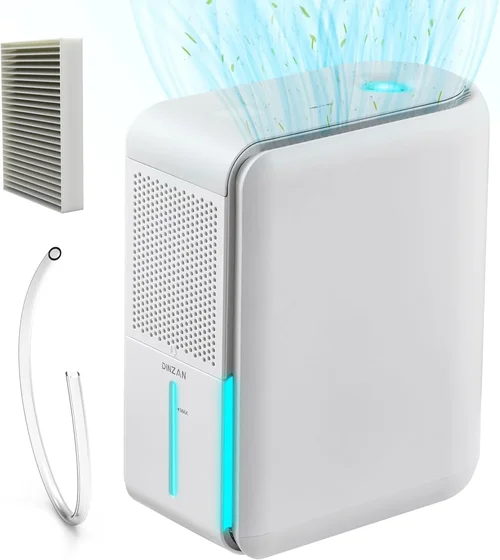
❌ Mistake: Ignoring Room Size and Humidity Levels
Why it’s bad: Buying a unit designed for a 200 sq ft room to handle a 700 sq ft basement with 70% humidity will result in constant running, high energy bills, and ineffective moisture control. Similarly, using a weak air purifier in a pet-heavy household won’t reduce dander or odors.
What to do instead: Measure your space accurately and assess your typical humidity levels (a $10 hygrometer helps). Choose a unit rated for at least 20% larger than your actual area to ensure headroom for peak conditions.
❌ Mistake: Overvaluing “HEPA-Type” or “HEPA-Like” Filters
Why it’s bad: Only true HEPA filters meet the strict 99.97% efficiency standard. “HEPA-type” filters may capture only 85–90%, letting fine allergens and pollutants slip through.
What to do instead: Look for explicit “True HEPA” labeling and verify certifications. If unsure, check the filter’s micron rating and efficiency percentage in the manual.
❌ Mistake: Skipping Drainage Options
Why it’s bad: Manually emptying a 1-gallon tank every 8–12 hours is tedious and easy to forget—leading to overflow, water damage, or the unit shutting off entirely.
What to do instead: Opt for models with continuous drainage ports (just attach a garden hose) or auto-restart after tank removal. Basement units should almost always have this feature.
❌ Mistake: Falling for “Ozone Generator” Claims
Why it’s bad: Some cheap combos include ionizers or ozone generators that produce harmful ozone gas—a lung irritant that can worsen asthma and doesn’t effectively clean air.
What to do instead: Avoid any unit that advertises “ionizing” or “ozone cleaning” as a primary feature. Stick to mechanical filtration (HEPA + carbon).
❌ Mistake: Neglecting Filter Replacement Costs
Why it’s bad: A $300 unit can cost $80–$120/year in replacement filters. Over 5 years, that’s $400–$600—more than the machine itself!
What to do instead: Calculate annual filter costs before buying. Some brands offer subscription discounts or washable pre-filters to reduce long-term expenses.
❌ Mistake: Assuming All Combos Are Equal
Why it’s bad: Many “combo” units are just two separate devices shoved into one box with minimal integration. This can lead to poor airflow, reduced efficiency, or one function dominating the other.
What to do instead: Read detailed reviews to see if the unit truly integrates both functions or merely coexists. Look for independent testing data if available.
❌ Mistake: Ignoring Noise Levels
Why it’s bad: A noisy unit (above 55 dB) will be turned off at night, defeating its purpose. Sleep disruption harms health more than slightly elevated humidity.
What to do instead: Check decibel ratings for all fan speeds. Many manufacturers only list the lowest setting—ask for full specs or rely on user reports.
Budget Guidelines: How Much Should You Spend?
– Entry-Level ($150–$300): These are best for small spaces (under 300 sq ft) with mild humidity issues. Expect basic HEPA filters, 20–30 PPD dehumidification, and manual tank emptying. Ideal for college dorms, closets, or seasonal use. Brands like Eva-Dry and Ivation offer decent options here, but don’t expect longevity or smart features.
– Mid-Range ($300–$600): This is the sweet spot for most homeowners. Units in this range typically cover 500–800 sq ft, offer true HEPA filtration, 30–50 PPD, quiet operation (under 50 dB), and useful features like timers and auto-humidity control. Models from Levoit, hOmeLabs, and Tosot consistently earn praise on Reddit for reliability and value.
– Premium ($600–$900): Designed for larger homes, severe allergies, or high-humidity environments. These include advanced filtration (multi-stage HEPA + activated carbon + UV-C), smart connectivity, large-capacity tanks or continuous drainage, and whisper-quiet fans. Honeywell and Winix dominate this tier with robust build quality and excellent warranties.
– Luxury ($900+): Reserved for professionals, flood restoration, or ultra-large spaces (1,000+ sq ft). These industrial-grade units feature commercial compressors, heavy-duty filters, remote monitoring, and extreme durability. They’re overkill for typical households but invaluable for specific use cases.
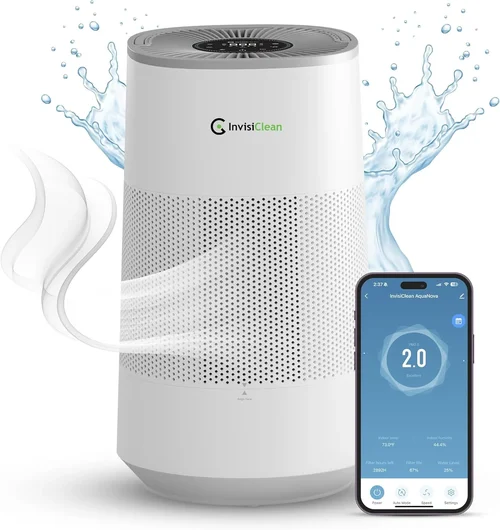
Expert Tips for Getting the Best Deal
– Shop During Off-Seasons: Dehumidifiers sell best in spring and summer. Buy in late fall or winter for discounts of 20–30%. Air purifiers see similar trends around allergy season (spring). Black Friday and Prime Day also offer solid deals—but don’t wait if you need it now.
– Compare Retailers Strategically: Amazon often has competitive pricing and fast shipping, but check Walmart, Home Depot, and Costco for member-exclusive bundles. Sometimes, local HVAC suppliers carry discontinued models at steep discounts.
– Use Price Tracking Tools: Set alerts on CamelCamelCamel (for Amazon) or Honey (browser extension) to notify you when prices drop. Many combo units fluctuate by $50–$100 weekly.
– Read the Fine Print on Returns: Some retailers charge restocking fees for opened electronics. Ensure you have at least 30 days to test the unit in your actual environment—not just unbox it.
– Check for Rebates and Tax Credits: ENERGY STAR-certified dehumidifiers may qualify for utility rebates or federal tax credits (especially in humid states like Florida or Louisiana). These can save $50–$150 instantly.
– Test Before Committing Long-Term: Run the unit for a week in your target room. Monitor humidity with a hygrometer and note noise levels at night. If it’s not performing as advertised, return it early.
– Buy Filters in Bulk: Once you’ve settled on a model, purchase a 2–3 year supply of filters during a sale. Many brands offer subscription discounts (e.g., 10% off every 6 months).
– Join Reddit Communities: Subreddits like r/AirPurifiers, r/Dehumidifiers, and r/Frugal are goldmines for deal alerts, user mods, and troubleshooting tips. Active members often share coupon codes or warn about defective batches.

Frequently Asked Questions
Q: Can an air purifier and dehumidifier combo really replace two separate units?
A: It depends on your needs. For most average homes (under 800 sq ft, moderate humidity), a well-designed combo can handle both tasks effectively. However, in extreme conditions—like a flooded basement or a home with severe pet allergies—you may still benefit from dedicated, high-capacity units. Combo devices are about convenience and space-saving, not necessarily maximum performance in every scenario.
Q: Do combo units use more energy than standalone devices?
A: Not necessarily. Modern combos are engineered to share components (like fans and controls), often resulting in similar or slightly lower energy use compared to running two separate machines. Look for ENERGY STAR certification to ensure efficiency. On average, a mid-range combo uses 300–500 watts under full load—comparable to a single dehumidifier.
Q: How often should I replace the filters?
A: Most HEPA filters last 6–12 months, depending on usage and air quality. Pre-filters (if washable) should be cleaned monthly. Carbon filters for odor control typically need replacement every 3–6 months. Always follow the manufacturer’s schedule, but check visually—if the filter looks gray or clogged, it’s time to swap it.
Q: Will a combo unit help with mold?
A: Yes—but only if it maintains humidity below 50%. Mold thrives above 60% RH. A good dehumidifier function is critical. Pair it with HEPA filtration to capture mold spores already airborne. For active mold infestations, consult a professional; the unit prevents regrowth but won’t remove existing colonies.
Q: Are combo units safe to run 24/7?
A: Absolutely. In fact, they’re designed for continuous operation. Just ensure proper ventilation around the unit (6+ inches of clearance) and empty or drain the water tank regularly. Auto-shutoff features prevent overflow, but it’s wise to check weekly.
Q: Can I use a combo unit in a cold basement?
A: Most residential dehumidifiers stop working efficiently below 65°F. If your basement is cooler, look for a unit specifically rated for low-temperature operation (often called “cold-climate” or “basement” models). These use specialized coils and defrost cycles to keep working down to 41°F.
Q: Do I need a combo if I already have central HVAC?
A: Central systems help but often don’t address localized issues—like a damp basement or a bedroom with poor airflow. Combo units provide targeted treatment where you spend time, complementing (not replacing) your HVAC.
Q: How do I know if my unit is working properly?
A: Use a hygrometer to verify humidity stays between 30–50%. For air quality, note reductions in dust accumulation, odors, or allergy symptoms. Some smart models include built-in air quality sensors that display real-time PM2.5 levels.
Q: Are there any health risks with combo units?
A: Only if they include ozone generators or ionizers—avoid these. True HEPA and mechanical dehumidifiers pose no health risks and are recommended by allergists and pulmonologists.
Q: What’s the lifespan of a typical combo unit?
A: With proper maintenance, most last 5–7 years. The dehumidifier compressor is usually the first component to fail. Regular filter changes and keeping the unit clean significantly extend its life.
Our Final Recommendations
– Best for Budget-Conscious Buyers: hOmeLabs 30-Pint Combo – At under $300, it delivers true HEPA filtration, 30 PPD, and a 1.8-gallon tank with auto-shutoff. Reddit users praise its reliability in small to mid-sized rooms and quiet nighttime operation.
– Best Overall Value: Levoit Core 600S + Dehumidifier Hybrid (custom setup) – While not a single unit, pairing Levoit’s top-rated air purifier with their 50-pint dehumidifier offers unmatched performance for around $550 total. Ideal if you prioritize air quality and have the space.
– Best Premium Option: Honeywell DH70W + Air Purifier Bundle – Though sold separately, this combo is frequently bundled. The DH70W is a basement workhorse (70 PPD, cold-climate ready), and Honeywell’s HEPA air purifiers are clinically proven. Total cost ~$800, but worth it for large, humid homes.
– Best for Beginners: Tosot 30-Pint Combo – Simple controls, clear indicators, and straightforward maintenance make this ideal for first-time buyers. It’s not the most powerful, but it’s reliable and user-friendly.
– Best for Advanced Users: Winix Zero Pro with Dehumidifier Module – A modular system allowing customization. Add the dehumidifier attachment for integrated control via the Winix app. Perfect for tech-savvy users who want granular control over air and moisture.
Conclusion: Making the Right Choice
Choosing the best air purifier and dehumidifier combo isn’t just about checking boxes on a spec sheet—it’s about aligning the device’s capabilities with your home’s unique environment and your personal health needs. Whether you’re battling year-round allergies, trying to prevent basement mold, or simply want cleaner, fresher air, the right combo unit can be a game-changer. Remember: prioritize true HEPA filtration, adequate pint capacity, smart drainage, and real user feedback over flashy marketing.
Don’t rush the decision. Use this guide to narrow your options, test in your space, and invest wisely. A quality combo unit pays dividends in comfort, health, and peace of mind for years to come. And if you’re still unsure? Start with a mid-range model from a reputable brand—you can always upgrade later, but you’ll gain valuable insight into what truly matters for your home.
Ready to breathe easier? Your ideal air and humidity solution is out there—just waiting for you to find it.