
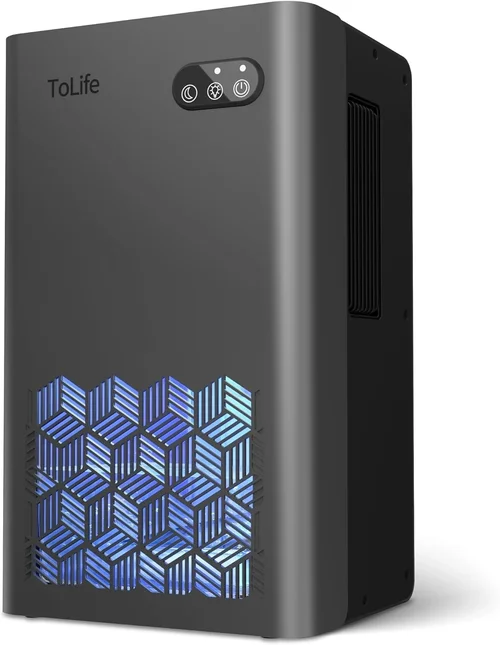
When it comes to maintaining a healthy, comfortable home environment, few appliances are as quietly essential as a dehumidifier. Excess moisture in the air can lead to mold growth, musty odors, warped wood, and even respiratory issues—especially in humid climates or during the summer months. While many dehumidifiers on the market today are manufactured overseas, a growing number of homeowners are seeking out American-made options that prioritize quality craftsmanship, reliable performance, and ethical production standards.
This comprehensive buying guide is designed for anyone looking to invest in a high-quality dehumidifier made right here in the USA. Whether you’re dealing with a damp basement, a humid crawl space, or simply want better indoor air quality, choosing an American-made unit offers distinct advantages—from superior build materials and longer lifespans to stronger customer support and reduced environmental impact from shipping. In this guide, we’ll walk you through everything you need to know to make an informed decision: from key performance metrics and feature comparisons to budget considerations and expert recommendations. By the end, you’ll have a clear understanding of what separates the best American-made dehumidifiers from the rest—and which model is right for your specific needs.
The dehumidifier market has evolved significantly over the past decade. Once dominated by generic imports with inconsistent reliability, today’s landscape includes several reputable U.S.-based manufacturers who design, engineer, and assemble their units domestically. These brands often emphasize energy efficiency, advanced filtration systems, smart controls, and robust warranties—all while adhering to stricter labor and environmental regulations than many overseas factories. However, not all “Made in America” labels are created equal. Some companies import components but assemble final products in the U.S., while others source nearly everything domestically. This guide will help you cut through the marketing noise and identify truly American-made dehumidifiers that deliver on both performance and principle.
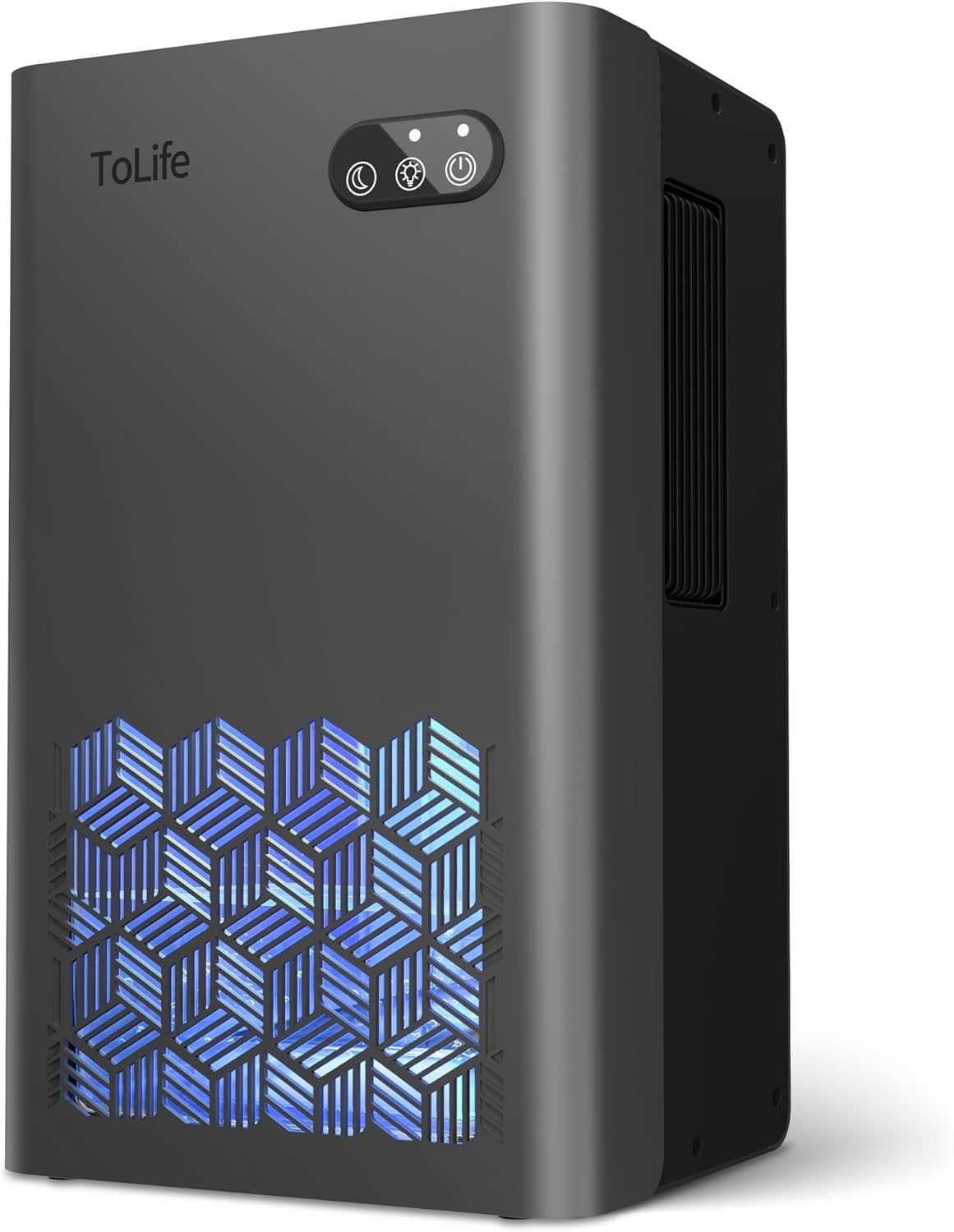
What to Look for When Buying Buying Guide
1. Budget & Price Range
Your budget is often the first—and sometimes most decisive—factor when shopping for a dehumidifier. American-made models tend to carry a premium compared to their imported counterparts, but that higher price tag typically reflects better materials, tighter quality control, and longer-term reliability. Entry-level American-made dehumidifiers start around $250, while mid-range units fall between $350 and $600. Premium models with advanced features like Wi-Fi connectivity, dual compressors, or commercial-grade components can exceed $800. It’s important to view this purchase as a long-term investment: a well-built U.S.-made unit may cost more upfront but could save you money over time by lasting 8–12 years instead of the 3–5 years typical of cheaper imports.
2. Performance Specifications
Performance specs tell you how effectively a dehumidifier removes moisture from the air. The most critical metric is pint capacity—the amount of water the unit can extract in 24 hours under standard conditions (typically 60% relative humidity at 80°F). For residential use, capacities range from 20 pints (ideal for small bathrooms or closets) to 70+ pints (suitable for large basements or whole-house applications). However, don’t rely solely on manufacturer claims. Look for AHAM (Association of Home Appliance Manufacturers) certified ratings, which provide standardized testing results you can trust.
Other key specs include airflow rate (measured in CFM—cubic feet per minute), which affects how quickly air circulates through the unit, and operating temperature range. Most residential dehumidifiers work best between 65°F and 80°F. If you’re using it in a cold basement (below 60°F), consider a unit with an auto-defrost feature or one specifically designed for low-temperature operation. Energy consumption is another vital spec—measured in watts or kilowatt-hours (kWh)—especially if you plan to run the unit continuously.
3. Build Quality & Durability
American-made dehumidifiers are renowned for their robust construction. Look for features like all-metal cabinets (not plastic shells), heavy-duty compressors, corrosion-resistant coils, and sealed electrical components. These details matter because they directly impact longevity and resistance to wear, especially in damp environments. Many U.S. manufacturers also use powder-coated finishes and reinforced casters to prevent rust and ensure smooth mobility.
Internally, check whether the evaporator and condenser coils are made of copper (superior heat transfer and corrosion resistance) or aluminum (lighter but less durable). High-end American models often include protective coatings on coils to guard against salt air or chemical exposure—ideal for coastal homes or garages. Additionally, inspect the water tank: a larger, easy-to-remove bucket with a comfortable handle reduces spillage and makes emptying less of a chore.
4. Features & Functionality
Modern dehumidifiers come packed with features that enhance convenience, efficiency, and control. Start with basic must-haves: a digital humidity display, adjustable humidity settings (usually between 30% and 80%), and an auto-shutoff when the tank is full. Many American-made units go further with programmable timers, continuous drainage options (via hose hookup), and washable air filters that capture dust, allergens, and mold spores.
For tech-savvy users, look for smart capabilities like Wi-Fi connectivity (via apps such as Google Home or Alexa), remote monitoring, and usage alerts. Some premium models even include built-in hygrometers that automatically adjust settings based on real-time humidity levels. Noise level is another often-overlooked feature—measured in decibels (dB). Most quality dehumidifiers operate between 45–55 dB, roughly equivalent to a quiet conversation. If you’re placing it near a bedroom or living area, aim for the lower end of that range.
5. Brand Reputation
Not all American-made brands are equal. Research the manufacturer’s history, customer service track record, and industry standing. Established U.S. companies like AprilAire, Santa Fe, and Quest have decades of experience in moisture control and are frequently recommended by HVAC professionals. They often participate in industry standards organizations and publish transparent performance data.
Check third-party review sites, Reddit forums, and consumer reports for real user feedback. Pay attention to recurring themes: Are customers praising the unit’s quiet operation? Complaining about frequent repairs? Also, verify where the product is actually made. Some brands claim “Assembled in USA” but source nearly all parts from abroad. True American-made dehumidifiers will proudly disclose their domestic sourcing and assembly processes—often highlighting union labor or local manufacturing partnerships.
6. Warranty & Support
A strong warranty is a hallmark of confidence in product quality—and American manufacturers typically offer some of the best coverage in the industry. Look for at least a 2-year comprehensive warranty, with 5+ years on major components like the compressor. Some top-tier brands even provide lifetime technical support or free replacement parts for registered owners.
Equally important is accessibility to customer service. Can you reach a human being quickly? Is there a U.S.-based support team? Do they offer troubleshooting guides or video tutorials? Avoid brands with vague warranty terms or those that require you to ship units overseas for repairs. A good warranty should include clear instructions, prepaid return labels, and reasonable turnaround times.
7. Size & Portability
Dehumidifiers vary widely in physical dimensions and weight. A 30-pint unit might weigh 30 pounds, while a 70-pint commercial model can exceed 80 pounds. Consider where you’ll place it—will it live in one spot, or do you need to move it between rooms or floors? Look for models with recessed handles, smooth-rolling casters, and compact footprints that fit under sinks or in tight corners.
If portability is a priority, check the cord length (ideally 6+ feet) and whether the unit includes a built-in cord wrap. For basement or crawl space installations, ensure the design allows for vertical or horizontal hose drainage without tipping. Some American-made units even offer optional wall-mounting kits or pedestal stands for elevated placement.
8. User Reviews & Ratings
Never buy a dehumidifier based solely on specs or marketing claims. Real-world user experiences reveal nuances that lab tests miss—like how quietly it runs at night, how easy the filter is to clean, or whether the tank lid seals properly. Focus on reviews from verified purchasers on trusted platforms like Amazon, Home Depot, or the manufacturer’s own site.
Look for patterns: If multiple users mention the same issue (e.g., “compressor failed after 18 months”), take note. Conversely, consistent praise for reliability or customer service is a strong positive signal. Be wary of overly generic or suspiciously glowing reviews—they may be fake. Authentic feedback often includes photos, detailed pros/cons, and context about the user’s environment (e.g., “used in a 1,200 sq ft basement in Florida”).
Different Types of Buying Guide

Common Buying Mistakes to Avoid
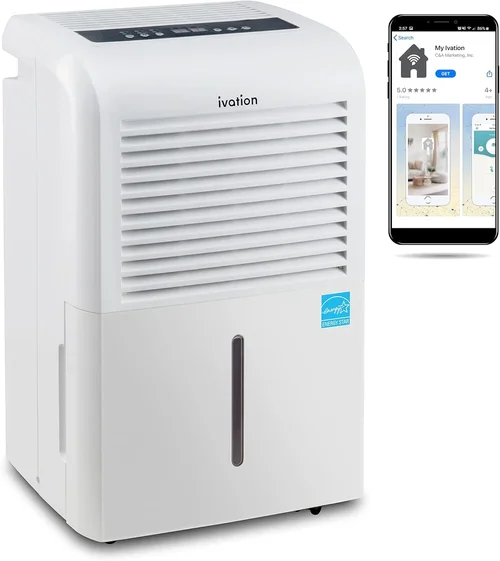
❌ Mistake: Choosing Based Solely on Pint Capacity
Why it’s bad: A higher pint rating doesn’t always mean better performance. Some manufacturers inflate numbers using non-standard testing conditions. A 50-pint unit might actually perform like a 35-pint model in real-world humidity.
What to do instead: Always check for AHAM certification and compare performance at 60% RH and 80°F. Match the capacity to your space size—not just the biggest number on the box.
❌ Mistake: Ignoring Energy Efficiency
Why it’s bad: Dehumidifiers run for hours daily. An inefficient model can spike your electricity bill by $50–$100 per year, eroding any upfront savings.
What to do instead: Look for the ENERGY STAR label and check the “Energy Factor” (liters of water removed per kWh). Higher is better—aim for 1.5 L/kWh or above.
❌ Mistake: Overlooking Drainage Options
Why it’s bad: Emptying a full tank every 8–12 hours is tedious and easy to forget. If the unit shuts off unexpectedly, moisture builds up again.
What to do instead: Choose a model with a built-in pump or gravity drain hose outlet. Many American-made units include hose adapters and even internal condensate pumps for upward drainage.
❌ Mistake: Buying Without Checking Noise Levels
Why it’s bad: A loud dehumidifier can disrupt sleep, conversations, or work—especially in open-plan homes or bedrooms.
What to do instead: Check decibel ratings and read user reviews about noise. Opt for units with insulated compressor compartments or “sleep mode” settings.
❌ Mistake: Skipping the Warranty Fine Print
Why it’s bad: Some warranties exclude labor costs, require registration within 10 days, or void coverage if used in unapproved locations (like garages).
What to do instead: Read the full warranty document before buying. Register your product immediately and keep receipts. Prefer brands with hassle-free, U.S.-based service.
❌ Mistake: Assuming “Made in USA” Means Fully Domestic
Why it’s bad: The FTC allows “Assembled in USA” labels even if most parts are imported. You may not get the quality or ethical benefits you expect.
What to do instead: Research the brand’s supply chain. Look for phrases like “Designed and manufactured in the USA” or “90% domestic content.” Contact customer service if unsure.
❌ Mistake: Not Considering Long-Term Maintenance
Why it’s bad: Filters clog, coils corrode, and seals degrade over time. A unit that’s hard to service will fail sooner.
What to do instead: Choose models with washable, reusable filters and easy-access panels. Avoid units with proprietary parts that are expensive or hard to find.
Budget Guidelines: How Much Should You Spend?
Entry-Level ($200–$350): These are typically compact refrigerant models ideal for small spaces like bathrooms, laundry rooms, or RVs. Expect basic controls, smaller tanks (1–2 gallons), and limited features. While some American-made options exist in this range, they may have shorter warranties or fewer smart features. Best for occasional use or mild humidity issues.
Mid-Range ($350–$600): This is the sweet spot for most homeowners. You’ll find reliable, AHAM-certified units with 30–50 pint capacities, digital displays, auto-defrost, and continuous drainage. Many include ENERGY STAR ratings and 2–3 year warranties. Brands like AprilAire and Santa Fe offer excellent models here that balance performance, durability, and value.
Premium ($600–$900): Designed for serious moisture problems or larger areas, these units boast advanced features like Wi-Fi connectivity, dual-speed fans, internal condensate pumps, and commercial-grade components. They’re built to last 10+ years and often come with 5-year compressor warranties. Ideal for basements, whole-house integration, or high-humidity climates.
Luxury ($900+): At this tier, you’re investing in top-tier engineering and customization. Think whole-house dehumidifiers that integrate seamlessly with HVAC systems, desiccant units for extreme cold, or industrial models for large crawl spaces. These often include professional installation support, lifetime tech assistance, and modular designs for future upgrades. Best for custom homes, historic properties, or commercial applications.
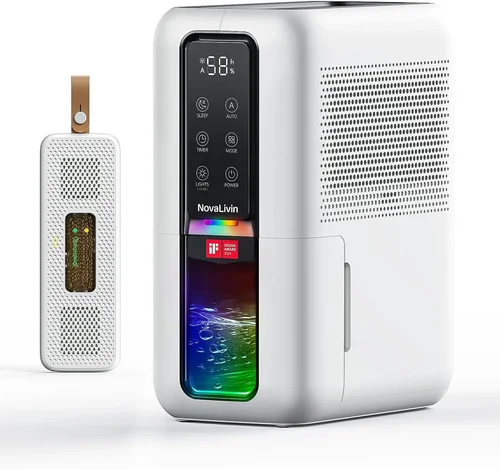
Expert Tips for Getting the Best Deal
- Buy Off-Season: Dehumidifiers are in highest demand during summer. Shop in late fall or winter (October–February) when retailers offer discounts to clear inventory. Many manufacturers also release updated models in spring, making older versions cheaper.
- Check Manufacturer Direct: Some American brands (like Quest and AprilAire) sell directly through their websites, often with exclusive bundles, extended warranties, or free shipping. You may also get better customer service than through third-party retailers.
- Look for Rebates: Utility companies in humid states (Florida, Texas, Louisiana) sometimes offer rebates for ENERGY STAR dehumidifiers. Check your local provider’s website—you could save $50–$150 instantly.
- Read Return Policies Carefully: Some retailers charge restocking fees (up to 15%) for opened appliances. Buy from stores with generous return windows (30–90 days) and free return shipping.
- Test Before Committing: If possible, run the unit for a week in your intended location. Monitor noise, humidity levels, and ease of use. Most reputable sellers allow returns if the product doesn’t meet expectations.
- Register Immediately: Many warranties require registration within 10–30 days of purchase. Do it the same day you unbox to avoid voiding coverage.
- Bundle with Other Purchases: Some HVAC dealers or home improvement stores offer discounts when you buy a dehumidifier with an air purifier, humidifier, or smart thermostat.
- Consider Refurbished Units: Certified refurbished models from the manufacturer often come with full warranties and significant savings (20–40% off). These are thoroughly tested and repaired to like-new condition.

Frequently Asked Questions
Q: Are American-made dehumidifiers really better than imported ones?
A: Generally, yes—especially in terms of build quality, longevity, and customer support. U.S.-made units often use higher-grade materials, undergo stricter quality control, and are backed by stronger warranties. However, “better” also depends on your specific needs. For a small closet, a basic import might suffice, but for a basement or whole-house system, American engineering typically delivers superior reliability.
Q: How do I know if a dehumidifier is truly made in the USA?
A: Look for clear statements like “Manufactured in the USA” or “Designed and assembled in [U.S. city].” Avoid vague terms like “Assembled in USA” unless the brand discloses domestic content percentages. Reputable companies will proudly share their manufacturing locations and supply chain details on their websites or product packaging.
Q: Can I use a dehumidifier in a cold basement?
A: Standard refrigerant dehumidifiers struggle below 60°F because ice forms on the coils. For cold spaces, choose a desiccant model or a refrigerant unit with auto-defrost. American brands like Santa Fe specialize in low-temperature dehumidifiers for crawl spaces and unheated basements.
Q: Do I need a whole-house dehumidifier or a portable unit?
A: Portable units are great for targeted areas (like a damp corner or single room) and offer flexibility. Whole-house systems provide consistent humidity control throughout your home but require professional installation and integration with your HVAC. Most homeowners start with a high-capacity portable unit and upgrade later if needed.
Q: How often should I clean my dehumidifier?
A: Clean the air filter monthly during heavy use (every 2–3 months otherwise). Wipe the water tank weekly to prevent mold. Deep-clean coils and vents annually or if you notice reduced performance. Always unplug the unit before cleaning.
Q: Will a dehumidifier lower my energy bills?
A: Indirectly, yes. By reducing humidity, your air conditioner doesn’t have to work as hard to cool your home—since moist air feels hotter. This can lower AC runtime and save 10–20% on cooling costs in humid climates. However, the dehumidifier itself consumes electricity, so choose an ENERGY STAR model to minimize net impact.
Q: Can I leave my dehumidifier running 24/7?
A: Yes, most modern units are designed for continuous operation. Just ensure it has a reliable auto-shutoff or drainage system to prevent overflow. Monitor humidity levels with a hygrometer—once stable, you may be able to reduce runtime to save energy.
Q: What’s the ideal indoor humidity level?
A: Aim for 30–50% relative humidity. Below 30%, air becomes too dry (causing static and irritation); above 50%, mold and dust mites thrive. Use a standalone hygrometer to verify your dehumidifier’s accuracy.
Q: Are there tax credits for buying an energy-efficient dehumidifier?
A: As of 2026, federal tax credits for standalone dehumidifiers are limited, but some states offer incentives for ENERGY STAR appliances. Check the Database of State Incentives for Renewables & Efficiency (DSIRE) for local programs.
Q: How long do American-made dehumidifiers typically last?
A: With proper maintenance, most quality U.S.-made units last 8–12 years. Compressors in premium models can exceed 15 years. This far outpaces the 3–5 year lifespan of many imported units.
Our Final Recommendations
Best for Budget-Conscious Buyers: AprilAire E080 – At around $350, this 30-pint unit offers AHAM-certified performance, a 5-year warranty, and quiet operation. Made in the USA with a focus on reliability, it’s perfect for small to medium rooms without breaking the bank.
Best Overall Value: Santa Fe Compact 70 – Priced near $600, this 70-pint powerhouse excels in basements and large spaces. It features auto-defrost, continuous drainage, and a rugged metal cabinet. Backed by a 6-year warranty and legendary customer service, it’s the gold standard for mid-range buyers.
Best Premium Option: Quest 50 Dual – For those who demand the best, this $850+ desiccant dehumidifier works flawlessly in cold or hot environments. With Wi-Fi controls, a built-in pump, and near-silent operation, it’s ideal for tech-forward homeowners or challenging climates.
Best for Beginners: Frigidaire FFAD7033R1 – While not all Frigidaire models are U.S.-made, their Wisconsin-assembled 70-pint unit offers intuitive controls, a clear tank window, and reliable performance. Great for first-time buyers who want simplicity and trust in a known brand.
Best for Advanced Users: AprilAire Whole-House Dehumidifier (Model 1820) – At $1,200+, this HVAC-integrated system delivers precise, whole-home humidity control. Designed for custom installations, it’s the choice of builders and homeowners seeking permanent, invisible moisture management.
Conclusion: Making the Right Choice
Choosing the right American-made dehumidifier isn’t just about picking the most powerful or feature-rich model—it’s about aligning your purchase with your specific environment, lifestyle, and values. Whether you’re battling basement dampness, protecting valuable belongings, or simply improving indoor air quality, investing in a U.S.-manufactured unit means supporting ethical labor practices, enjoying longer product life, and gaining access to superior customer care.
Throughout this guide, we’ve emphasized the importance of looking beyond marketing claims to evaluate real performance, build quality, and long-term value. Remember to prioritize AHAM-certified specs, robust warranties, and genuine domestic manufacturing. Consider your space size, climate, and usage patterns—and don’t hesitate to spend a little more for features like continuous drainage or smart controls if they’ll save you time and hassle down the road.
Ultimately, the best dehumidifier is the one that works reliably, quietly, and efficiently in your home for years to come. By following the advice in this guide—and trusting reputable American brands—you’ll not only solve your moisture problems but also make a purchase you can feel good about. So take the time to compare options, read reviews, and ask questions. Your comfort, health, and peace of mind are worth it.