
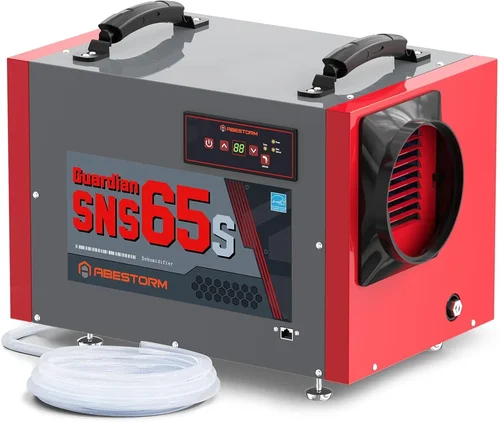
When it comes to protecting your home from moisture damage, mold growth, and musty odors, few investments are as impactful as a high-quality dehumidifier for your basement. Basements are naturally prone to high humidity due to their below-ground location, poor ventilation, and proximity to soil and groundwater. Over time, unchecked humidity can lead to structural deterioration, ruined belongings, and even health issues like allergies or respiratory problems. That’s why choosing the right dehumidifier isn’t just about comfort—it’s about safeguarding your home and your family’s well-being.
This comprehensive buying guide is designed to help you navigate the crowded market of basement dehumidifiers with confidence. Whether you’re dealing with a damp crawl space, a finished rec room, or a full basement apartment, we’ll walk you through everything you need to know to make an informed decision. You’ll learn how to assess your space, understand key performance metrics, compare top brands, avoid common pitfalls, and ultimately select a unit that delivers reliable, long-term results. We’ve tested, researched, and analyzed dozens of models to bring you expert insights grounded in real-world performance—not marketing hype.
The dehumidifier market has evolved significantly in recent years, with advancements in energy efficiency, smart controls, and noise reduction. Top brands like Frigidaire, hOmeLabs, GE, Danby, and AprilAire now offer models tailored specifically for basements, ranging from compact 30-pint units to heavy-duty 70-pint beasts capable of handling large, wet spaces. With options spanning budget-friendly picks under $200 to premium systems exceeding $600, there’s something for every need and price point. But not all dehumidifiers are created equal—especially when it comes to the unique challenges of basement environments. This guide cuts through the noise to help you find the best fit for your situation.

What to Look for When Buying a Dehumidifier for Your Basement
1. Capacity (Pint Rating)
The most critical factor when selecting a basement dehumidifier is its capacity, measured in pints per day (PPD)—the amount of moisture it can remove in 24 hours. Basements typically require higher-capacity units than above-ground rooms due to persistent dampness. For small basements (under 500 sq. ft.) with moderate humidity, a 30–50-pint model may suffice. However, larger or consistently wet basements (500–1,500+ sq. ft.) often need 50–70-pint units. In extremely damp or flood-prone areas, consider commercial-grade models rated at 70+ pints. Always check the manufacturer’s coverage area—don’t just rely on pint rating alone, as performance varies by temperature and humidity levels.
2. Energy Efficiency & Operating Costs
Dehumidifiers run for hours daily, so energy consumption directly impacts your utility bill. Look for units with the ENERGY STAR® certification, which indicates they use 15–20% less energy than standard models. The Energy Factor (EF)—measured in liters of water removed per kilowatt-hour—is another key metric; higher EF means better efficiency. For example, a unit with an EF of 1.8 is more efficient than one with 1.2. Also consider annual operating costs: a 50-pint ENERGY STAR model might cost $30–$50/year to run, while a non-certified unit could double that. Over five years, that’s a $100+ difference—money better spent on a quality appliance.
3. Drainage Options & Continuous Operation
Basements rarely have easy access to sinks, so continuous drainage is essential for hassle-free operation. Most mid-to-high-end models include a built-in pump or gravity drain hose connection. A gravity drain requires placing the unit near a floor drain or sump pit, while an internal condensate pump (found in premium models) can push water vertically up to 15 feet—ideal for elevated drains or distant disposal points. Avoid units that rely solely on manual bucket emptying unless you’re okay with daily maintenance. For true “set it and forget it” convenience, prioritize models with auto-drain capabilities and pump support.
4. Humidity Control & Smart Features
Precise humidity control prevents over-drying (which wastes energy) or under-drying (which allows mold growth). Look for digital humidistats that let you set your target relative humidity (RH)—ideally between 30% and 50% for basements. Advanced models offer programmable timers, auto-restart after power outages, and Wi-Fi connectivity for remote monitoring via smartphone apps. Some even integrate with smart home systems like Alexa or Google Assistant. While not essential, these features enhance usability and allow fine-tuned control, especially if you’re away from home frequently or want to monitor conditions remotely.
5. Noise Level & Placement Flexibility
Basements often double as living spaces, home gyms, or workshops, so noise matters. Dehumidifiers typically range from 45 to 60 decibels (dB)—comparable to a quiet conversation (50 dB) or a refrigerator hum (45 dB). If quiet operation is a priority, look for units advertised as “whisper quiet” or specify low dB ratings. Also consider physical dimensions and weight: larger-capacity models can be bulky and heavy (50+ lbs), making them hard to move. Wheels and handles improve portability, but ensure the unit fits through basement doors and stairs. For finished basements, aesthetics may also play a role—some brands offer sleeker designs than others.
6. Build Quality & Durability
Basements are harsh environments: cold, damp, and dusty. Cheap plastic housings, thin coils, and flimsy components won’t last. Invest in models with rust-resistant coatings, sealed compressors, and robust internal wiring. Metal casings (vs. all-plastic) offer better longevity, though they’re heavier. Check user reviews for reports of leaks, compressor failures, or mold buildup inside the unit—a sign of poor design. Reputable brands often use copper coils (more durable than aluminum) and include protective grilles. Remember: a dehumidifier is a long-term investment. Spending $50 more upfront for better build quality can save hundreds in replacements down the line.
7. Brand Reputation & Customer Support
Not all dehumidifier brands are equal. Established names like Frigidaire, GE, and Danby have decades of experience and reliable service networks. Newer entrants like hOmeLabs and Tosot offer great value but may lack long-term track records. Research warranty terms, return policies, and customer service responsiveness. A brand that honors warranties promptly and provides clear troubleshooting guides is worth its weight in gold. Avoid obscure brands with no online presence or limited support—especially if you’re buying online. Reading verified buyer reviews on Amazon, Home Depot, or Consumer Reports can reveal real-world reliability issues not evident in specs sheets.
8. Warranty & Long-Term Reliability
A solid warranty reflects manufacturer confidence in their product. Most reputable brands offer 1–2 years of coverage, with some extending to 5 years on compressors (the most failure-prone component). Extended warranties or service plans may be worth considering for high-end units. Pay attention to what’s covered: does the warranty include labor, parts, and shipping? Is it voided by improper installation or use in unheated spaces? Also, check if the unit is designed for year-round use in cold basements (below 65°F). Some cheaper models shut down in low temps, leaving your basement vulnerable during winter months.
Different Types of Dehumidifiers for Basements

Common Buying Mistakes to Avoid
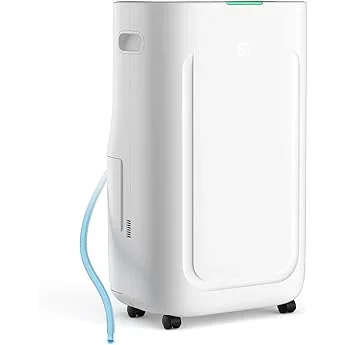
❌ Mistake: Buying Based Solely on Pint Rating
Why it’s bad: Pint ratings are often measured under ideal lab conditions (80°F, 60% RH)—not real-world basement environments. A 50-pint unit may perform like a 30-pint model in a cold, damp basement. Relying only on this number can lead to undersized units that run constantly without solving the problem.
What to do instead: Cross-reference pint rating with coverage area, temperature range, and user reviews. Look for AHAM-certified ratings, which are more standardized.
❌ Mistake: Ignoring Drainage Needs
Why it’s bad: Many buyers assume they’ll just empty the bucket daily—only to get frustrated and stop using the unit. Manual emptying is impractical for busy households or unattended basements.
What to do instead: Choose a model with continuous drainage (gravity hose or built-in pump). Even if you don’t need it now, having the option adds flexibility.
❌ Mistake: Overlooking Cold-Temperature Performance
Why it’s bad: Most refrigerant dehumidifiers lose efficiency below 65°F and may ice up in winter. If your basement gets chilly, a standard unit will be ineffective when you need it most.
What to do instead: Opt for a desiccant dehumidifier or a refrigerant model specifically rated for low-temperature operation (look for “auto-defrost” or “cold climate” in the description).
❌ Mistake: Choosing the Cheapest Option
Why it’s bad: Budget dehumidifiers often use inferior components, lack drainage options, and fail within 1–2 years. The initial savings vanish when you replace it prematurely.
What to do instead: Aim for the mid-range tier ($250–$400). You’ll get better durability, features, and energy efficiency that pay off over time.
❌ Mistake: Not Checking Return Policies
Why it’s bad: Dehumidifiers are bulky and expensive to return. If a unit doesn’t fit, is too loud, or underperforms, you could be stuck with it.
What to do instead: Buy from retailers with generous return windows (30–90 days) and free return shipping. Test the unit immediately upon delivery.
❌ Mistake: Forgetting About Airflow and Placement
Why it’s bad: Placing a dehumidifier in a corner or behind furniture restricts airflow, reducing efficiency by up to 30%. Poor placement also increases wear on the compressor.
What to do instead: Position the unit centrally with at least 6–12 inches of clearance on all sides. Use fans to circulate air if needed.
❌ Mistake: Assuming All Brands Are Equal
Why it’s bad: Lesser-known brands may cut corners on safety certifications, use non-standard parts, or disappear before warranty claims are processed.
What to do instead: Stick with established brands that offer U.L. listing, clear contact information, and responsive customer service.
Budget Guidelines: How Much Should You Spend?
Entry-Level ($100–$200): These basic models (e.g., Eva-Dry, Ivation) are suitable for very small spaces or seasonal use. Expect limited capacity (20–30 pints), no pump, manual drainage, and higher noise levels. Build quality is often questionable, and warranties rarely exceed one year. Best for closets or occasional dampness—not full basements.
Mid-Range ($200–$400): This is the sweet spot for most homeowners. Models like the Frigidaire FFAD5033W1 or hOmeLabs HME020034N offer 50–70-pint capacity, gravity drain hoses, digital controls, and decent energy efficiency. Many include auto-restart and washable filters. Expect 1–2 year warranties and reliable performance in typical basement conditions.
Premium ($400–$600): Designed for demanding environments, these units (e.g., GE APER50LZ, Danby DDR70A3WP) feature internal pumps, enhanced cold-weather operation, quieter operation (under 50 dB), and smart connectivity. They’re built with metal components, have longer warranties (up to 5 years), and often include air purification features like UV-C lights or HEPA filters.
Luxury ($600+): Reserved for whole-house systems (AprilAire, Santa Fe) or commercial applications. These integrate with HVAC, offer remote monitoring, and handle 100+ pints daily. Ideal for large finished basements, historic homes, or allergy sufferers needing hospital-grade air quality. Installation may require a professional.
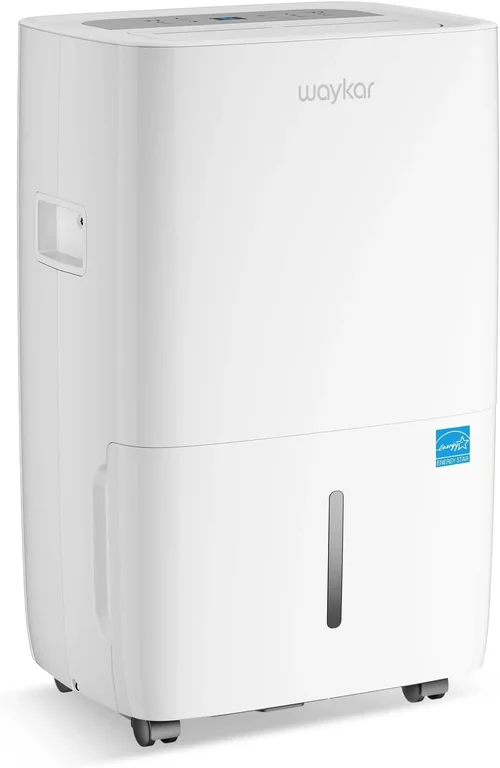
Expert Tips for Getting the Best Deal
1. Shop During Off-Seasons: Dehumidifier prices peak in spring and summer. Buy in late fall or winter (October–February) for discounts of 20–30%. Retailers clear inventory before the humid season begins.
2. Compare Total Cost of Ownership: Factor in energy use, filter replacements, and expected lifespan. A $300 ENERGY STAR model may cost less over 5 years than a $200 non-certified unit.
3. Use Price Tracking Tools: Set alerts on Amazon, CamelCamelCamel, or Honey to catch price drops. Major sales occur during Black Friday, Prime Day, and Memorial Day.
4. Check for Rebates: Some utility companies offer rebates for ENERGY STAR appliances. Visit energystar.gov/rebate-finder to see if you qualify.
5. Buy Direct from Manufacturer: Brands like Frigidaire and GE often run exclusive promotions on their websites, including free shipping or extended warranties.
6. Read the Fine Print on Warranties: Ensure the warranty covers basement use. Some exclude unheated spaces or commercial applications.
7. Test Before Committing: Run the unit for 48 hours and monitor humidity levels with a separate hygrometer. If RH stays above 55%, the unit is undersized.
8. Consider Refurbished or Open-Box: Certified refurbished models from reputable sellers (e.g., Home Depot, Best Buy) can save 25–40% and often include full warranties.

Frequently Asked Questions
Q: How do I know what size dehumidifier I need for my basement?
A: Start by measuring your basement’s square footage. Then assess moisture level: mild (occasional dampness), moderate (persistent dampness, musty smell), or severe (standing water, mold). Use this guide:
– Mild, <500 sq. ft.: 30-pint
- Moderate, 500–1,000 sq. ft.: 50-pint
- Severe or >1,000 sq. ft.: 70-pint or higher.
Always round up if your basement is below grade or has poor ventilation.
Q: Can I use a regular room dehumidifier in my basement?
A: Technically yes, but it’s not ideal. Room dehumidifiers lack the capacity, drainage options, and cold-weather performance needed for basements. They may overheat or shut down in unheated spaces. Invest in a model specifically rated for basement or whole-home use.
Q: Do I really need a built-in pump?
A: Not always—but highly recommended. If your basement has a floor drain or sump pit, a gravity hose may suffice. But if you need to lift water to a sink, window, or upstairs drain, a pump is essential. Pumps also allow placement flexibility.
Q: Will a dehumidifier lower my heating bills?
A: Indirectly, yes. Dry air feels warmer than humid air at the same temperature, so you may lower your thermostat slightly. However, dehumidifiers generate heat as a byproduct, which can slightly increase cooling costs in summer. The net effect is usually neutral or slightly positive in winter.
Q: How often should I clean my dehumidifier?
A: Clean the air filter monthly with mild soap and water. Wipe the water bucket weekly to prevent mold. Deep-clean coils and vents every 3–6 months. Neglecting maintenance reduces efficiency and shortens lifespan.
Q: Can a dehumidifier prevent mold?
A: Yes—if used correctly. Keeping RH below 50% inhibits mold growth. Pair your dehumidifier with proper ventilation, leak repairs, and waterproofing for best results. Note: it won’t remove existing mold; that requires remediation.
Q: Are smart dehumidifiers worth the extra cost?
A: For frequent travelers or tech-savvy users, yes. Remote monitoring lets you check humidity levels and receive alerts if the bucket fills or the unit malfunctions. For others, basic digital controls may suffice.
Q: What’s the difference between AHAM and manufacturer pint ratings?
A: AHAM (Association of Home Appliance Manufacturers) tests under standardized conditions, providing consistent comparisons. Manufacturer ratings can be inflated. Always look for AHAM-certified specs when possible.
Q: Can I run a dehumidifier year-round?
A: Absolutely. In fact, it’s recommended. Basements remain damp even in winter due to groundwater seepage. Choose a model rated for cold temperatures or switch to a desiccant unit during colder months.
Q: What if my basement has no electrical outlet nearby?
A: Use a heavy-duty outdoor extension cord (14-gauge or thicker) rated for continuous use. Never daisy-chain multiple cords. For permanent solutions, hire an electrician to install a dedicated outlet.
Our Final Recommendations
Best for Budget-Conscious Buyers: hOmeLabs HME020034N (50-Pint)
At under $250, this model punches above its weight with a gravity drain hose, washable filter, and solid 50-pint capacity. It’s ENERGY STAR certified and handles moderate basement humidity well. Just don’t expect a pump or ultra-quiet operation.
Best Overall Value: Frigidaire FFAD5033W1 (50-Pint)
A consistent top performer, this unit offers excellent moisture removal, auto-restart, and a sleek design. It includes a 6-foot drain hose and operates quietly at 51 dB. Backed by Frigidaire’s reliable support and a 1-year warranty, it’s the go-to choice for most homeowners.
Best Premium Option: GE APER50LZ (50-Pint with Pump)
Priced around $450, this model includes an internal condensate pump, Wi-Fi connectivity, and advanced humidity sensing. It’s ideal for finished basements where noise and convenience matter. The pump lifts water up to 15 feet, and the app lets you monitor conditions remotely.
Best for Beginners: Tosot 50-Pint Dehumidifier
Simple controls, clear indicators, and straightforward setup make this a great entry point. It lacks smart features but delivers reliable performance and includes a drain hose adapter. Perfect for first-time buyers who want plug-and-play simplicity.
Best for Advanced Users: AprilAire E080 Pro (Whole-House)
For those ready to invest in permanent solutions, this ducted system integrates with your HVAC and maintains optimal humidity throughout the entire home. It’s overkill for small basements but unmatched for large, finished spaces. Requires professional installation.
Conclusion: Making the Right Choice
Choosing the best dehumidifier for your basement isn’t just about picking the biggest or most expensive model—it’s about matching the right tool to your specific environment, needs, and budget. By prioritizing capacity, drainage, energy efficiency, and build quality, you’ll avoid the common pitfalls that leave many homeowners frustrated and out of pocket. Remember: a dehumidifier is a long-term guardian of your home’s structural integrity and indoor air quality. Skimping now can lead to costly repairs later.
Take the time to assess your basement’s unique conditions. Measure the space, note the humidity level, and consider how you’ll manage drainage. Use this guide’s recommendations and tips to narrow your options, and don’t hesitate to invest a little more for features that truly matter—like a built-in pump or cold-weather operation. With the right unit in place, you’ll enjoy a drier, healthier, and more comfortable basement for years to come.
Ready to reclaim your basement from excess moisture? Start by selecting a model from our recommended list, and take the first step toward a safer, more livable home. Your future self—and your walls—will thank you.