
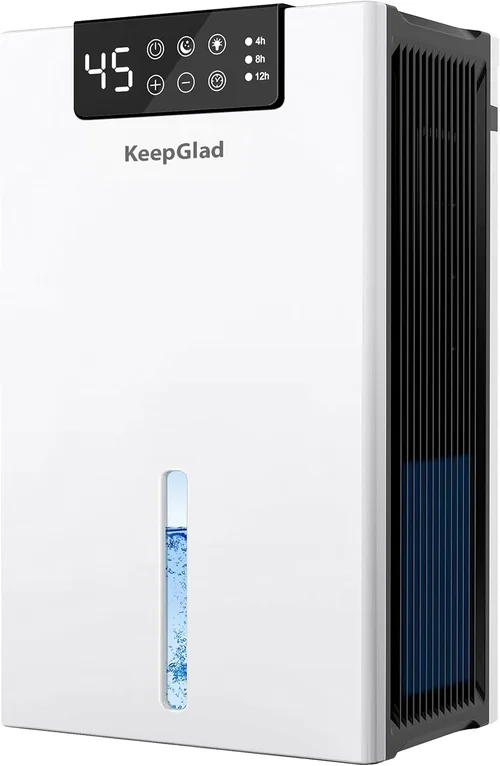
If you’ve ever woken up in the middle of the night feeling like you’re sleeping in a swamp, you know how disruptive excess humidity can be. Stuffy air, musty odors, condensation on windows, and that sticky feeling on your skin aren’t just uncomfortable—they can actually harm your health and your home. Mold, dust mites, and mildew thrive in damp environments, and prolonged exposure can trigger allergies, asthma, and respiratory issues. For many people, especially those living in humid climates or older homes with poor ventilation, a dehumidifier isn’t a luxury—it’s a necessity.
But here’s the catch: not everyone wants to spend hundreds of dollars on a high-end model. That’s where budget dehumidifiers come in. In recent years, manufacturers have made significant strides in making effective moisture control more accessible than ever. Today’s affordable units offer surprising performance, energy efficiency, and smart features—all without breaking the bank. Whether you’re dealing with a damp basement, a humid bedroom, or seasonal muggy weather, there’s a budget-friendly solution that can dramatically improve your indoor air quality and comfort.
This comprehensive buying guide is designed to help you navigate the crowded market of low-cost dehumidifiers and find the best option for your bedroom. We’ll walk you through everything you need to know—from key performance metrics and essential features to common pitfalls and expert tips for getting the most value. By the end of this article, you’ll have a clear understanding of what to look for, how to avoid overpaying, and which models deliver the best bang for your buck in 2026.
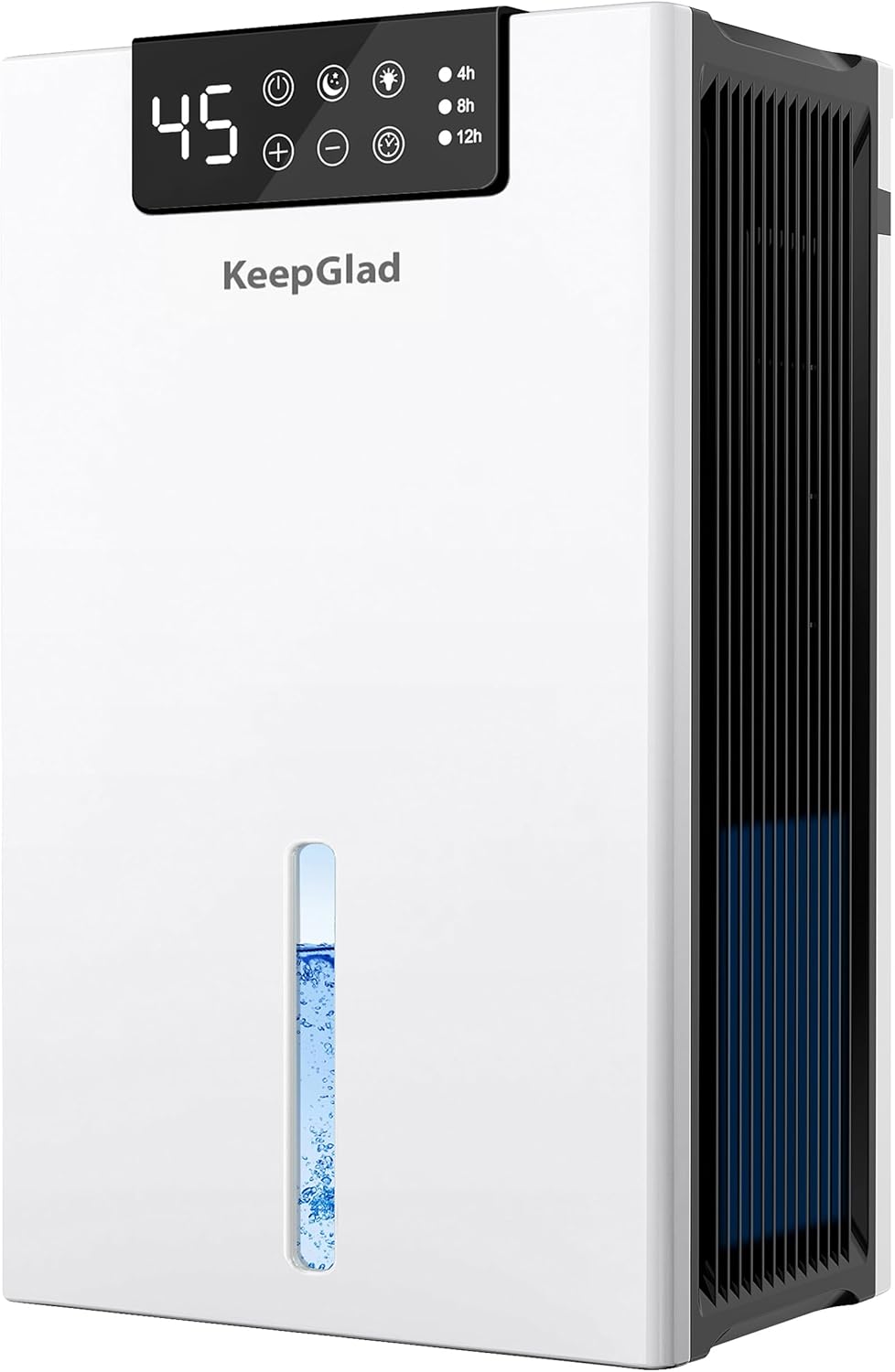
What to Look for When Buying Buying Guide
1. Budget & Price Range
When shopping for a budget dehumidifier, it’s important to define what “budget” means to you. Generally, entry-level models range from $50 to $120, while mid-tier options fall between $120 and $200. Anything above $200 starts edging into premium territory, though some high-performing units under $200 still offer excellent value.
Price often correlates with capacity, build quality, and features—but not always. Some brands inflate prices based on marketing rather than performance. Focus on getting the right balance: enough power for your room size, reliable operation, and durability that justifies the cost. Avoid the cheapest models under $40—they often lack safety certifications, have flimsy components, or fail within months.
2. Performance Specifications
Performance is measured primarily by two metrics: pint capacity and coverage area.
Pint capacity refers to how much moisture the unit can remove in 24 hours under standard testing conditions (usually 60% relative humidity at 80°F). For a typical bedroom (100–300 sq ft), a 20–30 pint per day (PPD) unit is usually sufficient. Larger bedrooms or spaces with chronic dampness may require 30–50 PPD.
Coverage area indicates the maximum square footage the dehumidifier can effectively service. Always check the manufacturer’s recommended room size—and err on the side of caution. A unit rated for “up to 500 sq ft” might struggle in a poorly insulated or high-humidity room of that size.
Also consider the humidity range the unit can handle. Most budget models operate between 30% and 80% relative humidity. If you live in an extremely humid region (like the Gulf Coast or Southeast), ensure the model can handle higher starting humidity levels.
3. Build Quality & Durability
A dehumidifier is a long-term investment, so durability matters—even at lower price points. Look for units with sturdy plastic housings (not brittle or thin), well-sealed seams, and quality internal components like copper coils (instead of aluminum, which corrodes faster).
Check user reviews for mentions of leaks, compressor failures, or fan issues after 6–12 months of use. A well-built unit should last 3–5 years with regular maintenance. Avoid models with exposed wiring, loose panels, or flimsy water tanks.
Another durability factor: frost protection. In cooler bedrooms (below 65°F), refrigerant-based dehumidifiers can ice up and stop working. Models with auto-defrost or low-temperature operation are better suited for unheated or seasonal rooms.
4. Features & Functionality
Modern budget dehumidifiers come packed with useful features that enhance convenience and efficiency:
– Auto shut-off: Turns off when the water tank is full—critical for preventing overflows.
– Continuous drainage: Allows you to connect a hose for unattended operation (ideal for basements or overnight use).
– Humidity control: Lets you set a target humidity level (e.g., 45% or 50%) and maintains it automatically.
– Timer function: Schedule on/off times to save energy.
– Filter indicator: Alerts you when the air filter needs cleaning.
– Quiet operation: Look for decibel (dB) ratings below 50 dB for bedroom use—anything louder may disrupt sleep.
Some models also include washable filters, LED displays, or remote controls. While not essential, these extras can significantly improve user experience.
5. Brand Reputation
Stick with established brands known for reliability and customer support. Top names in the budget dehumidifier space include hOmeLabs, Frigidaire, Eva-Dry, Pro Breeze, and Tosot. These companies consistently receive positive feedback for product quality, warranty service, and availability of replacement parts.
Avoid unknown brands sold exclusively through third-party Amazon sellers with no verifiable history. They may offer rock-bottom prices but often vanish after a few months, leaving you without support if something goes wrong.
Research brand reputation by checking:
– Customer service responsiveness
– Availability of manuals and troubleshooting guides
– Warranty terms and claim process ease
– Longevity in the market (brands operating 5+ years are generally safer bets)
6. Warranty & Support
A solid warranty is a strong indicator of a manufacturer’s confidence in their product. Most reputable budget dehumidifiers come with a 1–2 year limited warranty covering parts and labor. Some premium budget models offer 3 years.
Read the fine print: many warranties exclude damage from improper use, lack of maintenance, or commercial applications. Ensure the warranty includes compressor coverage—the most expensive component to replace.
Customer support should be accessible via phone, email, or live chat. Test responsiveness before buying if possible (e.g., send a pre-purchase question). Brands with U.S.-based support centers tend to resolve issues faster.
7. Size & Portability
Bedrooms demand compact, quiet, and unobtrusive appliances. Measure your available space—under the bed, beside a dresser, or in a closet—and compare it to the unit’s dimensions. Most bedroom dehumidifiers are 12–16 inches tall and weigh 15–25 pounds.
Portability features like built-in handles, smooth-rolling casters, or lightweight designs make moving the unit between rooms easier. If you plan to use it in multiple areas (e.g., bedroom by night, basement by day), prioritize mobility.
Also consider cord length—ideally 6 feet or more—to avoid needing an extension cord, which can be a tripping hazard or fire risk.
8. User Reviews & Ratings
Never rely solely on manufacturer claims. Real-world user reviews reveal strengths and weaknesses you won’t find in spec sheets. Focus on verified purchase reviews on trusted platforms like Amazon, Best Buy, or Home Depot.
Look for patterns:
– Do multiple users report the same issue (e.g., loud noise, short lifespan)?
– Are complaints about customer service or shipping?
– Do reviewers mention real humidity reduction in similar-sized rooms?
Be wary of reviews that seem overly promotional or generic (“Great product!”). Detailed, balanced feedback with photos or videos is far more valuable.
Different Types of Buying Guide

Common Buying Mistakes to Avoid
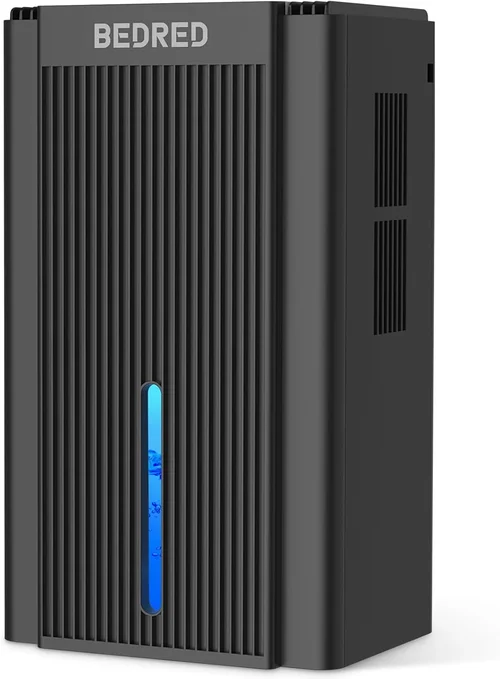
❌ Mistake: Buying Based Solely on Price
Why it’s bad: The cheapest dehumidifier often lacks essential safety features, uses inferior materials, or has a tiny tank that needs emptying every few hours. You may end up replacing it within a year—costing more in the long run.
What to do instead: Aim for the best value, not the lowest price. Look for models around $80–$150 that balance cost, capacity, and features. Read reviews to confirm reliability.
❌ Mistake: Ignoring Room Size and Humidity Level
Why it’s bad: A 10-pint unit will struggle in a 400 sq ft bedroom with 70% humidity. It will run constantly, wear out quickly, and fail to reduce moisture effectively.
What to do instead: Measure your room and assess humidity with a hygrometer (many smart thermostats include one). Choose a unit with at least 20–30 PPD for average bedrooms, and higher for problem areas.
❌ Mistake: Overlooking Noise Levels
Why it’s bad: A loud dehumidifier can disrupt sleep, especially in quiet bedrooms. Compressor models can emit 50–60 dB—comparable to a conversation or dishwasher.
What to do instead: Prioritize units under 50 dB. Thermo-electric and desiccant models are quieter. Check decibel ratings in specs or user reviews mentioning noise.
❌ Mistake: Forgetting About Maintenance
Why it’s bad: Neglecting filter cleaning or tank emptying leads to mold growth inside the unit, reduced efficiency, and potential fire hazards.
What to do instead: Choose models with washable filters and easy-access tanks. Set calendar reminders to clean the filter monthly and inspect the unit quarterly.
❌ Mistake: Assuming All “Energy Efficient” Models Are Equal
Why it’s bad: Some budget units claim efficiency but lack ENERGY STAR certification or accurate power consumption data. They may cost more to run than expected.
What to do instead: Look for ENERGY STAR labels or check wattage (ideally under 300W for bedroom units). Calculate annual operating cost: (watts × hours used per day × 365 × local electricity rate) ÷ 1000.
❌ Mistake: Skipping the Warranty Check
Why it’s bad: Without warranty coverage, a $100 dehumidifier that breaks after 14 months becomes a total loss.
What to do instead: Only buy from brands offering at least a 1-year warranty. Register your product immediately after purchase to activate coverage.
❌ Mistake: Not Planning for Drainage
Why it’s bad: If you can’t empty the tank daily, overflow risks increase—especially overnight or when away.
What to do instead: Opt for models with continuous drainage options. Even budget units often include a hose connector. Place the unit near a floor drain or use a condensate pump if needed.
Budget Guidelines: How Much Should You Spend?
– Entry-Level ($50–$80): Best for very small spaces (under 150 sq ft) or occasional use. Expect basic functionality, smaller tanks (1–2 liters), and higher noise levels. Thermo-electric models dominate this tier. Ideal for closets, RVs, or as a secondary unit.
– Mid-Range ($80–$150): The sweet spot for most bedroom users. These compressor-based units offer 20–35 PPD, quiet operation, auto shut-off, and humidity controls. Many include washable filters and continuous drainage. Reliable brands like hOmeLabs and Pro Breeze excel here.
– Premium ($150–$200): For larger bedrooms or high-humidity environments. Expect 30–50 PPD, advanced controls (digital displays, timers), lower noise (<48 dB), and better build quality. Some models feature dual-speed fans or smart connectivity. - Luxury ($200+): While outside strict “budget” territory, some sub-$250 models offer near-professional performance. These include features like Wi-Fi control, air purification, or ultra-quiet operation. Only necessary for severe moisture issues or smart home integration.
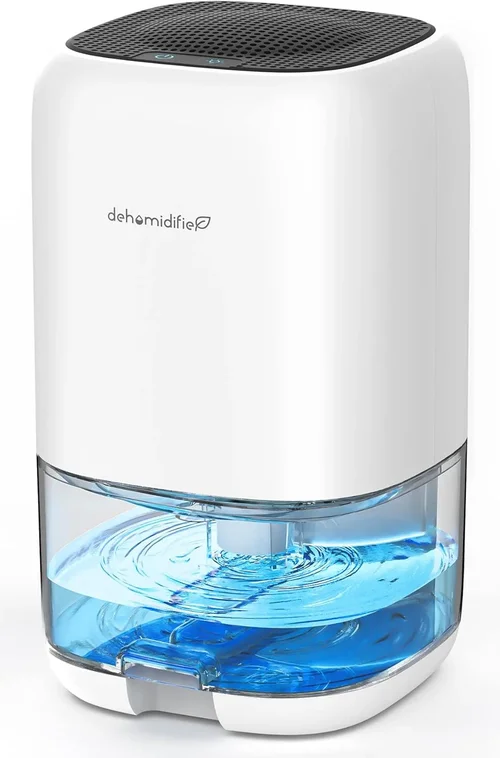
Expert Tips for Getting the Best Deal
– Buy off-season: Dehumidifiers are cheapest in winter (December–February) when demand is low. Stock up during holiday sales (Black Friday, Cyber Monday) for discounts up to 30%.
– Shop at trusted retailers: Amazon, Home Depot, Lowe’s, and Walmart offer competitive pricing, easy returns, and reliable shipping. Avoid unknown online marketplaces.
– Use price tracking tools: Set alerts on Honey, CamelCamelCamel, or Keepa to monitor price drops on specific models.
– Check for rebates: Some utility companies offer rebates for ENERGY STAR dehumidifiers—especially in humid states like Florida or Louisiana.
– Read return policies: Ensure you can return the unit within 30 days if it doesn’t perform as expected. Some retailers charge restocking fees.
– Test before committing: Run the dehumidifier for 24–48 hours in your bedroom. Check noise, humidity reduction, and ease of use. If unsatisfied, return it promptly.
– Bundle with other purchases: Some retailers offer discounts when buying multiple home appliances together (e.g., dehumidifier + air purifier).
– Consider refurbished models: Certified refurbished units from reputable sellers often come with full warranties and cost 20–40% less than new.

Frequently Asked Questions
Q: Can a dehumidifier help with allergies?
A: Yes! By reducing humidity below 50%, dehumidifiers inhibit the growth of mold, dust mites, and mildew—common allergens. Many users report fewer sneezing fits, clearer breathing, and less nighttime congestion after consistent use.
Q: How often should I empty the water tank?
A: It depends on humidity levels and tank size. In a humid bedroom, a 1-gallon tank may fill in 8–12 hours. Use continuous drainage or choose a model with a larger tank (1.5+ gallons) to reduce emptying frequency.
Q: Will a dehumidifier increase my electricity bill?
A: It can, but modern units are relatively efficient. A 300W dehumidifier running 8 hours/day uses about 2.4 kWh daily. At $0.12/kWh, that’s roughly $8.64/month. ENERGY STAR models use 15–20% less energy.
Q: Can I leave a dehumidifier on all night?
A: Yes, as long as it has auto shut-off and is placed safely away from flammable materials. Ensure the room is ventilated and the unit isn’t obstructed.
Q: What’s the ideal humidity level for a bedroom?
A: Between 30% and 50%. Levels above 60% promote mold growth; below 30% can dry out skin and respiratory passages. Use a hygrometer to monitor.
Q: Do I need a dehumidifier if I have central AC?
A: Not always—but AC only dehumidifies while cooling. If your home feels clammy even when cool, or you notice condensation, a dedicated dehumidifier can help.
Q: How do I clean my dehumidifier?
A: Unplug the unit. Remove and rinse the water tank with mild soap. Clean the air filter with water (if washable) or replace it. Wipe the exterior with a damp cloth. Never use harsh chemicals.
Q: Can a dehumidifier damage my furniture or walls?
A: No—if used correctly. In fact, it protects wood furniture, electronics, and drywall from moisture damage. Avoid placing it directly against walls to allow airflow.
Q: Are mini dehumidifiers effective?
A: Only for very small spaces (closets, safes, RVs). They remove minimal moisture (100–300 ml/day) and aren’t suitable for whole bedrooms.
Q: Should I buy a used dehumidifier?
A: Generally not recommended. Compressors have limited lifespans, and used units may harbor mold or bacteria. If you must, choose certified refurbished with warranty.
Our Final Recommendations
– Best for Budget-Conscious Buyers: Eva-Dry E-333 Renewable Mini Dehumidifier ($35)
Perfect for small bedrooms or as a supplemental unit. Silent, portable, and requires no electricity—just recharges in the microwave. Limited capacity but excellent for mild humidity.
– Best Overall Value: hOmeLabs 30 Pint Dehumidifier ($130)
Reliable compressor performance, quiet operation (48 dB), 1.8-gallon tank, and continuous drainage. Covers up to 1,500 sq ft—ideal for most bedrooms.
– Best Premium Option: Frigidaire FFAD7033R1 70 Pint Dehumidifier ($190)
Though slightly above typical budget range, it offers exceptional 70 PPD capacity, ultra-quiet operation, and smart humidity control. Great for large or very humid bedrooms.
– Best for Beginners: Pro Breeze 50 Pint Dehumidifier ($110)
Simple controls, auto shut-off, washable filter, and compact design. Easy to set up and maintain—perfect for first-time users.
– Best for Advanced Users: Tosot 50 Pint Energy Star Dehumidifier ($170)
Features a digital display, programmable timer, and low-temperature operation. Efficient and durable, with excellent user feedback on long-term performance.
Conclusion: Making the Right Choice
Choosing the right budget dehumidifier for your bedroom doesn’t have to be overwhelming. By focusing on key factors like capacity, noise level, build quality, and essential features, you can find a unit that delivers real moisture control without overspending. Remember: the goal isn’t just to buy cheap—it’s to buy smart.
Prioritize your specific needs. If you sleep lightly, noise matters more than capacity. If you travel often, portability is key. And if you live in a damp climate, don’t skimp on performance. Use the guidelines, avoid common mistakes, and leverage seasonal deals to maximize value.
Ultimately, a good dehumidifier does more than dry the air—it improves your sleep, protects your health, and preserves your home. With the insights from this guide, you’re equipped to make a confident, informed decision. So take the next step: measure your room, set your budget, and invest in cleaner, more comfortable air tonight.