
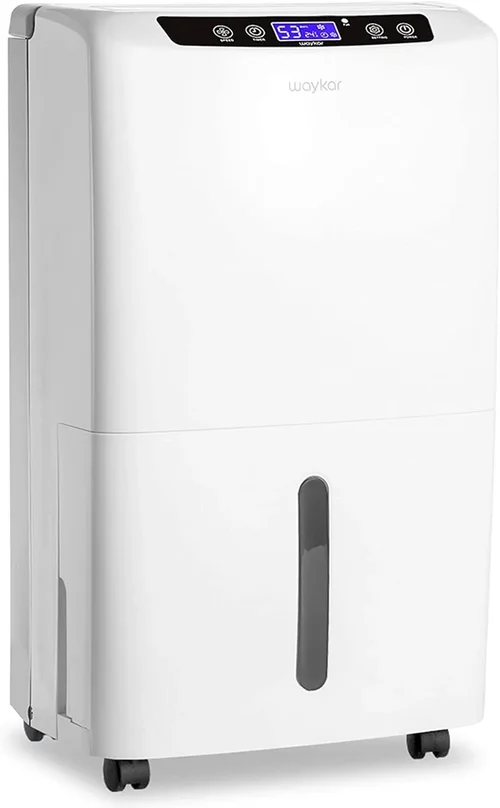
When it comes to preserving wine, cheese, cured meats, or even storing sensitive electronics and documents, maintaining the right environment is everything—and that starts with controlling humidity. A cellar, whether it’s a traditional underground wine cellar, a converted basement, or a dedicated storage room, is naturally prone to excess moisture. Left unchecked, high humidity levels can lead to mold growth, musty odors, warped wood, damaged labels, and even spoilage of stored goods. That’s where a high-quality cellar dehumidifier becomes not just a luxury, but a necessity.
This comprehensive buyer’s guide is designed to help you navigate the often-confusing world of cellar dehumidifiers in 2026. Whether you’re a wine enthusiast building your first collection, a homeowner looking to protect your basement, or a professional managing a commercial storage space, choosing the right dehumidifier can make all the difference. We’ll walk you through the critical factors to consider, compare different types of units, highlight common pitfalls, and provide expert-backed recommendations to ensure you invest wisely. By the end of this guide, you’ll have a clear understanding of what makes a dehumidifier truly effective for cellar use—and how to find the best model for your specific needs.
The market for dehumidifiers has evolved significantly in recent years, with advancements in energy efficiency, smart controls, and specialized designs tailored for low-temperature environments like cellars. However, not all dehumidifiers are created equal. Many standard models fail in cold or damp conditions, while others lack the capacity or durability required for long-term cellar use. This guide cuts through the noise, offering practical, research-driven insights based on real-world performance, user feedback, and technical specifications. Our goal is to empower you to make an informed decision—one that protects your investment, enhances your storage experience, and delivers reliable performance year after year.
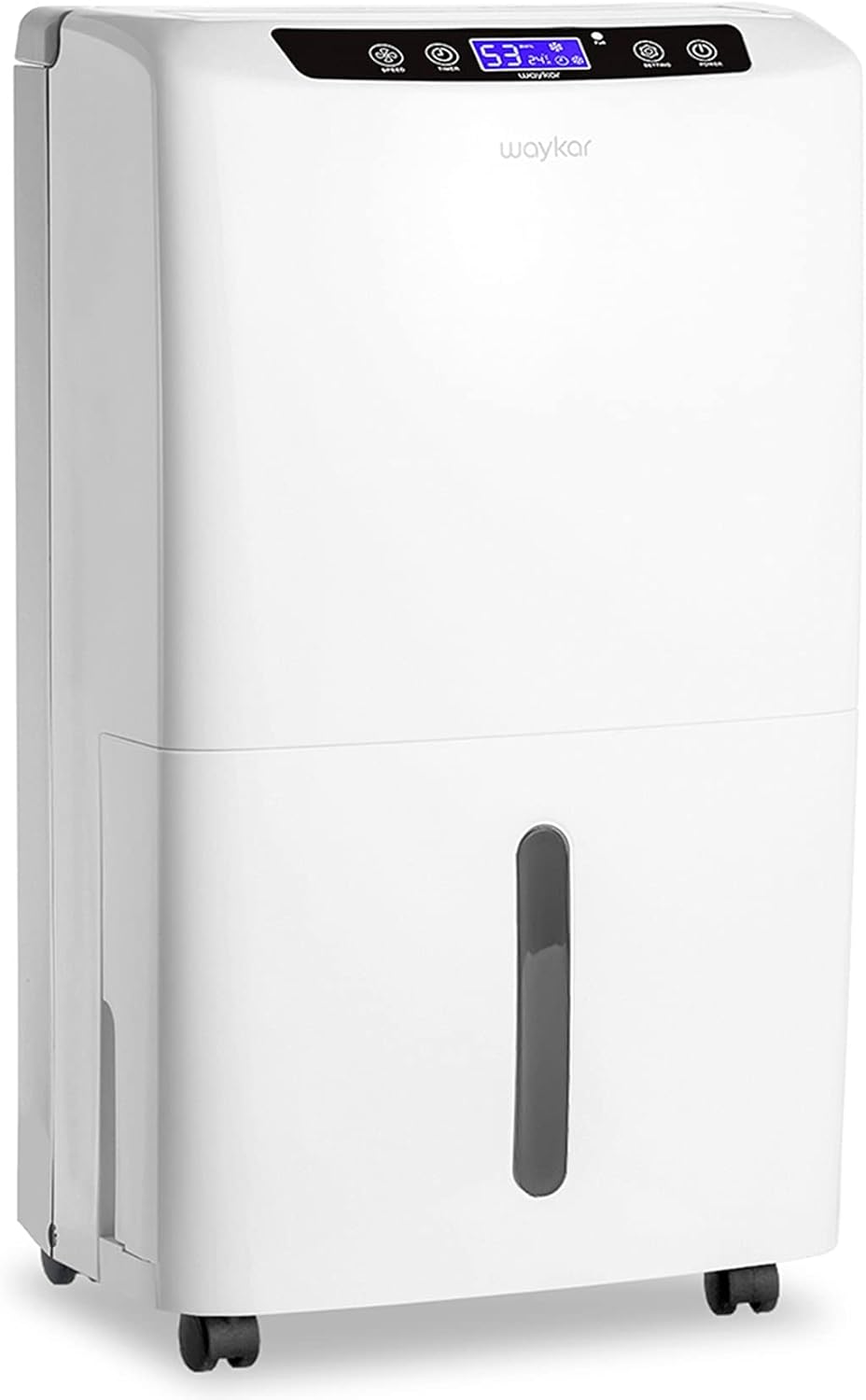
What to Look for When Buying Buying Guide
1. Performance Specifications
Performance is the cornerstone of any effective cellar dehumidifier. The most important metric to evaluate is the unit’s pint-per-day (PPD) capacity, which indicates how much moisture it can remove in a 24-hour period. For cellars, we recommend a minimum of 30–50 PPD, depending on size and humidity levels. Larger or more humid spaces may require 70 PPD or higher. However, don’t rely solely on manufacturer claims—look for third-party testing or independent reviews that verify real-world performance.
Another critical specification is the operating temperature range. Standard dehumidifiers often shut down below 65°F (18°C), but cellars frequently operate between 50°F and 60°F (10°C–15°C). Choose a model specifically rated for cold environments, ideally one that functions efficiently down to 41°F (5°C). Additionally, check the relative humidity (RH) control range. For wine cellars, the ideal RH is 50–70%, so ensure the unit can maintain this range with precision—look for digital hygrostats with ±3% accuracy or better.
2. Build Quality & Durability
Cellars are harsh environments: damp, dark, and often subject to temperature fluctuations. A dehumidifier that works well in a living room may fail prematurely in a cellar due to corrosion, mold buildup, or mechanical stress. Look for units with rust-resistant coatings, such as epoxy or powder-coated steel, especially on coils and internal components. Stainless steel condensers and sealed electronics are also strong indicators of long-term durability.
Pay attention to the compressor type. Rotary compressors are generally quieter and more efficient in low temperatures, making them ideal for cellars. Reciprocating compressors, while cheaper, can be noisier and less reliable in cold conditions. Also, consider the condensate removal system. Gravity drainage is simple but requires a floor drain. Pump-assisted models offer more flexibility, allowing you to route water to a sink or sump pit—ideal for cellars without easy drainage access.
3. Features & Functionality
Modern cellar dehumidifiers come with a range of features that enhance convenience and performance. A digital control panel with a clear display allows you to set and monitor humidity levels easily. Look for models with auto-restart functionality, which resumes operation after a power outage—critical for maintaining stable conditions during storms or blackouts.
Programmable timers let you run the unit during off-peak hours to save energy. Remote monitoring via Wi-Fi or Bluetooth is becoming increasingly common, enabling you to check humidity levels from your smartphone—especially useful if your cellar is in a remote location. Some high-end models even integrate with home automation systems like Alexa or Google Home.
Another valuable feature is dual-speed fans, which allow the unit to operate quietly during low-humidity periods while ramping up when needed. Air filtration systems with washable or replaceable filters help reduce dust and mold spores, improving air quality in your cellar. For wine collectors, this can help preserve label integrity and prevent musty odors from affecting corks.
4. Energy Efficiency
Dehumidifiers run continuously in most cellars, so energy consumption is a major long-term cost factor. Look for models with the ENERGY STAR certification, which indicates they meet strict efficiency guidelines set by the EPA. These units typically use 15–30% less energy than standard models, translating to significant savings over time.
Check the Energy Factor (EF), measured in liters of water removed per kilowatt-hour (L/kWh). A higher EF means greater efficiency. For cellar use, aim for an EF of at least 1.5 L/kWh. Also, consider the wattage—lower wattage doesn’t always mean better efficiency, but it can indicate a more optimized design. Some models feature eco-modes or adaptive defrost cycles that reduce energy use during low-demand periods.
Keep in mind that while premium models may have a higher upfront cost, their energy savings often pay for themselves within 2–3 years. Use online calculators to estimate annual operating costs based on your local electricity rates and expected runtime.
5. Size & Portability
While cellar dehumidifiers are typically stationary, size and portability still matter—especially during installation or maintenance. A compact unit is easier to fit into tight spaces, but don’t sacrifice capacity for size. Measure your cellar’s dimensions and ensure the dehumidifier can be placed with adequate clearance (usually 6–12 inches) from walls and obstructions for proper airflow.
Weight is another consideration. Heavier units often have larger compressors and better build quality, but they can be difficult to move. Look for models with integrated handles or wheels if you anticipate needing to relocate the unit. Some manufacturers offer wall-mounting kits, which can save floor space and improve air circulation.
Portability also extends to installation. Units with quick-connect hoses or easy-drain options simplify setup. If your cellar lacks a drain, a model with a built-in condensate pump and long hose (10+ feet) gives you flexibility in routing water to a suitable outlet.
6. Noise Level
Even though cellars are often out of earshot, excessive noise can be a nuisance—especially if your cellar doubles as a tasting room or home office. Noise is measured in decibels (dB), and most dehumidifiers range from 45 dB to 60 dB. For quiet operation, aim for a model under 50 dB. This is roughly equivalent to a quiet conversation or background music.
Compressor type and fan design significantly impact noise. Rotary compressors are generally quieter than reciprocating ones. Look for units with sound-dampening insulation or low-noise fan blades. Some models offer a “night mode” or “quiet mode” that reduces fan speed and compressor cycling for near-silent operation.
If noise is a top concern, consider placing the dehumidifier in a utility closet or using acoustic panels to absorb sound. Always check user reviews for real-world noise feedback—manufacturer specs can sometimes be misleading.
7. Brand Reputation & Reliability
Not all dehumidifier brands are created equal. Established manufacturers with a history of producing reliable, high-performance units are more likely to deliver long-term satisfaction. Brands like AprilAire, Santa Fe, Dri-Eaz, and Quest have strong reputations in the commercial and residential humidity control markets.
Research customer service responsiveness, availability of replacement parts, and consistency in product quality. Avoid lesser-known brands that offer unusually low prices—these often cut corners on materials and engineering. Look for brands that specialize in low-temperature dehumidification or have models specifically marketed for wine cellars or basements.
Check professional endorsements, such as certifications from the Wine Spectator or recommendations from cellar builders. These can be strong indicators of a product’s suitability for sensitive storage environments.
8. Warranty & Support
A solid warranty is a sign of a manufacturer’s confidence in their product. For cellar dehumidifiers, look for a minimum 2-year warranty, with 3–5 years being ideal. Some premium models offer extended coverage on key components like the compressor or control board.
Read the fine print: Does the warranty cover labor, parts, and shipping? Is it voided by improper installation or use in non-recommended environments? Also, verify that the company provides responsive customer support—preferably with U.S.-based technicians or service centers.
Consider purchasing an extended warranty if available, especially for high-end models. This can provide peace of mind and protect your investment against unexpected failures. Always register your product upon purchase to activate warranty coverage.
Different Types of Buying Guide

Common Buying Mistakes to Avoid
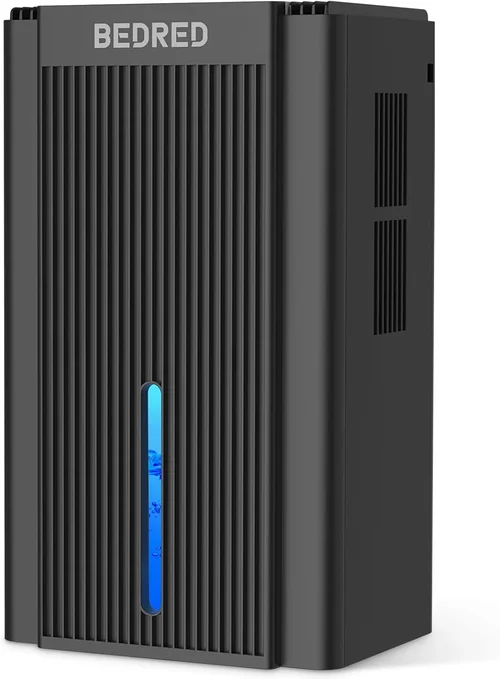
❌ Mistake: Buying a Standard Room Dehumidifier
Why it’s bad: Most consumer-grade dehumidifiers are designed for living spaces with temperatures above 65°F. In a cold cellar, they may fail to operate, cycle inefficiently, or shut down entirely. This leads to uncontrolled humidity, mold growth, and potential damage to stored items.
What to do instead: Always choose a model specifically rated for low-temperature operation. Look for “cold climate” or “cellar use” in the product description. Verify the operating range includes temperatures as low as 41°F (5°C).
❌ Mistake: Ignoring Drainage Options
Why it’s bad: Many cellars lack floor drains, and relying on manual bucket emptying is impractical and risky. Overflow can cause water damage and create a breeding ground for mold.
What to do instead: Select a unit with a built-in condensate pump or gravity drain with a hose connection. Ensure the pump can lift water vertically (at least 10–15 feet) to reach a sink, sump, or exterior drain.
❌ Mistake: Overlooking Humidity Precision
Why it’s bad: Wine and other sensitive items require stable humidity within a narrow range (50–70% RH). A dehumidifier with poor hygrostat accuracy can cause fluctuations that damage corks, labels, or organic materials.
What to do instead: Choose a model with a digital hygrostat and ±3% accuracy or better. Avoid analog dials or basic on/off switches. Consider using a standalone hygrometer to verify readings.
❌ Mistake: Choosing Based on Price Alone
Why it’s bad: Cheap dehumidifiers often use inferior components, lack cold-weather capability, and have short lifespans. You may end up replacing them every 1–2 years, costing more in the long run.
What to do instead: Focus on value, not just upfront cost. Invest in a reliable, energy-efficient model from a reputable brand. Calculate total cost of ownership, including energy use and maintenance.
❌ Mistake: Neglecting Airflow and Placement
Why it’s bad: Poor placement can restrict airflow, reduce efficiency, and cause the unit to overwork. Placing it in a corner or behind furniture may lead to premature failure.
What to do instead: Install the dehumidifier in a central location with at least 6–12 inches of clearance on all sides. Ensure intake and exhaust vents are unobstructed. Use fans to circulate air if needed.
❌ Mistake: Skipping Regular Maintenance
Why it’s bad: Dust, mold, and mineral buildup can clog filters, coils, and drains, reducing performance and increasing energy use. Neglect can lead to system failure or fire hazards.
What to do instead: Clean the air filter monthly, inspect coils quarterly, and flush the drain line annually. Follow the manufacturer’s maintenance schedule and keep a log.
❌ Mistake: Not Planning for Power Outages
Why it’s bad: A power outage can disrupt humidity control for hours or days, especially during storms. Without auto-restart, your cellar may become over-saturated.
What to do instead: Choose a model with auto-restart functionality. For added protection, consider a backup battery or generator system, especially in areas prone to outages.
Budget Guidelines: How Much Should You Spend?
- Entry-Level ($200 – $400): These are typically portable refrigerant units with basic controls and limited cold-weather capability. Best for small, well-insulated cellars with mild humidity issues. Expect shorter lifespans and higher energy use. Look for models with at least 30 PPD and a drain hose option.
- Mid-Range ($400 – $800): This is the sweet spot for most homeowners. These units offer better build quality, digital controls, cold-weather operation, and improved efficiency. Many include condensate pumps, auto-restart, and washable filters. Ideal for medium-sized cellars (up to 1,500 cubic feet) with moderate to high humidity.
- Premium ($800 – $1,500): Designed for serious collectors and larger spaces, these models feature rotary compressors, advanced hygrostats, Wi-Fi connectivity, and robust construction. They often come with extended warranties and professional installation support. Perfect for wine cellars, large basements, or commercial use.
- Luxury ($1,500+): Top-tier units include hybrid technology, whole-house integration, and custom configurations. These are used in high-end wine storage, museums, and industrial applications. Expect exceptional durability, precision, and smart features—but only necessary for extreme conditions or large-scale operations.
Expert Tips for Getting the Best Deal
- Buy during off-season: Dehumidifiers are in highest demand during summer. Shop in late fall or winter (October–February) for discounts, clearance sales, and bundle deals.
- Compare retailers: Check prices at specialty HVAC suppliers, wine cellar retailers, and online marketplaces like Amazon, Home Depot, and Wayfair. Some brands offer direct-to-consumer pricing with free shipping.
- Look for rebates: Many utility companies offer rebates for ENERGY STAR-certified dehumidifiers. Check your local provider’s website for current programs.
- Read return policies: Ensure the seller offers a 30-day return window and covers return shipping. This gives you time to test the unit in your cellar.
- Check for refurbished models: Certified refurbished units from reputable brands can save 20–40% off retail. They’re often as good as new and come with warranties.
- Negotiate with installers: If hiring a professional, ask for package deals that include dehumidifier installation, ductwork, or maintenance plans.
- Monitor price drops: Use tools like Honey, CamelCamelCamel, or Google Shopping alerts to track price changes on specific models.
- Verify warranty terms: Don’t assume all warranties are equal. Read the fine print and confirm coverage for parts, labor, and shipping.

Frequently Asked Questions
Q: Can I use a regular dehumidifier in my wine cellar?
A: Not recommended. Most standard dehumidifiers shut down below 65°F and lack the precision needed for wine storage. They may also introduce vibrations or noise that disturb bottles. Always choose a model rated for cold environments and stable humidity control.
Q: How often should I run my cellar dehumidifier?
A: It should run continuously or cycle on as needed to maintain the set humidity level. Modern units with digital hygrostats automatically adjust runtime based on conditions, so no manual intervention is required.
Q: Do I need a dehumidifier if my cellar is already dry?
A: Yes—humidity can fluctuate with weather, seasons, and usage. A dehumidifier provides consistent control and prevents spikes that could damage your collection. It’s better to have one and not need it than need it and not have it.
Q: Can a dehumidifier help with musty smells?
A: Absolutely. By reducing moisture, it inhibits mold and mildew growth—the primary cause of musty odors. Pair it with an air purifier or activated carbon filter for best results.
Q: How do I know if my dehumidifier is working properly?
A: Use a calibrated hygrometer to monitor humidity levels. Check the condensate drain for water output and listen for normal compressor cycling. If humidity remains high or the unit runs constantly, it may be undersized or malfunctioning.
Q: Should I turn off the dehumidifier in winter?
A: No. Cellars often become more humid in winter due to temperature differentials and reduced ventilation. Keep it running year-round for consistent protection.
Q: Can I install a dehumidifier myself?
A: Most standalone units are plug-and-play. Ducted or whole-house systems may require professional installation, especially if modifying HVAC systems or running drain lines.
Q: What’s the difference between a dehumidifier and a humidistat?
A: A dehumidifier removes moisture; a humidistat (or hygrostat) measures humidity and controls the dehumidifier. Many modern units have built-in hygrostats, but standalone models offer more precise monitoring.
Q: How long do cellar dehumidifiers typically last?
A: With proper maintenance, a quality unit can last 7–10 years. Cheaper models may fail in 2–3 years. Regular cleaning and servicing extend lifespan significantly.
Q: Are there eco-friendly dehumidifier options?
A: Yes. Look for models with R-32 or R-290 refrigerants, which have lower global warming potential. ENERGY STAR units are also more environmentally friendly due to reduced energy consumption.
Our Final Recommendations
- Best for Budget-Conscious Buyers: hOmeLabs 50 Pint Dehumidifier – Reliable performance, cold-weather operation down to 41°F, and a built-in pump. Great value under $500.
- Best Overall Value: AprilAire E080 Pro – Excellent build quality, 80 PPD capacity, and precise humidity control. Ideal for medium to large cellars. Priced around $800.
- Best Premium Option: Santa Fe Compact 70 – Designed specifically for wine cellars, with a rotary compressor, Wi-Fi monitoring, and ultra-quiet operation. Around $1,200.
- Best for Beginners: Frigidaire FFAD7033R1 – User-friendly controls, auto-defrost, and reliable performance. Easy to set up and maintain. Under $600.
- Best for Advanced Users: Quest 50 Overhead Dehumidifier – High-capacity, ducted design with commercial-grade components. Perfect for large or commercial cellars. $1,500+.
Conclusion: Making the Right Choice
Choosing the best cellar dehumidifier isn’t just about removing moisture—it’s about protecting your investment, preserving quality, and creating a stable environment for long-term storage. From performance and durability to energy efficiency and smart features, every factor plays a role in ensuring your cellar remains in optimal condition year after year.
As you evaluate your options, prioritize your specific needs: the size of your space, typical humidity levels, temperature range, and how much control you want over the environment. Don’t rush the decision—take time to compare models, read reviews, and consider long-term costs. A well-chosen dehumidifier will pay for itself in preserved wine, prevented damage, and peace of mind.
Remember, the cheapest option isn’t always the best, and the most expensive isn’t always necessary. Focus on value, reliability, and suitability for your cellar’s unique conditions. With the insights from this guide, you’re now equipped to make a confident, informed choice.
Invest wisely, maintain regularly, and enjoy the confidence that comes with knowing your cellar is protected—no matter what the weather brings.