
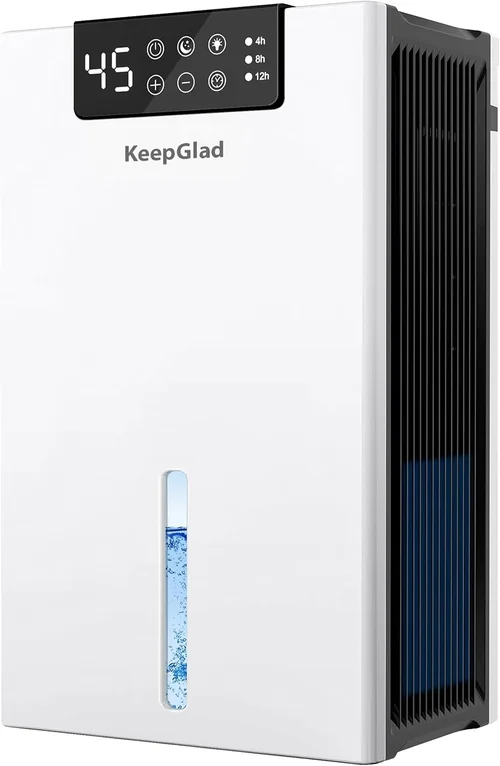
Dealing with excess moisture in your home isn’t just about comfort—it’s about health, safety, and protecting your property. Whether you’re battling musty odors in a basement, preventing mold growth in a crawl space, or trying to maintain ideal humidity levels in a garage or workshop, a reliable dehumidifier is essential. And when it comes to colder environments—like unheated basements, garages, or seasonal cabins—standard refrigerant dehumidifiers often fall short. That’s where cold air dehumidifiers come in.
Unlike traditional models that rely on warm ambient air to operate efficiently, cold air dehumidifiers are specifically engineered to extract moisture effectively even when temperatures drop below 65°F (18°C). This makes them ideal for spaces that aren’t climate-controlled year-round. In this comprehensive buying guide for 2026, we’ll walk you through everything you need to know to choose the right cold air dehumidifier for your needs. You’ll learn how these units work, what features matter most, how to avoid common pitfalls, and which models offer the best value across different budgets. Whether you’re a first-time buyer or upgrading from an older unit, this guide will arm you with expert-level insights to make a confident, informed decision.
The market for cold air dehumidifiers has evolved significantly in recent years. Advances in compressor technology, improved energy efficiency ratings, and smarter controls have made these appliances more effective and user-friendly than ever before. Brands like AprilAire, hOmeLabs, Ivation, and AlorAir now offer models capable of operating reliably in temperatures as low as 38°F (3°C), while still delivering strong moisture removal performance. At the same time, prices have become more accessible, with quality options available at nearly every budget tier. With so many choices—and so much at stake in terms of indoor air quality and structural integrity—it’s crucial to understand what separates a good cold air dehumidifier from a great one.
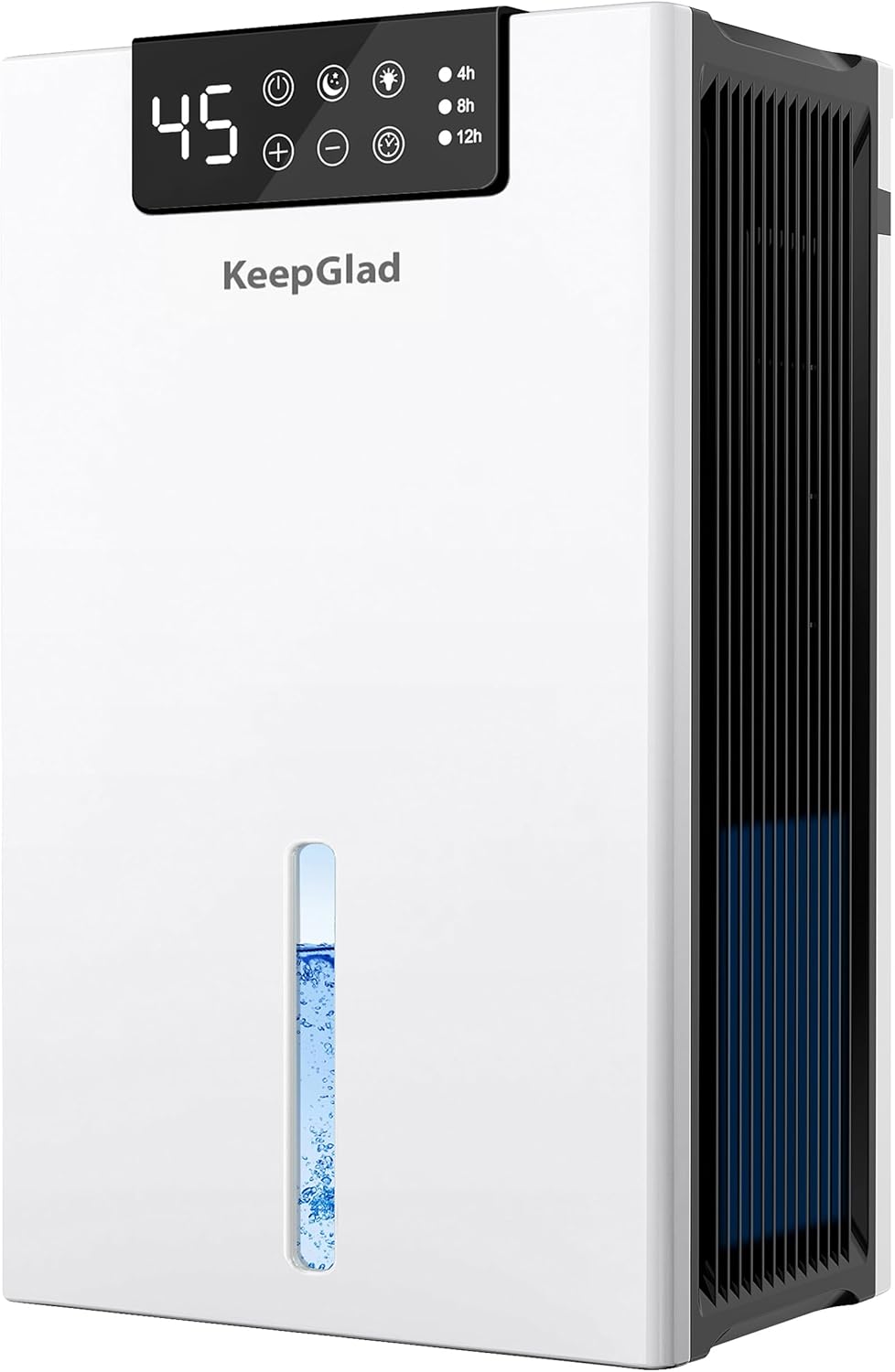
What to Look for When Buying Buying Guide
1. Operating Temperature Range
The single most important factor when choosing a cold air dehumidifier is its ability to function effectively in low-temperature environments. Standard dehumidifiers typically stop working efficiently once room temperatures dip below 65°F (18°C), because their coils freeze up and prevent proper condensation. Cold air models, however, use specialized components—such as low-temperature compressors, enhanced defrost cycles, or even dual-refrigerant systems—to continue pulling moisture from the air even in chilly conditions.
Look for units explicitly labeled as “cold climate,” “low-temp,” or “garage/basement rated.” Most reputable cold air dehumidifiers can operate down to 41°F (5°C), with some premium models functioning as low as 38°F (3°C). Always check the manufacturer’s specifications for the minimum operating temperature—not just the ideal range. A unit that claims to work in cold air but only lists performance data above 60°F may still struggle in real-world winter conditions.
2. Moisture Removal Capacity (Pints per Day)
Dehumidifier capacity is measured in pints of moisture removed per day (PPD). This number tells you how much water the unit can extract under standardized test conditions—usually 80°F and 60% relative humidity. However, in colder environments, actual performance will be lower due to reduced air density and humidity levels.
For cold spaces like basements or garages, aim for a capacity that matches your square footage and moisture severity:
- Light moisture (damp smell, occasional condensation): 20–30 PPD for up to 1,000 sq ft
- Moderate moisture (persistent dampness, minor mold risk): 30–50 PPD for 1,000–2,000 sq ft
- Heavy moisture (standing water, high humidity, flooding history): 50+ PPD for 2,000+ sq ft
Don’t oversize unnecessarily—a unit too large for your space will cycle on and off frequently, reducing efficiency and lifespan. Conversely, an undersized model will run continuously without adequately controlling humidity.
3. Energy Efficiency & Operating Costs
Because dehumidifiers often run for extended periods—especially in damp basements—energy consumption can significantly impact your utility bill. Look for models with the ENERGY STAR® certification, which indicates they meet strict efficiency guidelines set by the U.S. Environmental Protection Agency. ENERGY STAR dehumidifiers use 15–30% less energy than standard models.
Check the unit’s Energy Factor (EF), measured in liters of water removed per kilowatt-hour (L/kWh). Higher EF values mean better efficiency. For example, a unit with an EF of 1.8 is more efficient than one with 1.2. Also consider the wattage: a 500-watt model will cost roughly $60–$80 per year to run 12 hours daily (based on $0.13/kWh), while a 700-watt model could exceed $100 annually.
Some advanced models feature auto-humidistats and smart sensors that adjust runtime based on real-time humidity levels, further reducing energy waste.
4. Build Quality & Durability
Cold air dehumidifiers are often used in harsh environments—dusty garages, damp basements, or uninsulated crawl spaces—where corrosion, vibration, and temperature swings can take a toll. Invest in a model built with robust materials: rust-resistant coated coils, sealed electrical components, and sturdy casings made from high-impact plastic or powder-coated metal.
Pay attention to the compressor type. Rotary compressors are quieter and more durable than reciprocating (piston) types, making them preferable for long-term use. Also look for features like reinforced fan blades, anti-vibration mounts, and protective grilles. Units designed for commercial or industrial use often offer superior build quality, though they may come at a higher price point.
5. Drainage Options & Maintenance
Continuous operation means continuous water collection. Most cold air dehumidifiers include a built-in bucket (typically 1–2 gallons) that needs manual emptying every few days. However, for unattended use—like in a remote basement or vacation cabin—gravity drainage or pump-assisted discharge is essential.
Look for models with a built-in condensate pump or a gravity drain hose connection (usually 5/8″ or 3/4″ threaded outlet). Pump-equipped units can push water vertically up to 15 feet and horizontally much farther, allowing you to route drainage to a floor drain, sump pit, or outside. Gravity drains require a downward slope but are simpler and less prone to failure.
Maintenance should also be straightforward. Washable or reusable air filters reduce recurring costs, and easy-access panels simplify coil cleaning. Avoid models with proprietary filters or complex disassembly requirements.
6. Noise Level & Placement Flexibility
Dehumidifiers aren’t known for being silent—they contain compressors, fans, and pumps—but noise can be a concern if the unit is near living areas or bedrooms. Most cold air models operate between 45–60 decibels (dB), comparable to a quiet conversation or refrigerator hum.
If noise is a priority, look for units with variable-speed fans, insulated compressor compartments, or “quiet mode” settings. Placement also matters: positioning the dehumidifier on a vibration-absorbing mat or rubber feet can reduce rattling. Keep in mind that larger-capacity units tend to be louder due to more powerful components.
Portability features like recessed handles, caster wheels, and compact footprints (under 20″ wide) make it easier to move the unit between rooms or store it during off-seasons.
7. Smart Features & Controls
Modern cold air dehumidifiers increasingly include digital controls and smart capabilities. A built-in humidistat lets you set your target humidity level (ideally 30–50% for most homes), and the unit will automatically turn on/off to maintain it. Some models offer programmable timers, filter change alerts, and error codes for troubleshooting.
Wi-Fi-enabled units allow remote monitoring and control via smartphone apps—useful if you’re managing humidity in a rental property or second home. While not essential, these features add convenience and can improve energy efficiency by preventing over-dehumidification.
Avoid overly complex interfaces with tiny buttons or unclear displays. Opt for intuitive controls with clear labeling and backlit screens for visibility in dark basements.
8. Brand Reputation & Customer Support
Not all dehumidifier brands are created equal. Established manufacturers like AprilAire, Santa Fe, and AlorAir have decades of experience in moisture control and offer reliable customer service, detailed manuals, and accessible replacement parts. Lesser-known brands may offer tempting prices but often lack long-term support.
Research warranty terms: a 2–5 year warranty on the compressor and sealed system is standard for quality models. Be wary of brands that only cover labor for 90 days or exclude cold-weather operation from coverage. Read verified customer reviews on retailer sites (Amazon, Home Depot, etc.) to gauge real-world reliability and responsiveness to issues.
Different Types of Buying Guide

Common Buying Mistakes to Avoid
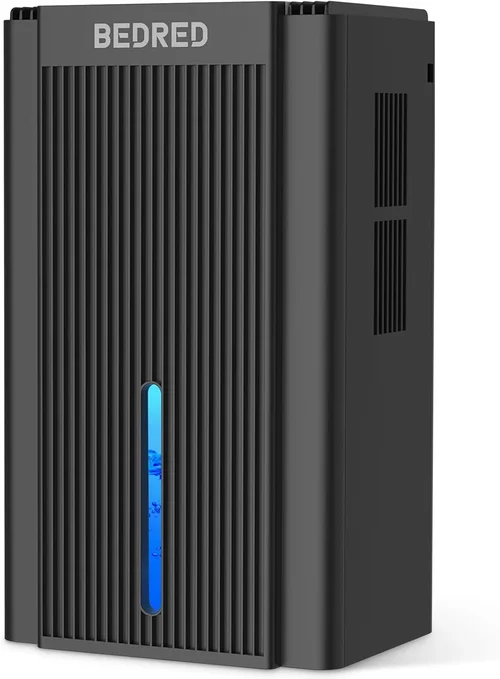
❌ Mistake: Buying a Standard Dehumidifier for Cold Spaces
Why it’s bad: Standard refrigerant dehumidifiers are designed for warm, humid environments like living rooms or laundry areas. When placed in a cold basement or garage, their coils freeze within hours, causing the unit to shut down or cycle erratically. This not only fails to control moisture but can also damage the compressor over time.
What to do instead: Always verify that the model is specifically rated for low-temperature operation. Look for phrases like “cold climate certified” or check the spec sheet for a minimum operating temperature below 50°F.
❌ Mistake: Ignoring Drainage Needs
Why it’s bad: Many buyers assume they’ll just empty the bucket weekly—but in high-moisture areas, a 1-gallon tank may fill in less than 24 hours. Constant manual emptying is inconvenient and risks overflow if forgotten, leading to water damage or mold.
What to do instead: Choose a model with continuous drainage capability. If your space has a floor drain or sump pit, opt for gravity drainage. For elevated installations or distant drains, select a unit with a built-in pump.
❌ Mistake: Overlooking Energy Efficiency
Why it’s bad: A dehumidifier that runs 10–12 hours daily can significantly increase your electricity bill—especially if it’s inefficient. Older or budget models may consume 600–800 watts, costing over $100/year in operation.
What to do instead: Prioritize ENERGY STAR-certified models with high Energy Factor ratings. Use a Kill-A-Watt meter to measure actual consumption before committing to long-term use.
❌ Mistake: Choosing Based Solely on Price
Why it’s bad: The cheapest dehumidifier often comes with compromises: weaker compressors, thinner coils, shorter warranties, and poor cold-weather performance. You may end up replacing it within 1–2 years.
What to do instead: View your purchase as a long-term investment in home health. Spend slightly more for a reputable brand with proven cold-air performance and at least a 2-year warranty.
❌ Mistake: Not Considering Noise in Living Adjacent Areas
Why it’s bad: If your basement doubles as a home gym, office, or playroom, a loud dehumidifier (60+ dB) can be disruptive. Some units produce noticeable vibration that transfers through floors.
What to do instead: Check decibel ratings and look for noise-reduction features. Place the unit on a rubber mat and ensure it’s not touching walls or furniture to minimize resonance.
❌ Mistake: Skipping the Humidistat
Why it’s bad: Running a dehumidifier continuously without humidity feedback leads to over-drying, which can crack wood, damage finishes, and increase static electricity. It also wastes energy.
What to do instead: Always choose a model with a built-in humidistat. Set it to 40–50% RH for optimal comfort and protection.
❌ Mistake: Assuming All “Basement” Models Are Cold Air Rated
Why it’s bad: Some manufacturers market units as “ideal for basements” but don’t specify low-temperature operation. These may work fine in a heated basement but fail in unconditioned spaces during winter.
What to do instead: Read the fine print. Confirm the minimum operating temperature in the technical specifications—not just the marketing copy.
Budget Guidelines: How Much Should You Spend?
Entry-Level ($150–$250): At this price point, you’ll find basic cold air dehumidifiers with limited capacity (20–30 PPD), smaller buckets, and minimal smart features. Brands like Eva-Dry and Ivation offer reliable mini or mid-size options suitable for light moisture in small spaces (under 800 sq ft). Expect shorter warranties (1 year) and higher noise levels. Best for occasional use or secondary spaces.
Mid-Range ($250–$450): This is the sweet spot for most homeowners. Models in this range (e.g., hOmeLabs HME020034N, AlorAir Sentinel HD55) deliver 30–50 PPD, operate down to 41°F, include gravity drains, and often feature digital humidistats and washable filters. Many are ENERGY STAR certified and come with 2–3 year warranties. Ideal for average basements, garages, or crawl spaces with moderate humidity.
Premium ($450–$700): Premium cold air dehumidifiers offer advanced defrost technology, rotary compressors, condensate pumps, and superior build quality. Brands like AprilAire and Santa Fe dominate this tier, with capacities up to 70 PPD and ultra-low temp operation (38°F). These units are built for heavy-duty use, commercial applications, or homes with chronic moisture issues. Expect 5-year compressor warranties and quiet operation.
Luxury ($700+): At the top end, you’ll find whole-house integrated systems or industrial-grade portable units designed for extreme conditions. These may include Wi-Fi connectivity, multi-stage filtration, remote sensors, and professional installation support. While overkill for most residential needs, they’re ideal for large estates, historic homes, or properties in high-humidity regions with year-round cold basements.
Expert Tips for Getting the Best Deal
1. Buy During Off-Peak Seasons: Dehumidifier demand peaks in spring and summer. Shop in late fall or winter (October–February) when retailers discount older inventory to clear space for air conditioners. You can often save 15–25% during these months.
2. Compare Total Cost of Ownership: A cheaper unit with high energy consumption may cost more over 5 years than a pricier, efficient model. Use online calculators to estimate annual operating costs based on local electricity rates.
3. Check Retailer Return Policies: Some stores (like Costco or Home Depot) offer generous return windows (90 days or more). This gives you time to test the unit in your actual environment and ensure it performs as expected in cold conditions.
4. Look for Bundle Deals: Occasionally, manufacturers offer bundles with replacement filters, drain hoses, or humidity monitors at a discount. These add-ons can save you $30–$50 over time.
5. Verify Warranty Coverage for Cold Use: Contact customer service before buying to confirm that operating the unit in temperatures below 50°F won’t void the warranty. Some brands explicitly exclude cold-weather operation from coverage.
6. Read Verified Purchase Reviews: Focus on reviews from buyers who used the unit in similar conditions (e.g., “garage in Minnesota” or “unheated basement”). These provide the most realistic performance insights.
7. Consider Refurbished or Open-Box Units: Reputable sellers like Amazon Renewed or manufacturer-certified refurbished programs offer significant savings (20–40% off) with full warranties. Ensure the unit includes all original accessories.
8. Test Before Committing Long-Term: Run the dehumidifier for at least one full cold season (e.g., December–March) to evaluate its performance. If it struggles to maintain humidity or cycles excessively, consider upgrading before the return window expires.

Frequently Asked Questions
Q: Can a cold air dehumidifier be used in a heated basement?
A: Absolutely. Cold air dehumidifiers work in both heated and unheated spaces. Their low-temperature capability simply means they won’t fail when the thermostat drops—but they’ll perform even better in warmer conditions due to higher air moisture content.
Q: Will a cold air dehumidifier heat my basement?
A: No. Like all refrigerant dehumidifiers, it removes moisture by cooling air over cold coils, then reheats it slightly before exhausting it back into the room. The net effect is minimal heating—typically 2–5°F—but it won’t replace a space heater.
Q: How often should I clean the filter?
A: Clean the air filter every 2–4 weeks during heavy use, or monthly during lighter seasons. A clogged filter restricts airflow, reducing efficiency and forcing the unit to work harder.
Q: Can I use a cold air dehumidifier in an RV or boat?
A: Yes, but choose a compact, low-wattage model (under 500W) to avoid draining your battery. Desiccant types are often better for very cold or fluctuating temperatures in mobile applications.
Q: What humidity level should I aim for?
A: For most homes, maintain 30–50% relative humidity. Below 30%, you risk dry air issues; above 50%, mold and dust mites thrive. Use a separate hygrometer to verify readings, as built-in sensors can drift over time.
Q: Do cold air dehumidifiers need special maintenance?
A: Beyond regular filter cleaning, inspect coils annually for dust buildup and ensure drainage lines remain unobstructed. In freezing climates, disconnect and store the unit if the space will be below 32°F for extended periods.
Q: Are desiccant dehumidifiers better than refrigerant ones for cold air?
A: Desiccant models excel in very cold or dry conditions (<40°F) because they don’t rely on condensation. However, they’re generally less efficient at removing large volumes of moisture and consume more energy. Refrigerant types are better for high-moisture cold spaces.
Q: Can I run a cold air dehumidifier 24/7?
A: Yes, especially if equipped with a humidistat. Continuous operation is common in basements with persistent moisture. Just ensure proper drainage and periodic maintenance.
Q: Will a dehumidifier prevent mold?
A: It significantly reduces the risk by keeping humidity below 50%, but it won’t eliminate existing mold. Address any visible growth with proper cleaning and ventilation before relying solely on a dehumidifier.
Q: How do I know if my space needs a dehumidifier?
A: Signs include musty odors, condensation on windows or walls, peeling paint, warped wood, or visible mold. Use a hygrometer to confirm humidity levels above 55%.
Our Final Recommendations
Best for Budget-Conscious Buyers: Ivation IVADM35 – At under $250, this 35-pint model operates down to 41°F, includes a gravity drain hose, and features a digital humidistat. It’s ideal for small basements or garages with light to moderate moisture.
Best Overall Value: hOmeLabs HME020034N – With 50-pint capacity, ENERGY STAR certification, and reliable cold-air performance, this mid-range winner balances price, efficiency, and durability. The included pump option makes it versatile for various installations.
Best Premium Option: AprilAire E080V – Designed for whole-home integration or large basements, this 80-pint powerhouse operates efficiently in temperatures as low as 38°F. Its commercial-grade build, 5-year warranty, and smart controls justify the higher price for serious moisture problems.
Best for Beginners: Eva-Dry Edv-1100 – This compact, no-frills desiccant dehumidifier is perfect for small spaces like closets, gun safes, or RVs. It’s silent, requires no drainage, and works in extreme cold—ideal for first-time users with simple needs.
Best for Advanced Users: AlorAir Sentinel HD90 – Built for contractors and homeowners with severe moisture challenges, this 90-pint unit features a rotary compressor, auto-defrost, and dual drainage options. Its rugged design and 5-year warranty make it a long-term solution for demanding environments.
Conclusion: Making the Right Choice
Choosing the right cold air dehumidifier isn’t just about picking the biggest or cheapest model—it’s about matching the unit’s capabilities to your specific environment, moisture level, and usage patterns. By prioritizing operating temperature range, drainage options, energy efficiency, and build quality, you’ll avoid common pitfalls and invest in a solution that delivers lasting results.
Remember, the goal isn’t just to remove water from the air—it’s to create a healthier, safer, and more comfortable living space. Whether you’re protecting family health from mold spores, preserving valuable belongings in a basement, or maintaining structural integrity in a cold crawl space, the right dehumidifier makes all the difference.
Take the time to assess your needs, compare models using the criteria outlined in this guide, and don’t hesitate to spend a little more for reliability and peace of mind. With the information and recommendations provided here, you’re now equipped to make a confident, informed decision in 2026 and beyond. Your home—and your wallet—will thank you.