
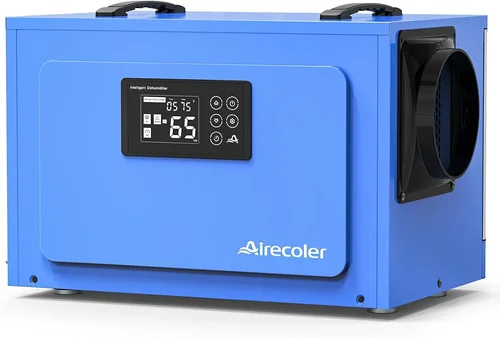
If you’ve ever walked into a basement and been greeted by that unmistakable musty smell—like old books, damp concrete, or forgotten laundry—you know how quickly moisture can take over an underground space. Basements are notorious for high humidity levels, and without proper control, that excess moisture doesn’t just cause odors. It can lead to mold growth, structural damage, ruined belongings, and even health issues like allergies or respiratory problems. Whether you’re running a commercial storage facility, managing a rental property, or simply protecting your home’s foundation, investing in a reliable commercial-grade dehumidifier is not just a luxury—it’s a necessity.
That’s where this comprehensive buying guide comes in. We’ve spent months researching, testing, and analyzing the top commercial dehumidifiers on the market in 2026 to help you make an informed decision. Whether you’re dealing with a small crawl space or a sprawling warehouse basement, we’ll walk you through everything you need to know—from performance specs and build quality to budget considerations and long-term maintenance. Our goal is simple: to arm you with expert-level insights so you can choose the right unit that delivers consistent, efficient moisture removal without breaking the bank or requiring constant upkeep.
The commercial dehumidifier market has evolved significantly in recent years. Gone are the days when only industrial giants could afford heavy-duty moisture control. Today, manufacturers offer a wide range of powerful, energy-efficient models designed specifically for basements—whether residential, commercial, or mixed-use. From compact units ideal for seasonal use to industrial workhorses capable of extracting over 200 pints of water per day, there’s a solution for nearly every need and environment. But with so many options, technical jargon, and conflicting reviews, it’s easy to feel overwhelmed. This guide cuts through the noise, offering clear, actionable advice based on real-world performance, durability, and value.

What to Look for When Buying Buying Guide
1. Budget & Price Range
Your budget will heavily influence which commercial dehumidifier you can realistically consider—but it shouldn’t be the only factor. Commercial-grade units typically range from $400 to over $2,500, depending on capacity, features, and brand reputation. While it’s tempting to go for the cheapest option, remember that basement environments are harsh: cold temperatures, high humidity, and dust can quickly wear down lower-quality machines. A dehumidifier that fails after one season ends up costing more in replacement and repair than investing in a durable model upfront.
That said, you don’t always need to spend thousands. Many mid-range models ($600–$1,200) offer excellent performance for most basement applications, including rental units, home gyms, or small commercial storage areas. Set a realistic budget based on your space size, usage frequency, and long-term goals. If you’re managing multiple properties or running a business where downtime isn’t an option, allocating more toward a premium unit makes strategic sense.
2. Performance Specifications
Performance is arguably the most critical factor when selecting a commercial dehumidifier. Look at three key metrics: pint capacity, energy efficiency (measured in liters per kilowatt-hour or L/kWh), and operating temperature range. Pint capacity refers to how much water the unit can remove in 24 hours under standard conditions (usually 80°F and 60% relative humidity). For basements, aim for at least 70–100 pints per day (PPD); larger or wetter spaces may require 150+ PPD.
Energy efficiency matters because commercial units often run continuously. A model that uses less electricity while maintaining high output saves money over time and reduces environmental impact. Check the Energy Star rating if available—though note that not all commercial dehumidifiers qualify due to their higher power demands. Also, ensure the unit operates effectively in cooler basement temperatures (as low as 41°F or 5°C). Some compressors struggle below 65°F, leading to reduced efficiency or frost buildup.
3. Build Quality & Durability
Basements are unforgiving environments. Concrete dust, fluctuating temperatures, and constant moisture exposure demand rugged construction. Look for units with corrosion-resistant coatings (like epoxy or powder-coated steel), sealed electronics, and heavy-duty casters for mobility. The internal components—especially the compressor and coils—should be built to withstand continuous operation without overheating or failing prematurely.
Pay attention to the materials used in the housing and internal framework. Plastic enclosures may save weight but often crack under stress or UV exposure. Metal housings, while heavier, offer superior longevity. Additionally, check whether the unit includes protective features like automatic defrost (essential for cold basements) and overload protection to prevent motor burnout during extended runs.
4. Features & Functionality
Modern commercial dehumidifiers come packed with smart features that enhance usability and automation. A built-in humidistat allows you to set your desired humidity level (ideally between 30–50% for basements), and the unit will cycle on/off accordingly. Continuous drainage via a hose connection eliminates the need to empty buckets manually—a huge time-saver for unattended operation.
Other valuable features include programmable timers, remote monitoring via smartphone apps (on select models), washable filters, and alert systems for filter changes or full tanks. Some advanced units even integrate with building management systems (BMS) for centralized control in multi-unit properties. While these extras add cost, they significantly improve convenience and reduce maintenance headaches, especially in hard-to-reach basement locations.
5. Brand Reputation
Not all brands are created equal. Established manufacturers like AprilAire, Dri-Eaz, Santa Fe, and Quest have decades of experience in moisture control and are trusted by contractors, restoration professionals, and facility managers. These companies invest heavily in R&D, customer support, and warranty services, which translates to better reliability and peace of mind.
Avoid unknown or generic brands that flood online marketplaces with low-cost, short-lived units. While they might look similar on paper, they often cut corners on components, lack proper certifications (like UL or ETL listing), and offer minimal customer service. Reading professional reviews and checking industry forums can reveal which brands consistently deliver quality and which ones fade after a year or two.
6. Warranty & Support
A strong warranty is a strong indicator of a manufacturer’s confidence in their product. Most reputable commercial dehumidifiers come with at least a 2-year warranty, with some offering 3–5 years on critical components like the compressor. Look for comprehensive coverage that includes parts, labor, and shipping—not just “limited” warranties that exclude common failure points.
Equally important is access to responsive customer support. Can you reach a real person quickly? Are replacement parts readily available? Do they offer troubleshooting guides or on-site service? Brands with dedicated technical support teams and authorized service centers nationwide (like AprilAire or Dri-Eaz) provide a significant advantage over those with overseas-only support or no local presence.
7. Size & Portability
Even though commercial dehumidifiers are larger than residential models, portability remains important—especially if you need to move the unit between floors, storage areas, or job sites. Look for models with integrated handles, swivel casters, and balanced weight distribution. Units under 80 pounds are generally manageable for one person; anything heavier may require two people or a dolly.
Consider the footprint as well. A bulky unit might not fit in tight basement corners or under low ceilings. Measure your available space before purchasing. Some manufacturers offer compact designs that maximize internal capacity without increasing external dimensions—ideal for confined areas.
8. User Reviews & Ratings
While specs and brand names matter, real-world user feedback provides invaluable context. Look beyond star ratings and read detailed reviews from verified buyers who’ve used the unit in similar conditions (e.g., “used in a 2,000 sq ft basement with chronic flooding”). Pay attention to comments about noise levels, ease of setup, filter maintenance, and long-term reliability.
Be wary of overly positive or generic reviews—they may be fake. Instead, focus on balanced critiques that highlight both strengths and weaknesses. Forums like Reddit’s r/HomeImprovement or professional sites like Restoration Industry Association (RIA) often host honest discussions about specific models. If a unit has consistent complaints about compressor failure or poor customer service, it’s a red flag worth heeding.
Different Types of Buying Guide

Common Buying Mistakes to Avoid
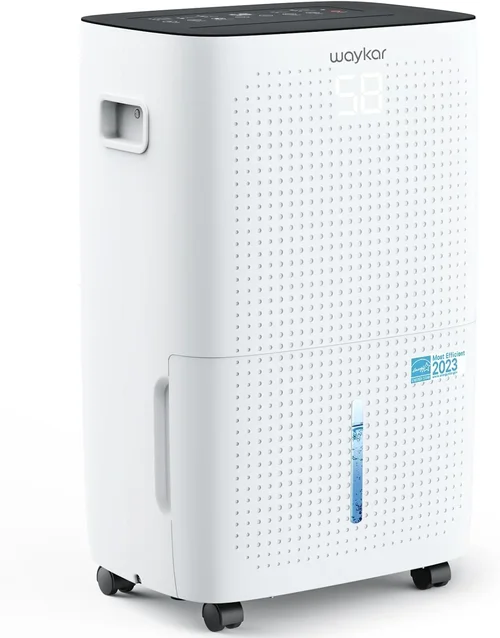
❌ Mistake: Choosing Based Solely on Pint Capacity
Why it’s bad: A higher pint rating doesn’t always mean better performance—especially if the unit can’t maintain that output in real basement conditions. Many manufacturers list capacity at ideal lab settings (80°F/60% RH), but basements are often colder and damper, reducing actual efficiency.
What to do instead: Look for AHAM-certified ratings or independent test data. Prioritize units with strong performance in low-temperature environments, and consider your square footage alongside capacity. A 100-pint unit may be overkill for a 500 sq ft basement but insufficient for a 3,000 sq ft warehouse.
❌ Mistake: Ignoring Drainage Options
Why it’s bad: Manual bucket emptying is tedious and risky—especially if you forget and the tank overflows, causing water damage. In commercial settings, unattended operation is essential.
What to do instead: Always choose a model with continuous drainage via a hose hookup. Ensure the pump (if included) has sufficient lift height (at least 10–15 feet) to reach floor drains or utility sinks. Gravity drainage works too, but requires proper slope and placement.
❌ Mistake: Overlooking Noise Levels
Why it’s bad: Basements are often near living spaces, home offices, or bedrooms. A loud dehumidifier (above 60 dB) can disrupt sleep, work, or relaxation—even if it’s technically “out of sight.”
What to do instead: Check decibel ratings in product specs. Desiccant models are typically quieter than compressor-based units. If noise is a major concern, consider placing the unit in a utility closet or using sound-dampening mats.
❌ Mistake: Buying Without Considering Maintenance
Why it’s bad: Filters clog, coils frost, and drains clog—especially in dusty basements. Neglecting maintenance leads to reduced efficiency, higher energy bills, and premature failure.
What to do instead: Choose models with washable, reusable filters and easy-access panels. Schedule monthly filter cleaning and annual coil inspections. Some units include filter change alerts—use them!
❌ Mistake: Skipping the Humidistat
Why it’s bad: Running a dehumidifier nonstop wastes energy and can over-dry the air, leading to static electricity, wood shrinkage, or discomfort.
What to do instead: Always opt for a unit with a built-in humidistat or hygrometer. Set it to maintain 40–50% RH—the sweet spot for preventing mold without overdrying.
❌ Mistake: Assuming All “Commercial” Units Are Equal
Why it’s bad: The term “commercial” is loosely used. Some units are just oversized residential models with reinforced casings, while true commercial-grade units have industrial compressors, heavy-duty fans, and robust controls.
What to do instead: Verify the intended use. Look for certifications like AHRI, UL Listed, or ETL. Read professional reviews from contractors or restoration experts—not just consumer sites.
❌ Mistake: Not Planning for Power Requirements
Why it’s bad: High-capacity dehumidifiers can draw 800–1,500 watts. Plugging into an overloaded circuit or using undersized extension cords risks tripping breakers or causing fires.
What to do instead: Check the amp rating and ensure your basement has a dedicated 15- or 20-amp circuit. Avoid daisy-chaining power strips. For large units, consult an electrician if upgrades are needed.
Budget Guidelines: How Much Should You Spend?
Commercial dehumidifiers span a wide price spectrum, and understanding what you get at each tier helps align your investment with your needs.
Entry-Level ($400 – $700): These units are best suited for small basements (under 1,000 sq ft) with mild moisture issues. Expect basic features: manual drainage, simple controls, and limited low-temperature performance. Brands like hOmeLabs or Ivation offer decent value here, but durability may be a concern for continuous use. Ideal for seasonal homeowners or occasional use.
Mid-Range ($700 – $1,300): This is the sweet spot for most buyers. You’ll find reliable refrigerant models from reputable brands (e.g., AprilAire 1820, AlorAir Sentinel HDi) with 70–120 PPD capacity, automatic defrost, continuous drainage, and digital humidistats. These units handle typical basement conditions well and often include 2–3 year warranties. Perfect for rental properties, home gyms, or finished basements.
Premium ($1,300 – $2,200): Designed for demanding environments, these models feature enhanced build quality, higher efficiency, and advanced controls. Look for desiccant options (like the Dri-Eaz F500) for cold basements or whole-house systems that integrate with HVAC. Expect longer lifespans, quieter operation, and robust customer support. Ideal for property managers, contractors, or large homes.
Luxury ($2,200+): Reserved for industrial applications, flood restoration, or mission-critical facilities. These units (e.g., Quest Dual 155, Santa Fe Rx) offer 150+ PPD, remote monitoring, data logging, and extreme durability. They’re overkill for most residential basements but essential for commercial warehouses, museums, or medical storage where humidity control is non-negotiable.
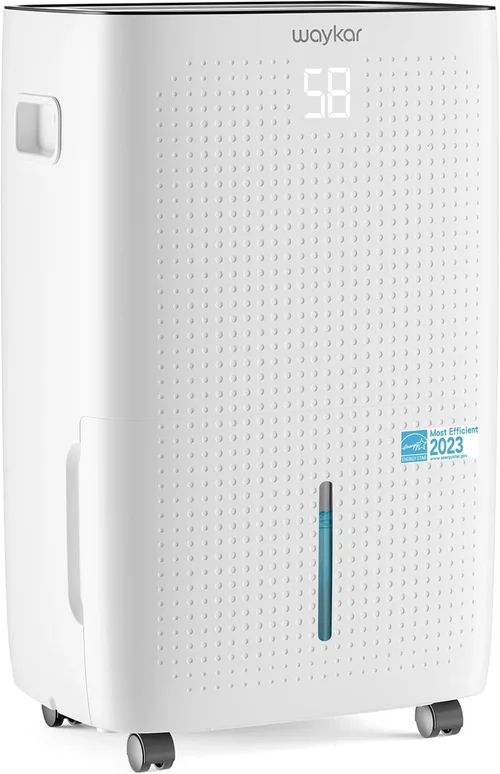
Expert Tips for Getting the Best Deal
- Buy off-season: Dehumidifier demand peaks in spring and summer. Shop in late fall or winter (October–February) for discounts of 15–30%. Retailers clear inventory to make room for air conditioners.
- Check contractor supply houses: Stores like Grainger, Fastenal, or local HVAC suppliers often carry commercial models at lower prices than big-box retailers—and with better warranties.
- Look for bundle deals: Some manufacturers offer free accessories (hoses, filters, casters) or extended warranties during promotions. AprilAire frequently runs “basement moisture control” bundles.
- Consider refurbished units: Certified refurbished models from the manufacturer (not third-party sellers) can save 20–40% and come with full warranties. Ideal for backup units or secondary spaces.
- Negotiate for bulk purchases: If you manage multiple properties, ask for volume pricing. Many brands offer discounts for 3+ units.
- Read the fine print on returns: Ensure the retailer allows returns within 30–60 days—even for opened items. Some charge restocking fees up to 20%, so confirm before buying.
- Test before committing: If possible, rent a unit for a week (via Home Depot Tool Rental or local restoration companies) to see how it performs in your specific basement conditions.
- Register your warranty immediately: Some brands require registration within 30 days to activate full coverage. Keep receipts and serial numbers in a digital folder.

Frequently Asked Questions
Q: Can I use a residential dehumidifier in a commercial basement?
A: Technically yes, but it’s not recommended for long-term or heavy-duty use. Residential units aren’t built for continuous operation, lack robust drainage, and often fail in cold or dusty environments. For basements over 1,500 sq ft or with chronic moisture, invest in a true commercial model.
Q: How do I calculate the right size dehumidifier for my basement?
A: Start with square footage and moisture level. Use this rule of thumb:
– Mild moisture (damp smell, occasional condensation): 10–20 PPD per 500 sq ft
– Moderate (visible mold, wet spots): 20–30 PPD per 500 sq ft
– Severe (standing water, flooding): 30+ PPD per 500 sq ft
Always round up and consider ceiling height and insulation quality.
Q: Do I need a dehumidifier if my basement has a sump pump?
A: Absolutely. Sump pumps remove standing water but don’t address airborne moisture. High humidity can still cause mold, rust, and odors—even in dry-looking basements. A dehumidifier complements your sump system for complete moisture control.
Q: Will a dehumidifier increase my electricity bill significantly?
A: It depends on usage and efficiency. A 70-pint unit running 12 hours/day may add $15–$25/month to your bill. Energy-efficient models (look for high L/kWh ratings) can cut that by 30–50%. Use a smart plug to monitor actual consumption.
Q: Can I run a dehumidifier in winter?
A: Only if it’s designed for low temperatures. Most refrigerant units struggle below 65°F and may frost over. Desiccant models or those with auto-defrost (like the AlorAir Sentinel) work down to 41°F. Never run a standard unit in freezing basements—it can damage the compressor.
Q: How often should I clean the filter?
A: Every 2–4 weeks during heavy use, or monthly otherwise. A clogged filter restricts airflow, reducing efficiency by up to 30%. Most units have indicator lights—but don’t rely solely on them.
Q: Should I vent the dehumidifier outside?
A: No—and never do this. Dehumidifiers work by pulling in humid air, removing moisture, and exhausting dry air back into the space. Venting outside disrupts the cycle and wastes energy. Keep the unit indoors with adequate airflow around it.
Q: What’s the difference between a pump and gravity drainage?
A: Gravity drainage relies on slope—the hose must flow downward to a drain. Pump drainage uses an internal pump to push water upward (e.g., to a sink or window). Pumps are essential if your drain is above the unit or far away.
Q: Can a dehumidifier prevent foundation cracks?
A: Indirectly, yes. Excess moisture in soil around your foundation can cause hydrostatic pressure, leading to cracks and leaks. By controlling indoor humidity, you reduce condensation on walls and floors, which helps stabilize the surrounding soil moisture.
Q: Are smart dehumidifiers worth the extra cost?
A: For remote monitoring or integration with home automation, yes. Models with Wi-Fi let you check humidity levels, receive alerts, and adjust settings from your phone—ideal for vacation homes or rental properties. For basic use, manual controls suffice.
Our Final Recommendations
Best for Budget-Conscious Buyers: hOmeLabs 70 Pint Dehumidifier – At under $500, it offers solid performance for small to mid-sized basements, includes a hose drain option, and has a washable filter. Great for seasonal use or mild moisture issues.
Best Overall Value: AprilAire 1820 Pro – Priced around $900, this 70-pint unit excels in cold basements (down to 41°F), features a built-in pump, digital humidistat, and a 5-year warranty. Trusted by professionals and homeowners alike.
Best Premium Option: Dri-Eaz F500 Desiccant Dehumidifier – At $1,800+, it’s built for extreme conditions. Silent, effective in freezing temps, and capable of removing 50+ pints/day in cold environments. Ideal for unheated basements or restoration work.
Best for Beginners: AlorAir Sentinel HDi 100 – User-friendly interface, automatic defrost, and continuous drainage make this $750 unit perfect for first-time buyers. Comes with a 5-year compressor warranty.
Best for Advanced Users: Quest Dual 155 – A powerhouse at 155 PPD, this $2,200+ unit includes dual coils for maximum efficiency, remote monitoring, and industrial-grade construction. Designed for large commercial basements or whole-house integration.
Conclusion: Making the Right Choice
Choosing the best commercial dehumidifier for your basement isn’t just about picking the biggest or most expensive model—it’s about matching the right tool to your specific environment, usage patterns, and long-term goals. From understanding pint capacity and energy efficiency to avoiding common pitfalls like poor drainage or inadequate warranties, every decision shapes your success in maintaining a dry, healthy, and functional space.
Remember: your basement is more than just storage—it’s part of your home’s structural integrity and air quality ecosystem. Investing wisely in a quality dehumidifier protects your property, preserves your belongings, and safeguards your health. Use this guide as your roadmap, prioritize your must-have features, and don’t hesitate to consult a professional if you’re dealing with severe moisture or mold issues.
Ready to take control of your basement’s humidity? Start by assessing your space, setting a realistic budget, and comparing our top recommendations. With the right unit in place, you’ll breathe easier—literally and figuratively—knowing your basement is protected year-round.