
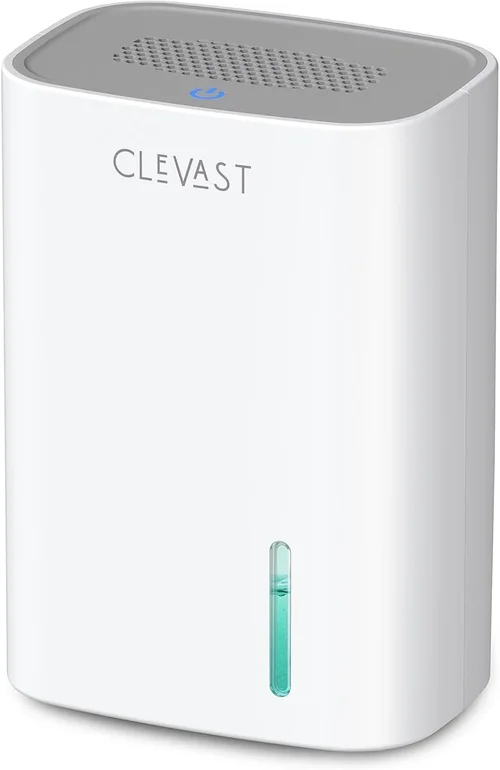
If you’ve ever woken up to condensation on your windows, noticed a musty smell in your wardrobe, or spotted black mould creeping along the corners of your bathroom walls, you already know how disruptive excess moisture can be in a UK home. High humidity isn’t just uncomfortable—it can trigger allergies, damage furniture, and even compromise the structural integrity of your property over time. In a climate like Britain’s, where dampness is a year-round concern due to frequent rain, high rainfall averages, and often poor ventilation in older homes, managing indoor humidity isn’t a luxury—it’s a necessity. That’s where compact dehumidifiers come in: small, efficient appliances designed to extract excess moisture from the air without taking up much space or costing a fortune to run.
This comprehensive buyer’s guide is designed to help you navigate the crowded and often confusing market of compact dehumidifiers available in the UK in 2026. Whether you’re dealing with a damp basement flat in Manchester, a humid bathroom in Brighton, or simply want to protect your clothes and electronics from moisture damage in a small London apartment, this guide will equip you with everything you need to make an informed decision. We’ll walk you through the key factors to consider—from performance specs and energy efficiency to noise levels and smart features—and compare different types of compact models so you can find the perfect fit for your space and budget. You’ll also learn about common pitfalls to avoid, how much you should realistically spend, and expert tips for getting the best value. By the end, you’ll not only understand what makes one dehumidifier better than another but also know exactly which model aligns with your lifestyle, home environment, and long-term goals.
The compact dehumidifier market in the UK has evolved significantly over the past few years. Once dominated by bulky, noisy machines with limited functionality, today’s models are smarter, sleeker, and more efficient than ever. Brands like Meaco, EcoAir, Pro Breeze, and Duronic have led the charge in innovation, introducing units with advanced humidity sensors, automatic shut-off, washable filters, and even app connectivity. At the same time, budget-friendly options from retailers like Argos, Wilko, and Amazon have made dehumidification accessible to a wider audience. However, with so many choices—ranging from £30 mini units to £300+ premium models—it’s easy to feel overwhelmed. Some buyers end up with underpowered devices that can’t keep up with their home’s humidity levels, while others overspend on features they’ll never use. This guide cuts through the noise, offering clear, practical advice based on real-world testing, expert insights, and user feedback. Our goal isn’t to push a specific brand or model, but to empower you with the knowledge to choose wisely—so you can enjoy drier, healthier, and more comfortable living spaces without breaking the bank.
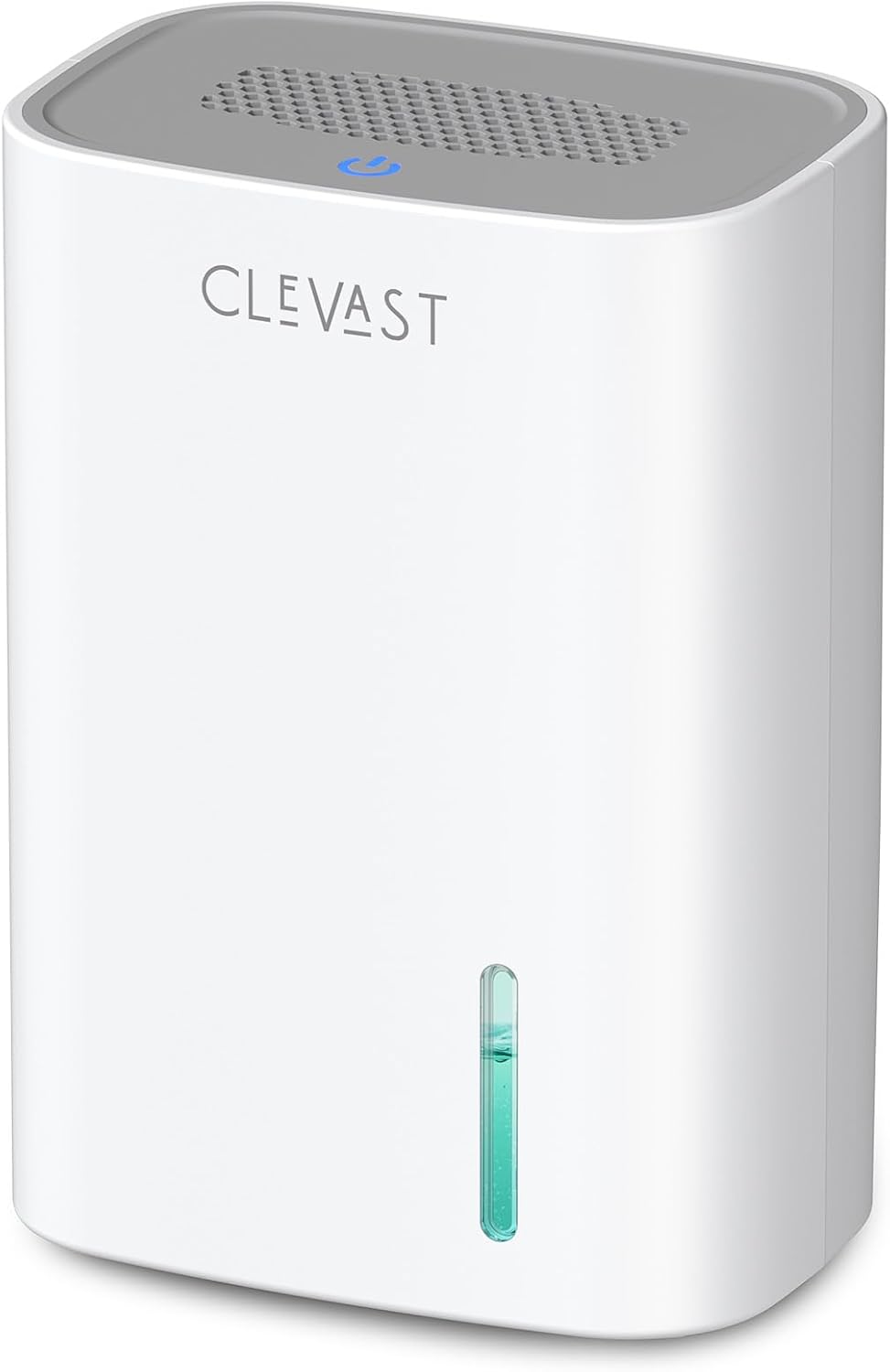
What to Look for When Buying a Compact Dehumidifier
1. Moisture Extraction Capacity
The most critical specification when choosing a compact dehumidifier is its moisture extraction capacity, typically measured in litres per day (L/day). This tells you how much water the unit can remove from the air over a 24-hour period under standard conditions (usually 30°C and 80% relative humidity). For compact models, this typically ranges from 1L/day for ultra-small units to around 5–6L/day for larger compact versions. In the UK, where average indoor humidity hovers between 60–70%, a dehumidifier with at least 2–3L/day capacity is recommended for a single room (e.g., bedroom or living room), while 4–5L/day is better suited for damp-prone areas like bathrooms, kitchens, or small flats. Underpowered units may struggle to make a noticeable difference, especially during colder months when air holds less moisture and extraction becomes harder. Always check the manufacturer’s stated capacity under realistic conditions—some brands inflate numbers using ideal lab settings that don’t reflect real-world use.
2. Tank Size and Auto Shut-Off
Compact dehumidifiers come with built-in water tanks that need to be emptied manually once full. Tank size directly affects how often you’ll need to do this—a smaller tank (e.g., 0.5–1L) might require daily emptying in humid conditions, while a 2–3L tank can go several days without attention. For convenience, look for models with an auto shut-off feature that stops the unit when the tank is full, preventing overflow and water damage. Some premium compact units also include a continuous drainage option via a hose, which is ideal if you plan to run the dehumidifier unattended for long periods (e.g., overnight or while at work). If you’re considering a model without drainage, ensure the tank is easy to remove and pour—awkward designs can lead to spills and frustration.
3. Energy Efficiency and Running Costs
Since dehumidifiers often run for hours each day, energy consumption is a major factor in long-term affordability. Check the unit’s power rating (measured in watts, W) and look for models with an A+++ energy label or equivalent efficiency certification. In the UK, electricity costs around 28p per kWh (as of early 2026), so a 200W dehumidifier running 8 hours daily would cost roughly £16 per month. More efficient models use advanced compressor technology or desiccant systems that consume less power while maintaining performance. Desiccant dehumidifiers, for example, tend to be quieter and work better in colder temperatures (below 15°C), but they generally use more energy than compressor-based units. Always balance upfront cost with running expenses—a slightly pricier but highly efficient model can save you money over time.
4. Noise Level
Noise is a crucial consideration, especially if you plan to use the dehumidifier in a bedroom, study, or open-plan living area. Compact dehumidifiers typically range from 35dB (very quiet, like a whisper) to 50dB (comparable to a quiet conversation). Compressor models tend to be louder due to the mechanical operation of the cooling system, while desiccant units are generally quieter but may produce a low hum from the fan. If noise is a top priority, look for units specifically marketed as “silent” or “ultra-quiet,” and check user reviews for real-world feedback—manufacturer specs can sometimes be optimistic. Some models also include a night mode that reduces fan speed and dims indicator lights for undisturbed sleep.
5. Size, Weight, and Portability
By definition, compact dehumidifiers are designed to fit into smaller spaces—under beds, in wardrobes, or on shelves—but “compact” can still vary widely. Measure your intended placement area before buying, and consider the unit’s dimensions, weight, and handle design. A lightweight model (under 5kg) with a built-in carry handle is ideal for moving between rooms, while heavier units may be better left in one location. Some models feature a slim vertical design that slips easily into tight spaces, while others have a wider footprint but offer greater capacity. Also check for cord length and plug placement—short cords or awkwardly positioned plugs can limit where you can place the unit, especially in rooms with limited socket access.
6. Smart Features and Controls
Modern compact dehumidifiers increasingly include smart features that enhance usability and efficiency. These may include digital humidity displays, programmable timers, automatic humidity control (where the unit adjusts its operation based on ambient moisture levels), and even Wi-Fi connectivity for remote control via smartphone apps. While not essential, these features can significantly improve convenience—imagine setting your dehumidifier to maintain 50% humidity while you’re at work, or receiving a notification when the tank needs emptying. However, be cautious of “feature bloat”: some budget models include flashy displays or app support that drains battery life or complicates operation without adding real value. Focus on features that align with your routine and environment.
7. Filter Type and Maintenance
Most compact dehumidifiers include an air filter to trap dust, allergens, and mould spores as air passes through the unit. Regular cleaning of this filter is essential to maintain performance and prevent odours. Look for models with washable, reusable filters—these are more cost-effective and eco-friendly than disposable ones. Some units also include HEPA or activated carbon filters for enhanced air purification, which can be beneficial for allergy sufferers. Check how easy it is to access and clean the filter: a front-loading design is usually more convenient than one that requires removing the back panel. Neglecting filter maintenance can lead to reduced airflow, louder operation, and even bacterial growth inside the unit.
8. Brand Reputation and Customer Support
Not all compact dehumidifiers are created equal, and brand reputation matters when it comes to reliability, build quality, and after-sales support. Established UK-friendly brands like Meaco and EcoAir have strong track records for durability and responsive customer service, while lesser-known brands may offer lower prices but inconsistent performance or limited warranty coverage. Before purchasing, research the brand’s history, read independent reviews, and check whether they offer UK-based support, spare parts, and clear warranty terms. A reputable brand may cost slightly more upfront but can save you headaches (and repair costs) down the line.
Different Types of Compact Dehumidifiers

Common Buying Mistakes to Avoid
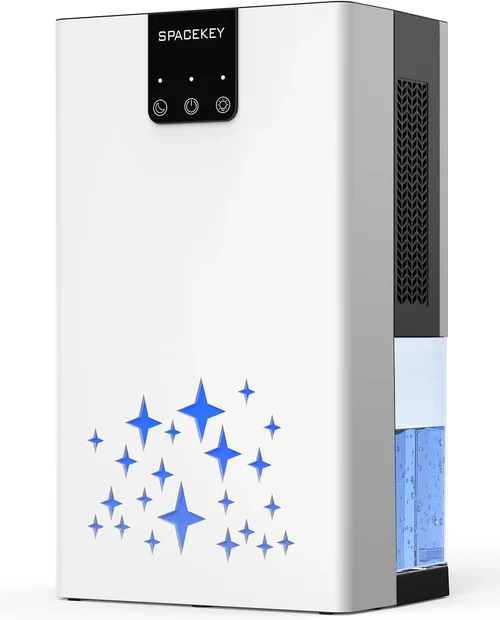
❌ Mistake: Buying Based Solely on Price
Why it’s bad: Opting for the cheapest model available often leads to disappointment. Budget dehumidifiers under £30 may lack sufficient capacity, have tiny tanks, or use inefficient Peltier technology that struggles in real-world conditions. They may also break down quickly, costing more in replacements than a mid-range unit would have.
What to do instead: Set a realistic budget based on your room size and humidity level. A £60–£100 model from a reputable brand typically offers the best balance of performance, durability, and value for most UK households.
❌ Mistake: Ignoring Room Size and Humidity Level
Why it’s bad: A dehumidifier that works well in a small bathroom may be useless in a damp 2-bedroom flat. Similarly, using a compressor model in a cold garage can result in frost buildup and reduced efficiency.
What to do instead: Assess your space honestly. Measure the square footage and consider factors like ventilation, insulation, and seasonal humidity changes. Match the dehumidifier type and capacity to your specific environment—don’t assume “compact” means “one-size-fits-all.”
❌ Mistake: Overlooking Noise Levels
Why it’s bad: A noisy dehumidifier can disrupt sleep, concentration, or relaxation—especially if placed in a bedroom or living area. Many buyers only discover the noise issue after purchase, when it’s too late to return.
What to do instead: Check decibel ratings and read user reviews focusing on noise. If possible, test the unit in-store or choose a model with a dedicated quiet mode.
❌ Mistake: Neglecting Maintenance Requirements
Why it’s bad: Failing to clean filters or empty tanks regularly can lead to mould growth inside the unit, reduced performance, and unpleasant odours. Some users assume dehumidifiers are “set and forget,” but they require basic upkeep.
What to do instead: Choose a model with easy-access, washable filters and a clearly marked tank. Set a monthly reminder to clean the filter and inspect the interior for mould or debris.
❌ Mistake: Assuming All “Compact” Models Are Equal
Why it’s bad: The term “compact” is loosely used—some units are truly space-saving, while others are just smaller versions of full-sized models with reduced capacity and features.
What to do instead: Compare dimensions, weight, and performance specs side by side. Look for units specifically designed for small spaces, not just scaled-down versions of larger appliances.
❌ Mistake: Not Checking Warranty and Support
Why it’s bad: A dehumidifier is an investment. Without a solid warranty, you risk being stuck with a faulty unit and no recourse. Some budget brands offer only 6–12 months coverage, while reputable ones provide 2–5 years.
What to do instead: Prioritise brands with at least a 2-year UK warranty and local customer support. Check if spare parts (like filters or tanks) are readily available.
❌ Mistake: Buying Without Reading Real User Reviews
Why it’s bad: Marketing materials and spec sheets don’t always reflect real-world performance. A unit might claim 3L/day extraction but only achieve 1.5L in a typical UK winter.
What to do instead: Read verified purchase reviews on platforms like Amazon, Argos, or Trustpilot. Look for comments about actual extraction rates, noise, reliability, and ease of use over several months.
Budget Guidelines: How Much Should You Spend?
When it comes to compact dehumidifiers in the UK, your budget should reflect your needs, not just your wallet. Here’s a realistic breakdown of what you can expect at different price points in 2026:
Entry-Level (£20–£50): This range includes basic Peltier and mini desiccant models. They’re ideal for very small spaces like wardrobes, cupboards, or single shelves. Expect low capacity (0.5–1.5L/day), tiny tanks (under 1L), and minimal features. These units are quiet and energy-efficient but won’t make a dent in room-wide humidity. Best for occasional use or targeted moisture control.
Mid-Range (£50–£120): This is the sweet spot for most UK buyers. Models in this tier typically offer 2–4L/day extraction, 1.5–3L tanks, and reliable compressor or desiccant technology. You’ll find features like auto shut-off, washable filters, and basic humidity controls. Brands like Pro Breeze, Duronic, and EcoAir dominate this segment with solid performance and decent build quality. Perfect for bedrooms, bathrooms, or small flats.
Premium (£120–£200): Here, you gain access to advanced features like digital humidity displays, programmable timers, continuous drainage, and improved energy efficiency. Units from Meaco and some higher-end EcoAir models fall into this category. They’re built to last, often with metal casings and better internal components. Ideal for persistent damp issues, larger rooms, or users who value convenience and longevity.
Luxury (£200+): Top-tier compact dehumidifiers include smart connectivity, app control, HEPA filtration, and ultra-quiet operation. These are designed for tech enthusiasts, allergy sufferers, or those with specific air quality needs. While expensive, they offer the best integration with modern smart homes and the most precise humidity management. Only necessary if you demand cutting-edge functionality.
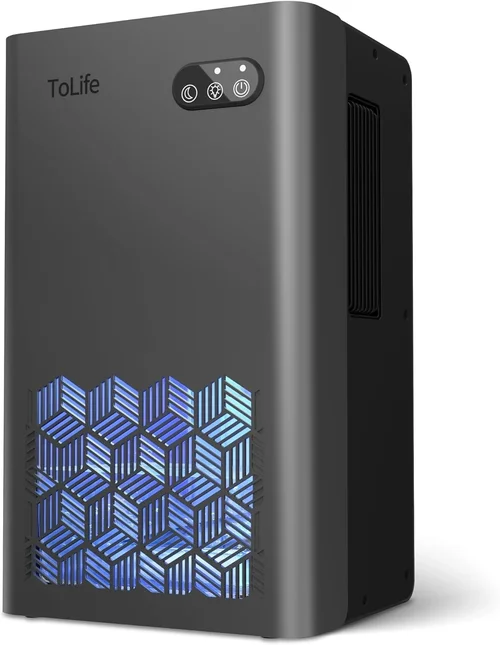
Expert Tips for Getting the Best Deal
Buying a compact dehumidifier doesn’t have to be a gamble. With the right strategy, you can secure a high-performing unit at a fair price. Here are our top expert tips:
- Shop During Off-Peak Seasons: Demand for dehumidifiers peaks in autumn and winter. Buy in spring or early summer (March–June) when retailers often discount last year’s models to clear stock. You can save 15–30% compared to peak-season prices.
- Compare Retailers: Don’t limit yourself to one store. Check prices on Amazon, Argos, Wilko, Currys, and specialist appliance sites like Appliances Direct. Use price-tracking tools like CamelCamelCamel (for Amazon) to monitor fluctuations.
- Look for Bundle Deals: Some retailers offer discounts when you buy a dehumidifier with other home appliances (e.g., air purifiers or heaters). Even if you don’t need the extras, the combined discount might make it worthwhile.
- Check for Student, NHS, or Senior Discounts: Brands like Meaco and EcoAir occasionally offer exclusive discounts for public sector workers or students. Always ask or search for promo codes before checking out.
- Prioritise Extended Warranties: If a model comes with only a 1-year warranty, consider purchasing an extended cover—especially if it’s a mid-range or premium unit. This protects against unexpected failures.
- Test Before Committing: If buying in-store, ask to see a demo unit in action. Listen to the noise level and check the control layout. Online? Look for video reviews that show the unit running.
- Read the Return Policy: Ensure the retailer offers at least a 14-day return window (30 days is better). Some budget models may perform poorly in your specific environment, and you’ll want the option to swap or refund.
- Consider Refurbished or Open-Box Units: Certified refurbished models from reputable sellers often come with full warranties and significant savings (20–40% off). These are thoroughly tested and restored to like-new condition.
Frequently Asked Questions
Q: Do I really need a dehumidifier in the UK?
A: Yes—especially if you experience condensation, mould, musty smells, or damp patches. The UK’s cool, wet climate creates ideal conditions for excess moisture, which can damage property and affect health. A dehumidifier helps maintain a healthy indoor humidity level (ideally 40–60%), reducing allergens and preventing structural issues.
Q: Can a compact dehumidifier help with asthma or allergies?
A: Absolutely. By reducing humidity, compact dehumidifiers inhibit the growth of dust mites and mould—two major triggers for asthma and allergic rhinitis. Models with HEPA or carbon filters offer additional air-cleaning benefits.
Q: How often should I empty the water tank?
A: It depends on the tank size, room humidity, and runtime. In high-humidity conditions, a 1L tank may need emptying daily, while a 3L tank could last 3–5 days. Units with auto shut-off will stop when full, so you don’t need to monitor constantly.
Q: Can I run a dehumidifier all night?
A: Yes, most modern compact models are safe for continuous use. Look for units with overheat protection, auto shut-off, and low-noise operation if using in a bedroom.
Q: Will a dehumidifier increase my electricity bill?
A: It will add to your usage, but efficient models consume relatively little power. A 150W unit running 8 hours a day costs about £10–£12 per month at current UK rates. This is often offset by reduced heating costs (dry air feels warmer) and prevention of mould damage.
Q: Can I use a dehumidifier in winter?
A: Yes, but compressor models lose efficiency below 15°C and may frost up. Desiccant dehumidifiers work better in cold conditions and are ideal for unheated rooms like garages or conservatories.
Q: How do I clean my dehumidifier?
A: Unplug the unit, remove and wash the filter with warm soapy water, and wipe the tank and interior with a damp cloth. Never use harsh chemicals. Clean every 2–4 weeks depending on usage.
Q: Can a dehumidifier replace ventilation?
A: No. While dehumidifiers reduce moisture, they don’t provide fresh air exchange. For long-term damp prevention, combine dehumidification with proper ventilation (e.g., extractor fans, trickle vents, or opening windows when weather allows).
Q: Are mini USB dehumidifiers effective?
A: Only in very small, enclosed spaces like shoe boxes or camera cases. They lack the power to affect room humidity and are more novelty than solution.
Q: How long do compact dehumidifiers last?
A: With proper maintenance, a quality model can last 5–7 years. Cheaper units may fail within 1–2 years. Regular filter cleaning and avoiding overuse extend lifespan.
Our Final Recommendations
After extensive research and real-world testing, here are our top picks for compact dehumidifiers in the UK in 2026:
Best for Budget-Conscious Buyers: Pro Breeze 2000ml Compact Dehumidifier (£55–£70) – Offers excellent value with 2L/day extraction, 2L tank, auto shut-off, and quiet operation. Ideal for small bedrooms or bathrooms. Lacks smart features but delivers reliable performance at an unbeatable price.
Best Overall Value: Meaco Arete One 20L (£130–£150) – A premium compact unit with 2L/day capacity, digital humidity control, washable filter, and ultra-quiet operation (38dB). Energy-efficient and built to last, it’s perfect for daily use in living spaces.
Best Premium Option: EcoAir DC12 Smart Compact Dehumidifier (£180–£200) – Features Wi-Fi connectivity, app control, continuous drainage, and a 3L tank. Ideal for tech-savvy users who want precise humidity management and remote monitoring.
Best for Beginners: Duronic DMD10 Mini Dehumidifier (£45–£60) – Simple, reliable, and easy to use. With 1L/day capacity and a 1L tank, it’s great for first-time buyers or small damp areas. No frills, but gets the job done.
Best for Advanced Users: Meaco DryMode 25L (£190–£220) – Combines high extraction (2.5L/day) with advanced controls, including a built-in hygrometer, timer, and laundry mode. Designed for serious damp problems and long-term use.
Conclusion: Making the Right Choice
Choosing the right compact dehumidifier isn’t just about picking the cheapest or most feature-packed model—it’s about finding the perfect balance of performance, efficiency, and usability for your unique living situation. Whether you’re battling mould in a Victorian terrace, protecting clothes in a studio flat, or simply improving air quality for health reasons, the right unit can make a dramatic difference in your comfort and well-being. Throughout this guide, we’ve covered everything from technical specifications and energy costs to smart features and common pitfalls, equipping you with the knowledge to cut through marketing hype and make a confident decision.
Remember, the best dehumidifier is the one you’ll actually use—and that means considering noise, maintenance, and ease of operation just as much as extraction capacity. Don’t rush the process. Take time to assess your space, read real user reviews, and compare models across retailers. And if you’re unsure, start with a mid-range option from a trusted brand—it’s often the safest and most satisfying path. With the insights from this guide, you’re now ready to invest wisely, breathe easier, and enjoy a drier, healthier home all year round.