
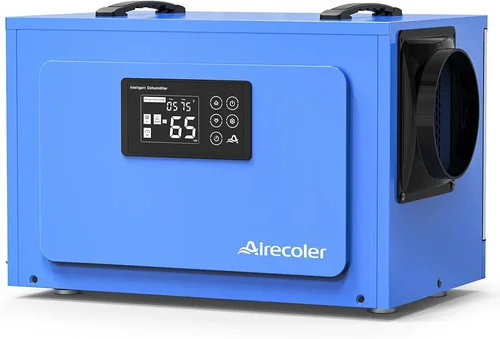
Crawl spaces are often the most overlooked yet critical areas of a home when it comes to indoor air quality, structural integrity, and energy efficiency. These tight, damp, and poorly ventilated zones beneath your house are prime breeding grounds for mold, mildew, wood rot, and pests—all of which can silently compromise your home’s foundation and your family’s health. In fact, according to the Environmental Protection Agency (EPA), nearly 60% of the air you breathe indoors originates from the crawl space. That means if your crawl space is damp and contaminated, so is your indoor air.
This is where a high-quality crawl space dehumidifier becomes not just a convenience, but a necessity. Unlike standard room dehumidifiers, crawl space units are specifically engineered to operate in harsh, unconditioned environments with extreme humidity levels and limited airflow. They’re built to run continuously, often for years, without maintenance, and must be durable enough to withstand temperature fluctuations, dust, and debris. With the right model, you can reduce moisture levels to safe thresholds (ideally between 30% and 50% relative humidity), prevent mold growth, protect wooden structural components, and even improve your home’s overall energy efficiency by reducing the load on your HVAC system.
In this comprehensive buying guide, we’ll walk you through everything you need to know to choose the best crawl space dehumidifier for your home in 2026. Whether you’re a first-time homeowner dealing with a damp crawl space for the first time, a seasoned DIYer looking to upgrade your existing system, or a contractor sourcing reliable equipment for clients, this guide is designed to help you make an informed, confident decision. We’ll cover key performance metrics, build quality, essential features, brand reliability, budget considerations, and common pitfalls to avoid. By the end, you’ll have a clear understanding of what to look for, what to skip, and how to get the most value from your investment.

What to Look for When Buying a Crawl Space Dehumidifier
1. Performance Specifications
When evaluating crawl space dehumidifiers, performance is king. The most critical spec is the unit’s moisture removal capacity, measured in pints per day (PPD). This tells you how much water the dehumidifier can extract from the air in a 24-hour period under standard conditions (typically 80°F and 60% relative humidity). For most residential crawl spaces (up to 1,500 square feet), a unit rated between 50 and 70 PPD is sufficient. Larger or particularly damp spaces may require 80 PPD or more.
But don’t stop at PPD. You also need to consider the operating temperature range. Many standard dehumidifiers shut down below 65°F, which is problematic because crawl spaces often drop into the 50s or even 40s during winter months. Look for models with low-temperature operation—ideally down to 41°F or lower—so they continue working year-round. Additionally, check the airflow rate (measured in cubic feet per minute, or CFM). A higher CFM (typically 200–300+) ensures better air circulation, which is essential for consistent humidity control in stagnant crawl spaces.
Another performance factor is the condensate removal method. Most crawl space dehumidifiers use a built-in condensate pump to automatically drain water, which is far more reliable than gravity drainage, especially if the unit is installed below ground level. Some models also offer dual drainage options (pump and gravity), giving you flexibility depending on your setup.
2. Build Quality & Durability
Crawl spaces are unforgiving environments. They’re dark, dusty, humid, and often infested with insects or rodents. A dehumidifier that works great in a living room may fail within months down there. That’s why build quality is non-negotiable.
Start with the housing material. Look for units with powder-coated steel or heavy-duty polymer casings that resist rust, corrosion, and impact damage. Avoid plastic housings unless they’re specifically rated for outdoor or industrial use. The internal components should also be robust—sealed compressors, heavy-duty coils, and high-grade fans are signs of a well-built unit.
Sealed electrical components are another must. Since crawl spaces can flood or experience high condensation, the dehumidifier’s electrical parts should be fully enclosed and protected against moisture ingress. Some premium models even feature conformal-coated circuit boards to prevent corrosion.
Also consider the unit’s ingress protection (IP) rating. While not always listed, an IP54 or higher rating indicates resistance to dust and water splashes, which is ideal for crawl space conditions.
3. Energy Efficiency
Crawl space dehumidifiers often run 24/7, especially in humid climates or during summer months. That means energy consumption can significantly impact your utility bills over time. Look for models with high energy efficiency ratings, typically measured in liters per kilowatt-hour (L/kWh) or energy factor (EF).
The most efficient units can remove over 3.0 liters of moisture per kWh of electricity used. ENERGY STAR-certified models are a great starting point, as they meet strict efficiency guidelines set by the U.S. Department of Energy. While ENERGY STAR certification is more common in whole-house or basement dehumidifiers, some crawl space models now qualify.
Keep in mind that efficiency can vary with temperature and humidity. A unit that’s efficient at 80°F may lose performance in colder conditions. Check the manufacturer’s performance data across different temperature ranges to get a realistic picture.
4. Features & Functionality
Modern crawl space dehumidifiers come with a range of features that enhance usability, reliability, and long-term performance. Here are the most important ones to look for:
– Built-in condensate pump: Allows automatic drainage to a sink, floor drain, or even outside the home—no manual emptying required.
– Humidistat with remote sensor: Lets you set and maintain a target humidity level. A remote sensor is ideal because you can place it in the center of the crawl space while keeping the control panel accessible.
– Auto-restart after power outage: Ensures the unit resumes operation automatically after a blackout, which is crucial for uninterrupted protection.
– Filter access and washable filter: A reusable air filter traps dust and debris, protecting internal components. Easy access makes maintenance simple.
– Defrost function: Prevents ice buildup on the coils in cold temperatures, ensuring continuous operation in winter.
– Remote monitoring and alerts: Some high-end models offer Wi-Fi connectivity and smartphone apps, allowing you to monitor humidity levels, receive alerts, and adjust settings remotely.
Avoid units with overly complex interfaces or unnecessary “smart” features that add cost without real benefit. Simplicity and reliability are more important than flashy tech in a crawl space environment.
5. Size & Installation Requirements
Crawl spaces vary widely in size, layout, and accessibility. A dehumidifier that works for a 500-square-foot space may be inadequate for a 2,000-square-foot area. Always match the unit’s capacity to your crawl space size, factoring in local climate and moisture levels.
Most crawl space dehumidifiers are designed to be compact and wall-mounted or floor-placed. Wall-mounting saves floor space and reduces the risk of water damage if flooding occurs. Check the unit’s dimensions and mounting hardware—some models include brackets, while others require separate purchase.
Also consider clearance requirements. The dehumidifier needs adequate airflow around all sides (typically 6–12 inches) to operate efficiently. Avoid placing it in a tight corner or directly against insulation.
If your crawl space has multiple levels or isolated sections, you may need more than one unit or a ducted system that distributes dehumidified air throughout the space.
6. Brand Reputation & Reliability
Not all dehumidifier brands are created equal. Some specialize in residential units, while others focus on industrial or commercial applications. For crawl spaces, you want a brand with a proven track record in harsh environments.
Top-tier brands like Santa Fe, AprilAire, Dri-Eaz, and Ultra-Aire are known for their durable, high-performance crawl space dehumidifiers. These companies often offer longer warranties, better customer support, and more detailed installation guides. They also tend to use higher-quality components and rigorous testing standards.
Avoid generic or no-name brands sold exclusively through online marketplaces. While they may be cheaper upfront, they often lack reliability, spare parts availability, and responsive customer service. Reading professional reviews and checking user feedback on trusted platforms like Home Depot, Lowe’s, or HVAC forums can help you identify trustworthy brands.
7. Warranty & Support
A crawl space dehumidifier is a long-term investment, so warranty coverage matters. Most reputable brands offer warranties ranging from 2 to 5 years, with some covering up to 10 years on key components like the compressor.
Look for comprehensive warranties that include parts and labor, not just parts. Also check if the warranty is voided by improper installation—some manufacturers require professional installation to maintain coverage.
Customer support is equally important. Can you easily reach a technician by phone or email? Are replacement filters and pumps readily available? Do they offer troubleshooting guides or video tutorials? A strong support system can save you time and money if issues arise.
8. User Reviews & Real-World Performance
Spec sheets and marketing materials only tell part of the story. Real-world user reviews provide invaluable insights into how a dehumidifier performs over time.
Pay attention to reviews that mention:
– Long-term reliability (e.g., “still running after 4 years”)
– Ease of installation and maintenance
– Noise levels (some units are louder than expected)
– Effectiveness in cold or extremely humid conditions
– Customer service experiences
Be cautious of overly positive or generic reviews—look for detailed, balanced feedback. Sites like Amazon, Home Depot, and specialized HVAC forums often have the most honest and informative user experiences.
Different Types of Crawl Space Dehumidifiers

Common Buying Mistakes to Avoid
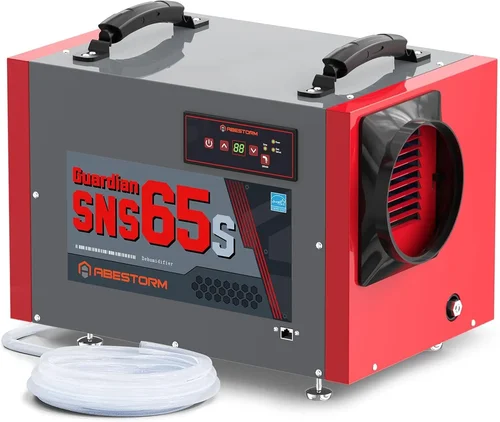
❌ Mistake: Buying a Standard Room Dehumidifier
Why it’s bad: Standard dehumidifiers are not designed for crawl space conditions. They often lack the durability, low-temperature operation, and automatic drainage needed for long-term use in unconditioned spaces. Many will fail within months due to corrosion or freezing coils.
What to do instead: Invest in a dehumidifier specifically engineered for crawl spaces or basements. These units are built to handle dust, moisture, and temperature extremes.
❌ Mistake: Ignoring the Condensate Drainage System
Why it’s bad: If your dehumidifier can’t drain water automatically, you’ll need to empty the bucket regularly—often daily in humid conditions. In a crawl space, this is impractical and increases the risk of overflow and water damage.
What to do instead: Choose a model with a built-in condensate pump and flexible drain hose. This allows continuous operation without manual intervention.
❌ Mistake: Overlooking the Humidistat and Controls
Why it’s bad: Without a humidistat, the dehumidifier will run constantly, wasting energy and potentially over-drying the space. Conversely, if it only has a basic on/off switch, you can’t maintain optimal humidity levels.
What to do instead: Select a unit with a digital humidistat and remote sensor. This ensures precise control and energy efficiency.
❌ Mistake: Choosing Based on Price Alone
Why it’s bad: The cheapest option often comes with poor build quality, limited features, and short lifespan. You may end up replacing it within a year, costing more in the long run.
What to do instead: Focus on value—balance price with performance, durability, and warranty. A mid-range unit from a reputable brand often offers the best long-term ROI.
❌ Mistake: Not Considering Installation Requirements
Why it’s bad: Some dehumidifiers require professional installation, ductwork, or electrical upgrades. If you’re not prepared, you could face unexpected costs or delays.
What to do instead: Read the installation manual before buying. Choose a model that matches your DIY skills and available tools, or budget for professional help.
❌ Mistake: Skipping Regular Maintenance
Why it’s bad: Even the best dehumidifier will lose efficiency if the filter is clogged or coils are dirty. Neglecting maintenance can lead to breakdowns and mold growth.
What to do instead: Clean the filter monthly and inspect the unit quarterly. Keep a maintenance log to track performance.
❌ Mistake: Assuming One Size Fits All
Why it’s bad: A dehumidifier that works for a dry, 800-square-foot crawl space may be inadequate for a 1,500-square-foot space in a humid coastal area.
What to do instead: Calculate your crawl space size, assess local humidity levels, and choose a unit with appropriate capacity and features for your specific needs.
Budget Guidelines: How Much Should You Spend?
– Entry-Level ($200 – $400): These are typically compact, portable units or basic refrigerant models. They’re suitable for small, dry crawl spaces or temporary use. Expect limited features, shorter warranties (1–2 years), and lower durability. Best for renters or those on a tight budget.
– Mid-Range ($400 – $800): This is the sweet spot for most homeowners. These units offer reliable performance, built-in pumps, digital controls, and decent build quality. Brands like AprilAire and Santa Fe have strong offerings in this range. Ideal for average-sized crawl spaces in moderate climates.
– Premium ($800 – $1,500): Designed for large, damp, or challenging environments. These models feature high-capacity compressors, advanced defrost systems, Wi-Fi connectivity, and robust construction. They’re built to last 10+ years with minimal maintenance. Best for humid regions, large homes, or those seeking peace of mind.
– Luxury ($1,500+): Top-tier systems like ducted whole-house dehumidifiers or industrial-grade desiccant units. These are overkill for most residential needs but ideal for custom homes, historic properties, or commercial applications. They offer maximum control, integration with smart home systems, and professional-grade reliability.
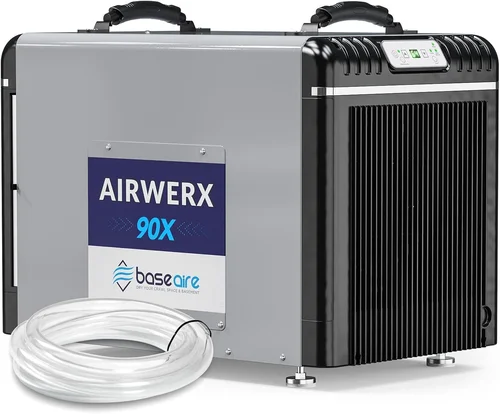
Expert Tips for Getting the Best Deal
– Buy during off-season: Dehumidifier prices often drop in late fall and winter when demand is low. Look for sales between November and February.
– Check for rebates: Some utility companies offer rebates for ENERGY STAR-certified dehumidifiers. Visit your provider’s website or contact them directly.
– Compare retailers: Prices can vary significantly between Home Depot, Lowe’s, Amazon, and specialty HVAC suppliers. Use price-tracking tools like Honey or CamelCamelCamel to spot deals.
– Read the fine print on warranties: Some brands require registration within 30 days of purchase to activate coverage. Others exclude certain components.
– Consider refurbished or open-box units: Reputable sellers often offer certified refurbished models at 20–30% off with full warranties.
– Ask about return policies: Ensure you can return the unit within 30–60 days if it doesn’t meet your needs. Some retailers charge restocking fees.
– Test before finalizing: If possible, run the dehumidifier for a week and monitor humidity levels with a separate hygrometer to verify performance.
– Bundle with insulation or vapor barrier: Some contractors offer discounts when you install a dehumidifier alongside crawl space encapsulation.
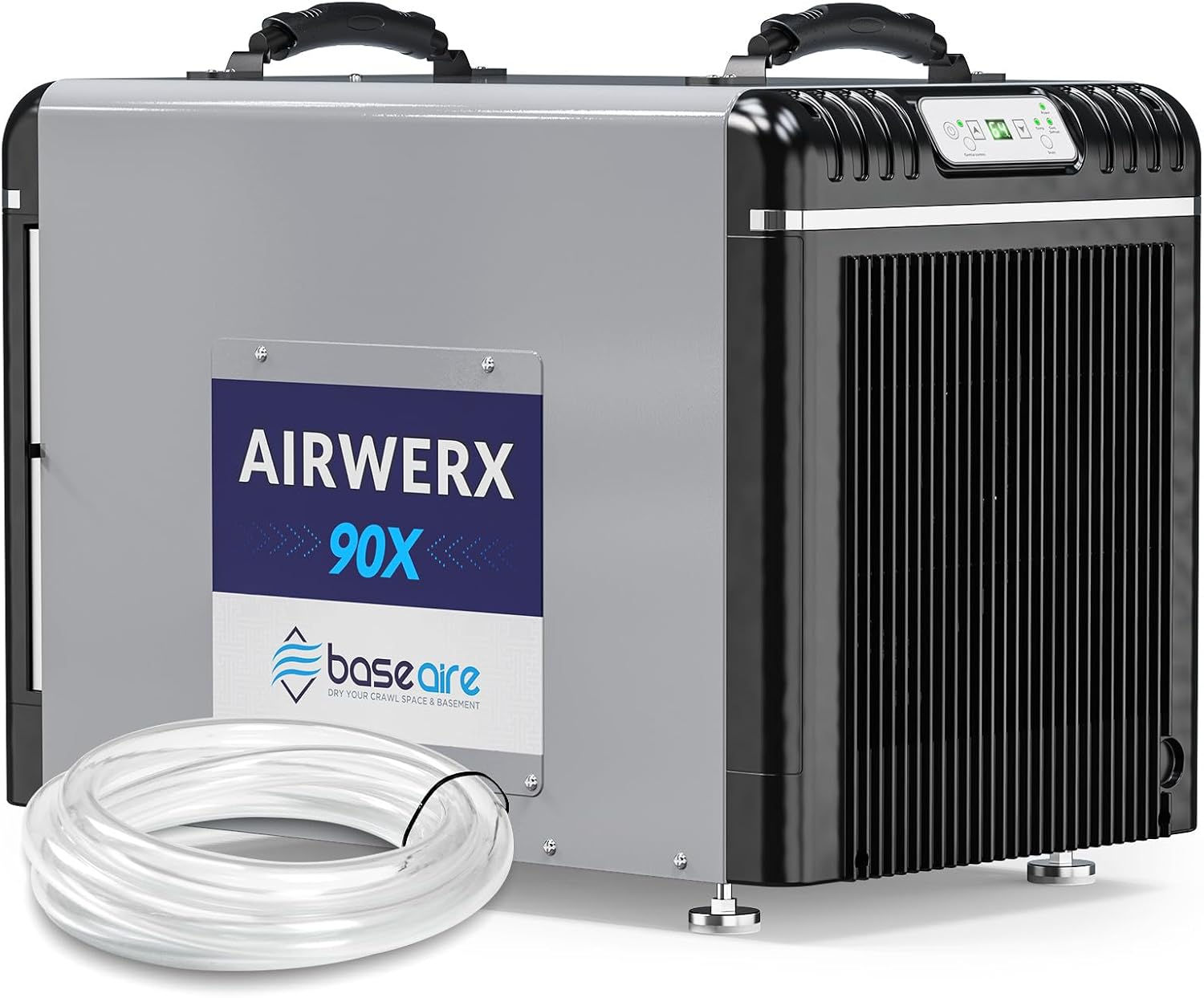
Frequently Asked Questions
Q: How do I know if my crawl space needs a dehumidifier?
A: Signs include musty odors, visible mold or mildew, warped wood, condensation on pipes or insulation, and high humidity readings (above 60%). A professional inspection can confirm the need.
Q: Can I use a basement dehumidifier in my crawl space?
A: Some basement models are suitable, especially if they have a condensate pump and low-temperature operation. However, crawl space-specific units are generally more durable and better suited for tight, harsh environments.
Q: How often should I clean the filter?
A: Clean the filter every 4–6 weeks during peak usage (summer) and every 8–12 weeks in cooler months. A clogged filter reduces airflow and efficiency.
Q: Will a dehumidifier increase my electricity bill?
A: Yes, but the increase is typically modest—$10–$20 per month for a mid-sized unit. Energy-efficient models minimize this cost.
Q: Can I install a crawl space dehumidifier myself?
A: Most units are designed for DIY installation. Wall-mounting requires basic tools and electrical knowledge. If you’re unsure, hire a professional.
Q: How long do crawl space dehumidifiers last?
A: With proper maintenance, quality units last 8–12 years. Cheaper models may fail within 3–5 years.
Q: Should I encapsulate my crawl space before installing a dehumidifier?
A: Yes. A vapor barrier (plastic sheeting) on the ground and walls reduces moisture intrusion and improves dehumidifier efficiency. Encapsulation is highly recommended.
Q: What humidity level should I maintain in my crawl space?
A: Aim for 30% to 50% relative humidity. Levels above 60% promote mold growth; below 30% can dry out wood excessively.
Q: Do I need a permit to install a crawl space dehumidifier?
A: Usually not, but check local building codes. If electrical work is involved, a permit may be required.
Q: Can a dehumidifier prevent pests?
A: Indirectly, yes. Many pests (like termites and silverfish) thrive in damp environments. Reducing moisture makes your crawl space less attractive to them.
Our Final Recommendations
– Best for Budget-Conscious Buyers: Frigidaire FAD704DWD – A reliable 70-pint refrigerant dehumidifier with a built-in pump, humidistat, and 2-year warranty. Great value under $500.
– Best Overall Value: AprilAire E080 Pro – 80-pint capacity, low-temperature operation, sealed components, and a 5-year warranty. Priced around $700, it’s a workhorse for most homes.
– Best Premium Option: Santa Fe Ultra-Aire UA70H – 70-pint desiccant dehumidifier with Wi-Fi, remote sensor, and exceptional cold-weather performance. Ideal for northern climates at $1,200.
– Best for Beginners: hOmeLabs 50-Pint Crawl Space Dehumidifier – Easy to install, quiet, and comes with a pump and filter. User-friendly interface and solid performance under $450.
– Best for Advanced Users: Dri-Eaz F515 – Industrial-grade 70-pint unit with ducting options, advanced controls, and extreme durability. Perfect for contractors or large properties at $1,400.
Conclusion: Making the Right Choice
Choosing the best crawl space dehumidifier isn’t just about removing moisture—it’s about protecting your home, your health, and your investment. The right unit will run quietly and reliably for years, keeping your crawl space dry, your air clean, and your foundation strong. By focusing on performance, durability, and features that match your specific needs, you can avoid common pitfalls and make a smart, long-term decision.
Remember, the cheapest option isn’t always the best, and the most expensive isn’t always necessary. Prioritize your crawl space size, climate, and usage patterns. Read reviews, compare warranties, and don’t hesitate to consult a professional if you’re unsure. With the insights from this guide, you’re well-equipped to find a dehumidifier that delivers consistent results and peace of mind.
Take action today—your home’s foundation and your family’s well-being depend on it.