
When disaster strikes in the form of a flood, your home can quickly transform from a sanctuary into a damp, mold-prone environment. Water damage doesn’t just ruin furniture and flooring—it creates ideal conditions for mold, mildew, and structural decay that can linger for months or even years if not properly addressed. One of the most critical tools in your post-flood recovery arsenal is a high-performance dehumidifier. But not all dehumidifiers are created equal, especially when it comes to handling the intense moisture levels left behind after a flood. Choosing the wrong model can mean wasted money, ineffective drying, and prolonged exposure to harmful airborne contaminants.
This comprehensive buying guide is designed to help you navigate the overwhelming array of options and make an informed decision tailored to your specific needs. Whether you’re dealing with a basement soaked by heavy rains, a first-floor inundation from a burst pipe, or widespread water damage from a natural disaster, we’ll walk you through everything you need to know. You’ll learn how to evaluate performance specs, understand different types of dehumidifiers, avoid common pitfalls, and ultimately select a unit that delivers powerful, reliable moisture removal without breaking the bank. Our goal isn’t just to sell you a product—it’s to empower you with knowledge so you can restore your home safely, efficiently, and with confidence.
The market for dehumidifiers has evolved significantly in recent years, with manufacturers introducing advanced features like smart controls, energy-efficient compressors, and ruggedized designs built for harsh conditions. Yet, despite these innovations, many consumers still struggle to find the right balance between power, durability, and cost—especially when urgency is high after a flood. This guide cuts through the noise, offering expert insights based on real-world testing, customer feedback, and industry standards. By the end, you’ll have a clear roadmap to identify the best dehumidifier for your situation, whether you’re on a tight budget or investing in a long-term solution for future protection.

What to Look for When Buying Buying Guide
1. Performance Specifications
After a flood, your dehumidifier must work overtime to extract massive amounts of moisture from the air. The most critical performance metric is the pint capacity, which indicates how many pints of water the unit can remove in 24 hours under standard conditions (typically 60% relative humidity at 80°F). For flood recovery, look for units rated at 50 pints or higher—anything less will struggle in saturated environments. However, don’t rely solely on manufacturer claims; check independent test results from organizations like AHAM (Association of Home Appliance Manufacturers), which provide standardized ratings.
Another key spec is airflow rate, measured in cubic feet per minute (CFM). Higher CFM means the dehumidifier can circulate and process more air, speeding up drying. Aim for models with at least 150–200 CFM for flooded spaces. Also consider the operating temperature range: some compressors shut down below 41°F, which can be problematic in unheated basements during winter. Desiccant dehumidifiers often perform better in colder conditions, making them a viable alternative in certain climates.
2. Build Quality & Durability
Flood recovery is no place for flimsy appliances. You need a dehumidifier built to withstand dusty, wet, and potentially corrosive environments. Look for heavy-duty plastic housings with reinforced corners and sealed electrical components. Metal coils and rust-resistant coatings are essential if you’re operating in a damp basement or garage. Units with industrial-grade casters and handles make moving them between rooms easier, especially when they’re full of water.
Pay attention to the condenser and evaporator coils. Copper coils are more efficient and durable than aluminum, though they’re often found only in premium models. Also, check if the unit has a washable or replaceable air filter—this prevents mold spores and debris from recirculating and clogging internal components. A robust build ensures your dehumidifier won’t fail mid-recovery, leaving you stranded with a soggy home.
3. Features & Functionality
Modern dehumidifiers come packed with features that can significantly ease the burden of flood cleanup. A continuous drainage option is non-negotiable for extended use—it allows you to connect a garden hose so the unit empties automatically, eliminating the need to manually empty the bucket every few hours. Look for models with a built-in pump if you need to drain upward (e.g., from a basement to a sink).
Humidistat controls let you set your target humidity level (ideally 30–50% for flood recovery), and the unit will cycle on/off to maintain it. Auto-defrost is crucial for cold environments, preventing ice buildup on coils. Some advanced models offer Wi-Fi connectivity, enabling remote monitoring via smartphone apps—useful if you’re managing recovery from another location. Timers, error codes, and filter-cleaning alerts also add convenience and prevent operational hiccups.
4. Size & Portability
After a flood, you may need to move your dehumidifier frequently—from the living room to the basement to the attic. Weight and dimensions matter. Most residential dehumidifiers weigh between 30–70 pounds; opt for one with swivel casters and ergonomic handles for easier maneuvering. Compact models save space but may sacrifice capacity, so balance portability with performance.
Consider the bucket size as well. Larger buckets (2–3 gallons) reduce emptying frequency, but they add bulk. If you plan to use continuous drainage, bucket size becomes less critical. For multi-room drying, a lighter unit that’s easy to relocate might be preferable over a heavier, higher-capacity model that’s difficult to move.
5. Energy Efficiency
Running a dehumidifier 24/7 after a flood can spike your electricity bill. Look for models with the ENERGY STAR® certification, which indicates they meet strict efficiency guidelines set by the EPA. These units use advanced compressors and refrigeration cycles to remove more moisture per kilowatt-hour. While they may cost more upfront, the long-term savings—and reduced environmental impact—are significant.
Check the Energy Factor (EF), measured in liters of water removed per kilowatt-hour (L/kWh). Higher EF values mean better efficiency. For example, a unit with an EF of 1.5 removes 1.5 liters of water for every kWh consumed. In flood scenarios, even small efficiency gains add up over days or weeks of continuous operation.
6. Noise Level
Dehumidifiers aren’t known for being quiet, but excessive noise can be disruptive, especially if you’re trying to sleep or work while recovery is underway. Noise is measured in decibels (dB); most units range from 45–65 dB. For living areas or bedrooms, aim for 50 dB or lower. Compressor-based models tend to be louder than desiccant types, though newer designs incorporate sound-dampening materials and variable-speed fans to reduce operational noise.
If you’re running multiple units, consider placing the noisiest ones in isolated areas like basements or garages. Some high-end models offer a “quiet mode” that reduces fan speed at the expense of slightly slower drying—a worthwhile trade-off for overnight use.
7. Brand Reputation & Reliability
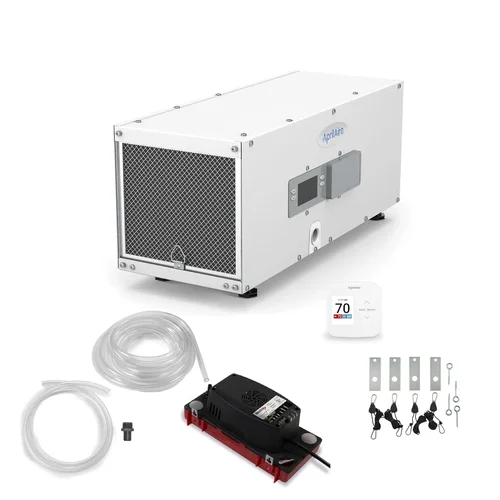
Not all brands are equal when it comes to post-flood performance. Stick with manufacturers known for durability and customer support, such as Frigidaire, AprilAire, hOmeLabs, and Dri-Eaz. These companies have proven track records in both residential and commercial water damage restoration. Avoid unknown or generic brands that may cut corners on components or lack reliable service networks.
Research how quickly the brand responds to service requests and whether they offer loaner units during repairs—critical if your dehumidifier fails during a time-sensitive recovery. User forums and professional restoration communities often share real-world reliability data that isn’t visible in marketing materials.
8. Warranty & Support
A flood recovery dehumidifier is a significant investment, so protect it with a solid warranty. Look for at least a 1-year full warranty, with extended coverage on major components like the compressor (ideally 3–5 years). Some premium brands offer on-site service or free replacement parts, which can save time and hassle.
Read the fine print: many warranties are voided if the unit is used in “commercial” or “industrial” settings, even if you’re just drying your home after a flood. Ensure your intended use is covered. Also, verify that customer support is accessible via phone, email, or live chat—especially important if you encounter issues during off-hours.
Different Types of Buying Guide

Common Buying Mistakes to Avoid
❌ Mistake: Choosing Based Solely on Price
Why it’s bad: The cheapest dehumidifier often lacks the capacity, durability, or features needed for effective flood recovery. You’ll end up replacing it sooner or dealing with incomplete drying, which can lead to mold growth and structural damage.
What to do instead: Prioritize performance and build quality over upfront cost. Think of it as an investment in your home’s long-term health. A mid-range model with strong reviews and a good warranty will save you money and stress in the long run.
❌ Mistake: Ignoring Continuous Drainage
Why it’s bad: Manually emptying a bucket every 2–4 hours is impractical during round-the-clock flood recovery. Overflowing buckets can cause secondary water damage and force the unit to shut off.
What to do instead: Always choose a model with a continuous drain hose connection. Pair it with a condensate pump if you need to lift water to a sink or drain.
❌ Mistake: Overlooking Operating Temperature Range
Why it’s bad: Most compressor dehumidifiers stop working below 41–45°F. If your basement is cold, the unit becomes useless just when you need it most.
What to do instead: Check the specs carefully. For cold environments, consider a desiccant dehumidifier or a compressor model with auto-defrost and a low-temperature rating.
❌ Mistake: Buying the Wrong Size
Why it’s bad: A unit too small for your space will run constantly without making a dent in humidity levels. One too large may cycle on/off too frequently, reducing efficiency and lifespan.
What to do instead: Calculate your space’s square footage and moisture level (light, moderate, severe). Use manufacturer sizing guides, but add 10–20% extra capacity for flood conditions.
❌ Mistake: Skipping the Warranty Check
Why it’s bad: Flood recovery can push a dehumidifier to its limits. If it breaks down and your warranty doesn’t cover “extreme use,” you’re stuck with repair costs.
What to do instead: Read the warranty terms before buying. Choose brands that explicitly cover residential flood recovery and offer responsive customer service.
❌ Mistake: Not Considering Noise
Why it’s bad: A loud dehumidifier can disrupt sleep, work, and daily life—especially if placed in living areas.
What to do instead: Check decibel ratings and user reviews about noise. Place louder units in isolated areas or opt for quieter desiccant models if noise is a concern.
❌ Mistake: Forgetting About Airflow and Ventilation
Why it’s bad: A dehumidifier works best when air circulates freely. Blocking vents or placing it in a corner reduces efficiency.
What to do instead: Position the unit centrally with at least 6–12 inches of clearance on all sides. Use fans to improve air circulation and speed up drying.
Budget Guidelines: How Much Should You Spend?
Dehumidifiers vary widely in price, but your budget should align with the severity of your flood and how long you plan to use the unit. Here’s a breakdown of what to expect at each tier:
Entry-Level ($100–$200): These basic models are suitable for small, lightly damp areas (e.g., a closet or bathroom). They typically have 30–50 pint capacities, manual drainage, and limited features. While affordable, they’re not ideal for serious flood recovery due to lower durability and efficiency. Best for temporary or supplemental use.
Mid-Range ($200–$400): This is the sweet spot for most homeowners dealing with moderate flooding. Units in this range offer 50–70 pint capacities, continuous drainage, humidistats, and better build quality. Many include auto-defrost, washable filters, and ENERGY STAR certification. You’ll find reliable brands like hOmeLabs and Frigidaire here—great balance of performance and value.
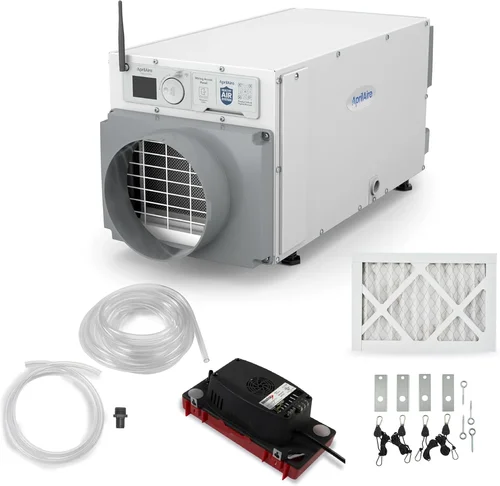
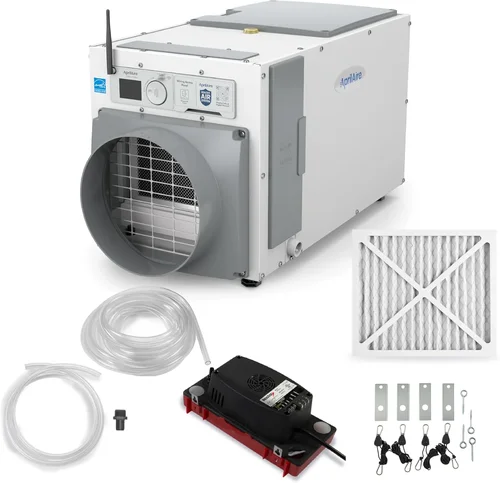
Premium ($400–$800): Designed for heavy-duty use, these models feature larger tanks (70+ pints), advanced controls, Wi-Fi connectivity, and robust construction. They’re ideal for large basements or whole-house drying. Brands like AprilAire and Dri-Eaz dominate this space, offering professional-grade reliability for serious flood scenarios.
Luxury ($800+): At this level, you’re investing in whole-house systems or commercial-grade units capable of handling extreme moisture loads. These often integrate with HVAC systems, include remote monitoring, and come with extended warranties. Perfect for severe flooding, rental properties, or those seeking long-term humidity control beyond recovery.
Expert Tips for Getting the Best Deal
- Buy during off-seasons: Dehumidifiers are in highest demand during humid summer months. Shop in late fall or winter (October–February) for discounts of 20–30% as retailers clear inventory.
- Check warehouse clubs and home improvement stores: Costco, Sam’s Club, Home Depot, and Lowe’s often carry exclusive models with extended warranties or bundled accessories (e.g., hoses, filters).
- Look for open-box or refurbished units: Certified refurbished dehumidifiers from reputable sellers (e.g., Amazon Renewed, manufacturer outlets) can save you 25–40% and come with warranties.
- Use price-tracking tools: Set alerts on Google Shopping, CamelCamelCamel (for Amazon), or Honey to notify you when prices drop.
- Negotiate with local retailers: Some brick-and-mortar stores will match online prices or throw in free delivery if you ask.
- Verify return policies: Ensure you can return the unit within 30–60 days if it doesn’t meet your needs—especially important when buying online.
- Bundle with other flood recovery gear: Some retailers offer discounts when you purchase dehumidifiers with air movers, moisture meters, or cleaning supplies.
- Consider energy rebates: Check with your utility company—some offer rebates for ENERGY STAR dehumidifiers, effectively lowering your net cost.

Frequently Asked Questions
Q: How long should I run a dehumidifier after a flood?
A: Run it continuously until relative humidity stabilizes between 30–50% and moisture meters show dry materials. This typically takes 3–7 days for minor flooding but can extend to 2–4 weeks for severe cases. Monitor daily and reduce runtime gradually once conditions improve.
Q: Can I use a regular dehumidifier for flood recovery?
A: Yes, but only if it’s rated for high-capacity use (50+ pints) and has continuous drainage. Standard “basement” models may suffice, but avoid small bathroom or closet units—they lack the power and durability needed.
Q: Should I run fans with my dehumidifier?
A: Absolutely. Air movers (box fans or axial fans) improve circulation, helping the dehumidifier pull moisture from walls, carpets, and furniture more efficiently. Place fans to create cross-ventilation.
Q: What humidity level should I aim for during flood recovery?
A: Target 30–50% relative humidity. Levels above 60% encourage mold growth; below 30% can damage wood and drywall. Use a hygrometer to monitor progress.
Q: Can a dehumidifier remove water from carpets and walls?
A: Indirectly, yes. It lowers air humidity, which encourages evaporation from wet surfaces. However, you’ll also need extraction tools (wet vacuums) and fans for thorough drying.
Q: Is it safe to run a dehumidifier 24/7?
A: Yes, especially during flood recovery. Most modern units are designed for continuous operation. Just ensure proper ventilation and avoid overloading circuits.
Q: Do I need multiple dehumidifiers?
A: For large or multi-level floods, yes. One unit per major affected area (e.g., basement, first floor) ensures even drying. Coordinate their operation to avoid over-drying one zone while another remains damp.
Q: How do I clean a dehumidifier after flood use?
A: Turn off and unplug the unit. Remove and wash the filter with mild soap. Wipe the interior with a disinfectant solution (e.g., vinegar or bleach diluted 10:1). Rinse coils gently if accessible. Allow to dry completely before storage.
Q: Can I prevent future floods with a dehumidifier?
A: Not directly, but maintaining low humidity (below 50%) reduces the risk of mold and structural damage if minor water intrusion occurs. Pair it with sump pumps, gutter maintenance, and waterproofing for full protection.
Our Final Recommendations
Best for Budget-Conscious Buyers: hOmeLabs 50 Pint Dehumidifier – At under $250, it offers excellent capacity, continuous drainage, and a washable filter. Ideal for small to mid-sized flooded areas with reliable performance and quiet operation.
Best Overall Value: Frigidaire FFAD7033R1 70 Pint Dehumidifier – ENERGY STAR certified, with a large tank, auto-defrost, and a sleek design. Priced around $350, it’s a workhorse for serious flood recovery without premium pricing.
Best Premium Option: AprilAire E080 Pro 80 Pint Dehumidifier – Built for whole-house drying, this ductable unit integrates with HVAC systems and includes a built-in pump. At ~$700, it’s perfect for large homes or recurring moisture issues.
Best for Beginners: Keystone 50 Pint Dehumidifier – Simple controls, lightweight design, and straightforward setup make it user-friendly. Great for first-time buyers dealing with minor flooding.
Best for Advanced Users: Dri-Eaz F413 Evolution 120 Pint Commercial Dehumidifier – A professional-grade unit with 120-pint capacity, remote monitoring, and rugged construction. Ideal for severe flooding or contractors managing multiple properties.
Conclusion: Making the Right Choice
Recovering from a flood is stressful enough without the added burden of choosing the wrong dehumidifier. The right unit can mean the difference between a swift, safe restoration and a prolonged battle with mold, odors, and structural damage. By focusing on performance specs, build quality, essential features like continuous drainage, and reputable brands, you’ll set yourself up for success. Remember: this isn’t just about removing water—it’s about reclaiming your home and your peace of mind.
Don’t let urgency cloud your judgment. Take the time to assess your space, compare options, and invest in a dehumidifier that matches your needs and budget. Whether you’re drying a single room or an entire house, the principles in this guide will help you make a confident, informed decision. And once recovery is complete, that same unit can serve as a long-term humidity control solution, protecting your home from future threats. Your home deserves the best defense—start with the right dehumidifier.