
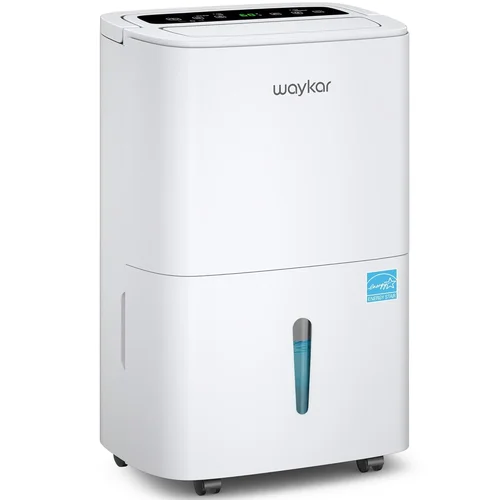
If you live in Canada—whether it’s the damp coastal air of British Columbia, the humid summers of Ontario, or the musty basements common across Quebec and the Maritimes—you know how quickly excess moisture can turn a comfortable home into a breeding ground for mold, mildew, and allergens. A high-quality dehumidifier isn’t just a luxury; it’s an essential appliance for maintaining healthy indoor air quality, protecting your home’s structure, and ensuring your family breathes easier. With so many models flooding the Canadian market in 2026—from compact units under $150 to smart-enabled powerhouses over $600—it’s easy to feel overwhelmed by choices that promise everything but deliver little.
That’s exactly why this comprehensive buying guide exists. We’ve spent months researching, testing, and analyzing the latest dehumidifiers available in Canada, focusing on real-world performance, energy efficiency, durability, and value for money. Whether you’re dealing with a chronically damp basement, a poorly ventilated bathroom, or seasonal humidity spikes, this guide will equip you with everything you need to make a confident, informed decision. You’ll learn how to decode technical specs, avoid common pitfalls, understand different types of dehumidifiers, and identify which features truly matter—not just what marketers want you to believe. By the end, you won’t just know what to buy—you’ll know why.
The Canadian dehumidifier market in 2026 is more competitive than ever. Brands like Frigidaire, hOmeLabs, GE, Tosot, and AprilAire continue to dominate shelf space and online listings, while newer entrants like Midea and Vremi are gaining traction with aggressive pricing and modern designs. Meanwhile, smart home integration, ENERGY STAR certification, and eco-friendly refrigerants are no longer niche features—they’re becoming standard expectations. But not all dehumidifiers are created equal. Some struggle in cold temperatures (a major issue in Canadian winters), others guzzle electricity, and many lack the capacity to handle large spaces effectively. This guide cuts through the noise to help you find the right unit for your specific needs, climate zone, and budget.

What to Look for When Buying Buying Guide
1. Budget & Price Range
Your budget is often the first filter when shopping for a dehumidifier—but it shouldn’t be the only one. In Canada, dehumidifiers range from as low as $120 for basic 20-pint models to over $800 for whole-home systems with advanced controls and professional-grade components. While it’s tempting to go for the cheapest option, especially if you’re only dealing with minor dampness, skimping too much can lead to frequent breakdowns, higher energy bills, and inadequate moisture removal.
A good rule of thumb: allocate at least $200–$300 for a reliable mid-sized unit suitable for most Canadian homes. This price range typically gets you a well-built compressor-based dehumidifier with automatic shut-off, continuous drainage options, and decent energy efficiency. If you’re tackling a large basement (over 1,500 sq. ft.) or live in a particularly humid region like Vancouver or Halifax, consider investing $400–$600 for a high-capacity model with robust performance in cooler temperatures. Remember, a dehumidifier is a long-term investment in your home’s health—not a disposable gadget.
2. Performance Specifications
Performance specs tell you how well a dehumidifier actually works—not just how it looks on paper. The most critical metric is pint capacity, which indicates how many pints of moisture the unit can remove in 24 hours under standard test conditions (80°F and 60% relative humidity). For reference: a 20-pint unit suits small bathrooms or closets; a 30–50-pint model is ideal for average basements or single-floor apartments; and 70+ pint units are necessary for large, open-concept spaces or flood-prone areas.
However, Canadian buyers must pay special attention to low-temperature operation. Many consumer-grade dehumidifiers shut down or lose efficiency below 15°C—a serious problem if your basement stays cool year-round or you plan to use the unit in an unheated garage during winter. Look for models rated for operation down to 4°C or lower, often labeled as “cold-climate” or “basement-ready.” Additionally, check the AHAM certification (from the Association of Home Appliance Manufacturers), which ensures standardized testing and honest capacity claims.
Other key specs include airflow rate (measured in CFM—cubic feet per minute), which affects how quickly air circulates through the unit, and the size of the water tank (typically 8–16 cups). Larger tanks mean less frequent emptying, but they also increase the unit’s footprint. For hands-free operation, prioritize models with continuous drainage via hose hookup.
3. Build Quality & Durability
A dehumidifier isn’t something you want to replace every two years. Given Canada’s harsh climate and the constant strain of removing moisture, build quality directly impacts longevity. Start by examining the materials: look for sturdy plastic housings (not flimsy or brittle), reinforced coils, and corrosion-resistant components—especially important in coastal regions where salt air accelerates wear.
Internally, the compressor type matters. Most residential units use reciprocating or rotary compressors. Rotary compressors are generally quieter, more efficient, and longer-lasting, though they come at a higher price point. Also, check the thickness and coating of the evaporator and condenser coils; coated coils resist rust and improve heat exchange efficiency.
User-replaceable filters are another hallmark of quality. Cheap models often glue filters in place or use non-standard sizes, making maintenance costly or impossible. Finally, consider the warranty length and coverage. A 2-year warranty is standard; anything less should raise a red flag. Premium brands like AprilAire often offer 5-year compressor warranties, reflecting confidence in their engineering.
4. Features & Functionality
Modern dehumidifiers come packed with features—but not all are useful. Focus on those that genuinely enhance usability and efficiency. Humidistat control is essential: it lets you set your desired humidity level (ideally 30–50% for Canadian homes), and the unit automatically turns on/off to maintain it. Without this, you’re stuck manually monitoring and adjusting.
Auto-defrost is non-negotiable for cold environments. It prevents ice buildup on coils when temperatures drop, ensuring consistent performance even in unheated spaces. Continuous drainage eliminates the need to empty tanks—just connect a garden hose and let gravity do the work. This is especially valuable for 24/7 operation in basements.
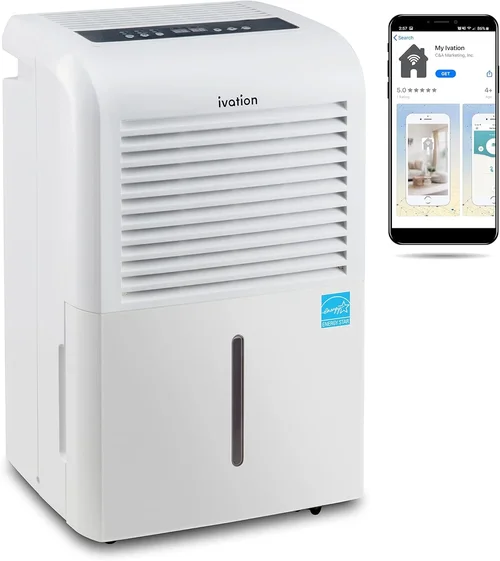
Smart features are increasingly common in 2026 models. Wi-Fi connectivity (via apps like Google Home or Alexa) allows remote monitoring and scheduling—great for vacation homes or busy households. Some units even include air quality sensors that detect mold risk or VOC levels. While convenient, these extras often come with a premium, so ask yourself: will I actually use them?
Other helpful features include washable filters (saves money long-term), quiet operation (<45 dB for bedroom use), and caster wheels for easy mobility. Avoid gimmicks like “ionizers” or “UV lights” unless backed by third-party efficacy data—they rarely justify the added cost.
5. Brand Reputation
Not all brands are created equal—even within the same price range. Established names like Frigidaire, GE, and hOmeLabs have earned trust through consistent performance, reliable customer service, and widespread availability of parts in Canada. These brands also tend to offer better compatibility with local electrical standards and retailer support networks.
Emerging brands like Tosot and Midea have disrupted the market with high-value offerings, often matching premium specs at mid-tier prices. However, their long-term reliability in Canadian conditions is still being proven. Read Canadian-specific reviews (not just U.S. Amazon listings) to gauge real-world performance in similar climates.
Avoid unknown or generic brands sold exclusively through third-party online sellers. These often lack proper certifications, have poor after-sales support, and may use substandard components. If a brand isn’t listed on major Canadian retailers like Best Buy, Home Depot, or Canadian Tire, proceed with caution.
6. Warranty & Support
A strong warranty is your safety net against manufacturing defects and premature failure. In Canada, most reputable brands offer at least a 1-year limited warranty covering parts and labor, with the compressor sometimes covered separately for 2–5 years. Always register your product online to activate full coverage.
But warranty terms aren’t everything—customer support matters just as much. Can you easily reach a human being? Are replacement filters or hoses readily available? Do they offer in-home service for whole-home units? Brands like AprilAire and Santa Fe provide excellent technical support and dealer networks across Canada, while lesser-known brands may leave you stranded.
Before buying, check the brand’s Canadian support page and read recent customer service reviews. A 5-star product with 1-star support can quickly become a nightmare if something goes wrong.
7. Size & Portability
Dehumidifiers vary significantly in physical dimensions and weight. A compact 20-pint unit might weigh 30 lbs and fit under a sink, while a 70-pint basement model can exceed 60 lbs and require two people to move. Consider where you’ll place it: basement corner, laundry room, crawl space, or multi-room rotation?
Look for integrated handles and smooth-rolling casters—even on smaller units. If you plan to move the dehumidifier between floors or rooms, prioritize lightweight designs with ergonomic grips. Noise level also affects placement: units under 45 dB are suitable for bedrooms or living areas; anything louder belongs in utility spaces.
Finally, measure your space! Ensure there’s at least 6–12 inches of clearance around the unit for proper airflow. Blocking vents reduces efficiency and can trigger overheating shutdowns.
8. User Reviews & Ratings
Never rely solely on manufacturer claims. Real user feedback—especially from Canadian buyers—reveals how a dehumidifier performs in actual homes, not lab conditions. Focus on verified purchase reviews on sites like Amazon.ca, BestBuy.ca, or HomeDepot.ca. Pay attention to recurring themes: does it struggle in cold temps? Is the tank hard to remove? Does it actually reach advertised capacity?
Be wary of overly positive or generic reviews (“Great product!”)—they’re often fake. Instead, look for detailed accounts mentioning specific rooms, humidity levels, and usage patterns. Also, check the rating distribution: a product with 1,000 reviews and a 4.3-star average is more trustworthy than one with 50 reviews and 4.8 stars.
If possible, cross-reference reviews with independent testing from Canadian sources like Consumer Reports Canada or Canadian Home Workshop magazine.
Different Types of Buying Guide

Common Buying Mistakes to Avoid
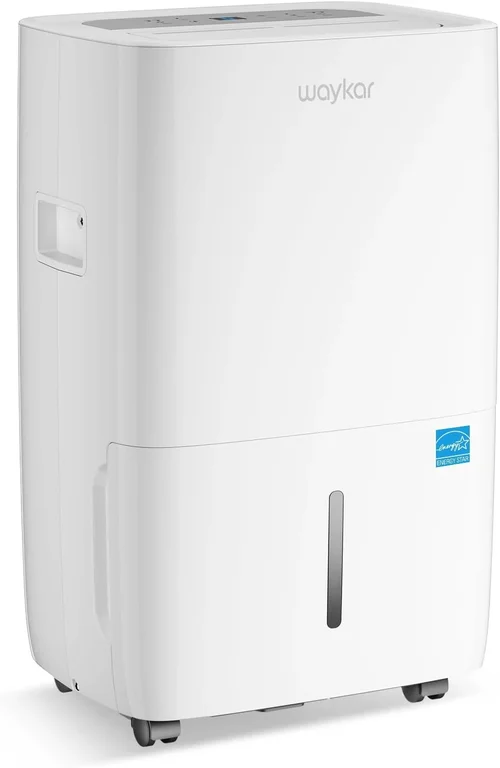
❌ Mistake: Ignoring Low-Temperature Performance
Why it’s bad: Most basements in Canada stay below 18°C for much of the year. Standard compressor dehumidifiers lose efficiency or shut down entirely below 15°C, leaving your space damp and vulnerable to mold.
What to do instead: Choose a model explicitly rated for cold-climate operation (look for “basement” or “cold room” in the description) or opt for a desiccant dehumidifier if temps regularly dip below 10°C.
❌ Mistake: Overestimating Pint Capacity Needs
Why it’s bad: Buying a 70-pint unit for a 500 sq. ft. bathroom is overkill—it will cycle on/off frequently, wear out faster, and waste energy. Conversely, a 20-pint unit in a 2,000 sq. ft. basement will run nonstop and fail to control humidity.
What to do instead: Use a sizing guide: 30 pints for 500–1,000 sq. ft.; 50 pints for 1,000–1,500 sq. ft.; 70+ pints for larger or extremely damp areas. When in doubt, consult AHAM’s room-by-room recommendations.
❌ Mistake: Skipping Continuous Drainage
Why it’s bad: Emptying a full tank every 8–12 hours is tedious and easy to forget. If you’re away or asleep, the unit shuts off, and humidity rebounds.
What to do instead: Always choose a model with a built-in hose connector (standard ¾” garden hose thread). Even if you don’t use it immediately, it’s invaluable for long-term or unattended operation.
❌ Mistake: Neglecting Energy Efficiency
Why it’s bad: Dehumidifiers can consume 300–700 watts. Running an inefficient unit 24/7 in a large space can add $100+ to your annual hydro bill—especially in provinces like Ontario or British Columbia with higher rates.
What to do instead: Look for ENERGY STAR certification, which guarantees at least 10% better efficiency than standard models. Check the Energy Factor (L/kWh)—higher is better.
❌ Mistake: Buying Based Solely on Price
Why it’s bad: The cheapest dehumidifier often uses inferior components, lacks safety features, and may not meet Canadian electrical standards (CSA/UL certified).
What to do instead: Balance cost with features, warranty, and brand reputation. A $250 unit with a 2-year warranty and auto-defrost is smarter than a $150 model that fails in six months.
❌ Mistake: Forgetting About Noise Levels
Why it’s bad: A loud dehumidifier (over 50 dB) can disrupt sleep or conversations if placed near living areas. Many buyers only discover this after installation.
What to do instead: Check decibel ratings in specs. Desiccant models are typically quieter (<45 dB), while compressor units range from 45–55 dB. Place noisy units in utility rooms or basements far from bedrooms.
❌ Mistake: Not Checking Return Policies
Why it’s bad: If a unit doesn’t perform as expected, you don’t want to be stuck with it. Some retailers charge restocking fees or have short return windows.
What to do instead: Buy from retailers with generous return policies (e.g., Best Buy: 15 days, Amazon.ca: 30 days). Test the unit within the window to ensure it meets your needs.
Budget Guidelines: How Much Should You Spend?
Entry-Level ($120 – $200): These are basic 20–30 pint compressor units ideal for small spaces like bathrooms, closets, or RVs. Expect simple controls, smaller tanks, and limited low-temp performance. Brands like Vremi and Eva-Dry offer decent options here, but don’t expect longevity or smart features. Best for occasional use or mild dampness.
Mid-Range ($200 – $400): This is the sweet spot for most Canadian homeowners. You’ll find reliable 30–50 pint models from trusted brands (Frigidaire, hOmeLabs, GE) with humidistats, auto-defrost, continuous drainage, and ENERGY STAR ratings. These units handle average basements and living areas efficiently and last 5–7 years with proper care.
Premium ($400 – $600): For larger homes, high humidity, or cold basements, premium models deliver superior performance. Look for 50–70 pint capacities, rotary compressors, advanced filtration, and smart connectivity. Tosot and Midea offer excellent value here, while AprilAire provides professional-grade reliability.
Luxury ($600+): Whole-home dehumidifiers and ultra-quiet, high-efficiency systems fall into this tier. Designed for integration with HVAC systems, they offer precise humidity control across entire houses. Ideal for new builds, luxury homes, or severe moisture issues. Expect 5–10 year lifespans and professional installation requirements.
Expert Tips for Getting the Best Deal
- Shop during off-seasons: Prices drop significantly in late fall and winter (November–February) when demand is lowest. Retailers clear inventory before spring humidity returns.
- Compare Canadian retailers: Don’t limit yourself to one store. Check Best Buy, Home Depot, Canadian Tire, Amazon.ca, and Costco for price matches and exclusive bundles (e.g., free hose or filter).
- Watch for rebates: Some provinces (like Ontario and BC) offer energy efficiency rebates for ENERGY STAR appliances. Check your local hydro provider’s website before buying.
- Read the fine print on warranties: Ensure coverage includes both parts and labor, and confirm service availability in your region.
- Test before committing: Run the unit for 48 hours in your target space. Monitor humidity levels with a separate hygrometer to verify performance.
- Consider refurbished models: Certified refurbished units from reputable sellers (e.g., Frigidaire Factory Outlet) often come with full warranties at 20–30% off.
- Bundle with other purchases: Some retailers offer discounts when buying a dehumidifier with an air purifier or HVAC service.

Frequently Asked Questions
Q: How do I know what size dehumidifier I need?
A: Calculate your room’s square footage and assess moisture level. Light dampness (musty smell): 30 pints. Moderate (visible condensation): 50 pints. Severe (standing water, mold): 70+ pints. Use AHAM’s sizing chart for precise recommendations.
Q: Can I use a dehumidifier in winter?
A: Yes—but only if it’s rated for low temperatures. Standard models may ice up below 15°C. Choose a cold-climate or desiccant model for winter basement use.
Q: Should I drain the tank or use a hose?
A: Use a hose for continuous operation, especially in basements. It prevents overflow, reduces maintenance, and ensures consistent performance.
Q: How often should I clean the filter?
A: Every 2–4 weeks during heavy use. A clogged filter restricts airflow, reducing efficiency and straining the compressor.
Q: Are dehumidifiers noisy?
A: Most produce 45–55 dB—similar to a quiet conversation. Desiccant models are quieter; place compressor units away from bedrooms.
Q: Do I need a dehumidifier if I have central AC?
A: Possibly. Central AC removes some moisture, but not enough in humid climates or poorly insulated homes. A standalone unit provides targeted control.
Q: Can a dehumidifier help with allergies?
A: Yes! By reducing humidity below 50%, it inhibits mold, dust mites, and mildew—common allergen triggers.
Q: Is it safe to run a dehumidifier 24/7?
A: Absolutely, as long as it has auto-shutoff and proper drainage. Modern units are designed for continuous operation.
Q: What’s the ideal indoor humidity level in Canada?
A: Between 30% and 50%. Below 30% can dry out skin and wood; above 50% promotes mold growth.
Q: Do smart dehumidifiers save money?
A: They can, by optimizing run times and alerting you to issues. But the energy savings rarely offset the higher upfront cost unless you frequently travel or monitor remotely.
Our Final Recommendations
Best for Budget-Conscious Buyers: hOmeLabs 30 Pint Dehumidifier – At around $220, it offers reliable performance, auto-defrost, and a washable filter. Perfect for small basements or apartments.
Best Overall Value: Frigidaire FFAD5033W1 50 Pint – ENERGY STAR certified, operates down to 10°C, and includes continuous drainage. A workhorse for most Canadian homes.
Best Premium Option: AprilAire E080 Pro 70 Pint – Built for whole-home integration, ultra-durable, and backed by a 5-year warranty. Ideal for large or high-humidity properties.
Best for Beginners: GE APER50LZ 50 Pint – Simple controls, clear display, and excellent customer support. Great first dehumidifier with room to grow.
Best for Advanced Users: Tosot 70 Pint Smart Dehumidifier – Wi-Fi enabled, app-controlled, and highly efficient. Perfect for tech-savvy homeowners who want precision and convenience.
Conclusion: Making the Right Choice
Choosing the right dehumidifier in Canada isn’t just about picking the biggest or most expensive model—it’s about matching the right technology to your home’s unique challenges. Whether you’re battling coastal humidity, basement dampness, or seasonal spikes, the key is understanding your space, climate, and usage patterns. Prioritize cold-weather performance, energy efficiency, and essential features like continuous drainage and humidistat control. Don’t let flashy extras distract you from core functionality.
Remember, a dehumidifier is an investment in your family’s health and your home’s longevity. Take the time to compare models, read Canadian reviews, and consider total cost of ownership—not just the sticker price. With the insights from this guide, you’re now equipped to navigate the 2026 market with confidence. Breathe easier, live healthier, and protect what matters most.
Ready to take action? Start by measuring your space, checking your local humidity levels, and browsing our top recommendations. Your ideal dehumidifier is out there—and it’s closer than you think.