
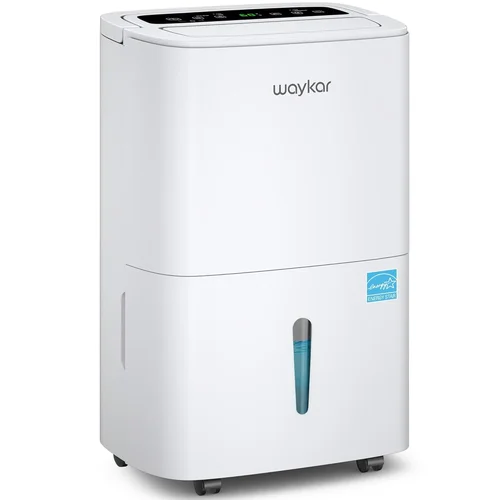
Dealing with excess moisture in your home isn’t just about comfort—it’s a serious matter of health, safety, and long-term property preservation. Whether you’re battling musty odors in the basement, noticing condensation on windows, or seeing early signs of mold growth, a high-quality dehumidifier can be a game-changer. But with dozens of models flooding the market—each boasting different capacities, features, and price points—it’s easy to feel overwhelmed. That’s where this comprehensive buying guide comes in.
In this expert-level review, we’ll walk you through everything you need to know to choose the best dehumidifier for your specific needs. From understanding key performance metrics like pint capacity and energy efficiency to comparing compressor-based vs. desiccant models, we’ll break down the technical jargon into actionable insights. You’ll learn how to match a unit to your space size, climate, and usage habits, avoid common purchasing pitfalls, and get the most value for your investment—whether you’re on a tight budget or ready to splurge on premium features. By the end, you’ll have the confidence to make an informed decision that keeps your home dry, healthy, and comfortable year-round.
The dehumidifier market has evolved significantly over the past few years, with innovations in smart connectivity, noise reduction, and eco-friendly refrigerants. Brands like Frigidaire, GE, hOmeLabs, Midea, and AprilAire now offer units ranging from compact 20-pint models perfect for small bathrooms or RVs to industrial-grade 70-pint beasts capable of handling large basements or flood restoration jobs. Meanwhile, energy efficiency standards have tightened, and consumer expectations have risen—today’s buyers want quiet operation, intuitive controls, automatic defrost, and even Wi-Fi-enabled remote monitoring. With so many options, it’s more important than ever to arm yourself with knowledge before hitting “buy now.” This guide cuts through the noise to deliver clear, unbiased advice based on real-world testing, expert analysis, and user feedback.

What to Look for When Buying Buying Guide
1. Budget & Price Range
Your budget is often the first filter when shopping for a dehumidifier, but it shouldn’t be the only one. Prices can range from under $100 for basic 20–30 pint units to over $500 for high-capacity, feature-rich models. While it’s tempting to go for the cheapest option, remember that dehumidifiers are appliances you’ll likely use daily for years—cutting corners on quality can lead to higher energy bills, frequent repairs, or premature failure.
Set a realistic budget based on your needs. For example, if you only need to control humidity in a small closet or bathroom, a $80–$120 model may suffice. But if you’re tackling a damp basement in a humid climate, investing $250–$400 in a robust, energy-efficient unit will pay off in the long run through lower operating costs and better moisture control. Always factor in long-term value, not just upfront cost.
2. Performance Specifications
The most critical performance metric is pint capacity—the amount of moisture a dehumidifier can remove in 24 hours under standard conditions (80°F and 60% relative humidity). This number helps you match the unit to your space:
- 20–30 pints: Ideal for small spaces (under 500 sq. ft.), like bathrooms, laundry rooms, or RVs.
- 30–50 pints: Suitable for medium-sized areas (500–1,500 sq. ft.), such as finished basements or large bedrooms.
- 50–70+ pints: Best for large, damp spaces (1,500+ sq. ft.), including full basements, crawl spaces, or whole-house applications.
Also check the Energy Factor (EF), measured in liters of water removed per kilowatt-hour (L/kWh). Higher EF values mean greater efficiency. Look for ENERGY STAR-certified models, which use up to 15% less energy than standard units. Additionally, consider the operating temperature range—most compressor-based dehumidifiers work best between 65°F and 95°F. If you’re using it in an unheated basement during winter, opt for a cold-climate model with auto-defrost.
3. Build Quality & Durability
A dehumidifier is a mechanical device with moving parts—compressors, fans, coils—and its longevity depends heavily on build quality. Look for sturdy housing (preferably metal or high-grade plastic), sealed components to prevent leaks, and corrosion-resistant coatings, especially if you live in a coastal or highly humid area. Internally, copper coils tend to last longer than aluminum ones.
Check the weight and construction: heavier units often indicate thicker materials and better insulation. Also, inspect the water tank—larger tanks (2+ gallons) reduce how often you need to empty it, and smooth, molded designs are easier to clean and less prone to bacterial buildup. Avoid flimsy handles or poorly fitted lids, which can break or leak over time.
4. Features & Functionality
Modern dehumidifiers come packed with features that enhance convenience and performance. Here are the most useful ones to look for:
- Auto-humidistat: Lets you set a target humidity level (e.g., 45%) and automatically turns the unit on/off to maintain it.
- Continuous drainage: A hose connection allows gravity-fed drainage into a floor drain or sump pump, eliminating manual tank emptying.
- Auto-restart: Resumes operation after a power outage—critical for unattended use.
- Air filtration: Built-in washable or replaceable filters capture dust, allergens, and mold spores.
- Smart controls: Wi-Fi connectivity (via apps like Frigidaire SmartHome or GE SmartHQ) enables remote monitoring, scheduling, and alerts.
- Quiet operation: Look for decibel ratings under 50 dB for bedrooms or living areas.
While extra features add cost, they often justify the price by improving usability and efficiency.
5. Brand Reputation
Not all dehumidifier brands are created equal. Established names like Frigidaire, GE Appliances, Midea, and hOmeLabs have proven track records for reliability, customer service, and parts availability. Frigidaire, for instance, dominates the mid-to-high-end market with consistently high ratings for performance and durability. Midea, the parent company of several popular brands, offers excellent value in the budget-to-mid range.
Avoid obscure or no-name brands that lack reviews or service networks. A reputable brand not only ensures better build quality but also simplifies warranty claims and troubleshooting. Check third-party review sites like CNET, Wirecutter, and Consumer Reports for consistent performance data across multiple units.
6. Warranty & Support
A dehumidifier should last 5–10 years with proper maintenance. A strong warranty reflects manufacturer confidence in their product. Most reputable brands offer at least a 1-year limited warranty, but some extend coverage to 2–5 years on key components like the compressor.
Read the fine print: some warranties require registration within 30 days of purchase or void coverage if the unit is used commercially. Also, verify that local service centers exist in your area—otherwise, you may need to ship the unit back for repairs, which can take weeks. Customer support responsiveness matters too; look for brands with 24/7 phone or chat support and detailed online troubleshooting guides.
7. Size & Portability
Even the most powerful dehumidifier is useless if you can’t move it where it’s needed. Consider the unit’s dimensions and weight—especially if you plan to move it between floors or rooms. Most portable models include recessed handles and smooth-rolling casters, but test these features in-store if possible.
For tight spaces like crawl spaces or under sinks, compact designs with front or top-mounted controls are ideal. Conversely, whole-house or basement units may be larger and stationary, often installed as part of an HVAC system. Always measure your intended placement area and ensure there’s adequate clearance (at least 6–12 inches) around vents for proper airflow.
8. User Reviews & Ratings
While specs and marketing claims matter, real-world user experiences reveal hidden flaws or strengths. Scour Amazon, Home Depot, Lowe’s, and Best Buy reviews for patterns: Do multiple users report leaks? Is the noise level higher than advertised? Does the unit struggle in cold temperatures?
Pay attention to verified purchase reviews and those with photos or videos—they’re more trustworthy. Also, note the date of reviews; older feedback may not reflect current model revisions. A product with 4.5 stars and 2,000+ reviews is generally more reliable than one with 5 stars from just 20 users.
Different Types of Buying Guide

Common Buying Mistakes to Avoid
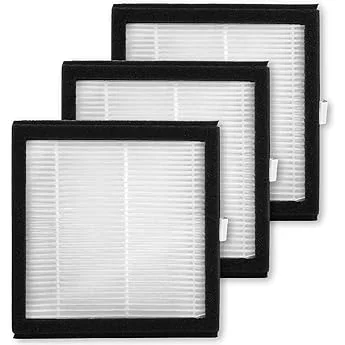
❌ Mistake: Buying Based Solely on Pint Capacity
Why it’s bad: A 70-pint dehumidifier sounds impressive, but if your space only needs 30 pints, you’re overspending on a unit that’s louder, larger, and less energy-efficient than necessary. Conversely, a 20-pint model in a large basement will run constantly, overheat, and fail prematurely.
What to do instead: Calculate your actual needs by considering room size, humidity level, and climate. Use online calculators or consult the AHAM (Association of Home Appliance Manufacturers) guidelines. When in doubt, size up slightly—but don’t go overboard.
❌ Mistake: Ignoring Energy Efficiency
Why it’s bad: Dehumidifiers can consume significant electricity, especially if run 24/7. A unit with low EF may cost $50–$100 more per year in energy bills compared to an ENERGY STAR model.
What to do instead: Always check the yellow EnergyGuide label and look for the ENERGY STAR logo. Calculate annual operating costs using the formula: (Watts ÷ 1,000) × Hours Used Per Day × Electricity Rate × 365.
❌ Mistake: Overlooking Drainage Options
Why it’s bad: If you forget to empty the tank regularly, the unit will shut off and humidity will creep back up. This is especially problematic in basements or vacation homes.
What to do instead: Choose a model with a continuous drain hose option. Even if you don’t use it immediately, having the port gives you flexibility. Pair it with a condensate pump if gravity drainage isn’t possible.
❌ Mistake: Choosing the Wrong Type for Your Climate
Why it’s bad: Compressor dehumidifiers lose efficiency below 65°F and may ice up in cold basements. Using one in winter can damage the unit or reduce effectiveness.
What to do instead: In cold environments (below 60°F), opt for a desiccant or cold-climate compressor model with auto-defrost. These maintain performance even in unheated spaces.
❌ Mistake: Skipping the Warranty Check
Why it’s bad: Dehumidifiers have complex internal components. Without warranty coverage, a failed compressor could cost $150–$300 to replace—nearly the price of a new unit.
What to do instead: Register your product immediately after purchase and keep receipts. Consider extended warranties if offered by reputable providers.
❌ Mistake: Neglecting Maintenance Requirements
Why it’s bad: Dirty filters and clogged coils reduce efficiency, increase noise, and can cause mold growth inside the unit.
What to do instead: Clean the filter monthly and inspect coils quarterly. Use a soft brush or vacuum to remove dust. Replace filters as recommended by the manufacturer.
❌ Mistake: Buying Without Reading Real User Reviews
Why it’s bad: Marketing materials highlight strengths but omit flaws. Real users often reveal issues like excessive noise, poor build quality, or app connectivity problems.
What to do instead: Spend at least 15 minutes reading recent, detailed reviews from verified buyers. Look for consistency in complaints or praise.
Budget Guidelines: How Much Should You Spend?
- Entry-Level ($80–$150): These are typically 20–30 pint compressor models ideal for small spaces. Expect basic controls, manual tank emptying, and moderate noise levels. Brands like hOmeLabs and Tosot offer solid options in this range. Great for occasional use or mild humidity issues.
- Mid-Range ($150–$300): This is the sweet spot for most homeowners. You’ll find 30–50 pint units with auto-humidistats, continuous drainage, washable filters, and quieter operation. Models like the Frigidaire FFAD7033R1 (70-pint, often on sale under $300) deliver excellent performance and reliability. ENERGY STAR certification is common here.
- Premium ($300–$500): Designed for demanding environments, these units offer advanced features like Wi-Fi connectivity, dual-speed fans, enhanced filtration, and robust construction. The GE APER50LZ or Midea MAD50C1ZWS are standout choices. Ideal for large basements, flood recovery, or tech-savvy users.
- Luxury ($500+): Includes whole-house systems (e.g., AprilAire E130) and commercial-grade portable units. These integrate with HVAC, offer remote monitoring, and provide consistent humidity control across entire homes. Best for high-end builds, humid climates, or allergy sufferers needing hospital-level air quality.
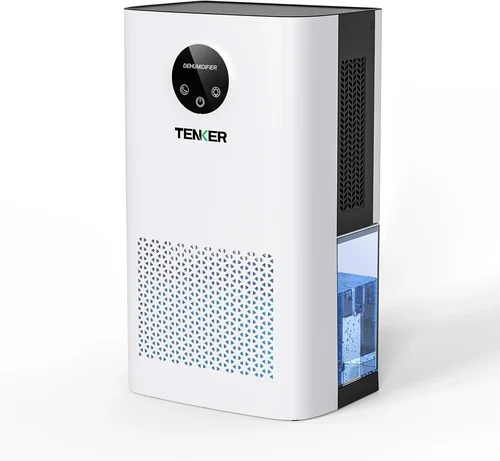
Expert Tips for Getting the Best Deal
- Buy off-season: Retailers discount dehumidifiers in late fall and winter. Stock up before spring humidity hits.
- Compare retailers: Check Amazon, Home Depot, Lowe’s, and Costco. Sometimes warehouse clubs offer exclusive bundles or extended warranties.
- Use price tracking tools: Set alerts on CamelCamelCamel (for Amazon) or Honey to notify you when prices drop.
- Check for rebates: Some utility companies offer rebates for ENERGY STAR dehumidifiers—especially in humid states like Florida or Louisiana.
- Test in-store if possible: Listen to the noise level and check build quality before buying online.
- Read return policies: Ensure you can return the unit within 30–60 days if it doesn’t meet expectations.
- Consider refurbished models: Certified refurbished units from reputable sellers often come with full warranties at 20–40% off.
- Bundle with other purchases: Some retailers offer discounts when buying multiple appliances together.

Frequently Asked Questions
Q: How do I know what size dehumidifier I need?
A: Start with your room’s square footage and humidity level. Use this quick guide: Under 500 sq. ft. and slightly damp → 20–30 pints; 500–1,500 sq. ft. and moderately damp → 30–50 pints; Over 1,500 sq. ft. or very wet → 50–70+ pints. Always refer to the manufacturer’s room size recommendations.
Q: Can a dehumidifier help with allergies?
A: Yes! By reducing moisture, dehumidifiers inhibit mold, dust mites, and mildew—common allergens. Pair it with a HEPA air purifier for maximum relief.
Q: Should I run my dehumidifier continuously?
A: Not necessarily. Most units have auto-humidistats that cycle on/off to maintain your set humidity level (ideally 30–50%). Continuous use is only needed in extremely damp conditions or during flood cleanup.
Q: How often should I empty the water tank?
A: It depends on humidity and tank size. A 1-gallon tank in a humid basement may need emptying daily; a 2-gallon tank in a dry area might last a week. Use continuous drainage to avoid this hassle.
Q: Are desiccant dehumidifiers better than compressor types?
A: It depends on your environment. Desiccants excel in cold, dry conditions and are quieter, but less energy-efficient in warm, humid climates. Compressors are more efficient in typical home conditions.
Q: Can I use a dehumidifier in winter?
A: Only if it’s a cold-climate model with auto-defrost. Standard compressors may ice up below 65°F. Desiccant units work well in winter but consume more energy.
Q: Do dehumidifiers cool the room?
A: No—they remove moisture, not heat. However, drier air feels cooler and more comfortable, which may reduce your reliance on air conditioning.
Q: How long do dehumidifiers last?
A: With proper maintenance, most last 5–10 years. Clean filters regularly, avoid overworking the unit, and store it properly during off-seasons.
Q: Can I install a dehumidifier myself?
A: Portable units are plug-and-play. Whole-house systems require professional HVAC installation to integrate with ductwork and electrical systems.
Q: Is it safe to leave a dehumidifier on overnight?
A: Yes, as long as it’s in good condition, placed on a stable surface, and has auto-shutoff if the tank fills. Modern units are designed for safe, unattended operation.
Our Final Recommendations
- Best for Budget-Conscious Buyers: hOmeLabs 30 Pint Dehumidifier – Reliable performance, compact design, and ENERGY STAR certified under $150. Perfect for small spaces and mild humidity.
- Best Overall Value: Frigidaire FFAD7033R1 (70 Pint) – Consistently top-rated by CNET and Wirecutter. Powerful, efficient, quiet, and often available under $300. Ideal for large basements.
- Best Premium Option: GE APER50LZ (50 Pint Smart Dehumidifier) – Wi-Fi enabled, app-controlled, with excellent build quality and precise humidity control. Great for tech lovers and large homes.
- Best for Beginners: Midea MAD50C1ZWS (50 Pint) – Simple controls, auto-humidistat, continuous drain, and ENERGY STAR rated. Easy to set up and maintain.
- Best for Advanced Users: AprilAire E130 Whole-House Dehumidifier – Professional-grade, integrates with HVAC, and maintains consistent humidity throughout your home. Best for humid climates or allergy sufferers.
Conclusion: Making the Right Choice
Choosing the right dehumidifier isn’t just about picking the biggest or most expensive model—it’s about matching the right tool to your unique environment, needs, and budget. We’ve covered everything from pint capacity and energy efficiency to smart features and warranty considerations, giving you the knowledge to cut through marketing hype and make a confident decision. Remember: a well-chosen dehumidifier doesn’t just improve comfort—it protects your home from structural damage, reduces allergens, and can even lower your energy bills.
Before you buy, ask yourself: What’s my primary goal? (e.g., mold prevention, odor control, allergy relief?) How large and damp is my space? Do I need portability or whole-home coverage? Am I willing to invest in smart features for convenience? Answering these questions will guide you to the perfect match.
Don’t rush the process. Take advantage of seasonal sales, read real user reviews, and prioritize long-term value over short-term savings. And once you’ve made your purchase, commit to regular maintenance—it’s the key to maximizing performance and lifespan.
Your home deserves to be a healthy, comfortable sanctuary. With the right dehumidifier, you’re not just buying an appliance—you’re investing in peace of mind. So go ahead: dry out that basement, breathe easier, and enjoy the lasting benefits of balanced indoor humidity.