
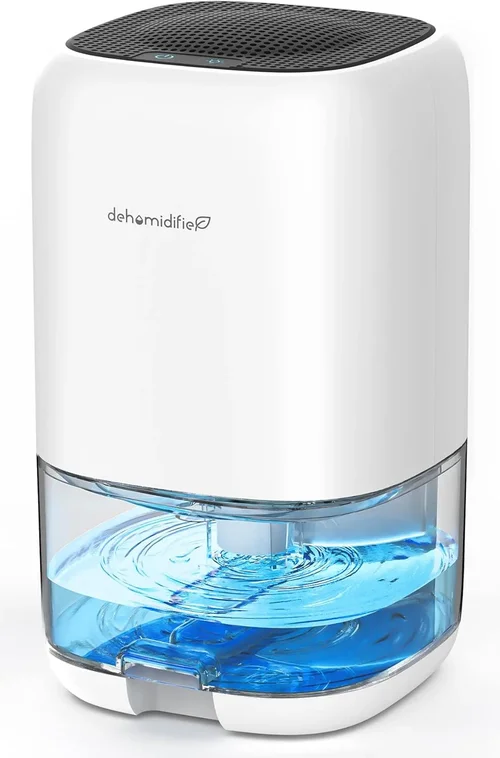
Dealing with excess moisture in your home isn’t just about comfort—it’s about protecting your health, your belongings, and the very structure of your living space. In Europe, where climate varies dramatically from the damp coasts of Ireland to the humid summers of Southern Italy, controlling indoor humidity is a year-round concern. Whether you’re battling mould in a basement flat in London, condensation on windows in a Parisian apartment, or musty odours in a historic stone house in rural Portugal, a reliable dehumidifier can make all the difference. Yet, with hundreds of models flooding the market—each boasting different capacities, features, and price tags—it’s easy to feel overwhelmed. That’s exactly why this guide exists.
This comprehensive buyer’s guide is designed to cut through the noise and help you make a confident, informed decision. Whether you’re a first-time buyer or upgrading from an older unit, you’ll learn how to evaluate performance, understand key specifications, avoid common pitfalls, and find the best dehumidifier for your specific needs and budget. We’ll cover everything from energy efficiency and noise levels to smart features and long-term durability. By the end, you won’t just know which dehumidifier to buy—you’ll understand why it’s the right choice for your home.
The European dehumidifier market is more dynamic than ever. With growing awareness of indoor air quality and rising energy costs, manufacturers are innovating rapidly. Brands like Meaco, EcoAir, Delonghi, and Pro Breeze are leading the charge with models that balance performance, efficiency, and user-friendly design. At the same time, online retailers and direct-to-consumer brands have made high-quality units more accessible than ever. But accessibility doesn’t always mean clarity. This guide will help you navigate the options, compare features objectively, and invest wisely in a device that delivers real value over time.

What to Look for When Buying Buying Guide
1. Budget & Price Range
Your budget is the foundation of your buying decision, but it shouldn’t be the only factor. Dehumidifiers in Europe range from under €100 for basic models to over €800 for premium, high-capacity units. While it’s tempting to go for the cheapest option, remember that a dehumidifier is a long-term investment in your home’s health and comfort. A low-cost model may save you money upfront but could cost more in the long run due to higher energy consumption, shorter lifespan, or inadequate performance.
When setting your budget, consider not just the purchase price but also running costs. Look for models with an A+++ energy rating, which can save you up to 60% on electricity compared to older or less efficient units. Also, factor in potential maintenance costs—some models require filter replacements or desiccant refills, while others are virtually maintenance-free. A mid-range dehumidifier (€200–€400) often offers the best balance of performance, efficiency, and durability for most European households.
2. Performance Specifications
Performance is where many buyers go wrong—either by underestimating their needs or getting seduced by exaggerated claims. The most important specification is the extraction rate, measured in litres per day (L/day). This tells you how much moisture the unit can remove in 24 hours under standard conditions (usually 30°C and 80% relative humidity). For example, a 10L/day model is suitable for a small bedroom or bathroom, while a 20L/day unit is better for a living room or basement.
But don’t stop at the number. Check the test conditions. Some manufacturers inflate their ratings by testing at higher temperatures and humidity levels than you’ll find in your home. Look for models tested at 26–30°C and 60–80% RH for a more realistic assessment. Also, consider the operating temperature range. In colder climates or unheated spaces like garages or cellars, a compressor dehumidifier may struggle below 15°C. In such cases, a desiccant model—which works efficiently even at 5°C—is a better choice.
Another key spec is the water tank capacity. A larger tank (3–4 litres) means less frequent emptying, which is especially useful in high-humidity environments. However, if you plan to use a continuous drainage hose, tank size becomes less critical. Always check the noise level (measured in decibels, dB)—ideally below 50 dB for bedroom or office use.
3. Build Quality & Durability
A dehumidifier isn’t a gadget you replace every year. It’s a workhorse that should last 5–10 years with proper care. Build quality directly impacts longevity. Look for units with sturdy plastic casings, well-sealed components, and robust internal wiring. Avoid models with flimsy handles, loose panels, or thin plastic that feels cheap to the touch.
Pay attention to the compressor (if it’s a compressor model) and the fan motor. High-quality compressors from reputable suppliers (like Panasonic or LG) tend to last longer and operate more quietly. Sealed bearings and copper coils also contribute to durability. Check for certifications like CE, RoHS, and ERP compliance—these ensure the unit meets European safety and environmental standards.
Warranty length is another indicator of build quality. A 2–3 year warranty is standard, but some premium brands offer 5 years or more. This reflects confidence in their product. Also, consider the availability of spare parts. Can you easily replace filters, hoses, or control panels? A model with poor after-sales support may become obsolete faster.
4. Features & Functionality
Modern dehumidifiers come packed with features, but not all are essential. Focus on those that enhance usability and efficiency. A digital humidity display and adjustable humidistat are must-haves—they allow you to set your desired humidity level (ideally 40–60%) and let the unit cycle on and off automatically. This prevents over-drying and saves energy.
Timer functions are useful for scheduling operation during off-peak hours or when you’re away. Auto-defrost is critical for cold environments—it prevents ice buildup on the coils, which can damage the unit or reduce efficiency. Continuous drainage via a hose is a game-changer for basements or high-moisture areas, eliminating the need to empty the tank.
Some models include air filtration systems with HEPA or activated carbon filters. These can help reduce allergens, dust, and odours, making them ideal for allergy sufferers or homes with pets. Smart features like Wi-Fi connectivity and app control are becoming more common. While not essential, they allow remote monitoring and control, which is convenient for busy households.
5. Brand Reputation
Brand matters—especially in appliances that require reliability and long-term support. In Europe, several brands have earned strong reputations for quality and customer service. Meaco, for instance, is known for its energy-efficient, quiet, and durable models, particularly the MeacoDry Arete One series. EcoAir offers solid mid-range options with good value for money. Delonghi brings Italian design and engineering to the table, with stylish units that perform well in moderate climates.
Avoid unknown brands with no track record or limited customer reviews. While they may offer tempting prices, they often lack proper testing, certifications, or spare parts. Check independent review sites like Which?, Trustpilot, or European consumer forums. Look for consistent feedback on performance, noise, and reliability. A brand with a strong presence in multiple European countries is also more likely to offer local warranty support and service centres.
6. Warranty & Support
A good warranty is your safety net. It protects you against manufacturing defects and gives you peace of mind. Most reputable brands offer at least a 2-year warranty, with some extending to 3 or 5 years. Check what’s covered—does it include the compressor, electronics, and labour? Is it valid across Europe, or only in the country of purchase?
Customer support is equally important. Can you easily contact the manufacturer via phone, email, or live chat? Are there local service centres? A brand with poor support may leave you stranded if your unit breaks down. Read the fine print: some warranties require registration within 30 days or proof of purchase from an authorised retailer.
Also, consider the return policy. If you buy online, ensure the seller offers a 14-day cooling-off period under EU consumer law. This allows you to return the unit if it doesn’t meet your expectations—no questions asked.
7. Size & Portability
Dehumidifiers come in various sizes, from compact 5kg units to bulky 15kg machines. Size affects both performance and portability. A larger unit typically has a higher extraction rate and bigger water tank, but it may be harder to move between rooms. If you plan to use the dehumidifier in multiple areas—like a bedroom at night and a living room during the day—look for a model with sturdy wheels and a comfortable handle.
Weight is another factor. A 10–12kg unit is manageable for most adults, but anything over 15kg can be cumbersome. Check the dimensions to ensure it fits in your intended space—especially if you’re placing it in a closet, under a desk, or in a narrow hallway. Some models are designed with a low profile or vertical orientation to save floor space.
8. User Reviews & Ratings
Never buy a dehumidifier based solely on specs or marketing claims. Real-world user reviews provide invaluable insights into performance, reliability, and usability. Look for reviews on trusted platforms like Amazon, Google, or specialised forums. Pay attention to recurring themes: if multiple users complain about noise, leaks, or poor customer service, it’s a red flag.
But don’t dismiss a product because of a few negative reviews. Isolate the issues—are they isolated incidents or widespread problems? Also, consider the context. A review from a user in a tropical climate may not apply to your temperate European home. Focus on reviews from users in similar environments and with similar needs.
Different Types of Buying Guide

Common Buying Mistakes to Avoid
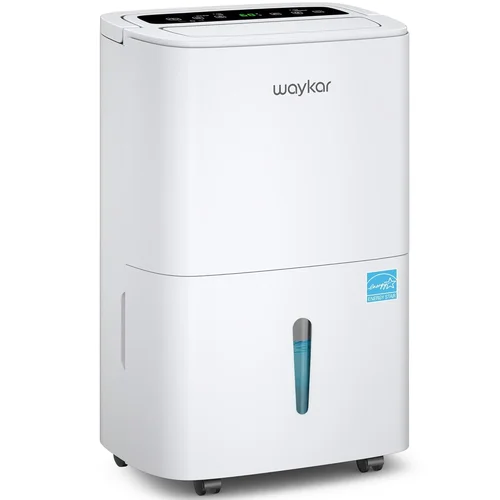
❌ Mistake: Buying Based Solely on Price
Why it’s bad: The cheapest dehumidifier often delivers the worst performance. It may have a low extraction rate, poor build quality, or high energy consumption, leading to higher long-term costs and frequent replacements.
What to do instead: Focus on value, not price. Compare models within your budget based on energy efficiency, warranty, and user reviews. A slightly more expensive unit that lasts twice as long is a better investment.
❌ Mistake: Ignoring Room Size and Humidity Level
Why it’s bad: An undersized dehumidifier will run constantly, overheat, and fail to control humidity. An oversized one may cycle too frequently, wasting energy and reducing lifespan.
What to do instead: Measure your room size (in m²) and assess humidity levels. Use a hygrometer if possible. Match the dehumidifier’s capacity to your space—e.g., 10L/day for 20–30m², 20L/day for 40–60m².
❌ Mistake: Overlooking Noise Levels
Why it’s bad: A noisy dehumidifier can disrupt sleep, work, or relaxation—especially in open-plan homes or bedrooms.
What to do instead: Check the decibel (dB) rating. Aim for under 50 dB for quiet operation. Desiccant models are generally quieter than compressor types.
❌ Mistake: Not Considering Energy Efficiency
Why it’s bad: Dehumidifiers can consume significant electricity, especially if run 24/7. An inefficient model can add €100+ to your annual energy bill.
What to do instead: Look for the EU energy label (A+++ is best). Choose models with inverter compressors or eco modes that adjust power based on humidity levels.
❌ Mistake: Forgetting About Maintenance
Why it’s bad: Neglecting filter cleaning or tank emptying can reduce efficiency, cause odours, or even damage the unit.
What to do instead: Choose a model with washable filters and an easy-to-remove tank. Set reminders to clean filters monthly and empty the tank regularly.
❌ Mistake: Buying Without Checking Warranty and Support
Why it’s bad: A broken dehumidifier with no warranty or local service can leave you stranded for weeks.
What to do instead: Verify warranty terms, coverage, and service availability in your country. Buy from authorised retailers to ensure validity.
❌ Mistake: Assuming All “Smart” Features Are Useful
Why it’s bad: Wi-Fi, apps, and voice control can add cost without adding real value—especially if you don’t use them.
What to do instead: Prioritise core features like humidistat, auto-defrost, and timer. Only pay extra for smart features if you’ll actually use them.
Budget Guidelines: How Much Should You Spend?
Entry-Level (€50–€150): These are typically mini or thermo-electric models. They’re suitable for small, enclosed spaces like wardrobes or caravans. Expect low extraction rates (0.5–2L/day), small tanks, and basic controls. Not recommended for whole-room dehumidification.
Mid-Range (€150–€400): This is the sweet spot for most European households. You’ll find reliable compressor or desiccant models with 10–20L/day capacity, digital controls, auto-defrost, and energy-efficient operation. Brands like Meaco, EcoAir, and Pro Breeze dominate this tier.
Premium (€400–€700): These units offer advanced features like HEPA filtration, Wi-Fi connectivity, large tanks (4L+), and superior build quality. Ideal for large homes, basements, or allergy sufferers. Models like the MeacoDry Arete One 20L or Delonghi DEX16F are excellent choices.
Luxury (€700+): Reserved for whole-house systems or commercial-grade units. These integrate with HVAC, offer remote monitoring, and deliver exceptional performance. Only necessary for very large properties or extreme humidity issues.
Expert Tips for Getting the Best Deal
– Buy in Spring: Dehumidifiers are in lower demand after winter, so retailers often offer discounts in March–May. Avoid peak summer months when prices rise due to high demand.
– Shop Online for Better Selection: Online retailers like Amazon, MediaMarkt, or Coolblue offer wider ranges, detailed specs, and customer reviews. You can also compare prices across platforms easily.
– Check for Bundled Offers: Some sellers include free filters, hoses, or extended warranties. These can add significant value.
– Use Price Tracking Tools: Set up alerts on Google Shopping or CamelCamelCamel to monitor price drops on specific models.
– Read the Return Policy: Ensure you can return the unit within 14 days if it doesn’t meet expectations. Test it thoroughly upon delivery.
– Test Before Committing: Run the dehumidifier for a few days in your intended space. Check noise, humidity control, and ease of use.
– Consider Refurbished Models: Certified refurbished units from reputable sellers can save 20–30% and often come with full warranties.
– Negotiate with Local Retailers: Some brick-and-mortar stores may price-match online deals or throw in free delivery.
Frequently Asked Questions
Q: How do I know if I need a dehumidifier?
A: Signs include condensation on windows, musty smells, mould growth, damp patches on walls, or clothes that never fully dry. A hygrometer can confirm if humidity exceeds 60%.
Q: Can a dehumidifier help with allergies?
A: Yes. By reducing moisture, it inhibits mould, dust mites, and mildew—common allergens. Models with HEPA filters offer additional air purification.
Q: How often should I empty the water tank?
A: It depends on humidity and tank size. In high-moisture areas, you may need to empty it daily. Use continuous drainage for convenience.
Q: Do dehumidifiers use a lot of electricity?
A: It varies. A 200W unit running 8 hours uses about 1.6 kWh—roughly €0.40 per day. Energy-efficient models with inverter tech use less.
Q: Can I use a dehumidifier in winter?
A: Yes, but compressor models lose efficiency below 15°C. Desiccant dehumidifiers work well in cold conditions and are ideal for unheated spaces.
Q: Should I run the dehumidifier all the time?
A: No. Use the humidistat to maintain 40–60% humidity. Running it continuously wastes energy and may over-dry the air.
Q: How long do dehumidifiers last?
A: With proper maintenance, most last 5–10 years. Compressor models may need servicing after 5 years.
Q: Can I move my dehumidifier between rooms?
A: Yes, if it has wheels and a handle. Allow it to sit upright for 30 minutes after moving to prevent oil leakage in compressor models.
Q: Are desiccant dehumidifiers better than compressor ones?
A: It depends. Desiccants work better in cold climates and are quieter. Compressors are more efficient in warm, humid conditions.
Q: What’s the ideal humidity level for a home?
A: Between 40% and 60%. Below 40% can cause dry skin and respiratory issues; above 60% promotes mould and dust mites.
Our Final Recommendations
Best for Budget-Conscious Buyers: EcoAir DC18 – A reliable 18L/day compressor model with auto-defrost, humidistat, and A+ energy rating. Priced under €250, it offers excellent value for small to medium homes.
Best Overall Value: MeacoDry Arete One 10L – Quiet, efficient, and packed with features like HEPA filter, app control, and 5-year warranty. Ideal for bedrooms and living rooms.
Best Premium Option: Delonghi DEX16F – Stylish, powerful, and energy-efficient. With a 16L capacity, continuous drainage, and smart controls, it’s perfect for larger spaces.
Best for Beginners: Pro Breeze 12L – Simple controls, compact design, and affordable price. Great for first-time users or small apartments.
Best for Advanced Users: MeacoDry Arete One 20L – Top-tier performance with Wi-Fi, air purification, and ultra-low noise. Designed for demanding environments and tech-savvy users.
Conclusion: Making the Right Choice
Choosing the best dehumidifier in Europe isn’t about finding the most expensive or feature-rich model—it’s about matching the right unit to your home, climate, and lifestyle. By understanding key factors like performance, efficiency, and build quality, you can avoid costly mistakes and invest in a device that delivers lasting comfort and protection.
Remember, a dehumidifier is more than a convenience—it’s a tool for healthier living. It prevents mould, protects your belongings, and improves indoor air quality. Whether you’re in a damp coastal town or a humid Mediterranean city, the right dehumidifier can transform your home environment.
Take the time to assess your needs, compare options, and read real user feedback. Don’t rush the decision. And when you do buy, choose a reputable brand with strong support and a solid warranty. Your home—and your health—will thank you.
Now that you’re equipped with expert knowledge, it’s time to take action. Use this guide as your roadmap, and find the dehumidifier that’s perfect for you. Your ideal indoor climate is just a purchase away.