
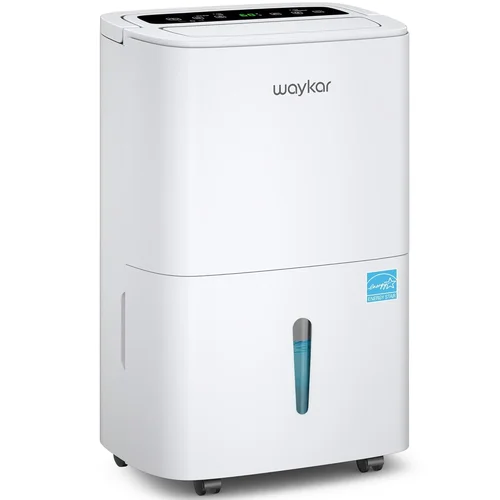
If you’re dealing with musty odors, sticky air, or visible mold in a space around 400 square feet—whether it’s a basement, bedroom, garage, or small apartment—you’re not alone. Excess moisture in indoor air is more than just uncomfortable; it can damage furniture, worsen allergies, and create an environment where dust mites and mold thrive. That’s why choosing the right dehumidifier for a 400 sq ft area is so important. With so many models flooding the market—each boasting different capacities, features, and price points—it’s easy to feel overwhelmed. This guide cuts through the noise to help you make a confident, informed decision.
In this comprehensive buying guide, we’ll walk you through everything you need to know about selecting the best dehumidifier for a 400-square-foot space in 2026. You’ll learn how to evaluate performance specs like pint capacity and energy efficiency, understand key features such as auto-humidistats and continuous drainage, and avoid common pitfalls that lead to buyer’s remorse. We’ll also compare different types of dehumidifiers, break down budget expectations, share expert tips for getting the best deal, and answer frequently asked questions based on real user experiences. Whether you’re a first-time buyer or upgrading from an older model, this guide equips you with the knowledge to choose a unit that fits your space, lifestyle, and long-term needs.
The dehumidifier market has evolved significantly over the past few years. Advances in compressor technology, smart home integration, and eco-friendly refrigerants have made modern units more efficient, quieter, and easier to maintain than ever before. However, not all dehumidifiers are created equal—especially when it comes to coverage area. A unit designed for 200 sq ft will struggle in a 400 sq ft room, while an oversized model may cycle too frequently, wasting energy and shortening its lifespan. Our goal is to help you find that “Goldilocks” option: powerful enough to handle your space, efficient enough to run daily without spiking your electricity bill, and reliable enough to last for years.

What to Look for When Buying Buying Guide
1. Pint Capacity & Moisture Removal Rate
The most critical specification when shopping for a dehumidifier is its pint capacity—the amount of moisture it can remove from the air in 24 hours under standard conditions (typically 60% relative humidity at 80°F). For a 400 sq ft space, you’ll generally want a unit rated between 20 and 30 pints per day (pints/day). This range strikes the ideal balance between effectiveness and efficiency. Units below 20 pints may leave your space feeling damp, especially if you live in a humid climate or have poor ventilation. On the other hand, models above 30 pints are often overkill for 400 sq ft and may short-cycle (turn on and off too frequently), which reduces efficiency and increases wear on the compressor.
It’s also important to note that manufacturers often test pint ratings under ideal lab conditions. Real-world performance can vary based on temperature, humidity levels, and airflow. For example, in cooler basements (below 65°F), refrigerant-based dehumidifiers become less efficient. If your 400 sq ft space is a chilly basement, consider a model specifically designed for low-temperature operation or one with a built-in defrost function. Always check the product’s “AHAM certified” rating—this ensures the pint capacity has been independently verified by the Association of Home Appliance Manufacturers.
2. Energy Efficiency & Operating Costs
Dehumidifiers run for hours each day, so energy consumption directly impacts your utility bill. Look for models with the ENERGY STAR® certification, which indicates they meet strict efficiency guidelines set by the U.S. Environmental Protection Agency. ENERGY STAR dehumidifiers use up to 15% less energy than standard models, which can save you $20–$50 per year depending on local electricity rates and usage patterns.
Pay attention to the unit’s Energy Factor (EF), measured in liters of water removed per kilowatt-hour (L/kWh). A higher EF means better efficiency. For a 400 sq ft space, aim for an EF of at least 1.5 L/kWh. Also consider the wattage—most 20–30 pint units draw between 300 and 500 watts. While this seems modest, running a 400W dehumidifier for 12 hours a day adds about 14.4 kWh to your monthly bill. Over a humid summer, that’s nearly 200 kWh—enough to power a laptop for over 1,000 hours. Choosing an efficient model not only saves money but also reduces your carbon footprint.
3. Humidity Control & Auto Features
Manual dehumidifiers require constant monitoring—you turn them on when it feels damp and off when it feels dry. This reactive approach is inefficient and impractical. Instead, opt for a model with a built-in humidistat and automatic humidity control. These units let you set your desired relative humidity level (ideally between 40% and 50% for comfort and mold prevention), and the dehumidifier will cycle on and off as needed to maintain that level.
Look for models with digital displays and precise humidity settings (e.g., 1% increments). Some advanced units even offer programmable timers, allowing you to run the dehumidifier only during off-peak hours or when you’re away. Auto-restart is another valuable feature—if the power goes out, the unit will resume its previous settings once power is restored. This is especially useful in areas prone to storms or brownouts.
Additionally, consider models with auto-defrost. In cooler environments, the evaporator coils can freeze, reducing efficiency and potentially damaging the unit. Auto-defrost temporarily shuts off the compressor and uses fan-only mode to melt ice, ensuring consistent performance year-round.
4. Drainage Options & Maintenance
All dehumidifiers collect water in an internal bucket, but constantly emptying it is a hassle—especially if you’re running the unit daily. For a 400 sq ft space, choose a model with multiple drainage options. Most units include a standard bucket (typically 8–12 pints) with a full-tank alert and auto-shutoff to prevent overflow. But for continuous operation, a gravity drain hose or built-in pump is essential.
A gravity drain hose (usually included or sold separately) lets you route water directly to a floor drain, sink, or sump pump. This eliminates the need to empty the bucket entirely. However, it requires a downward slope and access to a drain. If your space lacks a nearby drain, look for a model with a built-in condensate pump. These pumps can push water vertically (up to 15 feet) and horizontally (up to 20 feet), giving you more flexibility in placement.
Maintenance is another key consideration. Washable or reusable air filters are a must—they capture dust, pet dander, and mold spores, improving air quality and protecting the internal components. Check how easy it is to remove and clean the filter; some models have tool-free access panels, while others require screws. Also, inspect the coil design—units with coated or anti-corrosion coils last longer in humid environments.
5. Noise Level & Placement Flexibility
Dehumidifiers aren’t silent. Most operate between 45 and 60 decibels (dB)—comparable to a quiet conversation or background music. While this may seem low, constant fan and compressor noise can be disruptive in bedrooms, home offices, or living areas. For a 400 sq ft space used for relaxation or work, prioritize models with noise levels below 50 dB.
Manufacturers often list “low,” “medium,” and “high” fan speeds with corresponding dB ratings. Choose a unit with a quiet low-speed mode for nighttime use. Some premium models feature insulated compressor compartments or variable-speed fans that reduce noise during light-duty cycles.
Placement also affects noise perception. Avoid placing the dehumidifier against walls or in corners, as this can amplify sound and restrict airflow. Ideally, position it in the center of the room or near the source of moisture (e.g., near a washing machine in a basement). Ensure at least 6–12 inches of clearance on all sides for proper ventilation.
6. Size, Weight & Portability
Even though your space is only 400 sq ft, the physical size of the dehumidifier matters—especially if storage or mobility is a concern. Most 20–30 pint units measure between 12″ x 16″ x 24″ and weigh 30–50 pounds. While this may seem manageable, moving a 40-pound appliance up and down basement stairs or between rooms can be challenging.
Look for models with integrated handles, caster wheels, or both. Four swivel casters make it easy to roll the unit across carpet or tile, while recessed handles provide a secure grip. Some units also feature a top-mounted control panel, making it easier to adjust settings without bending over.
If you plan to store the dehumidifier during dry months, consider its packed dimensions. A compact design saves space in closets or garages. Also, check if the power cord is detachable or wraps neatly around built-in cord storage—this reduces clutter and prevents tripping hazards.
7. Build Quality & Durability
A dehumidifier is a long-term investment. Cheap plastic housings, flimsy controls, and weak compressors may save you money upfront but often fail within 1–2 years. For a 400 sq ft space, you need a unit built to last. Look for sturdy construction with reinforced corners, sealed electrical components, and corrosion-resistant coatings—especially if the dehumidifier will be used in a basement, garage, or coastal area.
The compressor is the heart of the system. Rotary compressors are quieter and more efficient than piston types, making them ideal for residential use. However, they’re also more expensive to repair. Scroll compressors offer even greater reliability but are typically found in commercial-grade units. For most homeowners, a high-quality rotary compressor strikes the best balance.
Also, inspect the warranty. A longer warranty period (3–5 years) often reflects the manufacturer’s confidence in their product. Pay attention to what’s covered—some warranties exclude labor, filters, or cosmetic damage. Extended warranties may be worth considering if you live in a high-humidity region or plan to use the unit heavily.
8. Brand Reputation & Customer Support
Not all dehumidifier brands are equal. Established manufacturers like Frigidaire, hOmeLabs, GE, and Keystone have decades of experience and robust customer support networks. They offer reliable products, detailed user manuals, and accessible service centers. In contrast, lesser-known brands may cut corners on quality control or disappear when you need help.
Before buying, research the brand’s reputation. Check reviews on trusted platforms like Consumer Reports, Wirecutter, or Amazon (filtering for verified purchases). Look for patterns in feedback—consistent complaints about leaks, noisy operation, or poor customer service are red flags. Also, verify that the brand offers U.S.-based support, including phone, email, and live chat.
Customer support matters more than you might think. If your dehumidifier malfunctions or you have questions about setup, you want prompt, knowledgeable assistance. Brands with strong support often provide video tutorials, FAQs, and troubleshooting guides on their websites. Some even offer free replacement parts under warranty.
Different Types of Buying Guide

For a 400 sq ft space, mid-size compressor models are typically the best fit. They offer the right balance of capacity, efficiency, and features without the complexity or cost of whole-home systems. Desiccant models are a close second if you’re in a cold climate, while smart models add convenience for those who want remote monitoring.
Common Buying Mistakes to Avoid
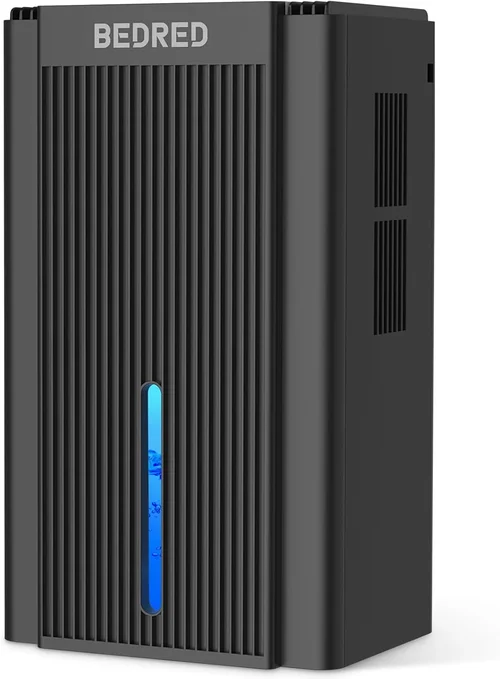
❌ Mistake: Choosing Based Solely on Price
Why it’s bad: The cheapest dehumidifier often lacks essential features like a humidistat, auto-shutoff, or efficient drainage. It may also use lower-quality components that fail prematurely, leading to higher long-term costs.
What to do instead: Focus on value, not just upfront cost. A $200 model with ENERGY STAR certification and a 3-year warranty may save you more over time than a $100 unit that breaks after one season.
❌ Mistake: Ignoring Room Conditions
Why it’s bad: A dehumidifier rated for 400 sq ft may underperform if your space is poorly insulated, has high humidity, or is frequently exposed to moisture (e.g., from a laundry area).
What to do instead: Assess your room’s specific conditions. If you have persistent dampness, consider a higher-capacity model (e.g., 30 pints) or pair the dehumidifier with improved ventilation.
❌ Mistake: Overlooking Drainage Needs
Why it’s bad: Relying solely on the internal bucket means daily emptying—a chore that’s easy to forget, leading to overflow and potential water damage.
What to do instead: Choose a model with continuous drainage options. Even if you don’t install a hose immediately, having the capability future-proofs your purchase.
❌ Mistake: Buying an Oversized Unit
Why it’s bad: A 50-pint dehumidifier in a 400 sq ft space will short-cycle, wasting energy and reducing compressor life. It may also over-dry the air, causing discomfort.
What to do instead: Stick to the 20–30 pint range for 400 sq ft. Use the AHAM room size guide as a reference, not just the manufacturer’s marketing claims.
❌ Mistake: Neglecting Maintenance
Why it’s bad: Dirty filters and clogged coils reduce efficiency, increase noise, and can lead to mold growth inside the unit.
What to do instead: Clean the filter monthly and inspect coils quarterly. Follow the manufacturer’s maintenance schedule to ensure optimal performance.
❌ Mistake: Not Checking Warranty Details
Why it’s bad: A “1-year warranty” may only cover parts, not labor or shipping. Some brands require registration within 30 days to activate coverage.
What to do instead: Read the fine print. Register your product promptly and keep receipts. Consider extended warranties for high-use environments.
❌ Mistake: Assuming All Brands Are Equal
Why it’s bad: Lesser-known brands may use generic components and lack reliable customer support, making repairs difficult.
What to do instead: Stick with reputable brands that offer U.S.-based support and have positive long-term reviews.
Budget Guidelines: How Much Should You Spend?
– Entry-Level ($80–$150): These are basic refrigerant models with 15–20 pint capacities. They often lack a humidistat, have smaller buckets, and may not be ENERGY STAR certified. Best for occasional use in mild humidity. Expect shorter lifespans (2–3 years) and higher noise levels.
– Mid-Range ($150–$300): This is the sweet spot for most 400 sq ft spaces. Units in this range offer 20–30 pint capacities, digital controls, auto-humidistats, continuous drainage options, and ENERGY STAR certification. They’re reliable, efficient, and built to last 5+ years with proper maintenance.
– Premium ($300–$500): These models include advanced features like Wi-Fi connectivity, built-in pumps, quiet operation (under 50 dB), and enhanced durability. Ideal for tech-savvy users or those in high-humidity areas. Some offer app-based scheduling and air quality monitoring.
– Luxury ($500+): Top-tier units designed for professionals or extreme conditions. They may include dual compressors, industrial-grade components, or integration with smart home systems. Overkill for most 400 sq ft residential spaces but worth considering for commercial use or severe mold issues.
For most homeowners, the mid-range tier offers the best balance of performance, features, and value. Spending $200–$250 gets you a high-quality, efficient dehumidifier that will serve you well for years.

Expert Tips for Getting the Best Deal
– Buy in Spring: Retailers often discount dehumidifiers in early spring (March–April) to prepare for summer demand. You can save 10–20% compared to peak summer prices.
– Shop Online for Better Selection: Online retailers like Amazon, Home Depot, and Lowe’s offer wider inventories, detailed specs, and user reviews. Use filters to compare models side by side.
– Check for Rebates: Some utility companies offer rebates for ENERGY STAR appliances. Visit the ENERGY STAR rebate finder to see if you qualify.
– Read Verified Reviews: Focus on reviews from verified purchasers. Look for comments about real-world performance, noise, and durability—not just star ratings.
– Test Before Committing: If buying in-store, inspect the build quality, control layout, and noise level. Ask about return policies in case the unit doesn’t perform as expected.
– Consider Refurbished Models: Certified refurbished units from reputable brands often come with warranties and sell for 20–30% less than new. Ensure they’re tested and cleaned by the manufacturer.
– Bundle with Accessories: Some retailers offer free drain hoses, filters, or smart plugs with dehumidifier purchases. These add-ons can save you $20–$50.
– Negotiate Extended Warranties: If offered, compare the cost of an extended warranty to the price of potential repairs. For mid-range units, it’s often not worth it—but for premium models, it may provide peace of mind.

Frequently Asked Questions
Q: How many pints should a dehumidifier be for 400 sq ft?
A: For a 400 sq ft space, a 20–30 pint dehumidifier is ideal. This range effectively removes moisture without overworking the unit. Choose 20 pints for moderate humidity and 30 pints for high humidity or damp basements.
Q: Can I use a dehumidifier in a cold basement?
A: Yes, but standard refrigerant models lose efficiency below 65°F. Look for a unit with auto-defrost or consider a desiccant dehumidifier, which works well in temperatures as low as 40°F.
Q: How often should I empty the water tank?
A: It depends on humidity levels and usage. In high-humidity areas, you may need to empty it daily. With continuous drainage, you can run the unit indefinitely without manual intervention.
Q: Will a dehumidifier help with mold?
A: Yes, by reducing humidity below 50%, a dehumidifier inhibits mold growth. However, it won’t remove existing mold—clean affected areas with a mold-killing solution first.
Q: Can I run a dehumidifier 24/7?
A: Yes, especially if you have a humidistat. The unit will cycle on and off as needed, maintaining your set humidity level efficiently.
Q: Is it safe to leave a dehumidifier on when I’m away?
A: Yes, as long as it has auto-shutoff and a reliable drainage system. Ensure the unit is placed on a level surface and away from flammable materials.
Q: Do dehumidifiers use a lot of electricity?
A: A 300W model running 12 hours a day uses about 3.6 kWh daily—roughly $0.40–$0.60 per day, depending on your electricity rate. ENERGY STAR models reduce this cost.
Q: Can I use a dehumidifier in an apartment?
A: Absolutely. Compact 20–30 pint models are perfect for apartments. Choose a quiet unit with a washable filter to minimize maintenance.
Q: What’s the difference between a dehumidifier and an air purifier?
A: A dehumidifier removes moisture from the air, while an air purifier removes particles like dust, pollen, and smoke. They serve different purposes but can be used together for better indoor air quality.
Q: How long do dehumidifiers last?
A: With proper maintenance, most quality dehumidifiers last 5–7 years. Factors like usage frequency, climate, and build quality affect longevity.
Our Final Recommendations
– Best for Budget-Conscious Buyers: hOmeLabs 22-Pint Dehumidifier – At under $200, this ENERGY STAR certified model offers excellent value with a digital humidistat, auto-restart, and continuous drainage. Ideal for mild to moderate humidity.
– Best Overall Value: Frigidaire FFAD2233W1 22-Pint Dehumidifier – Reliable, efficient, and packed with features like a washable filter, low-temperature operation, and a 1.8-gallon tank. A top pick for 400 sq ft spaces.
– Best Premium Option: GE APER25LZ 25-Pint Smart Dehumidifier – Wi-Fi enabled with app control, voice assistant compatibility, and a built-in pump. Perfect for tech-savvy users who want remote monitoring and scheduling.
– Best for Beginners: Keystone 20-Pint Dehumidifier – Simple controls, lightweight design, and easy maintenance make this a great first dehumidifier. Includes auto-humidistat and full-tank alert.
– Best for Advanced Users: AprilAire E080 Pro 30-Pint Dehumidifier – Designed for basements and crawl spaces, this heavy-duty unit features a corrosion-resistant coil, 5-year warranty, and professional-grade performance.
Conclusion: Making the Right Choice
Choosing the best dehumidifier for a 400 sq ft space doesn’t have to be overwhelming. By focusing on key factors like pint capacity, energy efficiency, humidity control, and drainage options, you can narrow down your choices to models that truly meet your needs. Avoid common pitfalls like overspending on unnecessary features or underspending on inadequate units. Instead, prioritize reliability, ease of use, and long-term value.
Remember, the right dehumidifier does more than just reduce moisture—it improves air quality, protects your belongings, and creates a healthier living environment. Whether you’re tackling a damp basement, a humid bedroom, or a musty garage, investing in a quality unit pays dividends in comfort and peace of mind.
Take the time to assess your space, compare options, and read real user feedback. And when you’re ready to buy, use our expert tips to get the best deal. With the right dehumidifier, you’ll enjoy fresher, drier air—and a home that feels as good as it looks.