
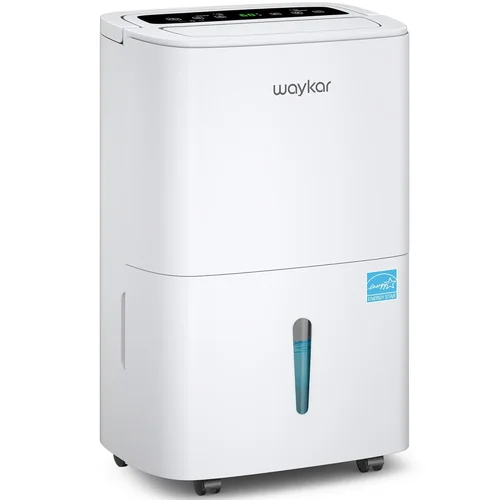
Dehumidifiers are no longer just a luxury—they’re a necessity for many homeowners, especially those living in humid climates or dealing with damp basements, musty odors, or allergy flare-ups. Whether you’re battling mold growth, protecting wooden furniture from warping, or simply trying to breathe easier at home, the right dehumidifier can make a world of difference. But with so many models on the market, each boasting different capacities, features, and price points, choosing the best dehumidifier for 800 square feet can feel overwhelming. That’s where this comprehensive guide comes in.
In this expert-level buying guide, we’ll walk you through everything you need to know to make an informed decision. You’ll learn how to evaluate performance specs, understand energy efficiency ratings, compare build quality across brands, and avoid common pitfalls that lead to buyer’s remorse. We’ll also break down the different types of dehumidifiers available, highlight key features that matter most for mid-sized spaces like yours, and provide real-world recommendations based on extensive research and user feedback. By the end, you’ll have a clear roadmap to finding a unit that fits your space, budget, and lifestyle—without overspending or underperforming.
The market for residential dehumidifiers has evolved significantly over the past few years. Advances in compressor technology, smart home integration, and eco-friendly refrigerants have made modern units more efficient, quieter, and smarter than ever before. Yet, despite these improvements, many consumers still struggle to find the right balance between capacity, cost, and convenience. A unit too small won’t effectively control humidity; one too large may cycle on and off too frequently, wasting energy and shortening its lifespan. For an 800-square-foot area—whether it’s a single-level apartment, a basement, or a compact home—the sweet spot typically lies in the 20–30 pint range, depending on humidity levels and ambient conditions. This guide will help you pinpoint exactly what you need.

What to Look for When Buying Buying Guide
1. Capacity (Pint Rating)
The most critical factor when selecting a dehumidifier is its capacity, measured in pints per day (PPD)—the amount of moisture it can remove from the air in 24 hours. For an 800-square-foot space, you’ll generally want a unit rated between 20 and 30 pints. However, this isn’t a one-size-fits-all rule. The ideal capacity depends heavily on your local climate and the severity of moisture issues. If you live in a coastal region or experience frequent rain, a 30-pint model may be necessary. In moderately humid areas, a 20-pint unit might suffice. Always check the manufacturer’s coverage guidelines—some brands specify “up to 1,500 sq ft” for a 20-pint model, but that assumes average humidity. In high-moisture environments, performance drops significantly.
2. Energy Efficiency & Operating Costs
Dehumidifiers run for hours each day, so energy consumption directly impacts your utility bill. The key metric here is the Energy Factor (EF), measured in liters of water removed per kilowatt-hour (L/kWh). Higher EF values mean greater efficiency. Most modern units range from 1.5 to 2.5 L/kWh. Additionally, look for the ENERGY STAR® label—models with this certification use about 15% less energy than standard units. Over a year, that can translate to $20–$50 in savings, depending on local electricity rates and usage patterns. Some premium models also feature auto-defrost, which prevents ice buildup on coils in cooler environments (like basements), maintaining efficiency even at lower temperatures.
3. Humidity Control & Sensors
A good dehumidifier doesn’t just remove moisture—it maintains consistent indoor humidity levels. Look for models with built-in hygrometers (humidity sensors) and digital controls that let you set your desired humidity level (ideally between 30% and 50%). Advanced units offer programmable timers, automatic shut-off when the tank is full, and continuous drainage options. Some even include remote sensors that monitor humidity in another part of your home and adjust operation accordingly. This is especially useful if your 800 sq ft space includes a basement or crawlspace where conditions may differ from the main living area.
4. Tank Size & Drainage Options
All dehumidifiers collect water in an internal tank, but frequent emptying can become a chore. For an 800 sq ft space running daily, a 1–2 gallon (approximately 8–16 pint) tank is typical. If you don’t want to empty it every day, opt for a model with a continuous drainage hose connection. This allows you to route water directly to a floor drain, sump pump, or utility sink—ideal for basements or unattended operation. Make sure the unit includes a hose adapter or has a built-in pump (some premium models feature internal condensate pumps for vertical drainage up to 15 feet). Also, check the tank design: wide openings and ergonomic handles make emptying easier and less messy.
5. Noise Level
Dehumidifiers use compressors and fans, which generate noise—typically between 45 and 60 decibels (dB). For context, 50 dB is similar to a quiet conversation, while 60 dB resembles normal office chatter. If you plan to run the unit in a bedroom, home office, or living room, prioritize quieter models (under 55 dB). Many manufacturers now list sound levels in product specs. Look for features like “quiet mode” or “low-speed fan” settings that reduce noise during nighttime operation. Compressor type also matters: rotary compressors tend to be quieter than reciprocating ones.
6. Build Quality & Durability
Since dehumidifiers operate in damp environments, corrosion resistance is crucial. Check for rust-proof coatings on coils and cabinets, especially if used in basements or garages. Stainless steel or coated aluminum components last longer than plain metal. Also consider the quality of seals and gaskets—poor sealing can lead to air leaks, reducing efficiency. Units with all-metal housings generally outperform plastic-only designs in terms of longevity. Finally, inspect the warranty: a longer coverage period (3+ years) often reflects the manufacturer’s confidence in durability.
7. Smart Features & Connectivity
Modern dehumidifiers increasingly offer Wi-Fi connectivity and app control via platforms like Google Home, Amazon Alexa, or proprietary apps. These features allow you to monitor humidity levels remotely, receive tank-full alerts, schedule operation, or integrate with whole-home HVAC systems. While not essential, smart capabilities add convenience—especially if you travel frequently or want to automate humidity management. Some models even analyze usage patterns and suggest optimal settings. Just ensure your home Wi-Fi covers the unit’s location, particularly in basements.
8. Portability & Design
Even in an 800 sq ft space, you may need to move the dehumidifier between rooms—say, from the basement to the laundry room during humid summer months. Look for units with recessed handles, smooth-rolling casters, and a compact footprint. Weight matters too: most 20–30 pint models weigh 30–50 lbs. A well-designed unit should be easy to maneuver without straining your back. Also consider aesthetics: some brands offer sleek, modern designs that blend into living spaces, while others look purely utilitarian.
Different Types of Buying Guide

For an 800-square-foot space, compressor-based dehumidifiers are almost always the best choice. They offer the right balance of power, efficiency, and affordability. Desiccant models are better suited for colder environments, while whole-house units are overkill unless you’re integrating with central HVAC. Mini and thermo-electric units lack the capacity for consistent moisture control in spaces this size.
Common Buying Mistakes to Avoid
❌ Mistake: Buying Based Solely on Square Footage
Why it’s bad: Many buyers assume a dehumidifier rated for “1,000 sq ft” will work perfectly in their 800 sq ft home. But coverage claims often assume ideal conditions (moderate humidity, 70°F+). In reality, high humidity, poor ventilation, or cold basements can drastically reduce effective coverage.
What to do instead: Prioritize pint capacity over square footage claims. Use a hygrometer to measure your actual humidity level, then match it to a unit with appropriate PPD rating for your climate zone.
❌ Mistake: Ignoring Drainage Options
Why it’s bad: If you forget to empty the tank daily, the unit shuts off, humidity rises, and mold can return. This is especially problematic if you’re away from home or using the dehumidifier in an inaccessible area like a crawlspace.
What to do instead: Choose a model with a continuous drain hose option. Even if you don’t use it immediately, having the capability future-proofs your purchase.
❌ Mistake: Overlooking Noise Levels
Why it’s bad: A noisy unit can disrupt sleep, concentration, or relaxation—especially if placed in or near living areas. Some budget models exceed 60 dB, which is louder than a dishwasher.
What to do instead: Check decibel ratings in product specs. Read user reviews mentioning noise. If possible, test the unit in-store or choose a model with a “quiet mode.”
❌ Mistake: Skipping ENERGY STAR Certification
Why it’s bad: Non-certified models may cost less upfront but consume significantly more electricity over time. Inefficient units also generate more heat, which can raise cooling costs in summer.
What to do instead: Always look for the ENERGY STAR label. The slight price premium pays off within the first year of use.
❌ Mistake: Choosing the Cheapest Option
Why it’s bad: Ultra-low-cost dehumidifiers often use inferior components, lack safety features, and fail within 1–2 years. They may also lack auto-defrost, leading to ice buildup and shutdowns in cooler spaces.
What to do instead: Invest in a mid-range model from a reputable brand. The extra $50–$100 buys reliability, better warranties, and longer lifespan.
❌ Mistake: Not Considering Maintenance Needs
Why it’s bad: Filters clog, coils collect dust, and tanks develop bacteria if not cleaned regularly. Neglecting maintenance reduces efficiency and can cause unpleasant odors.
What to do instead: Choose a model with washable, reusable filters and easy-access components. Set calendar reminders to clean the unit monthly.
❌ Mistake: Assuming All Brands Are Equal
Why it’s bad: Some lesser-known brands cut corners on safety certifications, customer support, or part availability. A broken unit with no service network becomes a paperweight.
What to do instead: Stick with established brands like Frigidaire, hOmeLabs, GE, or AprilAire. Check warranty terms and read support reviews before buying.
Budget Guidelines: How Much Should You Spend?
When shopping for a dehumidifier for 800 square feet, your budget will significantly influence the features, durability, and performance you can expect. Here’s a realistic breakdown of what you’ll get at different price tiers:
- Entry-Level ($100–$180): These models typically offer 20–22 pint capacity, basic analog controls, small tanks (under 1 gallon), and limited drainage options. They’re suitable for mild humidity issues in warm climates but may struggle in high-moisture or cooler environments. Build quality is often plastic-heavy, and warranties are usually 1 year. Examples include basic Frigidaire or Honeywell units.
- Mid-Range ($180–$300): This is the sweet spot for most buyers. You’ll find 25–30 pint models with digital humidity controls, larger tanks (1.5–2 gallons), continuous drain hoses, auto-restart after power outages, and ENERGY STAR certification. Brands like hOmeLabs, Tosot, and GE excel here. Many include washable filters, quiet operation (under 55 dB), and 2–3 year warranties.
- Premium ($300–$450): Designed for demanding conditions, these units offer advanced features like Wi-Fi connectivity, internal condensate pumps, dual-speed fans, and robust metal construction. They maintain efficiency in temperatures as low as 41°F and often include remote sensors. Ideal for basements, garages, or allergy sufferers. Look for models from AprilAire or premium Frigidaire lines.
- Luxury ($450+): At this tier, you’re paying for integration, automation, and professional-grade performance. Whole-house compatible units, smart home ecosystems, and commercial-grade components define this category. While overkill for most 800 sq ft spaces, they’re worth considering if you plan to expand coverage or prioritize seamless automation.

Expert Tips for Getting the Best Deal
- Buy Off-Season: Dehumidifier demand peaks in spring and summer. Shop in late fall or winter (October–February) for discounts of 20–30%. Retailers clear inventory to make room for air conditioners.
- Compare Retailers: Prices vary widely between Amazon, Home Depot, Lowe’s, and specialty HVAC sites. Use price-tracking tools like Honey or CamelCamelCamel to spot deals. Sometimes local stores offer price-matching.
- Check for Rebates: Some utility companies offer rebates for ENERGY STAR dehumidifiers—especially in humid states like Florida or Louisiana. Visit dsireusa.org to search for incentives in your area.
- Read Return Policies: Ensure the retailer allows returns within 30–60 days. Test the unit immediately upon delivery: check for leaks, unusual noises, and proper humidity control.
- Inspect Warranty Details: A longer warranty is great, but read the fine print. Some cover only parts, not labor. Others require registration within 30 days of purchase.
- Consider Refurbished Models: Certified refurbished units from reputable sellers (e.g., Amazon Renewed, manufacturer outlets) often come with full warranties and sell for 25–40% less.
- Test Before Committing: If buying in-store, ask to see a demo unit. Listen to the noise level, check the display clarity, and feel the build quality. Online? Watch unboxing and review videos on YouTube.
- Beware of “Too Good to Be True” Deals: Extremely low prices on unknown brands often indicate counterfeit or discontinued models. Stick to verified sellers and trusted marketplaces.

Frequently Asked Questions
Q: How often should I run my dehumidifier?
A: Run it continuously during high-humidity seasons (spring/summer) or whenever indoor humidity exceeds 50%. Many units have auto modes that turn on only when needed, saving energy.
Q: Can I use a dehumidifier in winter?
A: Yes, but only if the room stays above 60°F. Below that, compressor units may ice up. Desiccant models work better in cold spaces like garages or unheated basements.
Q: Will a dehumidifier help with allergies?
A: Absolutely. By reducing moisture, it inhibits mold, dust mites, and mildew—common allergens. Pair it with an air purifier for maximum relief.
Q: How do I know if my dehumidifier is working properly?
A: Use a hygrometer to monitor humidity. If it stays between 30–50% and you notice less condensation, musty smells, or mold, it’s doing its job.
Q: Should I close doors and windows when running a dehumidifier?
A: Yes. For best results, treat the space as a sealed environment. Open windows introduce humid outdoor air, reducing efficiency.
Q: Can I place my dehumidifier anywhere in the room?
A: Place it at least 6–12 inches away from walls and furniture for proper airflow. Avoid corners or enclosed spaces. Central placement works best.
Q: How much water should my dehumidifier collect daily?
A: In a humid 800 sq ft space, expect 1–2 gallons per day. Less in dry climates, more during rainy seasons. If it’s collecting very little, your home may already be dry.
Q: Is it safe to leave a dehumidifier on all night?
A: Yes, as long as it has auto-shutoff when the tank is full and is placed on a stable, level surface. Modern units include multiple safety protections.
Q: Do dehumidifiers cool the air?
A: Not significantly. They remove moisture, which can make the air feel more comfortable, but they don’t lower temperature like an AC.
Q: How long do dehumidifiers last?
A: With proper maintenance, most last 5–7 years. Clean filters monthly, avoid blocking vents, and store properly during off-seasons.
Our Final Recommendations
After evaluating dozens of models based on performance, efficiency, user feedback, and value, here are our top picks for an 800-square-foot space:
- Best for Budget-Conscious Buyers: Frigidaire FFAD2533W1 – A reliable 25-pint ENERGY STAR model with digital controls, 1.7-gallon tank, and continuous drain option. Priced under $200, it’s perfect for mild to moderate humidity.
- Best Overall Value: hOmeLabs HME020034N – This 22-pint unit punches above its weight with a sleek design, quiet operation (51 dB), washable filter, and excellent customer support. Great for apartments or small homes.
- Best Premium Option: AprilAire E080 – Though technically a whole-house unit, its compact size and 20-pint capacity make it ideal for high-performance needs. Features an internal pump, smart controls, and operates down to 41°F. Worth the investment for serious moisture problems.
- Best for Beginners: GE APER20LZ – Simple interface, intuitive controls, and strong brand reliability. Includes auto-defrost and a 2-year warranty—ideal for first-time buyers.
- Best for Advanced Users: Tosot GDN30AZBW – Packed with features: Wi-Fi app control, 30-pint capacity, 2.1-gallon tank, and ultra-quiet 47 dB operation. Perfect for tech-savvy homeowners who want full control.
Conclusion: Making the Right Choice
Choosing the best dehumidifier for 800 square feet isn’t just about finding the biggest or cheapest unit—it’s about matching your specific needs to the right combination of capacity, efficiency, and features. Start by assessing your humidity levels, drainage options, and noise tolerance. Then, prioritize ENERGY STAR certification, reliable brand support, and a warranty that gives you peace of mind. Avoid the temptation to overspend on unnecessary smart features or underspend on flimsy construction.
Remember, a quality dehumidifier is an investment in your home’s health and comfort. It protects your belongings, improves air quality, and creates a more livable environment year-round. With the insights from this guide, you’re now equipped to make a confident, informed decision. Take your time, compare your top contenders, and don’t hesitate to reach out to customer support with questions. Your ideal dehumidifier is out there—and it’s ready to transform your space from damp and dreary to fresh and comfortable.