
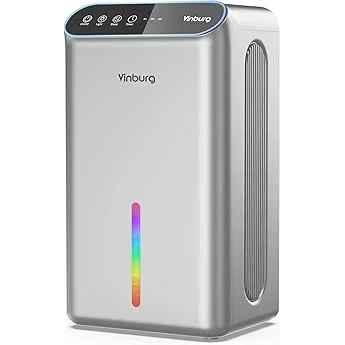
If you’ve ever stepped into a bathroom that feels more like a steam room than a place to freshen up, you know how frustrating excess humidity can be. Whether it’s foggy mirrors, peeling paint, musty towels, or the ever-present threat of mold and mildew, high moisture levels in bathrooms create an environment that’s uncomfortable, unhealthy, and potentially damaging to your home. That’s where a reliable bathroom dehumidifier comes in—not just as a convenience, but as a necessity for maintaining indoor air quality and protecting your property.
This comprehensive buying guide is designed to help you cut through the noise and make an informed decision when choosing the best dehumidifier for your bathroom. With dozens of models on the market—ranging from compact portable units to smart-enabled systems with advanced filtration—it’s easy to feel overwhelmed. Our goal is to simplify the process by breaking down the key factors that matter most, comparing different types of dehumidifiers, highlighting common pitfalls, and offering expert-backed recommendations tailored to real-world needs. Whether you’re dealing with a small powder room or a large master bath with a jacuzzi, this guide will equip you with the knowledge to select a unit that delivers consistent performance, energy efficiency, and long-term value.
The bathroom dehumidifier market has evolved significantly in recent years. No longer limited to bulky, noisy machines relegated to basements or laundry rooms, today’s bathroom-specific dehumidifiers are sleek, quiet, energy-efficient, and often integrate seamlessly into modern home aesthetics. Brands like hOmeLabs, Eva-Dry, Pro Breeze, and AprilAire now offer models specifically engineered for high-humidity, compact spaces like bathrooms. These units prioritize fast moisture removal, quiet operation, and features like auto-shutoff, continuous drainage, and even Wi-Fi connectivity. As we move through 2026, innovations in compressor technology, desiccant materials, and smart home integration continue to push the boundaries of what these devices can do—making now an excellent time to invest in one.

What to Look for When Buying Buying Guide
1. Moisture Removal Capacity (Pints per Day)
The single most important specification when choosing a bathroom dehumidifier is its moisture removal capacity, measured in pints per day (PPD). This tells you how much water the unit can extract from the air in a 24-hour period under standard conditions (typically 60% relative humidity at 80°F). For bathrooms, which are typically smaller than living rooms or basements but experience intense bursts of humidity after showers, you’ll want a unit that balances speed and efficiency.
Most bathrooms fall between 50 and 150 square feet. For spaces under 100 sq ft, a dehumidifier rated at 20–30 PPD is usually sufficient. Larger bathrooms (100–200 sq ft) or those with poor ventilation may require 30–50 PPD. Keep in mind that manufacturers often test PPD under ideal lab conditions, so real-world performance may be slightly lower—especially in cooler or less humid environments. Always opt for a model with a slightly higher capacity than your minimum need to ensure it can handle peak humidity events, such as long, hot showers or multiple users in quick succession.
2. Size, Portability & Placement Flexibility
Bathrooms are notoriously space-constrained, so the physical dimensions and portability of your dehumidifier matter just as much as its performance specs. Look for compact designs that can fit under sinks, on countertops, or in corners without obstructing movement or storage. Many top-rated bathroom dehumidifiers weigh under 15 pounds and feature built-in handles or recessed grips for easy relocation.
Consider where you’ll place the unit: Will it sit on the floor? Mount on a wall? Fit inside a cabinet? Some models come with optional wall-mounting kits or magnetic bases for secure placement. If you have a small ensuite or half-bath, a mini dehumidifier (like the Eva-Dry E-333 or Pro Breeze PB-H08) might be ideal. For larger master baths with double vanities or soaking tubs, a slightly larger unit with caster wheels (like the hOmeLabs HME020034N) offers both power and mobility. Always measure your available space before purchasing—don’t forget to account for airflow clearance (typically 6–12 inches around all sides).
3. Noise Level (Decibel Rating)
Since bathrooms are often adjacent to bedrooms or used during quiet morning routines, noise level is a critical but frequently overlooked factor. A loud dehumidifier can disrupt sleep, conversations, or relaxation—especially if left running overnight or during early showers. Most bathroom dehumidifiers operate between 35 dB and 50 dB. To put that in perspective: 35 dB is whisper-quiet (like a library), while 50 dB resembles a quiet conversation or moderate rainfall.
Compressor-based dehumidifiers tend to be louder (45–55 dB) due to the mechanical compressor cycle, whereas desiccant models are generally quieter (35–45 dB) because they use absorbent materials and fans without compressors. If silence is a priority—say, for a bathroom near a nursery or home office—opt for a desiccant dehumidifier. However, note that desiccant units may consume more energy and are less effective in very humid conditions compared to compressor types. Always check the manufacturer’s decibel rating (listed in the product specs) and, if possible, read user reviews mentioning noise performance.
4. Energy Efficiency & Operating Cost
Dehumidifiers can be energy hogs, especially if run continuously. Since bathrooms often require dehumidification after every use, choosing an energy-efficient model can save you significantly on electricity bills over time. Look for units with the ENERGY STAR® certification, which indicates they meet strict efficiency guidelines set by the U.S. Environmental Protection Agency. ENERGY STAR dehumidifiers use 15–30% less energy than standard models.
Pay attention to the unit’s wattage (typically listed in the manual or on the label) and estimated annual operating cost. For example, a 30-pint dehumidifier drawing 300–400 watts might cost $20–$40 per year to run if used 8 hours daily, depending on local electricity rates. Desiccant dehumidifiers often have higher wattage (500–700W) but shorter run times, while compressor models use less power per pint removed but may run longer. Use the formula: (Watts × Hours Used Per Day × Days Per Year × Electricity Rate) ÷ 1,000 = Annual Cost. Many manufacturers provide this calculation in their product documentation.
5. Drainage Options & Water Tank Management
All dehumidifiers collect moisture in a built-in water tank, but how you manage that water makes a big difference in convenience and maintenance. Most bathroom units have tanks ranging from 0.5 to 2 gallons. Smaller tanks (under 1 gallon) require frequent emptying—sometimes daily—which can be tedious if you forget. Larger tanks reduce refill frequency but take up more space.
The best bathroom dehumidifiers offer multiple drainage options: manual tank removal, continuous gravity drainage via hose, or even built-in pumps for upward drainage. Continuous drainage is ideal for bathrooms with floor drains or nearby sinks—just connect a standard garden hose and let gravity do the work. Some premium models (like the AprilAire E080) include condensate pumps that can push water several feet vertically, enabling placement in elevated areas. Auto-shutoff when the tank is full is a must-have safety feature to prevent overflows. If you choose a model with only a tank, look for one with a transparent water level indicator and easy-grip handle for mess-free emptying.
6. Smart Features & Automation
Modern bathroom dehumidifiers are increasingly incorporating smart technology to enhance usability and efficiency. Key features to look for include programmable timers, humidity sensors with auto-on/off functionality, Wi-Fi connectivity, and compatibility with voice assistants like Alexa or Google Assistant.
A built-in humidistat allows the unit to monitor ambient humidity and activate only when levels exceed your preset threshold (e.g., 50% RH). This prevents over-drying and saves energy. Timers let you schedule operation—for instance, running the dehumidifier for 2 hours after your typical shower time. Smart-enabled models (like the Midea Cube Smart Dehumidifier) let you control settings remotely via smartphone apps, receive maintenance alerts, or integrate with home automation systems. While these features add convenience, they also increase cost and complexity. If you value simplicity, a basic model with manual controls and a humidistat may suffice.
7. Build Quality, Durability & Bathroom-Safe Design
Bathrooms are harsh environments—high humidity, temperature swings, and exposure to water splashes can degrade poorly constructed units quickly. Look for dehumidifiers with corrosion-resistant components, sealed electrical compartments, and durable plastic or metal housings. Avoid models with exposed circuitry or flimsy plastic that cracks easily.
Check for IP (Ingress Protection) ratings if available—though rare for dehumidifiers, some bathroom-specific models boast splash-resistant designs (IPX4 or higher). Even without an official rating, ensure the unit has a sealed control panel and no open vents near the bottom where water could enter. Additionally, consider ease of cleaning: removable filters, washable components, and smooth surfaces make maintenance simpler. Units with washable air filters (like the hOmeLabs HME020034N) reduce long-term costs and improve air quality by trapping dust, mold spores, and allergens.
8. Brand Reputation, Warranty & Customer Support
Not all dehumidifier brands are created equal. Established names like hOmeLabs, AprilAire, Frigidaire, and Pro Breeze have proven track records for reliability, customer service, and post-purchase support. Research brands that specialize in compact or residential dehumidifiers rather than industrial or commercial lines.
Warranty length is a strong indicator of confidence in product durability. Most reputable brands offer 1–2 years of coverage, with some premium models (like those from AprilAire) providing up to 5 years. Pay attention to what’s covered: compressor failure, electrical components, or just parts and labor. Read the fine print—some warranties void if the unit is used in non-recommended environments (e.g., unheated spaces). Also, check if the company offers responsive customer support via phone, email, or live chat. User forums and third-party review sites (like Consumer Reports or Wirecutter) can reveal patterns in reliability and service quality.
Different Types of Buying Guide

Common Buying Mistakes to Avoid
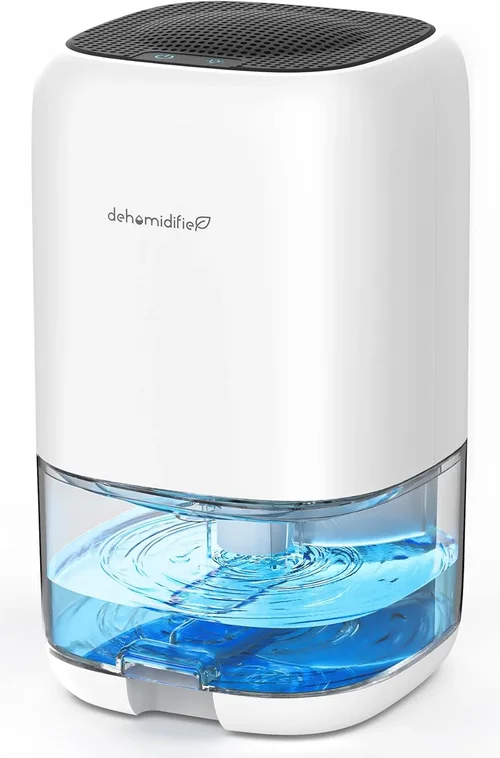
❌ Mistake: Choosing Based Solely on Price
Why it’s bad: The cheapest dehumidifier often sacrifices performance, durability, and efficiency. Low-cost models may use inferior compressors, lack proper insulation, or have tiny water tanks that require constant emptying. In the long run, you’ll spend more on replacements, higher energy bills, and potential mold remediation.
What to do instead: Treat your dehumidifier as a long-term investment. Allocate a realistic budget based on your bathroom size and usage frequency. A mid-range model ($150–$250) typically offers the best balance of features, reliability, and value.
❌ Mistake: Ignoring Noise Levels
Why it’s bad: A noisy unit can become a source of frustration, especially in quiet households or open-concept layouts where the bathroom is near living areas. Constant humming or compressor cycling can disrupt relaxation or sleep.
What to do instead: Prioritize decibel ratings under 50 dB for bedrooms or quiet zones. Read verified buyer reviews that mention noise—manufacturer specs don’t always reflect real-world sound levels.
❌ Mistake: Overlooking Drainage Needs
Why it’s bad: If your dehumidifier only has a small tank and no continuous drain option, you’ll be emptying it multiple times a week—or risk overflow and water damage. This is especially problematic if you’re away from home frequently.
What to do instead: Choose a model with both a large tank (1+ gallons) and a hose drain port. If your bathroom has a floor drain or sink, continuous drainage eliminates the need for manual emptying entirely.
❌ Mistake: Buying a Unit Too Small for the Space
Why it’s bad: An undersized dehumidifier will run constantly, struggle to reduce humidity, and wear out prematurely. It may never reach your desired humidity level, leaving mold and mildew unchecked.
What to do instead: Calculate your bathroom’s square footage and match it to the manufacturer’s coverage guidelines. When in doubt, size up—especially if your bathroom lacks windows or has poor ventilation.
❌ Mistake: Neglecting Maintenance Requirements
Why it’s bad: Dirty filters, clogged coils, and stagnant water in tanks breed bacteria and reduce efficiency. A neglected dehumidifier can actually worsen indoor air quality.
What to do instead: Select a model with washable filters and easy-access components. Set calendar reminders to clean the unit monthly and inspect the tank for residue.
❌ Mistake: Assuming All Dehumidifiers Work Equally in Cold Bathrooms
Why it’s bad: Compressor dehumidifiers lose efficiency below 65°F and may ice up in unheated bathrooms during winter. Desiccant models perform better in cooler temps but may be overkill for mild climates.
What to do instead: If your bathroom is unheated or prone to cold drafts, choose a desiccant dehumidifier or a cold-climate compressor model designed for low-temperature operation.
❌ Mistake: Not Checking Return Policies Before Buying
Why it’s bad: Some dehumidifiers look great online but perform poorly in real-world conditions. Without a flexible return window, you could be stuck with a dud.
What to do instead: Buy from retailers with generous return policies (30+ days) and free return shipping. Test the unit immediately upon arrival to ensure it meets your expectations.
Budget Guidelines: How Much Should You Spend?
When it comes to bathroom dehumidifiers, price directly correlates with performance, features, and longevity—but that doesn’t mean you need to break the bank. Here’s a realistic breakdown of what to expect at different budget tiers:
Entry-Level ($50–$120): These are typically mini desiccant or small compressor units ideal for powder rooms or occasional use. Expect limited capacity (10–20 PPD), small tanks (0.5–1 gallon), basic controls, and shorter lifespans. Brands like Eva-Dry and Pro Breeze dominate this space. Great for travelers or renters, but not recommended for daily heavy use.
Mid-Range ($120–$250): This is the sweet spot for most homeowners. Units in this range offer 25–40 PPD, larger tanks (1–2 gallons), auto-humidistats, continuous drainage options, and quieter operation. Models like the hOmeLabs HME020034N and Frigidaire FFAD3033R1 deliver excellent value with reliable performance, ENERGY STAR ratings, and 1–2 year warranties.
Premium ($250–$400): Designed for larger bathrooms, frequent use, or smart home integration. These dehumidifiers feature advanced humidity sensors, Wi-Fi connectivity, condensate pumps, and robust build quality. The Midea Cube Smart and AprilAire E080 fall into this category—ideal for tech enthusiasts or those seeking hands-off automation.
Luxury ($400+): Reserved for whole-home systems or commercial-grade units with industrial durability. These are overkill for most residential bathrooms but may be justified in luxury homes with spa-like baths, steam showers, or central HVAC integration. Expect 5-year warranties, professional installation, and seamless smart home compatibility.

Expert Tips for Getting the Best Deal
- Buy During Off-Seasons: Dehumidifiers are in highest demand during humid summer months. Shop in late fall or winter (October–February) when retailers offer discounts to clear inventory. You’ll often find 20–30% off MSRP.
- Compare Online vs. In-Store: Online retailers (Amazon, Home Depot, Wayfair) usually have better prices, wider selections, and detailed customer reviews. However, big-box stores allow you to inspect build quality and ask staff questions before buying.
- Watch for Bundle Deals: Some brands offer discounts when you buy a dehumidifier with replacement filters, drain hoses, or extended warranties. These can save you $20–$50 over time.
- Check Manufacturer Rebates: ENERGY STAR models may qualify for utility company rebates or tax credits, especially in states with high electricity costs. Visit energystar.gov/rebate-finder to search local offers.
- Read the Fine Print on Warranties: A “2-year warranty” might only cover parts, not labor or shipping. Look for brands that offer free in-home service or prepaid return labels for defective units.
- Test Before Committing: Run the dehumidifier for at least 48 hours upon delivery. Check for unusual noises, leaks, or failure to reach target humidity. Most retailers allow returns within 30 days if the unit doesn’t perform as advertised.
- Consider Refurbished or Open-Box Models: Certified refurbished units from reputable sellers (like Amazon Renewed or manufacturer outlets) often come with full warranties and sell for 25–40% less than new.
- Join Loyalty Programs: Retailers like Costco, Sam’s Club, and Best Buy offer member-exclusive discounts and extended return windows. Sign up for email alerts to catch flash sales.
Frequently Asked Questions
Q: Do I really need a dehumidifier in my bathroom if I have an exhaust fan?
A: Exhaust fans help, but they’re not always enough—especially in bathrooms without windows or with weak ventilation. Fans remove moist air temporarily but don’t actively extract moisture from the air like a dehumidifier. For persistent dampness, mold, or condensation, a dehumidifier provides continuous, targeted humidity control.
Q: Can I use a regular room dehumidifier in the bathroom?
A: Yes, but with caveats. Most room dehumidifiers aren’t designed for frequent water exposure or high steam levels. Look for models labeled “bathroom-safe” or with splash-resistant features. Avoid placing any dehumidifier directly in the shower area or where it might get soaked.
Q: How often should I clean my bathroom dehumidifier?
A: Clean the air filter monthly with warm, soapy water and let it dry completely before reinstalling. Wipe down the exterior and empty/clean the water tank weekly to prevent bacterial growth. Deep-clean the coils and interior every 3–6 months if used heavily.
Q: Will a dehumidifier increase my electricity bill significantly?
A: It depends on usage and efficiency. A 30-pint ENERGY STAR model running 8 hours/day might add $20–$40 annually to your bill. Use timers and humidistats to minimize runtime, and unplug when not needed.
Q: Can a dehumidifier prevent mold in my bathroom?
A: Absolutely—if used correctly. Mold thrives above 60% relative humidity. Keeping levels between 30–50% with a dehumidifier inhibits mold growth. Combine with regular cleaning and proper ventilation for best results.
Q: Are desiccant dehumidifiers better than compressor types for bathrooms?
A: It depends on your priorities. Desiccant models are quieter, work in cold temps, and are more compact—ideal for small, quiet bathrooms. Compressor types remove moisture faster and more efficiently in warm, humid conditions. Choose based on your climate and noise tolerance.
Q: How long do bathroom dehumidifiers typically last?
A: With proper maintenance, most quality units last 5–7 years. Cheaper models may fail within 2–3 years. Signs of wear include reduced moisture removal, louder operation, or frequent cycling.
Q: Can I leave my dehumidifier running 24/7?
A: Yes, but it’s unnecessary and wasteful. Use a humidistat to automate operation—most bathrooms only need dehumidification for 2–4 hours post-shower. Continuous runtime increases wear and energy use.
Q: Do bathroom dehumidifiers come with warranties?
A: Reputable brands include 1–2 year limited warranties covering defects and compressor failure. Premium models may offer 3–5 years. Always register your product online to activate coverage.
Q: What’s the ideal humidity level for a bathroom?
A: Aim for 30–50% relative humidity. Levels above 60% encourage mold and mildew; below 30% can cause dry skin and respiratory irritation. Use a hygrometer (often built into smart dehumidifiers) to monitor levels.
Our Final Recommendations
Best for Budget-Conscious Buyers: Eva-Dry E-333 Renewable Mini Dehumidifier – At under $50, this compact desiccant unit is perfect for small powder rooms or travel. It’s silent, requires no batteries, and recharges via USB. While it won’t handle large bathrooms, it’s an affordable entry point for mild humidity issues.
Best Overall Value: hOmeLabs HME020034N 30-Pint Dehumidifier – This ENERGY STAR-certified compressor model strikes the perfect balance of power, efficiency, and features. With a 1.8-gallon tank, continuous drain option, auto-humidistat, and quiet operation (48 dB), it’s ideal for most home bathrooms. Backed by a 2-year warranty and excellent customer support.
Best Premium Option: Midea Cube Smart Dehumidifier (45 Pint) – For tech lovers and larger bathrooms, the Cube offers Wi-Fi control, voice assistant compatibility, a built-in pump for upward drainage, and a sleek design. Its app lets you monitor humidity remotely and receive filter change alerts—making maintenance effortless.
Best for Beginners: Pro Breeze PB-H08 Mini Dehumidifier – Simple, plug-and-play operation with no complicated settings. The compact size fits anywhere, and the transparent tank makes monitoring easy. Great for first-time buyers who want reliable performance without a learning curve.
Best for Advanced Users: AprilAire E080 Whole-Home Dehumidifier – If you’re serious about indoor air quality and have a larger home, this professionally installed system integrates with your HVAC to maintain optimal humidity throughout—including the bathroom. It’s overkill for small spaces but unmatched in performance and automation.
Conclusion: Making the Right Choice
Choosing the best dehumidifier for your bathroom isn’t just about picking the most powerful or cheapest model—it’s about finding the right tool for your specific environment, habits, and priorities. Whether you’re battling chronic mold in a windowless ensuite or simply want to keep your towels dry and your mirror clear, the right dehumidifier can transform your bathroom from a damp, uncomfortable space into a fresh, healthy retreat.
As you weigh your options, remember to prioritize moisture removal capacity, noise level, drainage flexibility, and energy efficiency. Don’t overlook build quality and warranty coverage—these factors determine how well your investment will hold up over time. And while smart features are tempting, ask yourself whether they truly add value to your routine or just complicate an otherwise simple task.
Ultimately, the best dehumidifier is the one you’ll actually use consistently. Take the time to assess your bathroom’s unique challenges, set a realistic budget, and choose a model that aligns with your lifestyle. With the insights from this guide, you’re now equipped to make a confident, informed decision that protects your home, improves your comfort, and delivers lasting peace of mind. Ready to breathe easier? Start shopping with clarity—and say goodbye to steamy mirrors and musty smells for good.