
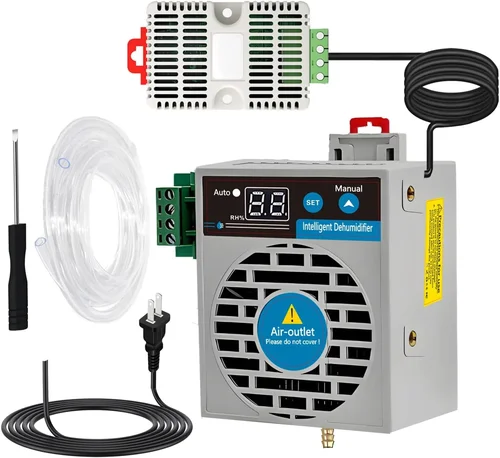
Maintaining the perfect environment inside your grow tent is essential for healthy plant development, high yields, and disease prevention. One of the most overlooked yet critical components of indoor gardening is humidity control. Too much moisture in the air can lead to mold, mildew, root rot, and stunted growth—especially during the flowering stage when plants are most vulnerable. That’s where a reliable dehumidifier comes in. Whether you’re growing cannabis, herbs, vegetables, or exotic plants, choosing the right dehumidifier for your grow tent can mean the difference between a thriving harvest and a failed crop.
This comprehensive buying guide is designed to help both beginners and experienced growers navigate the crowded market of dehumidifiers and make an informed decision. We’ll break down the key factors to consider, compare different types of units, highlight common mistakes to avoid, and provide expert recommendations based on real-world performance. By the end of this guide, you’ll know exactly what to look for, how much to spend, and which models offer the best value for your specific setup.
The grow tent dehumidifier market has evolved significantly in recent years, with manufacturers now offering specialized units tailored to indoor horticulture. From compact refrigerant-based models to energy-efficient desiccant dehumidifiers, the options are vast—but not all are created equal. Some units are too weak for larger tents, while others consume excessive power or generate too much noise. This guide cuts through the noise and delivers actionable insights based on performance, reliability, and user feedback. Whether you’re working with a 2×2 tent or a 10×10 commercial setup, we’ve got you covered.
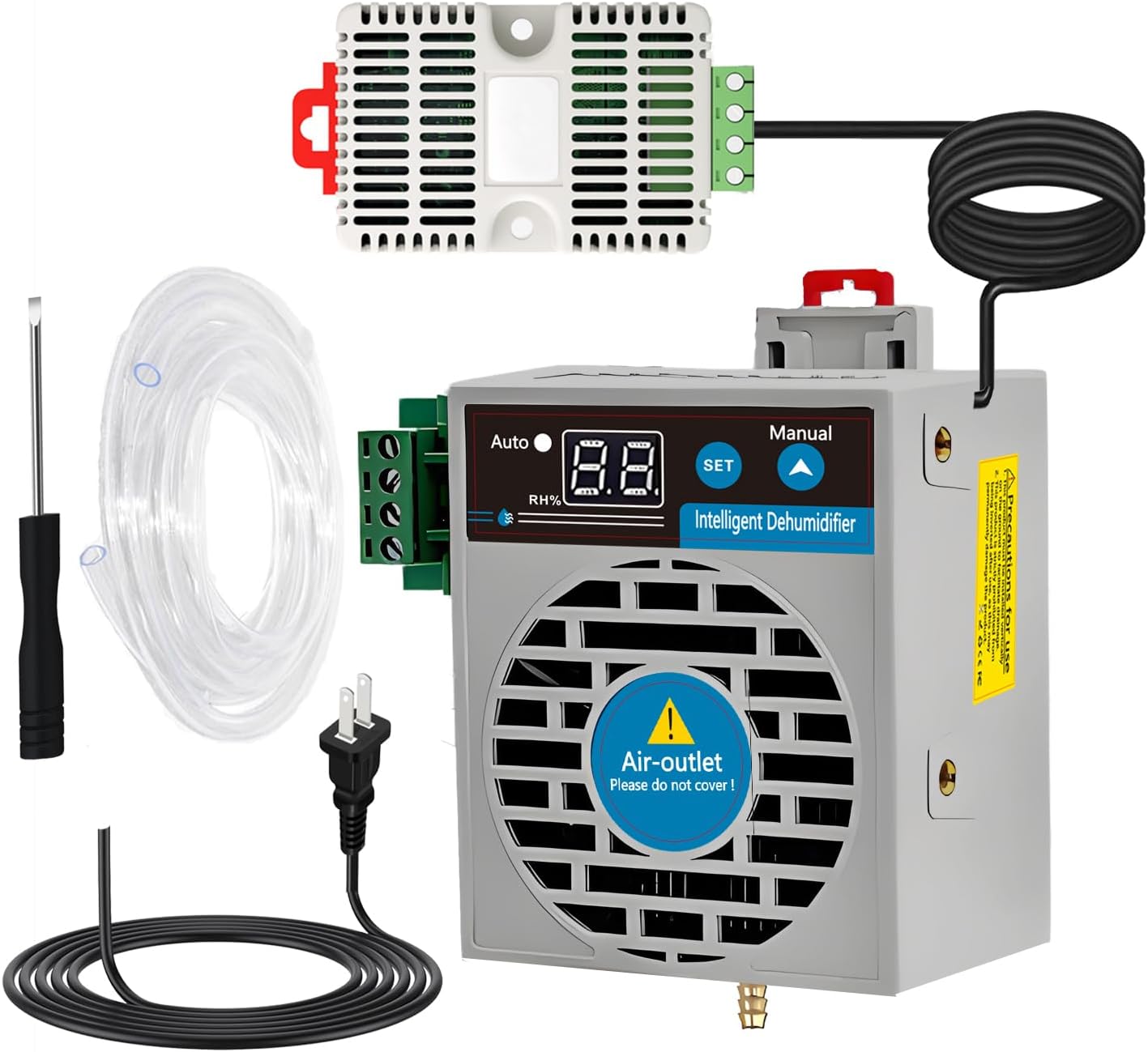
What to Look for When Buying Buying Guide
1. Moisture Removal Capacity (Pints per Day)
The most important specification when selecting a dehumidifier for a grow tent is its moisture removal capacity, measured in pints per day (PPD). This tells you how much water the unit can extract from the air in a 24-hour period under standard conditions (typically 80°F and 60% relative humidity). For small grow tents (2×2 to 3×3 feet), a unit rated between 20–30 PPD is usually sufficient. Medium-sized tents (4×4 to 5×5 feet) may require 30–50 PPD, while larger setups (6×6 feet and above) often need 50–70 PPD or more.
However, it’s crucial to consider your specific growing conditions. If you’re using high-output lighting, multiple plants, or live in a naturally humid climate, your actual moisture load could be much higher. Always err on the side of a slightly larger capacity to ensure consistent humidity control. Undersized units will struggle to keep up, leading to fluctuating humidity levels that stress plants and invite mold.
2. Energy Efficiency & Operating Costs
Dehumidifiers can be power-hungry appliances, especially when running continuously in a sealed grow tent environment. Look for models with an Energy Star rating or high energy efficiency ratios (EER). These units use less electricity to remove the same amount of moisture, which translates to lower utility bills over time. For example, a 50 PPD dehumidifier that consumes 500 watts will cost significantly more to operate than one that uses only 350 watts for the same output.
Consider the long-term cost of ownership. While a cheaper unit might save you money upfront, it could end up costing more in electricity over a single growing cycle. Use online calculators to estimate monthly operating costs based on your local electricity rate and expected runtime. Aim for a balance between performance and efficiency—especially if you plan to run the dehumidifier 12–24 hours per day.
3. Noise Level (Decibel Rating)
Noise is a critical factor, particularly if your grow tent is located in a living space, bedroom, or shared area. Most dehumidifiers produce sound in the range of 45–65 decibels (dB). For context, 45 dB is comparable to a quiet library, while 65 dB is similar to normal conversation. If noise is a concern, look for models specifically advertised as “quiet” or “low-noise,” which often feature insulated compressor compartments, variable fan speeds, and vibration-dampening mounts.
Desiccant dehumidifiers tend to be quieter than refrigerant models because they don’t use compressors, but they may have higher-pitched fan noise. Refrigerant units, while more common, can produce noticeable humming or clicking sounds during compressor cycles. If you’re sensitive to noise, consider placing the dehumidifier outside the tent and ducting air in and out—this isolates the sound and improves efficiency.
4. Build Quality & Durability
Indoor grow environments are harsh: high humidity, fluctuating temperatures, and exposure to dust, plant residues, and occasional water splashes. A dehumidifier built with cheap plastic and thin metal components will degrade quickly under these conditions. Look for units with robust construction, corrosion-resistant coils, and sealed electrical components. Stainless steel or coated aluminum coils are ideal for resisting rust and extending lifespan.
Check user reviews for reports of leaks, compressor failures, or fan malfunctions after a few months of use. Brands with a reputation for durability—such as hOmeLabs, Frigidaire, and AprilAire—often use higher-grade materials and undergo more rigorous testing. Avoid ultra-budget models that sacrifice build quality for price, as they’re more likely to fail during critical growth phases.
5. Features & Functionality
Modern dehumidifiers come with a range of features that can simplify operation and improve performance. A built-in humidistat allows the unit to automatically turn on and off based on preset humidity levels, maintaining a consistent environment without constant monitoring. Digital displays, programmable timers, and remote controls add convenience, especially for multi-tent setups.
Auto-defrost functionality is essential for refrigerant dehumidifiers operating in cooler environments (below 65°F), as it prevents ice buildup on the coils. Continuous drainage options—via a hose connection—eliminate the need to manually empty the water tank, which is especially useful for long flowering cycles. Some advanced models even offer Wi-Fi connectivity and smartphone app control, allowing you to monitor and adjust settings remotely.
6. Size, Portability & Installation
The physical dimensions of the dehumidifier matter, especially in space-constrained grow tents. A bulky unit may not fit comfortably or could block airflow from fans and lights. Measure your available space and compare it to the product dimensions. Look for compact designs with handles and casters for easy repositioning.
Portability is also important if you plan to move the dehumidifier between tents or store it during off-seasons. Lightweight models with integrated wheels are ideal for this. For permanent installations, consider wall-mounted or ducted units that can be placed outside the tent with flexible ducting routed through vents. This setup reduces heat and noise inside the grow space while improving efficiency.
7. Brand Reputation & Customer Support
Not all dehumidifier brands are created equal. Established manufacturers with a history of producing reliable appliances are more likely to stand behind their products with strong warranties and responsive customer service. Research brands that specialize in home climate control or have a proven track record in the indoor gardening community.
Read customer reviews on trusted platforms like Amazon, Home Depot, and specialty grow shops. Pay attention to comments about durability, ease of use, and post-purchase support. Brands like Eva-Dry, Ivation, and AlorAir are well-regarded in the grow community for their performance and reliability. Avoid unknown brands with limited reviews or no verifiable contact information.
8. Warranty & Return Policy
A solid warranty is a strong indicator of a manufacturer’s confidence in their product. Most reputable dehumidifiers come with a 1- to 2-year limited warranty covering parts and labor. Some premium models offer extended warranties of up to 5 years, particularly on compressors and sealed systems.
Before purchasing, review the warranty terms carefully. Check what’s covered (e.g., motor, coils, electronics) and what voids the warranty (e.g., improper use, lack of maintenance). Also, verify the return policy of the retailer. A 30-day return window gives you time to test the unit in your actual grow environment and ensure it meets your needs. Avoid sellers with strict no-return policies, especially for online purchases.
Different Types of Buying Guide

Common Buying Mistakes to Avoid
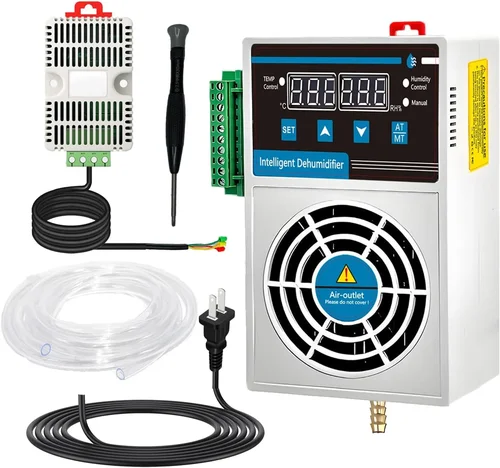
❌ Mistake: Buying Based Solely on Price
Why it’s bad: The cheapest dehumidifier often lacks the capacity, durability, or features needed for consistent humidity control. It may overheat, fail prematurely, or consume excessive power, costing more in the long run.
What to do instead: Focus on value, not just upfront cost. Compare performance per dollar, energy efficiency, and expected lifespan. A mid-range unit with a strong warranty often provides better long-term value than a budget model.
❌ Mistake: Ignoring Tent Size and Plant Count
Why it’s bad: A dehumidifier rated for a 3×3 tent will struggle in a 5×5 setup with multiple flowering plants. Undersized units run continuously, overheat, and fail to maintain target humidity levels.
What to do instead: Calculate your moisture load based on tent volume, number of plants, lighting wattage, and ambient humidity. Use online grow calculators or consult manufacturer guidelines to select a unit with adequate capacity.
❌ Mistake: Overlooking Noise and Heat Output
Why it’s bad: Loud dehumidifiers can disturb sleep or daily activities, while excess heat raises tent temperatures, requiring additional cooling and increasing energy use.
What to do instead: Choose a model with a low decibel rating (under 55 dB) and consider ducting the unit outside the tent. Look for units with efficient heat dissipation or built-in cooling fans.
❌ Mistake: Skipping the Humidistat
Why it’s bad: Without a humidistat, you must manually turn the dehumidifier on and off, risking over-drying or under-drying the environment. This inconsistency stresses plants and reduces yield.
What to do instead: Always choose a model with a built-in humidistat or use an external hygrometer with a smart plug for automated control. Set your target humidity (e.g., 40–50% during flowering) and let the system maintain it.
❌ Mistake: Neglecting Drainage Options
Why it’s bad: Frequent tank emptying is inconvenient and increases the risk of spills, mold, and system shutdowns if the tank overflows.
What to do instead: Opt for a unit with a continuous drainage hose connection. Route the hose to a floor drain, sink, or external container to eliminate manual emptying during long grows.
❌ Mistake: Buying Without Reading Reviews
Why it’s bad: Product descriptions often highlight strengths while downplaying flaws. Without real user feedback, you might end up with a unit that leaks, overheats, or fails under load.
What to do instead: Read verified customer reviews on multiple platforms. Look for patterns in complaints (e.g., “compressor failed after 3 months”) and prioritize models with consistent positive feedback.
❌ Mistake: Forgetting About Maintenance
Why it’s bad: Dirty filters and clogged coils reduce efficiency, increase energy use, and can lead to mechanical failure. Many growers overlook routine cleaning until it’s too late.
What to do instead: Choose a model with easy-access filters and coils. Clean the air filter monthly and inspect coils every few months. Follow the manufacturer’s maintenance schedule to extend the unit’s life.
Budget Guidelines: How Much Should You Spend?
Entry-Level ($50 – $150): These are typically mini or compact dehumidifiers designed for small spaces like closets or tiny grow tents (1×1 to 2×2 feet). They’re affordable and easy to use but often lack a humidistat, have small water tanks, and low moisture removal rates (under 20 PPD). Best for beginners with minimal setups or as supplemental units. Examples include the Eva-Dry E-333 and Ivation IVADM35.
Mid-Range ($150 – $350): This is the sweet spot for most home growers. Units in this range offer 20–50 PPD capacity, built-in humidistats, continuous drainage, and better build quality. They’re energy-efficient, reliable, and suitable for tents up to 5×5 feet. Popular models include the hOmeLabs 4,500 Sq. Ft and Frigidaire FFAD5033W1. These provide excellent value and performance for the price.
Premium ($350 – $700): Designed for serious growers with larger tents (6×6 feet and up) or multi-plant setups. These dehumidifiers feature high capacity (50–70+ PPD), advanced controls, quiet operation, and durable construction. Many include Wi-Fi connectivity, auto-defrost, and extended warranties. Ideal for flowering stages or humid climates. Top picks include the AprilAire E080 and AlorAir Sentinel HD55.
Luxury ($700+): These are commercial-grade units built for professional growers, large-scale operations, or extreme environments. They offer 70+ PPD, ducting capabilities, industrial components, and smart automation. While overkill for most home growers, they’re worth considering for 8×8+ tents or climate-controlled grow rooms. Examples include the Quest 205 and Dri-Eaz F413.

Expert Tips for Getting the Best Deal
1. Buy During Off-Season Sales: Dehumidifiers are in highest demand during summer and humid months. Shop in late fall or winter (October–February) when retailers offer discounts to clear inventory. Black Friday, Cyber Monday, and post-holiday sales often feature 20–30% off top models.
2. Compare Prices Across Retailers: Don’t settle for the first price you see. Check Amazon, Home Depot, Lowe’s, Walmart, and specialty grow shops. Use price-tracking tools like Honey or CamelCamelCamel to monitor fluctuations and set alerts for drops.
3. Look for Bundle Deals: Some retailers offer grow tent kits that include a dehumidifier, fan, and hygrometer at a discounted rate. These bundles can save you $50–$150 compared to buying items separately.
4. Consider Refurbished or Open-Box Units: Certified refurbished dehumidifiers from reputable sellers often come with warranties and sell for 20–40% less than new. Just ensure they’re inspected and tested before purchase.
5. Prioritize Warranty and Return Policies: A longer warranty reduces long-term risk. Choose retailers with at least a 30-day return window so you can test the unit in your actual grow environment.
6. Test Before Committing: If possible, run the dehumidifier in your tent for a few days. Monitor humidity levels, noise, and energy use. This real-world testing reveals issues that specs alone can’t show.
7. Use Smart Plugs for Automation: Even if your dehumidifier lacks a humidistat, you can pair it with a smart plug and external hygrometer (like the Govee H5075) to automate on/off cycles based on humidity readings.
8. Join Grower Communities: Online forums like Reddit’s r/MarijuanaGrow or GrowWeedEasy often share exclusive discount codes, flash sales, and user-tested recommendations. These communities are goldmines for deals and advice.
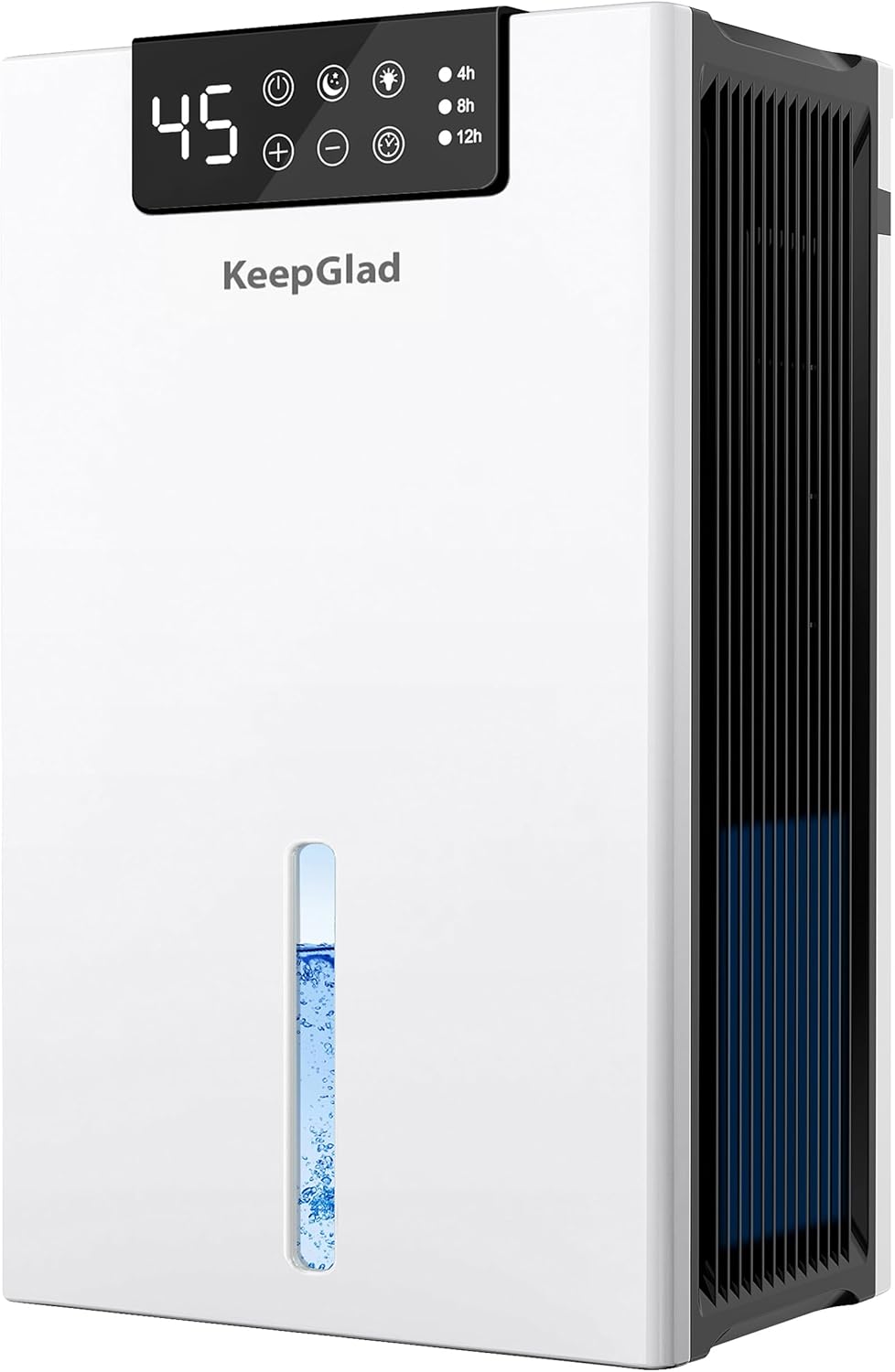
Frequently Asked Questions
Q: How do I calculate the right dehumidifier size for my grow tent?
A: Start by measuring your tent’s volume (length × width × height in feet). Then estimate your moisture load based on plant count, lighting wattage, and ambient humidity. As a rule of thumb, aim for a dehumidifier that can remove 1 pint of moisture per 10–15 cubic feet of space per day. Use online grow calculators for more precise estimates.
Q: Can I use a regular home dehumidifier in a grow tent?
A: Yes, but with caveats. Most home dehumidifiers work well in grow tents, but ensure they have a humidistat, continuous drainage, and adequate capacity. Avoid units without auto-shutoff, as they can over-dry the environment. Also, clean them regularly to prevent mold buildup from plant residues.
Q: Should the dehumidifier run inside or outside the tent?
A: It depends. Running it inside saves space but adds heat and noise. Placing it outside with ducting is quieter and cooler but requires proper sealing and airflow management. For tents over 4×4 feet, external placement is often preferred.
Q: What humidity level should I maintain in my grow tent?
A: During vegetative growth, aim for 60–70% relative humidity. In the flowering stage, gradually reduce to 40–50% to prevent mold. Seedlings and clones prefer higher humidity (70–80%), so adjust accordingly.
Q: How often should I clean my dehumidifier?
A: Clean the air filter every 2–4 weeks and inspect coils every 2–3 months. Use a soft brush or vacuum to remove dust. For coils, a coil cleaner spray can help remove stubborn grime. Regular maintenance ensures peak performance and longevity.
Q: Do dehumidifiers increase electricity bills significantly?
A: It depends on the unit’s wattage and runtime. A 500-watt dehumidifier running 12 hours a day uses about 6 kWh daily. At $0.12 per kWh, that’s around $22 per month. Energy-efficient models can cut this cost by 30–50%.
Q: Can I use a dehumidifier with a humidifier in the same tent?
A: Yes, but only if you have precise control. Use a smart controller that monitors humidity and activates either device as needed. This setup is common in cloning or seedling chambers where humidity must be tightly regulated.
Q: Are desiccant dehumidifiers better than refrigerant ones?
A: Desiccant units excel in cold environments and are quieter, but they’re less energy-efficient at higher temperatures and have lower moisture removal rates. Refrigerant models are better for most grow tents due to higher capacity and efficiency.
Q: How do I prevent my dehumidifier from over-drying the tent?
A: Use a humidistat to set a minimum humidity level (e.g., 40%). Pair it with a hygrometer to verify readings. Avoid running the dehumidifier continuously—let it cycle on and off automatically.
Q: What’s the lifespan of a typical grow tent dehumidifier?
A: With proper maintenance, most units last 3–5 years. High-end models with durable components can last 7+ years. Compressor failure is the most common end-of-life issue.
Our Final Recommendations
Best for Budget-Conscious Buyers: Eva-Dry E-333 Renewable Mini Dehumidifier – At under $100, this compact unit is perfect for small tents or as a supplemental dehumidifier. It’s silent, energy-efficient, and requires no power when recharging. Ideal for beginners or low-humidity concerns.
Best Overall Value: hOmeLabs 4,500 Sq. Ft Dehumidifier – With 50 PPD capacity, built-in humidistat, continuous drainage, and a sleek design, this model offers exceptional performance for the price. It’s quiet, reliable, and suitable for tents up to 5×5 feet. A favorite among home growers.
Best Premium Option: AprilAire E080 Whole Home Dehumidifier – This 70 PPD powerhouse is built for serious growers with large tents or multiple plants. It features a corrosion-resistant coil, Wi-Fi connectivity, and a 5-year warranty. Perfect for flowering stages and humid climates.
Best for Beginners: Ivation IVADM35 Small Home Dehumidifier – Simple to use, affordable, and effective for 2×2 to 3×3 tents. Includes a humidistat, auto-shutoff, and washable filter. Great for first-time growers learning humidity control.
Best for Advanced Users: AlorAir Sentinel HD55 Crawlspace Dehumidifier – Designed for harsh environments, this 55 PPD unit is ductable, energy-efficient, and built to last. It’s ideal for growers who want professional-grade performance with minimal noise and maximum reliability.
Conclusion: Making the Right Choice
Choosing the best dehumidifier for your grow tent isn’t just about picking the most powerful or cheapest option—it’s about finding the right balance of capacity, efficiency, features, and durability for your specific needs. By considering factors like moisture removal rate, noise level, energy use, and build quality, you can avoid common pitfalls and invest in a unit that supports healthy plant growth and maximizes your harvest.
Remember, humidity control is a cornerstone of successful indoor gardening. A well-chosen dehumidifier doesn’t just prevent mold—it creates a stable, optimized environment where your plants can thrive. Whether you’re growing a single herb plant or running a multi-tent operation, the right dehumidifier is a long-term investment in your garden’s success.
Take the time to assess your tent size, climate, and budget. Read reviews, compare models, and don’t hesitate to spend a little more for reliability and peace of mind. With the insights from this guide, you’re now equipped to make a confident, informed decision. Happy growing!