
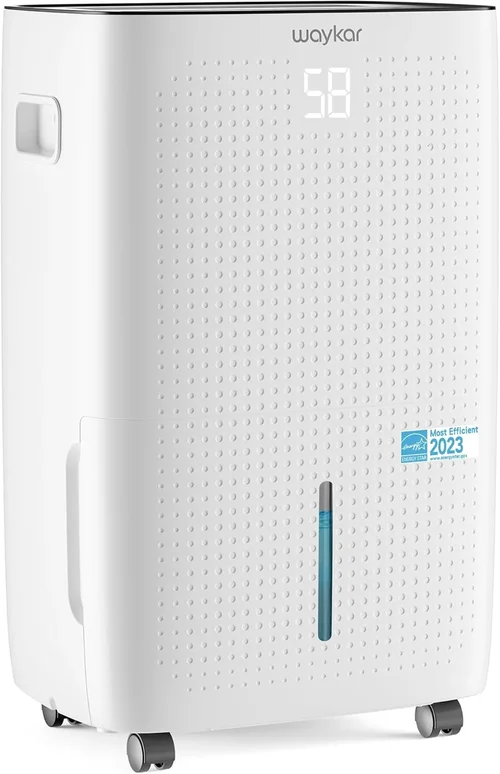
Basements are notorious for being damp, musty spaces—especially in regions with high humidity or older homes with poor ventilation. Whether you’re dealing with mold growth, peeling paint, or that unmistakable “basement smell,” excess moisture can wreak havoc on your home’s structure, air quality, and even your health. That’s where a reliable dehumidifier comes in. But not all dehumidifiers are created equal, and choosing the right one for your basement requires more than just picking the biggest or most expensive model off the shelf.
This comprehensive buying guide is designed to help you make an informed decision in 2026. Whether you’re a first-time buyer or upgrading from an underperforming unit, we’ll walk you through everything you need to know—from performance specs and smart features to budget considerations and common pitfalls. By the end of this guide, you’ll have the knowledge and confidence to select a dehumidifier that fits your space, lifestyle, and long-term needs.
The market for basement dehumidifiers has evolved significantly in recent years. With advancements in energy efficiency, smart home integration, and improved moisture extraction technology, today’s models offer far more than just basic humidity control. From compact units ideal for small crawl spaces to heavy-duty commercial-grade machines capable of handling large finished basements, there’s a solution for nearly every scenario. However, this abundance of choice can also lead to confusion—especially when manufacturers use marketing buzzwords like “high-efficiency” or “industrial strength” without clear context. Our goal is to cut through the noise and deliver expert-level insights grounded in real-world performance, durability, and value.

What to Look for When Buying Buying Guide
1. Budget & Price Range
Your budget will play a major role in narrowing down your options, but it’s important to view this purchase as an investment rather than a one-time expense. A dehumidifier that fails within a year due to poor build quality or inadequate capacity will end up costing you more in replacements, repairs, or even mold remediation. That said, you don’t need to break the bank to get excellent performance.
Entry-level models typically range from $150 to $250 and are suitable for small, moderately damp basements (under 1,000 square feet). These units often lack advanced features but can still effectively reduce humidity if sized correctly. Mid-range dehumidifiers ($250–$450) offer better build quality, larger water tanks, auto-restart functions, and improved energy efficiency—making them ideal for most homeowners. Premium models ($450–$700+) come with smart controls, Wi-Fi connectivity, dual drainage options, and robust compressors designed for continuous operation in challenging environments.
2. Performance Specifications
When evaluating performance, focus on three key metrics: pint capacity, coverage area, and energy efficiency.
Pint capacity refers to how much moisture the unit can remove in 24 hours under standard conditions (80°F and 60% relative humidity). For basements, look for units rated between 30 and 70 pints per day (PPD). Smaller basements (500–1,000 sq ft) may only need a 30–50 PPD model, while larger or extremely damp spaces (1,500+ sq ft) often require 50–70 PPD or more.
Coverage area is another critical spec. Manufacturers usually list a recommended square footage, but keep in mind that basements are typically more humid than above-ground rooms due to ground moisture and poor airflow. If your basement has visible condensation, standing water, or frequent mold issues, opt for a unit rated for a larger area than your actual square footage—this provides a safety buffer and ensures consistent performance.
Energy efficiency is measured by the Energy Factor (EF), expressed in liters of water removed per kilowatt-hour (L/kWh). Higher EF values mean lower operating costs. Look for ENERGY STAR-certified models, which must meet strict efficiency guidelines set by the U.S. Environmental Protection Agency. These units use up to 15% less energy than standard models, translating to significant savings over time—especially if you run your dehumidifier daily.
3. Build Quality & Durability
Basements are harsh environments: cold, damp, and often dusty. A dehumidifier that works well in a living room may fail prematurely when placed in a basement due to corrosion, frozen coils, or motor strain. That’s why build quality matters—especially for long-term reliability.
Start by examining the materials used in the housing and internal components. Look for rust-resistant coatings on metal parts, sealed electronics to prevent moisture damage, and sturdy casters for easy movement. Compressor type also affects durability: rotary compressors are generally quieter and more efficient, while reciprocating compressors are simpler and cheaper but noisier and less efficient over time.
Another durability factor is the defrost system. In colder basements (below 65°F), evaporator coils can freeze, reducing efficiency or causing the unit to shut down. Auto-defrost functionality is essential for basements that drop below this threshold during winter months. Some premium models even feature low-temperature operation down to 41°F, making them ideal for unheated spaces.
Finally, check the warranty length and what it covers. A longer warranty (3–5 years) often indicates manufacturer confidence in the product’s longevity. Avoid brands that offer only 1-year coverage unless they have exceptional customer reviews and proven track records.
4. Features & Functionality
Modern dehumidifiers come packed with features that enhance convenience, control, and efficiency. While not all are essential, some can significantly improve your experience—especially in a basement setting.
Auto-humidistat is a must-have feature. It allows you to set your desired humidity level (ideally between 30% and 50%), and the unit will automatically turn on and off to maintain it. This prevents over-drying, which can waste energy and damage wood furniture or flooring.
Continuous drainage is another game-changer for basements. Instead of manually emptying a water tank every few days, you can connect a hose to the unit and drain directly into a floor drain, sump pump, or utility sink. This is especially useful if you’re away from home frequently or have a very damp space.
Smart connectivity is becoming increasingly common. Wi-Fi-enabled models let you monitor and control humidity levels via smartphone apps, receive alerts when the tank is full, or integrate with smart home systems like Alexa or Google Home. While not necessary for everyone, these features add convenience and peace of mind.
Other useful features include:
– Auto-restart after power outages
– Washable air filters (for easy maintenance)
– Quiet operation (under 50 decibels for living areas)
– Timer functions for scheduled operation
– Filter change indicators
Avoid units with overly complex interfaces or gimmicky features that don’t add real value. Simplicity often equals reliability.
5. Brand Reputation
Not all dehumidifier brands are created equal. Some specialize in HVAC equipment and have decades of experience, while others are generic manufacturers with limited engineering expertise. Choosing a reputable brand increases your chances of getting a reliable, well-supported product.
Top-tier brands like Frigidaire, hOmeLabs, GE, Danby, and AprilAire consistently receive high marks for performance, durability, and customer service. These companies invest in R&D, offer comprehensive warranties, and maintain strong service networks. In contrast, lesser-known brands may offer tempting prices but often lack quality control, spare parts availability, or responsive support.
Before buying, research brand-specific reviews on trusted platforms like Consumer Reports, Wirecutter, or Amazon (focusing on verified purchases). Pay attention to recurring complaints—such as frequent breakdowns, poor customer service, or misleading capacity claims—as these are red flags.
6. Warranty & Support
A solid warranty is your safety net against defects, premature failure, or unexpected repairs. Most reputable brands offer at least a 1-year limited warranty, but premium models often include 2–5 years of coverage—sometimes even longer for the compressor, which is the most critical (and expensive) component.
Read the fine print carefully. Some warranties only cover parts, not labor. Others exclude certain conditions like “commercial use” or “improper installation.” If you’re using the dehumidifier in a finished basement with a home theater or gym, confirm that residential use is covered.
Customer support is equally important. Look for brands with responsive phone, email, or chat support, detailed troubleshooting guides, and accessible replacement parts. Avoid companies that make it difficult to contact support or require you to ship units overseas for repairs.
Extended warranty plans are available from some retailers, but they’re usually unnecessary if you choose a reliable brand with a strong standard warranty. Focus instead on buying from a seller with a generous return policy (30 days or more), so you can test the unit in your actual basement environment.
7. Size & Portability
Even though basements are typically spacious, you’ll still want a dehumidifier that fits comfortably in your available space without obstructing walkways or storage areas. Measure the area where you plan to place the unit, including clearance for airflow (most models need at least 6–12 inches of space around vents).
Weight and portability matter too—especially if you need to move the unit between floors or store it during warmer months. Look for models with integrated handles and smooth-rolling casters. Units under 40 pounds are generally easy to maneuver, while heavier models (50+ pounds) may require two people.
Tank size affects how often you’ll need to empty it. Smaller tanks (1–2 gallons) are fine for lightly damp basements, but larger tanks (3–4 gallons) reduce maintenance frequency. However, if you have continuous drainage, tank size becomes less critical.
8. User Reviews & Ratings
Never rely solely on manufacturer specifications or marketing claims. Real-world user feedback provides invaluable insights into long-term performance, reliability, and usability.
When reading reviews, focus on patterns rather than isolated complaints. If multiple users report the same issue—like loud operation, frequent freezing, or inaccurate humidity readings—it’s likely a design flaw. Conversely, consistent praise for quiet operation, easy setup, or effective moisture removal is a strong indicator of quality.
Pay special attention to reviews from users with similar basement conditions (e.g., “I have a 1,200 sq ft unfinished basement in Michigan”). Their experiences will be most relevant to your situation.
Use aggregate ratings from multiple sources to get a balanced view. A product with 4.8 stars on Amazon but only 3.2 on Best Buy may have inflated ratings due to incentivized reviews. Cross-reference with professional reviews from trusted tech or home improvement sites.
Different Types of Buying Guide

Common Buying Mistakes to Avoid
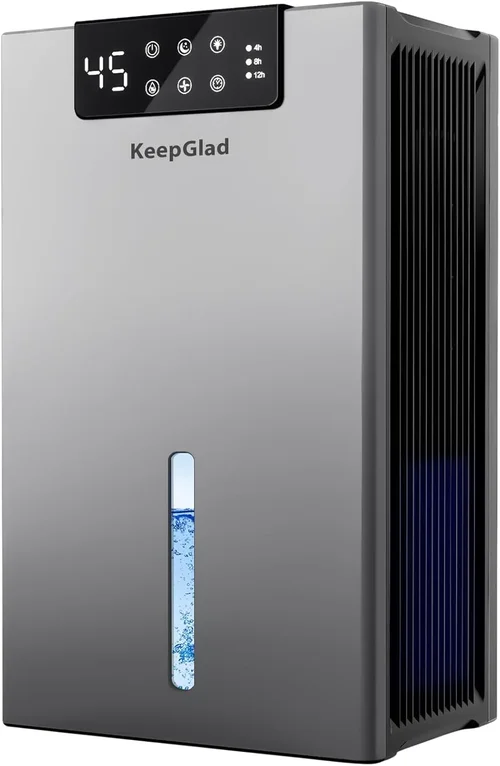
❌ Mistake: Choosing Based Solely on Pint Capacity
Why it’s bad: Pint capacity alone doesn’t tell the whole story. A 70-pint unit may be overkill for a small basement and waste energy, while a 30-pint model might struggle in a large, damp space. Ignoring coverage area, humidity levels, and ambient temperature can lead to poor performance or premature wear.
What to do instead: Match the unit to your basement’s square footage and moisture severity. Use manufacturer sizing charts, but add a 10–20% buffer for basements with high humidity or poor ventilation.
❌ Mistake: Ignoring Drainage Options
Why it’s bad: Manually emptying a water tank every day is tedious and easy to forget. If the tank overflows, it can cause water damage or trigger safety shutoffs, leaving your basement unprotected.
What to do instead: Opt for a model with continuous drainage capability. Even if you don’t install a hose immediately, having the option future-proofs your purchase.
❌ Mistake: Overlooking Noise Levels
Why it’s bad: Basements are often used as living spaces, home offices, or gyms. A loud dehumidifier (above 55 dB) can be disruptive, especially during nighttime operation.
What to do instead: Check decibel ratings in product specs. Look for units labeled “quiet” or “low-noise,” and read user reviews about actual sound levels in real-world settings.
❌ Mistake: Buying the Cheapest Model Available
Why it’s bad: Budget models often use inferior components, lack essential features like auto-defrost, and have shorter lifespans. You may end up replacing them within 1–2 years.
What to do instead: Invest in a mid-range model from a reputable brand. The extra $100–$150 upfront can save you money and frustration in the long run.
❌ Mistake: Not Considering Energy Efficiency
Why it’s bad: Dehumidifiers run frequently in basements, leading to high electricity bills. An inefficient unit can cost $100+ per year in energy alone.
What to do instead: Prioritize ENERGY STAR-certified models with high Energy Factor ratings. Use online calculators to estimate annual operating costs before buying.
❌ Mistake: Skipping the Warranty Check
Why it’s bad: If the unit fails after the warranty expires, repair costs can exceed the price of a new dehumidifier. Some brands offer minimal coverage or exclude key components.
What to do instead: Choose a model with at least a 2-year warranty, preferably covering the compressor. Register your product promptly to activate coverage.
❌ Mistake: Assuming All Basements Are the Same
Why it’s bad: A dehumidifier that works in a dry climate may fail in a humid coastal region. Similarly, an unfinished basement with dirt floors needs different treatment than a finished space with carpet.
What to do instead: Assess your basement’s unique conditions—temperature, humidity source, ventilation, and usage—before selecting a model. When in doubt, consult an HVAC professional.
Budget Guidelines: How Much Should You Spend?
– Entry-Level ($150–$250): Ideal for small, mildly damp basements under 1,000 sq ft. Expect basic functionality, smaller tanks, and limited features. Best for seasonal use or supplemental moisture control. Look for Frigidaire FFAD3033W1 or hOmeLabs 30-Pint.
– Mid-Range ($250–$450): The sweet spot for most homeowners. These models offer 50–70 PPD capacity, continuous drainage, auto-humidistat, and ENERGY STAR certification. Durable enough for year-round use in medium to large basements. Top picks include GE APER50LZ and Danby DDR070BJPWDB.
– Premium ($450–$700): Designed for challenging environments—very damp basements, cold climates, or smart home integration. Features may include Wi-Fi connectivity, low-temperature operation, dual drainage, and advanced filtration. Consider AprilAire E080 or Midea MAD50C1ZWS.
– Luxury ($700+): Whole-house or commercial-grade systems for large properties, historic homes, or extreme humidity issues. These units integrate with HVAC systems, offer ultra-quiet operation, and come with extended warranties. Examples include AprilAire 1820 Pro and Santa Fe Compact 70.
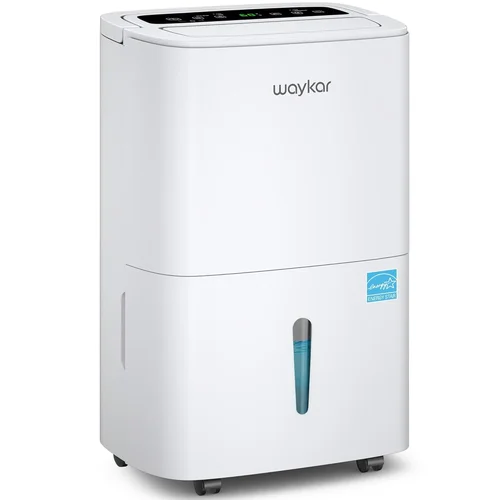
Expert Tips for Getting the Best Deal
– Buy during off-season sales: Prices drop significantly in late fall and winter (October–February) when demand is lowest. Retailers like Home Depot, Lowe’s, and Amazon often run clearance events.
– Compare prices across retailers: Check Amazon, Best Buy, Walmart, and specialty HVAC stores. Use price-tracking tools like Honey or CamelCamelCamel to monitor fluctuations.
– Look for bundle deals: Some sellers offer free shipping, extended warranties, or accessory kits (hoses, filters) with purchase.
– Read return policies carefully: Ensure you can return the unit within 30 days if it doesn’t perform as expected. Avoid retailers with restocking fees or short return windows.
– Test in your actual environment: Run the dehumidifier for at least a week in your basement. Monitor humidity levels with a separate hygrometer to verify accuracy.
– Consider refurbished or open-box models: Certified refurbished units from reputable sellers often come with warranties and sell for 20–30% less than new.
– Check for rebates: Some utility companies offer rebates for ENERGY STAR dehumidifiers. Visit energystar.gov/rebate-finder to see if you qualify.
– Don’t rush: Take time to research and compare. A well-chosen dehumidifier can last 8–10 years with proper maintenance.

Frequently Asked Questions
Q: How do I know what size dehumidifier I need for my basement?
A: Start by measuring your basement’s square footage. Then assess moisture severity: mild (occasional dampness), moderate (visible condensation), or severe (standing water, mold). Use this guide:
– Mild: 30–50 PPD
– Moderate: 50–70 PPD
– Severe: 70+ PPD or consider a whole-house system
Always round up if your basement is below grade, has poor ventilation, or is in a high-humidity region.
Q: Can I run a dehumidifier all the time?
A: Yes, most modern dehumidifiers are designed for continuous operation. However, use the auto-humidistat to maintain 30–50% humidity. Running nonstop without regulation can over-dry the air and waste energy.
Q: Should I drain the tank or use a hose?
A: Use a hose for continuous drainage whenever possible—especially in very damp basements or if you’re away frequently. Manual emptying is fine for lightly used units but increases maintenance.
Q: Will a dehumidifier help with mold?
A: Yes, by reducing humidity below 50%, you create an environment where mold cannot thrive. However, existing mold should be cleaned by a professional before using a dehumidifier to prevent spores from spreading.
Q: Are desiccant dehumidifiers better for cold basements?
A: Absolutely. Unlike refrigerant models, desiccant dehumidifiers don’t rely on cold coils and work efficiently in temperatures as low as 41°F. They’re ideal for unheated basements, garages, or cabins.
Q: How much electricity does a dehumidifier use?
A: It depends on size and efficiency. A 50-pint ENERGY STAR model uses about 500–600 watts and costs roughly $30–$50 per year to run continuously. Use a Kill-A-Watt meter to measure actual consumption.
Q: Can I use a dehumidifier in summer only?
A: You can, but basements often stay damp year-round due to ground moisture. Running it seasonally may not be enough. Monitor humidity levels with a hygrometer to determine optimal usage.
Q: Do I need a filter?
A: Yes. Air filters trap dust, mold spores, and allergens. Washable filters are eco-friendly and cost-effective. Replace or clean them every 1–2 months during heavy use.
Q: What’s the ideal humidity level for a basement?
A: Between 30% and 50%. Levels above 60% promote mold and mildew; below 30% can dry out wood and cause static electricity.
Q: Can a dehumidifier replace ventilation?
A: No. While dehumidifiers reduce moisture, they don’t improve air circulation. For best results, combine with proper ventilation, vapor barriers, or exhaust fans if needed.
Our Final Recommendations
– Best for Budget-Conscious Buyers: Frigidaire FFAD3033W1 – Reliable 30-pint performance, ENERGY STAR certified, and priced under $200. Great for small basements with mild dampness.
– Best Overall Value: GE APER50LZ – 50-pint capacity, continuous drainage, auto-restart, and quiet operation. Priced around $300, it balances features, efficiency, and durability.
– Best Premium Option: AprilAire E080 – 80-pint whole-home capable unit with Wi-Fi, app control, and ultra-quiet operation. Ideal for large or extremely damp basements.
– Best for Beginners: hOmeLabs 50-Pint Dehumidifier – Simple setup, intuitive controls, and excellent user reviews. Comes with a 2-year warranty and easy-to-clean filter.
– Best for Advanced Users: Midea MAD50C1ZWS Smart Dehumidifier – Wi-Fi enabled, voice control, energy monitoring, and low-temperature operation. Perfect for tech-savvy homeowners who want full control.
Conclusion: Making the Right Choice
Choosing the best dehumidifier for your basement in 2026 doesn’t have to be overwhelming. By focusing on your specific needs—size, humidity level, budget, and desired features—you can narrow down the options and find a unit that delivers lasting performance and peace of mind. Remember, the goal isn’t just to remove moisture, but to create a healthier, more comfortable living environment.
Prioritize energy efficiency, build quality, and smart functionality over flashy marketing claims. Read real user reviews, compare warranties, and don’t hesitate to invest a little more for a model that will serve you well for years. And if you’re unsure, start with a mid-range unit from a trusted brand—it’s the safest bet for most homeowners.
Your basement deserves better than dampness and decay. With the right dehumidifier, you can transform it into a usable, enjoyable space—whether it’s a home gym, workshop, or cozy retreat. Take action today, and breathe easier tomorrow.