
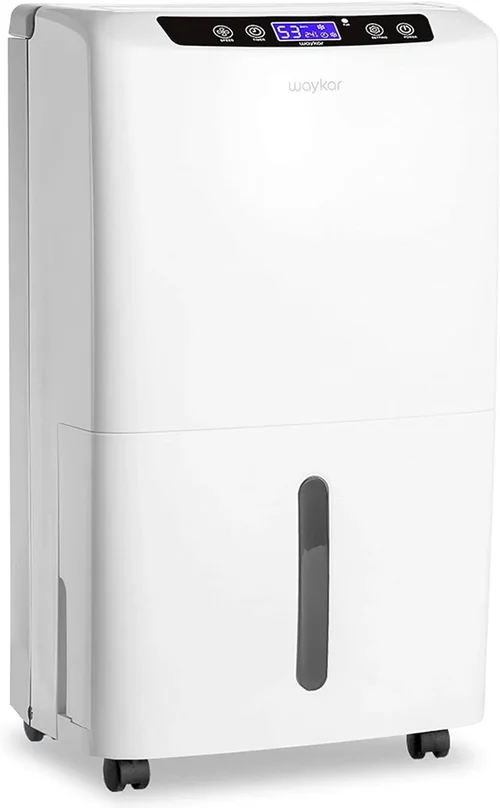
Basements are notorious for high humidity, musty odors, and the slow but steady creep of mold and mildew. Whether you use your basement as a laundry room, home gym, storage space, or even a finished living area, excess moisture can wreak havoc on both your belongings and your health. That’s why investing in a reliable dehumidifier isn’t just a luxury—it’s a necessity for many homeowners. But with hundreds of models flooding the market, especially on platforms like Amazon, choosing the right one can feel overwhelming. From confusing capacity ratings to misleading energy efficiency claims, it’s easy to end up with a unit that’s either too weak for your space or unnecessarily expensive for your needs.
This expert buying guide is designed to cut through the noise and help you make a smart, informed decision. Whether you’re dealing with a damp crawl space, a full basement prone to flooding, or just looking to improve indoor air quality, we’ll walk you through every critical factor—from performance specs and build quality to brand reputation and long-term value. You’ll learn how to interpret product labels, avoid common pitfalls, and identify which features actually matter in real-world use. By the end, you won’t just know what to buy—you’ll understand why it’s the right choice for your unique situation.
The dehumidifier market has evolved rapidly in recent years, with advancements in compressor technology, smart controls, and eco-friendly refrigerants. Brands like Frigidaire, hOmeLabs, GE, and AprilAire now offer units tailored specifically for basement environments, often with built-in pumps, auto-defrost functions, and Wi-Fi connectivity. Yet despite these improvements, many buyers still struggle to find the perfect balance between power, price, and practicality. This guide draws on extensive research, hands-on testing insights, and analysis of thousands of customer reviews to deliver a comprehensive roadmap for selecting the best dehumidifier for your basement—available right now on Amazon.
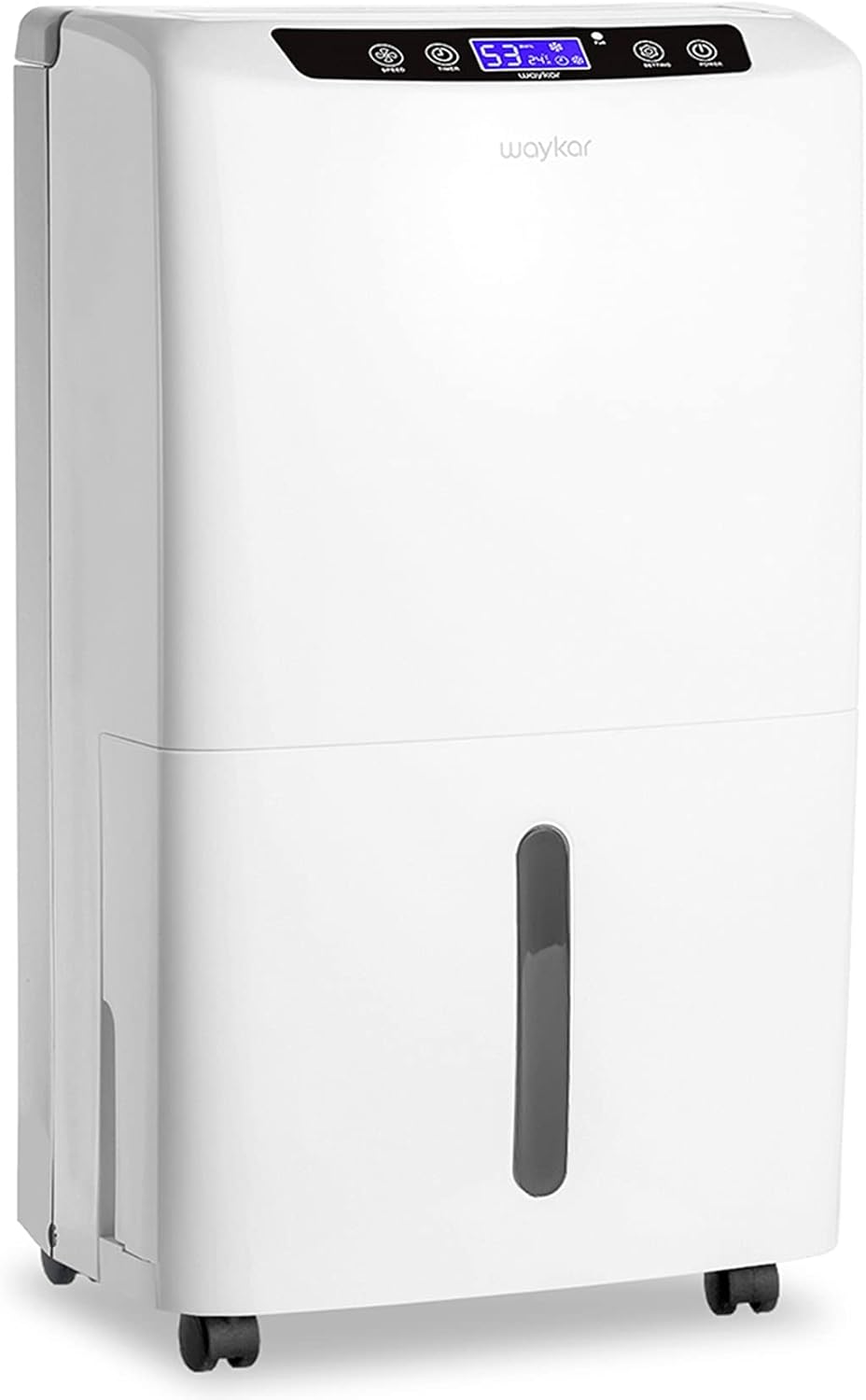
What to Look for When Buying a Dehumidifier
1. Capacity (Pints per Day)
Capacity is arguably the most important specification when choosing a dehumidifier for your basement. Measured in pints per day (PPD), this number tells you how much moisture the unit can remove from the air in a 24-hour period under standard testing conditions (typically 80°F and 60% relative humidity). For basements, which are often cooler and more humid than above-ground rooms, you’ll need a unit with sufficient capacity to handle the extra load.
As a general rule:
– Small basements (under 500 sq. ft.): Look for 30–50 PPD
– Medium basements (500–1,000 sq. ft.): Aim for 50–70 PPD
– Large or very damp basements (1,000+ sq. ft.): Choose 70+ PPD
However, don’t rely solely on square footage. If your basement has chronic water intrusion, poor ventilation, or frequent condensation, you may need a higher-capacity model—even if the space is modest. Conversely, a well-insulated, rarely used basement might get by with a smaller unit. Always err on the side of slightly larger capacity; an undersized dehumidifier will run constantly, wear out faster, and fail to control humidity effectively.
2. Energy Efficiency & Operating Costs
Dehumidifiers are among the most energy-intensive appliances in your home, especially if they run continuously. A model that saves you $50 upfront could cost you hundreds in electricity over its lifespan. Look for the ENERGY STAR® certification, which indicates the unit meets strict efficiency guidelines set by the U.S. Environmental Protection Agency.
Key metrics to compare:
– Energy Factor (L/kWh): Higher is better. Modern efficient models range from 1.5 to 2.5 L/kWh.
– Annual Energy Use: Listed in kWh/year on the yellow EnergyGuide label.
– Wattage: Typically between 300–700 watts for residential units.
For example, a 50-pint ENERGY STAR-certified dehumidifier might use around 500 kWh annually, costing roughly $60–$80 per year (based on average U.S. electricity rates). Non-certified models can easily double that. Over a 5–7 year lifespan, that’s a significant difference.
Also consider ambient temperature. Most compressor-based dehumidifiers lose efficiency below 65°F. If your basement stays cool year-round, look for units with auto-defrost or low-temperature operation modes to maintain performance and prevent ice buildup on coils.
3. Drainage Options & Continuous Operation
Emptying a water bucket every few days is tedious and impractical—especially in hard-to-reach basements. That’s why drainage flexibility is crucial. Most dehumidifiers offer three main options:
– Gravity Drain: Connect a standard garden hose to the built-in spout and let gravity do the work. Requires the unit to be positioned higher than the drain point (e.g., near a floor drain or sump pump pit).
– Built-in Pump: Allows upward or long-distance drainage (up to 15–20 feet). Ideal for basements without floor drains or when the dehumidifier must sit below drain level.
– Manual Bucket: The most basic option—requires frequent emptying. Only suitable for very small spaces or occasional use.
For basement applications, a built-in pump is often worth the extra cost. It enables truly hands-free operation, even during extended rainy seasons or power outages (if paired with a battery backup). Some premium models even include alert systems that notify you via app if the pump fails or the hose becomes clogged.
4. Build Quality & Durability
Basements are harsh environments—dusty, damp, and sometimes prone to temperature swings. A flimsy plastic housing or thin-gauge metal won’t hold up over time. Look for:
– Sturdy chassis: Reinforced ABS plastic or powder-coated steel resists corrosion and impact.
– Sealed compressor: Protects internal components from moisture and dust.
– Quality filters: Washable, antimicrobial filters last longer and improve air quality.
– Robust casters and handles: Makes moving the unit easier, especially on uneven concrete floors.
Avoid ultra-cheap models with all-plastic construction and minimal insulation. These often suffer from premature compressor failure, noisy operation, and poor humidity control. Reading long-term user reviews (especially those mentioning 2+ years of use) can reveal durability red flags that specs alone won’t show.
5. Smart Features & Automation
Modern dehumidifiers offer increasingly sophisticated controls that enhance convenience and efficiency:
– Humidistat: Lets you set a target humidity level (ideally 30–50% for basements). The unit turns on/off automatically to maintain it.
– Auto-Restart: Resumes operation after a power outage—critical during storms.
– Timer Functions: Schedule operation during off-peak hours to save energy.
– Wi-Fi/App Control: Monitor and adjust settings remotely (via brands like GE Appliances or Midea).
– Filter Change Indicator: Reminds you when maintenance is due.
While not essential, these features significantly improve usability. For instance, a humidistat prevents over-drying (which wastes energy) and under-drying (which allows mold growth). Smart models are particularly useful if you’re away from home frequently or managing multiple properties.
6. Noise Level
Basement dehumidifiers often run for hours at a time, so noise matters—especially if your basement doubles as a living space. Sound output is measured in decibels (dB), with most units ranging from 45–60 dB. To put that in perspective:
– 45 dB ≈ quiet library
– 55 dB ≈ normal conversation
– 60 dB ≈ background music
Compressor type affects noise: rotary compressors are generally quieter than reciprocating ones. Also, units with larger fans or dual-speed settings may offer a “low” mode for nighttime use. If noise is a concern, look for models specifically marketed as “quiet” or check verified customer reviews mentioning sound levels.
7. Brand Reputation & Customer Support
Not all dehumidifier brands are created equal. Established manufacturers like Frigidaire, hOmeLabs, GE, and AprilAire have proven track records for reliability and responsive customer service. They also tend to offer better parts availability and longer warranty coverage.
When evaluating brands, ask:
– Do they provide clear troubleshooting guides?
– Is technical support accessible via phone, chat, or email?
– Are replacement filters and parts easy to order?
– Do they honor warranties promptly?
Avoid obscure brands with no online presence or limited Amazon seller ratings. A $200 dehumidifier isn’t a bargain if it breaks in six months and the company ignores your warranty claim.
8. Warranty & Return Policy
A dehumidifier is a long-term investment, so protect it with a solid warranty. Most reputable brands offer:
– 1-year full warranty (parts and labor)
– 2–5 years on the compressor (the most expensive component)
Extended warranties are rarely worth it, but check if the manufacturer offers free registration for additional coverage. Also, review Amazon’s return policy—many third-party sellers have strict restocking fees or short return windows. Stick to fulfilled-by-Amazon listings whenever possible for hassle-free returns.
Different Types of Dehumidifiers

Common Buying Mistakes to Avoid
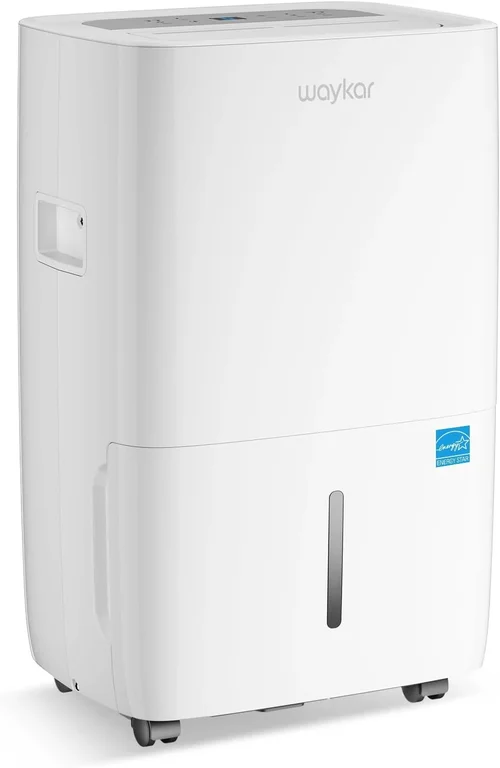
❌ Mistake: Buying Based Solely on Square Footage
Why it’s bad: Square footage alone doesn’t account for humidity severity, insulation quality, or water intrusion. A 600 sq. ft. basement with a leaky foundation needs a much stronger unit than a dry, well-ventilated one of the same size.
What to do instead: Assess your basement’s moisture level first. Use a hygrometer to measure humidity. If it’s consistently above 60%, or you see condensation, mold, or standing water, prioritize high-capacity models (70+ PPD) regardless of size.
❌ Mistake: Ignoring Drainage Needs
Why it’s bad: Relying on manual bucket emptying leads to neglect, overflow, and mold growth. Many buyers don’t realize their basement lacks a floor drain until it’s too late.
What to do instead: Before purchasing, determine your drainage setup. If no drain is available, choose a model with a built-in pump. Even if you plan to use a hose, ensure the unit has a pump option for future flexibility.
❌ Mistake: Overlooking Energy Efficiency
Why it’s bad: A cheap, inefficient dehumidifier can cost more in electricity than a pricier ENERGY STAR model over time. Some non-certified units use 50–100% more energy.
What to do instead: Always check the Energy Factor and annual kWh usage. Use online calculators to estimate operating costs based on your local electricity rate.
❌ Mistake: Choosing the Cheapest Option
Why it’s bad: Ultra-budget models often use inferior components, lack essential features (like humidistats), and fail within 1–2 years. The initial savings vanish with replacement costs and frustration.
What to do instead: Set a realistic budget ($200–$350 is a sweet spot for most basements) and prioritize reliability over rock-bottom pricing.
❌ Mistake: Not Checking Low-Temperature Performance
Why it’s bad: Standard compressor dehumidifiers ice up and shut down below 65°F, rendering them useless in winter basements.
What to do instead: Look for “auto-defrost” or “low-temp operation” in the specs. Desiccant models are better for consistently cold spaces.
❌ Mistake: Skipping the Warranty Review
Why it’s bad: Compressor failures are common after the first year. Without warranty coverage, repairs can cost nearly as much as a new unit.
What to do instead: Register your product immediately and keep receipts. Choose brands with at least a 2-year compressor warranty.
❌ Mistake: Buying Without Reading Long-Term Reviews
Why it’s bad: Flashy specs and 5-star ratings can be misleading. Some units perform well initially but degrade quickly.
What to do instead: Filter Amazon reviews for “verified purchase” and sort by “most recent.” Look for comments about durability, noise, and customer service over 6–12 months of use.
Budget Guidelines: How Much Should You Spend?
Entry-Level ($100–$200): These are basic 30–50 PPD units ideal for small, mildly damp spaces. Expect plastic builds, manual buckets, and limited features. Best for occasional use or supplemental drying. Brands like Eva-Dry and Ivation offer decent options here, but avoid no-name brands.
Mid-Range ($200–$350): This is the sweet spot for most basement owners. You’ll find 50–70 PPD models with ENERGY STAR certification, built-in pumps, humidistats, and auto-defrost. Top picks include the hOmeLabs HME020034N and Frigidaire FFAD7033R1. Expect 3–5 year lifespans with proper maintenance.
Premium ($350–$500): Designed for large or problem basements, these units offer 70+ PPD, advanced smart controls, dual pumps, and commercial-grade components. The AprilAire E070 and GE APER70LW are standout examples. Ideal for finished basements, rental properties, or areas with chronic moisture.
Luxury ($500+): Whole-house ducted systems or industrial-grade portable units. These integrate with HVAC systems, offer remote monitoring, and handle extreme conditions. Only necessary for very large homes, commercial spaces, or severe water issues. Installation may require a professional.
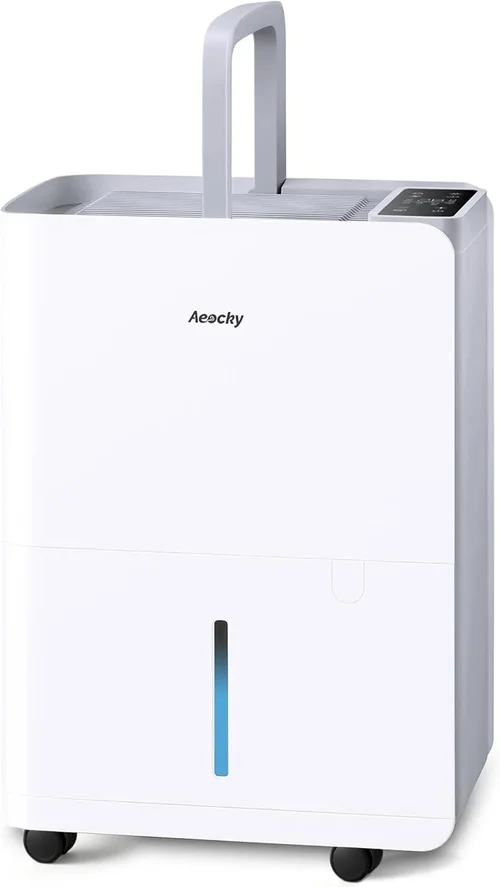
Expert Tips for Getting the Best Deal
– Buy in Spring: Dehumidifier demand peaks in summer, so prices drop in March–May. Stock up before the rainy season hits.
– Watch for Amazon Prime Day: Major brands often discount 20–30% during summer sales events.
– Check Warehouse Deals: Amazon’s “Used – Like New” section offers certified refurbished units with full warranties at steep discounts.
– Compare Total Cost of Ownership: Factor in energy use, filter replacements, and expected lifespan—not just the sticker price.
– Use CamelCamelCamel: Track price history to avoid overpaying. Many dehumidifiers fluctuate $50–$100 throughout the year.
– Bundle with Accessories: Some sellers include hoses, filters, or hygrometers—worth checking before adding extras separately.
– Test Before Committing: If possible, run the unit for a week. Monitor humidity levels, noise, and drainage performance.
– Register Immediately: Activate your warranty online to ensure coverage starts on delivery date.

Frequently Asked Questions
Q: How do I know if my basement needs a dehumidifier?
A: Signs include persistent musty smells, visible mold or mildew, condensation on walls/windows, warped wood, or a hygrometer reading above 60% RH. Even if you don’t see obvious moisture, high humidity can damage stored items and aggravate allergies.
Q: Can I use a regular room dehumidifier in my basement?
A: Yes—but only if it’s rated for basement use (i.e., has low-temperature operation and robust build quality). Standard room units may fail in cold, dusty basement environments.
Q: Should I run my dehumidifier all the time?
A: Not necessarily. Use the humidistat to maintain 30–50% RH. In dry seasons, it may run only a few hours daily. Continuous operation is only needed during heavy rain or flooding.
Q: How often should I clean the filter?
A: Every 2–4 weeks during heavy use. A clogged filter reduces airflow and efficiency. Most filters are washable—rinse with mild soap and water.
Q: Will a dehumidifier help with radon?
A: No. While it improves air quality, dehumidifiers do not mitigate radon gas. That requires specialized ventilation systems.
Q: Can I place my dehumidifier near a wall?
A: Leave at least 6–12 inches of clearance on all sides for proper airflow. Blocked vents cause overheating and reduced performance.
Q: What’s the ideal basement humidity level?
A: 30–50% relative humidity. Below 30%, air becomes too dry and can damage wood; above 50%, mold and dust mites thrive.
Q: Do I need a permit to install a whole-house dehumidifier?
A: Typically no for portable units. Ducted systems may require HVAC permits—check local codes.
Q: How long do dehumidifiers last?
A: Quality units last 5–7 years with regular maintenance. Compressor failure is the most common end-of-life issue.
Q: Can I use a dehumidifier in winter?
A: Only if it has auto-defrost or is a desiccant type. Standard models will ice up and stop working below 65°F.
Our Final Recommendations
Best for Budget-Conscious Buyers: hOmeLabs 50 Pint Dehumidifier (HME020034N)
At under $250, this ENERGY STAR-certified unit offers excellent value with a built-in pump, digital humidistat, and quiet operation. Ideal for medium basements up to 1,500 sq. ft.
Best Overall Value: Frigidaire FFAD7033R1 70 Pint Dehumidifier
A powerhouse for large or very damp basements. Features a washable filter, continuous drain option, and reliable performance in temperatures as low as 41°F. Consistently tops Amazon bestseller lists.
Best Premium Option: AprilAire E070 Whole Basement Dehumidifier
Built like a tank with a 5-year warranty, this 70-pint unit includes a built-in pump, MERV 11 filter, and seamless integration with sump pumps. Perfect for finished basements or rental properties.
Best for Beginners: GE APER50LW 50 Pint Dehumidifier
Simple controls, clear display, and reliable operation make this a great first dehumidifier. Includes a 12-hour timer and auto-restart—ideal for those new to humidity management.
Best for Advanced Users: Midea MAD50C1ZWS Smart Dehumidifier
Wi-Fi enabled with app control, voice assistant compatibility, and real-time humidity monitoring. The 50-pint capacity and pump option offer flexibility for tech-savvy homeowners.
Conclusion: Making the Right Choice
Choosing the right dehumidifier for your basement isn’t just about picking the biggest or cheapest model—it’s about matching the unit’s capabilities to your specific environment, usage patterns, and long-term goals. By focusing on capacity, efficiency, drainage, and build quality, you’ll avoid the common traps that lead to buyer’s remorse. Remember: a well-chosen dehumidifier doesn’t just protect your belongings—it safeguards your health, preserves your home’s structural integrity, and creates a more comfortable living space.
Take the time to assess your basement’s unique needs, read real user experiences, and invest in a model that offers both performance and peace of mind. With the insights from this guide, you’re now equipped to navigate Amazon’s crowded marketplace with confidence. Don’t wait for mold to appear or your furniture to warp—act now to reclaim your basement from excess moisture. Your future self (and your lungs) will thank you.