
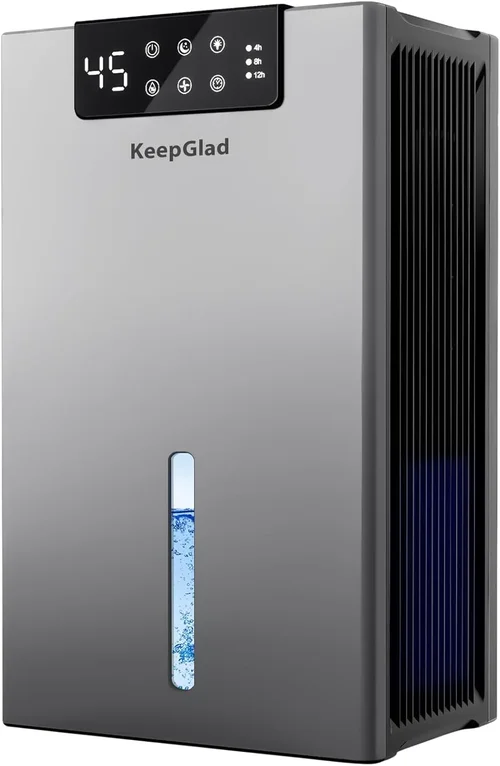
Dealing with excess moisture in a basement bedroom isn’t just about comfort—it’s about health, safety, and preserving your home. Basements are naturally prone to dampness due to their below-ground location, poor ventilation, and proximity to groundwater. When that moisture creeps into a space you sleep in, it can trigger mold growth, worsen allergies, damage furniture, and even compromise the structural integrity of your home over time. A high-quality dehumidifier isn’t a luxury; it’s a necessity for anyone turning their basement into a livable, breathable bedroom.
This comprehensive buying guide is designed to cut through the noise and help you make a smart, informed decision in 2026. Whether you’re converting a damp cellar into a cozy guest room or simply trying to improve air quality in your primary bedroom downstairs, we’ll walk you through every critical factor—from performance specs and smart features to budget considerations and common pitfalls. You’ll learn how to match the right dehumidifier to your specific needs, avoid overpaying for unnecessary features, and choose a model that delivers reliable, long-term results. With the market flooded with options ranging from basic $100 units to advanced $800+ smart systems, knowing what truly matters can save you hundreds and ensure your investment pays off.
The dehumidifier market has evolved significantly in recent years. Energy efficiency standards have tightened, smart home integration has become mainstream, and consumer demand for quieter, more compact units has driven innovation. Today’s best basement bedroom dehumidifiers aren’t just functional—they’re intelligent, user-friendly, and built to last. From compact 30-pint models ideal for small spaces to heavy-duty 70-pint units capable of handling large, high-humidity areas, there’s a solution for nearly every scenario. This guide will help you navigate that landscape with confidence, so you can breathe easy—literally—in your basement bedroom.

What to Look for When Buying Buying Guide
1. Capacity (Pint Rating)
The most important specification when choosing a dehumidifier for a basement bedroom is its capacity, measured in pints per day (PPD). This tells you how much moisture the unit can remove in a 24-hour period under standard conditions (typically 60% relative humidity at 80°F). For basement bedrooms, which often face higher humidity levels due to poor airflow and ground moisture, you’ll generally need a unit rated between 50 and 70 pints per day.
To determine the right size, consider both the square footage of your space and the severity of the moisture problem. A 500-square-foot basement bedroom with moderate dampness may only require a 50-pint model, while a 1,000-square-foot space with visible condensation or musty odors might need a 70-pint unit. Undersizing leads to ineffective moisture control, while oversizing can result in short cycling (frequent on/off cycles), reduced efficiency, and unnecessary noise. Always check the manufacturer’s coverage chart and, if possible, assess your basement’s humidity level with a hygrometer before purchasing.
2. Energy Efficiency (Energy Star Rating)
Since dehumidifiers run continuously in basements—especially during humid seasons—energy efficiency directly impacts your utility bills. Look for models with an Energy Star certification, which indicates they meet strict efficiency guidelines set by the U.S. Environmental Protection Agency. Energy Star dehumidifiers use up to 15% less energy than standard models, which can translate to $20–$50 in annual savings depending on usage and local electricity rates.
Pay attention to the unit’s energy factor (liters of water removed per kilowatt-hour of electricity used). Higher numbers mean better efficiency. For example, a model with an energy factor of 2.5 L/kWh is more efficient than one rated at 1.8 L/kWh. Also consider features like auto-defrost (prevents ice buildup in cold basements) and variable-speed compressors, which adjust output based on demand and reduce energy waste. In colder basement environments (below 65°F), refrigerant-based dehumidifiers may struggle, so desiccant models—though less efficient—can be more effective.
3. Noise Level (Decibel Rating)
Because your dehumidifier will be operating in or near your sleeping area, noise is a critical factor. Most dehumidifiers produce between 45 and 65 decibels (dB), which is comparable to a quiet conversation (50 dB) or moderate rainfall (60 dB). However, even small differences in noise can be disruptive at night, especially in a quiet basement bedroom.
Look for models that specify a low decibel rating—ideally under 55 dB on the lowest fan setting. Some premium units feature “sleep mode” or “quiet mode” that reduces fan speed and compressor noise during nighttime operation. Additionally, consider the unit’s placement: placing it on a vibration-dampening mat or in a closet with ventilation can further reduce perceived noise. Avoid models with loud compressor startups or rattling components, as these can be particularly jarring in a bedroom setting.
4. Drainage Options
Manual emptying of a water bucket is inconvenient and impractical for continuous basement use. A reliable drainage system is essential for hassle-free operation. Most dehumidifiers offer two primary drainage options: a built-in pump or a gravity drain hose.
Gravity drainage requires the unit to be positioned higher than the drain point (e.g., a floor drain or sink), with a hose running downward. This is simple and cost-effective but limits placement flexibility. A built-in condensate pump, found in higher-end models, allows you to pump water vertically up to 15 feet and horizontally up to 100 feet, enabling placement in low-lying areas like basement corners. Some advanced units even feature smart pump systems that alert you via app when the pump is active or if a clog occurs. For basement bedrooms, a pump-equipped model offers the most convenience and reliability.
5. Smart Features & Connectivity
Modern dehumidifiers increasingly include smart capabilities that enhance usability and efficiency. Wi-Fi connectivity allows you to monitor and control the unit remotely via smartphone apps (e.g., Frigidaire, GE, or Midea apps). You can adjust humidity settings, schedule operation, receive maintenance alerts, and even integrate with smart home platforms like Amazon Alexa or Google Assistant.
Look for models with real-time humidity monitoring and automatic adjustments—these maintain your target humidity level without constant manual input. Some units also offer leak detection, filter change reminders, and energy usage tracking. While smart features add convenience, they may increase the price by $50–$150. Evaluate whether these features align with your lifestyle; if you’re frequently away from home or value automation, they’re worth the investment.
6. Build Quality & Durability
Basement environments are harsh—cool, damp, and often dusty. A dehumidifier must be built to withstand these conditions over years of use. Look for units with rust-resistant coatings, sealed electronic components, and durable plastic or metal housings. Internal components like coils and compressors should be designed for continuous operation.
Check for reinforced handles, sturdy casters (for portability), and a well-sealed water tank to prevent spills. Units with washable or replaceable air filters are preferable, as they reduce long-term maintenance costs. Avoid models with flimsy construction or poor customer reviews regarding longevity. A well-built dehumidifier may cost more upfront but will save money by avoiding premature replacement.
7. Warranty & Customer Support
A strong warranty is a strong indicator of a manufacturer’s confidence in their product. Most reputable brands offer a 1- to 2-year limited warranty, covering parts and labor. Premium models may include extended warranties (up to 5 years) or optional protection plans.
Research the brand’s customer service reputation—read reviews about response times, repair availability, and ease of claiming warranty service. Brands like Frigidaire, Honeywell, and AprilAire are known for reliable support. Avoid obscure brands with no service network, as repairs can be costly or impossible. Also, check if the warranty requires registration or specific maintenance (e.g., filter cleaning) to remain valid.
8. Size & Portability
Even in a basement bedroom, space may be limited. Consider the physical dimensions of the dehumidifier and whether it can fit comfortably in your intended location—under a bed, in a closet, or in a corner. Weight matters too; heavier units (over 50 lbs) can be difficult to move for cleaning or maintenance.
Look for models with integrated handles and smooth-rolling casters for easy relocation. Some units are designed with a vertical profile to save floor space, while others have a low center of gravity to prevent tipping. If you plan to move the dehumidifier between rooms (e.g., from basement to main floor during summer), portability becomes even more important.
Different Types of Buying Guide

Common Buying Mistakes to Avoid
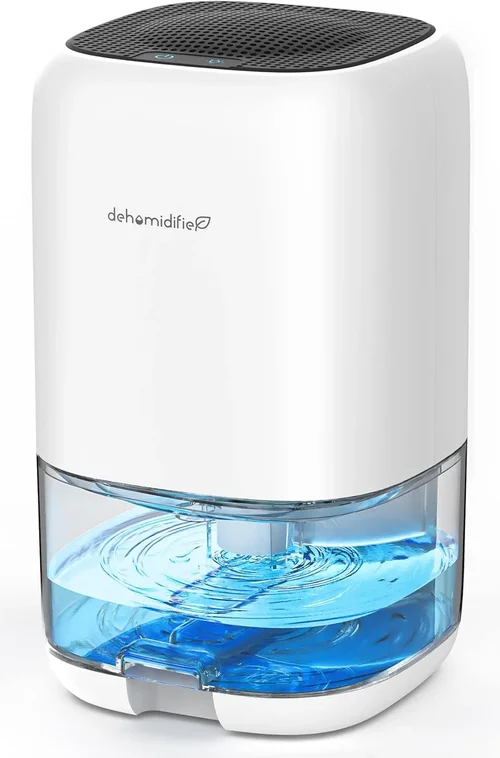
❌ Mistake: Choosing Based on Price Alone
Why it’s bad: The cheapest dehumidifier often lacks essential features like continuous drainage, energy efficiency, or durability. It may also be undersized for your space, leading to poor performance and higher long-term costs due to frequent repairs or replacement.
What to do instead: Focus on value, not just price. Compare features, efficiency ratings, and warranty terms across models in your budget range. A $250 unit with a 2-year warranty and Energy Star rating may offer better long-term value than a $150 model with no warranty and high energy use.
❌ Mistake: Ignoring the Basement’s Temperature
Why it’s bad: Most refrigerant dehumidifiers lose efficiency below 65°F and may ice up in cold basements. Using the wrong type can result in the unit shutting down or failing to remove moisture effectively.
What to do instead: Measure your basement’s average temperature. If it’s consistently below 65°F, opt for a desiccant dehumidifier or a cold-climate refrigerant model with auto-defrost. Some units are specifically rated for low-temperature operation.
❌ Mistake: Overlooking Noise Levels
Why it’s bad: A noisy dehumidifier can disrupt sleep, especially in a quiet basement bedroom. Even moderate noise (55+ dB) can be distracting over time.
What to do instead: Check decibel ratings and read user reviews about noise. Look for models with “quiet mode” or low-speed fan settings. Consider placing the unit in a closet or using sound-dampening materials.
❌ Mistake: Not Planning for Drainage
Why it’s bad: Without proper drainage, you’ll need to empty the water bucket every 8–12 hours, which is impractical for continuous use. Overflowing buckets can cause water damage.
What to do instead: Choose a model with a built-in pump or gravity drain option. Ensure your basement has a nearby floor drain, sink, or sump pit. If not, a pump-equipped unit is essential.
❌ Mistake: Buying Without Checking Coverage Area
Why it’s bad: A dehumidifier rated for 500 sq. ft. will struggle in a 1,000 sq. ft. basement, leading to high humidity and mold risk.
What to do instead: Measure your basement bedroom’s square footage and match it to the manufacturer’s coverage chart. Add 10–20% capacity if the space is particularly damp or poorly ventilated.
❌ Mistake: Skipping Maintenance Requirements
Why it’s bad: Neglecting filter cleaning or coil maintenance reduces efficiency, increases energy use, and shortens the unit’s lifespan.
What to do instead: Choose a model with easy-access filters and clear maintenance instructions. Set calendar reminders to clean the filter monthly and inspect coils annually.
❌ Mistake: Ignoring Smart Features When Needed
Why it’s bad: If you travel frequently or want automated humidity control, a basic model may require constant manual adjustment.
What to do instead: If convenience and automation matter, invest in a Wi-Fi-enabled model with app control and scheduling. The added cost is justified by improved usability and peace of mind.
Budget Guidelines: How Much Should You Spend?
Dehumidifiers for basement bedrooms vary widely in price, and your budget should reflect your specific needs, space size, and desired features. Here’s a breakdown of what to expect at different price tiers:
Entry-Level ($100 – $200): These models are typically 30- to 50-pint units suitable for small to medium basements with mild moisture issues. They often lack advanced features like pumps, smart controls, or quiet operation. Expect basic manual drainage, higher noise levels (55–65 dB), and limited durability. Ideal for temporary use or low-budget conversions, but may not provide long-term reliability.
Mid-Range ($200 – $400): This is the sweet spot for most basement bedroom buyers. Units in this range usually offer 50- to 70-pint capacity, Energy Star certification, gravity or pump drainage, and quieter operation (under 55 dB). Many include washable filters, auto-restart after power outages, and basic digital controls. Brands like Frigidaire, Honeywell, and Tosot dominate this category with reliable performance and solid warranties.
Premium ($400 – $600): These dehumidifiers are built for demanding environments and frequent use. They often feature built-in condensate pumps, smart Wi-Fi connectivity, advanced humidity sensors, and ultra-quiet operation (under 50 dB). Models from GE, Midea, and AprilAire in this range offer app control, leak detection, and integration with smart home systems. Ideal for large basements, high humidity, or users who value automation and convenience.
Luxury ($600+): At this level, you’re investing in top-tier engineering, durability, and innovation. These units may include dual compressors, HEPA filtration, whole-home integration, or commercial-grade components. Some are designed to connect directly to HVAC systems or sump pumps. While overkill for most residential basement bedrooms, they’re worth considering for extreme moisture problems, historic homes, or users seeking maximum performance and longevity.
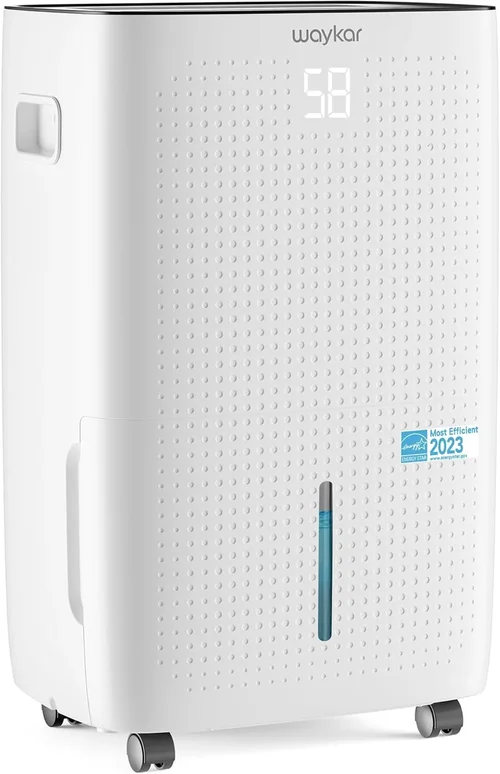
Expert Tips for Getting the Best Deal
- Buy During Off-Peak Seasons: Dehumidifiers are most expensive in spring and summer when demand peaks. Shop in late fall or winter (October–February) for discounts of 20–30%. Retailers often clear inventory before new models arrive.
- Compare Retailers: Check prices at Home Depot, Lowe’s, Amazon, and specialty HVAC stores. Online retailers may offer exclusive bundles (e.g., free shipping, extended warranties). Sign up for newsletters to receive promo codes.
- Look for Rebates and Incentives: Some utility companies offer rebates for Energy Star dehumidifiers. Check your local provider’s website—savings can range from $25 to $100.
- Read Return Policies Carefully: Ensure the retailer allows returns within 30–60 days, especially if you’re unsure about fit or performance. Avoid restocking fees by testing the unit immediately.
- Test Before Committing: Run the dehumidifier for 24–48 hours and monitor humidity levels with a hygrometer. Check for noise, drainage efficiency, and ease of use. If it’s not performing as expected, return it while you still can.
- Consider Refurbished or Open-Box Models: Certified refurbished units from reputable sellers (e.g., manufacturer websites, Best Buy Outlet) often come with warranties and sell for 20–40% less than new.
- Negotiate Extended Warranties: Some retailers offer free extended warranties during promotions. If not, ask—especially on premium models. A 3- to 5-year warranty can save hundreds in repair costs.
- Bundle with Other Purchases: Buying a dehumidifier alongside a sump pump, air purifier, or insulation materials may qualify you for package discounts at home improvement stores.

Frequently Asked Questions
Q: How do I know if my basement bedroom needs a dehumidifier?
A: Signs include musty odors, condensation on windows or walls, peeling paint, mold growth, or a clammy feeling in the air. Use a hygrometer to measure humidity—ideal levels are between 30% and 50%. If readings consistently exceed 60%, a dehumidifier is recommended.
Q: Can I use a regular room dehumidifier in a basement?
A: Yes, but ensure it’s rated for basement use. Basements often have higher humidity and lower temperatures, so choose a model with appropriate capacity (50–70 pints) and cold-weather performance. Avoid small bathroom dehumidifiers—they’re too weak for basement bedrooms.
Q: How often should I clean the filter?
A: Clean the air filter every 4–6 weeks during heavy use. A clogged filter reduces airflow and efficiency. Most filters are washable—rinse with warm water and let dry completely before reinstalling.
Q: Should I run the dehumidifier continuously?
A: It’s best to run it continuously until your target humidity is reached, then use a humidistat to maintain it. Most modern units have auto-humidistats that turn the compressor on/off as needed, saving energy.
Q: Can a dehumidifier help with allergies?
A: Yes. By reducing moisture, it inhibits mold, dust mites, and mildew—common allergens. For best results, pair it with an air purifier and regular cleaning.
Q: What’s the difference between a condensate pump and gravity drain?
A: Gravity drain relies on slope to move water downward, limiting placement. A condensate pump actively pushes water vertically and horizontally, offering greater flexibility—ideal for basements without floor drains.
Q: Are smart dehumidifiers worth the extra cost?
A: If you value remote monitoring, scheduling, and alerts, yes. They’re especially useful if you travel or want precise humidity control. For basic use, a non-smart model may suffice.
Q: How long do dehumidifiers typically last?
A: With proper maintenance, most last 5–10 years. Higher-end models with durable components often exceed 10 years. Regular filter cleaning and coil maintenance extend lifespan.
Q: Can I place the dehumidifier in a closet?
A: Only if the closet has adequate ventilation. Blocking airflow reduces efficiency and can cause overheating. Leave at least 6–12 inches of clearance around the unit.
Q: What humidity level should I set for a basement bedroom?
A: Aim for 40–50% relative humidity. Levels below 30% can cause dry skin and respiratory irritation, while above 60% promotes mold growth.
Our Final Recommendations
Best for Budget-Conscious Buyers: Frigidaire FFAD7033R1 70-Pint Dehumidifier – At around $250, this Energy Star-rated unit offers excellent capacity, quiet operation (51 dB), and gravity drainage. It’s reliable, widely available, and backed by a 1-year warranty. Ideal for medium to large basements with moderate to high humidity.
Best Overall Value: Honeywell TP70WKN 70-Pint Smart Dehumidifier – Priced at $350–$400, this model combines 70-pint capacity, Wi-Fi connectivity, a built-in pump, and ultra-quiet operation (48 dB). The app allows remote control and scheduling, making it perfect for tech-savvy users who want automation without premium pricing.
Best Premium Option: AprilAire E070 Pro 70-Pint Whole-Home Dehumidifier – At $650+, this is a top-tier choice for serious moisture control. It features a built-in pump, MERV-11 filtration, and can be integrated with HVAC systems. Designed for whole-home use, it’s ideal for large basements or homes with chronic humidity issues.
Best for Beginners: Tosot 50-Pint Dehumidifier – Simple, reliable, and affordable ($200–$250), this model has intuitive controls, a large water tank, and quiet operation. It’s easy to set up and maintain, making it perfect for first-time buyers.
Best for Advanced Users: GE APER50LZ 50-Pint Smart Dehumidifier with Pump – With Alexa/Google integration, app control, and a powerful pump, this $450 unit offers advanced features for users who want full automation and remote monitoring. Its compact design fits well in bedroom spaces.
Conclusion: Making the Right Choice
Choosing the best dehumidifier for your basement bedroom is about more than just removing moisture—it’s about creating a healthy, comfortable, and sustainable living environment. By focusing on capacity, efficiency, noise, drainage, and smart features, you can find a unit that meets your specific needs without overspending. Avoid common pitfalls like undersizing or ignoring temperature conditions, and always prioritize long-term value over short-term savings.
Remember, the right dehumidifier isn’t just an appliance—it’s an investment in your home’s air quality, structural integrity, and your family’s well-being. Whether you’re on a tight budget or ready to upgrade to a smart system, the options in 2026 are better than ever. Take the time to assess your space, compare models, and read real user reviews. With the insights from this guide, you’re equipped to make a confident, informed decision that will keep your basement bedroom dry, fresh, and inviting for years to come.
Now’s the time to act. Don’t wait for mold to grow or your energy bills to spike. Choose wisely, maintain regularly, and enjoy the peace of mind that comes with a truly livable basement bedroom.