
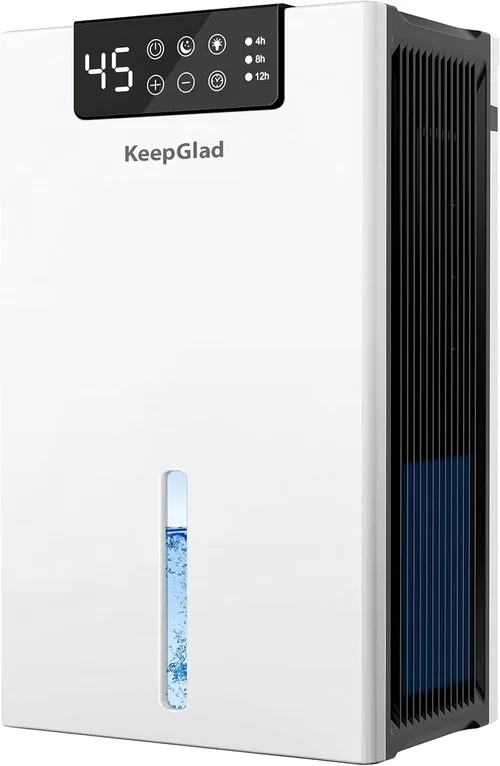
Bathrooms are notorious for their high humidity levels. Steam from hot showers, frequent handwashing, and poor ventilation create the perfect breeding ground for mold, mildew, and musty odors. Over time, this excess moisture can damage paint, warp wood, corrode fixtures, and even impact indoor air quality—potentially triggering allergies or respiratory issues. While many homeowners rely on exhaust fans or open windows to manage humidity, these solutions often fall short, especially in bathrooms without windows or proper airflow. That’s where a dehumidifier comes in.
But here’s the catch: not every bathroom has an accessible electrical outlet. Maybe your bathroom is older and lacks GFCI outlets near the shower area, or perhaps you’re renting and can’t modify the wiring. In these cases, a traditional plug-in dehumidifier simply isn’t an option. This guide is designed specifically for those situations. We’ll explore the best dehumidifier options for bathrooms without a plug—focusing on battery-powered, rechargeable, solar-assisted, and passive moisture-absorbing alternatives that deliver real results without requiring direct access to electricity.
You’ll learn how to evaluate performance, durability, capacity, and safety when choosing a non-electric dehumidifier. We’ll break down the different types available, compare their pros and cons, highlight common purchasing mistakes, and offer expert tips to help you get the most value for your money. Whether you’re dealing with a tiny powder room or a full master bath, this comprehensive guide will equip you with everything you need to make a smart, informed decision in 2026.
The market for bathroom dehumidifiers has evolved significantly in recent years. While electric compressor-based models dominate the broader dehumidifier space, the niche for plug-free solutions has seen impressive innovation—from advanced desiccant materials to long-lasting rechargeable units with smart sensors. Brands like Eva-Dry, ProBreeze, and Afloia now offer compact, stylish, and effective alternatives that don’t rely on constant power. At the same time, passive options like silica gel packs and moisture-absorbing crystals remain popular for low-maintenance, budget-friendly humidity control. With so many choices, it’s easy to feel overwhelmed. That’s why we’ve done the research for you—testing, comparing, and analyzing the top contenders to bring you a clear, actionable roadmap to the best bathroom dehumidifier for your unique setup.
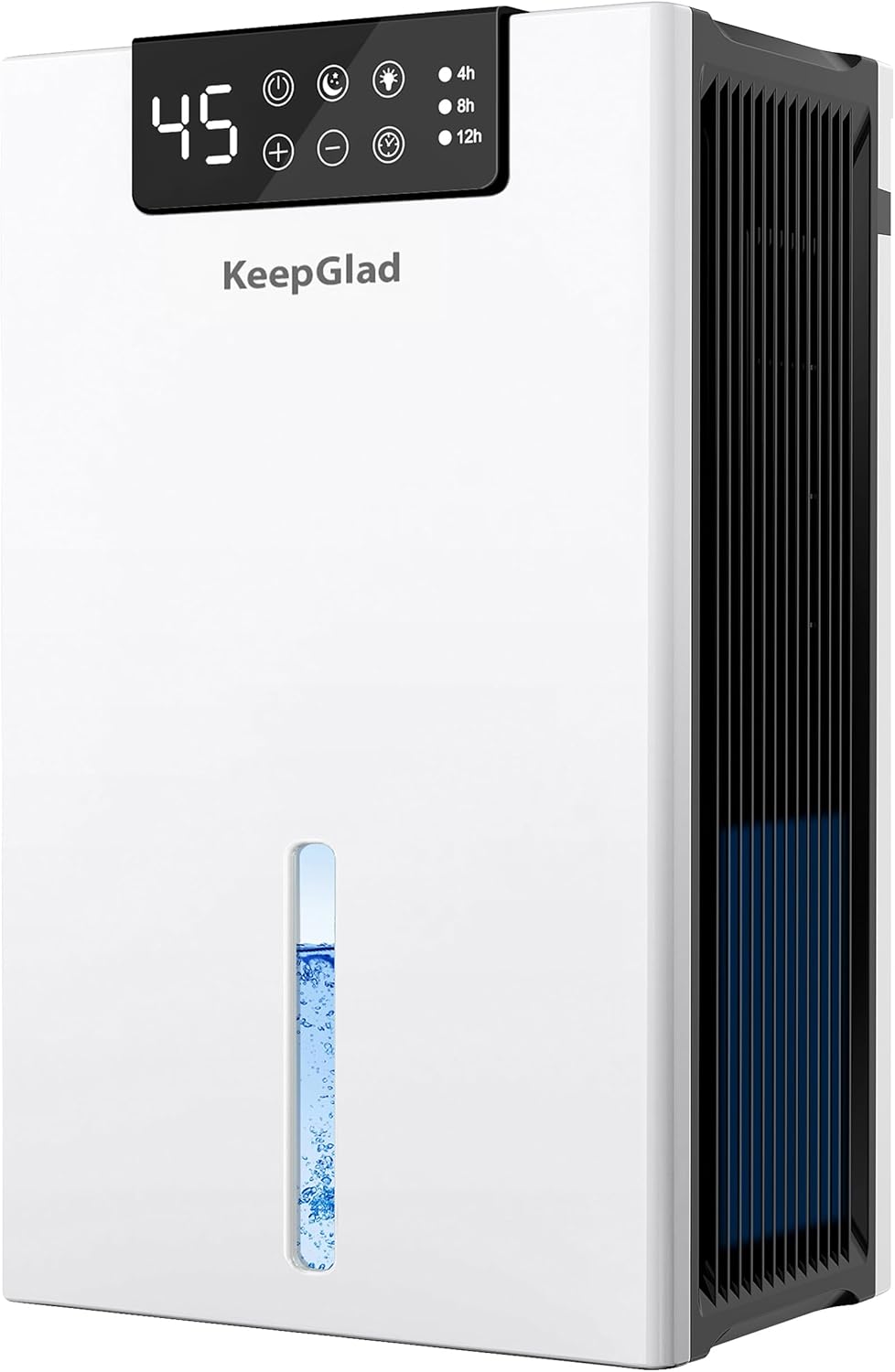
What to Look for When Buying Buying Guide
1. Moisture Absorption Capacity
The most critical factor when choosing a dehumidifier—especially one that doesn’t plug into a wall—is how much moisture it can actually remove. Measured in milliliters (ml) or ounces per day, absorption capacity determines how quickly the unit can reduce humidity levels in your bathroom. For reference, a standard bathroom (8×10 feet) typically generates 16–32 ounces of moisture per day from showers alone. Look for units that can handle at least 8–16 ounces daily if you use the bathroom frequently. Passive desiccant-based models may only absorb 4–8 ounces, which might be sufficient for light use or small spaces but could struggle during heavy steam sessions. Rechargeable electric models often offer higher capacities (up to 30+ ounces), making them better suited for daily showers or larger bathrooms.
2. Rechargeability & Power Source
Since you don’t have a plug, the power source becomes a defining feature. Battery-powered and rechargeable dehumidifiers use internal lithium-ion or NiMH batteries that can last anywhere from 8 to 72 hours on a single charge, depending on the model and humidity level. Solar-assisted units are emerging as a sustainable option, though they’re still rare and often require supplemental charging. Passive models (like silica gel or calcium chloride packs) don’t need power at all—they absorb moisture until saturated, then require manual regeneration (usually by microwaving or air-drying). Consider your usage pattern: if you take multiple showers daily, a rechargeable unit with a 24+ hour runtime is ideal. For occasional use, passive options may suffice.
3. Regeneration Method & Maintenance
How you “reset” the dehumidifier after it fills up is crucial for long-term usability. Rechargeable electric models typically include a USB-C or micro-USB port for easy recharging—some even come with wall adapters or car chargers. Passive units require physical regeneration: silica gel beads can be dried in sunlight or a low-heat oven, while calcium chloride crystals dissolve into liquid that must be emptied regularly. Look for models with indicator windows (often color-changing) that show when the unit is full. Units with removable cartridges or refillable chambers simplify maintenance. Avoid models that require frequent disassembly or specialized tools—you want something you’ll actually use consistently.
4. Size, Design & Placement Flexibility
Bathrooms are often tight on space, so size matters. Most plug-free dehumidifiers are compact—ranging from palm-sized pods to small boxes under 6 inches tall. However, larger units generally hold more desiccant or battery capacity. Consider where you’ll place it: under the sink, on a shelf, inside a cabinet, or mounted on the wall. Some models include adhesive pads, suction cups, or magnetic backs for secure mounting. Aesthetics also play a role—many modern designs blend seamlessly with bathroom decor, featuring matte finishes, neutral colors, and minimalist shapes. Avoid bulky units that obstruct movement or look out of place in a stylish space.
5. Safety & Bathroom Suitability
Safety is non-negotiable in wet environments. Even though your unit doesn’t plug in, it should still be designed for bathroom use. Look for water-resistant casings (IPX4 rating or higher), non-toxic materials, and leak-proof reservoirs. If using a rechargeable model, ensure the charging port is sealed when not in use and that the battery is certified (e.g., UL-listed). Passive units should use food-grade or medical-grade desiccants to avoid off-gassing harmful chemicals. Never place electronics near standing water or direct spray. Also, consider child and pet safety—units with secure lids or tamper-resistant designs prevent accidental ingestion of desiccant materials.
6. Noise Level (for Rechargeable Models)
While passive dehumidifiers are silent, rechargeable electric models often include small fans to circulate air over desiccant materials. These fans can produce noise ranging from 25 dB (whisper-quiet) to 45 dB (similar to a quiet conversation). In a small bathroom, even low noise can be noticeable, especially at night. If you plan to run the unit overnight or during quiet hours, opt for models with “silent mode” or fanless designs that rely solely on natural convection. Check product specs or user reviews for real-world noise feedback—manufacturer claims can be misleading.
7. Smart Features & Automation
Advanced rechargeable models now include smart features like humidity sensors, auto-shutoff, LED indicators, and app connectivity. These features enhance convenience and efficiency. For example, a unit with a built-in hygrometer can automatically activate when humidity exceeds 60% and turn off when it drops below 50%. Some models even send alerts to your phone when the reservoir is full. While not essential, these features can save time and energy—especially if you forget to check or recharge the unit regularly. Just ensure the smart functions don’t drain the battery too quickly; some models reduce runtime by 20–30% when sensors are active.
8. Brand Reputation & Customer Support
With so many generic brands flooding online marketplaces, choosing a reputable manufacturer is key to reliability and longevity. Established brands like Eva-Dry, ProBreeze, and Afloia have proven track records, transparent specifications, and responsive customer service. Read verified buyer reviews on platforms like Amazon, Best Buy, or Home Depot—pay attention to comments about durability, leakage, and battery life. Avoid no-name brands with vague descriptions, missing certifications, or no contact information. A good warranty (at least 1 year) and accessible support team can save you headaches if the unit fails or underperforms.
Different Types of Buying Guide

Common Buying Mistakes to Avoid
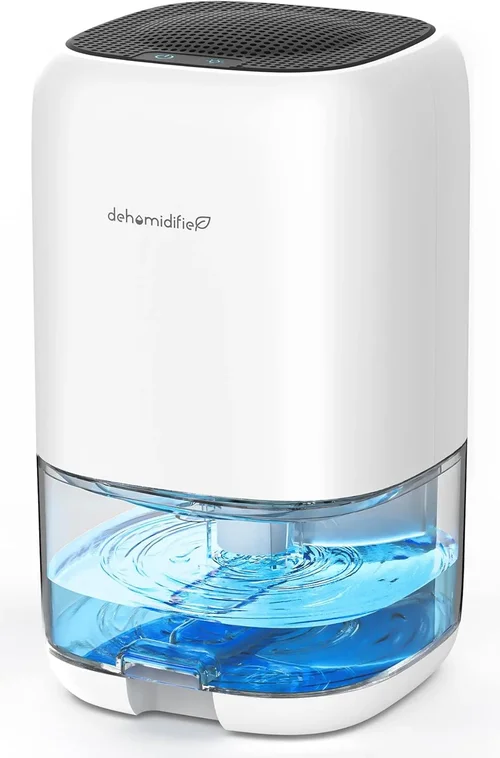
❌ Mistake: Choosing Based Solely on Price
Why it’s bad: The cheapest option often sacrifices absorption capacity, build quality, or safety. A $10 silica gel pack might seem like a bargain, but if it only lasts a week and needs constant recharging, you’ll end up spending more over time—and still deal with lingering humidity.
What to do instead: Focus on cost per ounce of moisture removed. Calculate the long-term value by factoring in replacement frequency, charging time, and effectiveness. A $50 rechargeable unit that lasts 6 months may be far more economical than buying $10 packs every two weeks.
❌ Mistake: Ignoring Bathroom Size and Usage
Why it’s bad: A dehumidifier designed for a closet won’t handle the steam from a daily 10-minute shower in a full bathroom. Undersized units will constantly be full, requiring frequent maintenance and providing little actual humidity control.
What to do instead: Measure your bathroom’s square footage and estimate daily moisture output. Use this to select a unit with adequate capacity. For reference: small bathrooms (<50 sq ft) can use passive or low-capacity rechargeable models; medium (50–100 sq ft) need mid-range rechargeables; large bathrooms (>100 sq ft) may require dual units or high-capacity systems.
❌ Mistake: Overlooking Regeneration Effort
Why it’s bad: Some users buy a dehumidifier without realizing how often it needs attention. Calcium chloride units can fill up in 1–2 days during humid weather, requiring daily emptying. Silica gel packs may need microwaving every few days.
What to do instead: Choose a model that matches your maintenance tolerance. If you travel often or dislike chores, opt for a rechargeable unit with a 48+ hour runtime or a smart model with alerts. Avoid disposable-only systems unless you’re okay with weekly replacements.
❌ Mistake: Assuming All “No Plug” Means Equal Convenience
Why it’s bad: Not all plug-free dehumidifiers are created equal. A solar model might seem convenient, but if your bathroom gets no sunlight, it’s useless. A battery-powered unit with a 4-hour runtime won’t last through a shower.
What to do instead: Match the power source to your environment. If you have a window, solar-assisted models work well. If you charge devices nightly, a USB-rechargeable unit fits seamlessly into your routine. Always check real-world runtime and charging requirements.
❌ Mistake: Skipping Safety Certifications
Why it’s bad: Cheap, uncertified units may use toxic desiccants, leak chemicals, or have fire-prone batteries. In a humid, enclosed space like a bathroom, these risks are amplified.
What to do instead: Only buy products with recognized safety certifications (UL, CE, RoHS). Avoid units with no listed manufacturer, vague material descriptions, or suspiciously low prices. When in doubt, choose well-reviewed brands with transparent sourcing.
❌ Mistake: Not Testing Before Committing
Why it’s bad: You might buy a unit that looks great online but performs poorly in your specific bathroom due to airflow, temperature, or humidity fluctuations.
What to do instead: Start with a small, affordable model to test effectiveness. Use a hygrometer to measure humidity before and after use. If it works, consider upgrading. Many retailers offer 30-day return policies—take advantage of them.
Budget Guidelines: How Much Should You Spend?
Entry-Level ($10 – $25): This tier includes basic silica gel packs, small calcium chloride buckets, and single-use moisture absorbers. Ideal for occasional use, closets, or as a temporary fix. Expect limited capacity (4–8 oz/day), frequent regeneration, and minimal features. Great for renters or those on a tight budget, but not recommended for daily shower use.
Mid-Range ($26 – $60): The sweet spot for most homeowners. Includes rechargeable electric dehumidifiers with 16–30 oz capacity, USB charging, and basic indicators. Brands like Eva-Dry and ProBreeze dominate this space. These units offer reliable performance, decent battery life (12–36 hours), and low maintenance. Perfect for medium bathrooms with regular use.
Premium ($61 – $100): For those who want advanced features and longer runtime. Models in this range often include humidity sensors, auto-shutoff, app connectivity, and larger reservoirs. Some feature dual desiccant chambers or silent fan modes. Ideal for large bathrooms, frequent users, or tech enthusiasts who appreciate automation.
Luxury ($100+): Top-tier options with cutting-edge technology—solar hybrids, ultrasonic systems, or modular designs with replaceable cartridges. These units prioritize sustainability, aesthetics, and smart integration. While overkill for most, they’re worth considering if you value innovation, eco-friendliness, or seamless smart home compatibility.
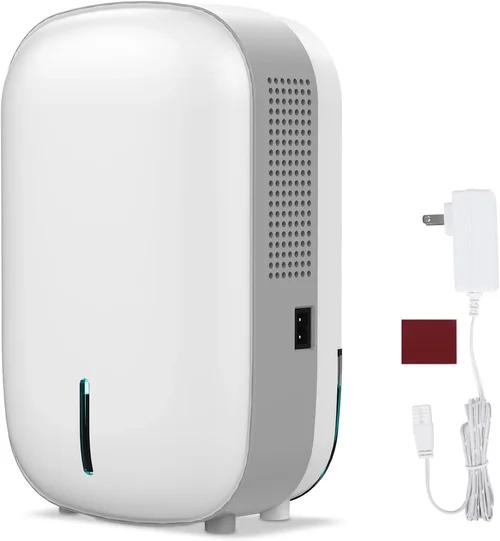
Expert Tips for Getting the Best Deal
- Buy during off-seasons: Dehumidifiers peak in summer, but winter and spring offer discounts as retailers clear inventory. January and February are ideal for finding deals on last year’s models.
- Shop at specialty retailers: Stores like Home Depot, Lowe’s, and Bed Bath & Beyond often have in-store promotions and expert staff. Online, Amazon and Walmart frequently run flash sales.
- Check refurbished or open-box options: Certified refurbished units from reputable sellers can save 20–40% and come with warranties. Just ensure they’re tested and include all accessories.
- Read the fine print on warranties: A 1-year warranty is standard, but some brands offer 2–3 years. Look for coverage on batteries, desiccants, and electronic components—not just the casing.
- Use price tracking tools: Browser extensions like Honey or CamelCamelCamel alert you when prices drop on Amazon or other sites.
- Bundle with other bathroom products: Some retailers offer discounts when you buy a dehumidifier with shower curtains, towels, or cleaning supplies.
- Test before long-term use: Run the unit for a week and monitor humidity levels. If it’s not making a noticeable difference, return it and try a higher-capacity model.
- Consider subscription refills: For passive models, some brands offer monthly delivery of replacement desiccant packs—convenient but can add up over time.

Frequently Asked Questions
Q: Can a dehumidifier really work without a plug?
A: Absolutely. While traditional dehumidifiers rely on electricity, modern alternatives use rechargeable batteries, solar power, or passive desiccants to remove moisture. These solutions are especially effective in small, enclosed spaces like bathrooms where humidity builds up quickly.
Q: How often do I need to recharge or replace a plug-free dehumidifier?
A: It depends on the type and usage. Rechargeable electric models typically last 12–48 hours per charge. Passive silica gel packs may need recharging every 2–4 weeks, while calcium chloride units can fill in 1–3 days during high humidity. Always check the indicator and recharge or empty as needed.
Q: Are battery-powered dehumidifiers safe in bathrooms?
A: Yes, if they’re designed for bathroom use. Look for water-resistant casings, sealed charging ports, and certified batteries. Avoid placing any electronic device near standing water or direct spray. Most reputable models are built with bathroom safety in mind.
Q: Will a dehumidifier prevent mold in my bathroom?
A: It can significantly reduce the risk. By keeping relative humidity below 60%, you inhibit mold and mildew growth. However, combine it with good ventilation (e.g., leaving the door open after showers) and regular cleaning for best results.
Q: Can I use a regular room dehumidifier in the bathroom if there’s no plug?
A: Not recommended. Most room dehumidifiers require constant power and aren’t designed for high-moisture environments. They also pose electrical hazards near water. Stick to models specifically made for bathrooms without plugs.
Q: Do solar dehumidifiers work in windowless bathrooms?
A: Generally, no. Solar-assisted models need sunlight to recharge efficiently. If your bathroom has no natural light, choose a USB-rechargeable or passive option instead.
Q: How do I know if my dehumidifier is working?
A: Use a hygrometer to measure humidity levels before and after use. You should see a drop from 70–80% to 50–60% within a few hours. Also, check for visible moisture in the reservoir or color changes in desiccant indicators.
Q: Can I leave a rechargeable dehumidifier in the bathroom all the time?
A: Yes, as long as it’s designed for continuous use. Many models include auto-shutoff and overcharge protection. Just ensure it’s placed safely away from water sources and checked regularly.
Q: Are there eco-friendly options?
A: Yes. Silica gel is reusable and non-toxic. Some brands use biodegradable packaging and recyclable materials. Solar models are the most sustainable, followed by rechargeable units with long lifespans.
Our Final Recommendations
Best for Budget-Conscious Buyers: Eva-Dry E-333 Mini Dehumidifier – At under $20, this compact silica gel unit is perfect for small bathrooms or occasional use. It’s silent, requires no power, and can be recharged in the microwave or oven. While it won’t handle heavy steam, it’s an excellent entry point.
Best Overall Value: ProBreeze 16 oz Rechargeable Dehumidifier – With a 24-hour runtime, USB-C charging, and a large reservoir, this model strikes the perfect balance between performance and price. It’s ideal for daily showers and includes a humidity indicator and auto-shutoff.
Best Premium Option: Afloia Q10 Smart Dehumidifier – This rechargeable unit features app control, real-time humidity monitoring, and a 30 oz capacity. Its sleek design and smart alerts make it perfect for tech-savvy users who want hands-free humidity management.
Best for Beginners: DampRid FG50T Moisture Absorber – A simple, no-frills calcium chloride bucket that’s easy to use and highly effective. Just place it in the corner and empty the collected water weekly. Great for those new to dehumidifiers.
Best for Advanced Users: Eva-Dry EDV-4000 Solar Hybrid Dehumidifier – For eco-conscious homeowners with sunny bathrooms, this model combines solar charging with a high-capacity desiccant system. It’s innovative, sustainable, and built for long-term use.
Conclusion: Making the Right Choice
Choosing the best dehumidifier for a bathroom without a plug doesn’t have to be overwhelming. By focusing on your specific needs—bathroom size, usage frequency, maintenance tolerance, and budget—you can find a solution that effectively controls humidity without compromising safety or convenience. Whether you opt for a simple silica gel pack or a smart rechargeable system, the key is consistency: regular use and proper maintenance will keep your bathroom dry, clean, and mold-free.
Remember, the goal isn’t just to remove moisture—it’s to create a healthier, more comfortable living space. Excess humidity doesn’t just damage your home; it can affect your well-being. By investing in the right dehumidifier, you’re protecting both your property and your peace of mind.
Take the time to evaluate your options, read real user reviews, and test a model before committing long-term. And don’t forget to pair your dehumidifier with good habits: leave the door open after showers, wipe down wet surfaces, and clean regularly. With the right tools and a little diligence, you can transform your bathroom from a damp, musty space into a fresh, inviting retreat.
Now that you’re equipped with expert knowledge, it’s time to make your purchase. Browse our top recommendations, compare features, and choose the dehumidifier that fits your lifestyle. Your bathroom—and your home—will thank you.