
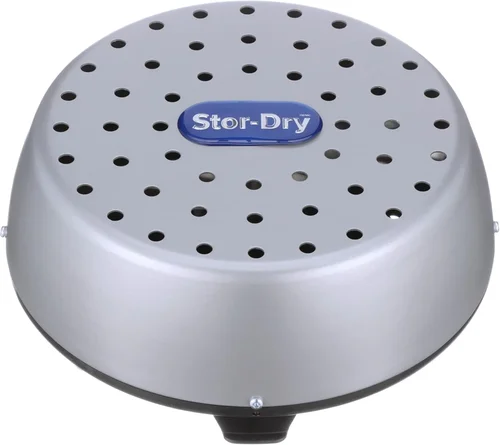
Boat cabins are notorious for their persistent battle against moisture. Whether you’re docked in a humid marina, sailing through tropical waters, or simply storing your vessel for the winter, excess humidity can wreak havoc on your boat’s interior. From musty odors and mold growth to warped wood, corroded electronics, and peeling paint, the consequences of unchecked moisture are both costly and frustrating. That’s why investing in a reliable dehumidifier isn’t just a luxury—it’s a necessity for any boat owner who values comfort, safety, and the longevity of their vessel.
This comprehensive buying guide is designed to help you navigate the often-overwhelmed world of marine dehumidifiers. Whether you’re a weekend sailor, a full-time liveaboard, or a seasoned captain, you’ll find everything you need to make an informed decision. We’ll break down the key factors to consider, compare different types of dehumidifiers, highlight common pitfalls, and offer expert-backed recommendations tailored to your specific needs. By the end of this guide, you’ll know exactly what to look for—and what to avoid—when choosing the best dehumidifier for your boat cabin.
The market for marine dehumidifiers has evolved significantly in recent years. No longer limited to bulky, inefficient units that drain your battery, today’s models offer advanced features like energy-efficient compressors, smart humidity sensors, corrosion-resistant materials, and compact designs built specifically for the marine environment. With options ranging from under $100 to over $1,000, there’s a solution for every budget and boat size. But with so many choices, it’s easy to get overwhelmed. That’s where this guide comes in—your trusted resource for cutting through the noise and finding the perfect dehumidifier to keep your cabin dry, healthy, and inviting.
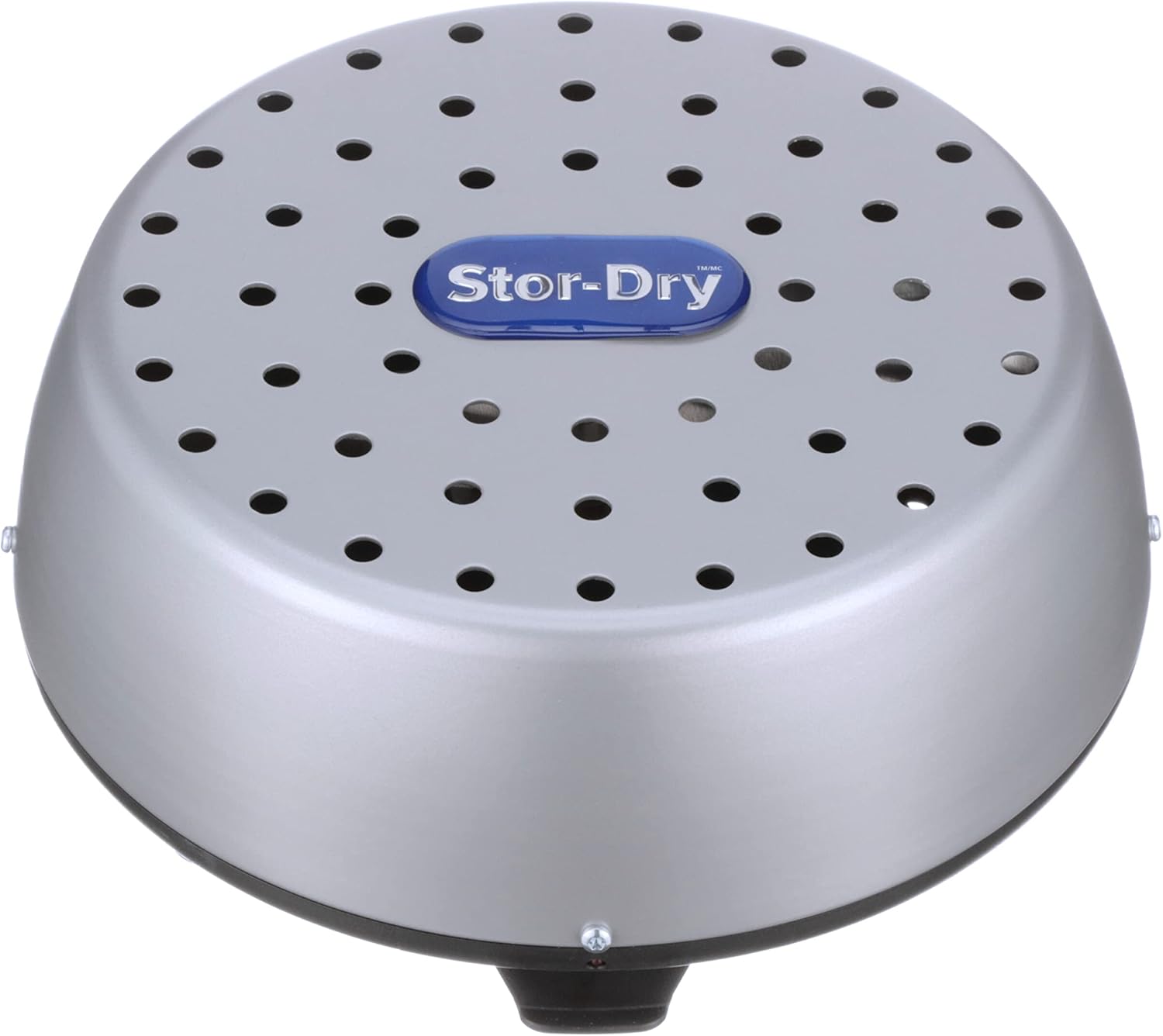
What to Look for When Buying Buying Guide
1. Budget & Price Range
Your budget is one of the first and most important considerations when shopping for a boat cabin dehumidifier. Prices can range from as low as $75 for basic desiccant models to over $1,200 for high-end, marine-grade compressor units. While it’s tempting to go for the cheapest option, remember that a dehumidifier is a long-term investment in your boat’s health and your own comfort. A low-cost unit may save you money upfront but could fail prematurely in the harsh marine environment or consume excessive power, leading to higher operating costs over time.
Set a realistic budget based on your boat size, usage frequency, and climate. Weekend cruisers may find a mid-range model sufficient, while liveaboards or those in tropical regions may need a more robust, premium unit. Consider not just the purchase price but also long-term costs like energy consumption, maintenance, and replacement parts. A slightly higher initial investment in a quality dehumidifier can pay dividends in durability and efficiency.
2. Performance Specifications
Performance is measured primarily by a dehumidifier’s moisture removal capacity, typically expressed in pints per day (PPD). For boat cabins, which are usually smaller than homes, a unit rated between 10 and 30 PPD is generally sufficient. However, this depends on several factors: cabin size, ambient humidity, ventilation, and how often the boat is used. A 20-foot sailboat with poor ventilation in a humid climate may require a 25–30 PPD unit, while a well-ventilated 30-foot motor yacht might only need 15 PPD.
Also consider the unit’s operating temperature range. Marine environments can get cold, especially during winter storage. Desiccant dehumidifiers often perform better in low temperatures (down to 40°F), while compressor models may struggle below 65°F. Look for specifications that match your typical climate conditions. Additionally, check the power consumption (measured in watts)—lower wattage means less strain on your boat’s electrical system, which is crucial for off-grid or battery-powered setups.
3. Build Quality & Durability
Marine environments are unforgiving. Salt air, constant vibration, temperature swings, and high humidity can quickly degrade poorly constructed appliances. When evaluating build quality, look for corrosion-resistant materials such as stainless steel components, powder-coated finishes, and sealed electrical connections. The housing should be robust enough to withstand movement and potential impacts, especially if the dehumidifier will be stored or transported frequently.
Pay attention to ingress protection (IP) ratings, which indicate resistance to dust and moisture. An IPX4 rating or higher is ideal for marine use, as it ensures protection against splashing water. Also, consider whether the unit is specifically designed for marine or RV use—these models are typically built to higher durability standards than standard household dehumidifiers. A well-built unit may cost more initially but will last significantly longer in a boat cabin.
4. Features & Functionality
Modern dehumidifiers come with a variety of features that enhance convenience, efficiency, and performance. Look for models with built-in humidistats that automatically maintain your desired humidity level (ideally between 40% and 50% for boat cabins). This prevents over-drying and saves energy. Auto-defrost functionality is essential for compressor units operating in cooler temperatures, as it prevents ice buildup on the coils.
Other useful features include continuous drainage options (via a hose), washable filters, quiet operation (under 50 decibels), and programmable timers. Some advanced models offer Wi-Fi connectivity and smartphone apps, allowing you to monitor and control humidity remotely—perfect for checking on your boat while away. While not essential, these features can significantly improve usability, especially for frequent travelers or those storing their boat for extended periods.
5. Brand Reputation
Not all dehumidifier brands are created equal, especially when it comes to marine applications. Established brands like Eva-Dry, Dri-Eaz, AprilAire, and AlorAir have built reputations for reliability and customer support. These companies often offer specialized marine or RV models designed to withstand harsh conditions. Research customer reviews, industry forums, and boating communities to gauge real-world performance.
Avoid unknown or generic brands that lack customer service infrastructure or detailed product documentation. A reputable brand is more likely to honor warranties, provide replacement parts, and offer technical support. Additionally, well-known manufacturers often invest more in research and development, resulting in better-engineered products with longer lifespans. Don’t hesitate to reach out to customer service before purchasing—responsive support is a good indicator of a trustworthy brand.
6. Warranty & Support
A solid warranty is a strong indicator of a manufacturer’s confidence in their product. For marine dehumidifiers, look for a warranty of at least one to two years, with some premium models offering up to five years. Pay attention to what’s covered—does it include parts, labor, and shipping? Is the warranty voided if used in a marine environment? Some household dehumidifiers have exclusions for saltwater or high-humidity use, so always read the fine print.
Customer support is equally important. Can you easily contact the company via phone, email, or live chat? Are there local service centers or authorized repair shops? A good warranty combined with responsive support can save you time, money, and frustration if something goes wrong. For long-term peace of mind, prioritize brands with strong after-sales service and accessible technical resources.
7. Size & Portability
Space is at a premium on most boats, so the physical dimensions of your dehumidifier matter. Measure the area where you plan to place the unit—under a berth, in a storage locker, or on a countertop—and ensure the dehumidifier fits comfortably without obstructing movement or ventilation. Compact models are ideal for smaller cabins, while larger units may require dedicated mounting or placement.
Portability is another key factor, especially if you plan to move the dehumidifier between cabins, storage areas, or even different boats. Look for units with built-in handles, lightweight construction, and cord storage. Some models come with mounting brackets or anti-vibration feet for secure installation. If you’re using the dehumidifier during winter storage, consider a model that’s easy to remove and store when not in use.
8. User Reviews & Ratings
While specifications and brand reputation are important, real-world user feedback provides invaluable insight into how a dehumidifier performs in actual boat cabins. Check reviews on marine supply websites, Amazon, boating forums, and social media groups. Look for patterns in feedback—do multiple users report issues with noise, durability, or effectiveness? Are there common complaints about customer service or warranty claims?
Pay special attention to reviews from users with similar boat types and climates. A dehumidifier that works well on a freshwater lake boat may not perform as effectively in a saltwater tropical environment. Also, note how long users have owned the unit—long-term reviews (6 months or more) are more reliable than initial impressions. Use this information to identify red flags or standout performers that align with your needs.
Different Types of Buying Guide

Common Buying Mistakes to Avoid
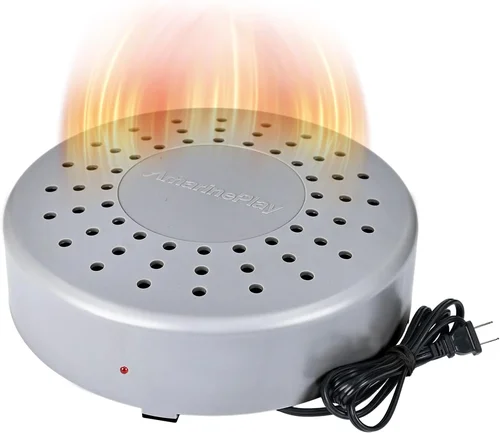
❌ Mistake: Choosing a Household Dehumidifier for Marine Use
Why it’s bad: Most household dehumidifiers are not designed to withstand the corrosive effects of salt air, constant vibration, or high humidity levels found on boats. They may fail prematurely, void warranties, or even pose electrical hazards in damp environments.
What to do instead: Always opt for models specifically labeled for marine, RV, or high-humidity use. These units feature corrosion-resistant components, sealed electronics, and rugged construction tailored to the marine environment.
❌ Mistake: Ignoring Power Consumption
Why it’s bad: Boats often rely on limited battery power or shore power, and a high-wattage dehumidifier can drain your system quickly, especially if used continuously. This can lead to dead batteries, tripped breakers, or unexpected shore power fees.
What to do instead: Check the wattage and amperage draw of any unit you consider. Look for energy-efficient models with low power consumption (ideally under 300 watts for continuous use). Consider using a dehumidifier with a built-in timer or smart sensor to reduce runtime.
❌ Mistake: Overlooking Drainage Options
Why it’s bad: Emptying a water tank every few hours is impractical on a boat, especially during long trips or when you’re away. A full tank can overflow, causing water damage or mold growth.
What to do instead: Choose a model with a continuous drainage option via a hose, or one that automatically shuts off when the tank is full. Some units can be connected to a sink, bilge pump, or external drain for hassle-free operation.
❌ Mistake: Buying Based Solely on Price
Why it’s bad: The cheapest dehumidifier may seem like a bargain, but it could lack essential features, fail quickly, or consume excessive power. Over time, this can cost more in replacements, repairs, and energy bills.
What to do instead: Balance cost with quality, features, and long-term value. Invest in a mid-range or premium model from a reputable brand that offers durability, efficiency, and reliable performance.
❌ Mistake: Not Considering Noise Levels
Why it’s bad: A noisy dehumidifier can be disruptive, especially in small cabins where sound travels easily. Constant humming or buzzing can interfere with sleep, relaxation, or communication.
What to do instead: Check the decibel (dB) rating—ideally under 50 dB for quiet operation. Desiccant and thermoelectric models are typically quieter than compressor units. Read user reviews to confirm real-world noise levels.
❌ Mistake: Failing to Measure Cabin Size and Humidity
Why it’s bad: A dehumidifier that’s too small won’t effectively reduce moisture, while an oversized unit may cycle on and off too frequently, reducing efficiency and lifespan.
What to do instead: Measure your cabin’s square footage and assess typical humidity levels. Use a hygrometer to monitor conditions. Match the dehumidifier’s capacity (in PPD) to your space and climate for optimal performance.
❌ Mistake: Neglecting Maintenance Requirements
Why it’s bad: Filters, coils, and water tanks require regular cleaning to prevent mold, bacteria, and reduced efficiency. Ignoring maintenance can lead to poor performance and unpleasant odors.
What to do instead: Choose a model with washable, easy-to-access filters and a removable water tank. Follow the manufacturer’s maintenance schedule and clean the unit regularly, especially after long periods of use or storage.
Budget Guidelines: How Much Should You Spend?
When it comes to boat cabin dehumidifiers, your budget should reflect your specific needs, boat size, and usage patterns. Here’s a breakdown of what you can expect at different price points:
Entry-Level ($75 – $150): This tier includes basic desiccant and thermoelectric models ideal for small spaces like closets, drawers, or very small cabins. They’re quiet, energy-efficient, and require no installation, but have limited moisture removal capacity (typically 5–10 PPD). Best for occasional use or supplemental dehumidification. Examples include the Eva-Dry E-333 and Ivation IVADM35.
Mid-Range ($150 – $400): This is the sweet spot for most boat owners. These units offer a balance of performance, durability, and features. You’ll find compressor and advanced desiccant models with 15–30 PPD capacity, built-in humidistats, auto-shutoff, and continuous drainage options. Many are designed for marine or RV use and come from reputable brands. Ideal for weekend cruisers and moderate climates. Examples include the Dri-Eaz F284 and AlorAir Sentinel HDi.
Premium ($400 – $800): For liveaboards, large yachts, or those in high-humidity regions, premium models deliver superior performance and durability. These are often marine-grade compressor units with 30+ PPD capacity, corrosion-resistant construction, smart controls, and Wi-Fi connectivity. They’re built to run 24/7 with minimal maintenance. Examples include the AprilAire 1820 and EcoSeb DD122EA-SIMPLE.
Luxury ($800+): At this level, you’re investing in top-tier engineering and long-term reliability. These units are designed for professional or full-time marine use, with advanced features like dual-speed fans, remote monitoring, and extended warranties. They’re often custom-installed and integrated with boat HVAC systems. Best for luxury yachts or those who demand the absolute best in moisture control. Examples include the Therma-Stor Santa Fe Compact and certain custom marine HVAC solutions.
Expert Tips for Getting the Best Deal
- Buy During Off-Season: The best time to purchase a dehumidifier is during the fall or winter, when demand is low. Many retailers offer discounts on summer appliances, and you’ll be ready for the next boating season.
- Shop Marine Supply Stores: While online retailers like Amazon offer convenience, marine supply stores (both online and brick-and-mortar) often carry specialized models and provide expert advice. Brands like West Marine, Defender, and Fisheries Supply are reliable sources.
- Look for Bundles and Promotions: Some manufacturers offer bundles that include accessories like drainage hoses, filters, or mounting kits. These can save you money compared to buying items separately.
- Check Return Policies: Ensure the retailer offers a generous return window (at least 30 days) in case the unit doesn’t meet your expectations. Test the dehumidifier as soon as it arrives to verify performance and noise levels.
- Read the Warranty Carefully: Confirm that the warranty covers marine use. Some household units void warranties if used in high-humidity or saltwater environments. Opt for brands that explicitly support marine applications.
- Consider Refurbished or Open-Box Models: Reputable sellers often offer refurbished dehumidifiers at significant discounts. These units are typically inspected, tested, and come with a warranty, making them a smart budget option.
- Join Boating Forums: Communities like SailNet, Cruisers Forum, and Reddit’s r/boating often share deals, reviews, and personal experiences. Members may also sell used equipment in good condition.
- Test Before Committing: If possible, try the dehumidifier for a week or two. Monitor humidity levels, noise, and ease of use. This hands-on experience is invaluable and can prevent buyer’s remorse.
Frequently Asked Questions
Q: Can I use a regular home dehumidifier on my boat?
A: While technically possible, it’s not recommended. Household dehumidifiers are not built to withstand salt air, vibration, or high humidity, and using one in a marine environment may void the warranty or lead to premature failure. Always choose a model designed for marine or high-moisture use.
Q: How much power does a boat dehumidifier use?
A: Power consumption varies by type. Desiccant models typically use 30–100 watts, thermoelectric units 20–50 watts, and compressor models 200–500 watts. Check the wattage rating and consider your boat’s electrical capacity, especially if running off batteries.
Q: Do I need a dehumidifier if I only use my boat on weekends?
A: Yes, especially if you leave the boat closed up between trips. Moisture can accumulate quickly, leading to mold and odors. A small desiccant or rechargeable model can run continuously with minimal power draw.
Q: How often should I empty the water tank?
A: It depends on the unit’s capacity and humidity levels. Most models have 1–2 liter tanks that need emptying every 12–24 hours. Units with continuous drainage or auto-shutoff features reduce this hassle.
Q: Can a dehumidifier prevent mold on my boat?
A: Absolutely. By maintaining humidity below 50%, a dehumidifier inhibits mold and mildew growth. Combine it with good ventilation and regular cleaning for best results.
Q: Are rechargeable desiccant packs effective?
A: Yes, for small, enclosed spaces like closets or drawers. They’re silent, require no power, and can be recharged in a microwave or oven. However, they’re not suitable for whole-cabin dehumidification.
Q: Should I run the dehumidifier all the time?
A: Not necessarily. Use a model with a built-in humidistat to maintain optimal humidity (40–50%). This saves energy and prevents over-drying. For storage, continuous low-power operation is often recommended.
Q: Can I install a dehumidifier permanently on my boat?
A: Yes, many marine-grade models are designed for permanent installation. Ensure proper ventilation, secure mounting, and access for maintenance. Consult a marine technician if unsure.
Q: What’s the difference between desiccant and compressor dehumidifiers?
A: Desiccant models use a moisture-absorbing material and work well in cold temperatures with low power use. Compressor models use refrigeration coils and are more efficient in warm, humid conditions but consume more power and struggle in cold weather.
Q: How do I know if my dehumidifier is working?
A: Use a hygrometer to monitor humidity levels. You should see a gradual decrease to 40–50%. Also, check the water tank for collected moisture and listen for normal operation sounds.
Our Final Recommendations
Best for Budget-Conscious Buyers: Eva-Dry E-333 Renewable Mini Dehumidifier – At under $100, this compact desiccant unit is perfect for small spaces and requires no power. It’s quiet, portable, and reusable, making it ideal for closets or weekend use.
Best Overall Value: Dri-Eaz F284 Compact Dehumidifier – With 20 PPD capacity, low power draw, and marine-friendly design, this compressor model offers excellent performance for mid-sized cabins. It includes a built-in pump for continuous drainage and a 2-year warranty.
Best Premium Option: AprilAire 1820 Whole-House Dehumidifier – Though designed for homes, its marine-grade variant is excellent for large yachts. It removes up to 70 pints per day, integrates with HVAC systems, and features a 5-year warranty.
Best for Beginners: Ivation IVADM35 Small Dehumidifier – Easy to use, affordable, and effective for small to medium cabins. It has a 1-liter tank, auto-shutoff, and quiet operation—perfect for first-time buyers.
Best for Advanced Users: AlorAir Sentinel HDi 30 Pints Dehumidifier – A high-performance compressor unit with Wi-Fi control, corrosion-resistant coating, and 30 PPD capacity. Ideal for liveaboards or those in tropical climates who want smart, reliable moisture control.
Conclusion: Making the Right Choice
Choosing the best dehumidifier for your boat cabin is about more than just removing moisture—it’s about protecting your investment, ensuring comfort, and maintaining a healthy living environment. From understanding key factors like performance, build quality, and power consumption to avoiding common pitfalls and leveraging expert tips, this guide has equipped you with the knowledge to make a confident decision.
Remember, the right dehumidifier depends on your unique situation: boat size, climate, usage frequency, and budget. Don’t rush the process. Take time to research, read reviews, and consider long-term value over short-term savings. Whether you’re a casual sailor or a full-time cruiser, a reliable dehumidifier is one of the smartest upgrades you can make for your vessel.
Now that you’re armed with expert insights and practical advice, it’s time to take action. Evaluate your needs, compare your options, and invest in a dehumidifier that will keep your boat cabin dry, fresh, and inviting for years to come. Your boat—and your peace of mind—will thank you.