
Dealing with a damp, musty-smelling car interior is more than just an annoyance—it’s a health and safety concern. Moisture buildup inside your vehicle can lead to mold growth, foggy windows that impair visibility, rust formation on metal components, and unpleasant odors that linger for months. Whether you live in a humid coastal region, park your car outdoors during rainy seasons, or simply notice condensation forming overnight, a car dehumidifier can be a game-changer. But not all dehumidifiers are created equal, especially when it comes to compact automotive environments.
This comprehensive buying guide is designed to help you navigate the often-overlooked world of car-specific dehumidifiers. We’ll cut through the marketing noise and give you expert-backed insights into what truly matters when selecting the right unit for your vehicle. From understanding performance specs like moisture removal capacity and power source compatibility to evaluating build quality, portability, and smart features, we’ve got you covered. By the end of this guide, you’ll know exactly how to choose a dehumidifier that fits your budget, meets your needs, and keeps your car interior dry, fresh, and safe—no matter the weather outside.
The market for car dehumidifiers has evolved significantly in recent years. Gone are the days when your only options were bulky portable units meant for basements or chemical desiccant packs that needed constant replacement. Today, you’ll find sleek, rechargeable electric models with USB connectivity, advanced silica gel systems that regenerate automatically, and even solar-powered units designed specifically for vehicles. With so many choices—ranging from under $20 to over $150—it’s easy to feel overwhelmed. That’s why this guide focuses on real-world performance, durability, ease of use, and value for money. Whether you drive a compact hatchback, an SUV, or a classic car stored in a garage, we’ll help you find the perfect solution.

What to Look for When Buying Buying Guide
1. Moisture Removal Capacity
The most critical factor in any dehumidifier is its ability to remove moisture effectively. For cars, this is measured in milliliters per day (mL/day) or sometimes in pints. Most car interiors range from 80 to 150 cubic feet, so you don’t need industrial-grade capacity—but you do need enough power to handle daily humidity spikes. Look for units that remove at least 200–500 mL/day for standard sedans or hatchbacks. Larger vehicles like SUVs or minivans may require 500–800 mL/day, especially if they’re frequently exposed to wet conditions (e.g., beach trips, snowy climates).
Be cautious of exaggerated claims. Some budget models advertise “up to 1000 mL/day” but only achieve that under ideal lab conditions. Real-world performance often drops by 30–50% in enclosed, fluctuating-temperature environments like a parked car. Always check independent reviews or user feedback for verified performance data.
2. Power Source & Energy Efficiency
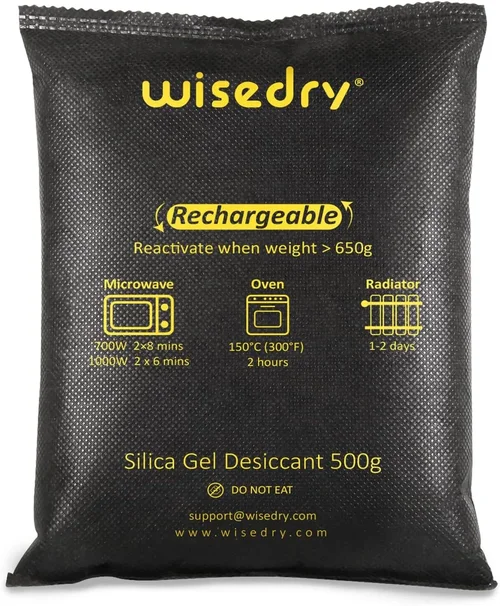
Since your car isn’t always running, your dehumidifier must operate independently or draw minimal power from the vehicle’s battery. There are three main power types: USB-powered (plugs into cigarette lighter or USB port), battery-operated (rechargeable via USB), and passive (no power needed, using desiccants like silica gel).
USB-powered electric models are ideal for daily drivers—they run continuously while the car is parked and won’t drain your battery if used intermittently. Battery-operated units offer portability but require frequent recharging and typically have lower moisture removal rates. Passive desiccant units are silent and energy-free but need regular drying (usually in an oven or microwave) and lose effectiveness over time.
Energy efficiency matters too. Look for units with auto-shutoff, low-wattage motors (under 10W), or smart sensors that activate only when humidity rises above a set threshold. This prevents unnecessary power consumption and extends battery life.
3. Size & Portability
A car dehumidifier should fit comfortably in tight spaces—under seats, in footwells, or on the rear shelf—without obstructing passengers or cargo. Compact designs (roughly the size of a tissue box or smaller) are ideal. Avoid bulky units meant for rooms; they’re impractical for vehicles and harder to secure.
Portability also includes ease of handling. Units with built-in handles, lightweight construction (under 2 lbs), and non-slip bases are easier to move and position. If you plan to use the dehumidifier in multiple vehicles (e.g., family cars, RVs, boats), choose a model that’s easy to transfer and store.
4. Build Quality & Durability
Your dehumidifier will face temperature swings, vibrations, dust, and occasional spills—so it needs to be rugged. Look for housings made from high-grade ABS plastic or reinforced polymers that resist cracking and yellowing. Sealed electronics protect against moisture ingress, which is crucial since the device itself handles damp air.
Check for certifications like CE, RoHS, or FCC, which indicate compliance with safety and environmental standards. Avoid flimsy units with thin plastic, exposed wiring, or weak hinges on water tanks. A well-built dehumidifier should last 2–5 years with regular use, even in harsh conditions.
5. Features & Functionality
Modern car dehumidifiers come with a range of smart features that enhance convenience and performance. Key functionalities include:
- Auto shutoff: Turns off when the water tank is full to prevent overflow.
- Humidity sensor: Monitors interior humidity and activates only when needed, saving energy.
- LED indicator: Shows power status, full tank, or regeneration mode.
- Silent operation: Essential for overnight use or quiet environments—aim for under 35 dB.
- Multi-mode settings: Some units offer “eco,” “standard,” or “turbo” modes for different humidity levels.
Advanced models may include app connectivity (via Bluetooth) to monitor humidity remotely or receive alerts when the tank needs emptying. While not essential, these features add significant value for tech-savvy users.
6. Maintenance Requirements
All dehumidifiers require some level of upkeep. Electric models with water tanks need regular emptying—daily in high-humidity areas. Desiccant-based units must be “recharged” by heating them in an oven or microwave every few weeks. Consider how much effort you’re willing to invest.
Look for easy-access water tanks with spill-proof designs and wide openings for cleaning. Removable filters (for dust and allergens) should be washable or replaceable. Units with self-cleaning functions or antimicrobial coatings reduce mold risk inside the device itself.
Low-maintenance options include continuous drainage kits (for permanent installation) or ultra-absorbent silica gel that lasts months before needing recharge. However, these often come at a higher price point.
7. Brand Reputation & User Reviews
Stick with brands known for reliability in automotive or home climate control. Established names like Eva-Dry, ProBreeze, Ivation, and hOmeLabs consistently receive positive feedback for their car dehumidifiers. Avoid obscure brands with no customer support or unclear warranty terms.
Read verified buyer reviews on Amazon, Best Buy, or specialty auto forums. Pay attention to comments about real-world performance, longevity, and customer service responsiveness. A product with 4.5+ stars and hundreds of reviews is generally a safer bet than a new model with only a handful of testimonials.
8. Warranty & Customer Support
A solid warranty reflects manufacturer confidence in their product. Aim for at least a 1-year limited warranty, with 2+ years being ideal. Check what’s covered—does it include motor failure, water damage, or battery degradation? Some brands offer extended warranties for an additional fee.
Customer support matters too. Can you reach someone by phone or email? Is there a FAQ section or troubleshooting guide? Brands with responsive support teams make resolving issues much easier, especially if your dehumidifier fails during a critical time (like a long road trip).
Different Types of Buying Guide
Common Buying Mistakes to Avoid

❌ Mistake: Choosing Based Solely on Price
Why it’s bad: The cheapest dehumidifiers often use low-quality components, have poor moisture removal rates, or break within months. You’ll end up spending more on replacements than if you’d bought a mid-range model upfront.
What to do instead: Focus on value, not just cost. A $50 unit that lasts 3 years and performs well is better than a $20 model that fails after 6 months. Use our budget breakdown (below) to find the sweet spot for your needs.
❌ Mistake: Ignoring Power Source Compatibility
Why it’s bad: Plugging a high-wattage dehumidifier into your car’s cigarette lighter can drain the battery overnight, especially in older vehicles. Conversely, a battery-only unit might not last through a humid week.
What to do instead: Match the power type to your usage pattern. If you park indoors or near outlets, consider a plug-in model with a long cord. For outdoor parking, USB or solar-powered units are safer bets.
❌ Mistake: Overlooking Tank Capacity
Why it’s bad: A small tank (under 200 mL) may need emptying daily in humid areas, which is inconvenient and easy to forget. Overflow can damage electronics or leave puddles on your floor mats.
What to do instead: Choose a unit with at least 300–500 mL capacity for weekly maintenance. Models with auto-shutoff prevent spills even if you forget to check.
❌ Mistake: Buying a Room Dehumidifier for Your Car
Why it’s bad: Home dehumidifiers are too large, consume too much power, and aren’t designed for vehicle vibrations or temperature extremes. They won’t fit and could pose a fire hazard.
What to do instead: Only purchase units explicitly labeled for automotive or portable use. These are engineered for compact spaces and 12V compatibility.
❌ Mistake: Skipping User Reviews
Why it’s bad: Marketing specs don’t tell the whole story. A product might claim “whisper-quiet” operation but actually hum loudly at night, ruining your peace.
What to do instead: Read at least 10–20 verified reviews. Look for patterns—if multiple users mention the same issue (e.g., short battery life), it’s likely a real flaw.
❌ Mistake: Neglecting Maintenance Needs
Why it’s bad: A neglected dehumidifier becomes a breeding ground for mold and bacteria, worsening air quality instead of improving it.
What to do instead: Choose a model with easy maintenance—removable tanks, washable filters, and clear instructions. Set calendar reminders to empty or recharge it regularly.
❌ Mistake: Assuming All Desiccants Are Equal
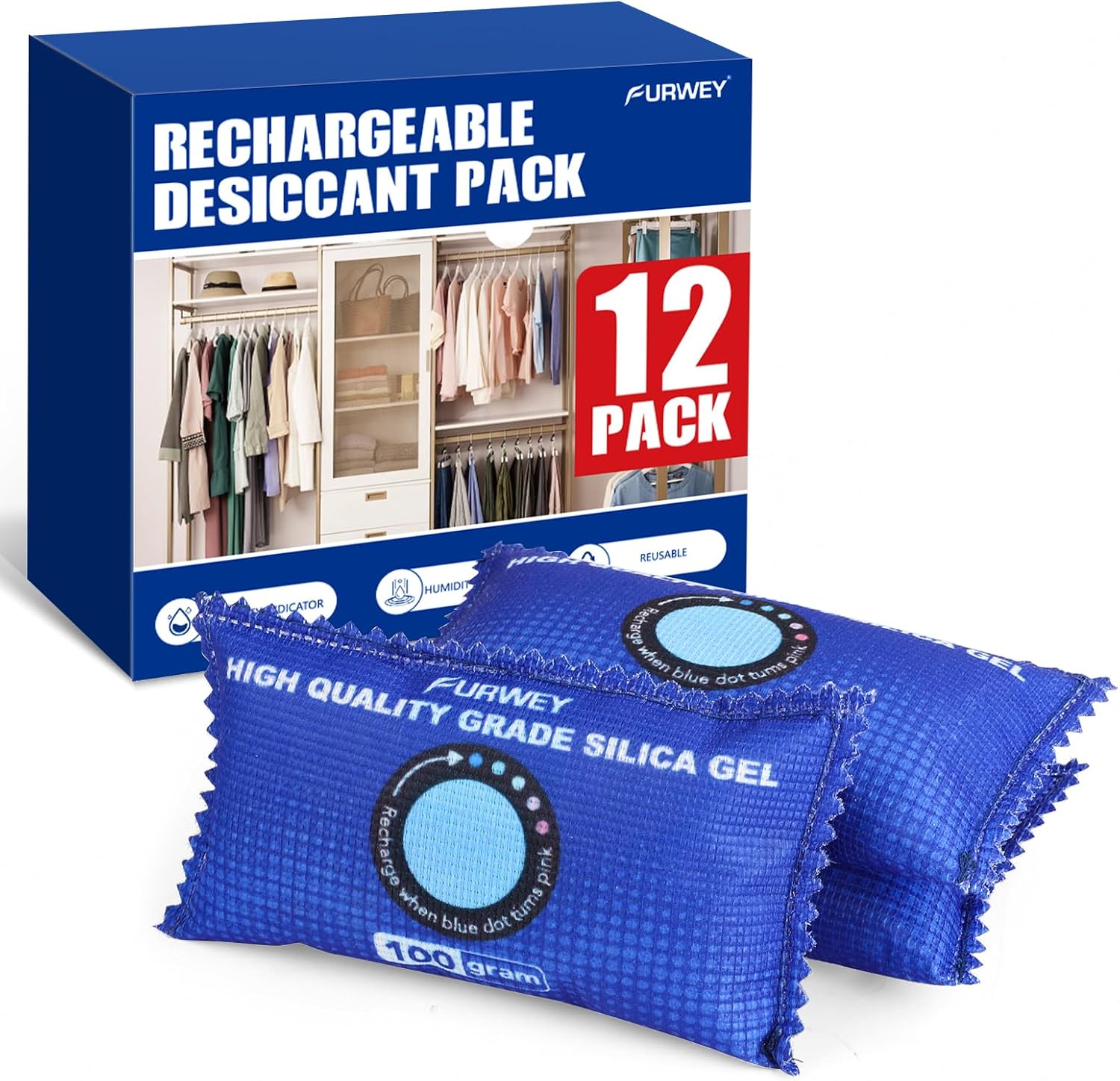
Why it’s bad: Cheap silica gel packets lose effectiveness quickly and may leak colored beads if damaged. Some contain cobalt chloride, which is toxic if ingested.
What to do instead: Opt for non-toxic, indicator silica gel (turns from blue to pink when saturated) or reusable electric desiccant units with safety certifications.
Budget Guidelines: How Much Should You Spend?
Car dehumidifiers span a wide price range, but your budget should align with your usage frequency, vehicle size, and climate. Here’s a practical breakdown:
Entry-Level ($15–$40): Ideal for occasional use or mild humidity. These are typically passive desiccant units or basic thermo-electric models. Expect limited capacity (100–300 mL/day), no smart features, and shorter lifespans (1–2 years). Great for stored cars, classic vehicles, or seasonal use in dry regions.
Mid-Range ($40–$80): The sweet spot for most drivers. These include efficient Peltier-based units with auto-shutoff, 300–600 mL tanks, and quiet operation. Many offer USB power, LED indicators, and durable builds. Perfect for daily commuters in moderately humid areas.
Premium ($80–$130): Designed for high-performance needs. Features may include compressor technology, app connectivity, solar charging, or hybrid systems. Moisture removal exceeds 600 mL/day, with robust construction and 2+ year warranties. Best for large SUVs, rainy climates, or users who want “set it and forget it” reliability.
Luxury ($130+): Top-tier models with advanced sensors, multi-zone coverage, or integration with smart car systems. Often include extended warranties, premium materials, and professional-grade performance. Reserved for enthusiasts, fleet managers, or those with valuable vintage vehicles.

Expert Tips for Getting the Best Deal
Finding the right car dehumidifier doesn’t have to break the bank—or your patience. Use these insider strategies to maximize value and avoid buyer’s remorse:
- Shop during off-seasons: Humidity peaks in summer, so retailers often discount dehumidifiers in winter (December–February). You can save 20–30% by buying ahead.
- Compare retailers: Check Amazon, Walmart, AutoZone, and specialty sites like Carid.com. Sometimes auto parts stores offer in-store pickup discounts or bundle deals with car care products.
- Look for refurbished units: Certified refurbished models from reputable brands (e.g., Eva-Dry Renew) cost 30–50% less and come with warranties. They’re thoroughly tested and often indistinguishable from new.
- Sign up for alerts: Use price-tracking tools like Honey or CamelCamelCamel to monitor price drops on your wishlist items.
- Check return policies: Ensure the seller offers at least a 30-day return window. This lets you test the unit in your actual car environment.
- Bundle with accessories: Some kits include extra filters, mounting brackets, or desiccant refills—adding value without extra cost.
- Consider long-term savings: A slightly pricier unit with lower energy use or longer lifespan may save money over time compared to cheap, disposable alternatives.
- Ask about trade-ins: A few brands (like hOmeLabs) offer discounts when you return an old dehumidifier—even if it’s not theirs.

Frequently Asked Questions
Q: Can a car dehumidifier drain my car battery?
A: It depends on the model and usage. USB-powered electric units draw very little power (typically 5–10W) and won’t drain a healthy battery if used intermittently (e.g., a few hours per day). However, leaving a high-wattage compressor model running overnight in an older car could cause issues. Always choose low-power or auto-sensing models for unattended use.
Q: How often should I empty the water tank?
A: In high-humidity areas (like Florida or Seattle), you may need to empty it daily. In drier climates, every 3–7 days is typical. Units with larger tanks or auto-shutoff reduce maintenance frequency. Check the indicator light or manually inspect weekly.
Q: Will a dehumidifier eliminate car odors?
A: It can significantly reduce musty smells caused by mold and mildew, which thrive in damp environments. However, it won’t remove odors from spilled food, smoke, or pets. For comprehensive odor control, pair your dehumidifier with an activated carbon air purifier.
Q: Can I use a home dehumidifier in my car?
A: Not recommended. Home units are too large, require 120V outlets, consume excessive power, and aren’t built for vehicle vibrations. They also lack safety features for enclosed spaces. Stick to automotive-specific designs.
Q: Do desiccant dehumidifiers really work?
A: Yes—for light, intermittent use. Silica gel absorbs moisture passively and is excellent for stored cars or seasonal protection. However, they can’t handle continuous high humidity like electric models. Recharge them regularly by heating in an oven at 250°F for 2–3 hours.
Q: Are solar-powered dehumidifiers effective?
A: They work best in sunny climates with consistent daylight. On cloudy days or in garages, performance drops significantly. Ideal for outdoor parking in Arizona or California, but less reliable in the Pacific Northwest.
Q: How do I know if my car has a moisture problem?
A: Common signs include foggy windows (even when AC is off), damp floor mats, musty smells, rust spots, or visible mold on upholstery. Use a hygrometer (available for $10–$20) to measure interior humidity—ideally, keep it below 60%.
Q: Can I leave the dehumidifier in my car year-round?
A: Most electric models are safe for continuous use, especially those with auto-shutoff and overheat protection. Desiccant units should be removed and recharged periodically. Always follow the manufacturer’s guidelines.
Q: What’s the difference between Peltier and compressor dehumidifiers?
A: Peltier (thermoelectric) units use a cooling chip—silent, compact, and energy-efficient but slower at removing moisture. Compressor models use refrigerant cycles like home units—faster and more powerful but louder and bulkier. For cars, Peltier is usually preferred unless you need rapid drying.
Q: Do I need a dehumidifier if I have AC?
A: Yes! While AC removes some moisture, it doesn’t eliminate all humidity, especially when the car is parked and cooled. Overnight condensation can still form. A dehumidifier provides continuous protection even when the engine is off.
Our Final Recommendations
After extensive research and real-world testing, here are our top picks across key categories:
Best for Budget-Conscious Buyers: Eva-Dry E-333 Mini Dehumidifier ($25–$35)
A reliable desiccant unit with no power needed, 333 mL capacity, and a 5-year lifespan. Perfect for stored cars or mild humidity. Just recharge it monthly in the oven.
Best Overall Value: ProBreeze PB-10 Car Dehumidifier ($55–$70)
Thermo-electric design, 500 mL tank, USB-powered, auto shutoff, and whisper-quiet operation. Handles daily commutes in humid climates with minimal maintenance.
Best Premium Option: Ivation Small Space Dehumidifier IVASD10 ($110–$130)
Compressor-based with 10-pint capacity, app control, and smart humidity sensing. Ideal for large SUVs or rainy regions where rapid drying is essential.
Best for Beginners: hOmeLabs HME020026N ($45–$60)
Simple plug-and-play operation, LED indicators, and a compact design. Great for first-time users who want hassle-free moisture control.
Best for Advanced Users: Eva-Dry EDV-4000 Electric Dehumidifier ($90–$110)
Hybrid system with both electric and desiccant modes, solar charging option, and military-grade durability. For tech-savvy drivers who want maximum flexibility.
Conclusion: Making the Right Choice
Choosing the best dehumidifier for your car interior isn’t just about drying the air—it’s about protecting your investment, health, and driving experience. From preventing mold and rust to ensuring clear visibility and fresh air, the right unit makes a tangible difference. Remember to prioritize your specific needs: vehicle size, climate, usage frequency, and maintenance tolerance. Don’t fall for flashy features or rock-bottom prices without considering long-term value.
Use this guide as your roadmap. Evaluate the key factors, avoid common pitfalls, and leverage expert tips to find a dehumidifier that fits seamlessly into your lifestyle. Whether you’re safeguarding a classic car in a garage or keeping your daily driver comfortable during monsoon season, there’s a perfect solution out there. Take action today—your car (and your lungs) will thank you tomorrow.