
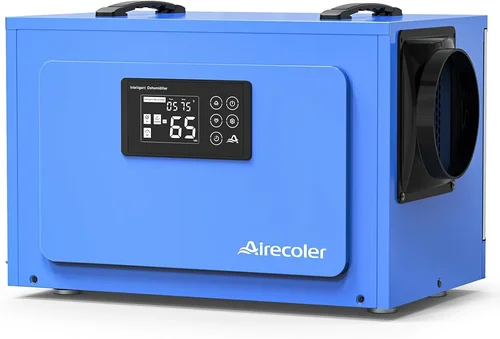
If you’ve ever walked into your crawl space and noticed a musty smell, damp insulation, or even standing water, you’re not alone. Moisture in crawl spaces is one of the most common—and damaging—problems homeowners face. Left unchecked, excess humidity can lead to mold growth, wood rot, pest infestations, and even structural damage over time. That’s why investing in a high-quality dehumidifier specifically designed for encapsulated crawl spaces isn’t just a nice-to-have—it’s essential for protecting your home’s foundation, air quality, and long-term value.
This comprehensive buying guide is here to help you navigate the often-confusing world of crawl space dehumidifiers. Whether you’re a first-time homeowner dealing with moisture issues for the first time or a seasoned DIYer looking to upgrade your current system, we’ll walk you through everything you need to know. From understanding key performance specs to comparing top brands and avoiding costly mistakes, this guide equips you with expert-level knowledge to make a confident, informed decision. By the end, you’ll know exactly what to look for, how much to spend, and which models deliver the best results for your specific needs.
The market for crawl space dehumidifiers has evolved significantly in recent years. Gone are the days when standard room dehumidifiers were repurposed for below-grade spaces—today’s units are engineered specifically for the unique challenges of encapsulated crawl areas: tight spaces, extreme temperature fluctuations, high humidity levels, and the need for continuous, unattended operation. With options ranging from budget-friendly 50-pint units to commercial-grade systems capable of handling 1,000+ square feet, there’s a solution for every home. But not all dehumidifiers are created equal. Choosing the wrong one can result in wasted money, ongoing moisture problems, or even equipment failure. This guide cuts through the noise to help you find the right fit.

What to Look for When Buying a Crawl Space Dehumidifier
1. Capacity (Pints per Day & Coverage Area)
The most critical specification when selecting a crawl space dehumidifier is its moisture removal capacity, typically measured in pints per day (PPD). This tells you how much water the unit can extract from the air in a 24-hour period under standard conditions (usually 80°F and 60% relative humidity). For crawl spaces, you’ll generally need a unit rated between 50 and 150 PPD, depending on the size of your space and the severity of moisture intrusion.
However, don’t rely solely on PPD. Also consider the square footage the unit is designed to cover. Most manufacturers provide coverage recommendations—for example, a 70-pint model might handle up to 1,500 sq. ft., while a 100-pint unit could manage 2,500 sq. ft. or more. Oversizing slightly is often wise, especially if your crawl space has poor ventilation, clay soil, or frequent groundwater exposure. A unit that’s too small will run constantly, wear out faster, and fail to maintain optimal humidity levels (ideally 30–50%).
2. Energy Efficiency & Operating Costs
Crawl space dehumidifiers often run 24/7, especially in humid climates or during summer months. That means energy consumption can significantly impact your utility bills over time. Look for units with the ENERGY STAR® certification, which indicates they meet strict efficiency guidelines set by the U.S. Environmental Protection Agency. ENERGY STAR models typically use 15–30% less energy than standard units, saving you hundreds of dollars over the life of the dehumidifier.
Check the product’s energy factor (EF), measured in liters of water removed per kilowatt-hour (L/kWh). Higher EF values mean greater efficiency. For example, a unit with an EF of 2.0 removes 2 liters of moisture for every kWh of electricity used—this is considered excellent. Also consider the wattage: a 500-watt unit running continuously will cost roughly $45–$60 per month (based on $0.12/kWh), whereas a 300-watt ENERGY STAR model might cost only $25–$35. Over five years, that’s a difference of $1,200+ in electricity costs.
3. Built-in Pump vs. Gravity Drain
Drainage is a make-or-break feature for crawl space dehumidifiers. Since most crawl spaces lack floor drains, you’ll need a way to remove collected water without manual emptying. There are two main options: gravity drain and built-in condensate pump.
Gravity drain systems require the unit to be positioned higher than the discharge point (e.g., a sump pit or exterior wall), allowing water to flow downhill through a hose. This works well if you have access to a suitable drain location, but it limits placement flexibility.
A built-in pump, on the other hand, actively pushes water upward and outward—even over long distances or through vertical lifts of 10–15 feet. This is ideal for tight or remote crawl spaces where gravity drainage isn’t feasible. While pump-equipped models cost more upfront (typically $50–$150 extra), they offer far greater installation flexibility and reduce the risk of overflow during power outages or pump failures. Some premium units even include dual pumps for redundancy.
4. Low-Temperature Operation
Crawl spaces can get surprisingly cold in winter, especially in northern climates. Many standard dehumidifiers shut down or lose efficiency below 65°F due to frost buildup on the evaporator coils. For year-round protection, you need a unit capable of operating effectively in low temperatures—ideally down to 41°F or lower.
Look for models with automatic defrost or “cold-climate” technology. These systems use sensors and heating elements to prevent ice formation, ensuring continuous operation even when ambient temperatures drop. Units like the Santa Fe Compact or Dri-Eaz F515 are engineered specifically for sub-60°F environments. If your region experiences freezing winters, this feature isn’t optional—it’s essential. Running a standard dehumidifier in cold conditions can damage the compressor and void your warranty.
5. Build Quality & Durability
Unlike portable room dehumidifiers, crawl space units are built to withstand harsh, dirty environments. They’re typically housed in heavy-duty plastic or powder-coated metal cabinets resistant to rust, corrosion, and impact. Internal components should also be robust: sealed compressors, coated coils, and reinforced fan motors are signs of a well-built machine.
Pay attention to ingress protection (IP) ratings if available. While not always listed, some industrial-grade models boast IPX4 or higher, meaning they’re protected against splashing water and dust—critical in damp, debris-filled crawl areas. Also check for features like washable air filters (to reduce maintenance) and sealed electrical compartments (to prevent moisture damage). A durable unit may cost more initially but will last 7–10 years or longer with minimal upkeep.
6. Smart Controls & Automation
Modern crawl space dehumidifiers come with increasingly sophisticated control systems. At minimum, look for a built-in humidistat that lets you set your target humidity level (e.g., 45%) and automatically cycles the unit on/off as needed. This prevents over-drying and saves energy.
Higher-end models offer digital displays, remote monitoring via smartphone apps, programmable timers, and even integration with home automation systems (like Nest or SmartThings). Some include fault diagnostics that alert you to issues like clogged filters, pump failures, or high ambient temperatures. While these features aren’t strictly necessary, they greatly enhance convenience and peace of mind—especially if you can’t easily access your crawl space for routine checks.
7. Noise Level
Though crawl spaces are usually out of earshot, excessive noise can still be a concern—particularly if your HVAC system or living areas are nearby. Most crawl space dehumidifiers operate between 45 and 60 decibels (dB), comparable to a quiet conversation or refrigerator hum. However, cheaper models with undersized fans or poor insulation can be noticeably louder.
If noise is a priority (e.g., your crawl space is directly beneath a bedroom), look for units specifically marketed as “quiet” or “low-noise.” Brands like AprilAire and Therma-Stor prioritize acoustic design. You can also mitigate noise by installing the unit on rubber vibration pads or enclosing it in a sound-dampening box (with proper ventilation).
8. Warranty & Customer Support
A dehumidifier is a long-term investment, so protect it with a solid warranty. Most reputable brands offer 2–5 years of coverage on parts and labor, with some extending to 7–10 years on compressors. Avoid models with only 1-year warranties—they’re often indicative of lower-quality components.
Equally important is customer support. Can you easily reach a technician? Are replacement parts readily available? Do they offer installation guidance? Brands like Santa Fe, Dri-Eaz, and AprilAire have strong reputations for responsive service and detailed online resources. Before buying, read user reviews about post-purchase experiences—nothing’s worse than dealing with a malfunctioning unit and unhelpful support.
Different Types of Crawl Space Dehumidifiers
Common Buying Mistakes to Avoid
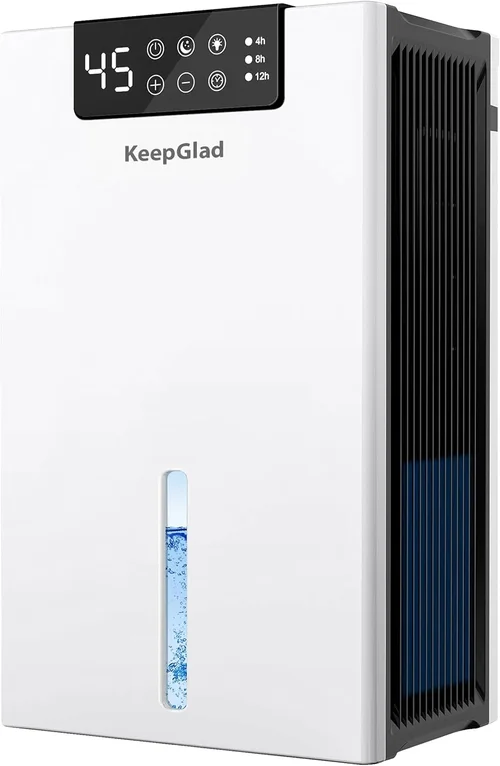
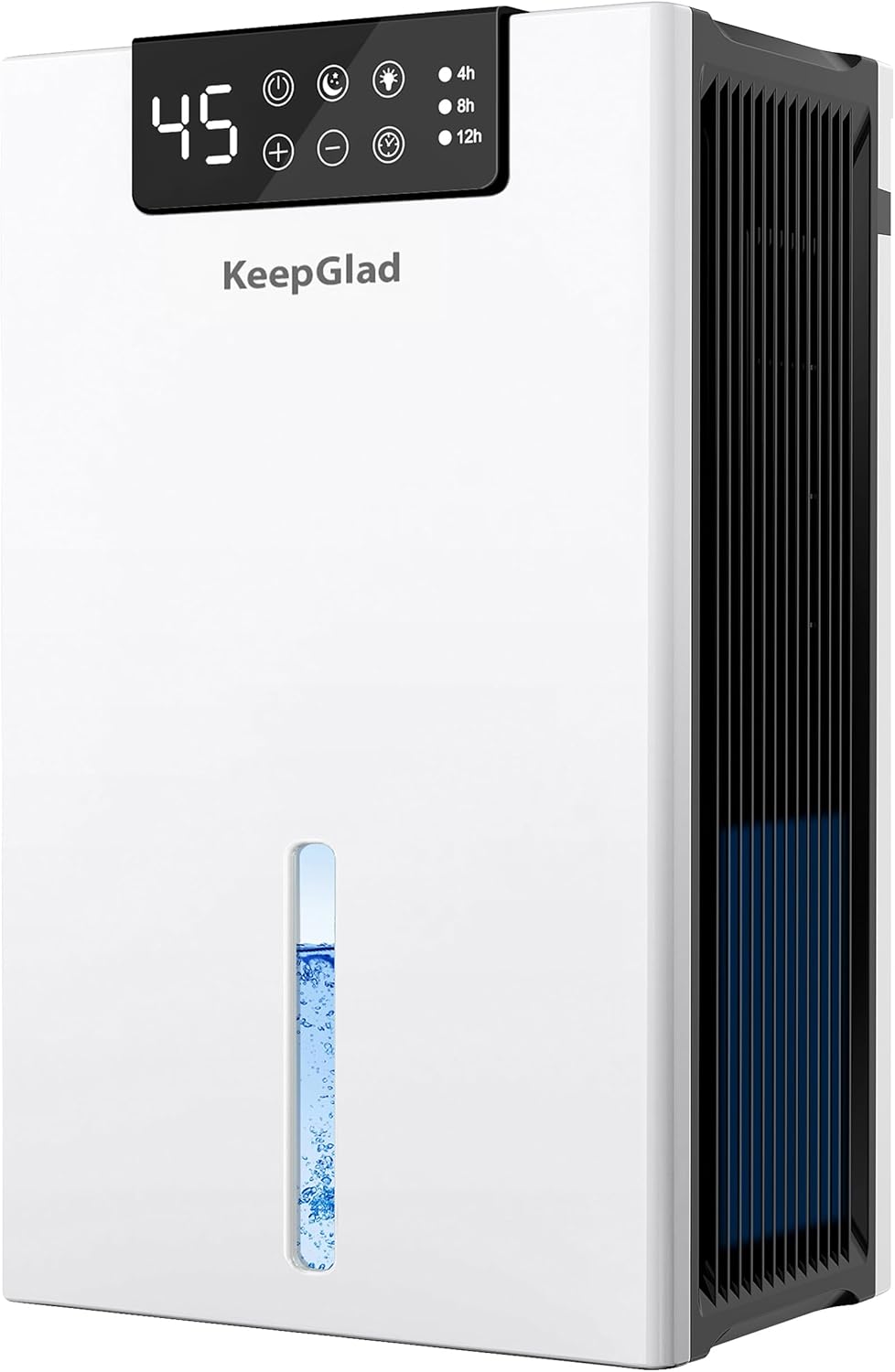
❌ Mistake: Using a Standard Room Dehumidifier
Why it’s bad: Portable dehumidifiers aren’t designed for continuous, unattended operation in unconditioned spaces. They lack proper drainage options, struggle in cold temperatures, and often fail within months due to corrosion or compressor stress.
What to do instead: Always choose a unit specifically engineered for crawl spaces or basements. These are built with sealed components, robust casings, and features like auto-restart after power outages.
❌ Mistake: Ignoring Drainage Requirements
Why it’s bad: Without proper drainage, your dehumidifier will shut off when the internal bucket fills—leaving your crawl space vulnerable to moisture buildup. Manual emptying is impractical and defeats the purpose of automation.
What to do instead: Opt for a model with a built-in pump or ensure you can install a gravity drain line to a sump pit, floor drain, or exterior discharge point.
❌ Mistake: Undersizing for Your Space
Why it’s bad: A dehumidifier that’s too small will run nonstop, increase energy bills, and still fail to maintain safe humidity levels. This accelerates wear and tear and may void your warranty.
What to do instead: Use manufacturer sizing charts and add 10–20% extra capacity as a buffer, especially if your home has high groundwater, poor vapor barriers, or frequent rainfall.
❌ Mistake: Overlooking Installation Costs
Why it’s bad: Many buyers focus only on the unit price but forget about installation expenses—electrical work, ducting, drain lines, or professional setup can add $200–$800+.
What to do instead: Factor in total cost of ownership before purchasing. Some brands offer free installation guides or certified installer networks to reduce hassle.
❌ Mistake: Skipping the Vapor Barrier
Why it’s bad: A dehumidifier alone can’t solve moisture problems if your crawl space lacks a proper 10–20 mil polyethylene vapor barrier covering the ground and walls. Moisture will continue seeping in from the soil.
What to do instead: Encapsulate your crawl space before installing the dehumidifier. This creates a sealed environment where the unit can work efficiently.
❌ Mistake: Buying Based Solely on Price
Why it’s bad: The cheapest option often uses inferior materials, lacks key features, and has a short lifespan. You’ll end up replacing it sooner and spending more long-term.
What to do instead: Prioritize value over price. Look for a balance of performance, durability, warranty, and efficiency within your budget.
Budget Guidelines: How Much Should You Spend?
Entry-Level ($400–$700): These are basic refrigerant dehumidifiers suitable for small, moderately damp crawl spaces (under 1,000 sq. ft.) in mild climates. Expect limited features—manual drainage, no pump, basic humidistat, and shorter warranties (1–2 years). Examples include the hOmeLabs 50-Pint or Frigidaire FFAD5033W1. Good for temporary fixes or low-risk areas, but may struggle in extreme conditions.
Mid-Range ($700–$1,200): This is the sweet spot for most homeowners. Units in this tier offer built-in pumps, auto-defrost, digital controls, and solid build quality. They handle 1,000–2,000 sq. ft. effectively and come with 3–5 year warranties. Top picks include the AprilAire E080 (80-pint) and the Dri-Eaz F515. Ideal for year-round use in most U.S. climates.
Premium ($1,200–$2,000): Designed for demanding environments—large spaces, cold winters, or high groundwater. These feature commercial-grade components, dual pumps, Wi-Fi connectivity, and extended warranties (5–7 years). Models like the Santa Fe Advance or Therma-Stor UltraAire are built to last a decade or more with minimal maintenance.
Luxury ($2,000+): Reserved for whole-house integration, historic homes, or commercial properties. These systems often include HVAC synchronization, advanced diagnostics, and custom ducting. While overkill for typical residential use, they offer unmatched reliability and automation for those who prioritize perfection.
Expert Tips for Getting the Best Deal
- Buy in late winter or early spring: Demand peaks in summer, so retailers often discount older models between February and April. You’ll find the best prices before the humid season hits.
- Check manufacturer rebates: Brands like AprilAire and Santa Fe frequently offer $50–$150 mail-in rebates, especially during Earth Month (April) or Energy Awareness Month (October).
- Shop directly from reputable dealers: Avoid third-party marketplaces with unknown sellers. Purchase from authorized retailers like Lowe’s, Home Depot, or specialty suppliers (e.g., CrawlSpace Depot, Everlasting Solutions) to ensure warranty validity.
- Bundle with encapsulation: If you’re installing a vapor barrier, some contractors offer package deals that include the dehumidifier at a reduced rate.
- Read real user reviews: Look beyond star ratings. Search for comments about long-term reliability, customer service, and performance in cold weather—these reveal truths specs don’t.
- Test before finalizing: If possible, run the unit for a week and monitor humidity levels with a standalone hygrometer. This confirms it’s meeting your target range.
- Consider refurbished units: Certified refurbished models from the manufacturer (not resellers) often come with full warranties and cost 20–30% less.
- Don’t skip the manual: Proper installation is half the battle. Follow the manufacturer’s guidelines for placement, drainage, and electrical requirements to avoid voiding your warranty.

Frequently Asked Questions
Q: Do I really need a dehumidifier if my crawl space is already encapsulated?
A: Yes! Encapsulation (sealing the ground and walls with a vapor barrier) reduces moisture intrusion but doesn’t eliminate it entirely. Humid outdoor air can still enter through vents or foundation cracks, and trapped moisture needs to be removed. A dehumidifier maintains the dry environment the encapsulation was designed to protect.
Q: Can I use a basement dehumidifier in my crawl space?
A: Technically yes, but it’s not ideal. Basement units are often larger, louder, and less efficient in tight spaces. Crawl space-specific models are compact, quieter, and optimized for low-clearance areas. They also typically include features like top-mounted controls and front-facing filters for easier access.
Q: How often should I clean or maintain my crawl space dehumidifier?
A: Clean the air filter every 1–2 months during peak usage (spring/summer) and inspect the drain line and pump quarterly. Wipe down the exterior annually and check for dust buildup on coils. Most units have indicator lights for filter changes—don’t ignore them!
Q: Will a dehumidifier increase my electric bill significantly?
A: It depends on the unit and runtime. A 500-watt model running 12 hours/day adds about $20–$30/month. ENERGY STAR models can cut that by 30–50%. Set your humidistat to 45%—higher settings waste energy; lower ones aren’t necessary for crawl spaces.
Q: Can I install the dehumidifier myself?
A: Yes, if you’re comfortable with basic electrical work and plumbing. Most units plug into a standard 120V outlet and require only a drain line connection. However, if hardwiring or complex ducting is needed, hire a licensed professional to ensure safety and code compliance.
Q: What humidity level should I maintain in my crawl space?
A: Aim for 30–50% relative humidity. Below 30%, you risk drying out wood excessively; above 50%, mold and pests thrive. Use a digital hygrometer to monitor levels weekly.
Q: Do crawl space dehumidifiers work in winter?
A: Only if they have low-temperature operation (down to 41°F or lower). Standard refrigerant units will ice up and shut down. Desiccant or cold-climate models continue working efficiently year-round.
Q: How long do these dehumidifiers typically last?
A: With proper maintenance, most quality units last 7–10 years. Commercial-grade models can exceed 15 years. Compressor failure is the most common end-of-life issue—choose a brand with readily available replacement parts.
Q: Should I vent my crawl space or keep it sealed?
A: Modern best practice is full encapsulation with no vents. Venting introduces humid outdoor air, which condenses inside the space. A sealed, dehumidified crawl space is healthier, more energy-efficient, and prevents moisture damage.
Our Final Recommendations
Best for Budget-Conscious Buyers: hOmeLabs 50-Pint Crawl Space Dehumidifier – At under $600, it offers solid performance for small spaces, includes a built-in pump, and has a washable filter. Great for mild climates and first-time buyers.
Best Overall Value: AprilAire E080 – Priced around $900, this 80-pint unit combines reliability, efficiency, and smart features like auto-humidistat and corrosion-resistant coils. Backed by a 5-year warranty and excellent customer support.
Best Premium Option: Santa Fe Advance – A top-tier desiccant dehumidifier ($1,800+) that excels in cold climates and large spaces. Features dual pumps, Wi-Fi monitoring, and a 7-year compressor warranty. Ideal for harsh environments or peace-of-mind seekers.
Best for Beginners: Dri-Eaz F515 – User-friendly controls, clear diagnostics, and straightforward installation make this a great entry point. Includes a built-in pump and operates down to 41°F.
Best for Advanced Users: Therma-Stor UltraAire 70H – For those who want full automation, this 70-pint unit integrates with smart home systems, offers remote alerts, and delivers consistent performance in variable conditions. Perfect for tech-savvy homeowners.
Conclusion: Making the Right Choice
Choosing the best dehumidifier for your encapsulated crawl space isn’t just about picking the most powerful or cheapest model—it’s about matching the right tool to your home’s unique needs. Consider your climate, crawl space size, drainage options, and long-term goals. Prioritize energy efficiency, durability, and smart features that simplify maintenance. And remember: a dehumidifier works best as part of a complete moisture management strategy that includes proper encapsulation, grading, and gutter systems.
Don’t let moisture silently compromise your home’s health and value. With the insights from this guide, you’re now equipped to make a confident, informed decision. Whether you’re tackling a minor dampness issue or fortifying your home against future problems, the right dehumidifier will pay dividends in comfort, air quality, and structural integrity for years to come. Take action today—your crawl space (and your peace of mind) will thank you.