
[FEATURED_IMAGE_PLACEGOER]
Living in Hawaii means embracing paradise—lush landscapes, warm ocean breezes, and endless sunshine. But it also means contending with one of the most persistent challenges of island life: high humidity. With average relative humidity levels often hovering between 60% and 80% year-round, homes across the Aloha State face constant threats from moisture-related issues like mold, mildew, musty odors, warped wood, and even aggravated allergies. While ceiling fans and air conditioning help, they aren’t enough to truly control indoor humidity. That’s where a high-quality dehumidifier becomes not just a luxury—but a necessity.
Choosing the right dehumidifier for Hawaii isn’t as simple as picking the biggest or most expensive model on the shelf. The unique climate demands specialized performance: units must handle extreme moisture loads efficiently, resist corrosion from salty coastal air, operate quietly in open-concept island homes, and do so without driving up your electricity bill—especially important given Hawaii’s notoriously high energy costs. In this comprehensive buying guide, we’ll walk you through everything you need to know to select the best dehumidifier for your Hawaiian home. From understanding key performance metrics and comparing unit types to avoiding common pitfalls and maximizing value, this guide equips you with expert-level insights tailored specifically to island living.
The market is flooded with options—from compact 20-pint units ideal for small bedrooms to heavy-duty 70-pint beasts designed for large basements or whole-house use. Some boast smart connectivity, others prioritize whisper-quiet operation, and many claim “energy-efficient” status without delivering real-world savings. Our goal is to cut through the marketing noise and help you make an informed decision based on your specific needs, space, budget, and lifestyle. Whether you’re a first-time buyer in Honolulu, a retiree in Kailua, or a vacation rental owner on Maui, this guide will ensure you invest in a dehumidifier that performs reliably, lasts for years, and truly improves your indoor air quality.

What to Look for When Buying a Dehumidifier
1. Capacity & Moisture Removal Rate
The single most important factor when choosing a dehumidifier for Hawaii is its moisture removal capacity, measured in pints per day (PPD). This tells you how much water the unit can extract from the air in a 24-hour period under standard conditions (typically 80°F and 60% relative humidity). In Hawaii’s consistently humid environment—where indoor humidity rarely dips below 65%—you’ll want a unit that can handle heavy moisture loads without constant cycling or overheating.
For context, a 30-pint dehumidifier may suffice for a small bedroom or bathroom in drier climates, but in Hawaii, even a modest 1,000-square-foot home often requires at least a 50-pint unit. Larger homes, especially those with crawl spaces, basements, or poor ventilation, may need 70-pint or higher-capacity models. Always err on the side of slightly higher capacity—underpowered units will run continuously, wear out faster, and fail to maintain comfortable humidity levels.
2. Energy Efficiency & Operating Costs
Hawaii has some of the highest electricity rates in the U.S.—often exceeding 40 cents per kWh—making energy efficiency a critical consideration. A dehumidifier that removes more moisture per kilowatt-hour (kWh) will save you significant money over time. Check the unit’s Energy Factor (EF), which measures liters of water removed per kWh of energy consumed. Higher EF values mean better efficiency.
Energy Star-certified dehumidifiers typically use 15–30% less energy than standard models. While they may cost more upfront, the long-term savings in a high-usage environment like Hawaii can be substantial. For example, a 50-pint Energy Star unit might cost $200 more than a non-certified model but could save $80–$120 annually on your electric bill. Over five years, that’s $400–$600 in savings—more than covering the initial premium.
Also consider units with variable-speed compressors or adaptive humidity control, which adjust output based on real-time conditions rather than running at full blast constantly. This not only saves energy but also extends the lifespan of internal components.
3. Durability & Corrosion Resistance
Coastal environments are notoriously harsh on appliances due to salt-laden air, which accelerates rust and corrosion. Standard dehumidifiers with untreated metal coils or plastic housings may degrade quickly in Hawaii, especially if placed near windows, lanais, or ocean-facing rooms. Look for models specifically designed for coastal or marine environments.
Key features to seek include:
– Epoxy-coated or copper-aluminum evaporator coils resistant to salt corrosion
– Stainless steel or powder-coated casings that won’t rust
– Sealed electrical components to prevent moisture ingress
– Marine-grade certifications (though rare, some industrial units offer this)
Brands like AprilAire, Santa Fe, and Santa Fe often engineer units with enhanced durability for humid, corrosive climates. Avoid ultra-cheap models with all-plastic construction—they may save money upfront but will likely fail within 1–2 years in Hawaii’s climate.
4. Noise Level & Placement Flexibility
In open-concept Hawaiian homes, where living rooms, kitchens, and bedrooms often flow together, a noisy dehumidifier can quickly become a nuisance. Most units operate between 45–60 decibels (dB)—comparable to a quiet conversation or refrigerator hum. However, cheaper models with single-speed fans or poorly insulated compressors can exceed 60 dB, disrupting sleep or relaxation.
Check the manufacturer’s noise rating (usually listed in dB at 5 feet). For bedrooms or quiet spaces, aim for 50 dB or lower. Many premium models now feature “sleep mode” or “quiet mode” that reduces fan speed and compressor cycling during nighttime hours.
Placement also matters. Ensure the unit has front or top air discharge so it can be placed against a wall without blocking airflow. Casters or handles make it easier to move between rooms—useful if you’re targeting problem areas like laundry rooms, bathrooms, or crawl spaces.
5. Smart Features & Automation
Modern dehumidifiers offer increasingly sophisticated controls that enhance convenience and efficiency—especially valuable in Hawaii’s stable but high-humidity climate. Key smart features to consider include:
– Built-in humidistat: Automatically maintains your desired humidity level (ideally 45–55% for comfort and mold prevention).
– Wi-Fi connectivity: Allows remote monitoring and control via smartphone apps (e.g., GE Appliances, LG, or Midea models).
– Auto-defrost: Prevents ice buildup on coils in cooler areas (rare in Hawaii but useful in air-conditioned spaces).
– Continuous drainage option: Lets you connect a hose to empty water automatically—no need to empty buckets daily.
– Filter alerts & washable filters: Reminds you when to clean the air filter, improving airflow and efficiency.
While not essential, these features reduce manual maintenance and ensure consistent performance. For vacation homes or rentals, Wi-Fi-enabled units let you monitor humidity remotely and prevent mold while you’re away.
6. Size, Weight & Portability
Dehumidifiers range from compact 15-pound units to bulky 60-pound machines. In Hawaii, where storage space may be limited and multi-room use common, portability is a real advantage. Look for models with recessed handles, smooth-rolling casters, and a compact footprint that fits under counters or in closets.
However, don’t sacrifice capacity for portability. A 30-pint unit might be lightweight, but it won’t effectively dehumidify a 1,500-square-foot home in Hilo during rainy season. Balance size with performance—many 50–70-pint units are surprisingly maneuverable with proper design.
Also consider vertical vs. horizontal airflow. Vertical discharge models can be placed flush against walls, saving floor space—ideal for small Hawaiian homes or condos.
7. Brand Reputation & Reliability
Not all dehumidifier brands are created equal. Some specialize in residential units, while others focus on commercial or industrial applications. In Hawaii, reliability is paramount—you don’t want to be waiting weeks for a replacement part during peak mold season.
Top-performing brands with strong track records in humid climates include:
– Frigidaire: Known for reliable, Energy Star-certified models with good customer support.
– hOmeLabs: Popular for high-capacity, user-friendly units with excellent reviews.
– GE Appliances: Offers smart features and durable builds, often sold at Home Depot.
– AprilAire: Premium whole-house systems ideal for larger properties.
– Midea: Budget-friendly with surprising performance; many units are Energy Star-rated.
Avoid unknown brands sold exclusively through third-party Amazon sellers—they often lack warranty support and use inferior components.
8. Warranty & Customer Support
Given Hawaii’s remote location and limited local appliance repair services, a strong warranty and accessible customer support are crucial. Most reputable brands offer 1–2 years of coverage, but some extend to 5 years on compressors—the heart of the dehumidifier.
Check whether the warranty includes parts, labor, and shipping. Some companies (like Frigidaire) offer in-home service in major cities like Honolulu, while others require you to ship the unit back—a costly and time-consuming process from the islands.
Read recent customer reviews focusing on post-purchase experience: How responsive is support? Are replacement filters easy to find? Can you get service without flying to the mainland? These details matter more in Hawaii than in most places.
Different Types of Dehumidifiers

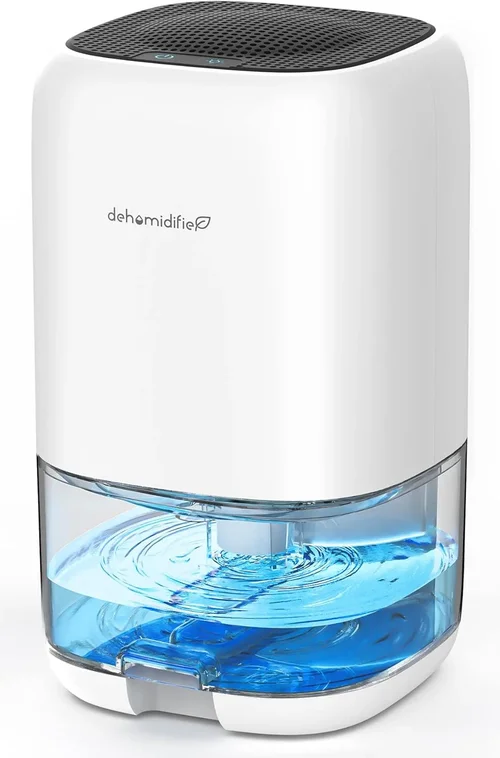
For most Hawaiian homeowners, compressor-based dehumidifiers offer the best balance of performance, efficiency, and affordability. They excel in warm, humid conditions—exactly what you’ll find in Waikiki, Kona, or Lihue. Desiccant models are quieter and work better in cooler spaces but consume more energy and remove less moisture overall. Whole-house systems are ideal for larger properties or those with existing HVAC ductwork, while mini units serve as targeted solutions for closets or bathrooms.
Common Buying Mistakes to Avoid
❌ Mistake: Choosing Based Solely on Price
Why it’s bad: The cheapest dehumidifier often uses low-quality components, lacks corrosion resistance, and has poor energy efficiency. In Hawaii’s demanding climate, these units may fail within a year, costing you more in replacements and higher electric bills.
What to do instead: Treat your dehumidifier as a long-term investment. Spend slightly more for a reputable brand with Energy Star certification, durable materials, and a solid warranty. The upfront cost pays off in reliability and savings.
❌ Mistake: Ignoring Room Size and Humidity Level
Why it’s bad: A 30-pint unit might work in Arizona, but in Hilo during winter rains, it will struggle to keep up, running 24/7 without achieving target humidity. Conversely, an oversized unit cycles too frequently, wasting energy and reducing lifespan.
What to do instead: Measure your space and assess moisture severity. Use a hygrometer to check current humidity levels. Match your dehumidifier’s capacity to both square footage and actual moisture load—not just manufacturer room-size estimates.
❌ Mistake: Overlooking Drainage Options
Why it’s bad: Emptying a 10–15 gallon bucket every day is tedious and easy to forget. If the unit shuts off due to a full bucket, humidity spikes and mold can grow unchecked.
What to do instead: Choose a model with continuous drainage via hose attachment. Many units include built-in pumps that can push water uphill or across rooms—perfect for directing runoff to a floor drain or outdoor area.
❌ Mistake: Neglecting Air Filter Maintenance
Why it’s bad: Clogged filters restrict airflow, forcing the compressor to work harder, increasing energy use, and reducing dehumidification efficiency. In dusty or sandy Hawaiian environments, filters clog faster.
What to do instead: Opt for models with washable, reusable filters and set calendar reminders to clean them monthly. Some units even have filter-clean alerts.
❌ Mistake: Buying Without Considering Noise
Why it’s bad: A loud dehumidifier placed in an open living area can disrupt conversations, TV watching, or sleep—especially in compact Hawaiian homes where sound carries easily.
What to do instead: Check decibel ratings and read user reviews about noise levels. Consider placing the unit in a utility room or using a quieter desiccant model for bedrooms.
❌ Mistake: Assuming All “Energy Efficient” Labels Are Equal
Why it’s bad: Some manufacturers slap “eco-friendly” or “energy-saving” labels on units that don’t meet Energy Star standards. Without verified EF ratings, you can’t compare true efficiency.
What to do instead: Only trust Energy Star certification or AHAM-verified performance data. Cross-check the EF (liters/kWh) on the yellow EnergyGuide label.
❌ Mistake: Skipping Warranty Research
Why it’s bad: If your unit breaks down and the warranty requires shipping to the mainland, you could be without dehumidification for weeks—risking mold growth in the meantime.
What to do instead: Prioritize brands with local service networks or generous return policies. Read warranty fine print carefully before purchasing.
Budget Guidelines: How Much Should You Spend?
– Entry-Level ($100–$200): These are basic 20–30 pint units suitable for small bathrooms, closets, or RVs. They often lack humidistats, have plastic components prone to corrosion, and may not be Energy Star-rated. Best for temporary use or very small spaces—but not recommended as a primary solution for Hawaiian homes.
– Mid-Range ($200–$400): This is the sweet spot for most homeowners. You’ll find 50–70 pint compressor models from trusted brands like Frigidaire, hOmeLabs, or GE. They include built-in humidistats, continuous drainage, washable filters, and Energy Star certification. Expect 3–5 year lifespans with proper maintenance.
– Premium ($400–$800): Ideal for larger homes, vacation rentals, or those wanting smart features. These units offer Wi-Fi connectivity, advanced humidity control, quieter operation, and enhanced corrosion resistance. Brands like AprilAire and Santa Fe dominate this tier with commercial-grade durability.
– Luxury ($800+): Whole-house dehumidifiers integrated with HVAC systems. Perfect for custom homes, luxury estates, or properties with severe moisture issues. These require professional installation but provide seamless, whole-home humidity control with minimal user intervention.
Given Hawaii’s climate and energy costs, we strongly recommend investing in the mid-range or premium tiers. The extra upfront cost translates to better performance, lower operating expenses, and greater peace of mind.

Expert Tips for Getting the Best Deal
– Buy during off-peak seasons: Demand spikes in summer and rainy months. Shop in late fall or early spring (October–March) for discounts and promotions.
– Check local retailers first: Stores like Ace Hardware, Home Depot, or Longs Drugs in Hawaii often carry dehumidifiers and may offer price matching or in-store pickup to avoid shipping delays.
– Use cashback and rebates: Hawaii Energy offers rebates on Energy Star appliances. Combine these with credit card cashback or Rakuten for extra savings.
– Read recent reviews: Product performance can change with new model years. Focus on reviews from the past 6–12 months, especially those mentioning humidity control in tropical climates.
– Test before committing: If possible, run the unit for a week and monitor humidity levels with a hygrometer. Most retailers allow returns within 30 days if the unit doesn’t perform as expected.
– Consider refurbished models: Certified refurbished units from manufacturers like Frigidaire or GE often come with full warranties and cost 20–30% less than new.
– Bundle with other purchases: Some retailers offer discounts when buying a dehumidifier with an air purifier or HVAC service.
– Don’t forget installation: For whole-house units, factor in professional installation costs ($200–$800). Get multiple quotes from licensed HVAC contractors familiar with dehumidifier integration.

Frequently Asked Questions
Q: Do I really need a dehumidifier in Hawaii if I have AC?
A: Yes. While air conditioners remove some moisture, they primarily cool air and aren’t optimized for dehumidification. In fact, many AC systems in Hawaii run inefficiently due to high humidity, leading to clammy indoor air and mold growth. A dedicated dehumidifier works alongside your AC to maintain optimal 45–55% humidity levels, improving comfort and air quality.
Q: Can I use a dehumidifier in a condo or apartment?
A: Absolutely. Many compact 50-pint models are designed for apartments and include casters for easy movement. Just ensure your building allows continuous drainage hoses and check noise restrictions if placing it near shared walls.
Q: How often should I clean the filter?
A: In Hawaii’s dusty, humid environment, clean the filter every 4–6 weeks. Wash it with mild soap and water, let it dry completely, and reinstall. A clogged filter reduces efficiency by up to 30%.
Q: Will a dehumidifier help with allergies?
A: Yes. By reducing humidity below 50%, you inhibit mold, dust mites, and mildew—common triggers for allergies and asthma. Pair your dehumidifier with a HEPA air purifier for maximum relief.
Q: Can I leave my dehumidifier running all the time?
A: It’s safe to run continuously if equipped with an auto-humidistat. However, set it to maintain 50% humidity rather than running nonstop at full power. This saves energy and prevents over-drying.
Q: What’s the ideal humidity level for a Hawaiian home?
A: Aim for 45–55% relative humidity. Below 40%, air becomes too dry and can irritate skin and respiratory passages. Above 60%, mold and dust mites thrive.
Q: Are there dehumidifiers that work without electricity?
A: Passive desiccant packs (like silica gel) exist but are only suitable for tiny spaces like safes or closets. For whole-room dehumidification, electric units are necessary—even solar-powered models require battery storage and aren’t yet practical for daily use.
Q: How do I know if my dehumidifier is working properly?
A: Use a digital hygrometer to monitor indoor humidity. If levels stay consistently above 60% despite the unit running, it may be undersized, low on refrigerant, or have a faulty humidistat.
Q: Can I use a dehumidifier outdoors on my lanai?
A: No. Dehumidifiers are designed for indoor use only. Exposure to rain, direct sunlight, or salt spray will damage electrical components and void the warranty.
Our Final Recommendations
– Best for Budget-Conscious Buyers: hOmeLabs 50 Pint Dehumidifier – At around $250, this Energy Star-rated unit offers excellent moisture removal, continuous drainage, and a washable filter. It’s quiet, reliable, and widely praised by Hawaiian users for handling high humidity without breaking the bank.
– Best Overall Value: Frigidaire FFAD7033R1 70 Pint Dehumidifier – With a 70-pint capacity, built-in pump, and corrosion-resistant design, this model is built for Hawaii’s toughest conditions. It’s Energy Star certified, includes a digital humidistat, and comes with a 1-year warranty plus optional extended coverage.
– Best Premium Option: AprilAire E080 Pro 80 Pint Whole-House Dehumidifier – For larger homes or those seeking seamless integration, this ducted system removes up to 80 pints per day and connects directly to your HVAC. It’s whisper-quiet, ultra-efficient, and backed by a 5-year warranty—ideal for luxury properties or severe moisture issues.
– Best for Beginners: GE APER50LZ 50 Pint Smart Dehumidifier – Easy to set up and control via the GE Appliances app, this Wi-Fi-enabled unit is perfect for first-time users. It sends alerts when the bucket is full, allows remote scheduling, and maintains precise humidity levels with minimal input.
– Best for Advanced Users: Santa Fe Compact 70 Crawl Space Dehumidifier – Engineered for extreme environments, this rugged unit features a high-efficiency compressor, internal condensate pump, and powder-coated steel cabinet. It’s overkill for most homes but unmatched for basements, crawl spaces, or commercial applications.
Conclusion: Making the Right Choice
Choosing the best dehumidifier for Hawaii isn’t just about comfort—it’s about protecting your health, your home, and your investment. The islands’ relentless humidity demands a unit that’s powerful enough to keep up, efficient enough to save on energy bills, and durable enough to withstand salty, moist air year after year. By focusing on capacity, energy efficiency, corrosion resistance, and smart features, you’ll find a dehumidifier that truly enhances your island lifestyle.
Don’t rush the decision. Take time to assess your space, read real user reviews from Hawaiian customers, and prioritize long-term value over short-term savings. Whether you’re battling mold in a Kona cottage or maintaining air quality in a Waikiki high-rise, the right dehumidifier will make your home feel fresher, cleaner, and more livable.
Start by measuring your humidity levels, then match your needs to one of our recommended models. With the insights from this guide, you’re now equipped to make a confident, informed purchase—one that will serve you well through countless humid days and tropical nights. Aloha, and breathe easy.