
Using a dehumidifier in a grow tent is crucial for controlling humidity levels, preventing mold, and ensuring strong plant growth. Without proper humidity management, even the best lighting and nutrients won’t save your crop from rot, mildew, or stunted development.
Key Takeaways
- Prevents Mold and Mildew: High humidity creates ideal conditions for fungal diseases like powdery mildew and botrytis, which can destroy entire crops.
- Supports Healthy Transpiration: Balanced humidity allows plants to absorb nutrients efficiently through proper water uptake and leaf function.
- Protects Buds and Flowers: Dense flowering sites are especially vulnerable to moisture buildup, making dehumidification vital during bloom phases.
- Improves Air Circulation Efficiency: Lower humidity enhances the effectiveness of fans and ventilation systems, creating a more stable environment.
- Extends Equipment Lifespan: Excess moisture can damage lights, timers, and other electronics inside the tent over time.
- Enables Better Climate Control: A dehumidifier works hand-in-hand with heaters, coolers, and humidifiers for precise environmental tuning.
- Boosts Yield and Quality: Consistent, optimal humidity leads to healthier plants, faster growth, and higher-quality harvests.
📑 Table of Contents
- Why Humidity Control Matters in Indoor Growing
- Understanding Humidity in Grow Tents
- The Hidden Dangers of High Humidity
- How a Dehumidifier Works in a Grow Tent
- Integrating a Dehumidifier with Other Grow Tent Systems
- Choosing the Right Dehumidifier for Your Grow Tent
- Maintenance and Troubleshooting
- Conclusion: A Small Investment for Big Rewards
Why Humidity Control Matters in Indoor Growing
Indoor gardening, especially in enclosed spaces like grow tents, gives you incredible control over your plants’ environment. You can dial in the perfect light cycle, nutrient mix, and temperature—but one factor often gets overlooked: humidity. While it might seem like a minor detail, humidity plays a starring role in your plants’ health, growth rate, and ultimate success.
Imagine this: you’ve invested in high-quality seeds, top-tier LED lights, and premium soil. Everything looks great—until you notice fuzzy white spots on your leaves or a musty smell near the base of your plants. That’s mold, and it didn’t appear by accident. It thrived because the air inside your tent was too moist. Humidity levels that are too high create a breeding ground for fungi, bacteria, and pests. On the flip side, if the air is too dry, your plants struggle to absorb water and nutrients, leading to stress and slow growth.
That’s where a dehumidifier in grow tent setups becomes not just helpful—but essential. It’s not about removing all moisture from the air. It’s about maintaining the right balance so your plants can thrive without inviting trouble. Whether you’re growing cannabis, herbs, vegetables, or ornamental plants, humidity control is a non-negotiable part of indoor cultivation.
Understanding Humidity in Grow Tents
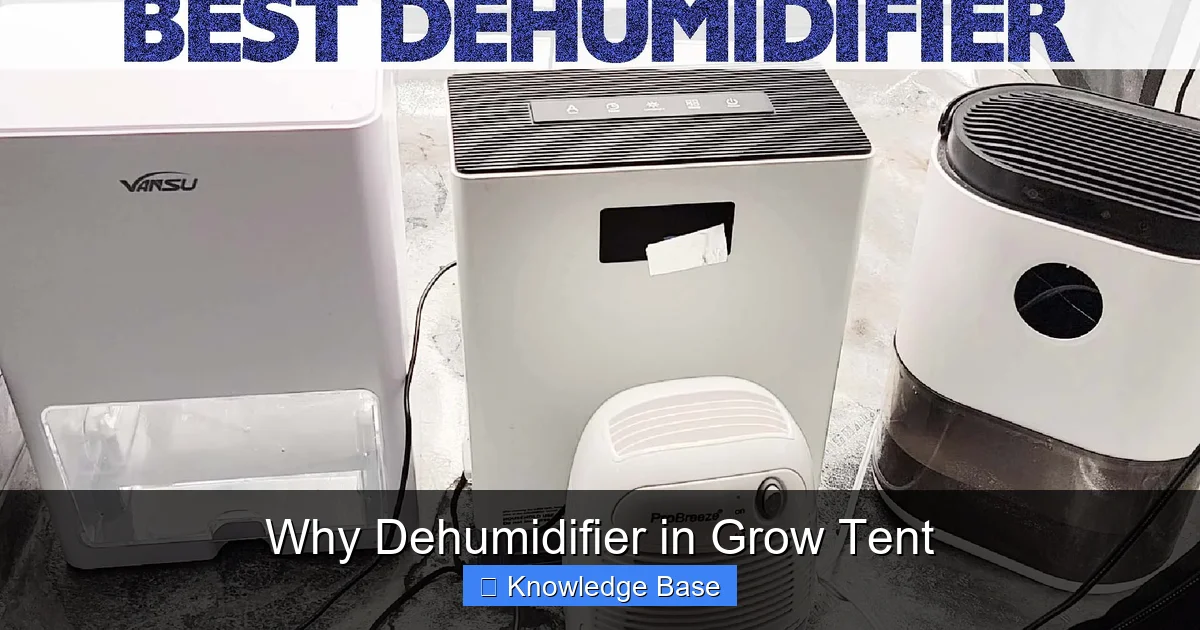
Visual guide about Why Dehumidifier in Grow Tent
Image source: howweedgrow.com
Before we dive into why you need a dehumidifier, let’s break down what humidity actually means in the context of a grow tent. Humidity refers to the amount of water vapor present in the air. In gardening, we usually talk about relative humidity (RH), which is the percentage of moisture in the air compared to the maximum it can hold at a given temperature.
For example, if your tent reads 60% RH at 75°F (24°C), it means the air is holding 60% of the moisture it could potentially hold at that temperature. This number changes constantly based on temperature, plant transpiration, watering schedules, and ventilation.
Plants naturally release water vapor through tiny pores in their leaves called stomata—a process known as transpiration. This isn’t just a side effect; it’s how plants pull nutrients from the roots up through the stem and into the leaves. When humidity is too high, the air is already saturated with moisture, so transpiration slows down or stops. The plant can’t “breathe” properly, and nutrient uptake suffers.
In a small, enclosed space like a grow tent, these effects are amplified. There’s limited airflow, and every watering session adds moisture to the air. Lights generate heat, which can spike temperature and affect RH readings. Even the type of growing medium—soil, coco coir, or hydroponics—impacts how much moisture enters the air.
That’s why monitoring humidity isn’t enough. You need active control. And that’s exactly what a dehumidifier provides.
How Plants Respond to Humidity Levels
Different stages of plant growth require different humidity levels. Seedlings and clones, for instance, love higher humidity—around 70–80% RH—because they haven’t developed strong root systems yet and rely on moisture in the air to stay hydrated. But as plants mature, especially during the flowering stage, they need drier air—typically 40–50% RH—to prevent mold on dense buds.
If you keep humidity too high during flowering, you’re basically inviting disaster. Bud rot (botrytis) can start inside the flower cluster, hidden from view, and spread rapidly in humid conditions. Once it takes hold, it’s nearly impossible to stop without cutting out infected parts—or losing the whole plant.
Conversely, if humidity drops too low during vegetative growth, leaves may curl, tips can burn, and the plant may show signs of dehydration even if the roots are well-watered. This happens because the plant loses water faster than it can absorb it.
A dehumidifier in grow tent environments lets you adjust humidity precisely to match your plants’ life stage. It’s like having a thermostat for moisture—giving you the power to create ideal conditions day after day.
The Hidden Dangers of High Humidity
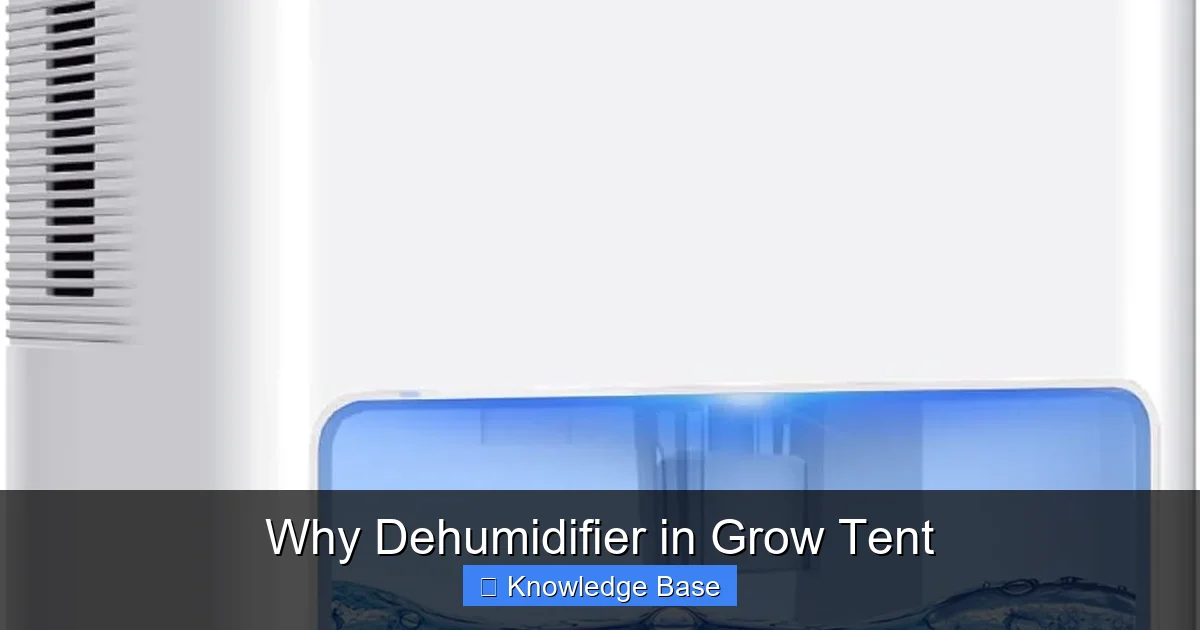
Visual guide about Why Dehumidifier in Grow Tent
Image source: m.media-amazon.com
High humidity might not seem dangerous at first glance. After all, plants come from humid tropical regions, right? But indoor grow tents aren’t rainforests—they’re controlled environments where stagnant air and limited airflow create unique challenges.
One of the biggest threats is fungal disease. Powdery mildew, for example, appears as white, powdery spots on leaves and stems. It spreads quickly in humid, poorly ventilated spaces and can cripple photosynthesis by blocking light from reaching the leaf surface. Botrytis, or gray mold, is even more insidious. It attacks flowers and fruits, often starting from the inside out, and can destroy an entire harvest in just a few days.
Pests also thrive in moist conditions. Spider mites, fungus gnats, and thrips are more likely to infest plants when humidity is high. These pests don’t just damage leaves—they can introduce viruses and weaken the plant’s immune system.
But the problems don’t stop at living organisms. Excess moisture can damage your equipment. LED lights, ballasts, timers, and extension cords are all vulnerable to corrosion and short-circuiting when exposed to damp air over time. A single electrical failure could ruin your crop or even pose a fire hazard.
And let’s not forget about odor control. Many growers use carbon filters to manage smell, but these filters work best in dry air. High humidity reduces their efficiency, allowing more odor to escape—and potentially drawing unwanted attention.
Real-World Example: The Mold That Almost Ruined a Harvest
Take Sarah, a home grower in Oregon. She was growing cannabis in a 4×4 grow tent with high-quality genetics and a full spectrum LED. Everything looked perfect until week 6 of flowering. She noticed a faint gray fuzz on one of her lower buds. At first, she thought it was trichomes—but it wasn’t sparkly, it was dull and spreading.
Within 48 hours, three more plants showed signs of botrytis. She immediately increased airflow, removed infected buds, and raised the temperature slightly. But the humidity was still hovering around 65%—way too high for flowering. She hadn’t used a dehumidifier, assuming her exhaust fan was enough.
After losing nearly 30% of her crop, she invested in a compact dehumidifier designed for grow tents. Within days, humidity dropped to 45%, and new growth stayed clean. Her next harvest was healthier, denser, and completely mold-free.
Sarah’s story isn’t rare. Countless growers have faced similar setbacks—all because they underestimated the importance of humidity control.
How a Dehumidifier Works in a Grow Tent
So, how does a dehumidifier actually work? And why is it better than just opening a vent or running a fan?
A dehumidifier removes excess moisture from the air using a refrigeration cycle. Here’s a simplified breakdown:
1. A fan pulls humid air into the unit.
2. The air passes over cold coils, causing moisture to condense into water droplets.
3. The collected water drips into a reservoir or drains out via a hose.
4. The now-dry air passes over warm coils to restore its temperature.
5. The dry air is blown back into the tent.
This process is continuous and adjustable. Most modern dehumidifiers come with built-in humidistats, allowing you to set a target humidity level. Once the air reaches that level, the unit turns off automatically. When humidity rises again—say, after watering—the dehumidifier kicks back on.
This precision is what makes a dehumidifier in grow tent setups so valuable. Fans and exhaust systems move air, but they don’t remove moisture efficiently. In fact, if your exhaust pulls in humid outside air, you might actually be making the problem worse.
A dehumidifier, on the other hand, actively reduces the total moisture content in the air. It’s especially effective in sealed environments like grow tents, where air exchange is limited.
Types of Dehumidifiers for Grow Tents
Not all dehumidifiers are created equal—especially when it comes to indoor gardening. Here are the main types you’ll encounter:
Compressor Dehumidifiers: These are the most common and efficient for larger tents (4×4 and up). They use refrigerant to cool coils and remove moisture. They work best in warm environments (above 65°F or 18°C) and can extract several liters of water per day.
Desiccant Dehumidifiers: These use a moisture-absorbing material (like silica gel) to pull water from the air. They’re quieter and work well in cooler temperatures, making them ideal for basements or garages. However, they’re generally less efficient and more expensive to run.
Peltier (Thermoelectric) Dehumidifiers: These are compact, quiet, and great for small tents (2×2 or 2×4). They use a small electric current to create a temperature difference that condenses moisture. While energy-efficient, they have limited capacity and aren’t suitable for high-humidity environments.
For most home growers, a small to medium compressor dehumidifier is the best choice. Look for models with a built-in humidistat, auto-defrost (to prevent freezing in cold rooms), and a continuous drain option.
Placement and Setup Tips
Where you place your dehumidifier matters. Ideally, it should be inside the grow tent or in a sealed compartment connected to it. This ensures it’s only treating the air your plants are breathing.
Avoid placing it near intake fans or vents, as this can create air pressure imbalances. Also, make sure the unit has enough clearance for airflow—don’t stuff it into a corner.
If your dehumidifier has a drain hose, route it to a nearby sink or bucket. Some models even connect to a sump pump for fully automated drainage.
And don’t forget to empty the water tank regularly—unless you’ve set up continuous drainage. A full tank will stop the unit from working, defeating the whole purpose.
Integrating a Dehumidifier with Other Grow Tent Systems
A dehumidifier doesn’t work in isolation. It’s part of a larger climate control system that includes lights, fans, heaters, humidifiers, and sensors. The key is integration.
For example, if you’re using a humidifier to raise humidity during cloning, you’ll need a dehumidifier to bring it back down during flowering. Smart controllers can automate this process by reading humidity levels and activating the right device at the right time.
Many growers use environmental controllers that connect to multiple devices via relays. You can program rules like: “If humidity > 55%, turn on dehumidifier. If humidity < 40%, turn on humidifier.” This eliminates guesswork and ensures consistent conditions 24/7. Air circulation is also critical. Even with a dehumidifier, stagnant air pockets can harbor moisture. Use oscillating fans to keep air moving across leaves and through the canopy. This helps prevent microclimates where mold can develop. Temperature and humidity are closely linked. As temperature rises, the air can hold more moisture—so RH drops. When lights are off and temps fall, RH spikes. A dehumidifier helps smooth out these fluctuations, especially during the dark cycle when ventilation is often reduced.
Example: A Balanced Climate Control Setup
Let’s say you’re running a 5×5 grow tent with LED lights, a carbon filter, and an inline fan. Here’s how you might integrate a dehumidifier:
– Install a digital hygrometer to monitor temperature and humidity.
– Place a dehumidifier inside the tent with a drain hose leading outside.
– Connect the dehumidifier to a smart plug controlled by an environmental controller.
– Set the controller to maintain 50% RH during flowering.
– Use oscillating fans to circulate air and prevent dead zones.
– Run the inline fan on a timer or with a thermostat to manage temperature.
With this setup, your dehumidifier only runs when needed, saving energy and reducing wear. Your plants enjoy stable, optimal conditions—and you get peace of mind.
Choosing the Right Dehumidifier for Your Grow Tent
Not every dehumidifier will suit your grow tent. Size, capacity, noise, and features all matter. Here’s what to look for:
Capacity: Measured in pints per day (PPD), this tells you how much water the unit can remove. For a 2×2 tent, a 10–15 PPD model is usually enough. For a 4×4 or larger, aim for 20–30 PPD or more.
Size and Portability: Grow tents have limited space. Choose a compact unit that fits comfortably without blocking light or airflow. Wheels or handles make it easier to move.
Noise Level: Some dehumidifiers can be loud, especially compressor models. Look for units under 50 decibels if noise is a concern—especially if your tent is in a living space.
Energy Efficiency: Check the wattage and energy rating. A more efficient unit costs more upfront but saves money on electricity over time.
Smart Features: Built-in humidistats, auto-defrost, timers, and remote monitoring (via app) add convenience and precision.
Popular brands for grow tents include hOmeLabs, Eva-Dry, Ivation, and Afloia. Many growers also recommend the “Mini Fridge” style dehumidifiers for their quiet operation and compact design.
Budget-Friendly Options
You don’t need to spend hundreds to get effective humidity control. Small Peltier dehumidifiers like the Eva-Dry E-333 or Afloia Q10 offer decent performance for under $50. They’re perfect for tiny tents or supplemental use.
For mid-range budgets ($100–$200), compressor models like the hOmeLabs 22-Pint or Ivation 13-Pint provide reliable performance and larger tanks.
If you’re serious about growing and want long-term value, invest in a high-capacity, energy-efficient model with smart controls. It’ll pay for itself in healthier plants and higher yields.
Maintenance and Troubleshooting
Like any piece of equipment, your dehumidifier needs regular care to work properly.
Clean the air filter every 2–4 weeks to ensure good airflow. A clogged filter forces the unit to work harder, reducing efficiency and increasing energy use.
Check the water tank daily (or set up continuous drainage). Letting it overflow can damage the unit or create a mess.
Inspect the coils and vents for dust or mold buildup. Use a soft brush or compressed air to clean them gently.
If your dehumidifier stops working, check the power source, tank level, and settings first. Some units have safety shutoffs that activate when the tank is full or the air filter is blocked.
In cold environments, compressor dehumidifiers may freeze. Look for models with auto-defrost or use a desiccant unit instead.
And always unplug the unit before cleaning or moving it.
When to Replace Your Dehumidifier
Most dehumidifiers last 3–5 years with proper care. Signs it’s time for a replacement include:
– Reduced water output despite clean filters
– Unusual noises or vibrations
– Frequent cycling on and off
– Higher energy bills
Don’t wait until it fails completely. A broken dehumidifier during flowering could mean disaster for your crop.
Conclusion: A Small Investment for Big Rewards
Adding a dehumidifier in grow tent setups might seem like an extra expense—but it’s one of the smartest investments you can make. It protects your plants from disease, improves growth efficiency, and gives you greater control over your environment.
You wouldn’t run a car without oil, and you shouldn’t grow plants without proper humidity management. Whether you’re a beginner or a seasoned grower, a dehumidifier helps you avoid common pitfalls and achieve consistent, high-quality results.
Remember, it’s not about eliminating moisture—it’s about balance. With the right dehumidifier, smart integration, and regular maintenance, you’ll create a grow tent environment where your plants don’t just survive—they thrive.
So, if you’ve been relying on fans and hope to manage humidity, it’s time to upgrade. Your plants—and your future harvests—will thank you.
Frequently Asked Questions
Do I really need a dehumidifier in my grow tent?
Yes, especially during the flowering stage. High humidity promotes mold, mildew, and pests, which can destroy your crop. A dehumidifier helps maintain optimal humidity levels for healthy growth.
Can I just use a fan instead of a dehumidifier?
Fans improve airflow but don’t remove moisture from the air. In a sealed grow tent, a fan alone can’t reduce humidity effectively. A dehumidifier actively extracts water vapor for better control.
What humidity level should I maintain in my grow tent?
It depends on the growth stage. Keep humidity at 70–80% for seedlings, 50–60% during veg, and 40–50% during flowering. Always monitor with a hygrometer.
Will a dehumidifier dry out my plants?
Not if used correctly. A dehumidifier removes excess moisture from the air, not from the soil. As long as you water properly and maintain balanced humidity, your plants will stay hydrated.
Can I use a regular household dehumidifier in a grow tent?
Yes, but choose one with a built-in humidistat and appropriate capacity. Avoid oversized units that cycle too frequently, and ensure it fits comfortably in your tent.
How often should I empty the dehumidifier tank?
It depends on humidity levels and tank size. Check daily during high-moisture periods. For convenience, use a model with continuous drainage to avoid manual emptying.