

Dehumidifying a room isn’t just about comfort—it’s a vital step in protecting your health and home. High humidity levels can lead to mold growth, musty odors, and structural damage, while also triggering allergies and respiratory issues. By maintaining optimal indoor humidity, you create a cleaner, safer, and more energy-efficient living environment.
Key Takeaways
- Prevents Mold and Mildew Growth: Excess moisture creates ideal conditions for mold and mildew, which can damage walls, furniture, and air quality.
- Improves Indoor Air Quality: Lower humidity reduces dust mites, allergens, and airborne irritants, making breathing easier.
- Protects Your Home’s Structure: High humidity can warp wood, peel paint, and weaken building materials over time.
- Enhances Comfort and Sleep: Dry air feels cooler and more comfortable, helping you sleep better and feel less sticky.
- Reduces Energy Costs: Dehumidified air allows your AC to work more efficiently, lowering electricity bills.
- Preserves Belongings: Books, electronics, clothing, and musical instruments last longer in stable, low-humidity environments.
- Eliminates Musty Odors: Removing excess moisture stops the damp, unpleasant smells common in basements and bathrooms.
📑 Table of Contents
- Why Dehumidify a Room: The Hidden Dangers of Excess Moisture
- Understanding Humidity: What It Is and Why It Matters
- Health Risks of High Indoor Humidity
- Protecting Your Home from Structural Damage
- Improving Comfort and Energy Efficiency
- Preserving Your Belongings and Valuables
- Choosing and Using a Dehumidifier Effectively
- Conclusion: A Healthier, Happier Home Starts with Balanced Humidity
Why Dehumidify a Room: The Hidden Dangers of Excess Moisture
You might not think much about the humidity level in your home, but it plays a bigger role in your daily life than you realize. Have you ever walked into a basement and immediately noticed that damp, earthy smell? Or woken up with a stuffy nose and itchy eyes, even though you’re not sick? These are often signs of high indoor humidity—and they’re more than just minor annoyances.
When the air in a room holds too much moisture, it creates a host of problems that affect your health, your home, and even your wallet. From mold creeping into corners to furniture warping and energy bills climbing, the consequences of ignoring humidity can be serious. That’s why learning why dehumidify a room is important isn’t just a nice-to-know—it’s a must-know for every homeowner and renter.
In this guide, we’ll explore the science behind humidity, the risks of high moisture levels, and the many benefits of using a dehumidifier. Whether you live in a humid climate, have a damp basement, or simply want to breathe easier at home, understanding how to manage indoor moisture is a game-changer. Let’s dive in and uncover why dehumidifying your space is one of the smartest moves you can make for your well-being and your home.
Understanding Humidity: What It Is and Why It Matters

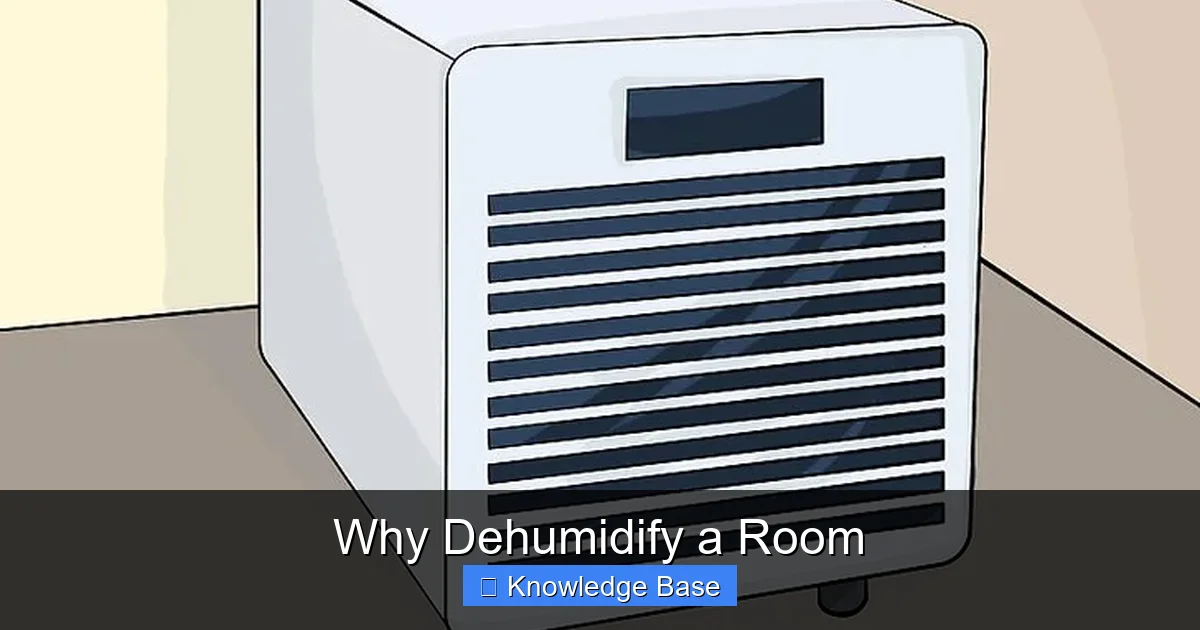
Visual guide about Why Dehumidify a Room
Image source: wikihow.com
Before we get into why dehumidify a room is so important, let’s start with the basics. Humidity refers to the amount of water vapor present in the air. It’s a natural part of our atmosphere, but when it builds up indoors, it can cause trouble. There are two main ways to measure humidity: absolute humidity (the actual amount of water in the air) and relative humidity (the percentage of moisture in the air compared to the maximum it can hold at a given temperature).
Most experts agree that the ideal indoor relative humidity level is between 30% and 50%. Anything above 60% is considered high and can lead to problems. But why does this number matter so much?
Think of your home like a sponge. When the air is too humid, that sponge soaks up moisture. Over time, this can affect everything from your walls and floors to your clothes and electronics. High humidity also makes the air feel heavier and stickier, even if the temperature is comfortable. That’s because your body relies on sweat evaporation to cool down—and when the air is already full of moisture, sweat can’t evaporate as easily.
This is especially noticeable in summer or in naturally humid climates. But even in dry regions, indoor activities like cooking, showering, and doing laundry can spike humidity levels. Without proper ventilation or moisture control, these everyday tasks can quietly create a damp environment that’s ripe for mold, dust mites, and other issues.
So, while humidity is a natural part of life, managing it indoors is essential. That’s where dehumidifiers come in—they pull excess moisture from the air, helping you maintain that sweet spot between 30% and 50%. By doing so, they don’t just make your home more comfortable; they protect it from the hidden dangers of too much moisture.
How Humidity Affects Your Body
You might not see it, but high humidity can have a real impact on how you feel. When the air is thick with moisture, your body has to work harder to stay cool. This can lead to fatigue, headaches, and even heat exhaustion—especially during hot weather. People with asthma or allergies often notice their symptoms worsen in humid conditions, as mold spores and dust mites thrive in damp air.
Even your sleep can suffer. A room that’s too humid feels clammy and uncomfortable, making it harder to relax and fall asleep. Over time, poor sleep quality can affect your mood, focus, and overall health. That’s why maintaining balanced humidity isn’t just about comfort—it’s about supporting your body’s natural functions.
The Role of Ventilation and Airflow
Good ventilation plays a key role in controlling indoor humidity. Opening windows, using exhaust fans in kitchens and bathrooms, and ensuring air can circulate freely all help moisture escape. But in tightly sealed modern homes, natural airflow isn’t always enough. That’s why many people turn to mechanical solutions like dehumidifiers to keep humidity in check.
Health Risks of High Indoor Humidity
Visual guide about Why Dehumidify a Room
Image source: wikihow.com
One of the most compelling reasons to dehumidify a room is the impact on your health. When humidity levels climb, they create an environment where allergens and irritants flourish. Mold, dust mites, and bacteria all love damp conditions—and they can trigger or worsen a range of health issues.
Let’s start with mold. Mold spores are everywhere, but they only grow when there’s enough moisture. A damp basement, a leaky pipe, or even a poorly ventilated bathroom can become a breeding ground. Once mold takes hold, it releases spores into the air that you breathe in. For some people, this causes mild symptoms like sneezing or a runny nose. For others—especially those with asthma, allergies, or weakened immune systems—it can lead to serious respiratory problems, chronic coughing, or even infections.
Dust mites are another hidden hazard. These microscopic creatures feed on dead skin cells and thrive in humid environments. They don’t bite or sting, but their waste products are potent allergens. In fact, dust mite allergies are one of the most common triggers for asthma and hay fever. Studies show that reducing indoor humidity below 50% can significantly cut down dust mite populations, making the air easier to breathe.
High humidity can also encourage the growth of bacteria and viruses. Damp surfaces provide a perfect place for germs to multiply, increasing the risk of illness. This is especially concerning in shared spaces like bathrooms, laundry rooms, or nurseries.
Even if you don’t have allergies, living in a humid home can affect your well-being. The constant dampness can lead to fatigue, difficulty concentrating, and a general sense of discomfort. Over time, this can take a toll on your mental health and quality of life.
Allergies and Respiratory Conditions
If you or someone in your household suffers from allergies, asthma, or COPD, controlling humidity is critical. These conditions are often aggravated by mold, dust mites, and poor air quality—all of which are linked to high moisture levels. By dehumidifying your room, you create a cleaner, healthier environment that supports easier breathing and fewer flare-ups.
For example, a child with asthma might have fewer nighttime coughing fits in a dehumidified bedroom. An adult with seasonal allergies might find relief from constant sneezing and itchy eyes. These improvements aren’t just anecdotal—research shows that maintaining proper humidity can reduce allergen levels by up to 80% in some cases.
Preventing Long-Term Health Problems
Ignoring high humidity isn’t just a short-term issue. Prolonged exposure to mold and dampness has been linked to chronic respiratory conditions, sinus infections, and even neurological symptoms in extreme cases. Children, the elderly, and people with compromised immune systems are especially vulnerable.
By taking steps to dehumidify a room, you’re not just solving a comfort issue—you’re investing in long-term health. It’s a simple change that can have a big impact on how you feel every day.
Protecting Your Home from Structural Damage
Your home is one of your biggest investments, and high humidity can silently undermine its integrity. Over time, excess moisture can cause serious damage to walls, floors, ceilings, and even the foundation. The result? Costly repairs, reduced property value, and a less safe living environment.
Let’s look at wood, for example. Wood naturally expands and contracts with changes in moisture. In a humid room, wooden floors, doors, and furniture can swell, warp, or crack. You might notice doors sticking in the summer or gaps appearing between floorboards. Over time, this can lead to structural instability and expensive replacements.
Paint and wallpaper are also at risk. High humidity can cause paint to blister, peel, or bubble. Wallpaper may loosen at the seams or develop dark spots from mold growth. These aren’t just cosmetic issues—they’re signs that moisture is penetrating your walls, potentially leading to rot or insulation damage.
In basements and crawl spaces, the problem is even more pronounced. These areas are naturally cooler and more prone to dampness. Without proper moisture control, they can become breeding grounds for mold and mildew. Left unchecked, this can weaken support beams, damage electrical systems, and even affect the air quality in the rest of the house.
Even your HVAC system isn’t safe. When humidity is high, your air conditioner has to work harder to remove moisture from the air. This not only increases energy bills but can also lead to system wear and tear. In extreme cases, condensation can build up inside ducts, creating mold that spreads throughout your home every time the AC runs.
Signs of Humidity Damage
How do you know if your home is suffering from high humidity? Look for these common warning signs:
– Musty or earthy odors, especially in basements or closets
– Condensation on windows, walls, or pipes
– Peeling paint or bubbling wallpaper
– Warped or swollen wood surfaces
– Visible mold or mildew, often in dark corners or behind furniture
– Increased dust or allergens in the air
If you notice any of these, it’s time to take action. The sooner you dehumidify a room, the less damage will occur.
Preventing Costly Repairs
The cost of repairing humidity-related damage can add up quickly. Replacing warped flooring, repainting walls, or fixing mold-infested insulation can run into the thousands. In contrast, a quality dehumidifier is a one-time investment that pays for itself over time—not just in avoided repairs, but also in lower energy bills and better health.
Think of it this way: spending a few hundred dollars on a dehumidifier now could save you tens of thousands in future repairs. It’s one of the most cost-effective home maintenance steps you can take.
Improving Comfort and Energy Efficiency
Beyond health and structural concerns, dehumidifying a room can dramatically improve your comfort—and your wallet. When the air is too humid, it feels heavier and stickier, even if the thermostat says it’s a comfortable temperature. This is because high moisture levels interfere with your body’s natural cooling process.
In a dehumidified room, the air feels lighter and cooler. You’re less likely to feel sweaty or clammy, and you can often set your thermostat a few degrees higher without sacrificing comfort. This is especially helpful in summer, when humidity levels tend to peak.
But the benefits don’t stop at comfort. Dehumidifying also boosts energy efficiency. Your air conditioner doesn’t just cool the air—it also removes moisture. When humidity is high, the AC has to work harder to dehumidify, which uses more energy. By using a dehumidifier to handle the moisture load, your AC can focus on cooling, reducing strain and lowering your electricity bill.
In fact, studies show that maintaining optimal humidity can reduce cooling costs by up to 15%. Over the course of a summer, that can add up to significant savings. Plus, your AC will last longer with less wear and tear.
Better Sleep in a Dehumidified Room
Sleep quality improves dramatically in a dry, comfortable environment. High humidity can make your bedroom feel stuffy and oppressive, leading to restless nights and frequent waking. By dehumidifying your room, you create a cooler, more breathable space that promotes deeper, more restful sleep.
Many people report falling asleep faster and waking up feeling more refreshed after using a dehumidifier. This is especially true for those who live in humid climates or have trouble regulating body temperature at night.
Reducing Odors and Improving Air Freshness
One of the most noticeable benefits of dehumidifying is the elimination of musty odors. Dampness creates a breeding ground for bacteria and mold, which produce that unpleasant, earthy smell. By removing excess moisture, you stop these odors at the source.
Over time, your home will smell fresher and cleaner—no more relying on air fresheners to mask the damp. This is especially important in basements, laundry rooms, and bathrooms, where odors tend to linger.
Preserving Your Belongings and Valuables
Your home isn’t the only thing at risk from high humidity—your belongings are too. Books, clothing, electronics, musical instruments, and even artwork can all suffer in damp conditions.
Leather shoes and jackets can develop mold or mildew. Books may warp, yellow, or grow fuzzy spots. Electronics are especially vulnerable; moisture can corrode circuits and cause malfunctions. Musical instruments like guitars and pianos rely on stable humidity to maintain their tone and structure—too much moisture can cause wood to swell and strings to rust.
Even sentimental items like photo albums or family heirlooms can be damaged by prolonged exposure to humidity. A dehumidifier helps create a stable environment that protects your valuables for years to come.
Protecting Electronics and Appliances
Modern homes are filled with sensitive electronics—from smartphones and laptops to smart TVs and gaming consoles. These devices are designed to operate in dry conditions. When humidity is high, condensation can form inside, leading to short circuits or corrosion.
Using a dehumidifier in rooms with electronics—like home offices or entertainment centers—can extend the life of your devices and prevent costly replacements.
Keeping Clothes and Fabrics Fresh
Have you ever pulled clothes out of the closet and found them smelling musty? That’s a sign of high humidity. Dampness encourages mildew growth in fabrics, which not only causes odors but can also weaken fibers over time.
By dehumidifying your room, you keep your wardrobe fresh, clean, and ready to wear. This is especially important in closets, laundry rooms, and storage areas.
Choosing and Using a Dehumidifier Effectively
Now that you understand why dehumidify a room is so important, the next step is choosing the right dehumidifier and using it properly. Not all dehumidifiers are created equal, and using one incorrectly can limit its effectiveness.
When shopping, consider the size of the room, the humidity level, and the unit’s capacity (measured in pints per day). For small spaces like bathrooms or closets, a compact 20-pint model may suffice. For basements or large living areas, look for 50-pint or higher capacity units.
Placement matters too. Keep the dehumidifier away from walls and furniture to allow proper airflow. Empty the water tank regularly, or use a model with a continuous drain option. Some units even have built-in humidistats that automatically adjust settings based on room conditions.
Maintenance Tips for Long-Term Performance
To keep your dehumidifier running efficiently, clean the filter every few weeks and check the coils for dust buildup. Replace filters as recommended by the manufacturer. Regular maintenance ensures optimal performance and extends the life of your unit.
Also, consider using exhaust fans during activities that produce moisture—like showering or cooking. This reduces the workload on your dehumidifier and helps maintain balanced humidity.
When to Call a Professional
If you’re dealing with severe mold, water damage, or persistent humidity issues, it may be time to consult a professional. A home inspector or HVAC technician can assess your home’s ventilation, insulation, and moisture sources, and recommend solutions beyond just a dehumidifier.
Conclusion: A Healthier, Happier Home Starts with Balanced Humidity
Dehumidifying a room isn’t just a luxury—it’s a necessity for a healthy, comfortable, and durable home. From preventing mold and protecting your health to saving money on energy bills and preserving your belongings, the benefits are clear and far-reaching.
By understanding the risks of high humidity and taking proactive steps to manage it, you create a living environment that supports your well-being and safeguards your investment. Whether you use a standalone dehumidifier, improve ventilation, or make small lifestyle changes, every effort counts.
So the next time you walk into a damp basement or feel that sticky summer air, remember: you have the power to make a difference. Start today, and enjoy the peace of mind that comes with a dry, fresh, and healthy home.
Frequently Asked Questions
What is the ideal humidity level for a home?
The ideal indoor relative humidity level is between 30% and 50%. Levels above 60% can promote mold growth and allergens, while levels below 30% may cause dry skin and respiratory irritation.
Can a dehumidifier help with allergies?
Yes, a dehumidifier can significantly reduce allergens like mold spores and dust mites by lowering moisture levels. This helps ease symptoms for people with asthma, hay fever, or other respiratory conditions.
How often should I run my dehumidifier?
Run your dehumidifier continuously during humid seasons or in damp areas like basements. Many models have auto-settings that turn on only when humidity rises above a set level.
Will a dehumidifier increase my electricity bill?
While dehumidifiers use electricity, they can actually lower overall energy costs by reducing the workload on your air conditioner. The savings often outweigh the added energy use.
Can I use a dehumidifier in winter?
Yes, but only if needed. Basements and poorly insulated areas can still be damp in winter. Use a dehumidifier if you notice condensation, musty smells, or mold growth.
How do I know if my home has a humidity problem?
Signs include musty odors, condensation on windows, peeling paint, warped wood, or visible mold. A hygrometer can measure humidity levels and help you determine if action is needed.