
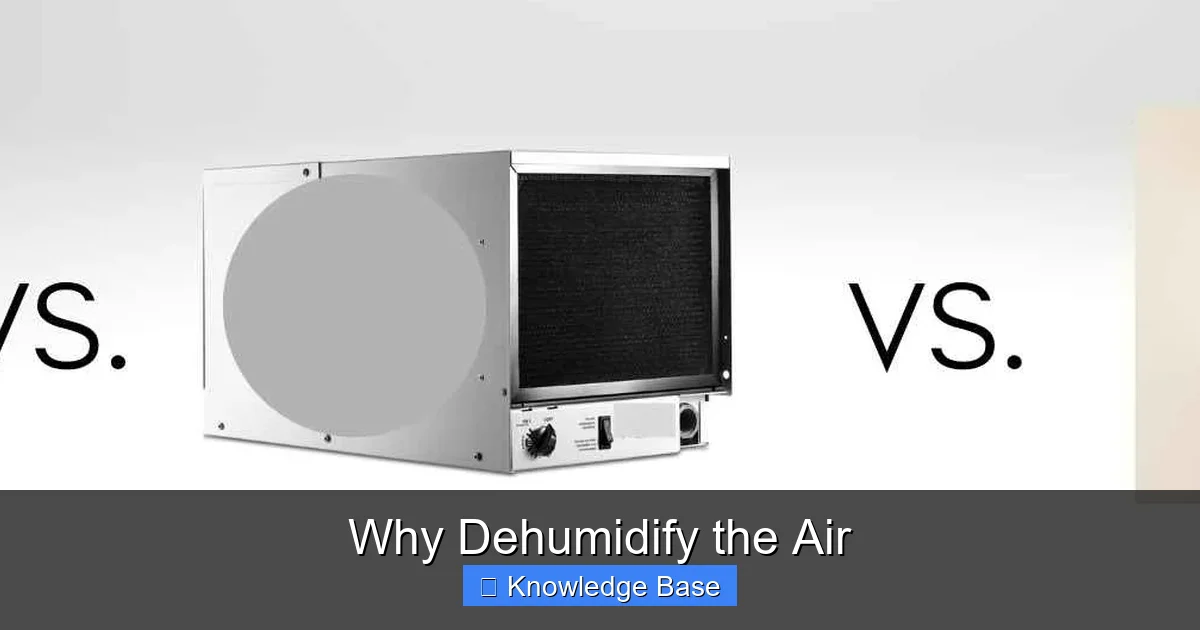
Dehumidifying the air improves indoor air quality, prevents mold growth, and enhances comfort. It also protects your home’s structure and reduces allergens, making it a smart investment for health and energy efficiency.
Key Takeaways
- Prevents Mold and Mildew: High humidity creates ideal conditions for mold and mildew, which can damage walls and pose health risks. Dehumidifying keeps moisture levels in check.
- Reduces Allergens and Asthma Triggers: Dust mites, mold spores, and other allergens thrive in humid environments. Lower humidity helps minimize these triggers.
- Improves Indoor Air Quality: Excess moisture leads to musty odors and poor air circulation. Dehumidifying ensures fresher, cleaner air to breathe.
- Protects Home and Belongings: Wooden furniture, electronics, and clothing can warp, rust, or deteriorate in high humidity. Controlling moisture preserves your investments.
- Enhances Comfort and Sleep: Humid air feels sticky and uncomfortable. Dehumidifying creates a cooler, more pleasant living environment, especially in summer.
- Boosts Energy Efficiency: HVAC systems work harder in humid conditions. Lower humidity reduces the load on your air conditioner, cutting energy bills.
- Prevents Structural Damage: Long-term exposure to moisture can weaken foundations, warp floors, and cause paint to peel. Dehumidifying safeguards your home’s integrity.
📑 Table of Contents
- Why Dehumidify the Air: The Hidden Benefits of Controlling Indoor Humidity
- Understanding Indoor Humidity: What Is It and Why Does It Matter?
- Health Risks of High Humidity: When Moisture Becomes a Threat
- Protecting Your Home: How Dehumidifying Prevents Structural Damage
- Improving Comfort and Sleep: The Human Side of Dehumidifying
- Energy Efficiency and Cost Savings: The Financial Case for Dehumidifying
- Conclusion: Make Dehumidifying a Priority
Why Dehumidify the Air: The Hidden Benefits of Controlling Indoor Humidity
Have you ever walked into a room and felt that sticky, heavy sensation in the air? Or noticed a faint musty smell in your basement or closet? These are common signs of high indoor humidity—and they’re more than just minor annoyances. Excess moisture in the air can silently damage your home, affect your health, and even increase your energy bills. That’s why dehumidify the air isn’t just a luxury—it’s a necessity for a healthy, comfortable, and efficient living space.
Many people associate humidity with outdoor weather, especially during summer months. But indoor humidity levels can be just as high—or even higher—than outside, especially in poorly ventilated areas like basements, bathrooms, and laundry rooms. When the air holds too much moisture, it creates a breeding ground for mold, dust mites, and bacteria. It also makes your HVAC system work overtime, leading to higher energy consumption and reduced efficiency. By learning why dehumidify the air is important, you can take proactive steps to create a safer, more comfortable home environment.
Whether you live in a humid climate or simply notice condensation on windows, understanding the role of humidity control is key. This article will explore the science behind indoor moisture, the risks of high humidity, and the many benefits of using a dehumidifier. From protecting your health to preserving your home’s structure, the reasons to dehumidify the air are both practical and compelling.
Understanding Indoor Humidity: What Is It and Why Does It Matter?

Visual guide about Why Dehumidify the Air
Image source: helpmeanchorair.com
Indoor humidity refers to the amount of water vapor present in the air inside your home. It’s measured as a percentage, known as relative humidity (RH), which indicates how much moisture the air is holding compared to the maximum it can hold at a given temperature. The ideal indoor relative humidity level is generally between 30% and 50%. Anything above 60% is considered high and can lead to problems.
High humidity occurs when moisture enters your home through various sources—cooking, showering, breathing, laundry, or even houseplants. Poor ventilation, leaks, or flooding can also contribute. In basements and crawl spaces, groundwater seepage and lack of airflow often result in persistent dampness. Even in dry climates, indoor activities can spike humidity levels, especially in tightly sealed, energy-efficient homes.
Why does this matter? Because humidity affects more than just how the air feels. It influences the growth of microorganisms, the performance of your HVAC system, and the integrity of building materials. For example, when humidity is too high, moisture condenses on cool surfaces like windows, walls, and pipes. This creates damp spots where mold can grow in as little as 24 to 48 hours. Over time, this can lead to structural damage and health issues.
On the other hand, air that’s too dry (below 30% RH) can cause dry skin, irritated sinuses, and static electricity. But for most homes, especially in humid regions or during warm months, the bigger challenge is excess moisture. That’s where dehumidifying comes in—not to eliminate all moisture, but to maintain a balanced, healthy level.
How Humidity Affects Your Daily Life
You might not think about humidity every day, but it plays a quiet yet powerful role in your comfort and well-being. Have you ever noticed that your clothes take forever to dry on the line, or that your hair feels frizzy no matter what you do? These are everyday signs of high humidity. In your home, the effects are even more noticeable.
For instance, high humidity makes your air conditioner work harder. When the air is full of moisture, your AC has to remove both heat and humidity to cool your home. This dual task increases energy use and can lead to longer run times. You might find yourself cranking the thermostat lower just to feel comfortable, not realizing that the real issue is damp air.
Humidity also affects how you sleep. A humid bedroom can feel stuffy and uncomfortable, making it harder to fall asleep or stay asleep. Sweat doesn’t evaporate as easily in moist air, so your body can’t cool down naturally. This can lead to restless nights and fatigue the next day.
Even your food and belongings are at risk. High humidity can cause bread to mold faster, books to warp, and electronics to corrode. In garages or storage areas, tools and equipment may develop rust. By understanding how humidity impacts your daily life, you begin to see why dehumidify the air is about more than just comfort—it’s about protecting your lifestyle.
Health Risks of High Humidity: When Moisture Becomes a Threat

Visual guide about Why Dehumidify the Air
Image source: homeupward.com
One of the most compelling reasons to dehumidify the air is the impact of high humidity on human health. While we often think of humidity as a comfort issue, it can actually contribute to serious respiratory problems, allergies, and infections—especially for children, the elderly, and people with preexisting conditions.
Mold and mildew are among the biggest health hazards linked to high indoor humidity. These fungi release spores into the air, which can be inhaled and trigger allergic reactions. Symptoms include sneezing, coughing, itchy eyes, and skin rashes. For people with asthma or chronic obstructive pulmonary disease (COPD), mold exposure can lead to severe breathing difficulties and increased medication use.
Dust mites are another major concern. These microscopic creatures thrive in humid environments—particularly in bedding, carpets, and upholstered furniture. They feed on dead skin cells and produce waste that becomes airborne. Inhaling dust mite allergens is a common cause of year-round allergies and asthma attacks. Studies show that dust mite populations drop significantly when indoor humidity is kept below 50%.
High humidity also encourages the growth of bacteria and viruses. Damp surfaces provide ideal conditions for pathogens to survive and spread. This is especially true in bathrooms and kitchens, where moisture from showers and sinks can linger. In extreme cases, prolonged exposure to damp, moldy environments has been linked to the development of respiratory infections and even “sick building syndrome,” a condition where occupants experience health issues tied to time spent in a particular building.
Who Is Most at Risk?
Certain groups are more vulnerable to the health effects of high humidity. Infants and young children have developing immune systems and spend more time indoors, making them more susceptible to mold and allergens. Older adults may have weakened lungs or chronic conditions that make them sensitive to poor air quality.
People with asthma, allergies, or immune disorders should be especially cautious. Even mild mold exposure can trigger flare-ups. If you or a family member experiences unexplained coughing, wheezing, or fatigue at home—but not elsewhere—it could be a sign of high indoor humidity.
Pregnant women and individuals recovering from illness should also prioritize humidity control. A healthy indoor environment supports faster healing and reduces stress on the body. By dehumidifying the air, you create a safer space for everyone in your household.
Practical Tips to Reduce Health Risks
The good news is that many of these health risks can be minimized with simple changes. Start by using exhaust fans in bathrooms and kitchens to vent moisture outside. Fix leaks promptly and clean up spills or flooding within 24 to 48 hours to prevent mold growth.
Wash bedding weekly in hot water to kill dust mites. Use allergen-proof mattress and pillow covers. Vacuum regularly with a HEPA-filter vacuum cleaner to capture allergens.
Most importantly, consider using a dehumidifier in high-moisture areas like basements, laundry rooms, or master bedrooms. Look for models with built-in hygrometers that automatically maintain your desired humidity level. This takes the guesswork out of humidity control and ensures consistent protection.
Protecting Your Home: How Dehumidifying Prevents Structural Damage
Your home is one of your biggest investments—and high humidity can silently erode its value over time. From warped floors to peeling paint, the signs of moisture damage are often subtle at first but can become costly if ignored. Dehumidifying the air is one of the most effective ways to protect your home’s structure and maintain its integrity.
Wood is particularly vulnerable to moisture. When humidity levels rise, wooden beams, floors, and furniture absorb water from the air. This causes them to swell and warp. Over time, repeated swelling and shrinking can lead to cracks, gaps, and structural weakness. In basements and crawl spaces, wooden support beams exposed to damp air are at risk of rot, which can compromise the entire foundation.
Drywall and plaster also suffer in high humidity. Moisture can seep into walls, causing paint to bubble and peel. Wallpaper may loosen or develop mold behind it. In severe cases, prolonged dampness can lead to drywall disintegration, requiring expensive repairs.
Metal components aren’t immune either. Nails, screws, and plumbing fixtures can rust when exposed to excess moisture. This weakens joints and connections, increasing the risk of leaks or structural failure. In garages and utility rooms, tools and appliances may corrode, reducing their lifespan.
Common Signs of Moisture Damage
Knowing what to look for can help you catch problems early. Watch for:
- Musty odors, especially in basements or closets
- Water stains on walls, ceilings, or floors
- Peeling paint or bubbling wallpaper
- Warped or buckling hardwood floors
- Condensation on windows or cold surfaces
- Visible mold growth, often black or green in color
If you notice any of these signs, it’s time to assess your indoor humidity levels. A simple hygrometer—available at most hardware stores—can help you measure relative humidity. If readings are consistently above 60%, a dehumidifier is likely needed.
Long-Term Benefits of Humidity Control
Investing in a dehumidifier isn’t just about fixing current problems—it’s about preventing future ones. By maintaining optimal humidity levels, you extend the life of your home’s materials and reduce the need for repairs. This can save you thousands of dollars over time.
For example, preventing mold growth avoids the cost of professional remediation, which can range from $500 to $6,000 depending on the extent of the damage. Avoiding wood rot means you won’t have to replace flooring or structural beams. And by protecting your HVAC system from excess moisture, you improve its efficiency and lifespan.
In real estate, homes with good indoor air quality and moisture control are more attractive to buyers. A dry, well-maintained basement or crawl space can increase your home’s value and make it easier to sell.
Improving Comfort and Sleep: The Human Side of Dehumidifying
Let’s be honest—no one likes feeling sticky, clammy, or overheated indoors. High humidity doesn’t just affect your home; it affects how you feel every day. One of the most immediate benefits of dehumidifying the air is improved comfort, especially during hot, humid months.
When the air is full of moisture, sweat doesn’t evaporate from your skin as easily. This makes your body feel warmer than the actual temperature, a phenomenon known as the “heat index.” You might find yourself sweating more, feeling sluggish, or constantly adjusting the thermostat. But even if your AC is running, the air may still feel heavy and uncomfortable.
Dehumidifying solves this problem by removing excess moisture, allowing your body to cool naturally. This means you can feel comfortable at a higher thermostat setting, reducing the need for constant cooling. In fact, many people report feeling cooler and more relaxed within hours of turning on a dehumidifier.
Better Sleep, Naturally
Sleep quality is closely tied to your bedroom environment. A humid room can disrupt sleep by making it harder to breathe and causing night sweats. You might wake up feeling sticky or congested, even if the temperature is cool.
By dehumidifying the air in your bedroom, you create a more restful atmosphere. Lower humidity reduces allergens like dust mites and mold, which can trigger nighttime coughing or congestion. It also helps regulate your body’s natural sleep cycle by promoting better temperature regulation.
For people with sleep apnea or other respiratory conditions, cleaner, drier air can make a significant difference. Less moisture means less irritation in the airways, leading to deeper, more restorative sleep.
Comfort Beyond Temperature
Comfort isn’t just about how hot or cold the air feels—it’s also about how it smells and moves. High humidity often leads to musty odors, especially in enclosed spaces. These smells can be unpleasant and even affect your mood.
Dehumidifying helps eliminate these odors by reducing the moisture that feeds mold and mildew. It also improves air circulation, making rooms feel fresher and more inviting. Pair a dehumidifier with regular cleaning and ventilation, and you’ll notice a dramatic improvement in your home’s overall ambiance.
Energy Efficiency and Cost Savings: The Financial Case for Dehumidifying
You might be surprised to learn that dehumidifying the air can actually save you money. While dehumidifiers use electricity, their impact on your HVAC system often leads to net energy savings—especially in humid climates.
Here’s how it works: Your air conditioner removes both heat and moisture from the air. When humidity is high, the AC has to work harder to dehumidify, which increases energy use. In fact, studies show that for every 10% increase in indoor humidity, your AC uses about 8% more energy.
By using a dehumidifier, you take some of the moisture removal load off your air conditioner. This allows the AC to focus on cooling, running more efficiently and for shorter periods. The result? Lower energy bills and less wear and tear on your system.
Real-World Savings
Let’s look at an example. Suppose your home has an average indoor humidity of 70%. You run your AC for 8 hours a day during summer, and your electricity rate is $0.12 per kWh. Without a dehumidifier, your AC might use 3,000 watts per hour, costing about $2.88 per day.
Now, imagine you install a dehumidifier that reduces humidity to 45%. Your AC now uses 2,400 watts per hour—a 20% reduction. Your daily cooling cost drops to $2.30. Over a 90-day summer, that’s a savings of over $50.
Add in the reduced need for repairs, longer appliance life, and fewer medical expenses related to allergies, and the financial benefits become even clearer.
Choosing the Right Dehumidifier
Not all dehumidifiers are created equal. For best results, choose a model suited to your space and needs. Look for:
- Capacity: Measured in pints per day. A 30-pint unit is good for a small basement; a 70-pint model is better for large, damp areas.
- Energy Efficiency: Look for ENERGY STAR-certified models, which use less electricity.
- Automatic Features: Built-in hygrometers and auto-shutoff save energy and maintain consistent humidity.
- Drainage Options: Hose hookups allow continuous draining, eliminating the need to empty buckets.
Place the dehumidifier in the most humid area of your home, such as a basement or laundry room. Keep doors and windows closed while it runs for maximum efficiency.
Conclusion: Make Dehumidifying a Priority
Dehumidifying the air is about more than just comfort—it’s a smart, proactive step toward a healthier, safer, and more efficient home. From preventing mold and protecting your health to preserving your property and saving on energy bills, the benefits are clear and far-reaching.
Whether you live in a humid climate or simply notice dampness in certain areas, taking control of indoor humidity can transform your living environment. It’s not just about buying a dehumidifier; it’s about creating a space where you and your family can thrive.
Start by assessing your home’s humidity levels. Use a hygrometer to check different rooms, especially basements, bathrooms, and bedrooms. If readings are consistently above 50%, consider investing in a quality dehumidifier. Combine it with good ventilation, regular cleaning, and prompt repairs to moisture issues.
Remember, a little moisture control goes a long way. By making dehumidifying a priority, you’re not just improving your home—you’re investing in your long-term well-being.
Frequently Asked Questions
What is the ideal indoor humidity level?
The ideal indoor relative humidity level is between 30% and 50%. This range helps prevent mold growth, reduces allergens, and maintains comfort. Levels above 60% are considered high and can lead to moisture problems.
Can a dehumidifier help with allergies?
Yes, a dehumidifier can significantly reduce allergy symptoms by lowering humidity levels. This discourages the growth of mold and dust mites, two common indoor allergens. Cleaner air means fewer sneezes, itchy eyes, and respiratory issues.
Do I need a dehumidifier if I have air conditioning?
Yes, especially in humid climates. While air conditioners remove some moisture, they aren’t always enough to control high humidity. A dehumidifier works alongside your AC to improve comfort and efficiency.
Where should I place a dehumidifier in my home?
Place the dehumidifier in the most humid area, such as a basement, laundry room, or bathroom. Ensure good airflow around the unit and keep nearby doors and windows closed for best results.
How often should I empty a dehumidifier’s water tank?
It depends on the model and humidity level. Most units need emptying every 12 to 24 hours. Choose a model with a hose hookup for continuous draining to avoid frequent maintenance.
Can high humidity damage electronics?
Yes, excess moisture can cause corrosion and short circuits in electronic devices. Keeping humidity below 50% helps protect computers, TVs, and other sensitive equipment from damage.