

Newborns and infants are especially sensitive to their environment, and air quality plays a big role in their health and comfort. A dehumidifier helps maintain optimal humidity levels, reducing the risk of mold, dust mites, and respiratory issues.
Key Takeaways
- Protects Respiratory Health: Babies have delicate lungs, and high humidity can encourage mold and dust mites that trigger allergies and breathing problems.
- Prevents Mold and Mildew: Excess moisture in the air leads to mold growth, which can be harmful to a baby’s developing immune system.
- Improves Sleep Quality: Balanced humidity helps babies breathe easier and sleep more soundly through the night.
- Reduces Risk of Skin Irritations: High humidity can cause sweat buildup and rashes, while dry air may lead to dry skin—dehumidifiers help maintain a comfortable balance.
- Supports Immune System Development: Cleaner, drier air reduces exposure to allergens and pathogens, giving a baby’s immune system a better chance to grow strong.
- Enhances Overall Comfort: Babies are more comfortable when the air isn’t too sticky or too dry, helping them stay calm and content.
- Complements Other Baby Care Tools: A dehumidifier works well with humidifiers, air purifiers, and thermostats to create the ideal nursery environment.
📑 Table of Contents
- Why Do Babies Need a Dehumidifier?
- Understanding Humidity and Its Impact on Babies
- How High Humidity Affects a Baby’s Health
- How a Dehumidifier Helps Create a Healthier Nursery
- Choosing the Right Dehumidifier for Your Baby’s Room
- Tips for Using a Dehumidifier Safely Around Babies
- Real-Life Benefits: What Parents Are Saying
- Conclusion: A Simple Step for a Healthier Baby
Why Do Babies Need a Dehumidifier?
Welcoming a newborn into your home is one of life’s most joyful experiences. But with that joy comes a wave of new responsibilities—especially when it comes to creating a safe, healthy environment for your little one. You’ve probably already stocked up on diapers, onesies, and baby monitors, but have you thought about the air your baby breathes? Many new parents focus on temperature and noise levels, but one often-overlooked factor is indoor humidity. That’s where a dehumidifier comes in.
Babies are incredibly sensitive to their surroundings. Their bodies are still developing, and their immune and respiratory systems are not as robust as those of older children or adults. This means that environmental factors like air quality, temperature, and humidity can have a big impact on their health and well-being. High humidity levels—common in basements, nurseries, or during humid summer months—can create conditions that are less than ideal for infants. From promoting mold growth to encouraging dust mites, excess moisture in the air can quietly become a hidden threat.
That’s why understanding why babies need a dehumidifier is so important. It’s not just about comfort—it’s about creating a safe, clean, and nurturing space where your baby can grow and thrive. In this article, we’ll explore the science behind humidity, the risks of high moisture levels, and how a dehumidifier can make a real difference in your baby’s daily life.
Understanding Humidity and Its Impact on Babies

Visual guide about Why Do Babies Need a Dehumidifier
Image source: cdn.mos.cms.futurecdn.net
Before we dive into why dehumidifiers are beneficial, let’s first understand what humidity is and how it affects indoor air quality. Humidity refers to the amount of water vapor present in the air. It’s usually expressed as a percentage, known as relative humidity (RH). The ideal indoor humidity level for most homes is between 30% and 50%. Anything above 60% is considered high and can lead to problems, especially in enclosed spaces like a baby’s nursery.
Babies are more vulnerable to humidity changes than adults for several reasons. First, their lungs are still developing, and they breathe at a faster rate—about 40 breaths per minute compared to 12–20 for adults. This means they inhale more air (and any contaminants in it) relative to their body size. Second, babies spend a lot of time lying down, often in one spot, which increases their exposure to allergens like dust mites and mold spores that thrive in damp environments.
High humidity doesn’t just feel sticky—it creates the perfect breeding ground for microorganisms. Mold, mildew, and dust mites all flourish in moist conditions. These allergens can trigger or worsen respiratory issues like asthma, bronchiolitis, or even just frequent coughing and congestion. Even if your baby doesn’t have a diagnosed condition, constant exposure to these irritants can lead to poor sleep, irritability, and frequent colds.
On the flip side, air that’s too dry can also be problematic. Extremely low humidity can dry out a baby’s delicate skin and nasal passages, leading to irritation, nosebleeds, or increased susceptibility to colds and flu. That’s why balance is key. A dehumidifier helps maintain that sweet spot—keeping humidity in the healthy range without over-drying the air.
For example, imagine your nursery is located in a basement or a room with poor ventilation. During the summer, the air might feel thick and clammy. You might notice condensation on windows or a musty smell. These are signs that humidity is too high. A dehumidifier can pull excess moisture from the air, reducing these risks and making the room more comfortable for your baby.
How High Humidity Affects a Baby’s Health
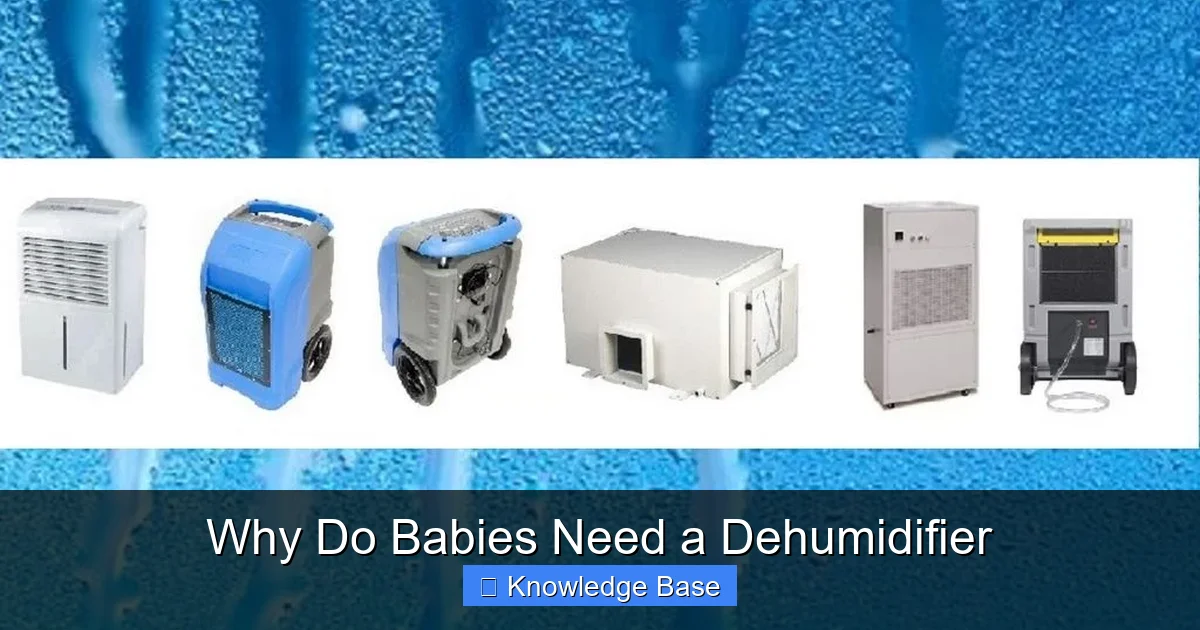
Visual guide about Why Do Babies Need a Dehumidifier
Image source: img.haikudeck.com
Now that we know what humidity is, let’s look at the specific ways high humidity can impact your baby’s health. The effects aren’t always immediate or obvious, but over time, they can contribute to a range of issues that affect your child’s development and well-being.
Respiratory Problems and Breathing Difficulties
One of the most serious concerns with high humidity is its effect on a baby’s breathing. When the air is too moist, it can feel heavier and harder to breathe—especially for infants who already have narrow airways. This can lead to labored breathing, wheezing, or increased mucus production. In some cases, it may worsen conditions like asthma or bronchiolitis, which are more common in young children.
Mold and mildew, which grow rapidly in humid environments, release spores into the air. When inhaled, these spores can irritate the lungs and trigger allergic reactions. Symptoms might include a persistent cough, runny nose, sneezing, or even difficulty sleeping due to congestion. Babies can’t tell you they’re uncomfortable, so these signs are often the only clues that something’s wrong.
Increased Risk of Allergies and Asthma
Dust mites are another major concern in high-humidity homes. These microscopic creatures feed on dead skin cells and thrive in warm, moist environments—like crib mattresses, stuffed animals, and carpeting. A single gram of dust can contain hundreds of dust mites, and their droppings are a common allergen.
Babies exposed to dust mites early in life are at higher risk of developing allergies or asthma later on. Studies have shown that early exposure to allergens can “train” the immune system to overreact, leading to chronic conditions. By using a dehumidifier to keep humidity below 50%, you can significantly reduce dust mite populations and lower the risk of allergic reactions.
Skin Irritations and Rashes
High humidity can also affect your baby’s skin. When the air is too moist, sweat doesn’t evaporate easily, leading to clogged pores and heat rash—small red bumps that appear on the neck, chest, or diaper area. Babies have sensitive skin, and even minor irritations can cause discomfort and fussiness.
Additionally, damp environments can promote the growth of yeast and bacteria, increasing the risk of diaper rash or fungal infections like candida. Keeping the nursery dry helps prevent these issues and supports healthier skin.
Sleep Disruptions and Irritability
Have you ever tried to sleep in a hot, sticky room? It’s uncomfortable, right? Babies feel the same way. High humidity can make it harder for them to regulate their body temperature, leading to restlessness and frequent waking. A stuffy, damp nursery can also make it harder for babies to breathe comfortably, especially if they’re congested.
Poor sleep doesn’t just affect your baby—it affects the whole family. When your little one isn’t sleeping well, neither are you. A dehumidifier helps create a more comfortable sleep environment, promoting longer, more restful naps and nighttime sleep.
How a Dehumidifier Helps Create a Healthier Nursery
So, how exactly does a dehumidifier help? Simply put, it removes excess moisture from the air, maintaining a balanced humidity level that’s safe and comfortable for your baby. But the benefits go beyond just reducing dampness—here’s how a dehumidifier supports a healthier nursery environment.
Reduces Mold and Mildew Growth
Mold is one of the biggest threats in a humid nursery. It can grow on walls, ceilings, stuffed animals, and even inside crib mattresses. Not only does it create an unpleasant smell, but it also releases harmful spores into the air. Inhaling these spores can lead to respiratory infections, allergic reactions, and long-term health problems.
A dehumidifier works by pulling moisture from the air and collecting it in a tank or draining it directly. This reduces the humidity level, making it harder for mold and mildew to grow. Regular use can prevent mold from taking hold in the first place, especially in areas prone to dampness.
For example, if you live in a humid climate or your nursery has poor ventilation, running a dehumidifier during the night can make a big difference. You might notice fewer musty odors and less condensation on windows—both signs that the air is cleaner and drier.
Controls Dust Mite Populations
Dust mites can’t survive in dry conditions. Research shows that when humidity drops below 50%, dust mite populations decline significantly. A dehumidifier helps create an environment where these allergens can’t thrive.
This is especially important for babies who spend a lot of time in their cribs or on play mats. By reducing dust mites, you’re lowering the risk of allergic reactions and respiratory issues. It’s a simple step that can have a big impact on your baby’s health.
Improves Air Quality and Reduces Allergens
While a dehumidifier doesn’t filter the air like an air purifier, it indirectly improves air quality by reducing the conditions that allow allergens to grow. Less mold, fewer dust mites, and drier air mean fewer irritants circulating in your baby’s breathing zone.
This is especially helpful during allergy season or in homes with pets. Even if you don’t see visible signs of mold or dust, invisible allergens can still be present. A dehumidifier helps keep them in check.
Supports Better Sleep and Comfort
Comfortable air leads to better sleep. When humidity is balanced, babies can breathe more easily and stay cooler. This helps them sleep longer and more peacefully. Parents often report that their babies are less fussy and wake up more refreshed when a dehumidifier is used regularly.
Imagine your baby sleeping soundly through the night, without tossing and turning or waking up congested. That’s the kind of peace of mind a dehumidifier can offer.
Choosing the Right Dehumidifier for Your Baby’s Room
Not all dehumidifiers are created equal—especially when it comes to a baby’s nursery. Here are some key factors to consider when choosing the right model.
Size and Capacity
Dehumidifiers are rated by how many pints of moisture they can remove per day. For a standard nursery (around 500 square feet), a 30-pint model is usually sufficient. Larger rooms or basements may require a 50-pint unit. Check the manufacturer’s recommendations based on room size and humidity level.
Noise Level
Babies are light sleepers, so a quiet dehumidifier is essential. Look for models with a noise rating below 50 decibels—about the sound of a quiet conversation. Some units have a “sleep mode” that reduces fan speed and noise during the night.
Safety Features
Safety is paramount in a baby’s room. Choose a dehumidifier with an automatic shut-off feature when the water tank is full. This prevents overflows and reduces the risk of water damage. Also, look for units with child-safe designs—no exposed coils or sharp edges.
Energy Efficiency
Dehumidifiers can use a lot of electricity, so energy efficiency matters. Look for models with an ENERGY STAR rating, which use less power and cost less to run. Some units also have timers or humidity sensors that turn the unit on and off automatically, saving energy.
Ease of Maintenance
Regular cleaning is important to prevent mold and bacteria from growing inside the unit. Choose a dehumidifier with a removable, washable filter and an easy-to-empty water tank. Some models even have indicator lights that remind you when it’s time to clean or empty the tank.
Placement and Portability
Consider where you’ll place the dehumidifier. It should be in a central location in the nursery, away from walls and furniture to allow proper airflow. A unit with wheels or a handle makes it easier to move if needed.
Tips for Using a Dehumidifier Safely Around Babies
Using a dehumidifier is generally safe, but there are a few best practices to keep in mind to ensure your baby’s safety and comfort.
Monitor Humidity Levels
Don’t guess—use a hygrometer to measure the humidity in your baby’s room. This small, inexpensive device tells you the exact humidity level so you can adjust the dehumidifier accordingly. Aim to keep it between 30% and 50%.
Clean the Unit Regularly
A dirty dehumidifier can become a breeding ground for bacteria and mold. Clean the water tank and filter at least once a week. Follow the manufacturer’s instructions for deep cleaning and disinfecting.
Empty the Water Tank Daily
Standing water in the tank can promote bacterial growth. Empty it every day, even if it’s not full. If you’re using a continuous drain hose, make sure it’s securely attached and draining properly.
Avoid Over-Drying the Air
While high humidity is a problem, so is air that’s too dry. If the humidity drops below 30%, consider using a humidifier in combination with the dehumidifier. This creates a balanced environment that’s comfortable for your baby.
Keep the Unit Out of Reach
Place the dehumidifier where your baby can’t touch it. Even though most units are safe, it’s best to keep electrical appliances away from curious little hands.
Use in Conjunction with Other Tools
A dehumidifier works best as part of a comprehensive air quality strategy. Pair it with an air purifier to remove allergens, a HEPA filter vacuum to clean carpets, and regular cleaning to reduce dust and mold.
Real-Life Benefits: What Parents Are Saying
Many parents who’ve used dehumidifiers in their nurseries report noticeable improvements in their baby’s health and sleep. Here are a few real-life examples:
One mom from Florida shared that her baby used to wake up congested every morning during the humid summer months. After installing a dehumidifier, the congestion cleared up, and her baby started sleeping through the night.
Another parent in the Pacific Northwest noticed that their baby developed a persistent cough during the rainy season. After consulting their pediatrician, they learned that mold in the basement nursery could be the cause. A dehumidifier reduced the mold, and the cough disappeared within a week.
A dad from Texas said his baby had frequent heat rashes in the summer. By using a dehumidifier to keep the nursery dry, the rashes stopped, and his baby seemed more comfortable and less fussy.
These stories highlight how small changes in the environment can have a big impact on a baby’s well-being.
Conclusion: A Simple Step for a Healthier Baby
When it comes to your baby’s health, every detail matters—including the air they breathe. High humidity might seem harmless, but it can lead to mold, dust mites, respiratory issues, and poor sleep. A dehumidifier is a simple, effective tool that helps maintain a safe and comfortable nursery environment.
By keeping humidity in the ideal range, you’re not just preventing problems—you’re actively supporting your baby’s development, sleep, and overall comfort. It’s a small investment that can make a big difference in your family’s daily life.
So, if you’ve been wondering why babies need a dehumidifier, the answer is clear: for cleaner air, better sleep, and a healthier start in life. Whether you’re preparing for a new arrival or looking to improve your current nursery setup, consider adding a dehumidifier to your baby care essentials.
Frequently Asked Questions
Can a dehumidifier help with baby congestion?
Yes, a dehumidifier can help reduce congestion by lowering humidity and preventing mold and dust mites, which are common triggers for nasal irritation and breathing difficulties in babies.
Is it safe to run a dehumidifier all night in a baby’s room?
Yes, as long as the unit is quiet, energy-efficient, and has safety features like auto shut-off. Many parents run dehumidifiers overnight to maintain optimal humidity levels.
How often should I clean a dehumidifier used in a nursery?
Clean the water tank and filter at least once a week to prevent mold and bacteria buildup. Follow the manufacturer’s cleaning instructions for best results.
Can a dehumidifier replace an air purifier?
No, a dehumidifier controls moisture but doesn’t filter airborne particles. For best results, use a dehumidifier alongside an air purifier to improve overall air quality.
What humidity level is best for a baby’s room?
The ideal humidity level for a baby’s room is between 30% and 50%. Use a hygrometer to monitor levels and adjust the dehumidifier as needed.
Do dehumidifiers use a lot of electricity?
Energy use varies by model. Look for ENERGY STAR-rated dehumidifiers, which are more efficient and cost less to operate over time.