

Excess humidity in your home can lead to mold, musty odors, and health problems. A dehumidifier helps maintain healthy indoor air, protects your belongings, and improves comfort year-round.
Key Takeaways
- Prevents Mold and Mildew Growth: High humidity creates the perfect environment for mold and mildew, which can damage walls, furniture, and your health. A dehumidifier keeps moisture levels in check.
- Improves Indoor Air Quality: By reducing dampness, dehumidifiers minimize allergens like dust mites and mold spores, making breathing easier—especially for people with asthma or allergies.
- Protects Your Home’s Structure: Excess moisture can warp wood, peel paint, and damage insulation. Using a dehumidifier helps preserve your home’s integrity over time.
- Reduces Musty Odors: Damp spaces often smell stale or musty. Removing excess moisture eliminates these unpleasant smells at the source.
- Enhances Comfort and Energy Efficiency: Air feels cooler and less sticky when humidity is controlled, allowing you to lower your AC usage and save on energy bills.
- Preserves Belongings: Clothes, books, electronics, and musical instruments last longer when stored in dry environments free from moisture damage.
- Supports Better Sleep: Dry, clean air promotes deeper, more restful sleep by reducing nighttime congestion and irritation.
📑 Table of Contents
- Why Do I Need a Dehumidifier in My Home?
- Understanding Humidity and Its Impact on Your Home
- Health Benefits of Using a Dehumidifier
- Protecting Your Home and Belongings
- Improving Comfort and Energy Efficiency
- Common Signs You Need a Dehumidifier
- Choosing the Right Dehumidifier for Your Home
- Conclusion
Why Do I Need a Dehumidifier in My Home?
You’ve probably noticed that some rooms in your house feel stickier than others—especially basements, bathrooms, or laundry areas. Maybe you’ve seen dark spots forming in corners, smelled a faint musty odor after a rainy week, or felt like your clothes take forever to dry indoors. These are all signs of high humidity, and they’re more than just minor annoyances. They can signal deeper issues that affect your health, your home, and even your wallet.
A dehumidifier might seem like an optional appliance, but for many homeowners, it’s a game-changer. It works by pulling excess moisture from the air, helping maintain a balanced indoor environment. Whether you live in a humid climate, have a damp basement, or simply want to breathe easier at home, a dehumidifier can make a big difference. In this guide, we’ll explore the many reasons why you might need one—and how it can improve your daily life in ways you might not expect.
Understanding Humidity and Its Impact on Your Home
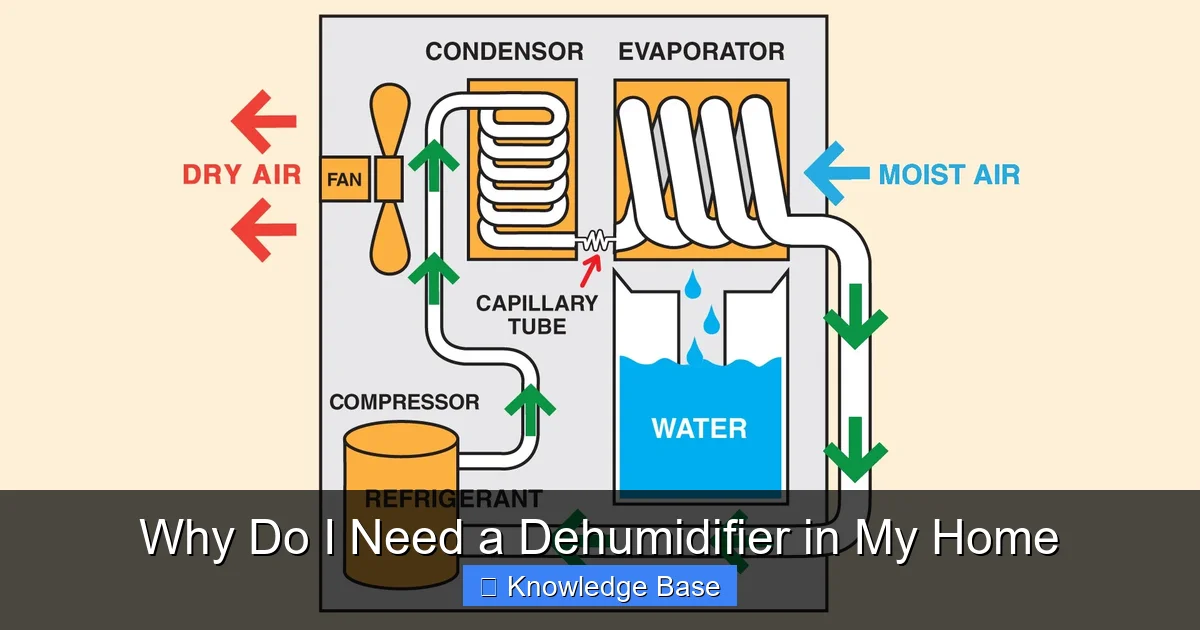
Visual guide about Why Do I Need a Dehumidifier in My Home
Image source: mydecorative.com
Before diving into why you need a dehumidifier, it helps to understand what humidity is and how it behaves indoors. Humidity refers to the amount of water vapor present in the air. While some moisture is natural and necessary, too much can cause problems.
The ideal indoor relative humidity (RH) level is between 30% and 50%. Anything above 60% creates a breeding ground for mold, dust mites, and bacteria. On the other hand, air that’s too dry (below 30%) can cause dry skin, irritated sinuses, and static electricity. Most homes fall into the high-humidity category, especially during summer months or in regions with frequent rain.
How Humidity Enters Your Home
Moisture can sneak into your home in several ways. Outdoor air carries humidity, especially during warm, damp seasons. When you open windows or doors, that moist air flows inside. Activities like cooking, showering, doing laundry, and even breathing add moisture to the air. Without proper ventilation, this moisture builds up over time.
Basements and crawl spaces are particularly vulnerable because they’re often below ground level and surrounded by damp soil. Even small cracks in foundations can allow groundwater to seep in, increasing indoor humidity. Poor insulation or inadequate airflow in attics and walls can also trap moisture, leading to hidden dampness.
The Hidden Dangers of High Humidity
Many homeowners don’t realize that high humidity isn’t just uncomfortable—it’s potentially harmful. Over time, excess moisture can weaken structural materials. Wooden beams may warp or rot, drywall can soften and bubble, and metal fixtures may rust. These issues aren’t always visible right away, but they can lead to costly repairs down the line.
Additionally, high humidity encourages the growth of biological pollutants. Mold spores, dust mites, and mildew thrive in damp environments. These allergens can trigger respiratory problems, especially in children, the elderly, or anyone with asthma or allergies. Even if you don’t have a diagnosed condition, prolonged exposure to moldy air can cause headaches, fatigue, and irritation in the eyes, nose, and throat.
Health Benefits of Using a Dehumidifier
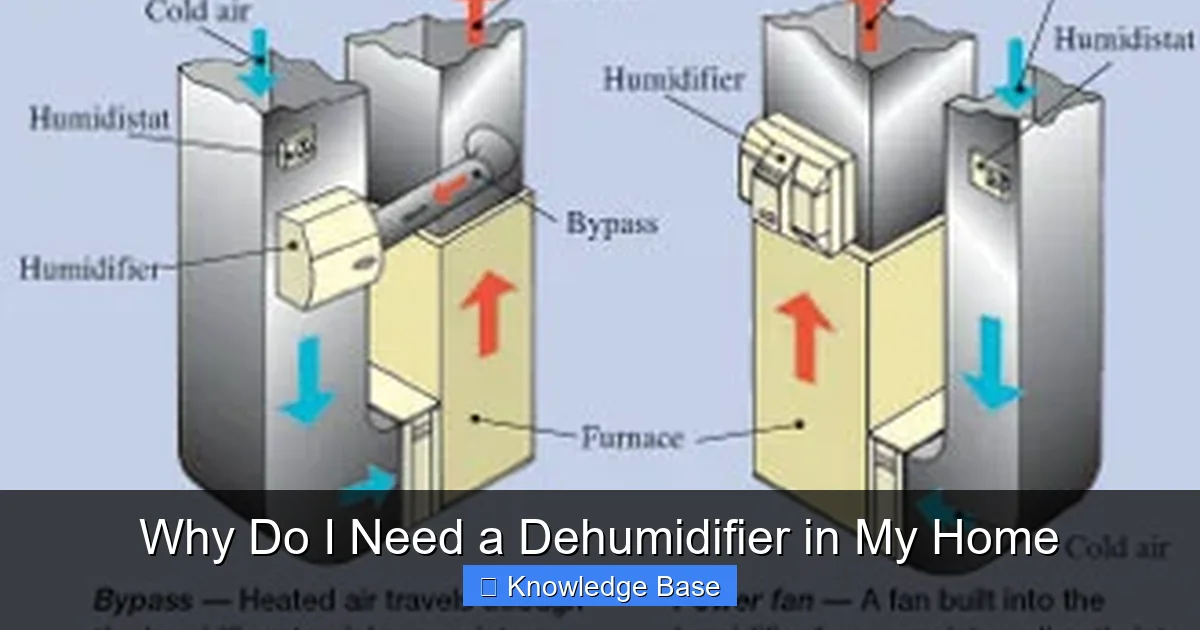
Visual guide about Why Do I Need a Dehumidifier in My Home
Image source: cooperclimatecontrol.com
One of the most compelling reasons to use a dehumidifier is the positive impact it has on your health. Clean, dry air is easier to breathe and less likely to aggravate existing conditions. Let’s look at how reducing indoor humidity can support better wellness.
Reducing Allergens and Respiratory Irritants
Dust mites are microscopic creatures that feed on dead skin cells and love humid environments. They’re a common trigger for allergies and asthma. According to the Asthma and Allergy Foundation of America, dust mites thrive at humidity levels above 50%. By using a dehumidifier to keep RH below that threshold, you can significantly reduce their population.
Mold is another major concern. It grows quickly in damp areas like bathrooms, basements, and under sinks. Mold releases spores into the air, which can be inhaled and cause allergic reactions or worsen asthma symptoms. In severe cases, certain types of mold (like black mold) produce toxic compounds that can lead to serious health issues. A dehumidifier helps prevent mold growth by eliminating the moisture it needs to survive.
Improving Sleep Quality
Have you ever woken up feeling congested or with a dry throat, even though you didn’t have a cold? High humidity can make it harder to breathe at night, especially if you sleep in a damp room. Moist air feels heavier and can cause nasal passages to swell, leading to snoring or disrupted sleep.
By maintaining a comfortable humidity level, a dehumidifier helps create a more restful sleep environment. You’ll breathe easier, wake up less often, and feel more refreshed in the morning. Some people even report fewer nighttime allergies and less reliance on allergy medications after using a dehumidifier regularly.
Supporting Immune Health
While a dehumidifier doesn’t directly boost your immune system, it creates conditions that make it harder for illness-causing microbes to thrive. Viruses and bacteria often spread more easily in damp, stagnant air. By improving air circulation and reducing moisture, you lower the risk of airborne infections.
Additionally, dry air is less likely to cause skin irritation or dry out your mucous membranes—your body’s first line of defense against germs. This means your natural defenses stay strong, helping you stay healthier year-round.
Protecting Your Home and Belongings
Your home is one of your biggest investments, and excess humidity can silently damage it over time. A dehumidifier acts as a protective shield, preserving both the structure and your personal belongings.
Preventing Structural Damage
Wood is highly sensitive to moisture. When humidity levels are high, wooden floors, beams, and furniture absorb water and expand. As the air dries, they shrink again. This constant swelling and contracting can cause warping, cracking, or splitting. In basements, wooden support beams may rot if exposed to damp conditions for too long.
Drywall and plaster are also at risk. When moisture seeps into walls, it can cause paint to peel, wallpaper to bubble, and insulation to degrade. In extreme cases, prolonged dampness can lead to structural instability, requiring expensive renovations.
Metal components like nails, screws, and pipes are prone to rust in humid environments. This not only weakens their integrity but can also lead to leaks or electrical issues. A dehumidifier helps maintain a stable indoor climate, reducing the risk of these costly problems.
Preserving Furniture and Electronics
Your belongings deserve protection too. Upholstered furniture, leather goods, and wooden tables can develop mold or mildew if stored in damp areas. Books, photographs, and important documents may warp or grow mold spots when exposed to high humidity.
Electronics are especially vulnerable. Moisture can corrode internal circuits, shorten battery life, and cause malfunctions. Items like computers, TVs, cameras, and musical instruments should be kept in dry environments to ensure longevity. A dehumidifier in your home office, media room, or storage closet can help safeguard these valuable items.
Extending the Life of Appliances
Appliances like washing machines, dryers, and dishwashers generate a lot of steam during use. Without proper ventilation, this moisture can linger in the air and settle on nearby surfaces. Over time, it can damage cabinets, countertops, and even the appliances themselves.
Using a dehumidifier in utility rooms or laundry areas helps remove excess moisture, reducing wear and tear on both your machines and your home. This not only extends their lifespan but can also improve their efficiency and performance.
Improving Comfort and Energy Efficiency
Beyond health and protection, a dehumidifier can make your home feel more comfortable and help you save money on energy bills.
Feeling Cooler Without Cranking the AC
Have you ever noticed that a room feels hotter when it’s humid, even if the thermostat says the same temperature? That’s because high humidity reduces your body’s ability to cool itself through sweat evaporation. The air feels sticky and oppressive, making you reach for the air conditioner more often.
By removing excess moisture, a dehumidifier makes the air feel lighter and cooler. You may find that you can set your thermostat a few degrees higher without sacrificing comfort. This reduces the workload on your HVAC system, leading to lower energy consumption and reduced utility bills.
Reducing Condensation and Dampness
Condensation forms when warm, moist air meets a cold surface—like windows, mirrors, or walls. You’ve probably seen it on bathroom mirrors after a hot shower or on basement windows during humid weather. Over time, this condensation can lead to water stains, peeling paint, or mold growth.
A dehumidifier minimizes condensation by keeping indoor air dry. This means clearer windows, drier walls, and fewer water spots on fixtures. It also reduces the damp, clammy feeling that makes some rooms feel unwelcoming.
Supporting Efficient Drying
If you air-dry clothes indoors, high humidity can make the process slow and ineffective. Wet clothes release moisture into the air, increasing humidity levels and creating a cycle of dampness. This not only prolongs drying time but can also lead to musty-smelling laundry.
Using a dehumidifier in your laundry room or drying area speeds up the process by pulling moisture from the air. Clothes dry faster, smell fresher, and are less likely to develop mildew. This is especially helpful during rainy seasons or in homes without outdoor drying space.
Common Signs You Need a Dehumidifier
Not sure if your home needs a dehumidifier? Here are some telltale signs that excess humidity is present:
- Visible Mold or Mildew: Dark spots on walls, ceilings, or around windows are a clear indicator of moisture problems.
- Musty Odors: A damp, earthy smell—especially in basements, closets, or bathrooms—suggests high humidity.
- Condensation on Windows: Foggy or wet windows, particularly in winter or after showers, mean indoor air is too moist.
- Warped Wood or Peeling Paint: These are signs of long-term moisture exposure.
- Allergy Symptoms at Home: If you or your family members experience more sneezing, coughing, or congestion indoors than outdoors, humidity may be to blame.
- Clothes Take Forever to Dry: If laundry stays damp for hours or develops a sour smell, your indoor air is too humid.
If you notice any of these signs, it’s a good idea to check your indoor humidity levels. You can use a hygrometer—a simple, inexpensive device that measures relative humidity—to get an accurate reading. If levels are consistently above 50%, a dehumidifier is likely needed.
Choosing the Right Dehumidifier for Your Home
Not all dehumidifiers are created equal. The right model depends on your home’s size, humidity level, and specific needs.
Types of Dehumidifiers
There are two main types: refrigerant (compressor) and desiccant dehumidifiers.
Refrigerant dehumidifiers are the most common. They work by cooling the air to condense moisture, then reheat it before releasing it back into the room. These are effective in warm, humid environments and are ideal for basements, living rooms, and large spaces.
Desiccant dehumidifiers use a moisture-absorbing material (like silica gel) to pull water from the air. They work well in cooler temperatures and are often quieter, making them a good choice for bedrooms or RVs.
Capacity and Placement
Dehumidifiers are rated by how many pints of moisture they can remove in 24 hours. For example, a 30-pint unit is suitable for a moderately damp 1,500-square-foot basement, while a 70-pint model is better for large, very damp areas.
Placement matters too. For whole-home coverage, consider a whole-house dehumidifier connected to your HVAC system. For targeted use, portable units can be moved from room to room. Place them in the most humid areas—like basements, bathrooms, or laundry rooms—and ensure they have proper airflow.
Energy Efficiency and Features
Look for ENERGY STAR-certified models, which use less electricity and save money over time. Features like auto-humidistats, timers, and automatic shut-off when the tank is full add convenience and safety. Some advanced models even connect to smart home systems, allowing you to monitor and control humidity remotely.
Conclusion
So, why do you need a dehumidifier in your home? The answer is simple: to create a healthier, more comfortable, and more durable living environment. From preventing mold and protecting your health to preserving your home’s structure and improving energy efficiency, the benefits are clear and far-reaching.
Whether you’re dealing with a damp basement, allergy flare-ups, or just that sticky summer feeling, a dehumidifier can make a meaningful difference. It’s not just about comfort—it’s about long-term protection and peace of mind. By investing in the right unit and using it consistently, you’ll enjoy cleaner air, fewer repairs, and a home that truly feels like a sanctuary.
Don’t wait for mold to grow or your energy bills to climb. Take control of your indoor humidity today and experience the difference a dehumidifier can make.
Frequently Asked Questions
How do I know if my home is too humid?
Use a hygrometer to measure indoor humidity. If levels are consistently above 50%, your home is too humid. Signs like condensation on windows, musty smells, or visible mold also indicate high moisture levels.
Can a dehumidifier help with allergies?
Yes. Dehumidifiers reduce dust mites and mold spores—common allergens—by lowering indoor humidity. This can ease symptoms like sneezing, coughing, and congestion, especially for people with asthma or allergies.
Where should I place a dehumidifier in my home?
Place it in the most humid area, such as a basement, bathroom, or laundry room. Ensure it has at least 6–12 inches of clearance on all sides for proper airflow and ventilation.
How often should I empty the dehumidifier tank?
It depends on the humidity level and tank size. Most portable units need emptying every 12–24 hours. Models with continuous drainage hoses or auto-shutoff features reduce the need for frequent emptying.
Will a dehumidifier lower my energy bills?
Yes, indirectly. By making the air feel cooler and less sticky, you may use your air conditioner less, reducing energy consumption and lowering your utility bills over time.
Can I use a dehumidifier in winter?
Yes, especially in basements or poorly insulated areas. Cold air holds less moisture, but indoor activities like cooking and showering still add humidity. A desiccant dehumidifier works best in colder temperatures.