
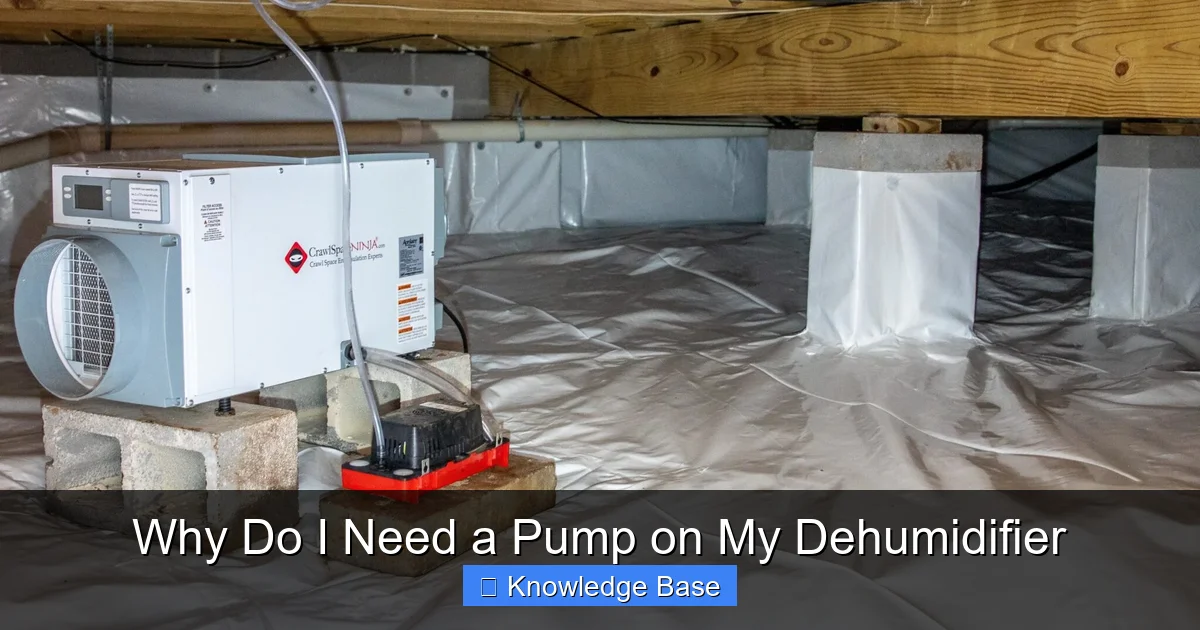
A pump on your dehumidifier isn’t just a fancy add-on—it’s a game-changer for convenience and performance. It lets the unit drain water automatically, even when the bucket is full or located below floor level, so you can run it 24/7 without constant monitoring.
Key Takeaways
- Automatic Drainage: A pump enables continuous operation by automatically removing collected moisture, eliminating the need to manually empty the water tank.
- Ideal for Basements and Crawl Spaces: Pumps allow dehumidifiers to drain upward or over long distances, making them perfect for below-grade areas where gravity drainage isn’t possible.
- Reduced Maintenance: With a pump, you avoid frequent bucket checks and spills, especially during heavy humidity periods or extended use.
- Prevents Overflow and Damage: Automatic drainage reduces the risk of water overflow, which can damage floors, walls, or the dehumidifier itself.
- Supports Remote or Hard-to-Reach Placement: Units with pumps can be installed in closets, attics, or utility rooms where access to a floor drain is limited.
- Enhances Energy Efficiency: Continuous operation without shutdowns for bucket emptying helps maintain consistent humidity levels, improving overall system efficiency.
- Peace of Mind During Travel or Absences: A pump-equipped dehumidifier keeps working even when you’re away, protecting your home from mold and mildew.
📑 Table of Contents
- Why Do I Need a Pump on My Dehumidifier?
- How Dehumidifiers Work—And Where Pumps Fit In
- Benefits of a Pump: Convenience, Efficiency, and Protection
- Where a Pump Makes the Biggest Difference
- Choosing the Right Dehumidifier with a Pump
- Installation Tips for Pump-Equipped Dehumidifiers
- Common Misconceptions About Dehumidifier Pumps
- Conclusion: A Pump Makes All the Difference
Why Do I Need a Pump on My Dehumidifier?
Let’s be honest—dehumidifiers aren’t the most glamorous appliances in your home. But when humidity starts creeping in, causing musty smells, warped wood, or that sticky feeling in the air, they become absolute lifesavers. Most people buy a dehumidifier to tackle damp basements, musty laundry rooms, or humid crawl spaces. But here’s a question many don’t think about until it’s too late: *Why do I need a pump on my dehumidifier?*
At first glance, a dehumidifier seems simple. It pulls in moist air, cools it to condense the moisture, collects the water in a bucket, and blows dry air back out. Easy, right? Well, yes—until that bucket fills up. And when it does, the machine stops working. That’s where the pump comes in. Think of it as the unsung hero that keeps your dehumidifier running smoothly, even when you’re not around to babysit it.
A built-in pump changes everything. Instead of relying on gravity or manual emptying, the pump actively pushes collected water out through a hose—upward, downward, or across the room—directly into a drain, sink, or sump pit. This means your dehumidifier can work nonstop, maintaining optimal humidity levels without interruption. Whether you’re dealing with a flooded basement after a storm or just trying to keep your crawl space dry year-round, a pump-equipped model gives you reliability, convenience, and peace of mind.
How Dehumidifiers Work—And Where Pumps Fit In
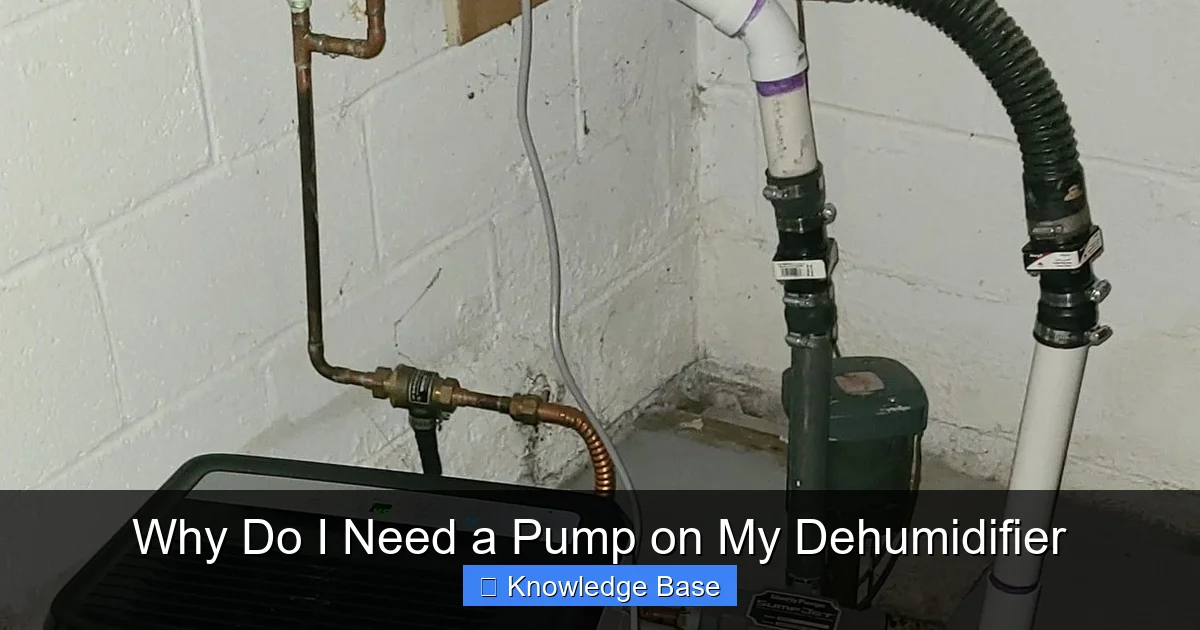
Visual guide about Why Do I Need a Pump on My Dehumidifier
Image source: cimg6.ibsrv.net
To understand why a pump matters, let’s quickly break down how dehumidifiers operate. Most residential units use a refrigeration-based system. Here’s the basic process:
1. A fan pulls humid air from the room into the dehumidifier.
2. The air passes over cold coils (the evaporator), causing moisture to condense into water droplets.
3. The collected water drips into a built-in bucket or reservoir.
4. The now-drier air passes over warm coils (the condenser) to reheat slightly before being blown back into the room.
This cycle repeats continuously as long as the unit is on and the bucket isn’t full. But once the bucket reaches capacity, most dehumidifiers have a float switch that shuts off the machine to prevent overflow. That’s where the problem begins—especially in high-humidity environments.
Now, enter the pump. Instead of relying solely on the bucket, a dehumidifier with a built-in pump can automatically transfer the collected water to a drain using a small, powerful pump mechanism. This allows the unit to keep running without interruption, even during heavy moisture removal.
Gravity Drainage vs. Pump-Assisted Drainage
Some dehumidifiers offer a gravity drain option—meaning you can attach a hose to the unit and let water flow out naturally, as long as the drain is lower than the machine. This works fine if you have a floor drain in your basement or utility sink nearby. But what if your dehumidifier is in a crawl space, elevated closet, or corner of the basement with no easy drainage path? Gravity drainage won’t cut it.
That’s where a pump shines. A pump-assisted system can push water upward (up to 15–20 feet, depending on the model) and over long horizontal distances (sometimes 50+ feet). This flexibility opens up placement options you wouldn’t have with gravity-only models.
For example, imagine installing a dehumidifier in a tight crawl space under your home. There’s no floor drain, and the nearest sink is two floors up. Without a pump, you’d have to check and empty the bucket every few hours—or risk overflow and water damage. With a pump, you can run a hose from the dehumidifier up through the floor joists and into a utility sink or sump pump pit upstairs. The pump does all the work, and you don’t have to think about it.
The Role of Float Switches and Safety Features
Even with a pump, modern dehumidifiers include safety mechanisms like float switches and overflow sensors. These ensure that if the pump fails or the drain line gets clogged, the unit will still shut off before water spills. But the pump drastically reduces the chances of reaching that point in the first place.
In short, the pump doesn’t replace safety features—it enhances them. It gives your dehumidifier the ability to handle heavy workloads without constant human intervention.
Benefits of a Pump: Convenience, Efficiency, and Protection

Visual guide about Why Do I Need a Pump on My Dehumidifier
Image source: thespruce.com
Now that we understand how pumps work, let’s talk about why they’re worth the investment. A pump on your dehumidifier isn’t just a luxury—it’s a practical upgrade that delivers real-world benefits.
1. Continuous Operation Without Interruptions
The biggest advantage? Your dehumidifier keeps working, even when you’re asleep, at work, or on vacation. In high-humidity areas like basements, crawl spaces, or coastal homes, moisture can accumulate quickly. A standard dehumidifier might fill its bucket in just a few hours during humid summer days. Without a pump, you’re stuck checking it constantly or risking shutdown.
With a pump, water is automatically pumped out as soon as it’s collected. This means your dehumidifier can run 24/7, maintaining consistent humidity levels and preventing mold, mildew, and musty odors.
2. Reduced Maintenance and Hassle
Let’s face it—nobody likes emptying a heavy, sloshing water bucket. It’s messy, time-consuming, and easy to forget. A pump eliminates this chore. Once you set up the drain hose, you can forget about the dehumidifier for weeks—or even months—at a time.
This is especially helpful for people with busy schedules, mobility issues, or homes in remote locations. You won’t have to worry about coming home to a flooded basement because you forgot to empty the bucket before leaving for a weekend trip.
3. Protection Against Water Damage
Water overflow from a full bucket can cause serious damage. It can ruin flooring, warp baseboards, promote mold growth, or even damage the dehumidifier’s internal components. In worst-case scenarios, it can lead to structural issues or costly repairs.
A pump significantly reduces this risk. By continuously removing water, it prevents the bucket from ever reaching capacity. Even if the power flickers or the unit cycles frequently, the pump ensures water doesn’t back up.
4. Ideal for Challenging Installations
Not every home has a convenient floor drain or sink near the dehumidifier. Basements, crawl spaces, garages, and utility closets often lack easy drainage options. A pump solves this problem by allowing you to route water to a remote drain, sump pit, or even outside.
For example, in a finished basement with carpet and drywall, you might not want to drill holes for drainage. But with a pump, you can discreetly run a hose through a basement window or up into a laundry sink. The pump does the heavy lifting, and your home stays dry and damage-free.
5. Improved Energy Efficiency
You might think a pump uses extra energy, but the opposite is often true. When a dehumidifier shuts off because the bucket is full, it stops dehumidifying. Humidity levels rise again, and when you finally empty the bucket and restart the unit, it has to work harder to catch up.
This stop-start cycle is inefficient. It wastes energy and puts extra strain on the compressor. A pump allows continuous operation, helping the dehumidifier maintain steady humidity levels with less effort. Over time, this can lead to lower energy bills and a longer lifespan for the unit.
Where a Pump Makes the Biggest Difference
While a pump is helpful in any dehumidifier setup, it’s absolutely essential in certain environments. Let’s look at the most common scenarios where a pump isn’t just nice to have—it’s a necessity.
Basements and Below-Grade Spaces
Basements are prime candidates for dehumidifiers, but they’re also the most challenging when it comes to drainage. Many basements lack floor drains, and the dehumidifier is often placed in a corner or against a wall. Without a pump, you’re limited to gravity drainage—which only works if the drain is lower than the unit.
A pump lets you install the dehumidifier anywhere in the basement and still route water to a sump pump, utility sink, or even outside through a window. This flexibility is invaluable, especially in older homes or finished basements.
Crawl Spaces and Tight Enclosures
Crawl spaces are notoriously damp, poorly ventilated, and hard to access. Installing a dehumidifier here is a smart move—but emptying a bucket weekly isn’t practical. A pump-equipped model can run autonomously for months, pumping water out through a small vent or into a nearby drain.
Some advanced models even include built-in condensate pumps designed specifically for crawl space dehumidifiers. These are compact, energy-efficient, and built to handle the unique challenges of tight, humid environments.
Laundry Rooms and Utility Areas
Laundry rooms generate a lot of moisture from washers and dryers. A dehumidifier helps prevent mold on walls and keeps clothes smelling fresh. But if your laundry room is on an upper floor or lacks a floor drain, a pump lets you route water to a sink or laundry tub.
This is especially useful in apartments or condos where plumbing access is limited. You can run a hose from the dehumidifier to the sink drain and let the pump do the rest—no drilling or major modifications required.
Vacation Homes and Rental Properties
If you own a cabin, beach house, or rental property, you can’t be there every day to check the dehumidifier. A pump ensures the unit keeps working even when you’re away. This protects your investment from humidity damage, mold, and musty odors.
Some smart dehumidifiers even send alerts to your phone if the pump fails or the drain line clogs—giving you peace of mind no matter where you are.
Choosing the Right Dehumidifier with a Pump
Not all dehumidifiers come with built-in pumps, and not all pumps are created equal. Here’s what to look for when shopping for a pump-equipped model.
Pump Type and Capacity
Most dehumidifier pumps are small, electric condensate pumps—similar to those used in air conditioners. They’re designed to handle low flow rates but can lift water several feet vertically. Look for models that specify the pump’s lift height (e.g., 15 feet) and horizontal reach (e.g., 50 feet).
Higher-end models may include dual pumps or backup systems for added reliability. These are worth considering if you’re installing the unit in a critical area like a basement or crawl space.
Drain Hose Compatibility
Check what type of hose the pump uses. Most accept standard 1/4-inch or 3/8-inch vinyl tubing. Make sure the hose is long enough for your setup—and consider buying an extra length in case you need to reroute it later.
Some pumps include a built-in hose connection, while others require you to attach a separate fitting. Look for models with easy-access ports to simplify installation.
Automatic vs. Manual Pump Activation
Some pumps run continuously whenever the dehumidifier is on. Others activate only when water reaches a certain level in the reservoir. The latter is more energy-efficient and reduces wear on the pump.
Look for models with smart sensors that detect water levels and activate the pump only when needed. This extends the pump’s lifespan and saves energy.
Noise Level
Pumps do make noise—usually a soft humming or clicking sound. While it’s typically quieter than the dehumidifier’s fan, it can be noticeable in quiet spaces like bedrooms or home offices.
If noise is a concern, look for models with quiet-operation pumps or consider placing the unit in a remote area like a basement or garage.
Smart Features and Alerts
Modern dehumidifiers with pumps often include smart features like Wi-Fi connectivity, app control, and maintenance alerts. These let you monitor humidity levels, check pump status, and receive notifications if something goes wrong.
For example, if the drain line gets clogged or the pump fails, the app can alert you immediately—so you can fix the issue before water damage occurs.
Installation Tips for Pump-Equipped Dehumidifiers
Setting up a dehumidifier with a pump is straightforward, but a few tips can make the process smoother and more effective.
Plan Your Drain Route
Before installing the unit, map out where the water will go. Identify the nearest drain, sink, or sump pit. Measure the distance and vertical lift to ensure your pump can handle it.
Avoid sharp bends or kinks in the hose, as these can restrict flow and cause clogs. Use smooth, gradual curves whenever possible.
Use the Right Hose
Choose a durable, kink-resistant vinyl or reinforced hose. Avoid cheap plastic tubing that can collapse under suction or crack over time.
Secure the hose with clips or tape to prevent it from coming loose. If running the hose through walls or floors, use conduit or protective sleeves to prevent damage.
Test the System
Once installed, run the dehumidifier and monitor the pump. Make sure water flows smoothly and the pump activates when expected. Listen for unusual noises or vibrations, which could indicate a problem.
If the pump struggles or fails to move water, check for clogs, airlocks, or incorrect hose sizing.
Regular Maintenance
Even with a pump, your dehumidifier needs basic maintenance. Clean the air filter monthly, inspect the coils for dust, and check the drain hose for blockages.
Every 6–12 months, flush the pump and reservoir with a mild vinegar solution to remove mineral buildup. This keeps the pump running efficiently and prevents odors.
Common Misconceptions About Dehumidifier Pumps
Despite their benefits, pumps on dehumidifiers are often misunderstood. Let’s clear up a few common myths.
Myth: Pumps Are Only for Commercial Use
While commercial dehumidifiers often include powerful pumps, many residential models now come with built-in pumps designed for home use. They’re compact, affordable, and perfect for basements, crawl spaces, and laundry rooms.
Myth: Pumps Use Too Much Electricity
Most dehumidifier pumps consume very little power—typically 5–15 watts. That’s less than a nightlight. The energy savings from continuous operation often outweigh the pump’s minimal usage.
Myth: Pumps Are Unreliable
Modern condensate pumps are built to last. With proper maintenance, they can run for years without issues. Many models include fail-safes like float switches and clog detection to prevent problems.
Myth: I Can Just Use a Gravity Drain Instead
Gravity drainage works—but only if you have the right setup. If your dehumidifier is above the drain or far from it, gravity won’t cut it. A pump gives you flexibility and reliability that gravity simply can’t match.
Conclusion: A Pump Makes All the Difference
So, why do you need a pump on your dehumidifier? Because it transforms a helpful appliance into a truly hands-free solution for managing humidity. It eliminates the hassle of emptying buckets, prevents water damage, and ensures your dehumidifier works when you need it most—even when you’re not there to watch it.
Whether you’re dealing with a damp basement, a musty crawl space, or just want peace of mind during humid summer months, a pump-equipped dehumidifier is a smart investment. It’s not just about convenience—it’s about protecting your home, improving air quality, and saving time and money in the long run.
When shopping for your next dehumidifier, don’t overlook the pump. It might seem like a small feature, but its impact is huge. Look for models with reliable pumps, smart controls, and flexible drainage options. Your future self—and your dry, comfortable home—will thank you.
Frequently Asked Questions
Do all dehumidifiers come with a pump?
No, not all dehumidifiers include a built-in pump. Many standard models rely on a water bucket that must be manually emptied. However, many mid- to high-end residential units now offer pump options, especially those designed for basements or crawl spaces.
Can I add a pump to my existing dehumidifier?
In some cases, yes—external condensate pumps can be connected to dehumidifiers with a drain port. However, installation requires some DIY skill, and not all units are compatible. It’s often easier and more reliable to buy a dehumidifier with a built-in pump.
How far can a dehumidifier pump push water?
Most built-in pumps can lift water 10–20 feet vertically and push it 30–100 feet horizontally, depending on the model and hose size. Always check the manufacturer’s specifications to ensure the pump meets your drainage needs.
Will a pump work during a power outage?
No, the pump requires electricity to operate. If the power goes out, the dehumidifier and pump will stop working. For backup protection, consider a battery-powered sump pump or a generator for critical areas like basements.
Can a pump handle dirty or debris-filled water?
Most dehumidifier pumps are designed for clean condensate water. If your unit collects dust or debris, it can clog the pump. Regular filter cleaning and occasional pump flushing help prevent this issue.
Is a pump noisy?
Pumps do make some noise—usually a soft hum or click—but it’s typically quieter than the dehumidifier’s fan. In most installations, the sound is barely noticeable, especially in basements or utility areas.