
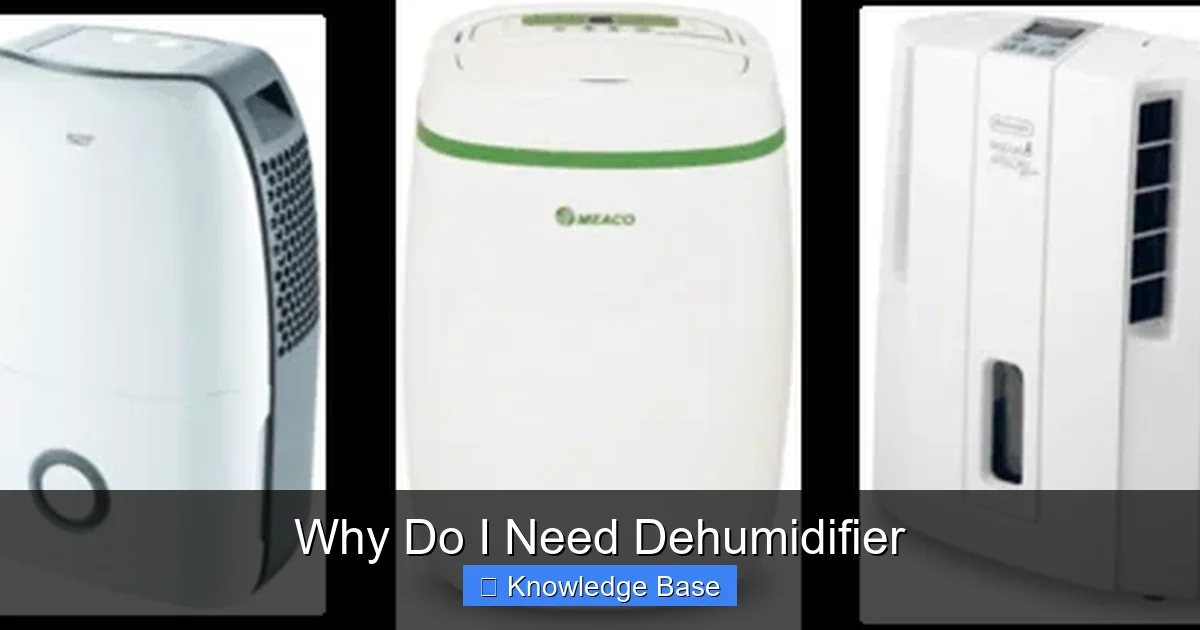
High indoor humidity can cause mold, musty odors, and health problems. A dehumidifier helps maintain healthy moisture levels, protects your home, and improves comfort. Whether you live in a humid climate or have damp areas like basements, a dehumidifier is a smart investment for cleaner, healthier air.
Key Takeaways
- Prevents Mold and Mildew: Dehumidifiers reduce excess moisture, stopping mold and mildew from growing on walls, furniture, and clothing.
- Improves Indoor Air Quality: By lowering humidity, dehumidifiers help reduce dust mites, allergens, and musty smells in your home.
- Protects Your Home’s Structure: Excess moisture can warp wood, damage drywall, and weaken foundations—dehumidifiers help prevent costly repairs.
- Enhances Comfort and Sleep: High humidity makes air feel sticky and uncomfortable; dehumidifiers create a cooler, more pleasant living environment.
- Supports Respiratory Health: Lower humidity reduces triggers for asthma and allergies, making it easier to breathe at home.
- Saves Energy and Money: Dry air feels cooler, so you can raise your thermostat and reduce air conditioning use, lowering utility bills.
- Preserves Belongings: Books, electronics, musical instruments, and fabrics last longer when stored in dry, controlled environments.
📑 Table of Contents
- Why Do I Need a Dehumidifier? Understanding the Hidden Dangers of Excess Moisture
- How Humidity Affects Your Home and Health
- Protecting Your Home’s Structure and Belongings
- Improving Comfort and Energy Efficiency
- When and Where to Use a Dehumidifier
- Choosing the Right Dehumidifier for Your Needs
- Maintenance Tips for Long-Term Performance
- Conclusion: A Smart Investment for Health and Comfort
Why Do I Need a Dehumidifier? Understanding the Hidden Dangers of Excess Moisture
Have you ever walked into a room and noticed a damp, musty smell? Or seen dark spots growing in the corners of your basement or bathroom? These are common signs of high indoor humidity—and they’re more than just unpleasant. Excess moisture in your home can lead to serious health issues, structural damage, and discomfort. That’s where a dehumidifier comes in.
A dehumidifier is an appliance designed to remove excess moisture from the air. It works by drawing in humid air, cooling it to condense the water vapor, and then releasing dry air back into the room. The collected water is either stored in a tank or drained directly through a hose. While many people think dehumidifiers are only for rainy climates or basements, they’re actually useful in almost any home—especially during humid seasons or in areas prone to dampness.
But why do you need a dehumidifier? The answer goes far beyond just feeling sticky or seeing condensation on windows. High humidity creates the perfect breeding ground for mold, dust mites, and bacteria. It can also damage your home’s structure, furniture, and personal belongings. And for people with allergies, asthma, or respiratory conditions, high humidity can make symptoms worse. In short, a dehumidifier isn’t just a luxury—it’s a tool for protecting your health, your home, and your comfort.
How Humidity Affects Your Home and Health
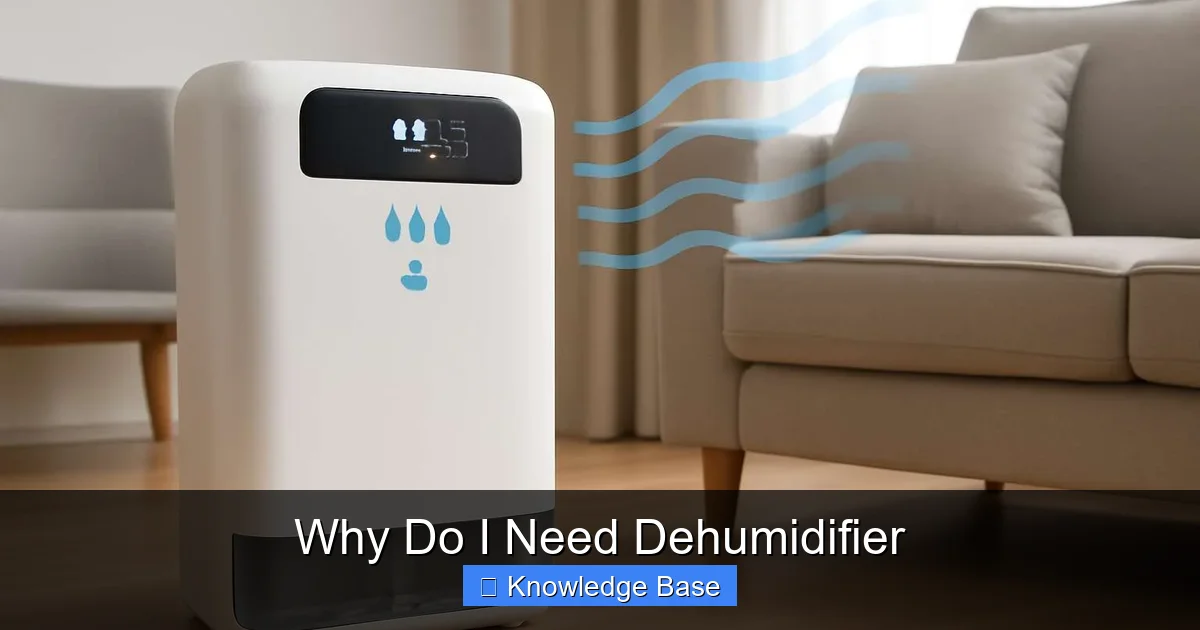
Visual guide about Why Do I Need Dehumidifier
Image source: dehumidifier.co.za
To understand why you need a dehumidifier, it helps to first understand how humidity works. Humidity refers to the amount of water vapor in the air. While some moisture is natural and healthy, too much can cause problems. The ideal indoor humidity level is between 30% and 50%. When humidity rises above 60%, it creates an environment where mold, mildew, and dust mites thrive.
Let’s break down the effects of high humidity:
Mold and Mildew Growth
Mold and mildew are fungi that grow in damp, dark places. They release spores into the air, which can trigger allergic reactions, respiratory issues, and even infections in sensitive individuals. Common signs of mold include black or green spots on walls, peeling paint, and a persistent musty odor. Once mold takes hold, it can be difficult and expensive to remove—especially if it spreads behind walls or under flooring.
A dehumidifier helps prevent mold by keeping humidity levels low. Without enough moisture in the air, mold spores can’t grow. This is especially important in areas like basements, bathrooms, laundry rooms, and crawl spaces—places that are naturally more prone to dampness.
Dust Mites and Allergens
Dust mites are microscopic creatures that live in household dust. They thrive in humid environments and feed on dead skin cells. While they don’t bite or sting, their waste products are a major allergen. People with allergies or asthma often experience sneezing, coughing, itchy eyes, and difficulty breathing when dust mite levels are high.
By reducing humidity, a dehumidifier makes your home less hospitable to dust mites. Studies show that keeping indoor humidity below 50% can significantly reduce dust mite populations. This means fewer allergens in the air and fewer symptoms for allergy sufferers.
Respiratory Health and Breathing Issues
High humidity doesn’t just affect allergens—it can also make it harder to breathe. When the air is thick with moisture, it feels heavier and more difficult to inhale. This can be especially challenging for people with asthma, COPD, or other respiratory conditions.
Additionally, damp air can encourage the growth of bacteria and viruses, increasing the risk of infections. A dehumidifier helps create a cleaner, drier environment that supports better lung function and overall respiratory health.
Unpleasant Odors and Stale Air
Have you ever noticed a “wet sock” smell in a rarely used closet or basement? That’s the result of stagnant, humid air. High moisture levels prevent proper air circulation and allow odors to linger. Over time, these smells can become embedded in fabrics, carpets, and furniture.
A dehumidifier helps eliminate musty odors by removing the moisture that causes them. It also improves air circulation, making your home feel fresher and more inviting.
Protecting Your Home’s Structure and Belongings
Your home is one of your biggest investments—and excess humidity can slowly damage it over time. From warped wood to peeling paint, the effects of high moisture levels can be both costly and hard to reverse.
Damage to Walls, Floors, and Ceilings
When humidity is too high, moisture can seep into walls, floors, and ceilings. This can cause drywall to soften and crumble, paint to bubble and peel, and wood to warp or rot. In basements and crawl spaces, prolonged dampness can weaken structural supports, leading to foundation issues.
A dehumidifier helps maintain stable moisture levels, protecting your home’s integrity. By keeping humidity in check, you reduce the risk of costly repairs and extend the life of your building materials.
Furniture and Upholstery Damage
Wood furniture, leather sofas, and fabric upholstery are all vulnerable to high humidity. Wood can swell, crack, or develop mold. Leather can become sticky or grow mildew. Fabrics may develop odors or stains from moisture buildup.
Using a dehumidifier in living areas, bedrooms, and storage spaces helps preserve your furniture. It’s especially important in homes with antique or high-value pieces that are sensitive to environmental changes.
Electronics and Appliances
Electronics don’t mix well with moisture. High humidity can cause condensation inside devices, leading to short circuits, corrosion, and permanent damage. This is a common issue in basements, garages, and laundry rooms where dehumidifiers are often used.
By maintaining a dry environment, a dehumidifier helps protect TVs, computers, gaming consoles, and other electronics. It also extends the life of appliances like washing machines and dryers, which can be affected by excess moisture in the air.
Books, Art, and Collectibles
If you’re a book lover, artist, or collector, you know how important it is to store items properly. High humidity can cause paper to yellow, ink to bleed, and artwork to warp. Musical instruments like guitars and pianos are also sensitive to moisture changes.
A dehumidifier in a home office, library, or storage room helps preserve these valuable items. It creates a stable environment where your treasures can last for years—or even generations.
Improving Comfort and Energy Efficiency
Beyond health and protection, a dehumidifier can make your home more comfortable and energy-efficient. Many people don’t realize that humidity affects how temperature feels. Even if your thermostat says 72°F, high humidity can make the air feel much warmer and stickier.
Feeling Cooler Without Cranking the AC
When the air is dry, sweat evaporates more easily from your skin, making you feel cooler. In humid conditions, sweat doesn’t evaporate as quickly, so you feel hotter and more uncomfortable. This often leads people to lower their thermostat, increasing energy use and utility bills.
A dehumidifier helps by reducing moisture in the air. This allows you to feel cooler at higher thermostat settings. For example, you might be able to raise your AC from 72°F to 76°F and still feel comfortable. Over time, this can lead to significant energy savings.
Reducing Condensation and Dampness
Have you ever seen water droplets on windows, mirrors, or cold surfaces? That’s condensation—and it’s a sign of high indoor humidity. Condensation can damage window frames, encourage mold growth, and make surfaces slippery.
A dehumidifier reduces condensation by lowering the moisture content in the air. This keeps windows clear, prevents water damage, and makes your home feel drier and more comfortable.
Better Sleep and Relaxation
High humidity can disrupt sleep. Stuffy, damp air makes it harder to breathe and can cause night sweats or discomfort. People often wake up feeling sticky or unrested.
Using a dehumidifier in the bedroom creates a more relaxing environment. Dry, cool air promotes better sleep quality, helping you wake up refreshed and energized.
When and Where to Use a Dehumidifier
Now that you know why you need a dehumidifier, the next question is: where and when should you use one? The answer depends on your home, climate, and lifestyle.
Basements and Crawl Spaces
Basements are the most common place for dehumidifiers. They’re often below ground level, poorly ventilated, and prone to dampness. Even if you don’t see standing water, basements can have high humidity due to groundwater seepage or poor drainage.
A dehumidifier in the basement helps prevent mold, protects stored items, and improves air quality throughout the home. For best results, choose a model with a built-in pump or continuous drainage option so you don’t have to empty the tank daily.
Bathrooms and Laundry Rooms
Bathrooms and laundry rooms generate a lot of moisture from showers, baths, and washing machines. Without proper ventilation, this moisture can linger in the air and cause problems.
Consider using a small, portable dehumidifier in these areas—especially if you don’t have an exhaust fan. Run it during and after showers or laundry cycles to keep humidity under control.
Closets and Storage Areas
Closets, especially walk-in or enclosed ones, can trap moisture and develop musty smells. This is common in humid climates or during summer months.
A compact dehumidifier or even moisture-absorbing products (like silica gel packs) can help. For larger closets, a small electric dehumidifier can keep clothes, shoes, and accessories dry and fresh.
Whole-House vs. Portable Dehumidifiers
There are two main types of dehumidifiers: portable and whole-house.
Portable dehumidifiers are affordable, easy to move, and ideal for single rooms or small spaces. They’re great for basements, bathrooms, or bedrooms.
Whole-house dehumidifiers are installed as part of your HVAC system and treat the entire home. They’re more expensive but offer consistent humidity control and require less maintenance.
Choose based on your needs. If you have a damp basement, a portable unit may be enough. If your entire home feels humid, a whole-house system might be worth the investment.
Choosing the Right Dehumidifier for Your Needs
Not all dehumidifiers are created equal. To get the best results, you need to choose the right size, type, and features for your space.
Size and Capacity
Dehumidifiers are rated by how many pints of moisture they can remove in 24 hours. For example, a 30-pint unit removes 30 pints of water per day.
To choose the right size:
– Small spaces (under 500 sq. ft.): 20–30 pints
– Medium spaces (500–1,500 sq. ft.): 30–50 pints
– Large spaces (over 1,500 sq. ft.): 50+ pints
Also consider the humidity level. If your basement is very damp, choose a higher-capacity model.
Energy Efficiency
Look for dehumidifiers with the ENERGY STAR label. These models use less electricity and save money over time. Check the energy factor (liters of water removed per kilowatt-hour)—higher is better.
Drainage Options
Most dehumidifiers have a water tank that needs to be emptied regularly. For convenience, choose a model with:
– Continuous drainage (hose attachment)
– Built-in pump (for pumping water to a sink or drain)
– Auto-shutoff when the tank is full
Additional Features
Modern dehumidifiers come with helpful features like:
– Humidistat (lets you set your desired humidity level)
– Auto-defrost (prevents ice buildup in cold temperatures)
– Timer and remote control
– Air filter (improves air quality)
These features make operation easier and more effective.
Maintenance Tips for Long-Term Performance
To keep your dehumidifier working well, regular maintenance is key. Here’s how to care for it:
Clean the Air Filter
The air filter captures dust and debris. Clean it every 2–4 weeks with water or a vacuum. A dirty filter reduces efficiency and can cause the unit to overheat.
Empty the Water Tank
If your model doesn’t have continuous drainage, empty the tank daily or as needed. Rinse it with mild soap to prevent mold or bacteria buildup.
Check for Ice Buildup
In cold environments, the coils can freeze. If you see ice, turn off the unit and let it thaw. Use the auto-defrost feature if available.
Inspect the Coils and Drain Hose
Once a year, check the coils for dust and the drain hose for clogs. Clean as needed to ensure proper airflow and drainage.
Store Properly Off-Season
If you only use your dehumidifier in summer, clean it thoroughly before storing. Keep it in a dry place to prevent damage.
Conclusion: A Smart Investment for Health and Comfort
So, why do you need a dehumidifier? The answer is clear: it protects your health, preserves your home, and improves your quality of life. Whether you’re dealing with mold, musty smells, or just feeling uncomfortable in humid weather, a dehumidifier can make a big difference.
It’s not just for basements or rainy climates—any home can benefit from better humidity control. By maintaining moisture levels between 30% and 50%, you create a cleaner, healthier, and more comfortable living environment.
Investing in a dehumidifier is an investment in your well-being. It helps you breathe easier, sleep better, and live in a home that’s free from dampness and damage. With so many benefits, it’s easy to see why a dehumidifier is more than just an appliance—it’s a necessity for modern living.
Frequently Asked Questions
Do I really need a dehumidifier if I have air conditioning?
Yes, you may still need one. While air conditioners remove some moisture, they aren’t designed to control humidity as effectively as dehumidifiers. In humid climates or damp areas, a dehumidifier provides better moisture control and comfort.
Can a dehumidifier help with allergies?
Absolutely. Dehumidifiers reduce dust mites, mold, and other allergens by lowering humidity. This can significantly improve symptoms for people with allergies or asthma.
How often should I run my dehumidifier?
Run it continuously during humid seasons or in damp areas. Use a humidistat to maintain 30–50% humidity. In dry months, you may only need it occasionally.
Will a dehumidifier increase my electricity bill?
It uses electricity, but energy-efficient models are affordable to run. The savings from reduced AC use and prevented damage often offset the cost.
Can I use a dehumidifier in winter?
Yes, but only if the room stays above 65°F. Most dehumidifiers have auto-defrost and work best in moderate temperatures. Avoid using in unheated spaces.
How do I know if my home is too humid?
Signs include condensation on windows, musty smells, mold growth, and a sticky feeling in the air. Use a hygrometer to measure humidity levels.