
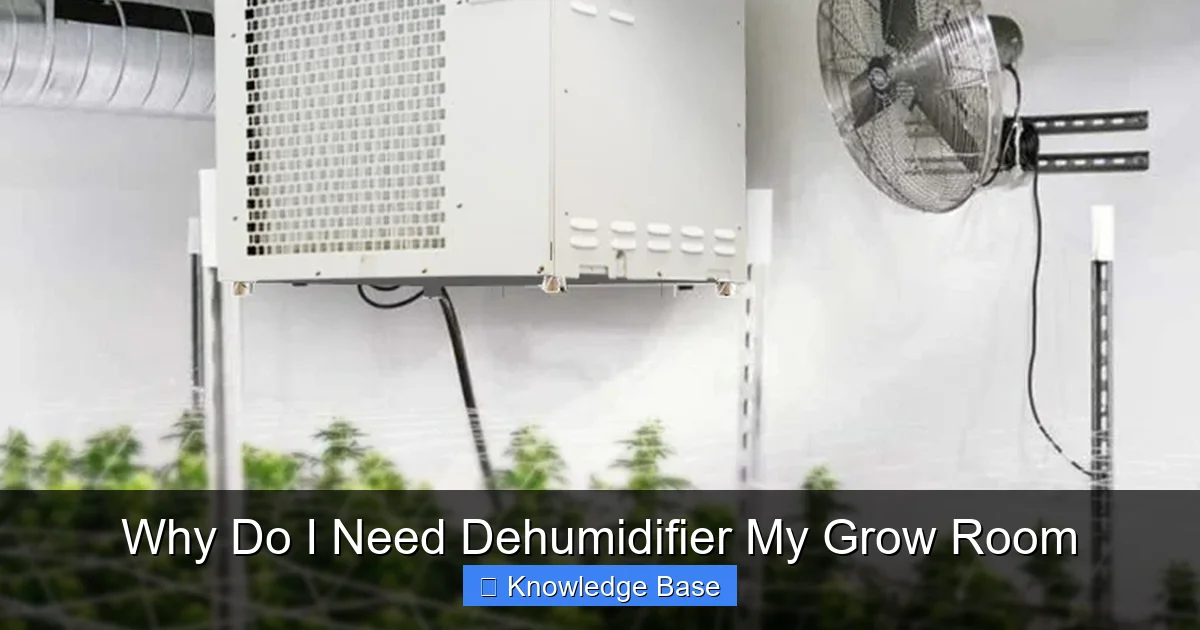
Maintaining the right humidity level in your grow room is crucial for healthy plant growth and high yields. A dehumidifier helps prevent mold, mildew, and root rot while creating an optimal environment for photosynthesis and nutrient uptake.
Key Takeaways
- Prevents Mold and Mildew: High humidity creates a breeding ground for harmful fungi; a dehumidifier keeps moisture levels in check.
- Protects Plant Health: Excess moisture stresses plants, leading to stunted growth and disease—dehumidifiers reduce these risks.
- Improves Air Quality: Lower humidity means better airflow and reduced risk of pests like spider mites and fungus gnats.
- Enhances Nutrient Absorption: Balanced humidity supports healthy root systems and efficient nutrient uptake.
- Boosts Yield and Quality: Plants grown in controlled environments produce more potent, flavorful, and resin-rich harvests.
- Supports All Growth Stages: From seedling to flowering, different phases require specific humidity—dehumidifiers help maintain precision.
- Energy Efficiency Matters: Modern dehumidifiers are designed to save power while delivering consistent performance.
📑 Table of Contents
- Why Do I Need a Dehumidifier in My Grow Room?
- Understanding Humidity in the Grow Room
- The Hidden Dangers of Excess Moisture
- How a Dehumidifier Works in a Grow Room
- Humidity Needs by Growth Stage
- Energy Efficiency and Cost Considerations
- Alternatives and Complementary Tools
- Real-World Examples and Grower Tips
- Conclusion
Why Do I Need a Dehumidifier in My Grow Room?
If you’re serious about growing healthy, high-yielding plants—whether it’s cannabis, tomatoes, herbs, or exotic orchids—you’ve probably already invested in grow lights, ventilation systems, and nutrient solutions. But there’s one piece of equipment that often gets overlooked, even by experienced growers: the dehumidifier. You might be asking, “Why do I need a dehumidifier in my grow room?” The short answer? Because humidity is one of the most critical—and often misunderstood—factors in indoor gardening.
Plants thrive in specific environmental conditions, and humidity plays a starring role. Too little moisture in the air can cause leaves to dry out and stunt growth. But too much? That’s where trouble begins. Excess humidity creates the perfect storm for mold, mildew, pests, and root diseases—all of which can ruin your crop in just a few days. A dehumidifier acts like a silent guardian, quietly pulling excess moisture from the air and maintaining the ideal balance your plants crave.
Think of your grow room as a mini-ecosystem. Every element—light, temperature, CO₂, and humidity—must work in harmony. When one gets out of whack, the whole system suffers. A dehumidifier doesn’t just remove water vapor; it helps regulate the entire environment, giving your plants the best chance to flourish. Whether you’re growing in a basement, garage, or dedicated indoor space, controlling humidity is non-negotiable for success.
Understanding Humidity in the Grow Room
Visual guide about Why Do I Need Dehumidifier My Grow Room
Image source: preair.com
Before we dive into why you need a dehumidifier, let’s break down what humidity actually is and why it matters so much. Humidity refers to the amount of water vapor present in the air. In gardening terms, we usually talk about relative humidity (RH), which is the percentage of moisture in the air compared to the maximum it can hold at a given temperature.
For example, if the RH is 60%, the air is holding 60% of the moisture it could potentially hold at that temperature. Plants interact with this moisture constantly—through their leaves via transpiration and through their roots via water uptake. When humidity is too high, plants can’t release moisture efficiently, which slows down transpiration and nutrient flow. When it’s too low, they lose water too quickly and may wilt or dry out.
Different plants have different ideal humidity ranges, but most indoor crops prefer a RH between 40% and 70%, depending on their growth stage. Seedlings and clones, for instance, love higher humidity (around 65–70%) to prevent drying out. But as plants mature and enter the vegetative and flowering stages, they need lower humidity—typically 40–50%—to avoid mold and promote resin production.
The problem? Indoor grow spaces, especially enclosed ones, tend to trap moisture. Water from irrigation, evaporation from soil, and even the plants themselves (through transpiration) all add to the humidity load. Without proper ventilation or moisture control, RH can spike quickly—sometimes reaching 80% or higher. That’s when problems start.
How Plants Respond to High Humidity
When humidity is too high, plants struggle to regulate their internal water balance. Transpiration—the process by which plants release water vapor through tiny pores called stomata—slows down or stops. This might sound harmless, but it has serious consequences.
First, reduced transpiration means reduced nutrient uptake. Water movement through the plant is driven by evaporation from the leaves. If the air is already saturated with moisture, water doesn’t evaporate as easily, so the roots stop pulling in nutrients. This leads to nutrient deficiencies, even if you’re feeding your plants properly.
Second, high humidity creates a cozy environment for pathogens. Fungi like powdery mildew, botrytis (gray mold), and root rot thrive in damp, stagnant conditions. These diseases can spread rapidly, especially in dense canopies where air circulation is poor. Once mold takes hold, it’s incredibly difficult to eradicate—and it can destroy an entire crop.
Third, high humidity encourages pests. Spider mites, fungus gnats, and thrips are all attracted to moist environments. Fungus gnats, for example, lay their eggs in wet soil, and their larvae feed on root systems, weakening the plant from below.
The Role of Temperature and Humidity
Temperature and humidity are closely linked. Warm air holds more moisture than cool air. So, if your grow room is hot, the air can carry more water vapor—which means RH can rise quickly, even if you’re not adding extra water.
This is why monitoring both temperature and humidity is essential. A hygrometer (a device that measures humidity) is a must-have tool in any grow room. Many modern grow tents and environmental controllers come with built-in sensors, but it’s always good to have a standalone unit as a backup.
As a general rule, for every 20°F increase in temperature, the air can hold about twice as much moisture. So, if your room is 70°F with 60% RH, and the temperature climbs to 90°F, the same amount of water vapor would result in a much lower RH—around 30%. But if you’re also watering plants and running humidifiers, the actual moisture content increases, and RH can still spike.
This is where a dehumidifier becomes invaluable. It doesn’t just respond to current conditions—it helps maintain a stable environment, regardless of external factors like weather, watering schedules, or lighting cycles.
The Hidden Dangers of Excess Moisture
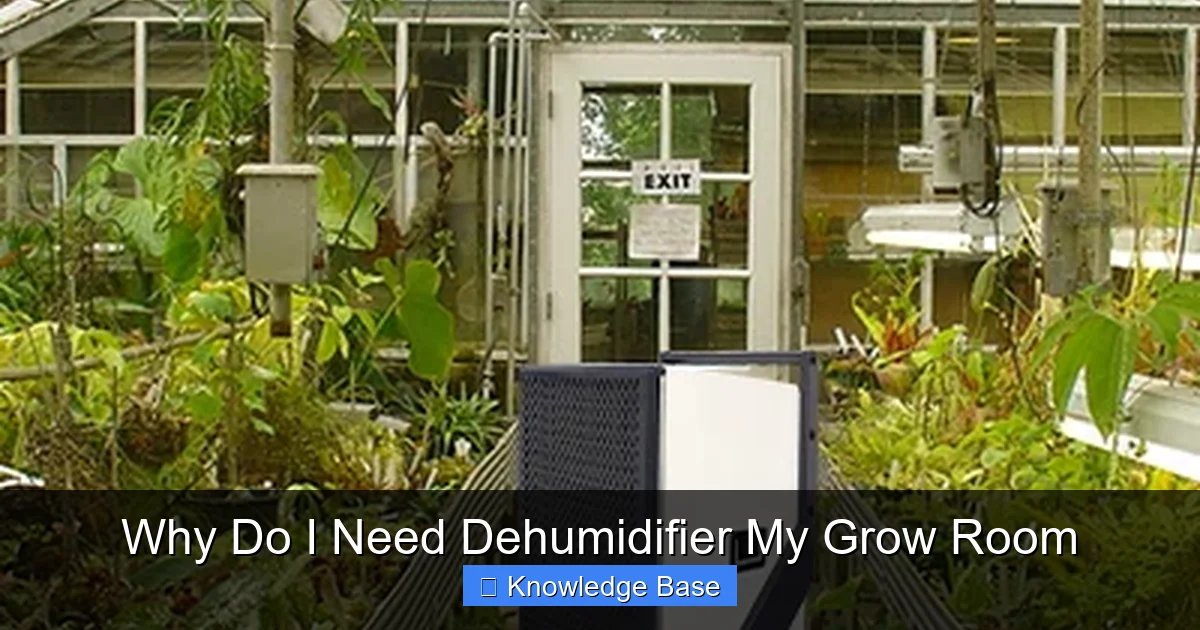
Visual guide about Why Do I Need Dehumidifier My Grow Room
Image source: preair.com
You might think a little extra moisture isn’t a big deal—after all, plants need water, right? But in an enclosed grow space, even small amounts of excess humidity can lead to big problems. Let’s look at the most common issues caused by high moisture levels.
Mold and Mildew Outbreaks
Powdery mildew is one of the most dreaded words in the grower’s vocabulary. This fungal disease appears as white, powdery spots on leaves and stems. It spreads quickly in humid, poorly ventilated areas and can decimate a crop in days.
Gray mold (botrytis) is even more destructive. It starts as small brown spots but quickly turns into a fuzzy, gray growth that rots plant tissue. It’s especially dangerous during the flowering stage, when dense buds create microclimates of high humidity.
Both of these fungi thrive when RH exceeds 60% for extended periods. A dehumidifier keeps humidity in the safe zone, making it much harder for mold to take hold.
Root Rot and Overwatering Symptoms
Root rot is another silent killer. It’s caused by fungi like Pythium and Fusarium, which flourish in wet, oxygen-deprived soil. While overwatering is a common cause, high humidity also contributes by reducing transpiration. When plants don’t release water through their leaves, the roots stay saturated longer, creating ideal conditions for rot.
Symptoms include yellowing leaves, wilting (even when soil is wet), and a foul smell from the roots. Once root rot sets in, recovery is difficult—often requiring replanting.
A dehumidifier helps by encouraging healthy transpiration, which keeps the root zone drier and more oxygenated.
Pest Infestations
High humidity is a magnet for pests. Fungus gnats lay their eggs in moist soil, and their larvae feed on roots. Spider mites prefer dry, warm conditions—but they often appear in humid environments where plants are stressed and less able to defend themselves.
Aphids and thrips are also more prevalent in unbalanced environments. By maintaining proper humidity, you reduce plant stress and make your grow room less inviting to these invaders.
Poor Air Circulation and Stagnant Air
Even with fans running, high humidity can lead to stagnant air pockets—especially in dense canopies. These microclimates trap moisture and create hotspots for mold and pests.
A dehumidifier works alongside your ventilation system to keep air moving and moisture levels even. It’s not a replacement for fans, but a powerful complement.
How a Dehumidifier Works in a Grow Room
Now that you understand the risks of high humidity, let’s talk about how a dehumidifier actually works—and why it’s so effective.
Most dehumidifiers used in grow rooms are refrigerant-based. Here’s how they function:
1. **Air Intake:** A fan pulls humid air from the grow room into the unit.
2. **Cooling Coils:** The air passes over cold coils, causing moisture to condense into water droplets.
3. **Water Collection:** The collected water drips into a reservoir or is drained via a hose.
4. **Reheating:** The now-dry air passes over warm coils and is reheated to room temperature.
5. **Air Output:** Dry air is blown back into the room.
This cycle repeats continuously, lowering the overall humidity level.
Some advanced models use desiccant technology, which absorbs moisture using a drying agent (like silica gel). These are quieter and work better in cooler temperatures, but they’re usually more expensive.
Choosing the Right Size Dehumidifier
Not all dehumidifiers are created equal. The size you need depends on several factors:
– **Room Size:** Larger spaces require more powerful units. A 50-pint dehumidifier might be fine for a 4×4 tent, but a 70-pint or higher model is better for a 10×10 room.
– **Plant Density:** More plants = more transpiration = more moisture. Dense canopies generate significant humidity.
– **Watering Frequency:** Frequent watering increases evaporation, raising RH.
– **Ventilation:** Poor airflow means moisture lingers longer, requiring a stronger dehumidifier.
– **Climate:** If you live in a humid region (like Florida or the Pacific Northwest), you’ll need a more robust unit.
As a rule of thumb, aim for a dehumidifier that can remove at least 1 pint of water per 10 square feet of grow space per day. But always check the manufacturer’s specs and consider your specific conditions.
Placement and Maintenance Tips
Where you place your dehumidifier matters. For best results:
– Position it in the center of the room or near the most humid area (often near the canopy).
– Keep it away from walls and obstructions to ensure proper airflow.
– Elevate it slightly if possible—moist air tends to sink.
Maintenance is simple but essential:
– Empty the water tank regularly (or use a drain hose for continuous drainage).
– Clean the air filter every 2–4 weeks to prevent dust buildup.
– Wipe down coils and vents to maintain efficiency.
– Check for mold or mildew inside the unit—yes, even dehumidifiers can get moldy if neglected!
Humidity Needs by Growth Stage
One of the biggest mistakes growers make is using the same humidity level throughout the entire grow cycle. But plants have different needs at each stage. A dehumidifier gives you the flexibility to adjust RH as your plants grow.
Seedling and Cloning Stage (65–70% RH)
Young plants and clones have underdeveloped root systems and are highly susceptible to drying out. High humidity helps them stay hydrated while they establish roots.
At this stage, you might not need a dehumidifier—unless your environment is excessively humid. But as plants grow, you’ll need to gradually lower RH.
Vegetative Stage (50–60% RH)
During veg, plants focus on leaf and stem growth. They’re actively transpiring, so moderate humidity supports healthy development.
This is when a dehumidifier becomes useful, especially if you’re watering frequently or have a lot of plants. Aim to keep RH between 50% and 60% to prevent mold while supporting growth.
Flowering Stage (40–50% RH)
This is the most critical phase for humidity control. As buds form and swell, they create dense structures that trap moisture. High humidity here is a recipe for mold.
Lowering RH to 40–50% reduces the risk of botrytis and encourages resin production, leading to denser, more potent flowers.
Many growers use a dehumidifier 24/7 during flowering, especially in the final weeks when buds are largest.
Late Flowering and Harvest (30–40% RH)
In the last 1–2 weeks before harvest, some growers drop RH even further—to 30–40%—to speed up drying and reduce the chance of mold during curing.
This is optional, but it can improve the final product’s quality and shelf life.
Energy Efficiency and Cost Considerations
Let’s be honest—running a dehumidifier adds to your electricity bill. But the cost is often outweighed by the benefits: healthier plants, higher yields, and fewer losses from disease.
Modern dehumidifiers are much more energy-efficient than older models. Look for units with:
– **Energy Star certification**
– **Adjustable humidity settings**
– **Auto-shutoff when the tank is full**
– **Timer functions**
– **Low-wattage operation**
A typical 50-pint dehumidifier uses about 500–700 watts per hour. Running it 12 hours a day might cost $15–$25 per month, depending on your electricity rate. That’s a small price to pay to protect a $1,000+ crop.
You can reduce costs by:
– Using a hygrometer to run the dehumidifier only when needed.
– Pairing it with a smart controller that automates on/off cycles.
– Insulating your grow room to minimize humidity fluctuations.
Alternatives and Complementary Tools
While a dehumidifier is the most effective solution, it’s not the only tool in your arsenal. Here are some complementary strategies:
– **Exhaust Fans:** Remove humid air and bring in fresh, drier air.
– **Air Circulation Fans:** Keep air moving to prevent stagnant pockets.
– **Humidity Controllers:** Automate your dehumidifier and humidifier based on sensor readings.
– **Hygrometers:** Monitor RH levels in real time.
– **Sealed Grow Tents:** Reduce moisture exchange with the outside environment.
Used together, these tools create a stable, optimized environment that maximizes plant health and yield.
Real-World Examples and Grower Tips
Let’s look at a few real-world scenarios where a dehumidifier made all the difference.
**Case 1: The Basement Grow**
Sarah grows cannabis in her basement, which is naturally cool and damp. Without a dehumidifier, her RH hovered around 75%, and she lost two crops to mold. After installing a 70-pint dehumidifier and a humidity controller, she maintained 45% RH during flowering and harvested her best yield yet.
**Case 2: The Garage Setup**
Mike grows tomatoes in his uninsulated garage. In summer, temperatures soared, and humidity spiked after watering. His plants developed powdery mildew. He added a dehumidifier and a small AC unit, stabilizing the environment and doubling his harvest.
**Pro Tip:** Use a data logger to track humidity and temperature over time. This helps you identify patterns and adjust your setup before problems arise.
Conclusion
So, why do you need a dehumidifier in your grow room? Because humidity control is not optional—it’s essential. From preventing mold and pests to supporting healthy growth and maximizing yield, a dehumidifier is one of the smartest investments you can make as a grower.
It’s not just about removing moisture; it’s about creating a balanced, stable environment where your plants can thrive. Whether you’re growing for personal use or profit, the right humidity level can mean the difference between a failed crop and a bountiful harvest.
Don’t wait until you see the first signs of mold or wilting. Be proactive. Monitor your humidity, adjust as needed, and let a dehumidifier do the heavy lifting. Your plants—and your future harvests—will thank you.
Frequently Asked Questions
Do I really need a dehumidifier if I have good ventilation?
Yes, even with strong ventilation, moisture from plants and watering can overwhelm airflow. A dehumidifier provides precise humidity control that fans alone can’t achieve.
Can I use a regular household dehumidifier in my grow room?
Yes, many household dehumidifiers work well in grow rooms. Just ensure it’s the right size, has adjustable settings, and can handle the humidity load.
What’s the ideal humidity for flowering plants?
Most flowering plants prefer 40–50% relative humidity. Lower levels (30–40%) can be used in the final weeks to reduce mold risk.
How often should I empty the dehumidifier tank?
Check daily during peak humidity. Use a drain hose for continuous drainage to avoid frequent emptying.
Will a dehumidifier dry out my plants?
No, if set correctly. It removes excess moisture from the air, not the soil. Plants still get water through their roots.
Can I run a dehumidifier 24/7?
Yes, especially during flowering. Use a humidity controller to automate it and save energy when levels are stable.