
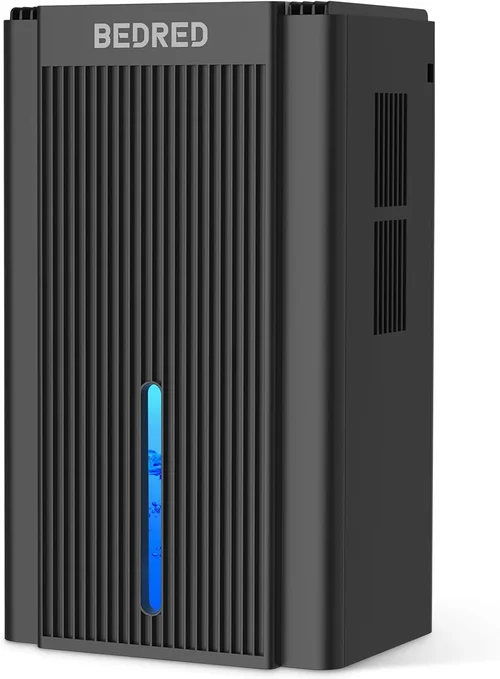
If you’ve ever walked into a room that feels sticky, smells musty, or notices condensation on your windows, you’re dealing with excess humidity. For spaces around 1000 square feet—like a basement, large bedroom, garage, or even an open-concept living area—a reliable dehumidifier isn’t just a luxury; it’s a necessity. High humidity levels can trigger mold growth, damage furniture and electronics, worsen allergies, and make your home feel uncomfortably clammy—even when the temperature is just right. That’s why choosing the right dehumidifier for a 1000 sq ft space is so important. With so many models on the market, each boasting different capacities, features, and price points, it’s easy to feel overwhelmed. This guide cuts through the noise to help you make a smart, informed decision.
In this comprehensive buying guide, you’ll learn everything you need to know about selecting the best 1000 sq ft dehumidifier in 2026. We’ll walk you through the key factors that truly matter—like pint capacity, energy efficiency, noise levels, and smart features—so you can match your specific needs to the right machine. You’ll also discover common pitfalls to avoid, understand how much you should realistically spend, and get expert tips on where and when to buy. Whether you’re tackling a damp basement, protecting a home office from moisture damage, or simply trying to breathe easier, this guide will arm you with the knowledge to choose a dehumidifier that delivers consistent performance, durability, and value.
The market for residential dehumidifiers has evolved significantly in recent years. Advances in compressor technology, smart home integration, and eco-friendly refrigerants have made today’s units more efficient and user-friendly than ever. However, not all dehumidifiers are created equal—especially when it comes to coverage area. A unit rated for “up to 1000 sq ft” might struggle in high-humidity environments or poorly insulated spaces. That’s why understanding real-world performance, not just manufacturer claims, is crucial. By the end of this guide, you’ll know exactly what to look for, which brands stand out, and how to get the most bang for your buck—without overspending on features you don’t need.

What to Look for When Buying a 1000 Sq Ft Dehumidifier
1. Pint Capacity and Moisture Removal Rate
The most critical specification for any dehumidifier is its moisture removal rate, measured in pints per day (PPD). For a 1000 sq ft space, you’ll typically need a unit capable of removing between 30 and 50 pints of moisture daily, depending on humidity levels. Light dampness (like in a well-ventilated basement) may only require a 30-pint model, while severe dampness or flooding recovery could demand a 50-pint or higher capacity. Always check the AHAM (Association of Home Appliance Manufacturers) rating, which tests performance under standardized conditions (80°F and 60% relative humidity). Avoid relying solely on manufacturer claims, as some brands inflate numbers under ideal lab settings that don’t reflect real-world use.
2. Energy Efficiency and Operating Costs
Dehumidifiers can be energy hogs, especially if run continuously. Look for models with the ENERGY STAR® certification, which indicates they use 15–30% less energy than standard units. The energy factor (liters of water removed per kilowatt-hour) is another useful metric—higher is better. For example, a unit with an energy factor of 2.0 removes 2 liters of water per kWh, while one at 1.5 removes less. Over time, this difference adds up. A 50-pint ENERGY STAR model might cost $30–$50 annually to operate, whereas a non-certified unit could double that. Also consider units with auto-humidistats and timers, which reduce runtime by only activating when needed.
3. Humidity Control and Sensor Accuracy
Precise humidity control is essential for maintaining a healthy indoor environment. Most quality dehumidifiers include a built-in humidistat that lets you set your desired relative humidity (RH) level—ideally between 30% and 50%. Cheaper models may have inaccurate sensors or limited adjustability (e.g., only “low,” “medium,” “high” settings). Look for digital displays with 1% RH increments and calibration options. Some premium units even feature dual sensors—one inside the unit and one remote—to ensure readings reflect actual room conditions, not just the air near the intake grill.
4. Noise Level and Placement Flexibility
Noise matters, especially if the dehumidifier will be in or near living spaces. Measured in decibels (dB), most residential units range from 45 dB (quiet library) to 60 dB (normal conversation). For bedrooms or offices, aim for under 50 dB. Compressor-based models tend to be louder than thermoelectric ones, but they’re also more effective in cooler temperatures. Check if the unit has multiple fan speeds—low speed is quieter but slower at drying. Also consider placement: front- or top-discharge designs allow you to position the unit against a wall, while side-discharge models need clearance. Wheels and handles improve portability, which is helpful if you plan to move it between rooms.
5. Drainage Options and Maintenance Requirements
Emptying a full water bucket every day is tedious and easy to forget. That’s why drainage flexibility is a game-changer. Most dehumidifiers include a built-in bucket (typically 1–2 gallons) with an auto-shutoff feature when full. But for continuous operation, look for models with a hose connection for gravity drainage or built-in condensate pumps. Gravity drainage requires a floor drain or sink nearby, while pump-equipped units can push water vertically up to 15 feet—ideal for basements without drains. Maintenance-wise, washable air filters are a must; replaceable HEPA or activated carbon filters add cost but improve air quality. Avoid units with hard-to-reach components or proprietary parts.
6. Build Quality and Durability
A dehumidifier is a long-term investment, so don’t skimp on build quality. Look for sturdy casings (preferably metal or high-impact plastic), sealed compressors, and corrosion-resistant coils—especially important in damp environments like basements. Internal components should be well-protected from dust and moisture ingress. Check user reviews for reports of leaks, compressor failure, or control panel issues. Brands known for reliability include Frigidaire, hOmeLabs, GE, and AprilAire. Avoid ultra-cheap models from unknown brands; they often use inferior materials and lack proper safety certifications (like UL or ETL listing).
7. Smart Features and Connectivity
Modern dehumidifiers increasingly offer smart capabilities. Wi-Fi connectivity allows you to monitor and control humidity levels via smartphone apps (e.g., Frigidaire’s app or GE’s SmartHQ). Some models integrate with Alexa or Google Assistant for voice control. Features like filter change alerts, scheduling, and remote diagnostics add convenience. While not essential, these can be valuable if you travel frequently or want real-time alerts if the unit stops working. Just ensure the app is reliable—some have poor reviews for connectivity issues or limited functionality.
8. Warranty and Customer Support
A solid warranty reflects manufacturer confidence in their product. Most reputable brands offer at least a 1-year limited warranty, with some extending to 2–5 years on compressors or sealed systems. Read the fine print: labor costs, parts coverage, and exclusions (like damage from improper installation) vary widely. Check if the company provides U.S.-based customer support and has a track record of responsive service. Online forums and review sites like Reddit or Consumer Reports can reveal patterns of poor support or warranty denials. A good warranty paired with accessible support can save you hundreds in repair costs down the line.
Different Types of 1000 Sq Ft Dehumidifiers

For a 1000 sq ft space, compressor-based models are usually the best choice due to their high moisture removal rates and affordability. Desiccant units shine in colder environments but remove less moisture overall. Whole-house systems are overkill unless you’re integrating with HVAC. Mini dehumidifiers simply lack the capacity for this size area. Heat pump models offer a middle ground with excellent efficiency but may cost more upfront.
Common Buying Mistakes to Avoid
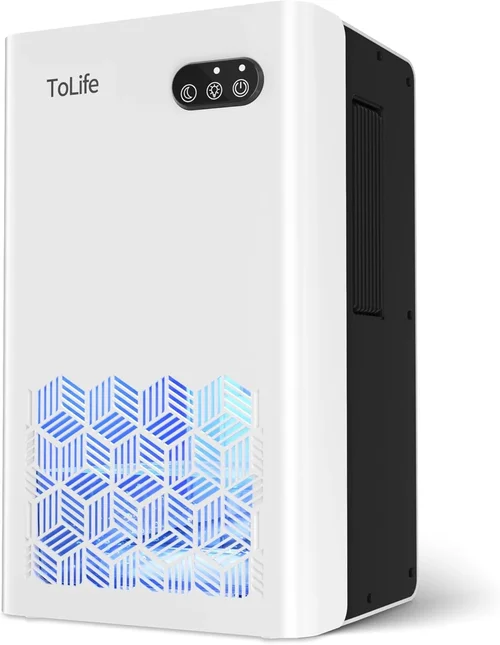
❌ Mistake: Buying Based Solely on Square Footage Claims
Why it’s bad: Many manufacturers advertise coverage based on “ideal” conditions that don’t reflect real homes. A unit rated for “1000 sq ft” might only handle 500 sq ft in a humid basement with poor airflow.
What to do instead: Prioritize pint capacity and AHAM ratings over square footage. Match the PPD to your humidity level—not just room size.
❌ Mistake: Ignoring Drainage Needs
Why it’s bad: Constantly emptying a bucket is inconvenient and can lead to overflow if forgotten, causing water damage.
What to do instead: Choose a model with continuous drainage (hose outlet or pump) if you can’t empty the bucket daily. Even basic gravity drainage saves time.
❌ Mistake: Overlooking Noise Levels
Why it’s bad: A loud dehumidifier can disrupt sleep, work, or relaxation—especially in open-plan homes.
What to do instead: Check decibel ratings and read user reviews about noise. Opt for units with “quiet mode” or low-speed fan settings.
❌ Mistake: Skipping ENERGY STAR Certification
Why it’s bad: Non-certified units consume more electricity, increasing your utility bill and environmental impact.
What to do instead: Always look for the ENERGY STAR label. The upfront cost difference is usually offset within a year or two.
❌ Mistake: Choosing the Cheapest Option
Why it’s bad: Budget models often have poor build quality, inaccurate sensors, and short lifespans—leading to higher long-term costs.
What to do instead: Invest in a mid-range model from a reputable brand. It’ll last longer, perform better, and save money on repairs.
❌ Mistake: Not Checking Warranty Terms
Why it’s bad: A “1-year warranty” might exclude the compressor—the most expensive part to replace.
What to do instead: Read warranty details carefully. Look for coverage on major components and confirm if labor is included.
❌ Mistake: Assuming All Smart Features Are Useful
Why it’s bad: Some Wi-Fi apps are buggy or offer minimal functionality, adding cost without value.
What to do instead: Only pay extra for smart features if you’ll actually use them. Basic models with good core performance are often better value.
Budget Guidelines: How Much Should You Spend?
– Entry-Level ($150–$250): These are basic compressor or desiccant units with limited features. Expect smaller buckets, manual controls, and higher noise levels. Suitable for light dampness in well-ventilated spaces. Brands like Eva-Dry or Ivation offer affordable options, but durability may be questionable.
– Mid-Range ($250–$400): This is the sweet spot for most homeowners. You’ll find ENERGY STAR-certified models with digital humidistats, continuous drainage, washable filters, and decent warranties. Top performers like the hOmeLabs 4,500 Sq. Ft or Frigidaire FFAD5033W1 fall here—offering 50-pint capacity, quiet operation, and reliable performance.
– Premium ($400–$600): These units include advanced features like built-in pumps, dual humidity sensors, smart connectivity, and superior build quality. Ideal for high-humidity basements, flood recovery, or allergy sufferers. Models from AprilAire or GE often include 5-year compressor warranties and robust customer support.
– Luxury ($600+): Reserved for whole-house systems or commercial-grade portable units. These integrate with HVAC, offer app-based zoning, and include professional installation. Only necessary for large properties, historic homes, or severe moisture issues.
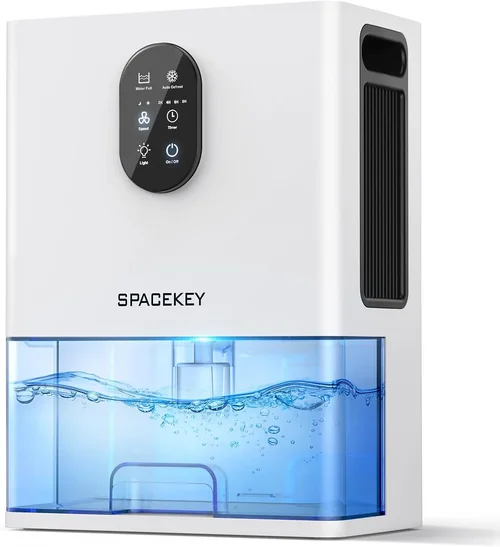
Expert Tips for Getting the Best Deal
– Buy in Spring or Early Summer: Demand peaks in humid months, so retailers discount older models in March–May. You’ll find the best deals before the rainy season hits.
– Shop Online for Better Selection: Websites like Amazon, Home Depot, and Lowe’s offer detailed specs, user reviews, and frequent promotions. In-store displays often lack critical info like noise levels or energy factors.
– Check for Rebates: Many utility companies offer rebates for ENERGY STAR dehumidifiers—sometimes $50–$100 off. Visit the ENERGY STAR rebate finder tool to see what’s available in your area.
– Compare Total Cost of Ownership: Factor in electricity usage, filter replacements, and potential repairs. A slightly pricier efficient model can save hundreds over its lifespan.
– Read Recent User Reviews: Look for reviews from the past 6–12 months. Older reviews may not reflect current manufacturing quality or software updates.
– Test Return Policies: Ensure the retailer offers at least a 30-day return window. Some brands (like hOmeLabs) include free returns, while others charge restocking fees.
– Consider Certified Refurbished: Reputable sellers like Amazon Renewed or manufacturer outlets sell tested, warrantied units at 20–40% off retail.
– Bundle with Other Purchases: Some retailers offer discounts when you buy a dehumidifier with an air purifier or humidifier. Not always cheaper, but worth checking.

Frequently Asked Questions
Q: Can a 50-pint dehumidifier handle 1000 sq ft?
A: Yes, but it depends on humidity levels. A 50-pint unit is ideal for moderately to severely damp 1000 sq ft spaces like basements. For lightly damp areas, a 30-pint model may suffice. Always check the AHAM rating, not just the marketing label.
Q: Should I run my dehumidifier continuously?
A: Not necessarily. Use the built-in humidistat to maintain 30–50% RH. Most units cycle on/off automatically. Continuous running wastes energy and may over-dry the air, causing discomfort or static electricity.
Q: Do dehumidifiers cool the room?
A: Slightly—they remove latent heat from moisture, which can make the air feel cooler. However, they generate heat from the compressor, so net effect is usually minimal warming. They’re not substitutes for air conditioners.
Q: How often should I clean the filter?
A: Every 2–4 weeks during heavy use. A clogged filter reduces airflow, lowers efficiency, and can cause the unit to freeze up. Most filters are washable—just rinse with water and let dry.
Q: Can I use a dehumidifier in winter?
A: Compressor models struggle below 60°F and may ice up. Desiccant units work better in cold temps. If using in an unheated garage or cabin, choose a desiccant or low-temperature compressor model.
Q: Is a built-in pump worth it?
A: Absolutely, if you lack a floor drain. Pumps allow vertical drainage up to 15 feet, making them perfect for basements or elevated installations. Expect to pay $50–$100 more, but it’s a worthwhile investment.
Q: Do dehumidifiers help with mold?
A: Yes—by keeping RH below 50%, they prevent mold spores from thriving. However, they won’t remove existing mold. Clean visible mold first, then use the dehumidifier to prevent recurrence.
Q: How long do dehumidifiers last?
A: Quality units last 5–10 years with proper maintenance. Compressor lifespan is the main limiting factor. Regular cleaning and avoiding extreme temperatures extend longevity.
Q: Can I move my dehumidifier between rooms?
A: Yes, if it has wheels and a handle. Just ensure the new location has proper drainage or bucket access. Avoid moving while the unit is running or immediately after shutdown—wait 10–15 minutes to prevent oil surge in the compressor.
Q: Are smart dehumidifiers secure?
A: Reputable brands use encrypted connections and regular firmware updates. Avoid unknown brands with vague privacy policies. Disable Wi-Fi if you’re concerned about data collection.
Our Final Recommendations
– Best for Budget-Conscious Buyers: hOmeLabs 30 Pint Dehumidifier – At under $200, it offers solid performance for light to moderate dampness, includes a washable filter, and has a 2-year warranty. Great for apartments or seasonal use.
– Best Overall Value: Frigidaire FFAD5033W1 50 Pint Dehumidifier – ENERGY STAR certified, quiet (47 dB), with continuous drainage, digital controls, and a 1-year warranty. Consistently rated as a top performer for 1000 sq ft basements.
– Best Premium Option: AprilAire E080 Pro 80-Pint Dehumidifier – Overkill for most, but unmatched for severe moisture or whole-house integration. Features a built-in pump, 5-year warranty, and professional-grade build. Ideal for flood zones or high-end homes.
– Best for Beginners: GE APER50LZ 50 Pint Dehumidifier – Simple interface, reliable performance, and excellent customer support. Includes a 1-year warranty and easy-to-use controls—perfect for first-time buyers.
– Best for Advanced Users: hOmeLabs 50 Pint Smart Dehumidifier – Wi-Fi enabled with app control, voice compatibility, and precise humidity tracking. Offers the same core performance as non-smart models but with added convenience for tech-savvy users.
Conclusion: Making the Right Choice
Choosing the right dehumidifier for a 1000 sq ft space doesn’t have to be complicated—but it does require attention to detail. Focus on pint capacity, energy efficiency, drainage options, and real-world performance rather than flashy marketing claims. Remember, the cheapest option isn’t always the best value, and the most expensive model may include features you’ll never use. By prioritizing your specific needs—whether that’s quiet operation for a bedroom, continuous drainage for a basement, or smart controls for remote monitoring—you’ll find a unit that keeps your home comfortable, healthy, and protected from moisture damage for years to come.
Take the time to compare models, read recent reviews, and consider total cost of ownership. And don’t forget to check for rebates and seasonal sales—you could save significantly without sacrificing quality. With the insights from this guide, you’re now equipped to make a confident, informed decision. Your home—and your lungs—will thank you.