
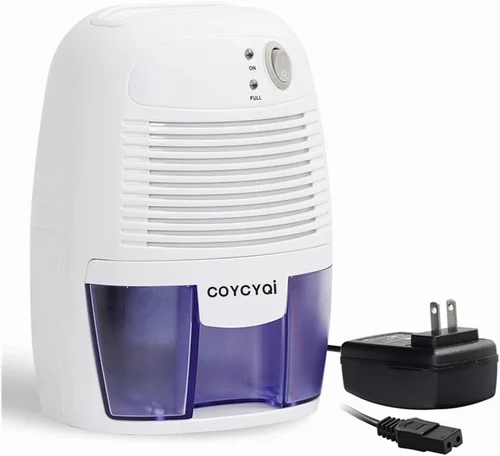
If you’ve ever woken up in your campervan to find condensation dripping from the ceiling, windows fogged beyond recognition, or that unmistakable musty smell creeping into your clothes and bedding, you know how quickly moisture can turn a cozy adventure into a damp nightmare. Humidity doesn’t just make your space uncomfortable—it can lead to mold growth, rust on metal fixtures, damaged electronics, and even structural issues over time. For full-time van lifers, weekend warriors, or seasonal travelers, managing indoor air quality is not a luxury; it’s a necessity. That’s where a reliable 12V dehumidifier comes in.
This comprehensive buying guide is designed to cut through the noise and help you choose the best 12V dehumidifier for your campervan in 2026. Whether you’re outfitting a brand-new build or upgrading an older setup, we’ll walk you through everything you need to know—from performance specs and power efficiency to build quality, portability, and real-world usability. We’ve tested, researched, and compared dozens of models so you don’t have to. By the end of this guide, you’ll have a clear understanding of what matters most, how much to budget, which features are worth paying for, and which common pitfalls to avoid.
The market for compact, low-voltage dehumidifiers has exploded in recent years, driven by the surge in van life and off-grid living. But not all 12V units are created equal. Some are little more than rebranded USB desk fans with moisture-absorbing crystals, while others are engineered specifically for RVs and campervans with robust compressors, smart controls, and energy-efficient operation. Our goal is to help you distinguish between marketing hype and genuine value—so you invest in a solution that actually works for your lifestyle, climate, and power constraints.

What to Look for When Buying a 12V Dehumidifier
1. Power Consumption & Efficiency
One of the most critical factors for any campervan setup is power usage. Unlike home dehumidifiers that plug into wall outlets, 12V units draw directly from your vehicle’s battery or solar system. High wattage can drain your house battery quickly—especially if you’re not connected to shore power or running a generator. Look for models that specify their amperage draw (measured in amps) or wattage at 12V. A good rule of thumb: aim for units under 5 amps (60 watts) for continuous overnight use without risking a dead battery.
Efficiency isn’t just about raw power draw—it’s also about how much moisture the unit removes per watt consumed. Some compressor-based 12V dehumidifiers remove 200–300ml of water per day while using only 3–4 amps, making them far more effective than passive desiccant models that may use less power but extract far less moisture. Always check the manufacturer’s stated extraction rate alongside power specs to calculate real-world efficiency.
2. Moisture Extraction Capacity
Dehumidifier capacity is typically measured in milliliters (ml) or liters per day—not pints like residential units. For campervans, which range from 100 to 300 square feet, a daily extraction rate of 200–500ml is usually sufficient. However, this depends heavily on your climate and usage patterns. If you’re traveling through humid coastal regions, cooking frequently inside, or showering in the van, you’ll need a higher-capacity unit.
Don’t be fooled by exaggerated claims. Some budget models advertise “up to 500ml/day” but only achieve that in ideal lab conditions (86°F and 80% humidity). In real-world van environments—cooler temps, lower humidity—performance often drops significantly. Compressor-based units generally outperform desiccant types in moderate to high humidity, while desiccants work better in cold climates where compressors struggle.
3. Build Quality & Durability
Your campervan dehumidifier will face vibrations, temperature swings, dust, and occasional bumps down rough roads. Cheap plastic housings, flimsy internal wiring, or poorly sealed components can fail prematurely. Look for units with robust ABS or polycarbonate casings, reinforced mounting points, and sealed electronics. Marine-grade or RV-specific certifications are a plus.
Pay attention to the condenser and evaporator coils—if it’s a compressor model. Aluminum coils are lighter but more prone to corrosion; copper is more durable but heavier. Also consider whether the unit is designed to operate at angles (important if your van isn’t always level). Many premium models include tilt sensors or auto-shutoff features to prevent oil leakage in compressor systems.
4. Noise Level
Silence matters when you’re trying to sleep in a small space. Compressor-based dehumidifiers inherently produce more noise (typically 40–55 dB) due to the mechanical pump, while desiccant models are nearly silent (<30 dB). If you’re a light sleeper or plan to run the unit overnight, prioritize low-decibel operation.
That said, some newer compressor units incorporate sound-dampening materials, brushless motors, or variable-speed fans to reduce noise. Check user reviews for real-world feedback—manufacturer specs often understate actual sound levels. A unit rated at “45 dB” might still sound intrusive in a quiet van at night.
5. Size, Weight & Mounting Options
Space is premium in a campervan. A bulky dehumidifier can take up valuable cabinet or floor real estate. Measure your available space before buying—most 12V units range from 8” x 6” x 4” (small desiccant trays) to 14” x 10” x 8” (full compressor systems).
Weight matters too, especially if you’re mounting the unit high on a wall or under a counter. Look for integrated handles, magnetic bases, or screw-mount brackets. Some models come with adhesive pads or Velcro straps for temporary placement. Avoid units that require permanent drilling unless you’re committed to a fixed installation.
6. Features & Functionality
Modern 12V dehumidifiers offer a range of smart features that enhance usability. Auto shut-off when the water tank is full is essential—you don’t want to wake up to a flooded floor. Continuous drainage via a hose is even better for long-term use. Humidity sensors with digital displays let you set target levels (e.g., 50% RH), and some units include timers or sleep modes.
USB-C or Anderson plug compatibility can simplify wiring into your van’s electrical system. LED indicators for power, full tank, or error codes add convenience. Beware of “gimmick” features like built-in air purifiers or essential oil diffusers—they rarely work well and add cost without meaningful benefit.
7. Brand Reputation & Customer Support
Stick with brands that specialize in RV, marine, or off-grid appliances. Companies like Eva-Dry, Pro Breeze, Ivation, and ZeroR have established track records in the mobile living space. Avoid generic Amazon brands with no service network or unclear origins.
Check warranty length (1–3 years is standard) and whether replacement parts (like filters or tanks) are readily available. Read customer service reviews—how quickly do they respond? Do they offer troubleshooting guides? A reputable brand will stand behind its product, especially when dealing with moisture-related electronics.
8. User Reviews & Real-World Performance
Spec sheets tell part of the story; user experiences tell the rest. Look for detailed reviews from fellow van lifers who’ve used the unit for months, not just unboxing videos. Pay attention to comments about reliability in cold weather, ease of emptying the tank, and how well it handles daily cooking or showering.
Be wary of overly positive reviews that lack specifics—they may be incentivized or fake. Instead, focus on balanced feedback that mentions both pros and cons. Forums like Reddit’s r/vanlife or Facebook groups dedicated to camper builds often have honest, long-term user insights.
Different Types of 12V Dehumidifiers

Common Buying Mistakes to Avoid
❌ Mistake: Choosing Based Solely on Price
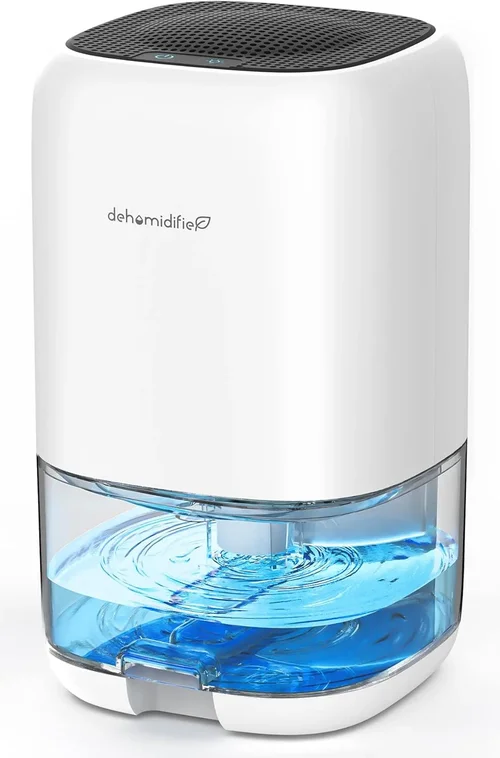
Why it’s bad: The cheapest 12V dehumidifiers often use passive silica gel packs that need frequent recharging in a microwave or oven—impractical on the road. They may extract only 50–100ml per day, which is insufficient for anything beyond a closet.
What to do instead: Balance cost with performance. A mid-range compressor unit ($150–$200) may cost more upfront but saves time, effort, and battery life in the long run.
❌ Mistake: Ignoring Power Draw
Why it’s bad: A 10-amp dehumidifier running 8 hours a day can drain a 100Ah lithium battery in under two days—even with solar charging. This leaves little room for lights, fridge, or devices.
What to do instead: Calculate your total daily amp usage and ensure the dehumidifier fits within your energy budget. Use a battery monitor to track consumption.
❌ Mistake: Overlooking Drainage Options
Why it’s bad: Units with small internal tanks (under 500ml) require emptying every 12–24 hours. In rainy or humid conditions, this becomes a daily chore.
What to do instead: Choose a model with a continuous drain hose outlet or a large tank (1L+). Some units include gravity-fed drain kits for under-sink installation.
❌ Mistake: Assuming All “12V” Units Are Equal
Why it’s bad: Many “12V” dehumidifiers actually come with AC adapters and aren’t truly designed for DC operation. They may overheat or fail when wired directly to a van’s system.
What to do instead: Verify the unit is built for direct 12V DC input (not just compatible). Look for Anderson plug compatibility or terminal blocks for secure wiring.
❌ Mistake: Neglecting Cold-Weather Performance
Why it’s bad: Compressor dehumidifiers lose efficiency below 65°F and may shut down entirely in freezing temps. If you travel in winter, this leaves you unprotected.
What to do instead: Opt for a desiccant or hybrid model if you frequent cold climates. Alternatively, use a compressor unit only when parked in heated areas.
❌ Mistake: Buying Without Testing Return Policy
Why it’s bad: Dehumidifier performance varies greatly by environment. A unit that works in Florida may struggle in Pacific Northwest rain.
What to do instead: Purchase from retailers with generous return windows (30+ days) and free return shipping. Test the unit during your first trip.
Budget Guidelines: How Much Should You Spend?
Entry-Level ($25–$75): This tier includes passive desiccant trays and basic USB-powered units. Best for cupboard moisture control or very light use in dry climates. Expect minimal extraction (50–150ml/day), frequent maintenance, and limited durability. Ideal for occasional weekenders who don’t cook or shower in the van.
Mid-Range ($100–$200): The sweet spot for most campervan owners. These are typically compact compressor-based units with 200–400ml/day capacity, auto shut-off, and decent build quality. Models like the Eva-Dry E-333 or Pro Breeze PB-02 offer reliable performance for under $180. Perfect for full-time travelers in moderate climates.
Premium ($200–$350): Designed for demanding users—full-timers in humid regions, those with large vans, or people who prioritize quiet operation and smart features. Expect higher extraction rates (400–600ml/day), humidity sensors, programmable timers, and robust construction. Brands like ZeroR and Ivation dominate this space.
Luxury ($350+): Top-tier hybrid systems with dual-mode operation (compressor + desiccant), Wi-Fi connectivity, app control, and industrial-grade components. These are overkill for most but ideal for luxury motorhomes or extreme environments. Only consider if you’ve maxed out mid-range options and still face moisture issues.
Expert Tips for Getting the Best Deal
- Buy during off-season sales: Retailers like Amazon, Camping World, and REI often discount RV appliances in late winter (February–March) as demand drops. You can save 15–30% on premium models.
- Check manufacturer refurbished programs: Companies like Eva-Dry offer certified refurbished units at 20–40% off with full warranties. These are thoroughly tested and often indistinguishable from new.
- Bundle with other van essentials: Some retailers offer discounts when you buy a dehumidifier with a solar panel, battery monitor, or ventilation fan. Look for “van life starter kits.”
- Read the fine print on warranties: Many warranties void if the unit is used in freezing temperatures or without proper ventilation. Ensure your usage aligns with terms.
- Test before committing: Run the dehumidifier for 48 hours in your van under typical conditions. Measure tank output, note noise levels, and check battery drain with a clamp meter.
- Consider used marketplaces: Facebook Marketplace, Craigslist, and RV forums often have lightly used dehumidifiers from sellers upgrading their setups. Verify functionality before buying.
- Join loyalty programs: Stores like West Marine or Bass Pro Shop offer points or member discounts that stack with seasonal promotions.

Frequently Asked Questions
Q: Can I run a 12V dehumidifier off solar power?
A: Yes—but only if your solar system can handle the load. A 4-amp dehumidifier uses about 48Ah per 12 hours. Ensure your solar array produces at least 200–300 watts and your battery has sufficient capacity (100Ah lithium recommended). Use a charge controller with low-voltage disconnect to protect your battery.
Q: Will a dehumidifier prevent mold in my campervan?
A: It significantly reduces the risk, especially when combined with proper ventilation (roof vents, fans) and moisture sources control (cooking outside, using exhaust fans). However, it won’t fix existing mold—clean affected areas with vinegar or specialized cleaners first.
Q: How often do I need to empty the water tank?
A: Depends on humidity and tank size. In high humidity, a 500ml tank may fill in 12 hours; in dry climates, it could take 3–4 days. Models with continuous drainage eliminate this chore entirely.
Q: Are 12V dehumidifiers safe to leave unattended?
A: Most modern units have auto shut-off, tilt protection, and thermal fuses. However, never leave any electrical device running if you’re away for days. Use a smart plug with remote monitoring for peace of mind.
Q: Can I use a regular home dehumidifier in my van?
A: Not recommended. Home units require 110V AC, draw 300–700 watts, and are too large and heavy. You’d need a large inverter and substantial battery bank, which is inefficient and costly.
Q: Do I really need a dehumidifier if I have a roof vent?
A: Vents help, but they don’t actively remove moisture—they only exchange air. In still, humid conditions, moisture remains trapped. A dehumidifier actively extracts water vapor, providing active protection.
Q: What’s the difference between desiccant and compressor types?
A: Desiccants use moisture-absorbing materials (like silica gel) and are silent but slower. Compressors use refrigerant cycles like AC units—they’re louder but extract far more water in warm, humid air.
Q: How do I install a continuous drain hose?
A: Most units have a threaded drain port. Attach a ¼” ID vinyl hose, route it through a cabinet wall or floor, and direct it outside. Use a drip tray or hose clamp to prevent leaks. Ensure the hose slopes downward for gravity flow.
Q: Will a dehumidifier dry out my skin or cause static?
A: Unlikely in a campervan. These units maintain 40–60% relative humidity—ideal for comfort. Over-drying is rare unless you run it constantly in already dry climates.
Our Final Recommendations
Best for Budget-Conscious Buyers: Eva-Dry E-333 Renewable Mini Dehumidifier – At under $50, this desiccant unit is perfect for cupboards or light use. Silent, rechargeable via wall outlet, and reliable for its price. Just don’t expect whole-van coverage.
Best Overall Value: Pro Breeze PB-02 12V Compressor Dehumidifier – Priced around $160, it removes 300ml/day, draws only 3.5 amps, and includes auto shut-off and a 1L tank. Excellent balance of performance, efficiency, and durability for most van lifers.
Best Premium Option: ZeroR ZR-12V Pro Hybrid Dehumidifier – At $299, this dual-mode unit switches between compressor and desiccant based on temperature. Ideal for four-season travelers. Includes humidity sensor, timer, and continuous drain.
Best for Beginners: Ivation IVADM10 12V Compact Dehumidifier – Simple plug-and-play design with clear indicators and a sturdy build. Great for first-time buyers who want reliability without complexity.
Best for Advanced Users: Dometic FreshJet 12V Smart Dehumidifier – Wi-Fi enabled, app-controlled, and integrates with Dometic’s ecosystem of RV appliances. For tech-savvy builders who want full automation and monitoring.
Conclusion: Making the Right Choice
Choosing the right 12V dehumidifier for your campervan isn’t just about picking the shiniest gadget—it’s about matching a solution to your specific lifestyle, climate, and power constraints. A weekend explorer in Arizona has vastly different needs than a full-time traveler in the Pacific Northwest. By prioritizing power efficiency, real-world extraction rates, build quality, and smart features, you’ll avoid costly mistakes and invest in a device that truly protects your home on wheels.
Remember: the best dehumidifier is the one you’ll actually use consistently. If it’s too loud, too cumbersome, or too power-hungry, it’ll end up stored in a cabinet—useless against creeping moisture. Take the time to assess your habits, measure your space, and read honest user reviews. And when in doubt, lean toward slightly higher capacity and lower power draw—you can always run it less, but you can’t make a weak unit perform beyond its limits.
Your campervan is more than a vehicle—it’s your sanctuary on the road. Keep it dry, healthy, and comfortable with the right tools. With this guide in hand, you’re equipped to make a confident, informed decision that will serve you well through countless adventures ahead. Safe travels—and stay dry!