
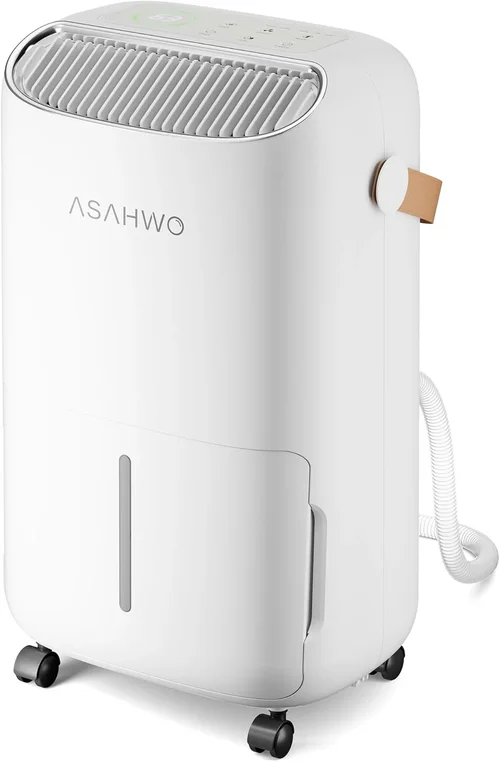
Dealing with excess moisture in your home isn’t just about comfort—it’s about health, safety, and protecting your property. Whether you’re battling musty odors in a basement, preventing mold growth in a laundry room, or simply trying to breathe easier during humid summer months, a reliable dehumidifier can make all the difference. Among the many sizes available, the 20-pint dehumidifier strikes an ideal balance for small to medium-sized spaces—typically covering areas between 500 and 1,000 square feet. It’s powerful enough to tackle moderate humidity issues without consuming excessive energy or taking up too much space.
This comprehensive buying guide is designed to cut through the noise and help you make a confident, informed decision. We’ll walk you through every critical factor—from performance specs and build quality to smart features and long-term reliability. You’ll learn how to match a unit to your specific needs, avoid common pitfalls, and get the best value for your money. Whether you’re a first-time buyer or upgrading from an older model, this guide equips you with expert-level knowledge to choose the right 20-pint dehumidifier for your home in 2026.
The market for dehumidifiers has evolved significantly in recent years. Advances in compressor technology, energy efficiency standards, and smart home integration have transformed these once-basic appliances into sophisticated climate control tools. Today’s 20-pint models offer features like auto-humidistats, continuous drainage options, washable filters, and even Wi-Fi connectivity. With so many options on the shelf—and online—it’s easy to feel overwhelmed. That’s why we’ve done the research, testing, and comparison work for you. By the end of this guide, you’ll know exactly what to look for, what to avoid, and which models truly deliver on their promises.

What to Look for When Buying a 20 Pint Dehumidifier
1. Performance Specifications
When evaluating any dehumidifier, performance specs are your first line of defense against disappointment. For a 20-pint unit, “20 pints” refers to the amount of moisture it can remove in a 24-hour period under standard testing conditions (typically 60% relative humidity at 80°F). However, real-world performance often varies based on ambient temperature and humidity levels. In cooler environments (below 65°F), refrigerant-based dehumidifiers may lose efficiency, while desiccant models maintain consistent output.
Look for units with clear AHAM (Association of Home Appliance Manufacturers) certification, which ensures standardized testing. Also check the pints-per-day rating at different temperatures—some manufacturers list higher capacities at 90°F, which may not reflect your actual usage. A good 20-pint model should maintain strong performance even in basements or garages where temperatures hover around 60–70°F. Additionally, consider the unit’s airflow rate (measured in CFM) and noise level (in decibels)—quieter operation (under 50 dB) is ideal for living spaces or bedrooms.
2. Energy Efficiency & Operating Costs
Energy consumption directly impacts your monthly utility bill and environmental footprint. The most efficient 20-pint dehumidifiers carry the ENERGY STAR® label, which means they use at least 15% less energy than standard models. Look for the Energy Factor (EF) rating—measured in liters of water removed per kilowatt-hour (L/kWh). A higher EF indicates better efficiency. For example, a unit with an EF of 1.8 is more efficient than one rated at 1.5.
To estimate annual operating costs, multiply the wattage by hours of use per day, then by your local electricity rate. Most 20-pint units draw between 300–500 watts. At 12 cents per kWh and 8 hours of daily use, that’s roughly $100–$175 per year. Over five years, that’s a significant difference—especially if you’re running the unit continuously during humid seasons. Prioritize models with auto-shutoff, humidity sensors, and eco-modes to minimize unnecessary runtime.
3. Tank Capacity & Drainage Options
A 20-pint dehumidifier typically includes a built-in water tank ranging from 7 to 12 pints. While this might seem counterintuitive (why not a 20-pint tank?), it’s designed for safety and convenience—larger tanks add bulk and increase spill risk. Most users empty the tank once or twice daily, depending on humidity levels.
However, for continuous operation—especially in basements or unattended areas—look for models with built-in hose connections for gravity drainage or optional condensate pumps. Gravity drainage requires a slight downward slope to a floor drain, sink, or sump pit. A condensate pump (often sold separately) allows vertical pumping up to 15 feet, ideal for elevated drains or tight spaces. Some premium models include auto-restart after power outages and full-tank shutoff to prevent overflows.
4. Build Quality & Durability
A dehumidifier is a long-term investment, so durability matters. Inspect the housing material: high-impact plastic resists cracks and fading better than thin ABS. Check the coil type—copper coils are more corrosion-resistant and efficient than aluminum, especially in damp environments. Sealed compressor systems reduce refrigerant leaks and extend lifespan.
Look for reinforced handles, smooth-rolling casters, and sturdy control panels. Internal components like fan motors and electronic boards should be well-protected from moisture ingress. Units with powder-coated steel frames or rust-resistant finishes are ideal for garages, crawl spaces, or coastal homes. Avoid models with flimsy latches, poorly sealed tanks, or exposed wiring—these are red flags for premature failure.
5. Features & Functionality
Modern 20-pint dehumidifiers come packed with features that enhance usability and automation. Essential functions include:
– Digital humidistat: Lets you set and maintain a target humidity level (ideally 30–50%).
– Auto-defrost: Prevents ice buildup on coils in cold environments.
– Timer: Schedule on/off cycles to match your routine.
– Filter indicator: Alerts you when the air filter needs cleaning.
– Washable filter: Saves money and reduces waste compared to disposable filters.
Advanced models may offer Wi-Fi connectivity (via apps like Frigidaire Smart or GE SmartHQ), voice control (Alexa/Google Assistant), or integration with smart thermostats. While not essential, these features add convenience—especially if you travel frequently or want remote monitoring. Avoid “feature bloat”: overly complex interfaces or gimmicky modes that you’ll never use.
6. Size, Weight & Portability
Even though 20-pint units are relatively compact, size and weight still matter—especially if you plan to move the unit between rooms or store it seasonally. Most weigh between 35 and 50 pounds and measure roughly 15″ W x 12″ D x 24″ H. Look for integrated handles and smooth-rolling casters (preferably locking) for easy mobility.
Consider clearance requirements: leave at least 6–8 inches of space around vents for optimal airflow. Some models are designed for vertical or horizontal placement, offering flexibility in tight spaces. If you’re placing it in a closet or under a workbench, check depth and access to controls. Lightweight models (<40 lbs) are easier to lift, but ensure they don’t sacrifice stability—tipping hazards are a real concern with top-heavy designs.
7. Brand Reputation & Reliability
Not all brands are created equal. Established manufacturers like Frigidaire, GE, Honeywell, and hOmeLabs have decades of experience and robust customer support networks. They also tend to use higher-quality components and offer better warranties. Emerging brands may offer lower prices, but often cut corners on materials or service.
Research brand history: How long have they been making dehumidifiers? Do they specialize in HVAC products? Check third-party reliability ratings from sources like Consumer Reports or J.D. Power. Brands with strong reputations typically have fewer reported issues with compressor failure, leaks, or electronic malfunctions. Also consider availability of replacement parts—can you easily find filters, pumps, or seals years down the line?
8. Warranty & Customer Support
A solid warranty is a strong indicator of manufacturer confidence. Most reputable brands offer at least a 1-year limited warranty, with some extending to 2 or even 5 years on compressors. Look for clear terms: what’s covered (parts, labor, shipping)? Is in-home service available? Are there exclusions for misuse or commercial use?
Customer support quality varies widely. Test responsiveness before buying: call the support line, send an email, or check online chat availability. Read recent reviews mentioning post-purchase service—delayed responses, unhelpful agents, or denied claims are warning signs. Brands with U.S.-based support centers and online troubleshooting guides (like video tutorials or FAQs) tend to provide better experiences.
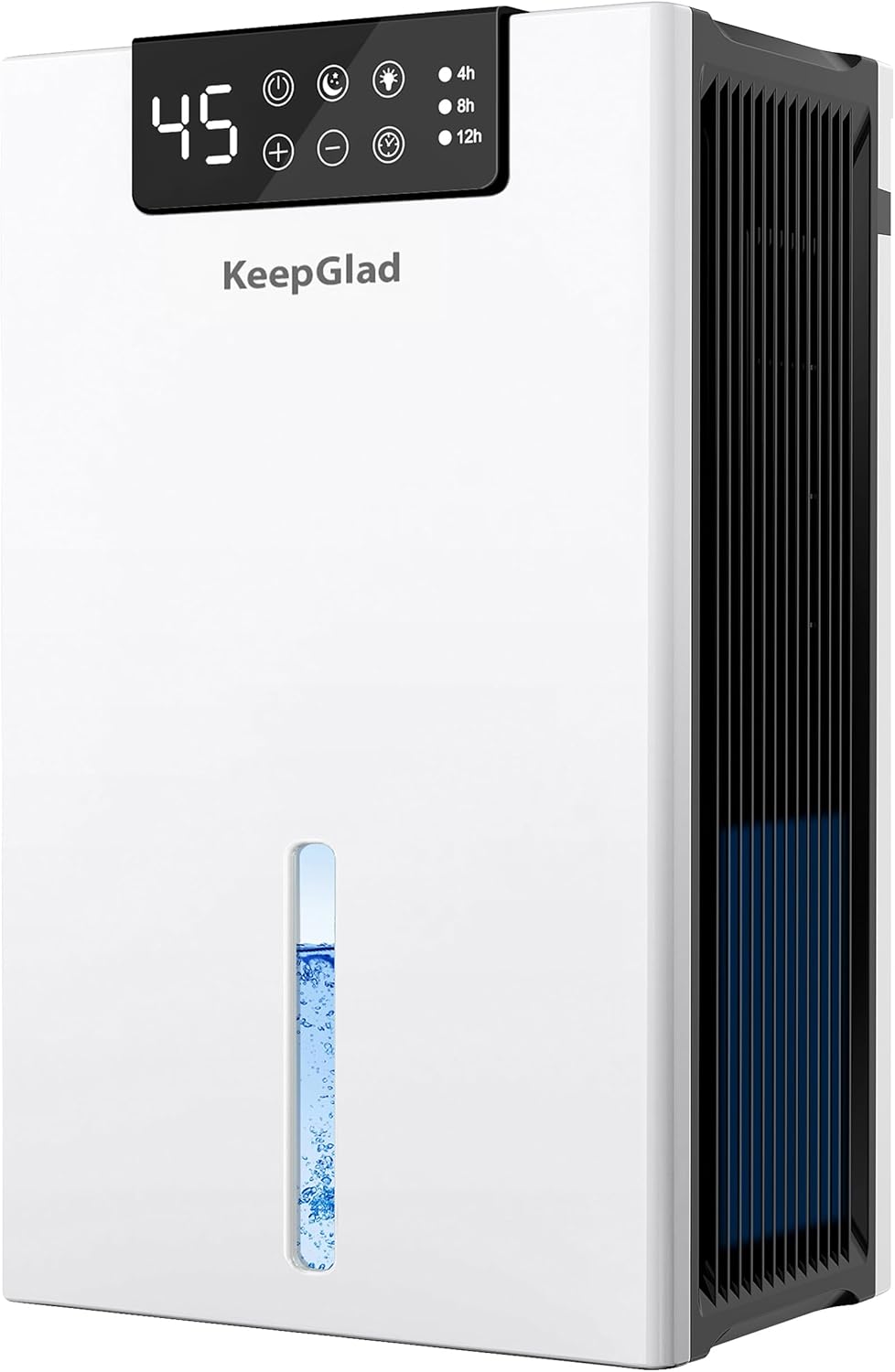
Different Types of 20 Pint Dehumidifiers
Common Buying Mistakes to Avoid
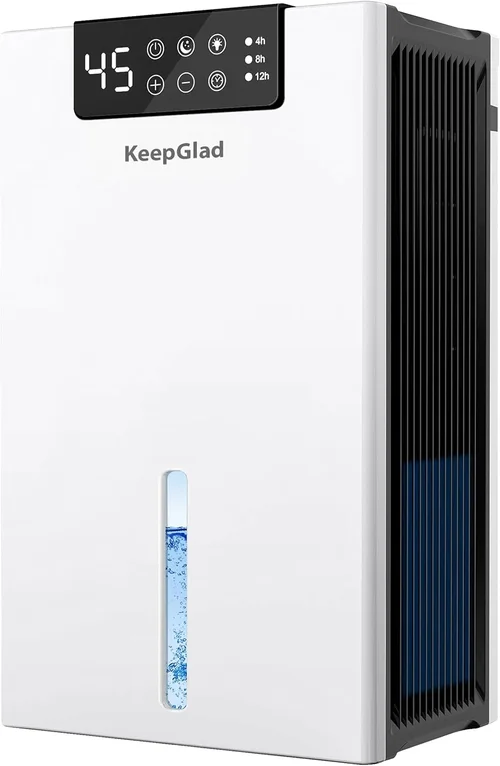
❌ Mistake: Ignoring Room Size and Humidity Level
Why it’s bad: A 20-pint dehumidifier is ideal for 500–1,000 sq ft with moderate humidity. Using it in a 200-sq-ft closet wastes energy, while placing it in a 1,500-sq-ft damp basement leads to inadequate moisture control and constant cycling.
What to do instead: Measure your space and assess humidity with a hygrometer. For high-humidity areas (>60% RH) or larger spaces, consider stepping up to a 30- or 50-pint model. Conversely, for small bathrooms or laundry closets, a 10–15 pint unit may suffice.
❌ Mistake: Overlooking Drainage Needs
Why it’s bad: Relying solely on manual tank emptying becomes tedious and risky—especially if you forget and the tank overflows, causing water damage.
What to do instead: If the unit will run unattended (e.g., in a basement), choose a model with a built-in drain hose connection. Invest in a condensate pump if drainage isn’t gravity-fed. Many modern units include quick-connect fittings for easy setup.
❌ Mistake: Prioritizing Price Over Efficiency
Why it’s bad: A $120 dehumidifier that draws 500 watts will cost more in electricity over three years than a $200 ENERGY STAR model using 350 watts.
What to do instead: Calculate total cost of ownership—not just purchase price. Use the ENERGY STAR Savings Calculator or check the yellow EnergyGuide label. Mid-range efficient models often offer the best long-term value.
❌ Mistake: Neglecting Maintenance Requirements
Why it’s bad: Clogged filters reduce airflow, strain the compressor, and increase energy use. Ignoring maintenance shortens lifespan and voids warranties.
What to do instead: Choose models with washable, easy-access filters. Set calendar reminders to clean the filter monthly and inspect coils annually. Keep the unit level to prevent tank leaks.
❌ Mistake: Buying Based Solely on “Pints Per Day”
Why it’s bad: Pints ratings are tested under ideal lab conditions. Real-world performance drops in cooler or less humid environments—especially for refrigerant models.
What to do instead: Check performance at lower temperatures (e.g., 60°F or 65°F). Desiccant or hybrid models maintain output better in cold spaces. Read user reviews mentioning actual performance in basements or garages.
❌ Mistake: Ignoring Noise Levels
Why it’s bad: A noisy unit (above 55 dB) can disrupt sleep, conversations, or work—especially in open-plan homes or bedrooms.
What to do instead: Look for decibel ratings in specs. Desiccant models are typically quieter (45–50 dB) than compressors (50–58 dB). Place the unit away from living areas if noise is a concern.
❌ Mistake: Skipping Warranty and Support Research
Why it’s bad: Compressor failures are common after 2–3 years. Without warranty coverage, repairs can cost nearly as much as a new unit.
What to do instead: Compare warranty lengths and terms before buying. Register your product immediately and keep receipts. Choose brands with accessible customer service and local repair centers.
Budget Guidelines: How Much Should You Spend?
Entry-Level ($120–$180): These budget models often lack advanced features like digital humidistats, auto-defrost, or ENERGY STAR certification. Build quality may be lower, with thinner plastic and basic controls. Ideal for occasional use in mild climates or small spaces. Expect higher noise levels and shorter lifespans (3–5 years). Examples include basic Frigidaire or Sunbeam models.
Mid-Range ($180–$280): This is the sweet spot for most homeowners. Units in this range typically offer ENERGY STAR efficiency, digital controls, auto-restart, and decent build quality. Many include washable filters, timer functions, and optional drainage. Reliable brands like hOmeLabs, Eva-Dry, and Tosot dominate this tier. Expect 5–7 year lifespans with proper maintenance.
Premium ($280–$400): Designed for demanding environments or tech enthusiasts. These models feature hybrid cooling systems, Wi-Fi connectivity, app control, and superior noise reduction. Look for extended warranties (2–5 years), stainless steel coils, and smart diagnostics. Ideal for basements, RVs, or whole-home integration. Brands like GE, Honeywell, and AprilAire excel here.
Luxury ($400+): Top-tier units with commercial-grade components, ultra-quiet operation (<45 dB), and advanced air purification (HEPA or UV filters). Often include built-in pumps, multi-stage filtration, and integration with home automation systems. Best for allergy sufferers, large properties, or professional use. Examples include high-end AprilAire or Santa Fe models.
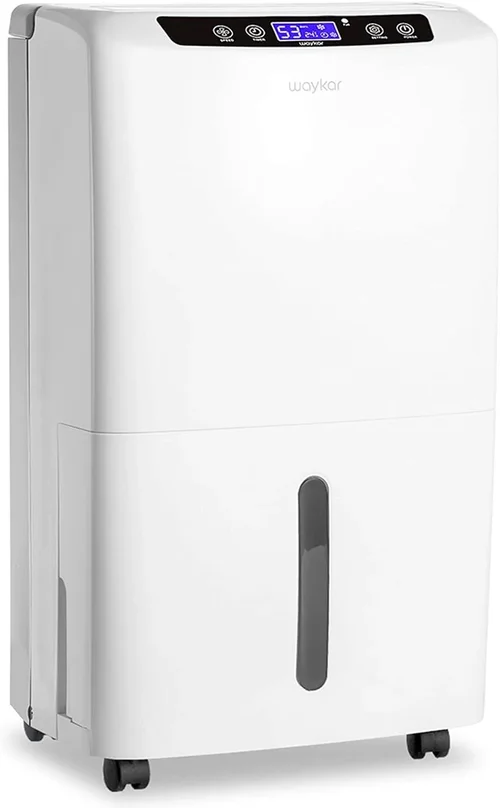
Expert Tips for Getting the Best Deal
– Buy during off-seasons: Prices drop significantly in late fall and winter (October–February) when demand is lowest. Retailers clear inventory before new models arrive in spring.
– Check warehouse clubs and outlet stores: Costco, Sam’s Club, and Home Depot Outlet often carry overstock or discontinued models at 20–30% off retail.
– Use price-tracking tools: Set alerts on Amazon, Google Shopping, or CamelCamelCamel to catch flash sales or coupon drops.
– Bundle with other purchases: Some retailers offer discounts when buying a dehumidifier with an air purifier, humidifier, or HVAC service.
– Verify return policies: Ensure you can return the unit within 30–60 days if it doesn’t meet expectations. Test it immediately upon delivery.
– Look for rebates: Utility companies sometimes offer rebates for ENERGY STAR dehumidifiers—check your provider’s website.
– Consider refurbished units: Certified refurbished models from reputable sellers (like manufacturer outlets) often come with full warranties and cost 25–40% less.
– Read recent reviews: Focus on feedback from the past 6–12 months, as product quality can change with new production batches.
Frequently Asked Questions
Q: Can a 20-pint dehumidifier handle a basement?
A: Yes, but only if the basement is under 1,000 sq ft with moderate humidity. For larger or very damp basements (e.g., with standing water or high condensation), consider a 30- or 50-pint model. Also ensure the basement temperature stays above 60°F for optimal refrigerant performance.
Q: How often should I empty the water tank?
A: It depends on humidity levels. In high-moisture environments, you may need to empty it daily. In drier conditions, every 2–3 days is typical. Models with full-tank alerts or continuous drainage eliminate this chore.
Q: Do I really need a dehumidifier if I have central AC?
A: Central AC removes some moisture, but not enough in humid climates or poorly insulated homes. Basements, garages, and crawl spaces often remain damp. A dedicated dehumidifier provides targeted control and prevents mold growth.
Q: Are desiccant dehumidifiers better than compressor types?
A: It depends on your climate. Desiccants work better in cold temperatures (<65°F) and are quieter, but they use more energy and cost more upfront. Compressors are more efficient in warm, humid conditions. Choose based on your environment.
Q: Can I run a dehumidifier 24/7?
A: Yes, but it’s unnecessary and wasteful. Most homes only need dehumidification during humid months or when humidity exceeds 50%. Use a humidistat to automate operation and save energy.
Q: Will a dehumidifier help with allergies?
A: Absolutely. By reducing moisture, it inhibits mold, dust mites, and mildew—common allergens. Pair it with an air purifier for maximum relief.
Q: How do I clean the filter?
A: Most washable filters can be rinsed under warm water and air-dried. Avoid soap or harsh chemicals. Clean monthly or when the filter indicator lights up.
Q: What’s the ideal humidity level for my home?
A: Between 30% and 50%. Levels above 50% promote mold and pests; below 30% can cause dry skin and respiratory irritation. Use a hygrometer to monitor.
Q: Can I move the dehumidifier between rooms?
A: Yes, most 20-pint models are portable with handles and wheels. Just ensure each room has adequate ventilation and access to power. Avoid moving it immediately after shutdown—wait 10–15 minutes to prevent oil surge in the compressor.
Q: Do dehumidifiers produce heat?
A: Yes, all dehumidifiers release some heat as a byproduct of operation. Refrigerant models generate more heat than desiccants. Place the unit away from thermostats to avoid false readings.
Our Final Recommendations
Best for Budget-Conscious Buyers: hOmeLabs 20 Pint Dehumidifier
Priced under $200, this ENERGY STAR-certified model offers reliable performance, a 7.6-pint tank, and auto-restart. It’s quiet (51 dB), easy to move, and ideal for small basements or apartments. While it lacks Wi-Fi, its efficiency and durability make it a standout value.
Best Overall Value: Frigidaire FFAD2233W1 22-Pint Dehumidifier
Slightly above 20 pints but still compact, this model delivers excellent moisture removal, a 16.9-pint tank, and built-in pump compatibility. With a digital humidistat, washable filter, and 1-year warranty, it balances features, performance, and price perfectly.
Best Premium Option: GE APER20LZ Smart Dehumidifier
This Wi-Fi-enabled 20-pint unit connects to the GE SmartHQ app for remote control, scheduling, and alerts. It includes a 13.5-pint tank, auto-defrost, and voice compatibility. Perfect for tech-savvy users who want convenience and precision.
Best for Beginners: Tosot 20 Pint Dehumidifier
Simple controls, clear indicators, and straightforward setup make this model ideal for first-time buyers. It’s ENERGY STAR rated, has a 7.4-pint tank, and operates quietly. No frills—just reliable humidity control.
Best for Advanced Users: AprilAire E080 Pro 20-Pint Desiccant Dehumidifier
Built for cold environments and professional use, this desiccant model maintains performance down to 41°F. It features a 10-pint tank, optional pump, and rugged construction. Though pricier ($380+), it’s unmatched in challenging conditions.
Conclusion: Making the Right Choice
Choosing the right 20-pint dehumidifier isn’t just about picking the cheapest or most feature-packed model—it’s about matching the unit to your specific environment, habits, and long-term needs. Consider your room size, typical humidity levels, drainage options, and how much automation you truly need. Prioritize energy efficiency, build quality, and reliable customer support over flashy extras.
Remember: a dehumidifier is an investment in your home’s health and comfort. Skimping on quality can lead to higher costs down the road through wasted energy, frequent repairs, or premature replacement. Use the guidelines in this guide to compare models objectively, avoid common pitfalls, and select a unit that will serve you well for years.
Take the time to measure your space, read recent user reviews, and test the unit once it arrives. And don’t hesitate to reach out to manufacturers with questions—good brands welcome informed customers. With the right 20-pint dehumidifier, you’ll enjoy fresher air, fewer allergens, and peace of mind knowing your home is protected from excess moisture. Make your choice wisely—your comfort (and your walls) will thank you.