
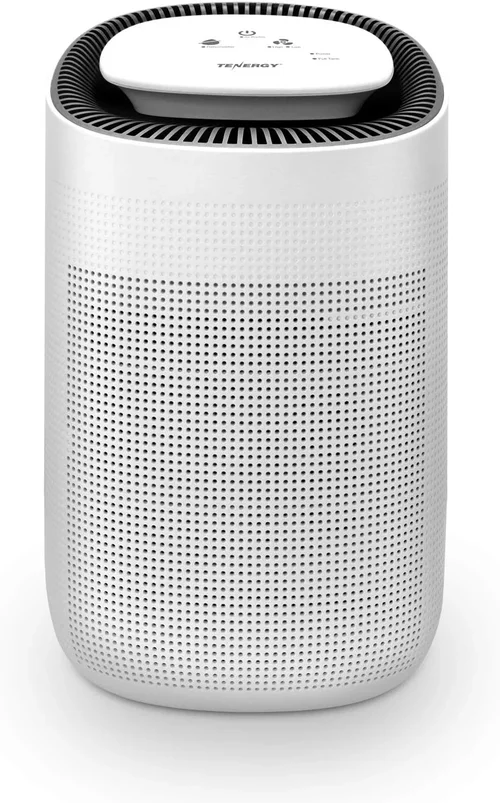
If you’ve ever walked into a room that feels heavy, musty, or just… off—chances are you’re dealing with excess moisture and poor air quality. Whether it’s a damp basement, a humid bedroom, or a stuffy home office, these issues don’t just affect comfort—they can impact your health, damage your belongings, and even compromise your home’s structure over time. That’s where a 2-in-1 dehumidifier and air purifier comes in. These dual-function appliances are becoming increasingly popular for good reason: they tackle two major indoor air problems in one sleek, space-saving unit.
But with so many models on the market—ranging from budget-friendly basics to high-tech smart systems—it’s easy to feel overwhelmed. How do you know which one actually delivers on its promises? What features matter most? And how much should you really be spending? This guide is designed to cut through the noise and give you everything you need to make a confident, informed decision. Whether you’re battling seasonal humidity, allergies, mold, or just want cleaner, fresher air at home, we’ll walk you through the key factors, common pitfalls, and expert tips to help you find the perfect 2-in-1 solution for your space.
The market for combo dehumidifier and air purifier units has exploded in recent years, driven by rising awareness of indoor air quality (IAQ) and the growing demand for multifunctional home appliances. From compact units ideal for small apartments to powerful systems capable of handling large basements or whole-house applications, there’s a model for nearly every need and budget. However, not all 2-in-1 devices are created equal. Some prioritize dehumidification with minimal air purification, while others offer robust filtration but lack serious moisture control. Our goal here is to help you understand what truly matters—so you don’t end up with a gadget that looks great on paper but falls short in real-world use.

What to Look for When Buying Buying Guide
1. Performance Specifications
When evaluating any 2-in-1 dehumidifier and air purifier, performance specs are your first line of defense against disappointment. Start with the dehumidification capacity, typically measured in pints per day (PPD). For most residential spaces, a unit rated between 20–50 PPD is sufficient—unless you’re dealing with severe dampness or a very large area. A 30 PPD unit, for example, can effectively manage a 1,000-square-foot basement with moderate humidity. If you live in a particularly humid climate or have chronic moisture issues, consider stepping up to 50+ PPD.
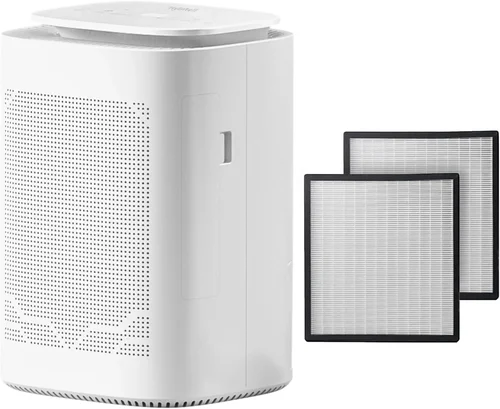
On the air purification side, look for the Clean Air Delivery Rate (CADR), which indicates how quickly the unit can filter smoke, dust, and pollen. Higher CADR numbers mean faster, more efficient cleaning. Also check the type of filtration system: HEPA filters are the gold standard, capturing 99.97% of particles as small as 0.3 microns—including allergens, pet dander, and mold spores. Some units also include activated carbon filters for odor and VOC removal, which is especially useful in kitchens, garages, or homes with smokers.
Don’t overlook energy efficiency. Look for ENERGY STAR certification, which ensures the unit meets strict efficiency guidelines set by the EPA. A more efficient model may cost slightly more upfront but will save you money on electricity over time—especially important since these devices often run continuously in humid environments.
2. Room Size & Coverage Area
Matching the unit’s coverage area to your space is critical. A dehumidifier/air purifier combo designed for a 500-square-foot room will struggle—and likely overwork—in a 1,500-square-foot basement. Most manufacturers specify a maximum coverage area, but treat this as a guideline rather than a guarantee. Factors like ceiling height, insulation, ventilation, and local climate can all affect actual performance.
For open-concept living areas or multi-room use, consider models with oscillating fans or multiple airflow settings to distribute treated air more evenly. Some premium units even include built-in sensors that monitor humidity and air quality in real time, automatically adjusting fan speed and operation mode. This not only improves effectiveness but also reduces wear and tear on the machine.
If you’re targeting a specific problem zone—like a crawl space, laundry room, or nursery—opt for a compact model with targeted airflow. Conversely, whole-home solutions may require ducted installations or multiple units working in tandem. Always measure your space accurately and add a 10–20% buffer to the recommended coverage to account for real-world variables.
3. Build Quality & Durability
A 2-in-1 unit is an investment, so you want it to last. Start by examining the materials: high-grade plastic housings resist yellowing and cracking, while metal components (like condenser coils) tend to be more durable than plastic alternatives. Check the quality of seals and gaskets—poor sealing can lead to air leaks, reducing both dehumidification and filtration efficiency.
Look for units with rust-resistant coatings, especially if you plan to use them in basements, garages, or coastal areas where salt air accelerates corrosion. Internal components like compressors and fans should be from reputable suppliers; cheaper motors may fail within a year or two under continuous use.
Another often-overlooked aspect is noise level, measured in decibels (dB). Most residential units operate between 45–60 dB—comparable to a quiet conversation or background music. If you’re placing the unit in a bedroom or home office, aim for models under 50 dB. Some brands now offer “sleep mode” settings that reduce fan speed and noise during nighttime operation.
4. Features & Functionality
Modern 2-in-1 units come packed with features, but not all are essential. Prioritize based on your lifestyle and needs. Auto-humidistats are invaluable—they allow you to set a target humidity level (ideally 30–50%) and let the unit maintain it automatically. Similarly, air quality sensors with color-coded indicators (green = good, red = poor) provide instant feedback and can trigger purification modes when pollutants are detected.
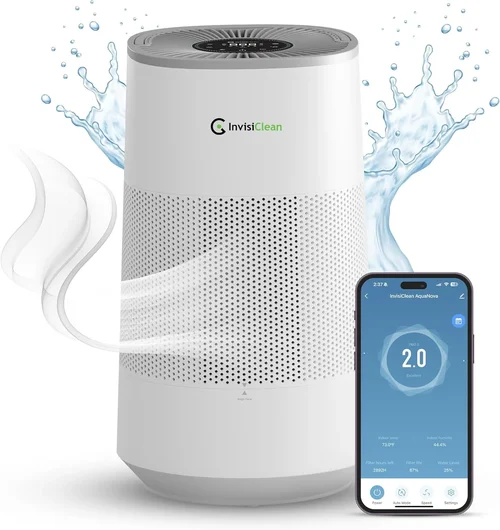
Timer functions, remote controls, and smartphone app connectivity add convenience, especially for busy households. Wi-Fi-enabled models let you monitor and adjust settings from anywhere—perfect for checking on your basement while traveling. However, these smart features often come at a premium, so weigh their value against your actual usage patterns.
Drainage options are another key consideration. Most units collect water in an internal tank that needs manual emptying every 1–3 days. For hands-off operation, look for continuous drainage via a hose connection—ideal for basements or unattended spaces. Some models even include auto-shutoff when the tank is full, preventing overflows.
5. Ease of Maintenance
No one wants to spend hours cleaning filters or wrestling with hard-to-reach components. Choose a unit with washable or easily replaceable filters. HEPA filters typically last 6–12 months depending on usage, while carbon filters may need replacement every 3–6 months. Look for filter replacement indicators—many newer models have LED alerts that notify you when it’s time for a change.
The water tank should be accessible and easy to remove. A wide opening or slide-out design makes emptying less messy. For continuous drainage, ensure the hose outlet is conveniently located and compatible with standard garden hoses. Internal coils and vents should also be accessible for occasional vacuuming or wiping to prevent dust buildup.
Some brands offer self-cleaning modes that run a short cycle to dry out the evaporator coils, reducing mold and bacteria growth inside the unit. While not a substitute for regular maintenance, this feature can extend the lifespan and improve air quality over time.
6. Brand Reputation & Reliability
Not all brands are created equal. Established names like Honeywell, Frigidaire, Levoit, and Winix have proven track records for reliability, customer service, and consistent performance. They often invest more in R&D, resulting in better engineering and longer-lasting components. Lesser-known or generic brands may offer tempting prices, but they frequently cut corners on materials, warranties, or post-purchase support.
Research customer service responsiveness before buying. Can you easily reach a human? Are replacement parts readily available? Do they honor warranties without hassle? Brands with U.S.-based support centers or local service networks tend to provide faster resolution times. Reading long-term user reviews (not just the glowing 5-star ones) can reveal patterns of failure or hidden costs.
Also consider sustainability practices. Some companies now offer recycling programs for old units or use eco-friendly refrigerants. While this may not直接影响 performance, it reflects a brand’s commitment to quality and environmental responsibility.
7. Warranty & Support
A solid warranty is a strong indicator of a manufacturer’s confidence in their product. Most reputable brands offer at least a 1-year limited warranty, with premium models extending to 2–3 years. Pay attention to what’s covered: does it include labor, parts, or both? Is the compressor (a critical and expensive component) covered separately?
Extended warranties are sometimes available at checkout, but evaluate them carefully. In many cases, the cost outweighs the benefit unless you’re buying a very high-end model. Instead, prioritize brands with hassle-free return policies and responsive customer support. Amazon, Best Buy, and Home Depot often offer generous return windows (30–90 days), giving you time to test the unit in your actual environment.
If you’re purchasing online, check shipping policies—especially for heavier units. Free shipping is common, but some retailers charge restocking fees for returns. Always keep your receipt and original packaging until you’re sure the unit works as expected.
8. User Reviews & Real-World Feedback
Spec sheets and marketing copy only tell part of the story. Real user reviews—especially those with photos, videos, or detailed experiences—offer invaluable insights into long-term performance, quirks, and potential dealbreakers. Look for patterns: if multiple users report the same issue (e.g., “filter clogs quickly” or “loud on high setting”), it’s likely a genuine flaw.
Platforms like Amazon, Reddit (r/HomeImprovement or r/AirQuality), and specialized forums like Wirecutter or Consumer Reports provide balanced perspectives. Pay special attention to reviews from users in similar climates or living situations. A unit that excels in dry Arizona may struggle in Florida’s humidity.
Be wary of fake or incentivized reviews. Genuine feedback often includes both pros and cons, while overly positive reviews with generic language may be suspect. Use review aggregators like Fakespot to gauge authenticity.
Different Types of Buying Guide

Common Buying Mistakes to Avoid
❌ Mistake: Ignoring Actual Room Conditions
Why it’s bad: Buying a unit based solely on square footage without considering humidity levels, airflow, or insulation can lead to underperformance. A 1,000-square-foot well-ventilated room may need less power than a 800-square-foot sealed basement with a water leak.
What to do instead: Use a hygrometer to measure your current humidity levels. If it’s consistently above 60%, prioritize higher PPD and robust filtration. Consider consulting an HVAC professional for severe moisture issues.
❌ Mistake: Overvaluing “2-in-1” Marketing
Why it’s bad: Some combo units sacrifice one function to bolster the other. A device marketed as both a dehumidifier and air purifier might have a weak compressor or a non-HEPA filter, making it ineffective for serious air quality concerns.
What to do instead: Verify independent test results for both functions. If air purification is your top priority, consider buying separate best-in-class units—it may cost more upfront but deliver better long-term results.
❌ Mistake: Skimping on Filtration Quality
Why it’s bad: Cheap filters clog quickly, reduce airflow, and fail to capture fine particles. This not only diminishes air quality but also forces the fan to work harder, increasing energy use and noise.
What to do instead: Always choose HEPA-grade filtration for allergens and mold. Add a pre-filter for large particles and a carbon layer for odors. Replace filters on schedule—don’t wait until performance drops.
❌ Mistake: Neglecting Drainage Needs
Why it’s bad: Manual tank emptying becomes tedious fast, especially in high-humidity areas. Forgetting to empty it can cause shutdowns or spills, defeating the purpose of automation.
What to do instead: If you won’t be home daily, invest in a model with continuous drainage or a large-capacity tank (2+ gallons). Basement installations almost always benefit from hose drainage.
❌ Mistake: Buying Based on Price Alone
Why it’s bad: The cheapest unit often uses inferior components, lacks safety features, or has no warranty. You may end up replacing it within a year, costing more than a mid-range model.
What to do instead: Focus on total cost of ownership—including energy use, filter replacements, and expected lifespan. A $300 unit that lasts 5 years is better value than a $150 unit that fails in 18 months.
❌ Mistake: Overlooking Noise Levels
Why it’s bad: A loud unit placed in a bedroom or study can disrupt sleep or concentration, leading to it being turned off—and humidity/air quality suffering as a result.
What to do instead: Check decibel ratings and look for “quiet” or “sleep” modes. Read user reviews mentioning noise—specs don’t always reflect real-world sound levels.
❌ Mistake: Not Testing Before Committing
Why it’s bad: Every home is different. A unit that works perfectly at a friend’s house might struggle in yours due to layout, climate, or existing HVAC systems.
What to do instead: Buy from retailers with generous return policies. Run the unit for at least a week in your target space. Monitor humidity, air quality, and noise before deciding to keep it.
Budget Guidelines: How Much Should You Spend?
- Entry-Level ($80–$200): Ideal for small spaces like closets, RVs, or single rooms with mild humidity. Expect basic dehumidification (10–20 PPD), limited filtration (often non-HEPA), and minimal features. Great for occasional use but may lack durability for daily operation.
- Mid-Range ($200–$400): The sweet spot for most homeowners. These units offer 20–40 PPD, true HEPA filtration, auto-humidistats, timer functions, and quieter operation. Many include washable filters and decent warranties. Perfect for bedrooms, living rooms, or moderately damp basements.
- Premium ($400–$700): Built for performance and longevity. High-capacity dehumidification (40–70 PPD), advanced multi-stage filtration (HEPA + carbon + UV-C), smart sensors, Wi-Fi connectivity, and robust construction. Ideal for large basements, allergy sufferers, or tech enthusiasts.
- Luxury ($700+): Top-tier systems designed for whole-house integration or extreme conditions. These often include professional-grade compressors, ducting options, self-cleaning cycles, and comprehensive air quality monitoring. Best for new builds, severe mold problems, or commercial applications.
Expert Tips for Getting the Best Deal
- Buy during off-seasons: Dehumidifiers are in highest demand in summer. Shop in late fall or winter (October–February) for discounts of 20–30% as retailers clear inventory.
- Check warehouse clubs: Costco, Sam’s Club, and BJ’s often carry exclusive models with extended warranties at lower prices than big-box stores.
- Sign up for alerts: Use price-tracking tools like Honey, CamelCamelCamel, or Keepa to monitor Amazon listings and get notified when your desired model drops in price.
- Bundle with other purchases: Some retailers offer discounts when you buy a dehumidifier/air purifier with a humidifier, air conditioner, or smart thermostat.
- Consider refurbished units: Certified refurbished models from reputable sellers (e.g., manufacturer outlets) can save 25–40% and often include the same warranty as new units.
- Read the fine print on returns: Ensure the return window is at least 30 days and covers “changed mind” scenarios—not just defects.
- Test in your space: Run the unit during your typical humidity peak (e.g., after showers or rainy days). If it can’t maintain 45% RH within 24–48 hours, it’s undersized.
- Negotiate extended warranties: At electronics retailers, ask if the warranty can be waived or discounted—especially if you’re paying in cash or using a store card.

Frequently Asked Questions
Q: Can a 2-in-1 unit replace separate dehumidifier and air purifier?
A: It depends on your needs. For moderate humidity and basic air cleaning, a quality combo unit works well. However, if you have severe mold, high allergen loads, or extreme dampness, dedicated units often deliver superior performance and longevity.
Q: How often should I run my 2-in-1 dehumidifier and air purifier?
A: In humid climates or damp spaces, run it continuously until target humidity (30–50%) is achieved, then switch to auto mode. In drier areas, 8–12 hours per day may suffice. Always monitor with a hygrometer.
Q: Do these units use a lot of electricity?
A: Yes—dehumidifiers are energy-intensive. A typical 30 PPD unit uses 300–500 watts. Look for ENERGY STAR models and use timers or smart modes to reduce runtime during low-humidity periods.
Q: Will it help with pet dander and odors?
A: Absolutely—if it has a true HEPA filter and activated carbon layer. HEPA captures dander and hair, while carbon neutralizes odors from pets, cooking, or smoke.
Q: Can I use it in a basement without windows?
A: Yes, but ensure proper ventilation around the unit (6+ inches from walls) and use continuous drainage. Basements benefit most from high-capacity models with pump-assisted drainage.
Q: How do I know if the filter needs replacing?
A: Most units have indicator lights. Otherwise, check monthly: if airflow decreases, noise increases, or air quality worsens, it’s time for a new filter.
Q: Are UV-C lights effective in these units?
A: UV-C can kill bacteria and mold spores, but only if the exposure time and intensity are sufficient. In most consumer units, the effect is minimal. Focus on HEPA filtration first.
Q: Can it prevent mold growth?
A: Yes—by maintaining humidity below 50%, you create an environment where mold cannot thrive. Combine with good ventilation and prompt water leak repairs for best results.
Q: Is it safe to leave on overnight?
A: Modern units with auto-shutoff, thermal protection, and stable builds are generally safe. Choose models with these safety certifications (UL, ETL) and avoid placing near flammable materials.
Q: What’s the difference between refrigerant and desiccant dehumidifiers?
A: Refrigerant types (most common) cool air to condense moisture—best for warm, humid climates. Desiccant models use moisture-absorbing materials and work better in cold spaces (like garages) but are less efficient in heat.
Our Final Recommendations
- Best for Budget-Conscious Buyers: Levoit Core 300S – At under $200, it offers true HEPA filtration, quiet operation, and basic dehumidification for small rooms. Great for apartments or offices.
- Best Overall Value: Frigidaire FFAD7033W1 – A 70 PPD powerhouse with excellent humidity control, washable filter, and continuous drainage. Priced around $350, it’s ideal for basements and large rooms.
- Best Premium Option: Honeywell TP70WKN – Combines 70 PPD dehumidification with advanced HEPA and carbon filtration, Wi-Fi app control, and a 5-year warranty. Perfect for tech-savvy users with serious air quality needs.
- Best for Beginners: hOmeLabs 50 Pint Dehumidifier with Air Purifier – Simple controls, clear indicators, and reliable performance. No app or complex settings—just plug in and go.
- Best for Advanced Users: AprilAire E080 Pro – A whole-house solution with ducting compatibility, professional installation support, and unmatched durability. Ideal for new builds or severe moisture issues.
Conclusion: Making the Right Choice
Choosing the right 2-in-1 dehumidifier and air purifier isn’t just about checking boxes on a spec sheet—it’s about understanding your unique environment, lifestyle, and long-term goals. Whether you’re fighting seasonal allergies, protecting your home from mold, or simply craving fresher, more comfortable air, the right unit can make a profound difference. By focusing on performance specs, build quality, ease of maintenance, and real-world feedback, you’ll avoid the pitfalls that trap so many buyers.
Remember: the cheapest option isn’t always the most cost-effective, and the flashiest features aren’t always the most useful. Prioritize what matters most to you—whether that’s whisper-quiet operation, smart connectivity, or relentless moisture control—and let that guide your decision. And don’t rush: take advantage of return policies, test the unit in your actual space, and consult user reviews from people in similar situations.
Investing in clean, balanced indoor air is one of the best things you can do for your health and home. With the insights from this guide, you’re now equipped to find a 2-in-1 solution that doesn’t just meet expectations—but exceeds them. Breathe easier, live better, and enjoy the peace of mind that comes from knowing your air is truly under control.