
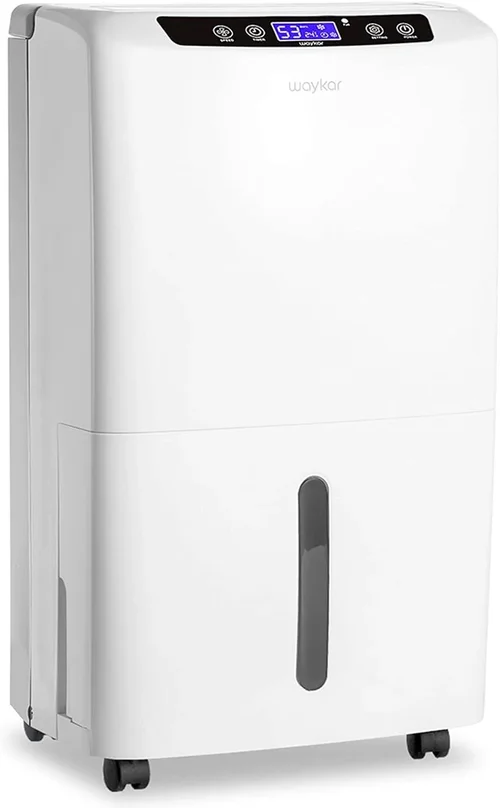
When it comes to maintaining a healthy, comfortable, and structurally sound basement, controlling humidity is one of the most critical—and often overlooked—factors. Basements are naturally prone to excess moisture due to their below-ground location, poor ventilation, and proximity to soil and groundwater. Left unchecked, high humidity levels can lead to mold growth, musty odors, warped wood, rust on tools and appliances, and even health issues like allergies and respiratory problems. That’s where a reliable dehumidifier comes in—specifically, a 30-pint model, which strikes an ideal balance between capacity, efficiency, and affordability for most residential basement spaces.
In this comprehensive buying guide, we’ll walk you through everything you need to know to choose the best 30-pint dehumidifier for your basement in 2026. Whether you’re dealing with a damp crawl space, a finished rec room, or a storage-heavy utility area, understanding the nuances of dehumidifier performance, features, and long-term value will help you make a smart, informed decision. We’ll cover key technical specifications, compare different types and brands, highlight common pitfalls, and provide expert-backed recommendations based on real-world use cases. By the end of this guide, you’ll not only know what to look for but also how to avoid overpaying for features you don’t need—or worse, underbuying and ending up with a unit that can’t keep up with your basement’s moisture demands.
The market for dehumidifiers has evolved significantly in recent years, with advancements in energy efficiency, smart controls, and noise reduction. While larger 50- or 70-pint models are better suited for extremely wet or commercial environments, 30-pint units have become the go-to choice for average-sized basements (typically 500–1,000 square feet) with moderate to high humidity. These models offer enough power to maintain relative humidity between 30% and 50%—the sweet spot recommended by the EPA and HVAC professionals—without consuming excessive electricity or taking up too much floor space. With dozens of options from brands like Frigidaire, hOmeLabs, GE, Keystone, and Midea, it’s easy to feel overwhelmed. But armed with the right knowledge, you can cut through the marketing noise and find a dehumidifier that delivers consistent performance, durability, and peace of mind for years to come.
What to Look for When Buying Buying Guide
1. Performance Specifications
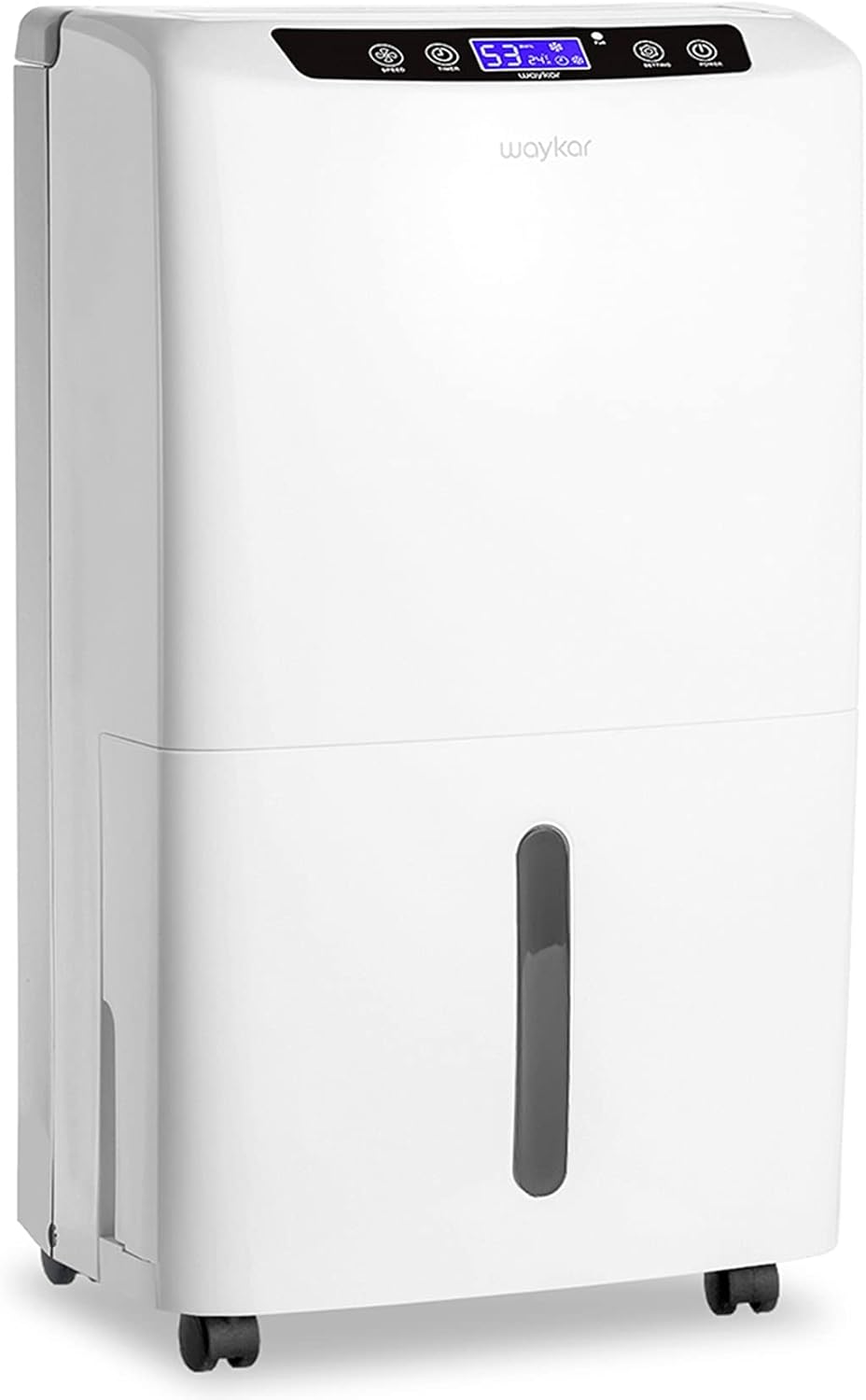
When evaluating a 30-pint dehumidifier, performance specs are the foundation of your decision. The “30-pint” rating refers to the unit’s capacity to remove 30 pints of moisture from the air in a 24-hour period under standard test conditions (80°F and 60% relative humidity, as defined by the Department of Energy). However, real-world performance can vary significantly based on your basement’s temperature and humidity levels. For instance, in colder basements (below 65°F), refrigerant-based dehumidifiers may struggle to operate efficiently, while desiccant models maintain better performance in low temperatures.
Look for models with adjustable humidity settings (usually via a digital humidistat) that allow you to set your desired RH level and maintain it automatically. A good 30-pint unit should also include an auto-restart function (essential after power outages), a defrost mode for cold environments, and a continuous drainage option. Energy efficiency is another critical metric—check the Energy Factor (EF), measured in liters of water removed per kilowatt-hour (L/kWh). Higher EF values mean lower operating costs. The most efficient 30-pint models now achieve EF ratings above 1.8, qualifying them for ENERGY STAR certification, which can also make you eligible for utility rebates.
2. Build Quality & Durability
Basements are harsh environments—dusty, damp, and often subject to temperature swings. A dehumidifier that can’t withstand these conditions will fail prematurely, leaving you with mold and repair bills. Pay close attention to the materials used in the housing, coils, and internal components. Look for corrosion-resistant coatings on the evaporator and condenser coils, especially if your basement is prone to salt air (common in coastal areas) or chemical storage. The water tank should be made of sturdy, BPA-free plastic with a secure handle and spill-resistant design.
Internal components matter too. High-quality compressors, fans, and seals contribute to longer lifespan and quieter operation. Units with all-metal cabinets (or reinforced polymer) tend to outperform those with flimsy plastic shells. Also, check the filter—washable, reusable filters are more cost-effective and eco-friendly than disposable ones. Some premium models include antimicrobial filters that inhibit mold and bacteria growth, which is a big plus in humid basements.
3. Features & Functionality
Modern 30-pint dehumidifiers come packed with features that go beyond basic moisture removal. While not all are essential, some can significantly enhance convenience and performance. A built-in humidistat is a must—it measures ambient humidity and cycles the unit on/off to maintain your set level, preventing over-drying. Digital controls with LED displays make it easy to monitor settings, while programmable timers let you run the unit during off-peak hours to save on electricity.
Continuous drainage is a game-changer for basements without easy access to a sink or floor drain. Look for models with a built-in pump or gravity-fed hose connection (typically ⅜-inch or ½-inch threaded outlet). Some units even include a hose in the box—always check the product description. Auto-defrost is crucial if your basement drops below 60°F in winter; without it, ice can build up on the coils and shut down the unit.
Smart features are becoming more common. Wi-Fi-enabled models allow remote control via smartphone apps, so you can check humidity levels or adjust settings from upstairs. While not necessary, they’re great for monitoring vacation homes or rental properties. Other nice-to-haves include a full-tank alert, child lock, and quiet operation (under 50 decibels). Remember: more features often mean higher cost, so prioritize based on your needs.
4. Size & Portability
Even though 30-pint dehumidifiers are generally compact, size and weight still matter—especially if you plan to move the unit between rooms or store it during warmer months. Most models measure between 14″ x 10″ x 20″ and 16″ x 12″ x 24″, and weigh 30–45 pounds. Look for units with recessed handles and durable caster wheels for easy mobility. Some designs are more vertical and space-efficient, ideal for tight corners or under workbenches.
Consider the water tank capacity as well. A larger tank (typically 8–12 pints) means less frequent emptying, which is a big convenience if you can’t set up continuous drainage. However, larger tanks add bulk. If you opt for manual emptying, ensure the tank is easy to remove and pour without spills. A splash guard or anti-spill design is a thoughtful touch.
5. Noise Level
Basements are often used as home gyms, workshops, or quiet retreats, so noise can be a dealbreaker. Dehumidifiers produce sound from the compressor, fan, and airflow. Most 30-pint models operate between 45 and 55 decibels (dB)—comparable to a quiet conversation or a refrigerator hum. Lower-decibel units (under 50 dB) are ideal for finished basements or shared living spaces.
Check manufacturer specs for noise ratings, but also read user reviews. Real-world noise can differ from lab tests, especially if the unit vibrates against the floor or resonates in an empty room. Some models include “quiet mode” or variable fan speeds that reduce noise during nighttime operation. Rubber feet or vibration dampeners also help minimize rattling.
6. Energy Efficiency & Operating Costs
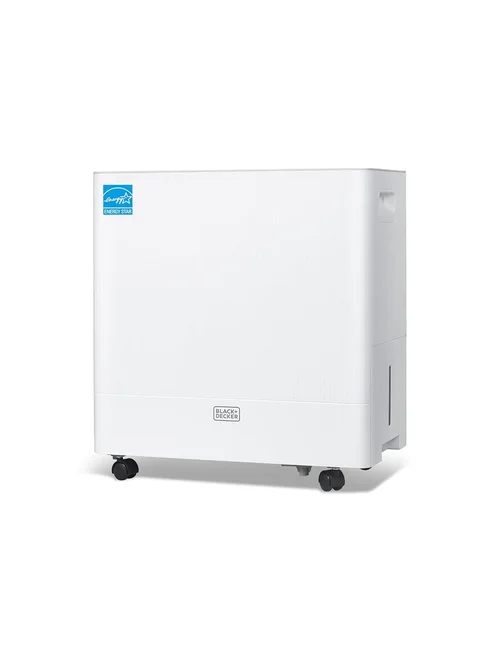
Running a dehumidifier 24/7 can add $30–$60 per month to your electricity bill, depending on local rates and usage. Energy efficiency isn’t just about being eco-friendly—it’s about long-term savings. ENERGY STAR-certified 30-pint dehumidifiers use about 15–20% less energy than standard models. Look for the yellow EnergyGuide label, which estimates annual operating cost based on national average electricity rates.
The Energy Factor (EF) is a more precise metric. Aim for EF ≥ 1.8 L/kWh. For example, a unit with EF 1.9 removes 1.9 liters of water per kWh of electricity used. Over a year, that difference can save you $20–$40. Also, consider the unit’s wattage—most 30-pint models draw 300–500 watts. Lower wattage doesn’t always mean better efficiency, but it can reduce strain on your electrical system, especially in older homes.
7. Brand Reputation & Reliability
Not all dehumidifiers are created equal, and brand reputation can be a strong indicator of reliability and customer support. Established brands like Frigidaire, GE, and Whirlpool have decades of experience in climate control and typically offer better build quality and service networks. Newer or lesser-known brands may offer lower prices, but they often cut corners on components or customer support.
Research brands by reading long-term user reviews (1+ years of ownership) and checking reliability ratings from sources like Consumer Reports or Wirecutter. Look for patterns—frequent compressor failures, poor customer service, or short lifespans are red flags. Brands with strong warranties and responsive support teams (e.g., hOmeLabs, which offers 2-year coverage) tend to stand behind their products.
8. Warranty & Support
A dehumidifier is a long-term investment, so warranty coverage matters. Most reputable brands offer a 1-year limited warranty, but some go further. For example, hOmeLabs and Midea provide 2-year warranties, while Frigidaire offers 5 years on sealed systems (compressor, condenser, evaporator). Longer coverage on core components indicates confidence in durability.
Check what’s covered: labor, parts, shipping? Is in-home service available? Can you extend the warranty? Also, verify if the warranty is valid only if purchased new from an authorized retailer—buying from third-party sellers on Amazon or eBay can void coverage. Register your product promptly and keep your receipt.
Different Types of Buying Guide

Common Buying Mistakes to Avoid
❌ Mistake: Ignoring Basement Temperature
Why it’s bad: Most 30-pint dehumidifiers are refrigerant-based and lose efficiency below 60°F. In cold basements, ice can form on coils, causing the unit to shut down or cycle frequently, reducing performance and lifespan.
What to do instead: If your basement is consistently below 60°F, choose a desiccant dehumidifier or a model with auto-defrost. Check the operating temperature range in the specs—don’t assume all units work in cold environments.
❌ Mistake: Overlooking Drainage Options
Why it’s bad: Emptying a 10-pint tank every 8–12 hours is tedious and easy to forget. If the tank overflows, it can cause water damage or trigger a safety shutoff, leaving your basement damp.
What to do instead: Opt for a model with continuous drainage via hose. Even if you don’t have a floor drain, you can route a hose to a utility sink, sump pump pit, or use a condensate pump for elevated drainage.
❌ Mistake: Choosing Based on Price Alone
Why it’s bad: The cheapest dehumidifiers often use low-quality compressors, thin plastic, and minimal insulation. They may fail within a year and cost more in repairs and energy bills.
What to do instead: Invest in a mid-range model ($180–$280) from a reputable brand. Look for ENERGY STAR certification, solid warranties, and positive long-term reviews. The extra $50 now can save you $200 later.
❌ Mistake: Not Checking Energy Efficiency
Why it’s bad: A dehumidifier that uses 500 watts running 12 hours a day can add $40+ to your monthly bill. Inefficient models waste money and increase your carbon footprint.
What to do instead: Compare Energy Factor (EF) ratings and look for ENERGY STAR labels. Use the DOE’s online calculator to estimate annual operating costs based on your local electricity rate.
❌ Mistake: Ignoring Noise Levels
Why it’s bad: A loud dehumidifier can disrupt sleep, work, or relaxation in finished basements. Units over 55 dB can be as noisy as a window AC.
What to do instead: Choose models rated under 50 dB. Read user reviews for real-world noise feedback. Consider placing the unit on a rubber mat to reduce vibration.
❌ Mistake: Buying Without Researching the Brand
Why it’s bad: Unknown brands may offer tempting prices but often lack reliable customer service, spare parts, or warranty support. You could be stuck with a broken unit and no help.
What to do instead: Stick to established brands with proven track records. Check warranty terms, availability of replacement filters, and customer service responsiveness before buying.
❌ Mistake: Forgetting About Maintenance
Why it’s bad: A clogged filter or dirty coils reduce efficiency, increase energy use, and can cause overheating or failure. Neglecting maintenance shortens the unit’s lifespan.
What to do instead: Clean the filter monthly and inspect coils quarterly. Use a soft brush or vacuum to remove dust. Keep the area around the unit clear for proper airflow.
Budget Guidelines: How Much Should You Spend?
– Entry-Level ($120–$180): These models are basic, often from lesser-known brands. Expect minimal features, plastic construction, and lower energy efficiency. Suitable for small, intermittently used spaces or as a temporary solution. Look for at least a 1-year warranty and ENERGY STAR rating if possible.
– Mid-Range ($180–$280): This is the sweet spot for most homeowners. You’ll find reliable performance, better build quality, digital controls, auto-defrost, and continuous drainage options. Brands like hOmeLabs, Keystone, and Midea dominate this tier. ENERGY STAR certification is common, and warranties often extend to 2 years.
– Premium ($280–$380): These models offer advanced features like Wi-Fi connectivity, built-in pumps, antimicrobial filters, and ultra-quiet operation. Ideal for tech-savvy users or those with specific needs (e.g., remote monitoring, cold basements). Frigidaire and GE offer strong options here.
– Luxury ($380+): Top-tier units with commercial-grade components, extended warranties (up to 5 years), and smart home integration. These are overkill for most basements but may be justified for large, high-humidity spaces or rental properties requiring remote management.
Expert Tips for Getting the Best Deal
– Buy During Off-Season: Dehumidifiers are cheapest in late fall and winter (October–February) when demand drops. Retailers often discount inventory to make room for air conditioners. You can save 15–25% compared to spring and summer prices.
– Shop Online for Better Selection: Websites like Amazon, Home Depot, and Lowe’s offer detailed specs, customer reviews, and frequent promotions. Use filters to compare EF ratings, noise levels, and features side by side.
– Check for Rebates and Incentives: Many utility companies offer rebates for ENERGY STAR appliances. Visit the ENERGY STAR rebate finder or call your provider to see if you qualify for $20–$50 back.
– Read Long-Term Reviews: Look for reviews from users who’ve owned the unit for 6+ months. They’ll reveal durability issues, noise over time, and customer service experiences that specs won’t show.
– Test Before Committing: If buying in-store, check the weight, handle design, and control layout. Ensure the tank is easy to remove. Some retailers allow returns within 30–90 days—use this to test performance in your basement.
– Bundle with Other Purchases: Some retailers offer discounts when you buy a dehumidifier with a humidifier, air purifier, or HVAC service. Ask about package deals.
– Consider Refurbished Models: Certified refurbished units from manufacturers (e.g., Frigidaire Factory Certified) often come with full warranties and sell for 20–30% less. They’re thoroughly tested and like new.
– Register for Warranty Immediately: Don’t wait. Register your product online within 10 days of purchase to activate coverage. Keep your receipt and serial number in a safe place.

Frequently Asked Questions
Q: How much space does a 30-pint dehumidifier cover?
A: A 30-pint dehumidifier is ideal for basements up to 1,000 square feet with moderate to high humidity. For smaller spaces (under 500 sq ft), it may be overkill, while larger or extremely damp basements might need a 50-pint model. Always consider humidity level and airflow, not just square footage.
Q: Can I run a dehumidifier 24/7?
A: Yes, most modern dehumidifiers are designed for continuous operation. In fact, running it consistently is more efficient than cycling on and off. Just ensure proper drainage and regular filter cleaning.
Q: Do I need a dehumidifier if I have a sump pump?
A: Absolutely. A sump pump removes standing water but does nothing for airborne moisture. High humidity can still cause mold, odors, and damage even if the floor is dry.
Q: How often should I clean the filter?
A: Clean the filter every 2–4 weeks, or monthly during heavy use. A clogged filter reduces airflow, strains the compressor, and increases energy use.
Q: Can I use a dehumidifier in winter?
A: Only if your basement stays above 60°F. Below that, refrigerant units may ice up. Desiccant models work better in cold temperatures but consume more energy.
Q: Is a built-in pump worth it?
A: Yes, if you can’t use gravity drainage. A pump allows you to drain water to a sink, toilet, or elevated location—ideal for basements without floor drains.
Q: How do I know if my basement is too humid?
A: Use a hygrometer (often built into dehumidifiers) to measure relative humidity. Levels above 60% indicate a problem. Visible signs include condensation on walls, musty smells, or mold growth.
Q: Can a dehumidifier help with allergies?
A: Yes. By reducing humidity below 50%, it inhibits mold, dust mites, and mildew—common allergens. Pair it with an air purifier for best results.
Q: What’s the difference between pints per day and actual performance?
A: The “30-pint” rating is based on DOE test conditions (80°F, 60% RH). In real basements, performance varies. Colder or drier air reduces output, while hotter, wetter air increases it.
Q: Should I buy a larger dehumidifier “just in case”?
A: Not necessarily. Oversized units cycle on and off frequently, which can reduce efficiency and lifespan. A 30-pint model is usually sufficient for average basements and offers better energy balance.
Our Final Recommendations
– Best for Budget-Conscious Buyers: hOmeLabs 30 Pint Dehumidifier – At around $180, it offers excellent value with ENERGY STAR efficiency, digital controls, auto-defrost, and a 2-year warranty. Great for small to mid-sized basements.
– Best Overall Value: Frigidaire FFAD3033W1 – Priced around $250, this model combines reliable performance, quiet operation (47 dB), and a 5-year sealed system warranty. Ideal for most homeowners.
– Best Premium Option: GE APER30LZ – With Wi-Fi connectivity, a built-in pump, and smart app control, this $350 model is perfect for tech enthusiasts or remote property managers.
– Best for Beginners: Keystone KSTAD30B – Simple controls, lightweight design, and continuous drainage make this $200 unit easy to set up and maintain—great for first-time buyers.
– Best for Advanced Users: Midea MAD30C1YWS – Features a washable filter, turbo mode, and ultra-quiet operation (45 dB). At $220, it’s a feature-rich choice for those who want performance and convenience.
Conclusion: Making the Right Choice
Choosing the best 30-pint dehumidifier for your basement isn’t just about picking the most powerful or cheapest model—it’s about finding the right balance of performance, efficiency, durability, and features that match your specific environment and needs. Whether you’re battling seasonal dampness, protecting stored belongings, or creating a healthier living space, the right dehumidifier can make a dramatic difference. By focusing on key factors like energy efficiency, drainage options, noise levels, and brand reliability, you can avoid common pitfalls and invest in a unit that delivers lasting value.
Remember, your basement is more than just a storage area—it’s part of your home’s foundation, both literally and figuratively. Controlling humidity protects your property, improves air quality, and enhances comfort. Don’t rush the decision. Use this guide to compare options, read real user experiences, and prioritize what matters most to you. And when you do find the right model, maintain it properly to ensure years of reliable service. With the right dehumidifier in place, you’ll enjoy a drier, cleaner, and more comfortable basement for seasons to come.