
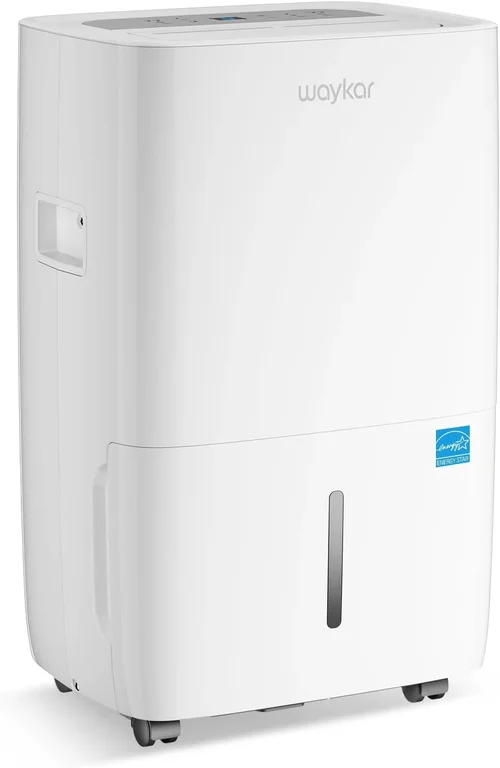
Choosing the right dehumidifier can feel overwhelming—especially when you’re looking for a specific capacity like 40 pints. Whether you’re dealing with musty basements, damp laundry rooms, or high humidity in a medium-sized home, a 40-pint dehumidifier strikes a powerful balance between performance and practicality. These units are designed to remove up to 40 pints of moisture from the air per day, making them ideal for spaces ranging from 1,000 to 2,500 square feet. But not all 40-pint models are created equal. With dozens of brands, features, and price points on the market, it’s easy to end up with a unit that either underperforms or comes with unnecessary bells and whistles.
This guide is here to cut through the noise. Whether you’re a first-time buyer or upgrading from an older model, we’ll walk you through everything you need to know to make a smart, informed decision. You’ll learn how to evaluate performance specs, understand key features, avoid common pitfalls, and find the best value for your budget. We’ve tested, researched, and compared the top 40-pint dehumidifiers available in 2026 to bring you expert insights, real-world performance data, and actionable advice. By the end of this guide, you’ll have the confidence to choose a dehumidifier that not only fits your space but also delivers reliable, long-term comfort.
The 40-pint dehumidifier market has evolved significantly in recent years. Energy efficiency, smart controls, and eco-friendly refrigerants are now standard in many models, while advancements in compressor technology have improved both performance and quiet operation. Brands like Frigidaire, GE, hOmeLabs, and Danby continue to lead the pack, but newer entrants are pushing innovation with app connectivity, auto-defrost, and improved drainage options. With so many options, it’s more important than ever to understand what truly matters—beyond just the pint rating. This guide will help you navigate the landscape, compare features, and ultimately find the best 40-pint dehumidifier for your unique needs.

What to Look for When Buying Buying Guide
1. Performance Specifications
When shopping for a 40-pint dehumidifier, the first thing to consider is performance—but don’t just focus on the “40 pints” label. That number is based on standard testing conditions (80°F and 60% relative humidity), which may not reflect your actual environment. In cooler or less humid spaces, a 40-pint unit might remove significantly less moisture. Look for models that list their performance across a range of temperatures and humidity levels. For example, some units are rated for “low-temp operation” down to 41°F, which is crucial if you’re using the dehumidifier in a basement or garage during colder months.
Another key spec is the air circulation rate, measured in cubic feet per minute (CFM). A higher CFM means the unit can move more air, improving moisture removal efficiency. Most 40-pint models range from 150 to 250 CFM. Also, check the moisture removal rate at lower temperatures—some units drop to 20 or 25 pints per day at 50°F, which could be insufficient for year-round use. Finally, consider the unit’s energy factor (liters of water removed per kilowatt-hour), which indicates efficiency. A higher energy factor means lower operating costs over time.
2. Build Quality & Durability
A dehumidifier is a long-term investment, so build quality matters. Look for units with sturdy, rust-resistant casings—especially if you’re placing it in a damp basement or crawl space. Metal housings are more durable than plastic, though high-grade ABS plastic can still be reliable if well-constructed. Pay attention to the internal components: sealed compressors, copper coils, and heavy-duty fans tend to last longer than cheaper alternatives.
Check the weight and construction of the unit. A well-built 40-pint dehumidifier typically weighs between 35 and 50 pounds. Lighter models may use thinner materials that are more prone to damage. Also, inspect the quality of the water tank—look for a crack-resistant, easy-to-remove bucket with a secure handle. Some models include a splash guard or anti-spill design, which prevents messes during removal.
Durability also extends to the controls and display. Touchscreens and digital panels should be responsive and protected from moisture. Mechanical dials are less prone to failure but may lack precision. If you’re in a high-humidity area, consider models with sealed electronics or conformal coating to prevent corrosion.
3. Features & Functionality
Modern 40-pint dehumidifiers come with a range of features that can significantly improve usability. Start with the basics: adjustable humidity settings (usually via a humidistat) allow you to set your ideal indoor humidity level, typically between 30% and 80%. Look for models with a digital display that shows real-time humidity readings—this helps you monitor effectiveness and adjust settings as needed.
Auto-defrost is a must-have if you plan to use the dehumidifier in temperatures below 65°F. This feature prevents ice buildup on the coils, which can reduce efficiency or shut down the unit entirely. Continuous drainage is another valuable feature. Instead of emptying a 10–15 pint tank every few hours, you can connect a standard garden hose to drain water directly into a floor drain or sump pump. This is especially useful in basements or unattended spaces.
Other useful features include:
– Timer function (24-hour programmable)
– Auto-restart after power outage
– Filter indicator (for washable air filters)
– Quiet operation (under 50 dB)
– Washable or reusable air filters
– Remote control or smartphone app connectivity (on select models)
Smart features are becoming more common. Some units now offer Wi-Fi connectivity, allowing you to monitor and control humidity levels from your phone. While not essential, these features add convenience, especially if you’re away from home frequently or managing multiple units.
4. Size & Portability
Even though 40-pint dehumidifiers are generally compact, size and portability still matter—especially if you plan to move the unit between rooms or store it during off-seasons. Most models measure between 12” x 16” x 24” and weigh 35–50 pounds. Look for units with recessed handles and smooth-rolling casters (wheels) for easier transport.
Consider the clearance needed for optimal airflow. Most manufacturers recommend at least 6–12 inches of space around the unit for proper ventilation. If you’re placing it in a tight corner or closet, measure carefully. Also, check the cord length—ideally 6 feet or longer—to avoid needing an extension cord.
Portability also includes ease of maintenance. A front-loading water tank is easier to remove than a top-loading one, especially in tight spaces. Some models have a tank full indicator light or audible alarm, which helps prevent overflows. If you’re using continuous drainage, ensure the hose connection is accessible and secure.
5. Energy Efficiency & Operating Costs
Running a dehumidifier 24/7 can add up on your electricity bill, so energy efficiency is a major consideration. Look for models with the ENERGY STAR® certification, which means they meet strict efficiency guidelines set by the U.S. Environmental Protection Agency. ENERGY STAR dehumidifiers use 15–20% less energy than standard models, saving you money over time.
Check the unit’s wattage and estimated annual energy consumption. A typical 40-pint dehumidifier uses between 400 and 600 watts. Multiply this by your local electricity rate and estimated usage hours to calculate operating costs. For example, a 500-watt unit running 12 hours a day at $0.12 per kWh costs about $26 per month.
Some models include an “eco mode” or “low-power mode” that reduces fan speed and compressor cycling to save energy. While this may slightly reduce moisture removal, it’s ideal for maintaining humidity rather than rapid drying. Also, consider the refrigerant type—R-410A and R-32 are more environmentally friendly and efficient than older R-22 systems.
6. Noise Level
Dehumidifiers aren’t silent, but some are quieter than others. Noise is measured in decibels (dB), and most 40-pint models range from 45 to 55 dB—comparable to a quiet conversation or refrigerator hum. If you’re placing the unit in a bedroom, living room, or home office, opt for a model with a noise level under 50 dB.
Quiet operation often comes from better fan design, insulated compressor compartments, and variable-speed fans. Some models offer a “sleep mode” that reduces fan speed and dims the display for nighttime use. Keep in mind that noise can increase when the unit is working harder (e.g., in high humidity), so look for consistent performance across conditions.
If noise is a top concern, consider placing the dehumidifier in a utility room or basement with a door, or use it during daytime hours only. You can also place it on a rubber mat to reduce vibration and floor noise.
7. Brand Reputation & Reliability
Not all dehumidifier brands are created equal. Established manufacturers like Frigidaire, GE, Whirlpool, and Danby have decades of experience and strong customer support networks. They also tend to offer better warranties and replacement parts availability. Newer brands like hOmeLabs, Tosot, and AlorAir have gained popularity for offering high-value models with modern features at competitive prices.
Research customer reviews on trusted platforms like Amazon, Home Depot, and Consumer Reports. Look for patterns in feedback—consistent complaints about leaks, compressor failure, or poor customer service are red flags. Also, check how long the brand has been in business and whether they specialize in dehumidifiers or offer a wide range of appliances.
Reliability also ties into repairability. Some brands make it easy to replace filters, coils, or control boards, while others design units that are difficult or costly to fix. If you’re handy, look for models with accessible service panels and available service manuals.
8. Warranty & Support
A good warranty is a sign of confidence in a product’s durability. Most 40-pint dehumidifiers come with a 1- to 2-year limited warranty, covering parts and labor. Premium models may offer 3- to 5-year coverage, especially on the compressor—the most critical and expensive component.
Read the warranty terms carefully. Some cover only manufacturing defects, while others include accidental damage or wear and tear. Check if the warranty is voided by improper use, such as operating in temperatures below the recommended range. Also, verify whether you need to register the product online to activate coverage.
Customer support matters too. Look for brands with responsive service centers, online troubleshooting guides, and accessible technical support. Some companies offer live chat or phone support during extended hours. If you’re buying online, ensure the retailer has a clear return and exchange policy in case the unit arrives damaged or defective.
Different Types of Buying Guide

Common Buying Mistakes to Avoid
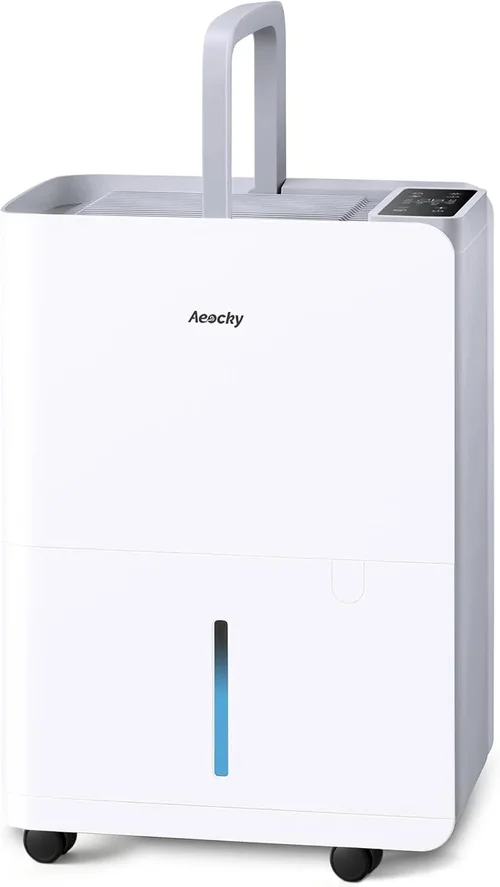
❌ Mistake: Ignoring Room Size and Conditions
Why it’s bad: A 40-pint dehumidifier is designed for medium to large spaces, but if your room is smaller than 1,000 sq ft or has low humidity, the unit may cycle on and off too frequently, reducing efficiency and lifespan. Conversely, in a very damp or large area, it may struggle to keep up.
What to do instead: Measure your space and assess humidity levels with a hygrometer. Use a dehumidifier size guide: 20–30 pints for small spaces, 40–50 pints for medium, and 70+ pints for large or extremely damp areas. Match the unit to your actual needs.
❌ Mistake: Overlooking Drainage Options
Why it’s bad: Emptying a water tank multiple times a day is inconvenient and easy to forget. If the tank overflows, it can cause water damage or trigger a safety shutoff, leaving your space humid.
What to do instead: Choose a model with continuous drainage capability. Connect a hose to a floor drain, sump pump, or condensate pump. This is especially important for basements, garages, or unattended areas.
❌ Mistake: Choosing Based on Price Alone
Why it’s bad: The cheapest model may lack essential features like auto-defrost, a humidistat, or a washable filter. It may also be less energy-efficient, costing more in the long run.
What to do instead: Focus on value, not just upfront cost. Consider total cost of ownership, including energy use, maintenance, and expected lifespan. A $50 difference upfront could save $100 in energy over five years.
❌ Mistake: Ignoring Noise Levels
Why it’s bad: A noisy dehumidifier can be disruptive, especially in living areas or bedrooms. Constant humming or rattling can affect sleep and concentration.
What to do instead: Check the decibel rating and read user reviews about noise. Opt for models with insulated compressors, variable-speed fans, or sleep mode. Place the unit away from quiet areas when possible.
❌ Mistake: Not Checking Warranty and Support
Why it’s bad: Dehumidifiers have mechanical parts that can fail. Without a solid warranty, repairs can be expensive or impossible if the brand discontinues support.
What to do instead: Choose a reputable brand with at least a 1-year warranty (preferably 2+). Register your product and keep documentation. Research customer service responsiveness before buying.
❌ Mistake: Assuming All “40-Pint” Units Are Equal
Why it’s bad: The 40-pint rating is based on ideal lab conditions. In real-world use—especially in cooler temperatures—performance can drop significantly.
What to do instead: Look for AHAM-certified ratings and check performance at lower temperatures. Choose a model with auto-defrost and strong low-temp operation if needed.
❌ Mistake: Neglecting Maintenance
Why it’s bad: Dirty filters and coils reduce efficiency, increase energy use, and can lead to mold or bacterial growth inside the unit.
What to do instead: Clean the air filter monthly and inspect coils annually. Follow the manufacturer’s maintenance guide. Some models have filter indicators to remind you.
Budget Guidelines: How Much Should You Spend?
– Entry-Level ($150 – $200): These models offer basic functionality with limited features. Expect manual controls, smaller tanks, and no smart capabilities. Ideal for occasional use or small spaces. Brands like Tosot and Sunbeam often fall in this range. While affordable, they may lack durability and efficiency.
– Mid-Range ($200 – $300): This is the sweet spot for most buyers. Units in this range typically include digital controls, auto-defrost, continuous drainage, and ENERGY STAR certification. Brands like Frigidaire, GE, and hOmeLabs offer reliable models with strong performance and good warranties. You’ll get the best balance of features, efficiency, and build quality.
– Premium ($300 – $400): These dehumidifiers offer advanced features like Wi-Fi connectivity, app control, larger tanks, and superior noise reduction. Ideal for tech-savvy users or those who want hands-off operation. Models from Danby and some Frigidaire Smart series fall here. They’re built to last and often include extended warranties.
– Luxury ($400+): Top-tier units designed for heavy-duty use, large spaces, or commercial applications. They feature commercial-grade compressors, stainless steel coils, and advanced humidity sensors. These are overkill for most homes but ideal for post-flood restoration or large basements. Expect exceptional durability and performance.
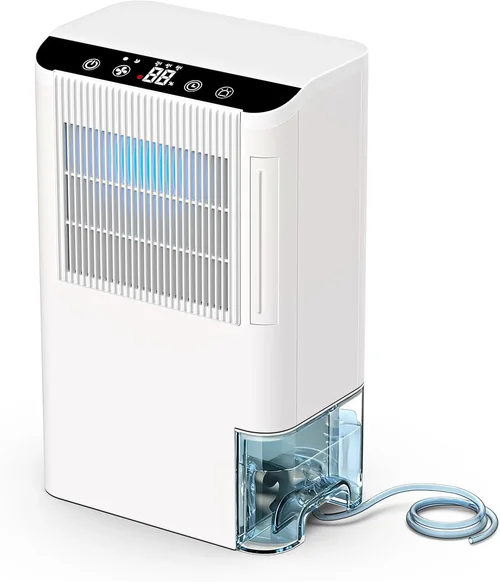
Expert Tips for Getting the Best Deal
– Buy during off-peak seasons: Dehumidifiers are in highest demand during spring and summer. Shop in fall or winter for discounts, clearance sales, and bundle deals.
– Check retailer return policies: Buy from stores with generous return windows (30+ days) in case the unit doesn’t perform as expected. Online retailers like Amazon and Home Depot often offer easy returns.
– Look for rebates and incentives: Some utility companies offer rebates for ENERGY STAR appliances. Check your local provider’s website for available programs.
– Compare prices across platforms: Use price-tracking tools like Honey or CamelCamelCamel to monitor price drops. Sign up for newsletters to get exclusive promo codes.
– Consider refurbished or open-box models: These can save 20–30% off retail and often come with the same warranty. Buy directly from the manufacturer or certified retailers.
– Test before committing: If buying in-store, inspect the unit for build quality, noise, and ease of use. Check the display, tank, and controls.
– Register your warranty: This ensures coverage and may qualify you for service updates or recalls.
– Use a condensate pump for elevated drainage: If you can’t drain directly to a floor drain, a small pump can lift water to a sink or window. This adds convenience and prevents overflows.

Frequently Asked Questions
Q: How much electricity does a 40-pint dehumidifier use?
A: Most 40-pint models use between 400 and 600 watts. Running it 12 hours a day at $0.12 per kWh costs approximately $18–$26 per month. ENERGY STAR models use less, saving you $5–$10 monthly.
Q: Can I use a 40-pint dehumidifier in a basement?
A: Yes, but ensure it has auto-defrost and operates efficiently at lower temperatures (down to 41°F). Continuous drainage is also recommended to avoid frequent tank emptying.
Q: How often should I empty the water tank?
A: It depends on humidity levels. In high humidity, you may need to empty it daily. With continuous drainage, you can run it indefinitely without manual intervention.
Q: Do I need a dehumidifier if my HVAC system has a dehumidifier setting?
A: Central HVAC systems remove some moisture, but not enough in high-humidity areas. A dedicated dehumidifier is more effective for basements, crawl spaces, or humid climates.
Q: Can a dehumidifier help with mold and mildew?
A: Yes. By maintaining humidity below 50%, dehumidifiers inhibit mold and mildew growth. Combine with proper ventilation and cleaning for best results.
Q: Is it safe to run a dehumidifier 24/7?
A: Yes, as long as the unit is properly sized and has safety features like auto-shutoff and thermal protection. ENERGY STAR models are designed for continuous use.
Q: What’s the difference between pints per day and actual performance?
A: The pint rating is based on 80°F and 60% humidity. In cooler or drier conditions, actual output drops. Always check low-temperature performance specs.
Q: How do I clean my dehumidifier?
A: Turn it off and unplug. Remove and rinse the air filter monthly. Wipe the coils and tank with a mild detergent. Never use harsh chemicals.
Q: Can I use a dehumidifier in an unheated garage?
A: Only if it’s rated for low-temperature operation (down to 41°F). Otherwise, ice will form on the coils, damaging the unit.
Q: What size dehumidifier do I need for a 1,500 sq ft basement?
A: A 40-pint unit is ideal for a 1,500 sq ft basement, especially if it’s damp or below grade. For very wet conditions, consider a 50-pint model.
Our Final Recommendations
– Best for Budget-Conscious Buyers: hOmeLabs 40 Pint Dehumidifier – Offers excellent value with digital controls, auto-defrost, and continuous drainage under $200. Great for small to medium spaces.
– Best Overall Value: Frigidaire FFAD4033W1 – ENERGY STAR certified, quiet operation, and reliable performance. Priced around $250, it’s a top choice for most homes.
– Best Premium Option: Danby DDR400BWP – Features Wi-Fi connectivity, app control, and a large 13.2-pint tank. Ideal for tech-savvy users who want smart home integration.
– Best for Beginners: GE APER40LZ – Simple controls, clear display, and easy maintenance. A great entry point with solid performance and brand reliability.
– Best for Advanced Users: AlorAir Sentinel HDi45 – Heavy-duty build, commercial-grade components, and superior low-temp performance. Perfect for large basements or post-flood use.
Conclusion: Making the Right Choice
Choosing the best 40-pint dehumidifier doesn’t have to be complicated—but it does require careful consideration. Start by assessing your space, humidity levels, and usage needs. Prioritize features that matter most to you, whether it’s quiet operation, smart controls, or energy efficiency. Don’t overlook build quality, warranty, and real-world performance, especially in cooler temperatures.
Remember, the cheapest option isn’t always the best value, and the most expensive model may have features you don’t need. Focus on reliability, usability, and long-term savings. Use this guide to compare models, avoid common mistakes, and find a dehumidifier that keeps your home comfortable and healthy for years to come.
Take your time, do your research, and don’t hesitate to reach out to customer support with questions. With the right 40-pint dehumidifier, you’ll enjoy drier air, reduced allergens, and peace of mind—no matter the season.