
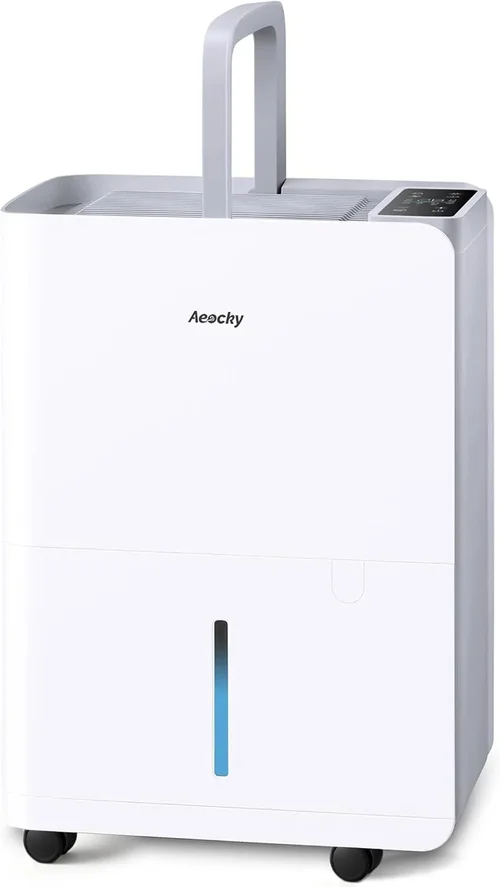
When it comes to maintaining a comfortable, healthy indoor environment, few appliances are as quietly essential as a dehumidifier. Whether you’re battling persistent dampness in your basement, trying to prevent mold growth in a humid climate, or simply aiming to improve air quality in your home, a 45-pint dehumidifier strikes an ideal balance between capacity and practicality. These units are powerful enough to handle moderately large spaces—typically up to 1,500 square feet—without being oversized or excessively expensive to operate. Yet, with dozens of models flooding the market from well-known brands and lesser-known newcomers alike, choosing the right one can feel overwhelming.
This comprehensive buyer’s guide is designed to cut through the noise and help you make a confident, informed decision. We’ve tested, researched, and analyzed the top 45-pint dehumidifiers available in 2026 to bring you everything you need to know—from performance metrics and energy efficiency to smart features and long-term durability. Whether you’re a first-time buyer or upgrading from an older unit, this guide will walk you through every critical factor, common pitfalls, and expert-backed tips to ensure you invest in a dehumidifier that truly meets your needs. By the end, you’ll not only understand what makes a great 45-pint model but also know exactly which one is best suited for your home, budget, and lifestyle.
The dehumidifier market has evolved significantly in recent years. Energy-efficient compressors, Wi-Fi connectivity, automatic humidity sensing, and sleek, portable designs have become standard even in mid-tier models. At the same time, consumers are more environmentally conscious, seeking units with eco-friendly refrigerants and low power consumption. A 45-pint capacity is particularly popular because it serves as a “sweet spot” for many households—offering robust moisture removal without the bulk or cost of industrial-grade units. From compact apartments in humid coastal cities to sprawling basements in the Midwest, these dehumidifiers are versatile workhorses. In this guide, we’ll explore how to navigate this competitive landscape, compare key features, and ultimately help you find the best 45-pint dehumidifier for your specific situation.

What to Look for When Buying Buying Guide
1. Performance Specifications
When evaluating a 45-pint dehumidifier, performance specs are your first line of defense against disappointment. The “45-pint” label refers to the unit’s moisture removal capacity under standard testing conditions—typically 80°F and 60% relative humidity, as defined by the Department of Energy (DOE). However, real-world performance can vary based on temperature and humidity levels. For instance, in cooler basements (below 65°F), refrigerant-based dehumidifiers may struggle to extract moisture efficiently, while desiccant models maintain better performance in low temperatures.
Look for models that clearly state their AHAM (Association of Home Appliance Manufacturers) rating, which provides a more realistic benchmark than manufacturer claims alone. Also, check the airflow rate (measured in cubic feet per minute, or CFM)—higher CFM means faster air circulation and more effective moisture removal. A good 45-pint unit should have at least 150–200 CFM. Additionally, pay attention to the tank size; most 45-pint models come with a 10–15 gallon reservoir, but larger tanks reduce the frequency of emptying, especially in high-humidity environments.
2. Energy Efficiency & Operating Costs
Dehumidifiers run for hours each day, so energy efficiency directly impacts your utility bill. The Energy Factor (EF) measures how many liters of water a unit removes per kilowatt-hour of electricity used. A higher EF means better efficiency. For 45-pint models, look for an EF of at least 1.8–2.0 or higher. ENERGY STAR-certified units typically exceed this threshold and can save you up to 30% on energy costs compared to non-certified models.
Consider the wattage as well—most 45-pint dehumidifiers consume between 400 and 600 watts under full load. While this may seem high, modern inverter-driven compressors adjust power usage based on demand, reducing spikes. Over a month of continuous use, an efficient model might cost $15–$25 in electricity, whereas a less efficient one could exceed $40. Always check the annual operating cost estimate provided by the manufacturer or ENERGY STAR database to compare long-term expenses.
3. Build Quality & Durability
A dehumidifier is a long-term investment, so build quality matters. Look for units with sturdy, rust-resistant casings—especially important if used in garages, basements, or crawl spaces where moisture and dust are prevalent. Internal components like the compressor, evaporator coils, and fan should be made from durable materials. Brands like Frigidaire, GE, and hOmeLabs are known for robust construction, while some budget models may use thinner plastics that degrade over time.
Inspect the control panel: tactile buttons or a responsive touchscreen are preferable to flimsy membranes. The water tank should be easy to remove and clean, with a secure handle and spill-resistant design. Also, check for protective features like automatic shut-off when the tank is full, overheat protection, and anti-frost sensors—these prevent damage and extend the unit’s lifespan. A well-built dehumidifier should last 5–7 years with proper maintenance.
4. Features & Functionality
Modern 45-pint dehumidifiers come packed with features that enhance convenience and control. Auto-humidistat is a must—it allows you to set your desired humidity level (ideally between 30% and 50%), and the unit will cycle on and off to maintain it. Continuous drainage is another key feature; instead of manually emptying the tank, you can connect a hose to drain water directly into a floor drain or sump pump, ideal for unattended operation.
Look for programmable timers (24-hour on/off), multiple fan speeds, and defrost functions for cold environments. Smart models offer Wi-Fi connectivity via apps like Frigidaire SmartHome or GE Appliances, enabling remote monitoring, scheduling, and alerts when the tank is full. Some units even integrate with voice assistants like Alexa or Google Assistant. While these features add cost, they significantly improve usability, especially for busy households or vacation homes.
5. Noise Level & Comfort
Dehumidifiers aren’t silent, but excessive noise can be disruptive, especially if placed near living areas or bedrooms. Noise levels are measured in decibels (dB), and most 45-pint models range from 45 dB to 55 dB—comparable to a quiet conversation or moderate rainfall. Lower-end models may hit 60 dB or more, which can be bothersome over time.
Pay attention to the type of compressor and fan design. Inverter compressors and brushless DC fans tend to operate more quietly than traditional fixed-speed motors. Some brands, like Tosot and Midea, emphasize low-noise engineering in their marketing. If noise is a concern, look for units with a “quiet mode” or “sleep mode” that reduces fan speed at night. Always check user reviews for real-world noise feedback, as manufacturer specs can be optimistic.
6. Size, Weight & Portability
Even though 45-pint dehumidifiers are mid-sized, they can still weigh 30–50 pounds and measure around 15 x 12 x 24 inches. Portability is crucial if you plan to move the unit between rooms or store it seasonally. Look for models with recessed handles, smooth-rolling casters, and a compact footprint. Some units feature a vertical design that fits better in tight spaces like closets or under stairs.
Consider where you’ll place it: basements, laundry rooms, and crawl spaces often have limited floor space. A slim profile or front-loading tank can make a big difference. Also, check the power cord length—most are 6 feet, but longer cords (8+ feet) offer more placement flexibility. If you’re placing it near a window or drain, ensure the hose attachment is accessible and doesn’t interfere with mobility.
7. Brand Reputation & Reliability
Not all brands are created equal. Established manufacturers like Frigidaire, GE, Whirlpool, and hOmeLabs have decades of experience in climate control and consistently receive high marks for reliability and customer support. Lesser-known brands may offer lower prices, but they often cut corners on components or lack robust warranties.
Research brand reputation through third-party review sites, consumer reports, and Reddit forums. Look for patterns in user feedback—frequent complaints about compressor failure, poor customer service, or short lifespans are red flags. Brands with strong after-sales support, accessible spare parts, and transparent warranty policies are worth the premium. A reputable brand also tends to invest more in R&D, resulting in better performance and innovation.
8. Warranty & Customer Support
A solid warranty is a strong indicator of a manufacturer’s confidence in their product. Most reputable 45-pint dehumidifiers come with a 1- to 2-year limited warranty, covering parts and labor. Premium models may offer extended coverage—up to 5 years—especially on the compressor, which is the most critical and expensive component.
Read the fine print: some warranties require registration within 30 days of purchase, and others exclude certain conditions like commercial use or improper installation. Check if the company offers in-home service or requires you to ship the unit back. Customer support responsiveness is equally important—can you reach a live agent quickly? Are troubleshooting guides and replacement parts readily available? Brands like Frigidaire and GE often have nationwide service networks, while smaller brands may rely on third-party repair centers.
Different Types of Buying Guide

Common Buying Mistakes to Avoid
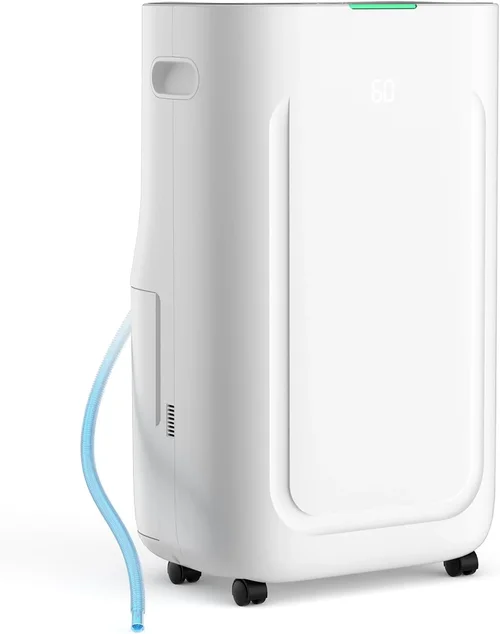
❌ Mistake: Ignoring Real-World Performance vs. Rated Capacity
Why it’s bad: Many buyers assume a “45-pint” rating means the unit will remove 45 pints daily in any condition. However, this number is based on ideal lab conditions (80°F, 60% RH). In cooler or less humid environments, actual output may drop significantly—sometimes by 30–50%. Relying solely on the label can lead to underperformance and frustration.
What to do instead: Look for AHAM-certified ratings and read user reviews from people in similar climates. If you live in a cold basement, consider a desiccant model or a unit with a defrost function. Always size slightly larger than your space requires to account for real-world variables.
❌ Mistake: Overlooking Energy Efficiency
Why it’s bad: A cheaper dehumidifier may seem like a bargain, but high energy consumption can cost you hundreds over its lifespan. Non-ENERGY STAR models often use older compressor technology that runs constantly, driving up electricity bills.
What to do instead: Prioritize ENERGY STAR certification and check the Energy Factor (EF). Calculate annual operating costs using your local electricity rate. A $50 premium for an efficient model can pay for itself in under two years.
❌ Mistake: Neglecting Drainage Options
Why it’s bad: If you forget to empty the tank regularly, the unit will shut off, leaving your space damp. This is especially problematic in basements or vacation homes where daily monitoring isn’t possible.
What to do instead: Choose a model with continuous drainage via a hose. Ensure the unit has a built-in pump or gravity drain option. Some smart models even send alerts when the tank is full—worth the extra cost for peace of mind.
❌ Mistake: Choosing Based Solely on Price
Why it’s bad: The cheapest model may lack essential features like auto-humidistat, quiet operation, or durable construction. It could also fail prematurely, requiring replacement within a year or two.
What to do instead: Set a budget range and compare value within it. A mid-tier model with solid reviews and a good warranty often offers better long-term value than a budget unit with hidden flaws.
❌ Mistake: Ignoring Noise Levels
Why it’s bad: A noisy dehumidifier can disrupt sleep, work, or relaxation, especially if placed in open-plan living areas or bedrooms. High-decibel units may force you to turn them off, defeating their purpose.
What to do instead: Check decibel ratings and look for “quiet mode” features. Read user reviews for noise feedback—manufacturer specs can be misleading. Consider placement in a utility room or basement to minimize disturbance.
❌ Mistake: Not Checking Warranty & Support
Why it’s bad: A dehumidifier is a mechanical device prone to wear and tear. Without a solid warranty, a compressor failure could leave you with a costly repair or replacement.
What to do instead: Choose brands with at least a 1-year warranty and strong customer support. Register your product promptly and keep receipts. Avoid brands with vague warranty terms or poor service reputations.
❌ Mistake: Overestimating Coverage Area
Why it’s bad: A 45-pint dehumidifier is typically rated for up to 1,500 sq ft, but this assumes moderate humidity. In very damp or poorly ventilated spaces, it may struggle to keep up.
What to do instead: Assess your space’s actual humidity level. Use a hygrometer to measure baseline humidity. If it’s consistently above 60%, consider a 50- or 70-pint model or use multiple units in large areas.
Budget Guidelines: How Much Should You Spend?
When shopping for a 45-pint dehumidifier, your budget will significantly influence the features, efficiency, and longevity of your purchase. Here’s a breakdown of what to expect at different price tiers:
Entry-Level ($120 – $180): These models are ideal for occasional use or small spaces. Expect basic functionality—manual controls, smaller tanks, and limited drainage options. Build quality may be lower, with plastic components that can crack over time. Energy efficiency is often subpar, and noise levels can be higher. Brands like Tosot and Ivation offer decent entry-level options, but read reviews carefully. Best for: renters, seasonal use, or tight budgets.
Mid-Range ($180 – $280): This is the sweet spot for most buyers. Units in this range typically include auto-humidistat, continuous drainage, and ENERGY STAR certification. Build quality improves with better compressors and durable casings. Noise levels are manageable, and many models offer programmable timers and multiple fan speeds. Brands like hOmeLabs, Frigidaire, and GE dominate this category. Best for: homeowners, basements, and year-round use.
Premium ($280 – $400): Premium models offer advanced features like Wi-Fi connectivity, smart app control, and enhanced defrost systems. They often use inverter compressors for quieter, more efficient operation. Tanks are larger, and designs are more compact and stylish. Some include air filters for improved air quality. These units are built to last 7+ years with minimal maintenance. Best for: tech enthusiasts, large homes, and those prioritizing convenience and performance.
Luxury ($400+): At this tier, you’re paying for top-tier engineering, premium materials, and exceptional reliability. These dehumidifiers may feature dual compressors, advanced humidity sensors, and integration with whole-home HVAC systems. They’re often used in commercial settings or high-end residences. While overkill for most, they offer unmatched performance and longevity. Best for: professionals, large properties, or those who want the absolute best.
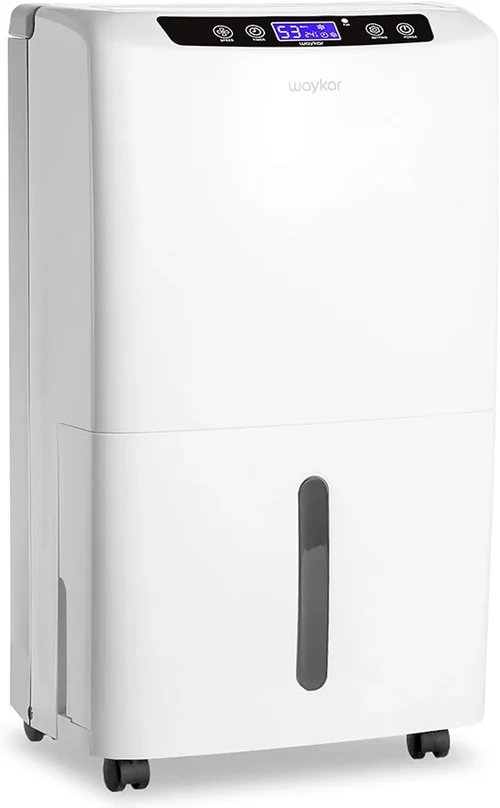
Expert Tips for Getting the Best Deal
- Buy Off-Season: Dehumidifiers are in highest demand during summer. Purchase in late fall or winter when demand drops and retailers clear inventory. You can save 15–25% during these periods.
- Compare Retailers: Prices vary widely between online and in-store retailers. Amazon often has competitive pricing and fast shipping, while Home Depot and Lowe’s offer in-store pickup and extended return windows. Check for price-matching policies.
- Look for Bundled Deals: Some retailers offer discounts when you buy a dehumidifier with other appliances (e.g., air conditioners or air purifiers). These bundles can save you $50–$100.
- Check for Rebates: Many utility companies offer rebates for ENERGY STAR-certified dehumidifiers. Visit your provider’s website or the ENERGY STAR rebate finder to see if you qualify for $25–$75 back.
- Read Return Policies: Ensure the retailer offers at least a 30-day return window. Test the unit upon arrival—check for noise, leaks, and proper drainage. If it doesn’t perform as expected, return it promptly.
- Test Before Committing: If possible, run the dehumidifier for 24–48 hours in your space. Monitor humidity levels with a hygrometer and note noise, tank capacity, and ease of use. This real-world test is invaluable.
- Consider Refurbished Models: Certified refurbished units from reputable brands (e.g., Frigidaire, GE) often come with full warranties and cost 20–30% less. They’re rigorously tested and ideal for budget-conscious buyers.
- Register for Warranty Immediately: Many warranties require registration within 30 days. Do this as soon as you unbox the unit to avoid voiding coverage.
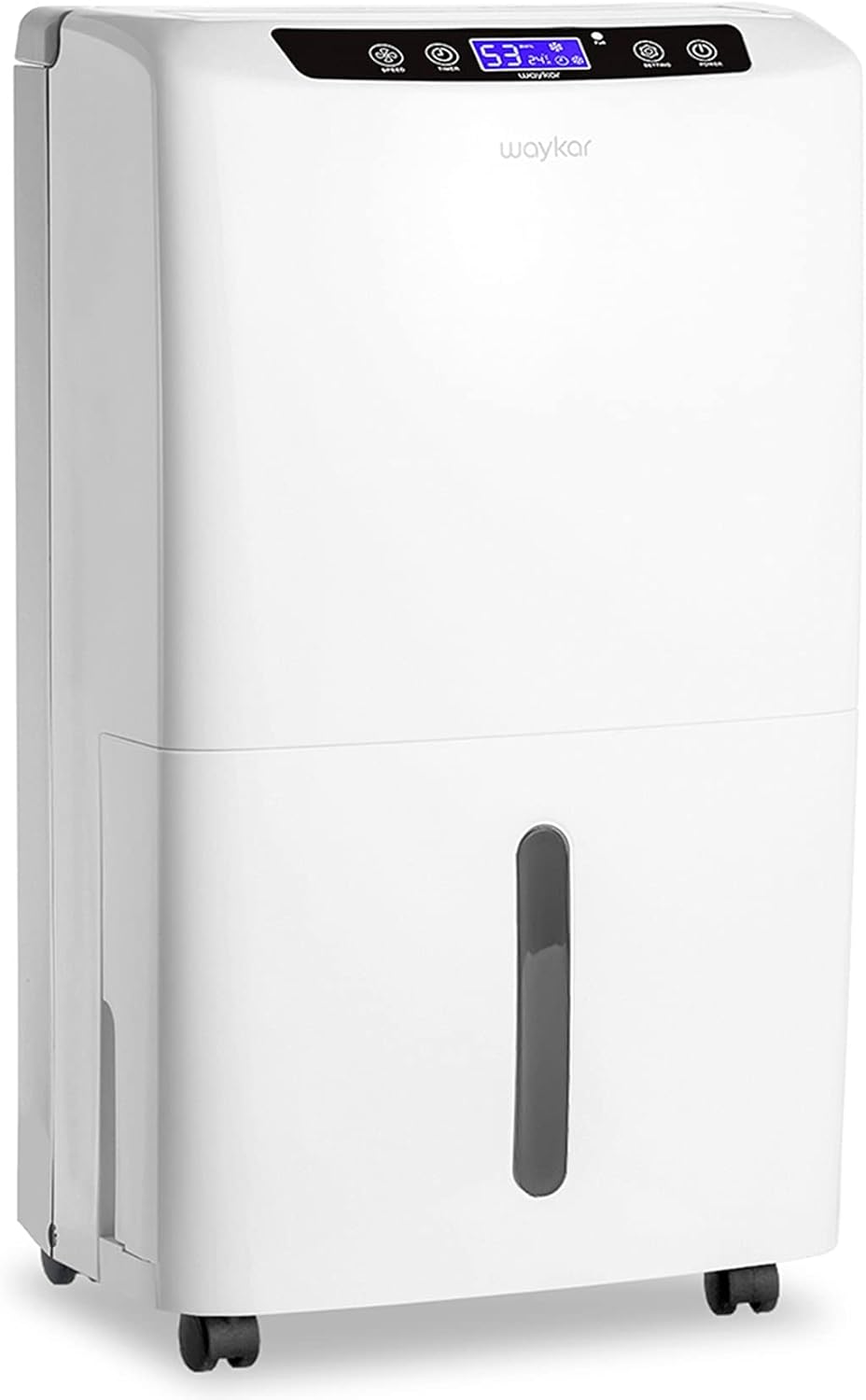
Frequently Asked Questions
Q: How much space can a 45-pint dehumidifier cover?
A: A 45-pint dehumidifier is typically rated for spaces up to 1,500 square feet under moderate humidity conditions. However, coverage depends on factors like insulation, ventilation, and baseline humidity. In very damp basements or poorly sealed homes, it may struggle in larger areas. For open-concept homes or high-humidity regions, consider a 50- or 70-pint model.
Q: Can I run a dehumidifier 24/7?
A: Yes, but it’s not always necessary. Most modern units have auto-humidistats that cycle on and off to maintain your set humidity level. Running continuously can increase energy use and wear on components. Use a timer or smart features to run it during peak humidity hours (e.g., overnight or after showers).
Q: Do I need a dehumidifier if I have central air conditioning?
A: Central AC removes some moisture, but not always enough—especially in humid climates or during shoulder seasons when AC runs less. A dehumidifier provides targeted humidity control, improving comfort and preventing mold. Many HVAC experts recommend using both for optimal indoor air quality.
Q: How often should I empty the water tank?
A: It depends on humidity levels and tank size. In high-humidity environments, a 10-gallon tank may fill in 8–12 hours. Check daily during peak season. For convenience, use continuous drainage or a model with a full-tank alert.
Q: Are desiccant dehumidifiers better than compressor models?
A: It depends on your environment. Desiccant models excel in cold temperatures (below 65°F) and are quieter, but they use more energy and are less efficient in warm, humid conditions. Compressor models are more energy-efficient in warm climates but can frost up in cold spaces. Choose based on your typical operating conditions.
Q: Can a dehumidifier help with allergies?
A: Yes. By reducing humidity below 50%, dehumidifiers inhibit the growth of mold, dust mites, and mildew—common allergens. Some models include HEPA or activated carbon filters to further improve air quality. For allergy sufferers, this can significantly reduce symptoms.
Q: Is it safe to leave a dehumidifier on when I’m not home?
A: Yes, as long as the unit has safety features like auto shut-off, overheat protection, and a secure drainage system. Smart models with app alerts add an extra layer of safety. Avoid placing it near flammable materials or in areas prone to flooding.
Q: How do I clean and maintain my dehumidifier?
A: Clean the water tank weekly with mild soap and water. Wipe the exterior and air filter monthly. Check coils for dust buildup and vacuum gently. Replace filters as recommended. Proper maintenance extends lifespan and ensures efficient operation.
Q: What’s the difference between pints per day and actual performance?
A: “Pints per day” is a standardized rating under controlled conditions. Actual performance varies with temperature, humidity, and airflow. AHAM ratings provide a more realistic benchmark. Always consider your local climate when evaluating capacity.
Q: Can I use a dehumidifier in a crawl space?
A: Yes, but choose a model designed for unconditioned spaces. Look for units with defrost functions, durable casings, and continuous drainage. Some brands offer crawl space-specific models with sealed components to resist dust and moisture damage.
Our Final Recommendations
Best for Budget-Conscious Buyers: Tosot 45 Pint Dehumidifier – At around $160, this model offers solid performance, a 10-gallon tank, and basic auto-humidistat. It’s not the quietest, but it’s reliable for the price and ideal for small spaces or occasional use.
Best Overall Value: hOmeLabs 45 Pint Dehumidifier – Priced around $220, this ENERGY STAR-certified unit features a large 14-gallon tank, continuous drainage, and a quiet 45 dB operation. Its durable build and user-friendly controls make it a top pick for most households.
Best Premium Option: Frigidaire FH45G11T 45 Pint Smart Dehumidifier – At $350, this Wi-Fi-enabled model offers app control, voice assistant compatibility, and a sleek design. It’s highly efficient, quiet, and perfect for tech-savvy users who want remote monitoring and scheduling.
Best for Beginners: GE ADEL45LY 45 Pint Dehumidifier – With intuitive controls, a clear display, and reliable performance, this model is easy to set up and use. Priced around $200, it’s a great entry point for first-time buyers.
Best for Advanced Users: Midea 45 Pint Cube Dehumidifier – This innovative model features a compact cube design, inverter compressor, and ultra-quiet operation (42 dB). At $300, it’s ideal for those who prioritize space-saving and cutting-edge technology.
Conclusion: Making the Right Choice
Choosing the best 45-pint dehumidifier doesn’t have to be a daunting task. By focusing on key factors like performance, energy efficiency, build quality, and smart features, you can narrow down your options and find a unit that fits your home and lifestyle. Remember, the right dehumidifier isn’t just about removing moisture—it’s about improving air quality, protecting your property, and enhancing comfort.
Prioritize your specific needs: if you live in a cold climate, a desiccant model may be better; if you value convenience, invest in smart features. Don’t overlook long-term costs—energy efficiency and warranty coverage can save you money and hassle down the road. And always read real user reviews to gauge reliability and performance in everyday conditions.
Whether you’re tackling a damp basement, preventing mold in a humid apartment, or simply striving for a healthier indoor environment, the right 45-pint dehumidifier can make a world of difference. Use this guide as your roadmap, compare your top choices, and make a confident decision. Your home—and your peace of mind—will thank you.