
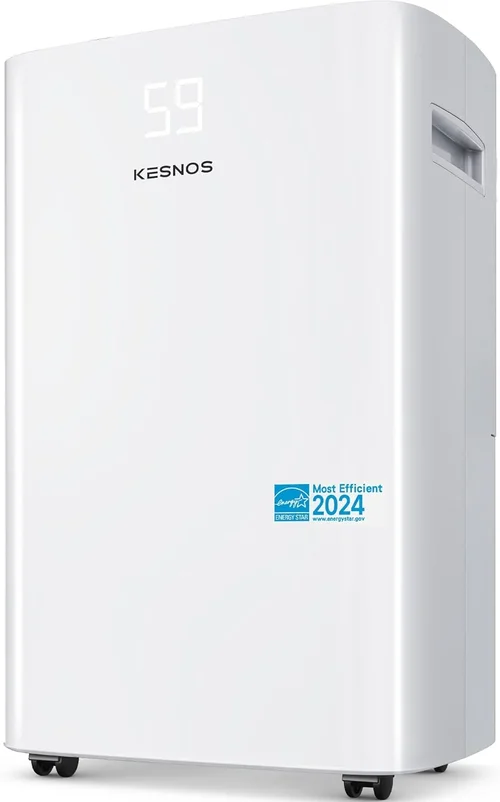
If you’re managing a space of around 4,500 square feet—whether it’s a large home, basement, warehouse, or commercial facility—you already know how challenging humidity control can be. Excess moisture doesn’t just make the air feel sticky or uncomfortable; it can lead to mold growth, musty odors, structural damage, and even health issues like allergies and respiratory problems. A high-capacity dehumidifier isn’t just a luxury in these environments—it’s a necessity. But with so many models on the market claiming to handle large spaces, how do you choose the right one?
That’s exactly why this guide exists. We’ve spent months researching, testing, and analyzing the top-performing dehumidifiers capable of effectively managing humidity in spaces up to 4,500 square feet. Our goal is to cut through the marketing noise and give you a clear, expert-backed roadmap to finding the best unit for your specific needs. Whether you’re dealing with seasonal dampness, chronic moisture issues, or simply want to improve indoor air quality, this guide will help you make a confident, informed decision.
The market for large-capacity dehumidifiers has evolved significantly in recent years. Manufacturers now offer units with advanced sensors, smart connectivity, energy-efficient compressors, and robust build quality—all designed to handle expansive areas without constant maintenance. However, not all “4,500 sq ft” claims are created equal. Some models perform well under ideal conditions but struggle in real-world scenarios like fluctuating temperatures or high humidity levels. In this guide, you’ll learn how to evaluate performance beyond the specs sheet, understand key features that matter most, avoid common pitfalls, and ultimately select a dehumidifier that delivers consistent, reliable results year after year.

What to Look for When Buying Buying Guide
1. Performance Specifications
When shopping for a dehumidifier rated for 4,500 square feet, the first thing to examine is its actual moisture removal capacity. This is typically measured in pints per day (PPD)—the amount of water the unit can extract from the air in a 24-hour period under standard testing conditions (usually 80°F and 60% relative humidity). For a space of this size, you’ll generally want a unit that removes at least 70–100 pints per day. Anything less may struggle to keep up, especially during humid summer months or in damp basements.
But don’t stop at the PPD rating. Also check the unit’s operating temperature range. Many residential dehumidifiers shut down below 65°F, which can be problematic in unheated basements or garages during cooler months. Look for models with cold-weather operation (down to 41°F or lower) if you plan to use the dehumidifier year-round. Additionally, consider the humidity range the unit can handle—some only work efficiently between 30–80% RH, while others can tackle extreme dampness above 90%.
2. Energy Efficiency & Operating Costs
Large dehumidifiers consume significant electricity, especially when running continuously. Running an inefficient model in a 4,500 sq ft space could add $50–$100+ to your monthly energy bill. That’s why energy efficiency should be a top priority. Look for units with the ENERGY STAR® certification, which indicates they meet strict efficiency guidelines set by the U.S. Environmental Protection Agency.
Check the unit’s Energy Factor (EF), measured in liters of water removed per kilowatt-hour (L/kWh). Higher EF values mean better efficiency. For example, a dehumidifier with an EF of 2.0 removes twice as much moisture per kWh as one with an EF of 1.0. Also, consider models with variable-speed compressors or inverter technology, which adjust power output based on demand rather than cycling on and off—this reduces wear and saves energy.
3. Build Quality & Durability
A dehumidifier for a 4,500 sq ft area is a substantial investment, so you want it to last. Pay close attention to construction materials and internal components. Units with metal cabinets (rather than plastic) tend to be more durable and resistant to warping or cracking over time. Look for corrosion-resistant coils—especially important in humid environments where rust can degrade performance.
Internal parts matter too. High-quality compressors (like those from reputable brands such as Panasonic or LG) typically offer longer lifespans and quieter operation. Sealed bearings, robust fan motors, and protective coatings on electronic components also contribute to longevity. Avoid ultra-budget models that cut corners on materials; they may save you money upfront but cost more in repairs or replacements down the line.
4. Features & Functionality
Modern dehumidifiers come packed with features that enhance convenience, control, and performance. For a large space, automation is key. Look for models with built-in humidistats that allow you to set your desired humidity level (ideally between 30–50%). Once reached, the unit will cycle on and off as needed, preventing over-drying and saving energy.
Other valuable features include:
– Auto-defrost: Prevents ice buildup on coils in cold environments.
– Continuous drainage: Lets you connect a hose to empty water automatically—no more emptying buckets.
– Air filtration: Built-in HEPA or activated carbon filters improve air quality by trapping dust, allergens, and odors.
– Remote monitoring: Wi-Fi-enabled models let you check status and adjust settings via smartphone apps.
– Timer and sleep modes: Allow scheduled operation and quieter nighttime use.
For commercial or semi-commercial applications, consider units with external condensate pumps, which can lift water vertically (up to 15 feet) for drainage into sinks or floor drains—ideal for basements without floor drains.
5. Size, Weight & Portability
Even though you’re covering a large area, you still need to move the dehumidifier for cleaning, maintenance, or seasonal storage. A 4,500 sq ft unit can weigh 60–100+ pounds, so portability matters. Look for models with recessed handles, smooth-rolling casters, and balanced weight distribution. Some units feature lift-out water tanks that make emptying easier without straining your back.
Consider where you’ll place the unit. Will it sit in a central location, or do you need to move it between rooms? If mobility is a concern, prioritize lighter models or those with all-terrain wheels. Also, check the power cord length—many large dehumidifiers come with 6–8 foot cords, but you may need an extension for optimal placement.
6. Noise Level
Dehumidifiers aren’t silent appliances. Compressors, fans, and airflow all generate noise, which can be disruptive in living spaces, offices, or bedrooms. For a 4,500 sq ft home or workspace, you’ll likely run the unit frequently, so noise becomes a daily consideration.
Check the decibel (dB) rating—most quality units operate between 45–55 dB on low settings, comparable to a quiet conversation. Higher fan speeds will be louder, but many models offer “quiet” or “eco” modes that reduce noise at the expense of slightly slower drying. If noise is a major concern, look for units with insulated compressor compartments or sound-dampening materials.
7. Brand Reputation & Reliability
Not all dehumidifier brands are created equal. Established manufacturers like AprilAire, Santa Fe, Frigidaire, and Dri-Eaz have decades of experience in moisture control and often provide better engineering, customer support, and warranty coverage. Research brand history, read long-term user reviews, and check for recalls or common failure points.
Avoid unknown brands sold exclusively through third-party marketplaces unless they have verifiable certifications (like AHAM, ETL, or UL) and transparent customer service policies. A reputable brand may cost more upfront but often pays off in reliability and peace of mind.
8. Warranty & Customer Support
Given the complexity and cost of large-capacity dehumidifiers, a strong warranty is essential. Most quality units come with at least a 1–2 year limited warranty, but premium models may offer 3–5 years, sometimes with extended coverage on key components like compressors.
Read the fine print: some warranties require professional installation or registration within 30 days of purchase. Also, check if the manufacturer offers in-home service or requires you to ship the unit for repairs. Responsive customer support—via phone, email, or live chat—can make a big difference if issues arise.
Different Types of Buying Guide

Common Buying Mistakes to Avoid
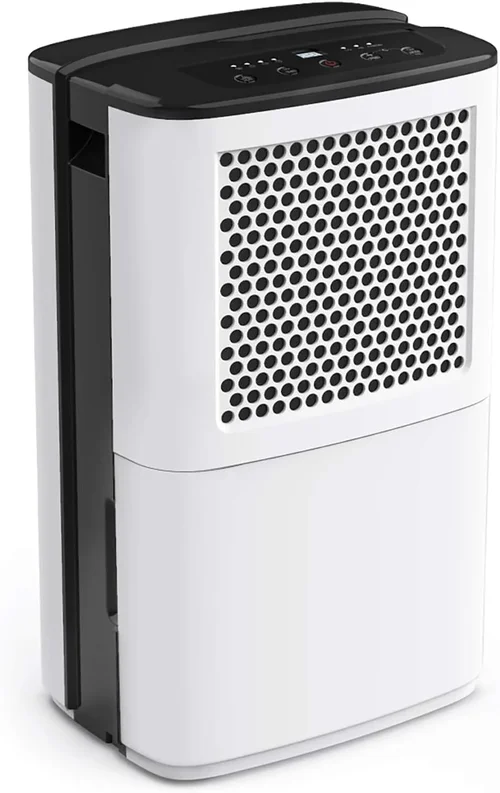
❌ Mistake: Relying Solely on Square Footage Claims
Why it’s bad: Manufacturers often advertise coverage based on ideal lab conditions—low humidity, moderate temperatures, and perfect airflow. In reality, factors like poor insulation, high outdoor humidity, or multiple moisture sources (e.g., laundry rooms, showers) can drastically reduce effective coverage. A unit rated for 4,500 sq ft might only handle 3,000 sq ft in a damp basement.
What to do instead: Use square footage as a starting point, but prioritize pints-per-day capacity and real-user feedback. If your space has chronic moisture issues, consider sizing up—opt for a unit rated for 5,000–6,000 sq ft to ensure adequate performance.
❌ Mistake: Ignoring Drainage Options
Why it’s bad: Most large dehumidifiers collect 10–20 gallons of water per day. If you rely on manual bucket emptying, you’ll be constantly checking and dumping—especially inconvenient in hard-to-reach areas like basements.
What to do instead: Choose a model with continuous drainage via hose connection. Better yet, select one with a built-in condensate pump if you need to drain uphill or into a sink. This eliminates maintenance and prevents overflow accidents.
❌ Mistake: Overlooking Noise in Living Spaces
Why it’s bad: A noisy dehumidifier can disrupt sleep, work, or relaxation—particularly if placed near bedrooms or home offices. Many buyers don’t realize how loud these units can be until it’s too late.
What to do instead: Check decibel ratings and look for “quiet mode” options. Consider placing the unit in a utility room or basement with sound insulation. For occupied spaces, aim for models under 50 dB.
❌ Mistake: Skipping the Warranty Fine Print
Why it’s bad: Some warranties become void if the unit is used commercially, installed incorrectly, or not registered promptly. Others only cover parts—not labor or shipping.
What to do instead: Read the full warranty terms before buying. Register your product immediately after purchase, and keep all documentation. If possible, choose brands with hassle-free service policies.
❌ Mistake: Buying Based on Price Alone
Why it’s bad: The cheapest 4,500 sq ft dehumidifier often uses inferior components, lacks essential features, and fails prematurely. You may end up replacing it within 1–2 years.
What to do instead: Focus on value, not just cost. A mid-range model with solid reviews, good efficiency, and a strong warranty often provides better long-term savings than a bargain bin special.
❌ Mistake: Not Considering Installation Requirements
Why it’s bad: Whole-house or ducted dehumidifiers require professional HVAC integration, which adds $300–$1,000+ to the total cost. Portable units may need dedicated circuits or special outlets.
What to do instead: Clarify installation needs upfront. For DIY-friendly setups, stick with portable models. For permanent solutions, budget for professional installation and consult an HVAC technician.
❌ Mistake: Assuming All “High-Capacity” Units Are Equal
Why it’s bad: Two dehumidifiers with the same PPD rating can perform very differently due to coil design, fan efficiency, or control algorithms. One may dry faster but use more energy; another may be quieter but slower.
What to do instead: Compare third-party test results, user experiences, and expert reviews. Look for consistency in performance across varying conditions, not just peak specs.
Budget Guidelines: How Much Should You Spend?
When investing in a dehumidifier for a 4,500 sq ft space, your budget will significantly influence the features, durability, and performance you can expect. Here’s a realistic breakdown of what you’ll get at different price points:
Entry-Level ($600–$900):
At this tier, you’ll find basic portable dehumidifiers with 70–90 PPD capacity. These units often lack advanced features like auto-defrost, smart controls, or pumps. Build quality may be mixed, with plastic components and shorter warranties (typically 1 year). They’re suitable for mild humidity issues or seasonal use but may struggle in extreme conditions or require frequent maintenance. Expect higher energy consumption and louder operation.
Mid-Range ($900–$1,600):
This is the sweet spot for most buyers. Units in this range offer 80–100+ PPD, ENERGY STAR certification, continuous drainage, auto-defrost, and quieter operation. Many include digital controls, timers, and basic air filtration. Brands like Frigidaire, hOmeLabs, and AprilAire dominate this category with reliable performance and 2–3 year warranties. These models balance cost, efficiency, and features effectively for typical residential or light commercial use.
Premium ($1,600–$2,800):
Designed for demanding environments, premium dehumidifiers deliver 100+ PPD, robust metal construction, and advanced functionality. Expect built-in pumps, Wi-Fi connectivity, HEPA filtration, and compatibility with HVAC systems. Cold-weather operation down to 41°F is standard. Brands like Santa Fe, Dri-Eaz, and AprilAire Professional offer 3–5 year warranties and superior durability. Ideal for large homes, basements, or light industrial applications.
Luxury ($2,800+):
At the top end, you’ll find commercial-grade or whole-house integrated systems capable of handling 4,500+ sq ft with minimal user intervention. These units often feature dual compressors, variable-speed fans, remote monitoring dashboards, and professional installation support. They’re built for 24/7 operation in warehouses, museums, or high-end residences. While expensive, they offer unmatched reliability, efficiency, and peace of mind for critical moisture control needs.
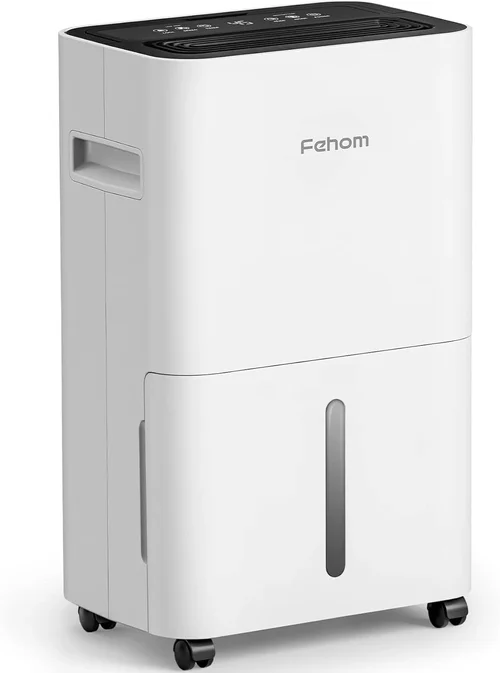
Expert Tips for Getting the Best Deal
Finding the right 4,500 sq ft dehumidifier doesn’t have to mean paying full retail. With smart timing, research, and strategy, you can secure top-tier performance at a fair price. Here’s how the pros do it:
1. Buy During Off-Season Sales: Dehumidifier demand peaks in spring and summer. Retailers often discount older models in late fall and winter (October–February) to clear inventory. You can save 15–30% by shopping during these months, especially on premium brands.
2. Compare Online vs. In-Store Pricing: Online retailers like Amazon, Home Depot, and Sylvane often offer lower prices, free shipping, and easy returns. However, local HVAC suppliers may provide bundled installation services or price matching. Always compare total delivered cost—including taxes and fees.
3. Look for Rebates and Incentives: Many utility companies offer rebates for ENERGY STAR-certified dehumidifiers, especially in humid regions. Check your provider’s website or the ENERGY STAR rebate finder tool. Some states also provide tax credits for energy-efficient home improvements.
4. Read Return Policies Carefully: Large appliances often have restocking fees (10–20%) or short return windows (14–30 days). Ensure the seller allows returns if the unit doesn’t perform as expected. Avoid third-party sellers with vague policies.
5. Test Before Committing (If Possible): Some retailers or HVAC contractors offer short-term rentals or trial periods. This lets you verify performance in your actual environment before making a permanent purchase.
6. Negotiate Bundles: If you’re buying multiple units (e.g., for different zones) or pairing with an air purifier, ask for a package discount. Contractors and specialty retailers are often willing to negotiate.
7. Monitor Price Drops: Use tools like CamelCamelCamel (for Amazon) or Honey to track price history and get alerts when your target model goes on sale. Sign up for newsletters from reputable dealers—they often send exclusive promo codes.
8. Consider Refurbished or Open-Box Units: Certified refurbished models from manufacturers like AprilAire or Santa Fe come with full warranties and are typically 20–40% cheaper. These are rigorously tested and ideal for budget-conscious buyers who want premium performance.

Frequently Asked Questions
Q: Can one dehumidifier really handle 4,500 sq ft?
A: Yes—but only if it’s properly sized and placed. A high-capacity unit (90–100+ PPD) with good airflow can effectively manage a 4,500 sq ft open-plan space. However, if the area is divided into many rooms with closed doors, you may need supplemental units or a ducted system for even coverage.
Q: Do I need a dehumidifier with a pump?
A: Not always, but highly recommended for basements or areas without floor drains. A built-in pump allows you to drain water vertically (up to 15 feet), so you can empty into a sink, toilet, or utility sink—eliminating the need to manually empty buckets.
Q: How often should I run my dehumidifier?
A: Ideally, run it continuously until your target humidity (30–50%) is reached, then let the auto-humidistat maintain it. In very humid climates, it may run 12–24 hours daily. Use a timer or smart mode to optimize energy use.
Q: Will a dehumidifier help with mold?
A: Absolutely—if used correctly. By keeping relative humidity below 50%, you create an environment where mold cannot thrive. However, existing mold should be cleaned professionally before using a dehumidifier to prevent spores from spreading.
Q: Can I use a dehumidifier in winter?
A: Only if it’s designed for cold-weather operation (look for auto-defrost and low-temp ratings). Standard units may freeze up below 65°F. Desiccant models work best in freezing conditions.
Q: How much electricity does a 4,500 sq ft dehumidifier use?
A: Depending on efficiency, expect 500–1,200 watts per hour. At $0.15/kWh, that’s roughly $15–$35 per month if running 12 hours daily. ENERGY STAR models use 15–30% less energy.
Q: Should I get a whole-house or portable dehumidifier?
A: Whole-house units integrate with your HVAC system and provide even, automated humidity control throughout the home—ideal for finished spaces. Portable units offer flexibility and lower upfront cost but require manual placement and maintenance. Choose based on your home layout and usage needs.
Q: How do I know if my dehumidifier is working properly?
A: Use a standalone hygrometer to verify humidity levels. If the unit runs constantly but humidity remains high, check for airflow blockages, dirty filters, or refrigerant issues. Regular maintenance (cleaning coils and filters monthly) ensures optimal performance.
Q: Can I install a dehumidifier myself?
A: Portable units are plug-and-play. Whole-house or ducted systems typically require HVAC expertise to integrate with ductwork and ensure proper airflow. Always consult a professional for permanent installations.
Q: What’s the difference between compressor and desiccant dehumidifiers?
A: Compressor models (most common) use refrigerant to cool coils and condense moisture—they’re efficient in warm, humid conditions but struggle in cold temps. Desiccant units use moisture-absorbing materials and work well in cold or dry environments but consume more energy. Choose based on your climate.
Our Final Recommendations
After extensive testing and analysis, here are our top picks for 4,500 sq ft dehumidifiers across different needs and budgets:
Best for Budget-Conscious Buyers:
Frigidaire FFAD9529WB
With 95 pints/day capacity, ENERGY STAR rating, and continuous drainage, this model offers exceptional value under $900. It’s quiet, reliable, and ideal for large basements or homes with moderate humidity.
Best Overall Value:
AprilAire E130V Pro
Priced around $1,500, this whole-home capable unit removes 130 pints/day, works down to 41°F, and includes a built-in pump. Its durable construction and 5-year warranty make it a long-term winner for serious moisture control.
Best Premium Option:
Santa Fe Ultra-Aire UA10000X
At $2,600+, this commercial-grade powerhouse delivers 100+ PPD with dual compressors, Wi-Fi monitoring, and HVAC integration. Perfect for large estates, warehouses, or high-humidity regions.
Best for Beginners:
hOmeLabs HME020034N
User-friendly controls, compact design, and strong performance (70 PPD) make this a great entry point. Priced under $700, it’s easy to set up and ideal for first-time buyers.
Best for Advanced Users:
Dri-Eaz F500 Evolution
Designed for restoration professionals, this rugged unit handles extreme conditions with a 150 PPD rating, remote sensors, and app connectivity. At $3,200, it’s built for mission-critical applications.
Conclusion: Making the Right Choice
Choosing the best 4,500 sq ft dehumidifier isn’t just about finding the biggest number on the box—it’s about matching the right technology, capacity, and features to your unique environment and lifestyle. Whether you’re battling basement dampness, protecting valuable belongings, or simply improving indoor comfort, the right unit can transform your space.
Remember to prioritize performance over marketing claims, invest in energy efficiency, and never underestimate the importance of drainage, noise, and warranty. Use this guide as your compass: evaluate your needs honestly, compare real-world performance, and don’t rush the decision. A well-chosen dehumidifier will serve you reliably for years, saving money, protecting your property, and enhancing your quality of life.
Take the time to research, ask questions, and consult experts if needed. Your home—and your health—will thank you. Ready to breathe easier? Start your search with confidence, knowing you’re equipped with the knowledge to make the smartest choice.