
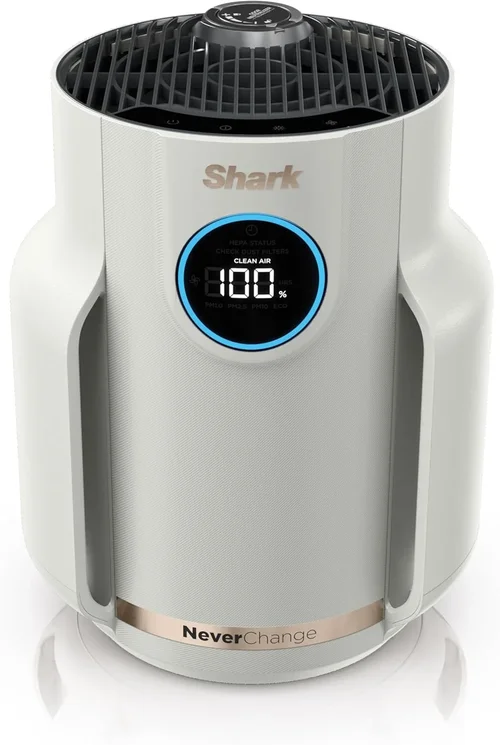
Air quality and humidity levels in your home are more than just comfort factors—they directly impact your health, sleep, and even the longevity of your belongings. Whether you’re battling seasonal allergies, dealing with musty odors in a basement, or trying to protect wooden furniture from warping due to excess moisture, an air purifier dehumidifier combo can be a game-changer. These dual-function appliances tackle two common indoor air problems at once: airborne pollutants like dust, pollen, mold spores, and pet dander, as well as high humidity that encourages mold growth and dust mite proliferation.
But with so many models on the market—ranging from compact under-$100 units to high-end systems costing over $500—it’s easy to feel overwhelmed. How do you know which one actually delivers on its promises? What features matter most? And how much should you really spend? This guide is designed to cut through the noise and give you a clear, expert-backed roadmap for choosing the best air purifier dehumidifier for your specific needs. You’ll learn how to evaluate performance specs, understand key features, avoid common pitfalls, and ultimately make a smart investment that improves your indoor environment for years to come.
The market for air purifier dehumidifiers has exploded in recent years, driven by growing awareness of indoor air quality and the increasing prevalence of respiratory issues. Brands like Honeywell, Winix, Midea, and AprilAire now offer hybrid units that combine HEPA filtration with built-in dehumidification, while niche players focus on compact, energy-efficient designs for smaller spaces. Some models even integrate smart controls, air quality sensors, and app connectivity. With such variety, it’s more important than ever to shop with purpose—not just price. This guide will help you do exactly that.

What to Look for When Buying Buying Guide
1. Performance Specifications
When evaluating an air purifier dehumidifier, performance specs are your first line of defense against underwhelming results. Two critical metrics stand out: Clean Air Delivery Rate (CADR) for air purification and pints per day (PPD) for dehumidification.
CADR measures how efficiently an air purifier removes smoke, dust, and pollen from the air, expressed in cubic feet per minute (CFM). A higher CADR means faster and more effective cleaning. For example, a CADR of 200 for dust indicates the unit can clean 200 cubic feet of air per minute of dust particles. Look for a CADR rating that matches or exceeds the square footage of the room you plan to use it in—most manufacturers provide a recommended room size based on CADR.
On the dehumidification side, PPD tells you how many pints of moisture the unit can extract from the air in 24 hours under standard conditions (typically 60% relative humidity at 80°F). A 30-pint model is suitable for a moderately damp basement or large bedroom, while a 50-pint unit may be needed for a humid crawl space or finished basement with chronic moisture issues. Be cautious of exaggerated claims—some brands test under ideal lab conditions that don’t reflect real-world use.
Also consider the type of filter used. True HEPA filters capture 99.97% of particles as small as 0.3 microns, including most allergens and mold spores. Avoid “HEPA-type” or “HEPA-like” filters—they don’t meet the same standard. For dehumidification, refrigerant-based systems are common and effective in warm, humid climates, while desiccant models work better in cooler environments but may consume more energy.
2. Room Size & Coverage Area
Matching the unit’s coverage area to your space is essential. An undersized air purifier dehumidifier will struggle to maintain clean, dry air, while an oversized one may cycle too frequently, wasting energy and shortening the lifespan of filters and components.
Most manufacturers specify a maximum room size in square feet. For air purification, aim for a unit that can handle at least 1.5 times your room’s area to ensure adequate air exchanges per hour (ACH). For example, if your bedroom is 200 sq ft, choose a model rated for 300+ sq ft. This buffer accounts for furniture, ceiling height, and air circulation challenges.
For dehumidification, room size matters less than humidity level and air exchange rate. A damp 500 sq ft basement may need a 50-pint dehumidifier, while a dry 800 sq ft living room might only need 20 pints. Consider factors like ventilation, external moisture sources (e.g., leaks, poor drainage), and seasonal humidity swings. If you live in a coastal or tropical climate, prioritize higher PPD ratings.
Portable units are ideal for single rooms, but for whole-house coverage, consider ducted or whole-home systems—though these typically require professional installation and are significantly more expensive.
3. Energy Efficiency & Operating Costs
Running an air purifier dehumidifier 24/7 can add up on your electricity bill, so energy efficiency is a major long-term consideration. Look for units with the ENERGY STAR® certification, which ensures they meet strict efficiency guidelines set by the U.S. Environmental Protection Agency.
Check the unit’s wattage and estimated annual energy consumption. A typical 30-pint dehumidifier uses between 300–500 watts, while air purifiers range from 20–100 watts depending on fan speed and features. Multiply the wattage by hours of use and your local electricity rate to estimate monthly costs. For example, a 400-watt dehumidifier running 12 hours a day at $0.12/kWh costs about $17.28 per month.
Some models include energy-saving modes, auto-shutoff when the water tank is full, or humidity-based cycling (maintaining a set RH level rather than running continuously). These features can reduce energy use by 20–40%. Also consider the cost of replacement filters—HEPA filters typically need replacing every 6–12 months and can cost $30–$80 each.
4. Noise Level & Quiet Operation
Noise is a dealbreaker for many buyers, especially if you plan to use the unit in a bedroom, nursery, or home office. Air purifier dehumidifiers combine two noisy components—a fan for air circulation and a compressor or desiccant wheel for dehumidification—so sound levels can vary widely.
Look for decibel (dB) ratings, ideally below 50 dB on the lowest setting. For context, 40 dB is similar to a quiet library, while 60 dB is like normal conversation. Many manufacturers list noise levels at different fan speeds, so compare the quietest mode—this is often the one you’ll use most.
Desiccant dehumidifiers tend to be quieter than compressor-based models because they don’t have a loud compressor. However, they may produce a faint humming sound from the fan and heating element. Some premium models include “sleep mode” or “night mode” that reduces fan speed and dims indicator lights.
If noise is a top concern, consider placing the unit in a closet or adjacent room with proper ventilation, or opt for a model with remote control so you don’t have to walk over to adjust settings.
5. Build Quality & Durability
An air purifier dehumidifier is a long-term investment, so build quality matters. Cheap plastic housings, flimsy filters, and weak seals can lead to leaks, reduced efficiency, and premature failure.
Inspect the materials: look for sturdy, high-grade plastic or metal components, especially in the water tank and air intake areas. A well-sealed cabinet prevents air leaks that reduce purification efficiency. Check for reinforced corners, secure latches, and smooth-moving parts.
The water tank should be easy to remove and clean, with a handle and spill-resistant design. Auto-shutoff when the tank is full is a must-have safety feature. For dehumidifiers, a washable pre-filter helps extend the life of the HEPA filter by capturing larger particles.
Also consider the compressor type in refrigerant models. Rotary compressors are generally quieter and more durable than reciprocating ones. Desiccant models have fewer moving parts, which can mean longer lifespan but may require periodic replacement of the desiccant material.
Read user reviews for reports of breakdowns, leaks, or motor failures within the first year—these are red flags for poor build quality.
6. Features & Functionality
Modern air purifier dehumidifiers come packed with features that enhance convenience, control, and effectiveness. Here are the most valuable ones to look for:
– Humidity Control: A built-in humidistat allows you to set and maintain a target relative humidity (RH), typically between 30–50%. This prevents over-drying and saves energy.
– Air Quality Sensor: Monitors PM2.5, VOCs, or overall air quality and adjusts fan speed automatically. Some models display real-time air quality with color-coded lights.
– Timer & Scheduling: Set the unit to run for a specific duration or at certain times of day (e.g., during high-humidity mornings).
– Remote Control & App Connectivity: Control the unit from your phone, check filter life, or receive alerts when the tank is full. Smart models may integrate with Alexa or Google Assistant.
– Filter Replacement Indicator: Alerts you when it’s time to change the HEPA or carbon filter, based on usage time or sensor data.
– Multiple Fan Speeds: Allows you to balance performance and noise. Look for at least three speeds, including a low “sleep” mode.
– Continuous Drain Option: For dehumidifiers, a hose connection lets you drain water directly into a floor drain or sump pump, eliminating the need to empty the tank.
Avoid “gimmick” features like ionizers or UV lights unless you have a specific need. Ionizers can produce ozone, a lung irritant, and UV lights are only effective if air passes slowly enough—most residential units don’t provide sufficient exposure time.
7. Ease of Maintenance
No one wants to spend hours cleaning and maintaining their air purifier dehumidifier. Look for designs that make upkeep simple and infrequent.
The water tank should be easy to remove, carry, and pour. A capacity of 1–2 gallons is typical; larger tanks mean less frequent emptying. Some models include a splash guard or anti-spill design.
Filters should be accessible without tools. Most units have a front or side panel that swings open. Washable pre-filters can be rinsed monthly, while HEPA filters need replacement every 6–12 months. Check if the filter is standard-sized (easier to find replacements) or proprietary (may be more expensive).
For dehumidifiers, the condensate coil or desiccant wheel should be cleanable. Some models include a washable air filter for the dehumidification side as well.
8. Brand Reputation & Customer Support
Not all brands are created equal. Established companies like Honeywell, Winix, and Midea have decades of experience in air treatment and generally offer better reliability, customer service, and warranty support.
Research brand reputation through independent reviews, consumer reports, and user forums. Look for patterns in complaints—frequent issues with leaks, noisy operation, or poor customer service are warning signs.
Check the availability of replacement parts and filters. Some lesser-known brands use proprietary components that are hard to find or overpriced. Also verify that the company has a U.S.-based support team with phone, email, and chat options.
Warranty length is another indicator of confidence in the product. A 1-year warranty is standard, but 2–5 years is better, especially for the compressor in dehumidifiers. Some brands offer extended warranties for an additional cost.
Different Types of Buying Guide

Common Buying Mistakes to Avoid
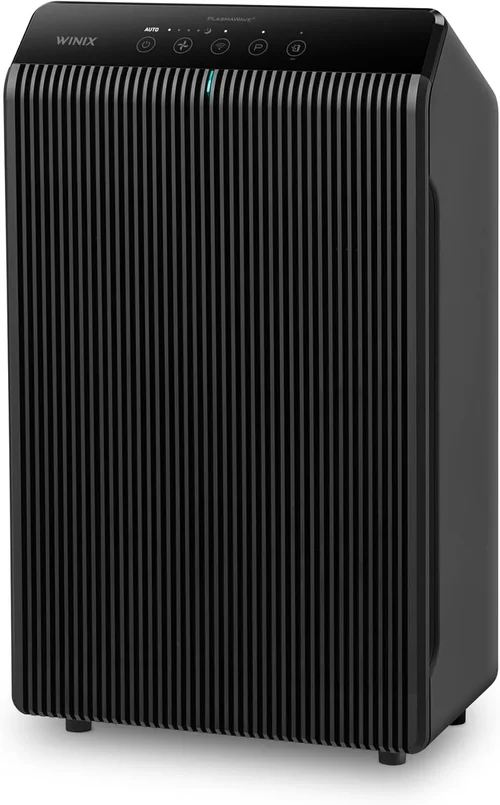
❌ Mistake: Buying Based Solely on Price
Why it’s bad: The cheapest air purifier dehumidifier often cuts corners on filter quality, build materials, and performance. You may end up with a unit that doesn’t effectively reduce humidity or remove allergens, requiring you to buy a second, better model within a year.
What to do instead: Focus on value, not just upfront cost. Consider long-term expenses like filter replacements, energy use, and durability. A $300 unit that lasts 5 years with low operating costs is often a better deal than a $150 model that fails in 18 months.
❌ Mistake: Ignoring Room Size and Humidity Level
Why it’s bad: A unit rated for 200 sq ft won’t keep up in a 400 sq ft room, leading to poor air quality and persistent dampness. Similarly, using a 20-pint dehumidifier in a flooded basement is like using a teacup to bail out a sinking boat.
What to do instead: Measure your space and assess humidity with a hygrometer. Choose a model with a coverage area and PPD rating that exceeds your needs by 20–30% to account for real-world conditions.
❌ Mistake: Overlooking Noise Levels
Why it’s bad: A noisy unit can disrupt sleep, concentration, and relaxation. Many buyers only realize how loud a model is after sleeping next to it all night.
What to do instead: Check decibel ratings and read user reviews about noise. If possible, test the unit in-store or choose a model with a dedicated “sleep mode.”
❌ Mistake: Skipping the Humidistat
Why it’s bad: Without a humidistat, the dehumidifier runs continuously or on a timer, which can over-dry the air (leading to dry skin and static) or waste energy by running when not needed.
What to do instead: Always choose a model with a built-in humidistat. Set it to 40–50% RH for optimal comfort and mold prevention.
❌ Mistake: Buying a Unit with an Ionizer
Why it’s bad: Ionizers release ozone, a lung irritant that can worsen asthma and other respiratory conditions. The EPA and American Lung Association advise against using ozone-generating air purifiers.
What to do instead: Opt for a HEPA-based system without ionization. If you want enhanced filtration, look for activated carbon filters for odors and VOCs.
❌ Mistake: Neglecting Maintenance Requirements
Why it’s bad: Clogged filters and dirty coils reduce efficiency, increase energy use, and can cause the unit to overheat or fail prematurely.
What to do instead: Choose a model with easy-access filters and a washable pre-filter. Set reminders for monthly cleaning and biannual deep maintenance.
❌ Mistake: Assuming All “HEPA” Filters Are Equal
Why it’s bad: “HEPA-type” or “HEPA-like” filters don’t meet the true HEPA standard and may only capture 85–90% of particles, leaving allergens and mold spores in the air.
What to do instead: Look for “True HEPA” or “H13 HEPA” certification. Check the manufacturer’s specifications for filtration efficiency.
Budget Guidelines: How Much Should You Spend?
– Entry-Level ($100 – $200): These compact units are ideal for small spaces like dorm rooms, bathrooms, or single bedrooms. Expect basic HEPA filtration, 10–20 pint dehumidification, and limited features. Noise levels may be higher, and build quality is often lower. Best for occasional use or mild humidity issues.
– Mid-Range ($200 – $400): This is the sweet spot for most buyers. You’ll find true HEPA filters, 30–50 pint dehumidification, humidistats, multiple fan speeds, and quieter operation. Many models include washable pre-filters, timer functions, and energy-saving modes. Ideal for bedrooms, living rooms, and moderately damp basements.
– Premium ($400 – $600): Designed for larger spaces and serious air quality concerns. These units offer advanced filtration (HEPA + carbon), 50+ pint dehumidification, smart sensors, app connectivity, and robust build quality. Look for ENERGY STAR certification, low noise levels, and extended warranties. Perfect for allergy sufferers, large homes, or high-humidity environments.
– Luxury ($600+): Top-tier models with whole-home capabilities, ducting options, and professional-grade components. These are often used in commercial settings or large, multi-story homes with chronic moisture problems. Features may include dual-fan systems, advanced air quality monitoring, and remote diagnostics. Only necessary for extreme cases or whole-house integration.
Expert Tips for Getting the Best Deal
– Buy During Off-Peak Seasons: Dehumidifiers and air purifiers often go on sale in late winter and early spring, before humidity peaks. Look for discounts in February–April.
– Check Retailer Return Policies: Choose stores with generous return windows (30–90 days) in case the unit doesn’t perform as expected. Avoid final sale items.
– Compare Total Cost of Ownership: Factor in filter replacements, energy use, and warranty. A slightly more expensive model with cheaper filters and lower wattage may save money over time.
– Look for Bundled Deals: Some retailers offer discounts when you buy an air purifier and dehumidifier separately but as a set. Compare combo units vs. individual purchases.
– Read Verified User Reviews: Focus on reviews from buyers who’ve used the unit for 3–6 months. They’ll reveal long-term reliability, noise levels, and maintenance issues.
– Test Before You Buy (If Possible): Visit a store to hear the noise level and inspect build quality. Some retailers allow in-home trials.
– Consider Refurbished or Open-Box Models: These can save 20–40% and often come with the same warranty as new units. Buy only from reputable sellers.
– Register Your Product: This ensures you receive warranty service and safety alerts. Some brands offer extended coverage or free filter replacements for registered users.

Frequently Asked Questions
Q: Can an air purifier dehumidifier replace a standalone dehumidifier?
A: It depends on your needs. Combo units are excellent for moderate humidity and air quality issues in single rooms. However, for severe moisture problems—like a flooded basement or whole-house humidity control—a high-capacity standalone dehumidifier (70+ pints) is more effective. Combo units typically max out at 50 pints and may not handle extreme conditions.
Q: Do I need both an air purifier and a dehumidifier?
A: If you have allergies, asthma, or live in a humid climate, yes. High humidity promotes mold and dust mites, which worsen respiratory issues. An air purifier removes allergens, while a dehumidifier prevents their growth. Using both addresses the root cause and symptoms.
Q: How often should I change the HEPA filter?
A: Most manufacturers recommend every 6–12 months, depending on usage and air quality. If you have pets, smoke, or live in a polluted area, replace it every 6 months. Some models have filter life indicators—use them as a guide.
Q: Can I run the unit 24/7?
A: Yes, most modern units are designed for continuous operation. Look for energy-efficient models with auto-humidity control to minimize power use. Just ensure the water tank is emptied regularly or use a continuous drain hose.
Q: Will it help with pet dander and odors?
A: Absolutely. A true HEPA filter captures pet dander, and an activated carbon filter absorbs odors. For best results, vacuum regularly and place the unit in high-traffic pet areas.
Q: Is it safe to use in a baby’s room?
A: Yes, as long as the unit doesn’t produce ozone. Choose a HEPA-based model without an ionizer. Ensure it’s quiet on low settings and place it away from the crib to avoid direct airflow.
Q: Can it prevent mold growth?
A: Yes, by maintaining humidity below 50%, it inhibits mold spores from germinating. For existing mold, clean the affected area first—then use the dehumidifier to prevent recurrence.
Q: Do I need a separate hygrometer?
A: Not if the unit has a built-in humidistat. However, a standalone hygrometer can verify accuracy and monitor other rooms.
Q: What’s the difference between refrigerant and desiccant dehumidifiers?
A: Refrigerant models cool air to condense moisture—best for warm, humid climates. Desiccant models use a moisture-absorbing material—better for cool environments and quieter operation.
Q: Can I use it in winter?
A: Refrigerant dehumidifiers lose efficiency below 60°F and may ice up. Desiccant models work well in cold temperatures. Check the operating temperature range before buying.
Our Final Recommendations
– Best for Budget-Conscious Buyers: hOmeLabs 30 Pint Combo – Affordable, true HEPA filter, 30-pint capacity, and quiet operation. Great for small to mid-sized rooms.
– Best Overall Value: Winix 5500-2 with Dehumidifier Add-On – Combines a top-rated air purifier with optional dehumidification. Excellent CADR, smart sensors, and washable AOC carbon filter.
– Best Premium Option: AprilAire E130C Whole-Home Dehumidifier + Air Purifier System – Professional-grade, 130-pint capacity, ducted installation, and advanced humidity control. Ideal for large homes with serious moisture issues.
– Best for Beginners: Honeywell TP50WKN – User-friendly, 50-pint dehumidifier with HEPA filtration, humidistat, and easy maintenance. Reliable and well-reviewed.
– Best for Advanced Users: Dyson Purifier Humidify+Cool Formaldehyde – Combines air purification, humidification, and cooling with real-time air quality monitoring and app control. Sleek design and high-tech features.
Conclusion: Making the Right Choice
Choosing the best air purifier dehumidifier isn’t about finding the most expensive or feature-packed model—it’s about matching the right performance, features, and build quality to your specific environment and needs. Whether you’re fighting allergies, protecting your home from mold, or simply seeking cleaner, more comfortable air, the right unit can make a profound difference.
Remember to prioritize true HEPA filtration, accurate humidity control, energy efficiency, and quiet operation. Avoid common pitfalls like overspending on gimmicks or undersizing for your space. And don’t forget maintenance—keeping filters clean and tanks emptied ensures long-term performance.
Take the time to assess your room size, humidity levels, and lifestyle. Read reviews, compare specs, and consider total cost of ownership. With the insights from this guide, you’re now equipped to make a confident, informed decision. Your health, your home, and your peace of mind are worth it.